

Unjustly imprisoned and waiting to die, Boethius penned his last and greatest work, Consolation of Philosophy, an imaginary dialogue between himself and Philosophy, personified as a woman. Reminiscent of Dante in places, Boethius's fiction is an ode-to-philosophy-cum-Socratic-dialogue. Joel Relihan's skillful rendering, smoother to the modern ear than previous translations, preserves the book's heart-rending clarity and Boethius's knack for getting it just right. Listen to him on fortune: "We spin in an ever-turning circle, and it is our delight to change the bottom for the top and the top for the bottom. You may climb up if you wish, but on this condition: Don't think it an injustice when the rules of the game require you to go back down."Consolation of Philosophy recalls the transience of the material world, the eternality of wisdom, and the life of the philosopher. Boethius was deeply influenced by the Platonist tradition, and this piece is one of the more powerful and artful defenses of a detachment that feels almost Buddhist. For anyone who's felt at odds with the world, Consolation is a reminder that the best things in life are eternal. Boethius must be right: the book is just as meaningful today as it was in the sixth century when he wrote it. --Eric de Place
Laila Straume-Zimmermann Volgorde van de boeken (chronologisch)
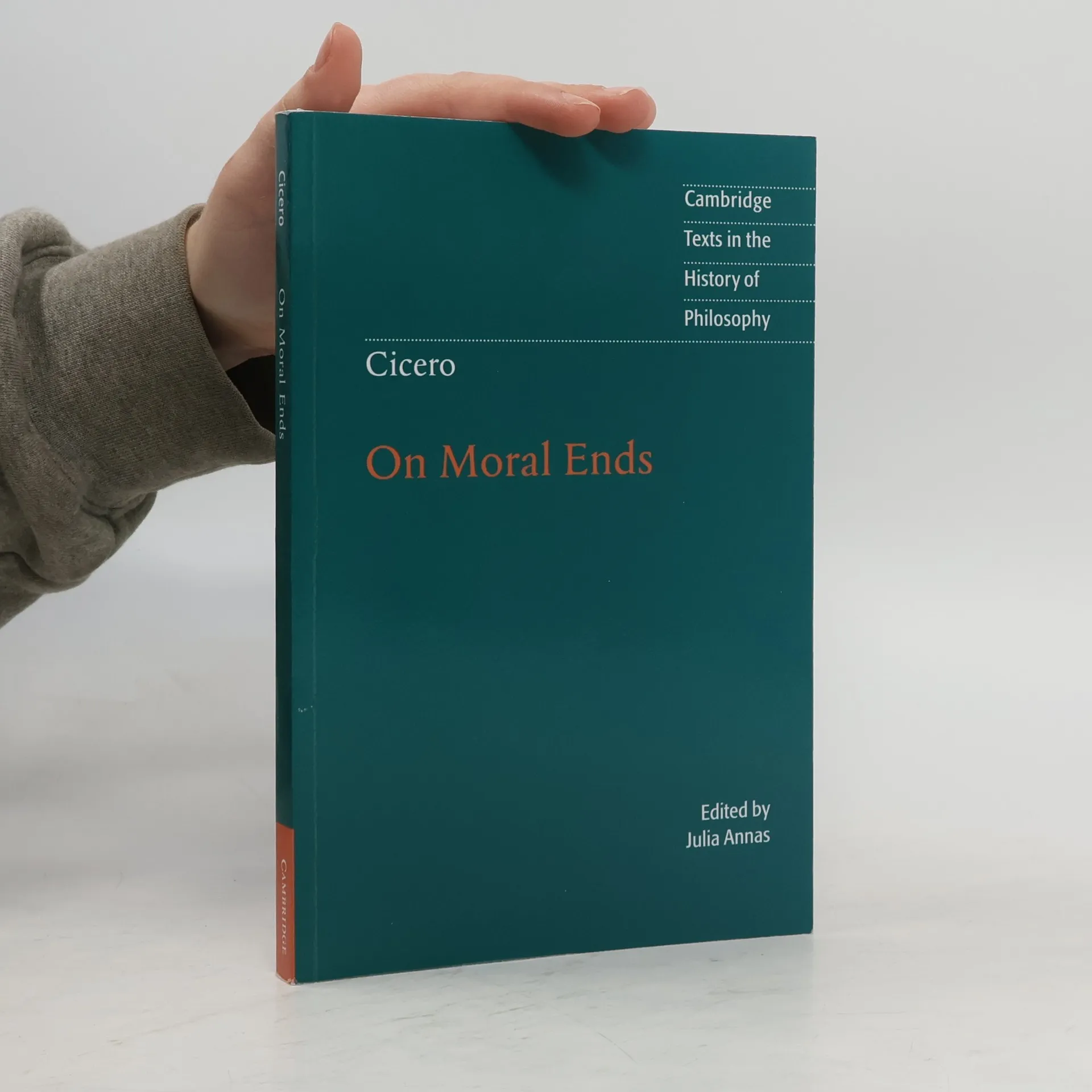

This 2001 translation of Cicero's important work on ethics does justice to the argumentative vigour and philosophical ideas of the text, and the volume also offers a clear and helpful introduction and notes.