

The fifth volume of the Vienna Yearbook for Kurdish Studies appeals to those interested in language, migration, and social cohesion, targeting students, researchers, and practitioners across various disciplines, including linguistics, sociology, political science, and anthropology. The focus on Kurdish serves as a catalyst for interdisciplinary exploration, as it encompasses a wide array of human experiences. The linguistic micro-level of Kurdish as a language entity prompts essential discussions about language nature, boundaries, and relationships, leading to deeper considerations of identity, social cohesion, and collective memory. The interconnectedness of these themes is particularly evident in the context of Kurdish, making it a compelling entry point for examining the inseparability of language from human experience, memory, politics, and social development in contemporary society. Kurdish exemplifies the profound human connection to language, showcasing its vibrant existence in both oral and written forms throughout history. This volume highlights the significance of Kurdish in understanding broader social dynamics and the enduring relevance of language in shaping human interactions and identities.
Maria Six-Hohenbalken Volgorde van de boeken (chronologisch)

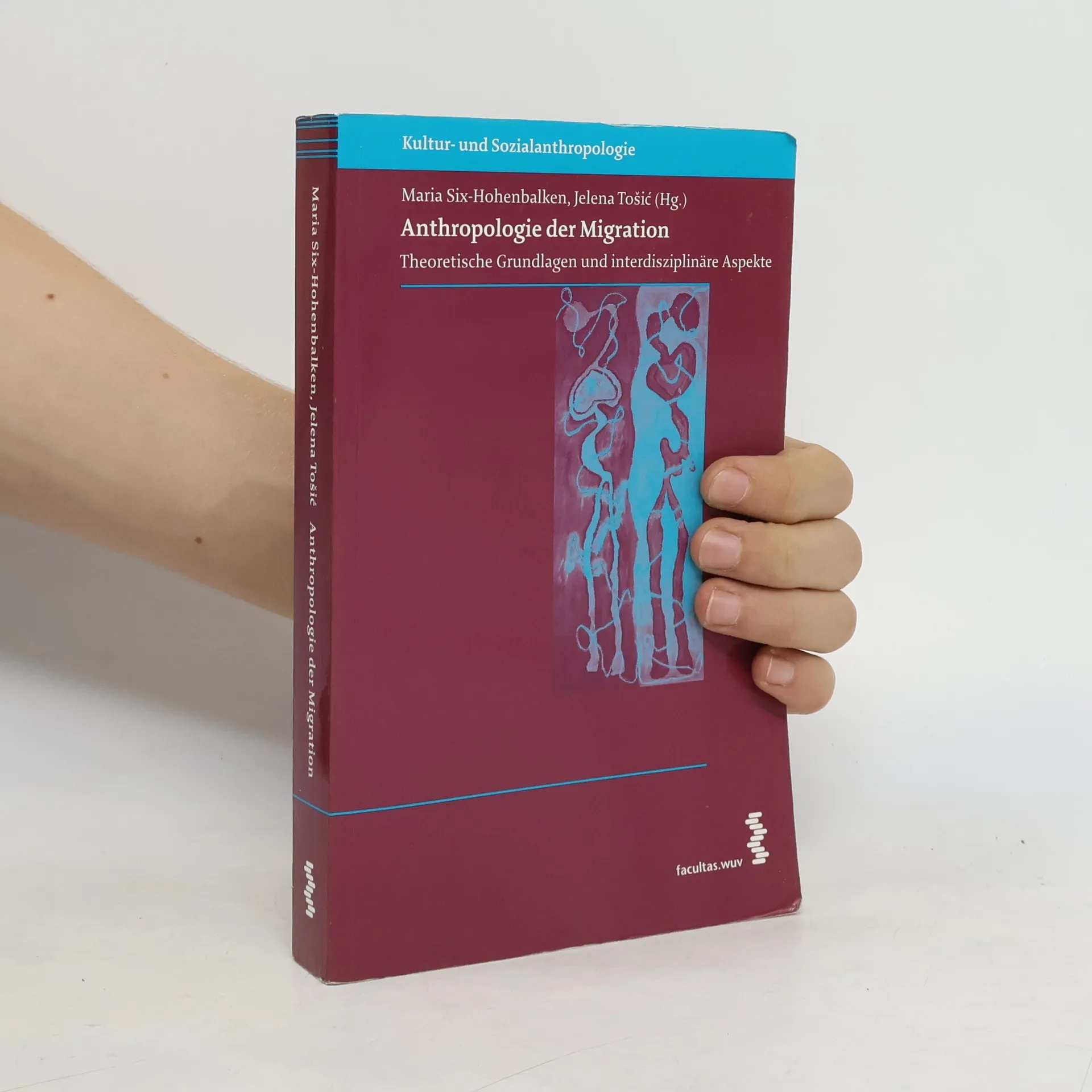
Anthropologie der Migration
Theoretische Grundlagen und interdisziplinäre Aspekte
- 368bladzijden
- 13 uur lezen
WissenschafterInnen, die an Instituten in Wien, in der Türkei, in Großbritannien und den USA tätig sind, bieten eine Einführung in theoretische Ansätze der anthropologischen Migrationsforschung und zeigen deren interdisziplinäre Verflechtungen auf. Themen wie Identitätskonstruktionen, Multikulturalismus, Transnationalismus und Diaspora werden aufbereitet und ausgewählte Anwendungsfelder im Bereich von Bildung, Gesundheit und kulturpolitischer Selbstorganisation eingehend erörtert. Der Band richtet sich an Studierende der Sozialwissenschaften, insbesondere der Kultur- und Sozialanthropologie, wie auch ExpertInnen, die beruflich in Migrationsfeldern tätig sind.