

What does it mean to write about a killer? From an award-winning author comes a tale of a notorious double-murder, a political scandal, and a writer who found himself entangled in this strange, true story.
Mark OConnell Volgorde van de boeken (chronologisch)
Deze auteur duikt in het ingewikkelde landschap van de menselijke psyche door zijn klinische praktijk en schrijven. Zijn werk verkent complexe thema's van relaties en identiteit, waarbij vaak unieke levenservaringen worden belicht. Hij vertaalt deze inzichten voor een breed publiek via bijdragen aan zowel academische tijdschriften als populaire media. Deze aanpak wordt gekenmerkt door een interdisciplinair perspectief en een diep persoonlijke betrokkenheid bij hedendaagse maatschappelijke vraagstukken.


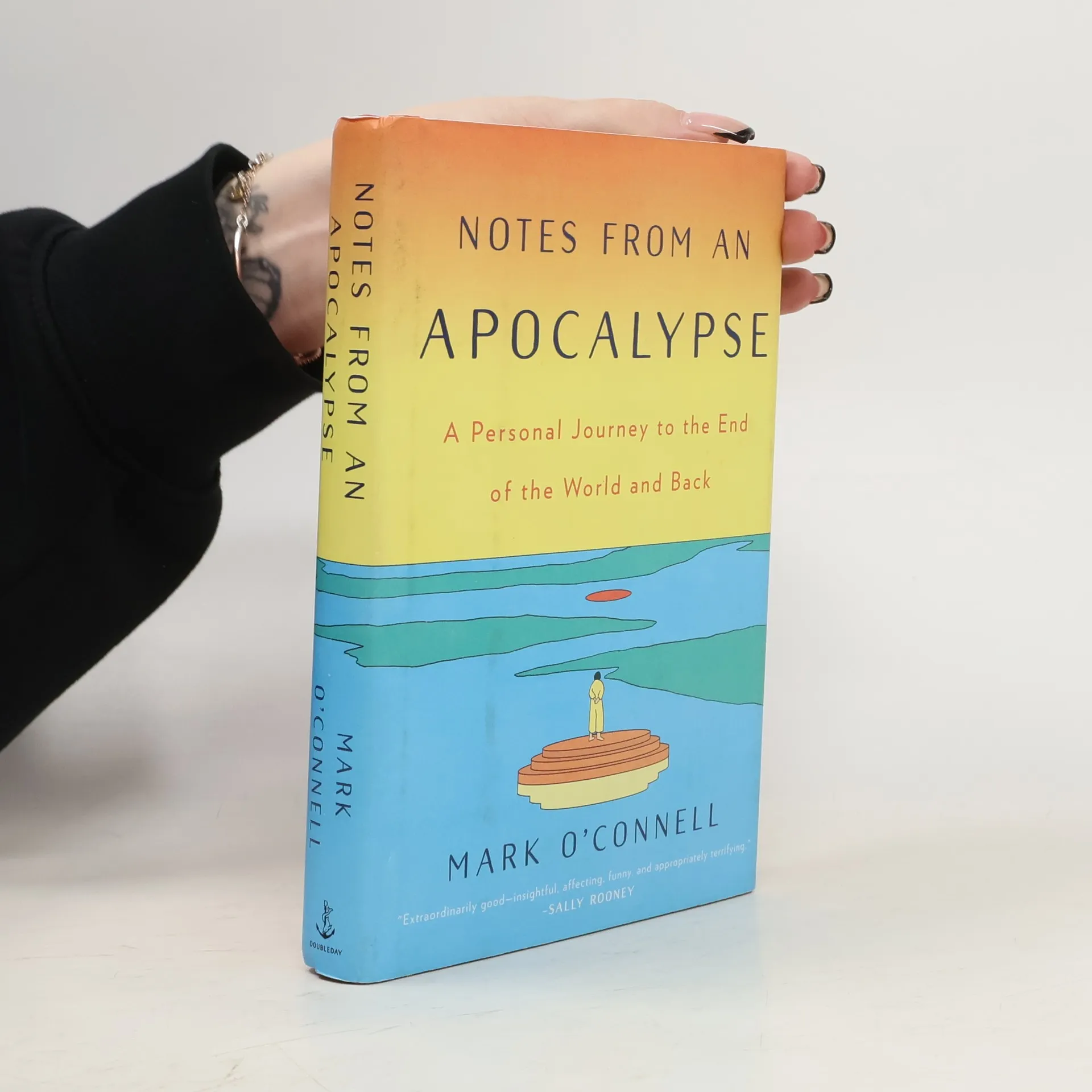


Notes from an Apocalypse
A Personal Journey to the End of the World and Back
- 272bladzijden
- 10 uur lezen
In a time marked by anxiety and uncertainty, the author explores our worst-case scenarios, from bizarre weather patterns to crumbling alliances. Amidst these ominous signs, he grapples with profound questions about living in the shadow of a grim future and the implications of bringing children into such a world. As a father of two, these concerns resonate deeply with him. His journey takes him around the globe, visiting survival bunkers in South Dakota and New Zealand—an escape for billionaires anticipating civilization's collapse. He interacts with individuals preparing for various apocalyptic scenarios, including Mars colonists and conspiracy theorists, while also reflecting on places like Chernobyl, where the future has already unfolded. Through these experiences, he seeks answers and ultimately finds a resolution. This investigation is both personal and universal, offering a humorous yet hopeful perspective on contemporary anxieties. With insight and wit, the author challenges readers to reconsider the notion of an impending apocalypse, suggesting that perhaps the end of the world isn’t as definitive as it seems.
Unsterblich sein
- 304bladzijden
- 11 uur lezen
Von Ikarus bis zu da Vincis mechanischem Ritter – seit jeher träumt der Mensch davon, seine natürlichen Grenzen zu überwinden. Doch erst im 21. Jahrhundert arbeiten Utopisten daran, Mensch und Maschine tatsächlich zu verschmelzen. Mark O’Connell nimmt uns mit zur dunklen Seite des Silicon Valley – wo die Technik zur Religion geworden und alles einem einzigen Ziel untergeordnet ist: den Tod zu besiegen. In einer großen Reportage lässt O’Connell eine Welt entstehen, die einem Science-Fiction-Film zu entstammen scheint: eine Welt, in der Köpfe in Lagerhallen darauf warten, zum Leben erweckt zu werden, Menschen zu Cyborgs geworden sind und Tech-Milliardäre fieberhaft daran arbeiten, unsterblich zu werden.
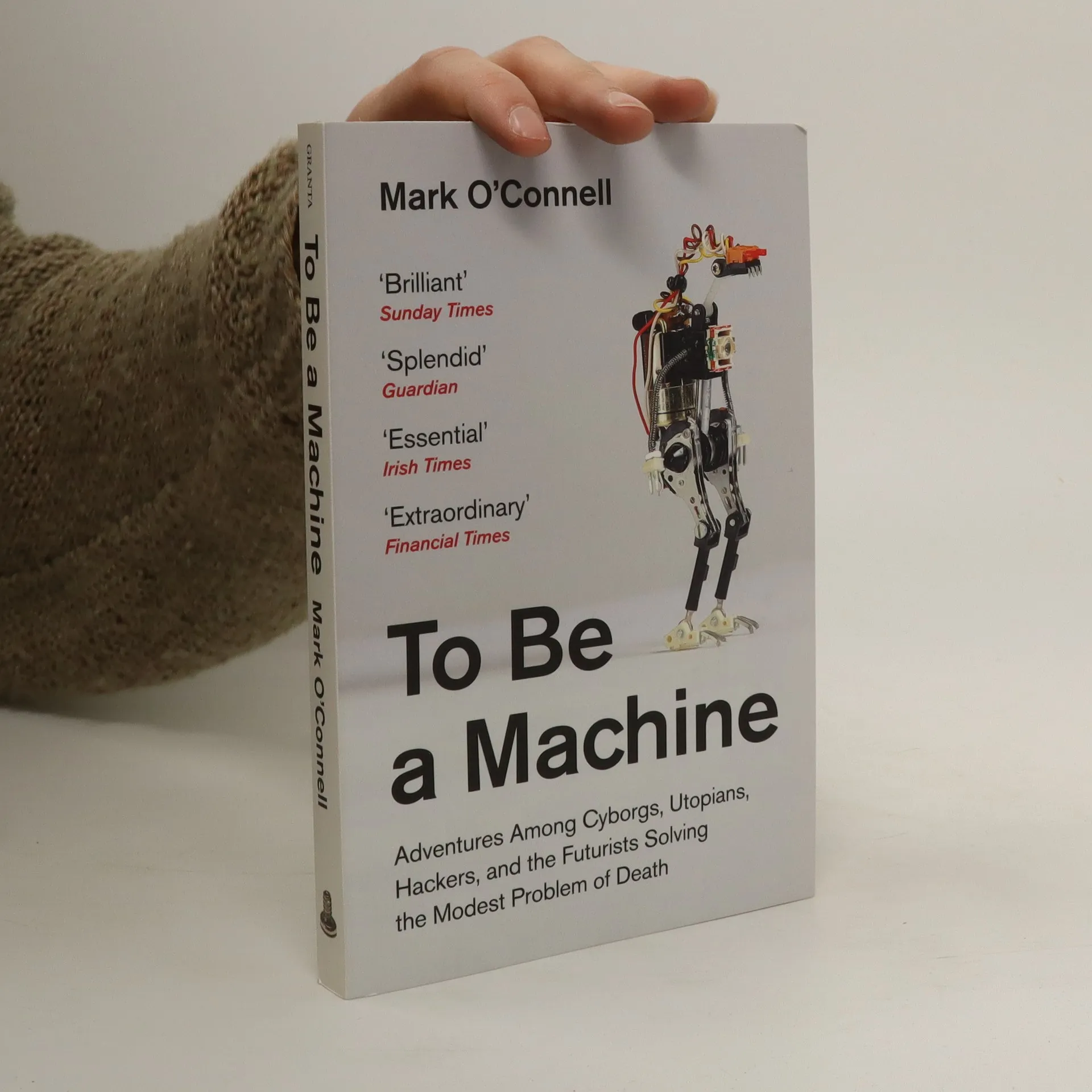
To Be a Machine
- 256bladzijden
- 9 uur lezen
An exploration of transhumanism: the philosophical and technological movement that is working on an update of the human machine.
The Complete Encyclopedia of Signs and Symbols
- 256bladzijden
- 9 uur lezen
A guide to hundreds of symbols, signs and ideographs and their meanings, with 1200 images.