In brand new translations by Ryan Bloom, four theatrical masterpieces from the Nobel Prize-winning author of The Outsider and The Plague are brought together for the first time in English, alongside deleted scenes and alternate lines of dialogue Caligula/The Misunderstanding /State of Emergency/The Just Although renowned for his novels, Albert Camus described the theatre as 'one of the only places in the world I'm happy', and staged the four plays gathered in this collection in Paris between 1944-49. Caligula, his first full-length dramatic work, portrays the monstrous emperor who destroys men, gods and ultimately himself. Here too are The Misunderstanding, a murderous tangle of longing; State of Emergency, where 'The Plague' appears as a central character; and The Just, which explores the limits of political conviction. This new translation brings together Camus's final versions of the plays, along with deleted scenes and alternate lines of dialogue.
Mauro Armiño Volgorde van de boeken (chronologisch)





"Alors, tu crois qu'il n'y a que Dieu qui voit les âmes, Basil ? Écarte le rideau et tu verras la mienne." Dorian Gray prononce ces mots avec une dureté cruelle. Hallward, le peintre, s'inquiète de la folie de Dorian. Ce dernier, dans un acte impulsif, arrache le rideau du tableau et révèle son propre portrait. L'horreur s'empare de Hallward en découvrant le visage hideux de Dorian sur la toile, bien que sa beauté stupéfiante ne soit pas encore entièrement altérée. Les reflets dorés de sa chevelure et la sensualité de sa bouche persistent, tandis que ses yeux, bien que bouffis, conservent une lueur de leur ancien éclat. Le tableau, signé par Hallward, soulève des questions troublantes sur l'identité et la beauté. Dorian est confronté à une idée monstrueuse, mêlant fascination et peur, alors qu'il réalise que son image est en train de se dégrader, tandis que lui-même reste inchangé.
Breve historia de Europa
- 768bladzijden
- 27 uur lezen
Desde los orígenes de la humanidad, y en el ámbito geográfico inscrito entre el Atlántico y los Urales, se han desarrollado múltiples acontecimientos que a través de los siglos, mediante la agregación de diversos elementos, como la herencia grecorromana, el cristianismo, la aportación de los pueblos «bárbaros», la expansión ultramarina a partir del siglo xv, la formación de estados soberanos o el fracaso de los intentos hegemónicos, desde Carlos V a Hitler, han ido forjando progresivamente una cierta identidad europea, culminada en el siglo xx por el surgimiento de una unidad europea supranacional, producto no de la fuerza, sino del mutuo consentimiento. Cada uno de los capítulos de esta BREVE HISTORIA DE EUROPA concluye con una selección de textos y documentos que amplían la visión del periodo. JEAN CARPENTIER y FRANÇOIS LEBRUN ponen a disposición del lector, además, otras herramientas complementarias: glosario, cronología, mapas históricos, un índice toponómico y otro onomástico, así como diversos cuadros estadísticos que encuadran la presencia europea en el conjunto mundial.
The Three Musketeers, Volume II
- 436bladzijden
- 16 uur lezen
Alexandre Dumas, père (French for "father", akin to Senior in English), born Dumas Davy de la Pailleterie (1802-1870) was a French writer, best known for his numerous historical novels of high adventure which have made him one of the most widely read French authors in the world. Many of his novels, including The Count of Monte Cristo (1845), The Three Musketeers (1844), and The Man in the Iron Mask (1848) were serialized, and he also wrote plays and magazine articles and was a prolific correspondent. Though best known now as a novelist, He earned his first fame as a dramatist. His Henri III et sa Cour (1829) was the first of the great Romantic historical dramas produced on the Paris stage, preceding Victor Hugo's more famous Hernani (1830). He was also a wellknown travel writer, writing such books as From Paris to Cadiz (1847), and Travel Impressions: In Russia (1860). His other works include Twenty Years After (1845), The Two Dianas (1846), Queen Margot (1845), The Black Tulip (1850), The Wolf-Leader (1857), and The Knight of Sainte-Hermine (1869).
The Three Musketeers, Vol. I by Alexandre Dumas, Fiction, Classics, Historical, Action & Adventure
- 336bladzijden
- 12 uur lezen
Set in 1625, the narrative follows young D'Artagnan, who arrives in Paris eager to join the king's musketeers. His initial confrontations with the seasoned musketeers—Porthos, Aramis, and Athos—quickly turn into camaraderie when they unite against the Cardinal's guards. Their friendship deepens as they embark on a quest to locate a missing woman, facing court intrigues and the treacherous Milady, a spy determined to undermine Queen Anne. This volume captures D'Artagnan's journey filled with adventure, loyalty, and political machinations.
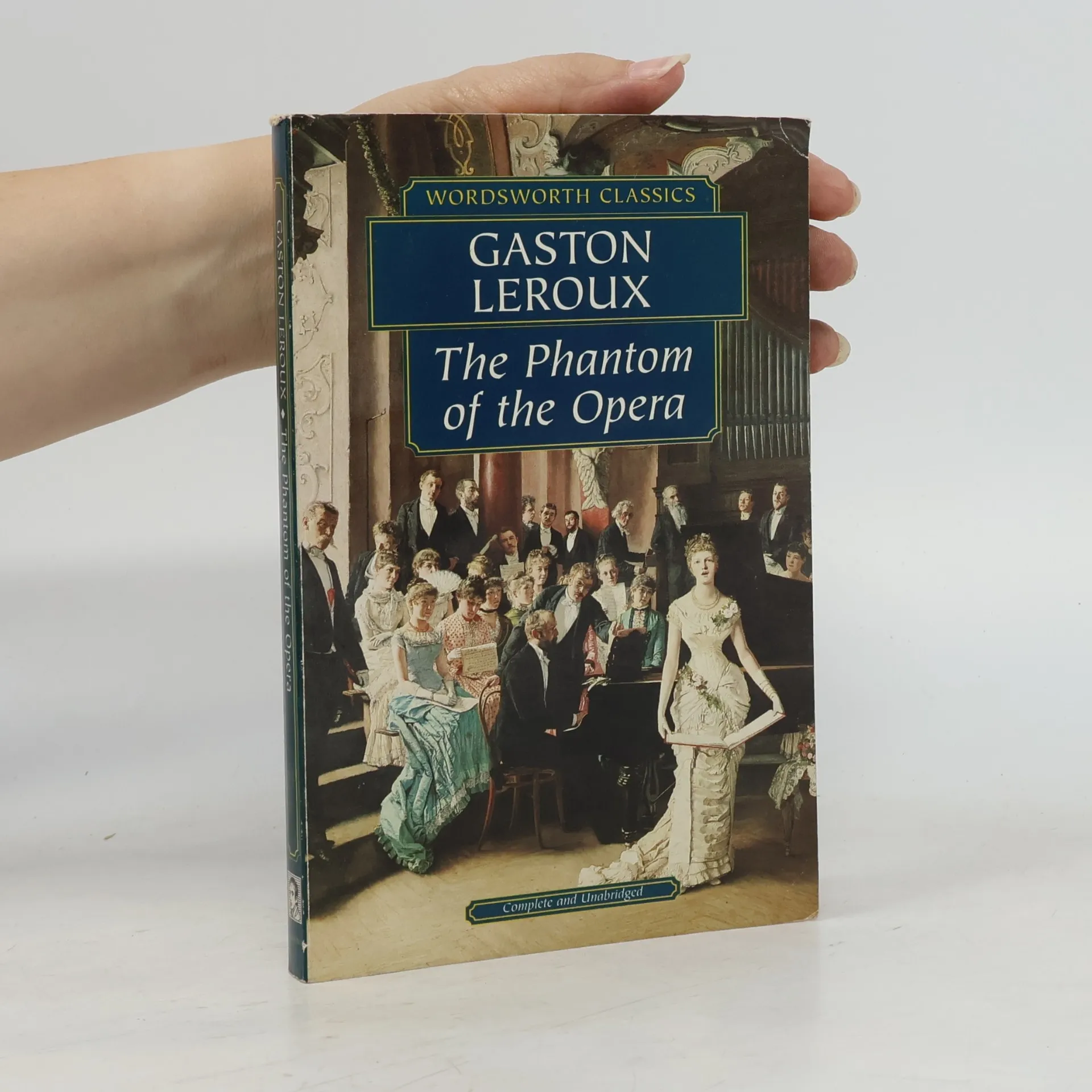
The Phantom of the Opera
- 288bladzijden
- 11 uur lezen
The story of a hideous musician, crazed by his own ugliness - One of the greatest horror stories of all times Opera_
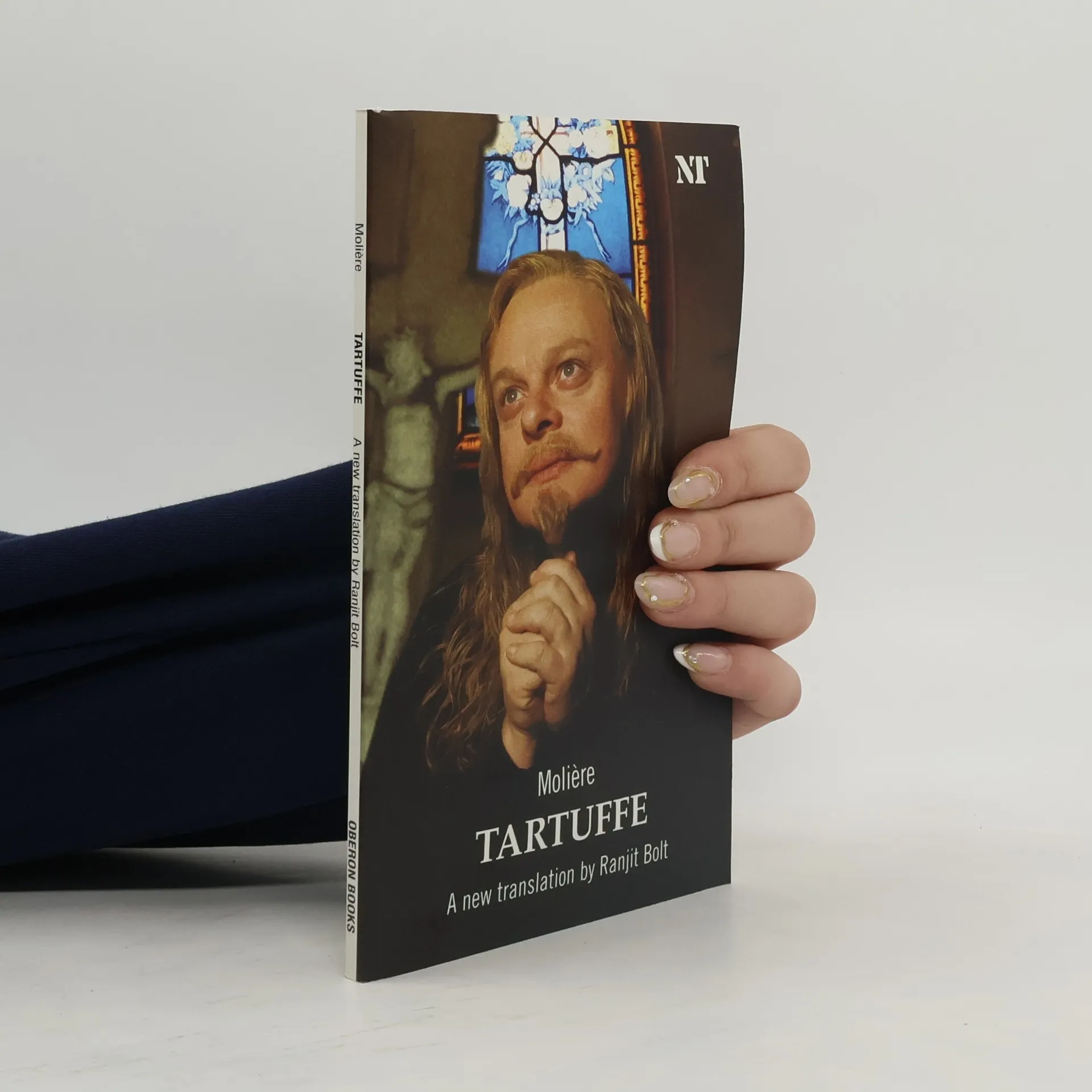
Tartuffe
- 111bladzijden
- 4 uur lezen
Tartuffe, or The Impostor (pronounced: [taRtuf]; French: Tartuffe, ou l'Imposteur), first performed in 1664, is one of the most famous theatrical comedies by Moliere, and the characters of Tartuffe, Valere, and Dorine are considered among the greatest classical theatre roles. This is a translation for the stage by Ranjit Bolt. schovat popis