Tobias
- 219bladzijden
- 8 uur lezen


Oorspronkelijk opgeleid in analytische filosofie, voelde deze auteur zich aangetrokken tot de kracht van verhalen, waarbij ze haar focus verlegde van abstract denken naar de suggestieve werelden van fictie. Haar proza is diep verbonden met de aarde, puttend uit de mythologie en folklore van haar plattelandsopvoeding om rauwe, elementaire thema's te verkennen. Ze benadert elk werk als een poging om een enkel obsessief beeld of droom te begrijpen en te articuleren, waarbij ze prioriteit geeft aan persoonlijke coherentie boven grootschalige mythevorming. Haar schrijven roept een diep gevoel van plaats op en verbindt lezers met de bodem, de mensen en de natuurlijke wereld.




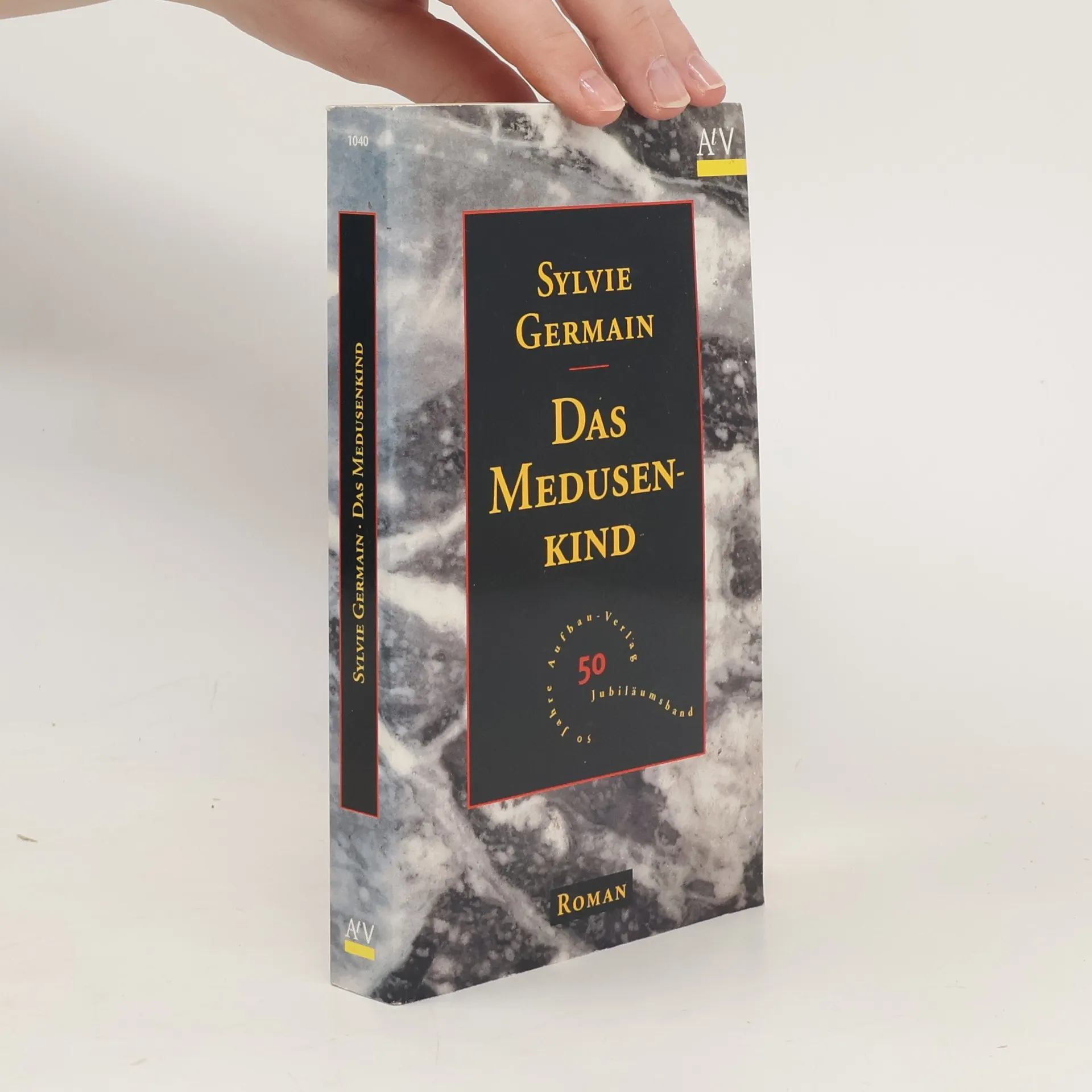
"Sylvie Germain's The Medusa Child beautifully translated from the French by Liz Nash, tells a heartbreaking and violent story about sin and redemption in fantastical language; a myth from la France profonde." Books of the Year in The Independent on Sunday 'Germain's language is redolent with decay, rich with religious torment and ecstasy, and filled with the decadence so loved by this publisher.' Time Out 'The Medusa Child is her most accessible novel, and my favourite. A coherent pattern of metaphor depicts an enchanted country childhood. Lucie explores the marshes around her home and studies the stars. But when she is given a room of her own, an ogre starts to pay her nocturnal visits. Helpless and alone, Lucie decides to fight back by turning herself into a monster. This is a superb and compassionate study of damage and resistance.' Michele Roberts in Mslexia
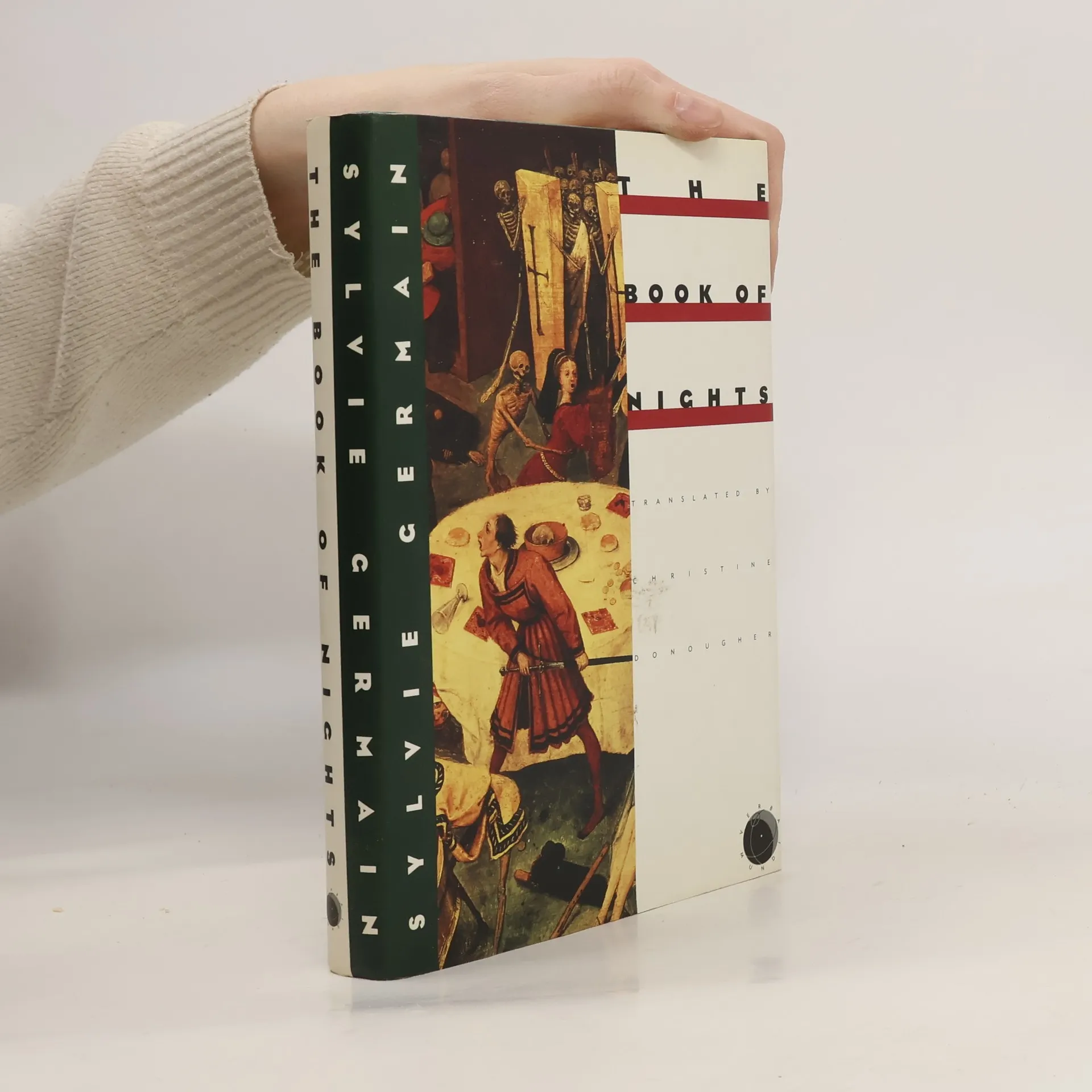
The first death of the post-war era is that of a child, Petit-Tambour, killed in a hunting accident in the forest. This childhood, which has lost its body, becomes a dark gift of pain and hope to the living, the dead to come, and the trees. A great yew begins to take root on his grave; the whirlwind of berries sown by its branches will carry away Pauline, the mother, while the father, Baptiste, gradually fades away, lost in the endless tears shed by a body that cannot live without her. The second son, Charles-Victor, known as Night of Amber, feels abandoned and is consumed by anger and hatred. The novel tells the story of his journey to the depths of evil until he is finally overcome by the Angel, much like Jacob in the Bible. Following The Book of Nights, Sylvie Germain presents a rich tapestry of strange episodes, where each page seems infused with an apocalyptic breath, and where, as Schelling states, "truth becomes fable and fable becomes truth."
Sylvie Germain traces a century in the life of the Peniel family and the cycle of birth and death, triumph and loss, madness and passion―from the Franco-Prussian War to World War II―that envelops and buffets their lives. Blending the historical with the supernatural, the comic with the grotesque, the lyrical with the brutal, Sylvie Germain tells the story of humanity's strivings and vanity, of the profound injustices that govern our relations, and of the fundamental strength that allows us ultimately to triumph over carnage and degradation.
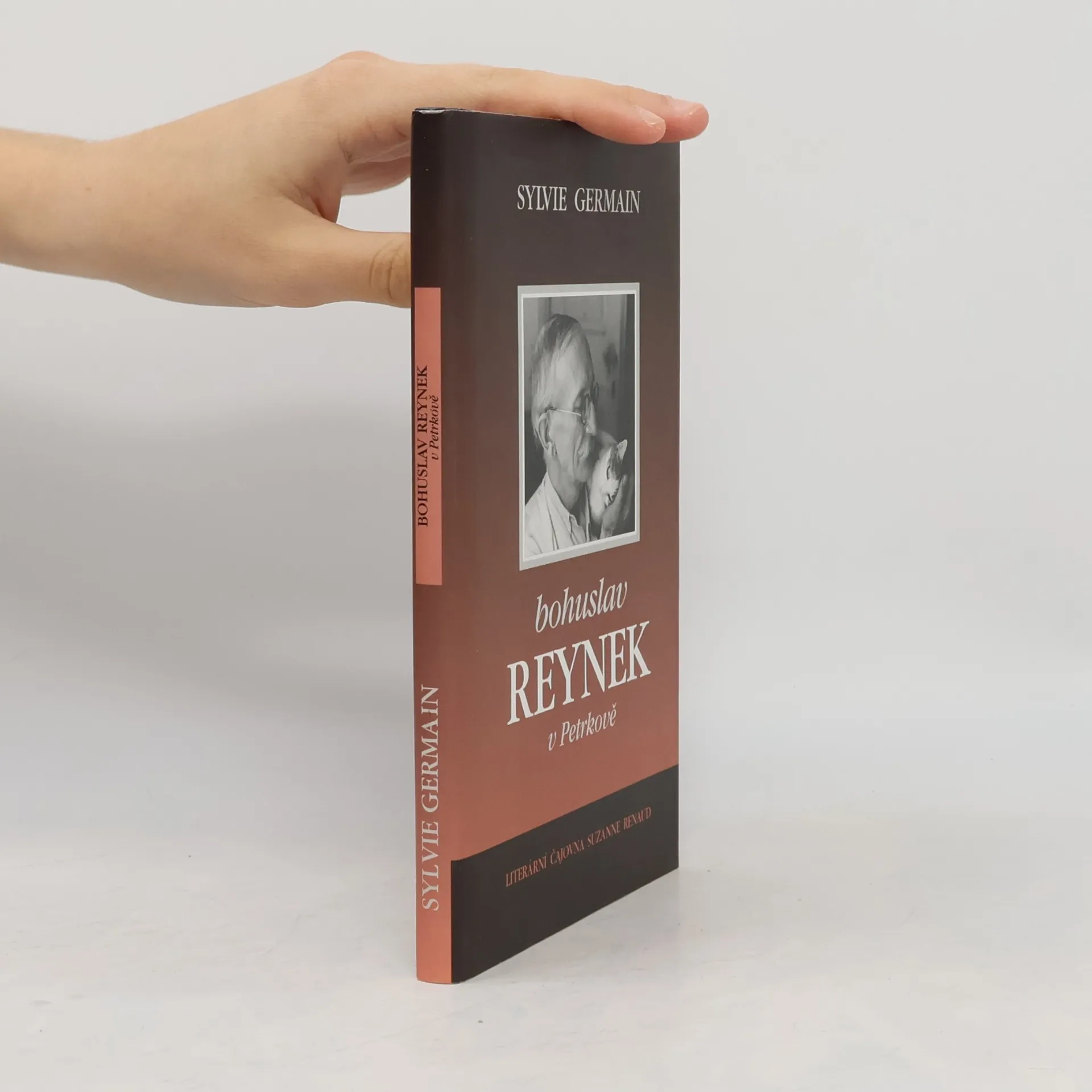
Germainová knihu napsala pro francouzské čtenáře, jimž musela zkratkovitě přiblížit české reálie. I Reynek se v jejím pojetí mění v jakýsi zjednodušený znak, v "poutníka", který spolu se svou francouzskou manželkou Suzanne Renaudovou překračuje zemské, literární i jazykové hranice mezi Čechami a Francií, a posléze v "dobrého pastevce" tiše vzdorujícího zlobě dějin. Portrét básnířky Renaudové je vykreslen s daleko hlubším lidským pochopením, jak by v něm autorka spatřovala dílčí předobraz vlastního osudu. Vrcholem knížky je fenomenologie dvorku, zahrady, kuchyně a jilmu, která v bachelardovském duchu zdařile naplňuje výše zmíněné předsevzetí vylíčit příbytek jako zrcadlo přebývajícího.
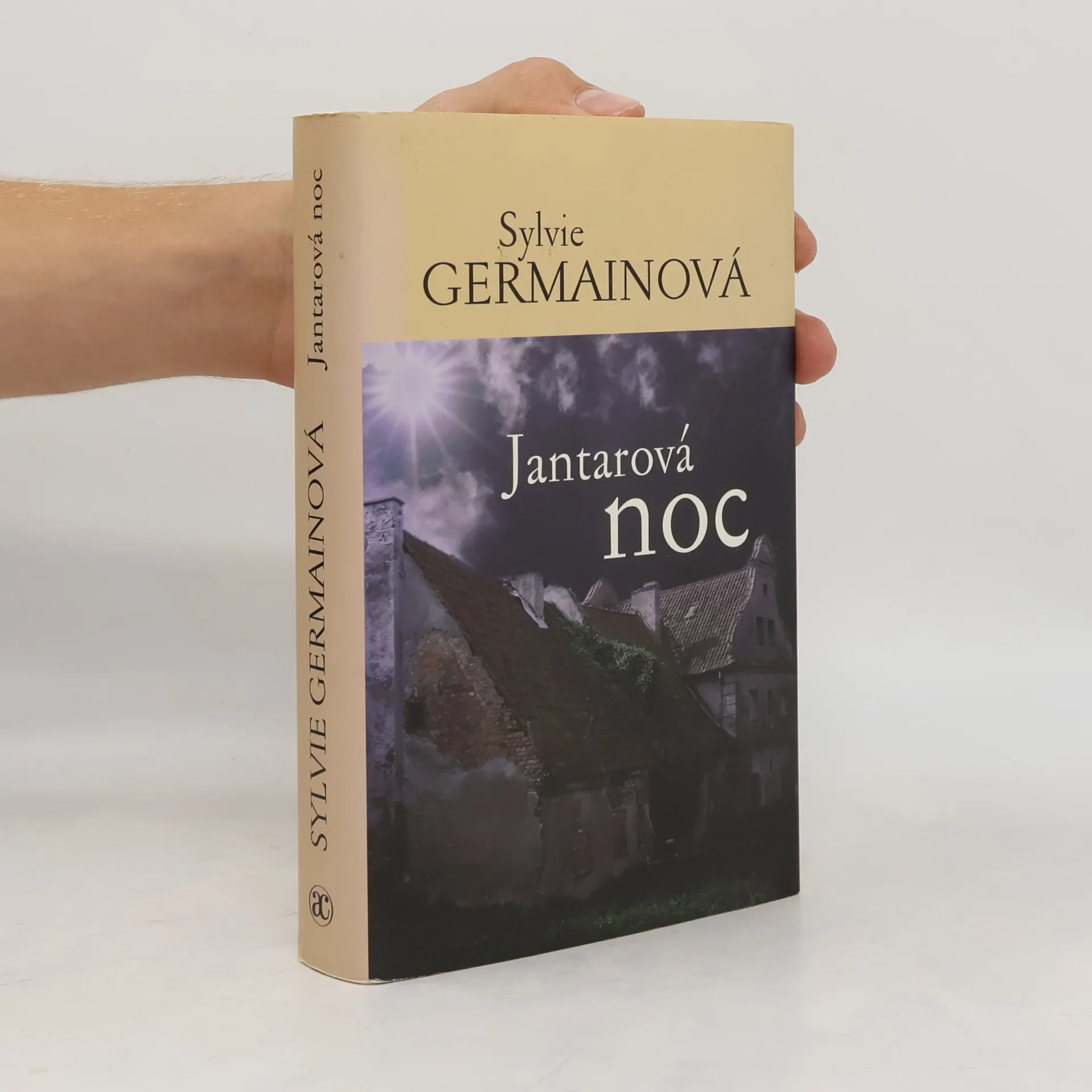
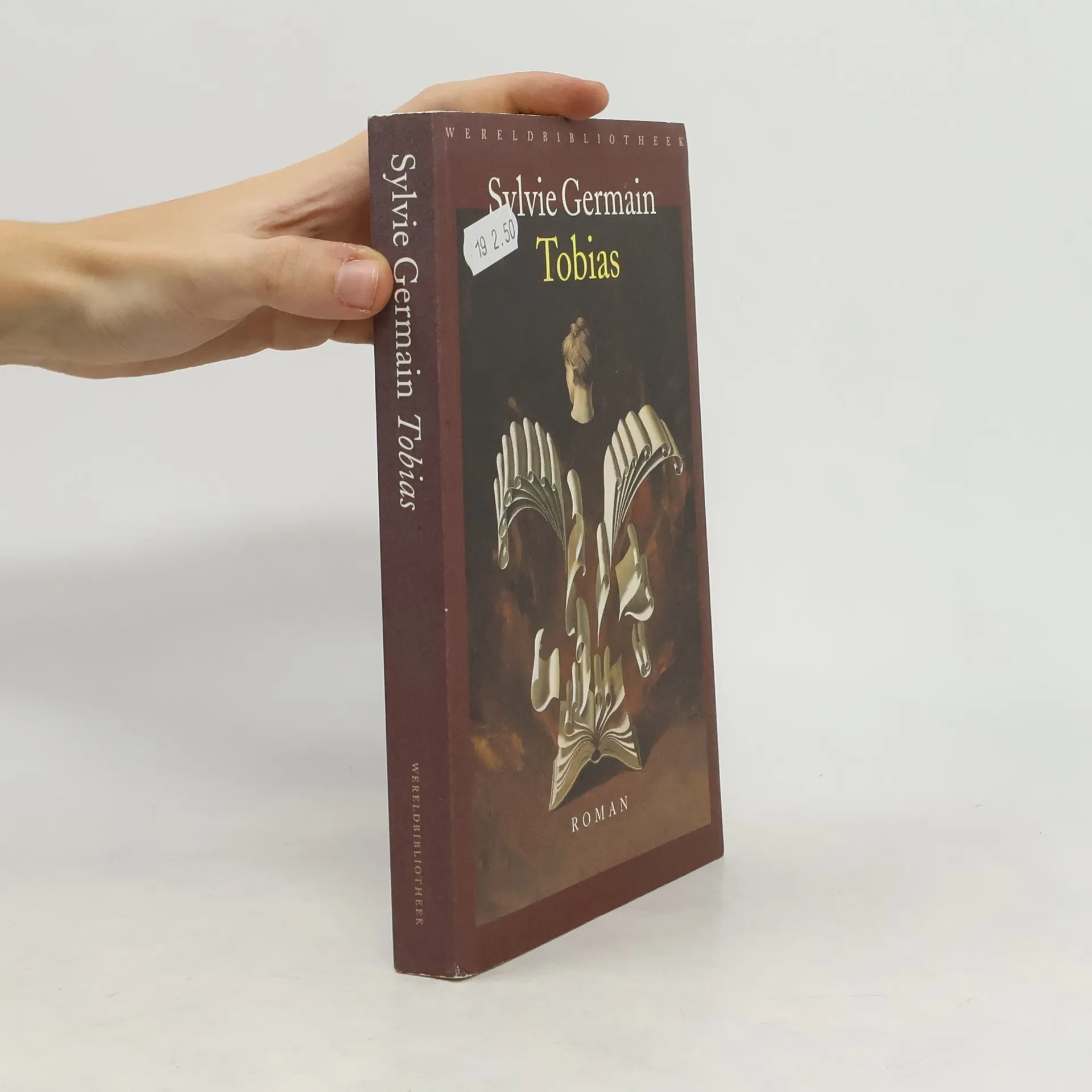
V románu Tobiáš z blat, volně inspirovaném biblickou knihou Tobiáš, sleduje autorka osud ženy, která jako mladá dívka odešla z chudého Polska a poté, co ji Amerika nepřijala, se usadila ve Francii, ve Vendée, v krajině močálů. Židovka Debora, to je celé století se všemi neštěstími, předčasnými úmrtími, válkami a holokaustem. Se svou přívětivou umíněností, s níž zůstává po boku živých, aniž by zapomněla na mrtvé, se Debora stává životní osou, kolem níž se odvíjejí osudy ostatních postav vyprávění, především Tobiáše. Román začíná ve chvíli, kdy pětiletý Tobiáš v prudkém dešti bezhlavě šlape na tříkolce. V bezradném zoufalství ho otec poslal k čertu a on tam má namířeno. Od minulosti k přítomnosti pozvedá Sylvie Germainová tíhu, která doléhá na život každého člověka, a na pomoc si přivolává anděly.
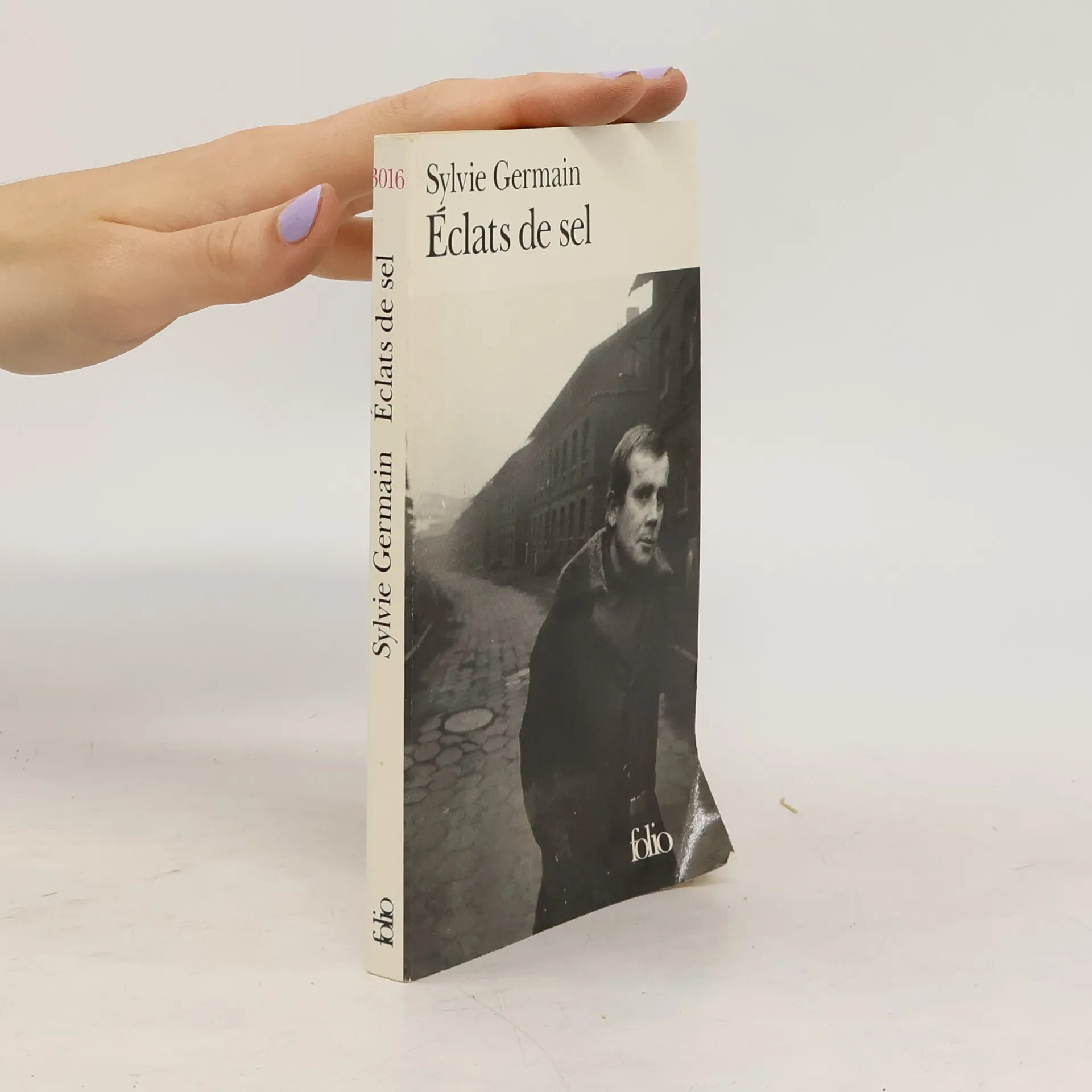
Ludvík M. avait quitté Prague quand son pays souffrait d'une "cécité de l'âme". À l'Ouest, il avait connu un grand amour avec Esther. Puis Esther l'avait trahi et il s'était ensuivi un exil à rebours. Il était revenu à Prague. Là désormais, tout devient étrange, se pare d'irréalité. Tandis que celui qui fut son maître très admiré dans sa jeunesse, Joachym Brum, entre en une longue agonie et ne meurt qu'au jour qu'il a choisi, Ludvík ne cesse de faire des rencontres insolites. Au restaurant, à la Caisse d'Épargne, chez un kiosquier ou à l'hôpital, tous ses interlocuteurs lui tiennent des propos étranges où constamment revient le thème du sel, symbole de pureté, d'innocence, et aussi de feu intérieur, des larmes et de l'offrande à Dieu, lequel s'obstine ici dans un troublant silence. Mais l'irréalité croissante qui s'engouffre dans sa vie révèle en fait à Ludvík un surcroît de réalité, et à l'ombre du grand Rabbi Loew il retrouve enfin le goût du sel de la vie qu'il avait si longtemps laissé s'affadir.
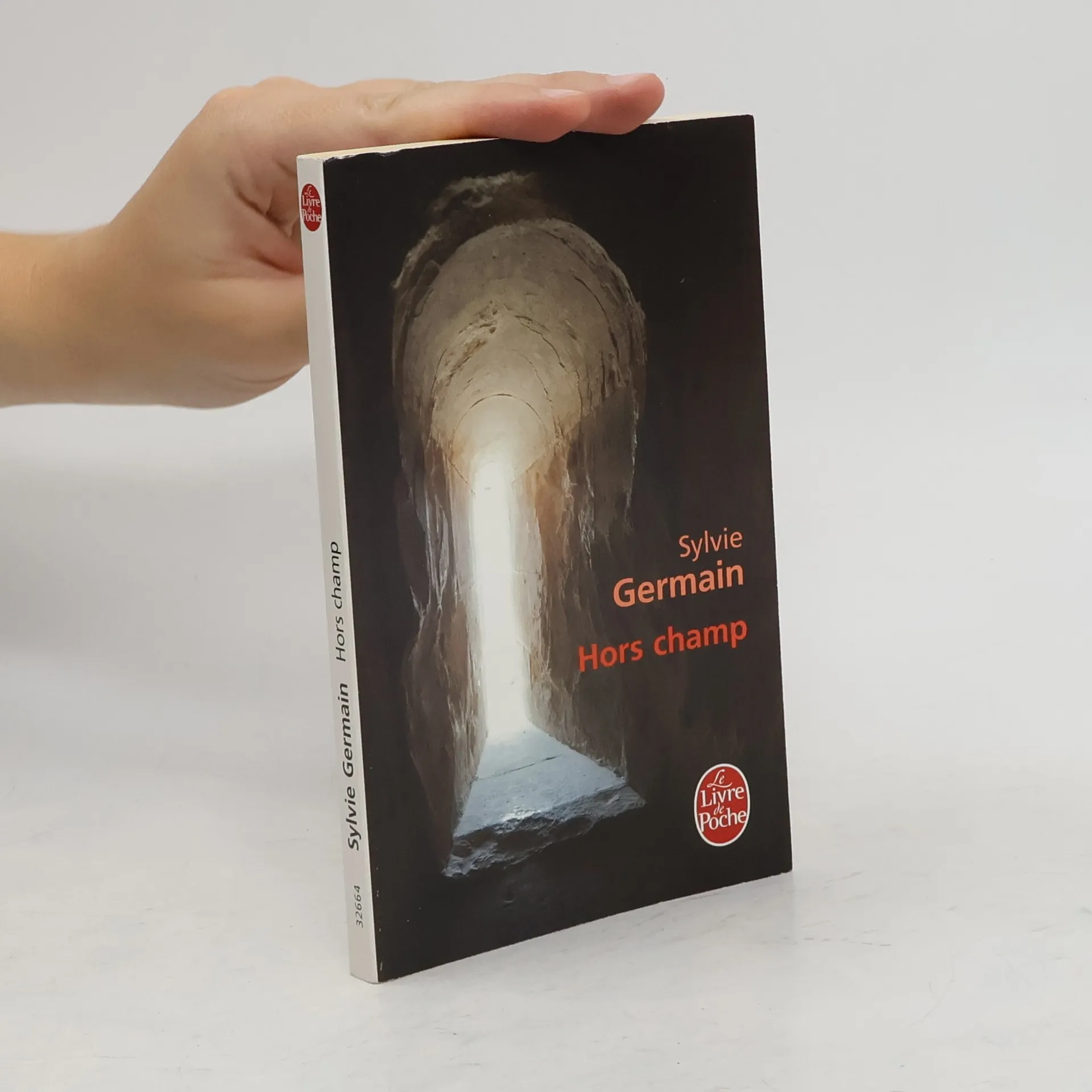
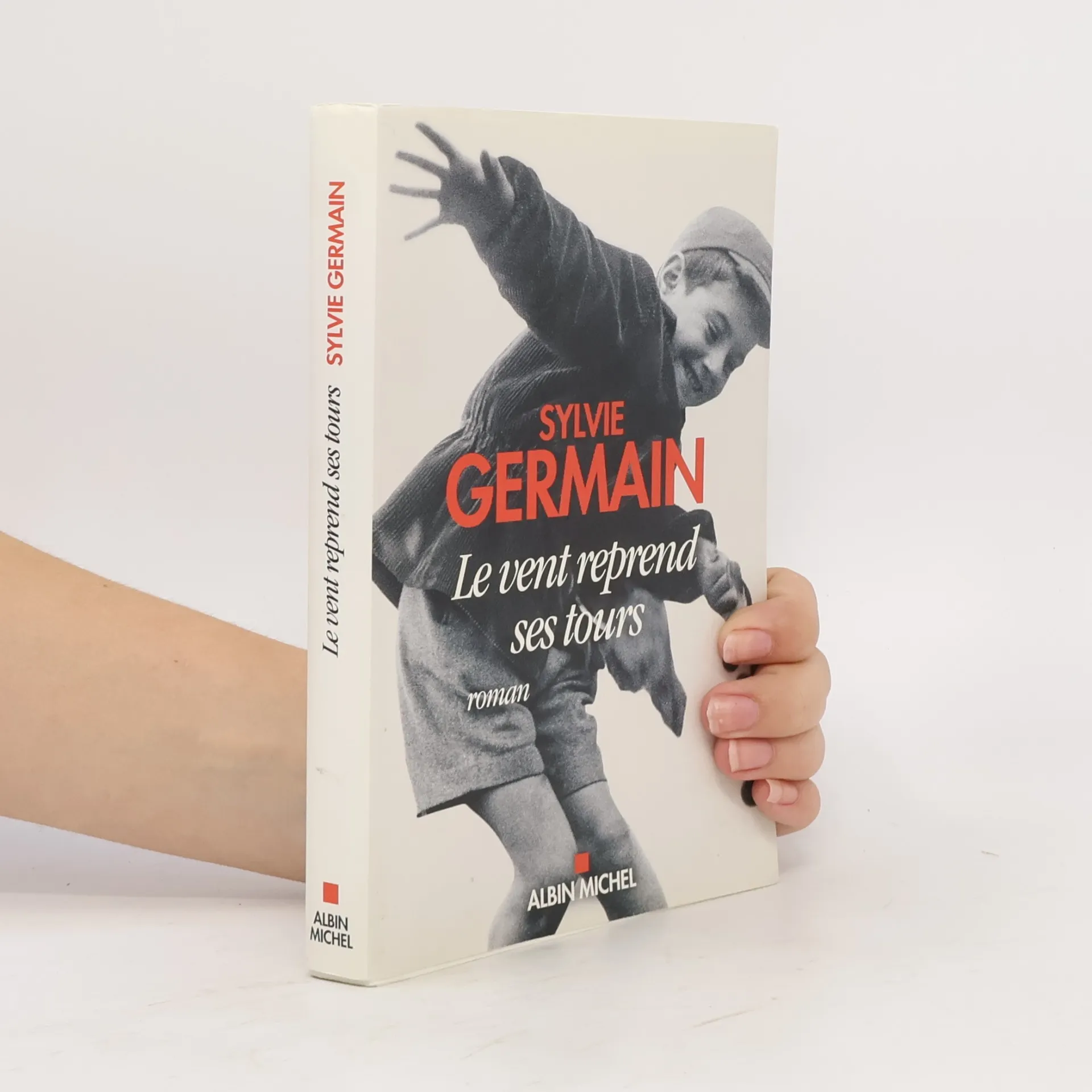
En l’espace d’une semaine, Aurélien, un homme ordinaire, va progressivement disparaître. Il est de plus en plus hors champ, perdant jusqu'à sa voix, son odeur et son ombre. Au fur et à mesure de cette genèse à rebours, il sort aussi de la pensée et de la mémoire des autres, même de ses proches. Cet effacement intensif s'opère au grand jour, dans l'agitation de la ville, à l'aune de tous ces naufragés qu'on ne regarde plus et qui ne comptent pour personne.
Charlesi-Victorovi jednoho dne tragicky zemře bratr, ale zároveň se cítí i zrazen svými rodiči a jeho další životní osudy jsou vlastně jakousi mstou za tuto dávnou křivdu. Po osamělém a ponurém dětství na venkově se ocitne v květnové Paříži roku 1968, spáchá krutý zločin a vrací se do rodného kraje, kde po složitých peripetiích získá i jakési vykoupení za svůj hřích.
In den Wäldern des Morvan, fernab der Welt, leben Holzfäller, Flößer und Viehhirten, Männer, die von den Wäldern geprägt sind in ihrer Kraft, Einsamkeit und Härte. Selbst die Liebe nimmt in ihnen Züge der Wut an – so hat Corvol, der reiche Besitzer, aus übermäßiger Liebe seine schöne und sinnliche Frau Catherine am Ufer des Wassers ermordet. Der Wahnsinn schleicht umher: sanft, bei Edmée Verselay, die in der Verehrung der Jungfrau Maria lebt; oder in Form eines unstillbaren Hungers bei Reinette-la-Grasse; oder in extremer Gewalt bei Ambroise Mauperthuis, der sich in Catherine verliebt, die er nur tot gesehen hat, und sich ihres Körpers bemächtigt, dann der Besitztümer von Corvol und schließlich der Kinder von Corvol. Er wird letztendlich seine Enkelin Camille, das einzige Wesen, das er je geliebt hat, durch übermäßige Liebe verlieren.
"All'improvviso il cielo divenne pietra, scisto blu notte. Ed era immenso il cielo sopra quella terra priva di rilievi avvolta nel silenzio." È il passo d'inizio; ed è come l'aprirsi del sipario. Sulla scena irrompe un bambino che se ne va sul suo triciclo lungo una strada, sotto il diluvio. Pedala con furia, avvolto in una incerata gialla. Il suo nome è Tobie. Il padre, pazzo di dolore, gli ha urlato "Vattene al diavolo!" e lui si è gettato alla sua ricerca. Una disgrazia si è abbattuta sulla sua famiglia, inspiegabile. La madre è rimasta vittima di un incidente a cavallo. Del bambino si occuperà la bisnonna Deborah custode della memoria familiare e dispensatrice della grazia che l'ha sorretta nel lungo viaggio dalla Polonia alle paludi del Poitou.
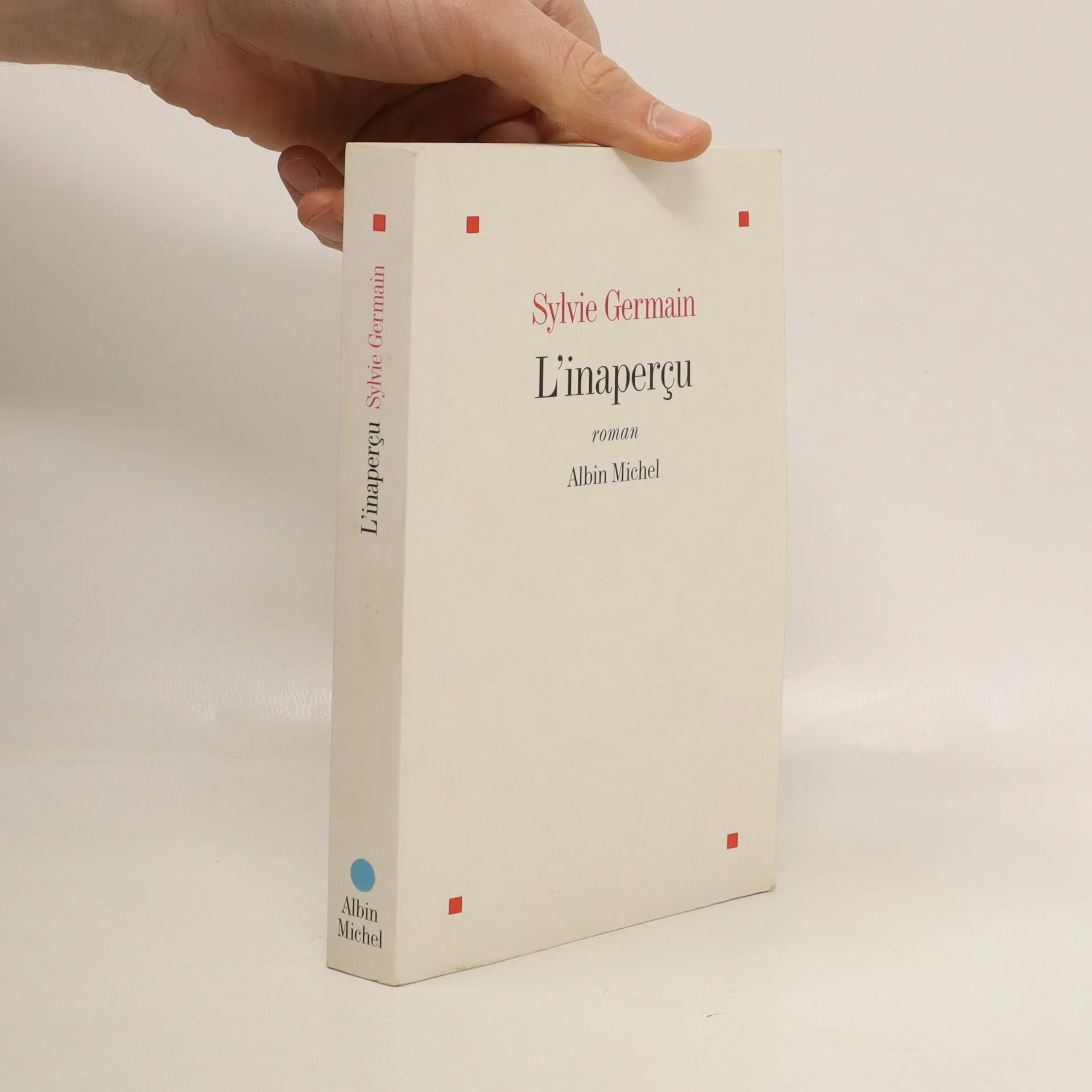
Les Bérynx : une famille ordinaire, avec son patriarche autoritaire, ses mères affairées, ses enfants fragiles, ses secrets non partagés et son lot de drames. Et il y a Pierre, qui vient de se greffer sur cette famille comme une sorte d'ange gardien dont on ignore presque tout, homme à tout faire, mais aussi à tout défaire. Jusqu'au jour où il disparaît sans laisser d'autres traces que les brèches qu'il a ouvertes en chacun.Roman des origines autant que de la construction de soi, L'Inaperçu , comme Magnus , fait coexister le plus sombre de l'Histoire et des tragédies individuelles avec l'imprévisible, la puissance de l'imaginaire, les rêves les plus fous, tout ce qui échappe à l'emprise du temps et permet d'inventer son destin.
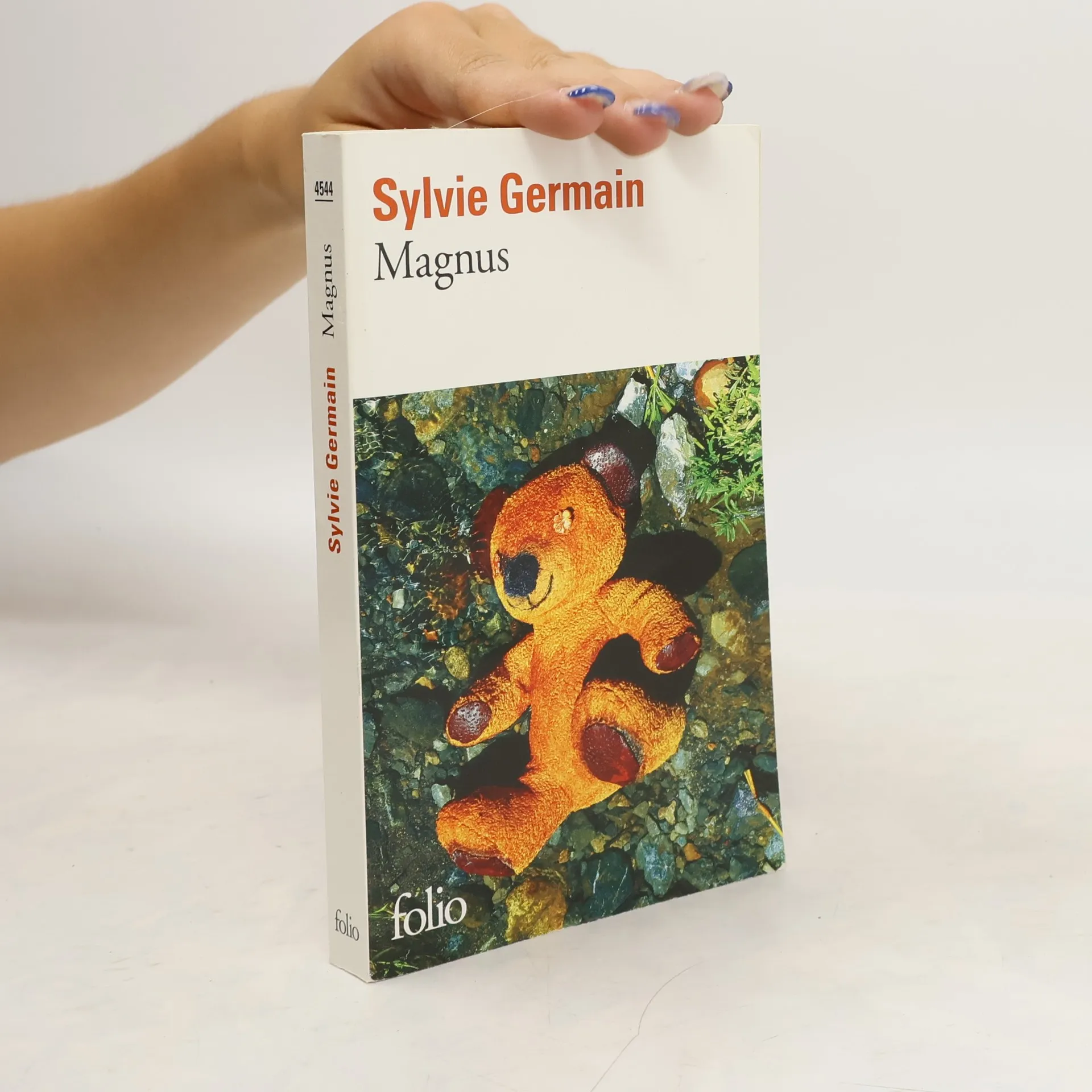
Un roman émouvant sur la quête d'identité de Magnus, un orphelin. Après avoir longtemps réprimé ses souvenirs d'enfance, il commence à les reconstituer, évoquant la bombardement de Hambourg en 1943 et ses parents nazis. Peut-il faire confiance à ces images ? Musso explore le thème du voyage dans le temps et de la rencontre avec soi-même.
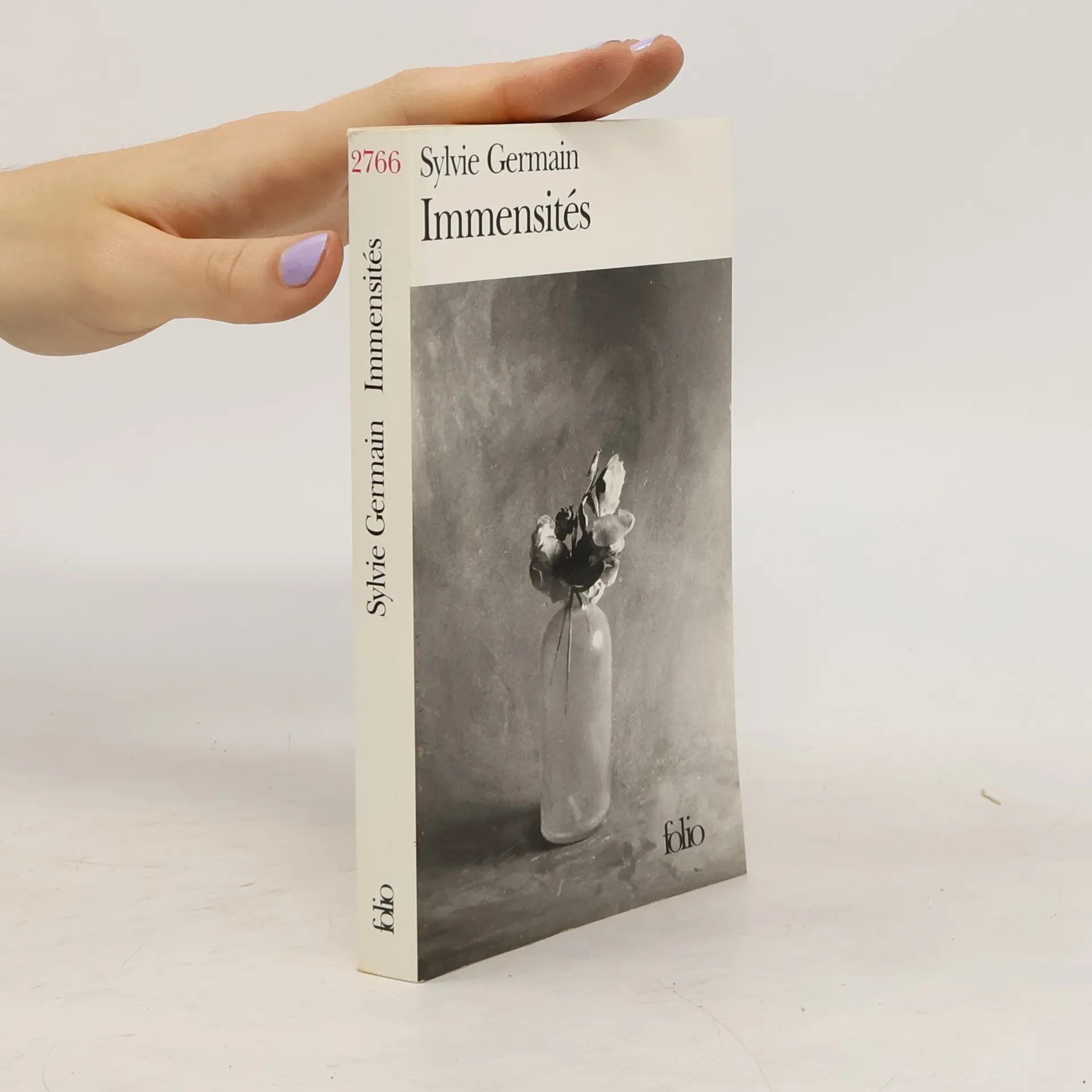
Autour de Prokop Poupa, professeur de littérature réduit à l'état de balayeur dans les rues de Prague, évoluent quelques hommes et femmes marginalisés par la dissidence. Chacun, par dérision, imagine qu'un dieu Lare veille sur lui. L'un le situe dans sa cuisine, un autre sur le balcon, au grenier ou à la cave ; Prokop, lui, place son dieu Lare dans les cabinets qui deviennent un haut lieu de lecture, de méditation et de doutes. Arrive la révolution. Certains de ses amis retrouvent une place, voire de l'importance, dans la nouvelle société ; pour d'autres, il est trop tard. Prokop, lui, dérive hors de ce clivage entre l'ancien et le nouveau, il erre en solitaire dans les immensités du songe, de la folie humaine, et du silence de Dieu, jusqu'à s'échouer parfois dans des rêveries hallucinées sur la douleur de ceux qui ont été déchus du bonheur d'aimer, et plus encore sur le malheur de ceux qui ont été traîtres à l'amour. Toujours déambulant dans les rues de sa ville, entre le vide et l'espérance, Prokop ne sait plus rien sinon qu'il n'est rien, et ce constat est consentement ; il "offre ce rien dans les ténèbres", au fond desquelles peut-être gît l'inespéré.
La narratrice, abandonnée à sa naissance à la porte d'un couvent, vagabondera au fil des ans d'une place à l'autre, à travers la France. C'est comme si elle n'avait pas de vie propre, mais elle participe intensément à celle des autres et aux drames dont elle est le témoin, sondant toujours plus profondément les mystères du cœur et du corps humains en lesquels rôde si souvent la folie. Elle grandit dans les Pyrénées, chez la veuve d'un fusillé, parmi des enfants qui attendent en vain le retour de leurs parents chassés par la guerre, puis dans une auberge où l'on pratique un culte étrange et truculent de l'ours, ensuite dans un manoir où pèse un secret en forme de cruelle mascarade. Devenue adulte, elle est servante dans divers hôtels, dans un bordel champêtre, dans un bistrot de gare, puis à Paris où elle côtoie des gens insolites, parfois inquiétants, et où elle finit chanteuse de rue, attelée à un orgue de Barbarie. Dans la splendide sauvagerie des montagnes et dans celle, bien plus féroce, de la ville, elle ne cessera de creuser et de fortifier sa solitude, ainsi que son don de compassion. La façon dont l'auteur donne la parole à cette paria surprend par la beauté des images, la fulgurance des visions, la violence de certaines scènes, et l'on retrouve la magie de l'écriture et de l'imagination du Livre des Nuits et de Jours de colère.
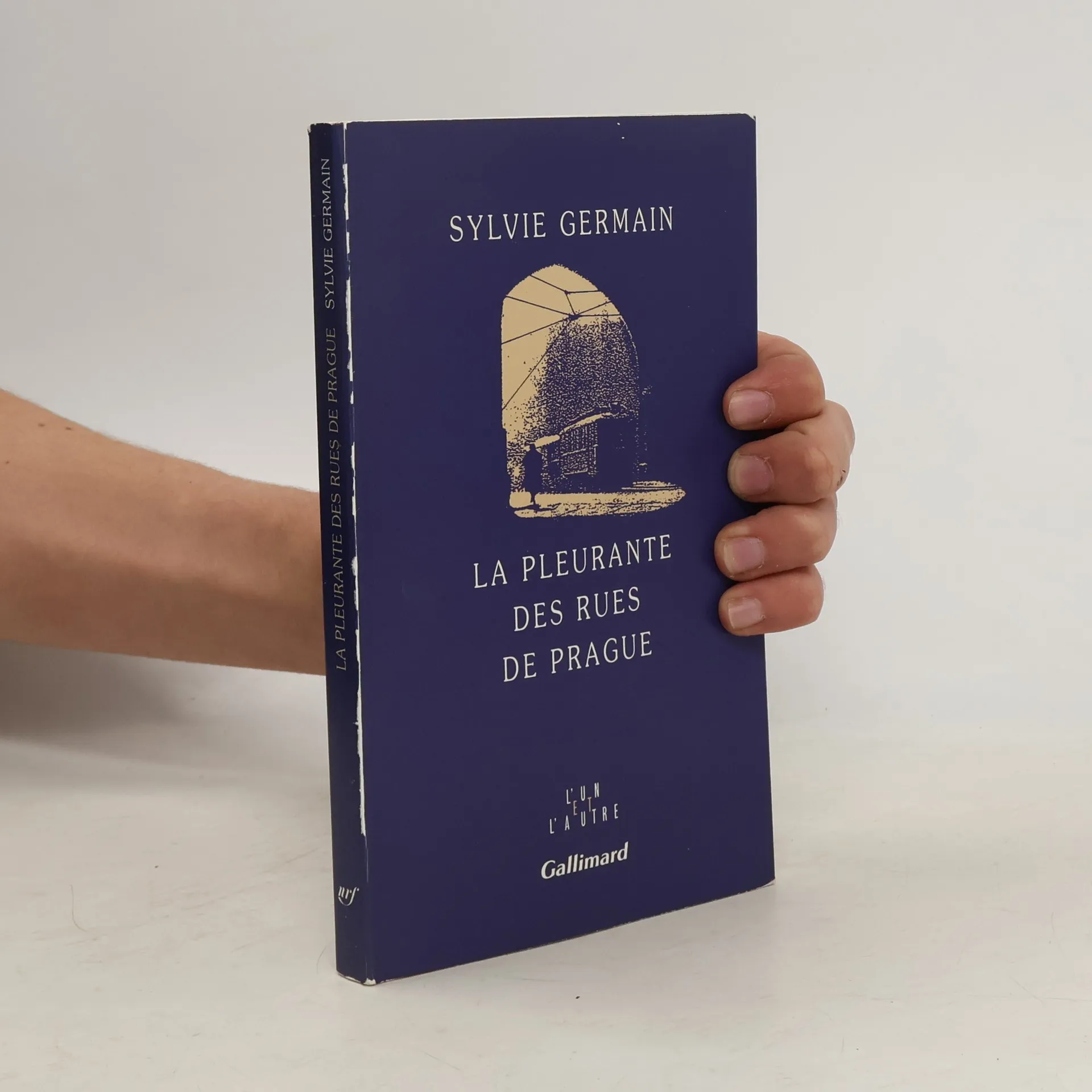
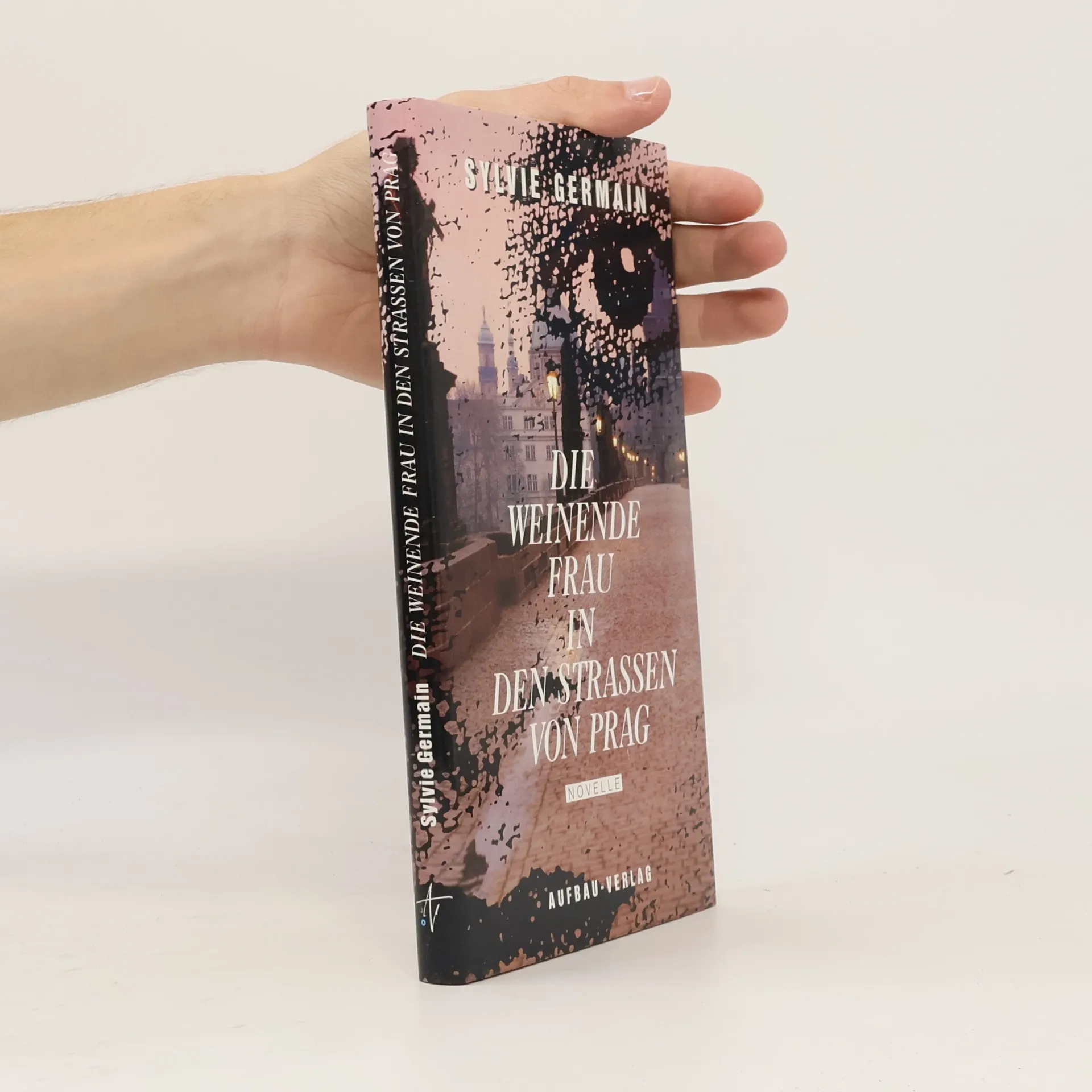
"Cette inconnue, qui donc est-elle ? Une vision, elle-même porteuse, semeuse de visions. Une vision avare de ses apparitions. Elle ne s'est montrée que peu de fois, et toujours très brièvement. Mais chaque fois sa présence fut extrême. Une vision liée à un lieu, émanée des pierres d'une ville. Sa ville. - Prague. Jamais elle n'a paru ailleurs, bien que certainement elle en ait le pouvoir. Cette femme n'a ni nom, ni âge ni visage. Peut-être en a-t-elle, mais elle les tient cachés. Son corps est majestueux, et inquiétant. Elle est immense, une géante. Et elle boite fortement." Sylvie Germain.
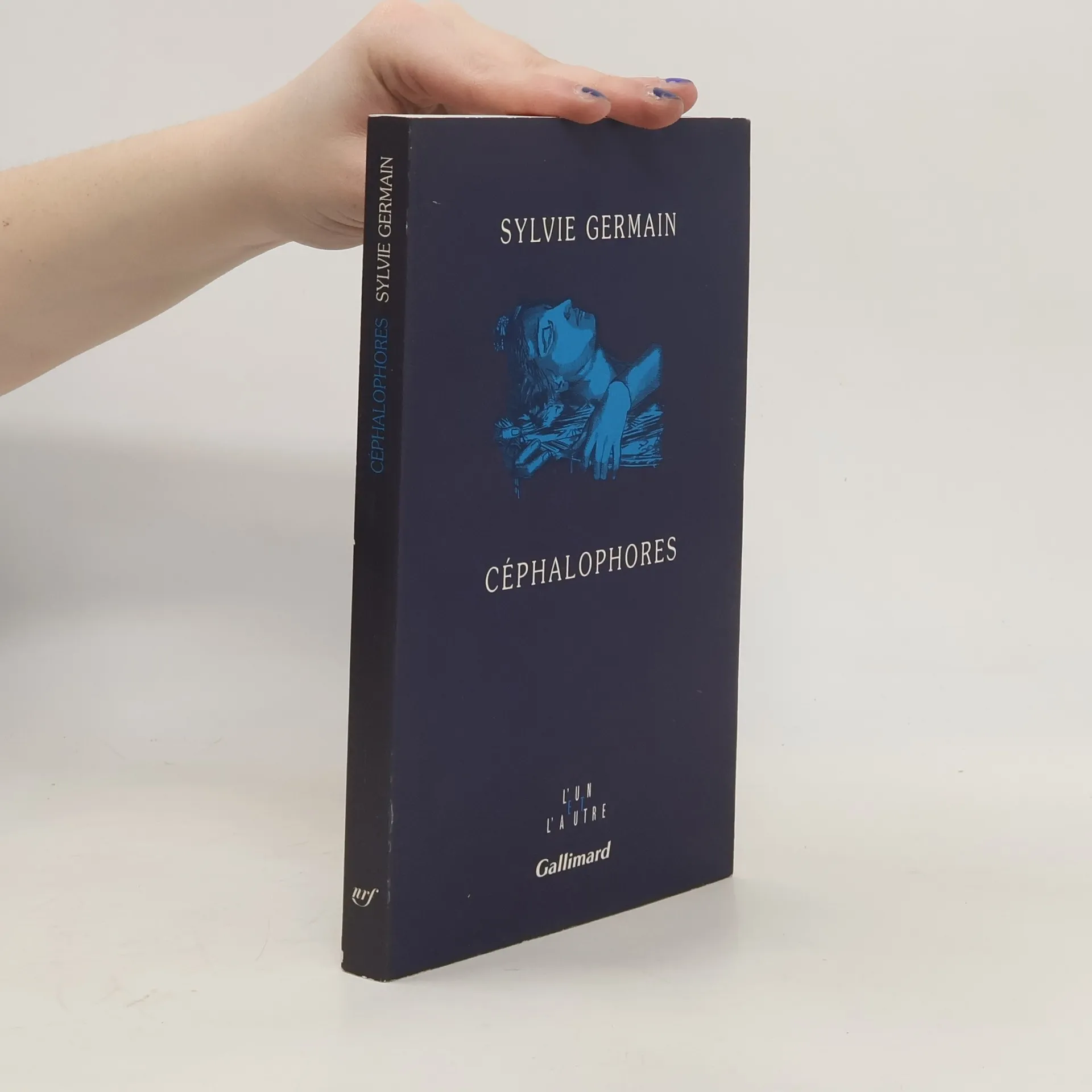
«Tous ceux et celles que l'amour a saisis, et qui s'en vont transis de la pensée de l'autre, ardés par le regard de l'autre, marchent ainsi en somnanbules. Ils ont la tête ailleurs, comme on dit. Leur front est resté lové dans la chaleur et dans l'odeur du cou de l'autre, appuyé contre son épaule. Ils, elles, portent leur tête en offrande à l'aimée, à l'élu, à moins que ce ne soit la tête de l'autre qu'ils, elles, portent ainsi en très secrète et tendre procession.Oui, on a vraiment la tête ailleurs lorsqu'on est amoureux, - alors, quand c'est pour l'Éternel que l'on s'est enflammé, on a la tête infiniment ailleurs. On est un funambule, avec, en guise de balancier, son cœur en bandoulière et sa tête épanouie tel un bouquet de fleurs de mai.Tous ceux et celles que l'amour a ravis sont des céphalophores, des êtres en proie à une miraculeuse catastrophe.»Sylvie Germain.
Dievčatko Lucie trávi pokojné a šťastné detstvo v malom mestečku v kraji Berry. Jej šťastie sa však rýchlo zrúti, keď sa jedného dňa stane obeťou Obra-ukrutníka, ktorý ju sexuálne zneužíva. Incest, nevšímavosť okolia, slepá materinská láska, citové, manželské a rodinné vzťahy hrajú hlavnú úlohu v tomto krutom príbehu, ktorý autorka stvárnila poetickým jazykom. Na vyjadrenie citového sveta hlavnej postavy v tejto zložitej životnej situácii využila Sylvie Germainová farebnosť a kompozíciu výtvarného diela, ktorého štruktúra sa prenáša do stavby literárneho textu.
C'est un avis de recherche collé sous un abribus qui va bouleverser la vie de Nathan. Gavril, le vieil homme disparu, a sauvé son enfance de l'ennui et de la solitude auprès d'une mère taciturne en l'entraînant dans les rues de Paris et en l'enchantant de poésie et de fantaisie. Trente ans plus tard, Nathan mène une vie fade et morose que ce soudain rappel à l'enfance et aux silences maternels fait éclater. Lui qui n'a jamais voyagé se rend en Roumanie dont il ignorait que Gavril y avait vécu les drames de la guerre puis les grandes purges de l'après-guerre. Ce voyage vers l'ami saltimbanque rescapé de terribles épreuves mais qui avait su garder une magnifique ardeur à vivre, va l'ouvrir à une pleine liberté.
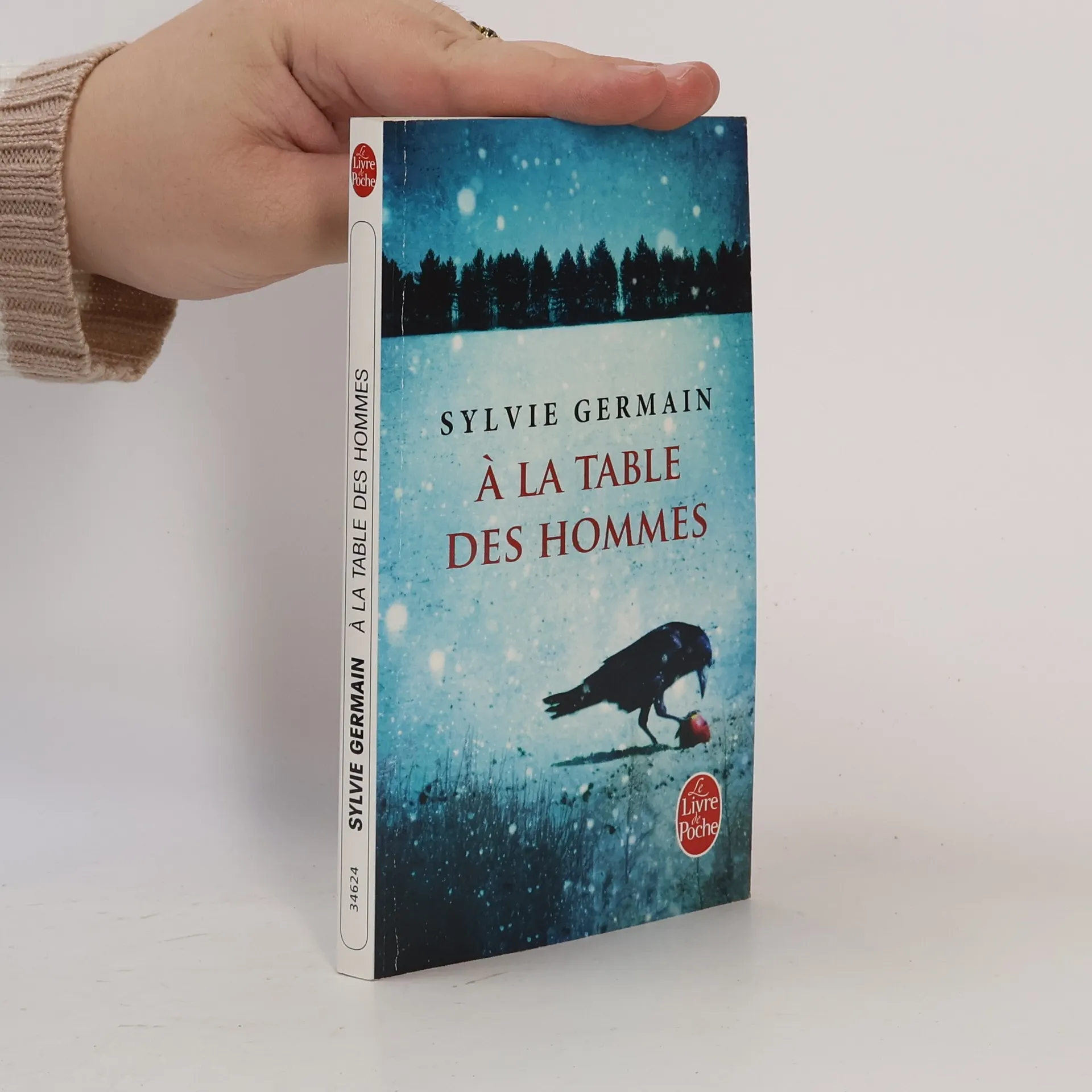
Son obscure naissance au cœur d’une forêt en pleine guerre civile a fait de lui un enfant sauvage qui ne connaît rien des conduites humaines. S’il découvre peu à peu leur complexité, à commencer par celle du langage, il garde toujours en lui un lien intime et pénétrant avec la nature et l’espèce animale, dont une corneille qui l’accompagne depuis l’origine. Hanté par la violence prédatrice des hommes, illuminé par la présence bienveillante d’un être qui échappe à toute assignation, et de ce fait à toute soumission, À la table des hommes tient autant du fabuleux que du réalisme le plus contemporain.
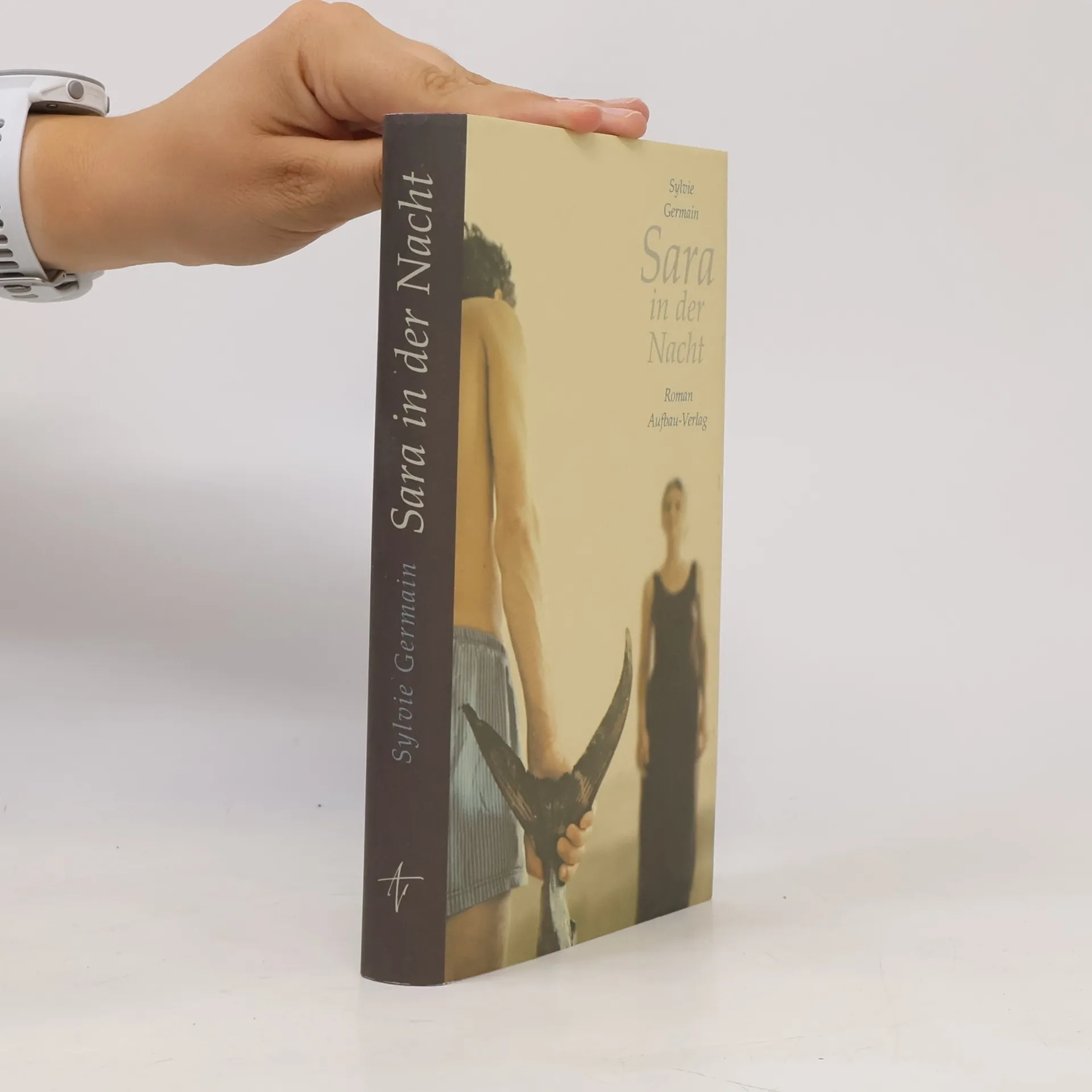
La première des "petites scènes capitales" pour Lili, c’est celle d’une photo que lui montre sa grand-mère, il y a une mère et son bébé, le bébé c’est elle, la mère a disparu. Quand son père se remarie elle se trouve à 5 ans avec trois sœurs et un frère par alliance, avec ce décalage de fille unique qui peine à comprendre les relations familiales et que l’adolescence rend plus opaques. L’aînée devient rebelle, le garçon veut devenir moine, la cadette meurt et chacun part loin du foyer. Seule Lili reste en témoin muet de la tragédie familiale qui n’en a pas fini de révéler ses secrets, puis s’en va elle aussi étudier à Paris, change de cap en mai 68 pour l’expérience communautaire, poursuivant une quête de soi tâtonnante, traversée de rencontres, d’éblouissements solitaires, de révélations dont elle ne sait que faire. Plus qu’un roman familial c’est la recréation de scènes qui ont marqué les personnages, de l’enfance à l’âge adulte, de manière indélébile et souvent sous forme d’évocations très visuelles que Sylvie Germain explore. Elle en déroule le questionnement intime : secret des origines, terreur enfantine de l’abandon, constitution toujours incertaine de soi, effarement devant le mal et aussi, ce que l’amour veut dire, comment vivre avec ses morts, comment répondre à un appel plus grand que soi.
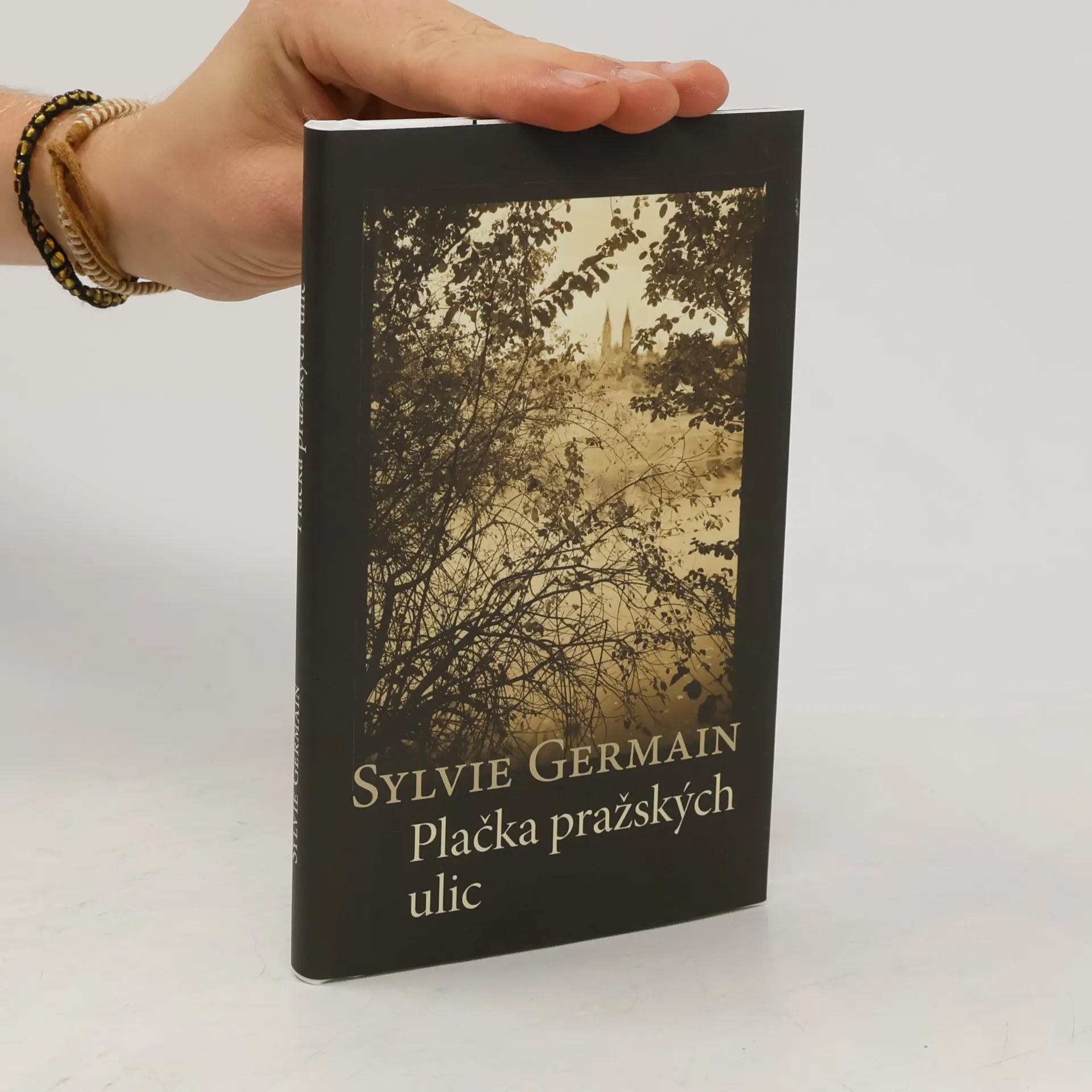
Postava plačky, která se vřazuje o tradice pražských poutníků a chodců, jak ji ustanovil Angelo Maria Ripellino v monografii Magická Praha, je představena jako zhmotnění nářku, bolesti a strachu všech osamělých, nuzných, utiskovaných a umučených v pohnutých dějinách středoevropského prostoru. Ve dvanácti zjeveních získávají věci celou plnost svého jména a slova se proměňují vn živé substance. Tato jednota se stává východiskem pro transcendentní vykoupení ze všudypřítomného žalu a zmaru. Plačka kulhající mezi naším světem a nekonečnem je rozkývaným prostorem, v němž se neúnosné lidské neštěstí setkává s nezměrnou boží milostí.