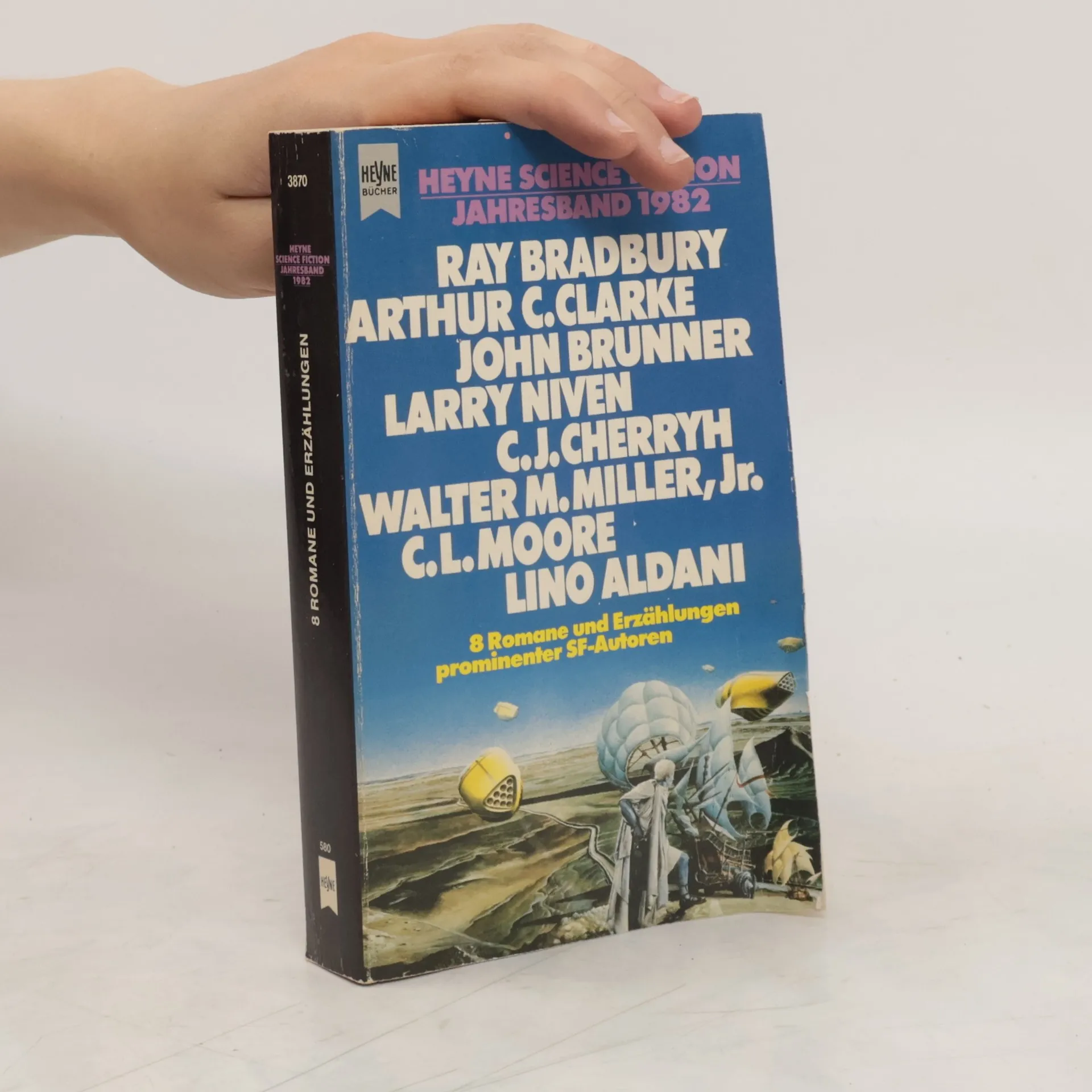
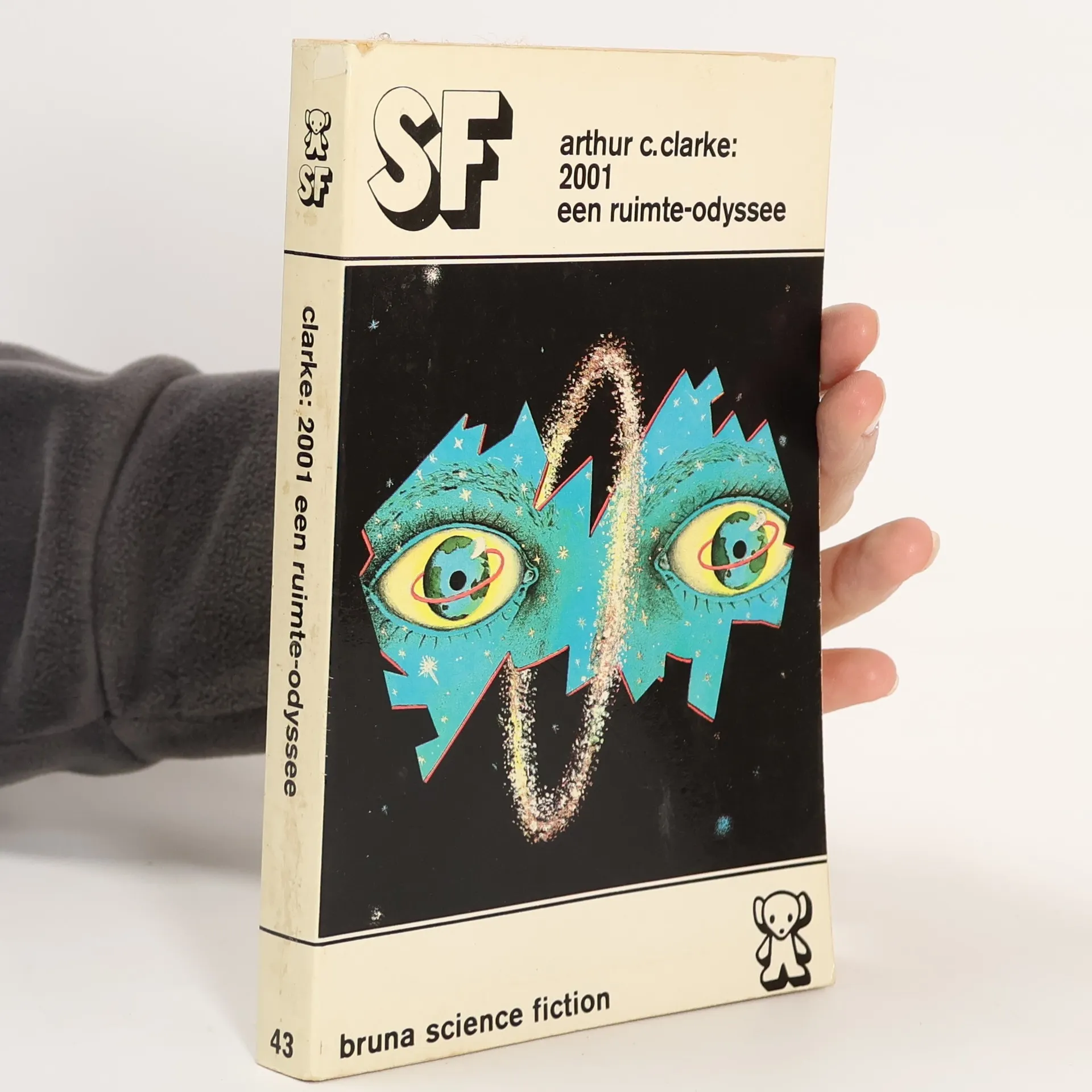
Arthur Charles ClarkeVolgorde van de boeken (chronologisch)
16 december 1917 – 19 maart 2008
Arthur C. Clarke was een visionair wiens werk zich verdiepte in de uitgestrektheid van de ruimte en de toekomst van de mensheid. Als productief auteur werd hij beroemd om zijn vooruitziende inzichten in wetenschappelijke en technologische mogelijkheden, waarbij hij vaak de ethische en filosofische implicaties van vooruitgang verkende. Zijn schrijfstijl werd gekenmerkt door helderheid, wetenschappelijke nauwkeurigheid en een gevoel van ontzagwekkende verbeeldingskracht dat lezers over de hele wereld boeide. Clarke's nalatenschap ligt in zijn vermogen om verwondering op te wekken en nieuwsgierigheid te wekken naar de kosmos en onze plaats daarin.
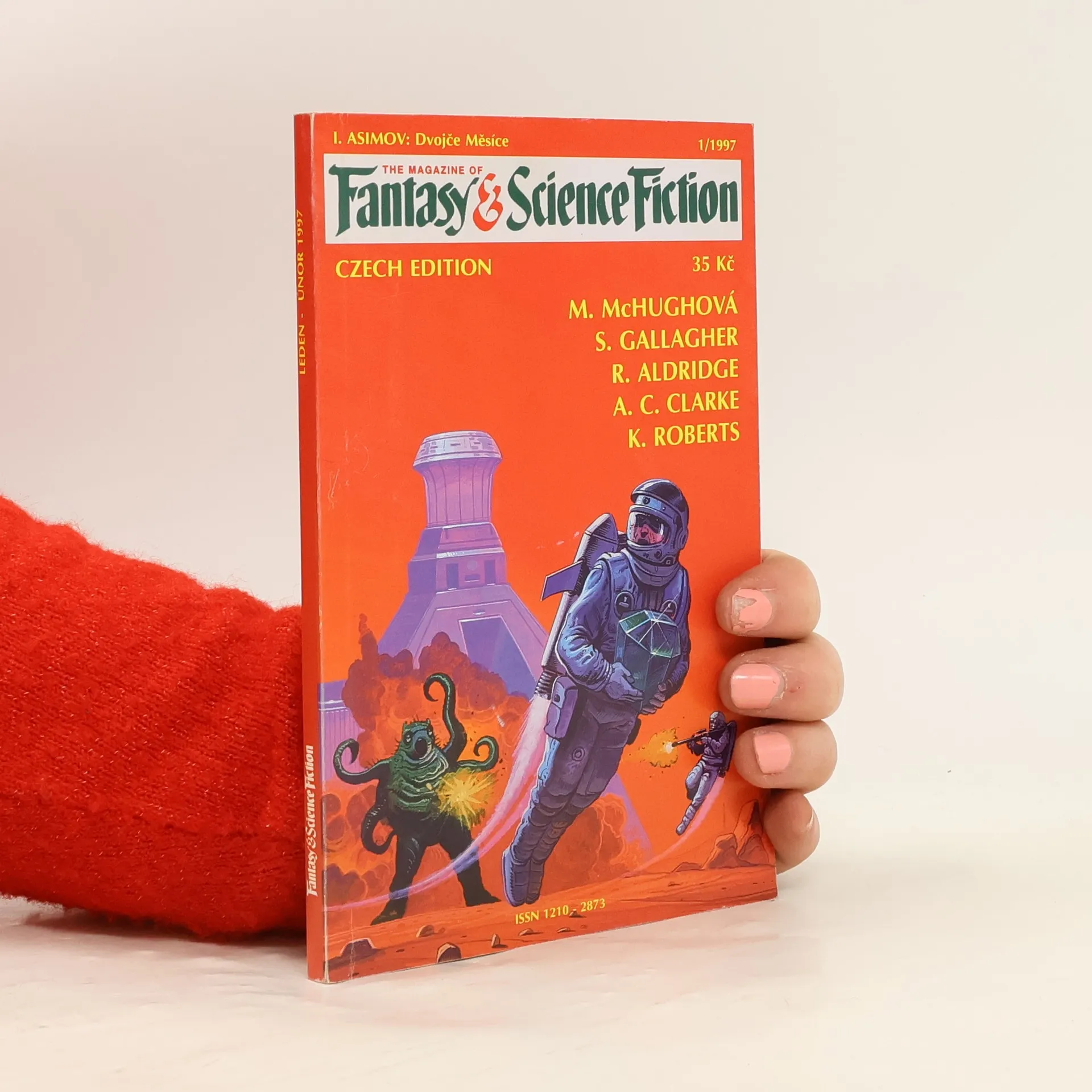
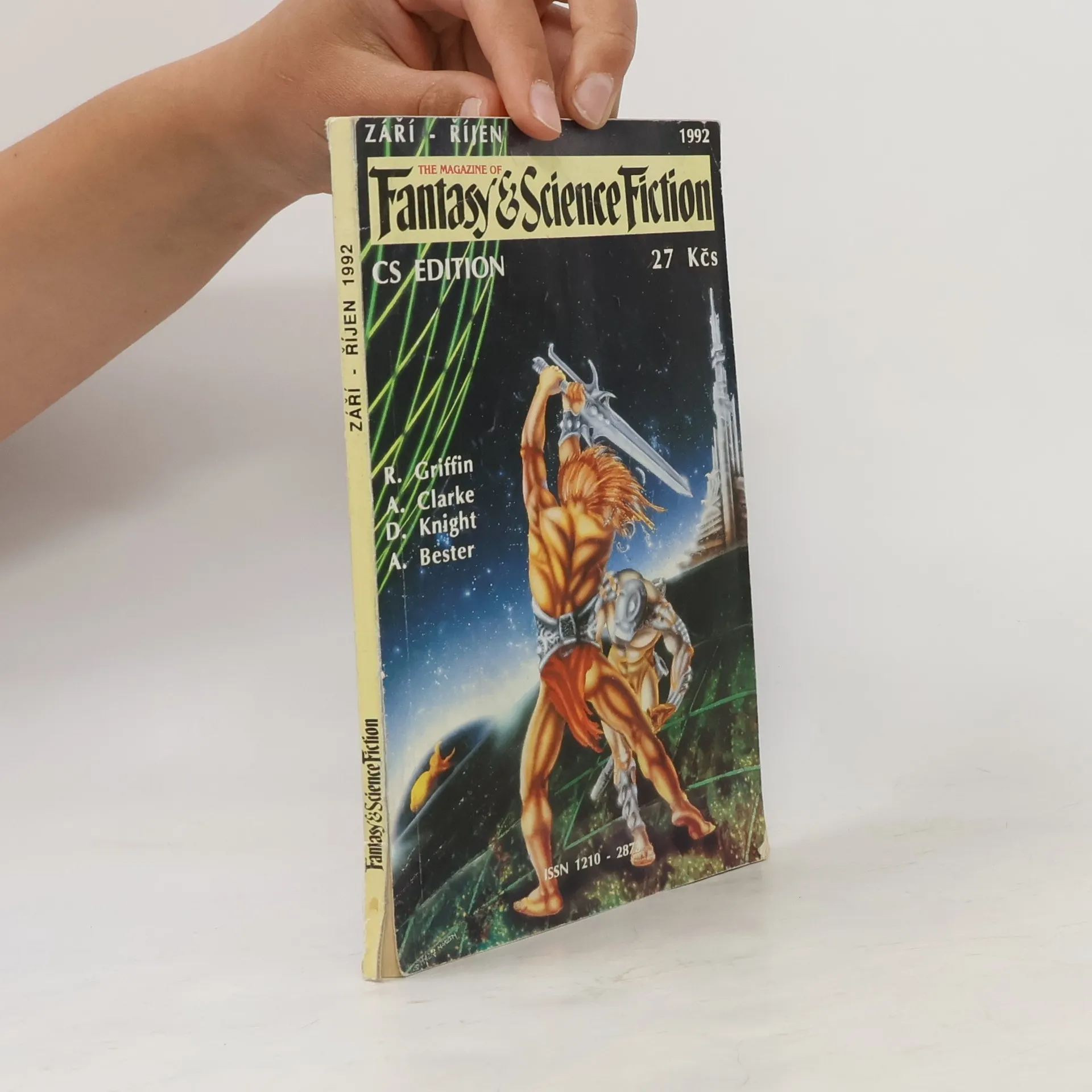
The November 1961 issue of WORLDS OF IF SCIENCE FICTION features a collection of captivating science fiction stories. Highlights include "MASTERS OF SPACE" by Edward E. Smith & E. E. Evans, and Arthur C. Clarke's "AT THE END OF THE ORBIT." Other notable contributions are "GAMBLER'S WORLD" by Keith Laumer, "SWEET THEIR BLOOD AND STICKY" by Albert Teichner, and "THE MIGHTIEST MAN" by Patrick Fahy. The issue also includes intriguing tales like "QUIET, PLEASE" by Kevin Scott and "PENNY WISE AND FASHION FOOLISH" by Theodore Sturgeon, showcasing a rich variety of themes and narratives.
This replica of the February 1957 SATELLITE SCIENCE FICTION digest magazine includes a collection of stories from renowned authors. Hal Clement and Sam Merwin Jr. present "PLANET FOR PLUNDER," while Damon Knight contributes "THE LAST WORD." Arthur C. Clarke's "THE NEXT TENANTS" is featured alongside John Victor Peterson's "FOOD FOR THE VISITOR." Algis Budrys offers "THE ATTIC VOICE," and Sam Moskowitz rounds out the issue with "THE SCIENCE FICTION COLLECTOR." Each piece showcases the imaginative storytelling characteristic of the era.
Al Qaeda detonates a nuclear weapon in Times Square during rush hour, wiping out half of Manhattan and killing 500,000 people. A virulent strain of bird flu jumps to humans in Thailand, sweeps across Asia, and claims more than fifty million lives. A single freight car of chlorine derails on the outskirts of Los Angeles, spilling its contents and killing seven million. An asteroid ten kilometers wide slams into the Atlantic Ocean, unleashing a tsunami that renders life on the planet as we know it extinct. We consider the few who live in fear of such scenarios to be alarmist or even paranoid. But Worst Cases shows that such individuals—like Cassandra foreseeing the fall of Troy—are more reasonable and prescient than you might think. In this book, Lee Clarke surveys the full range of possible catastrophes that animate and dominate the popular imagination, from toxic spills and terrorism to plane crashes and pandemics. Along the way, he explores how the ubiquity of worst cases in everyday life has rendered them ordinary and mundane. Fear and dread, Clarke argues, have actually become too rare: only when the public has more substantial information and more credible warnings will it take worst cases as seriously as it should. A timely and necessary look into how we think about the unthinkable, Worst Cases will be must reading for anyone attuned to our current climate of threat and fear.
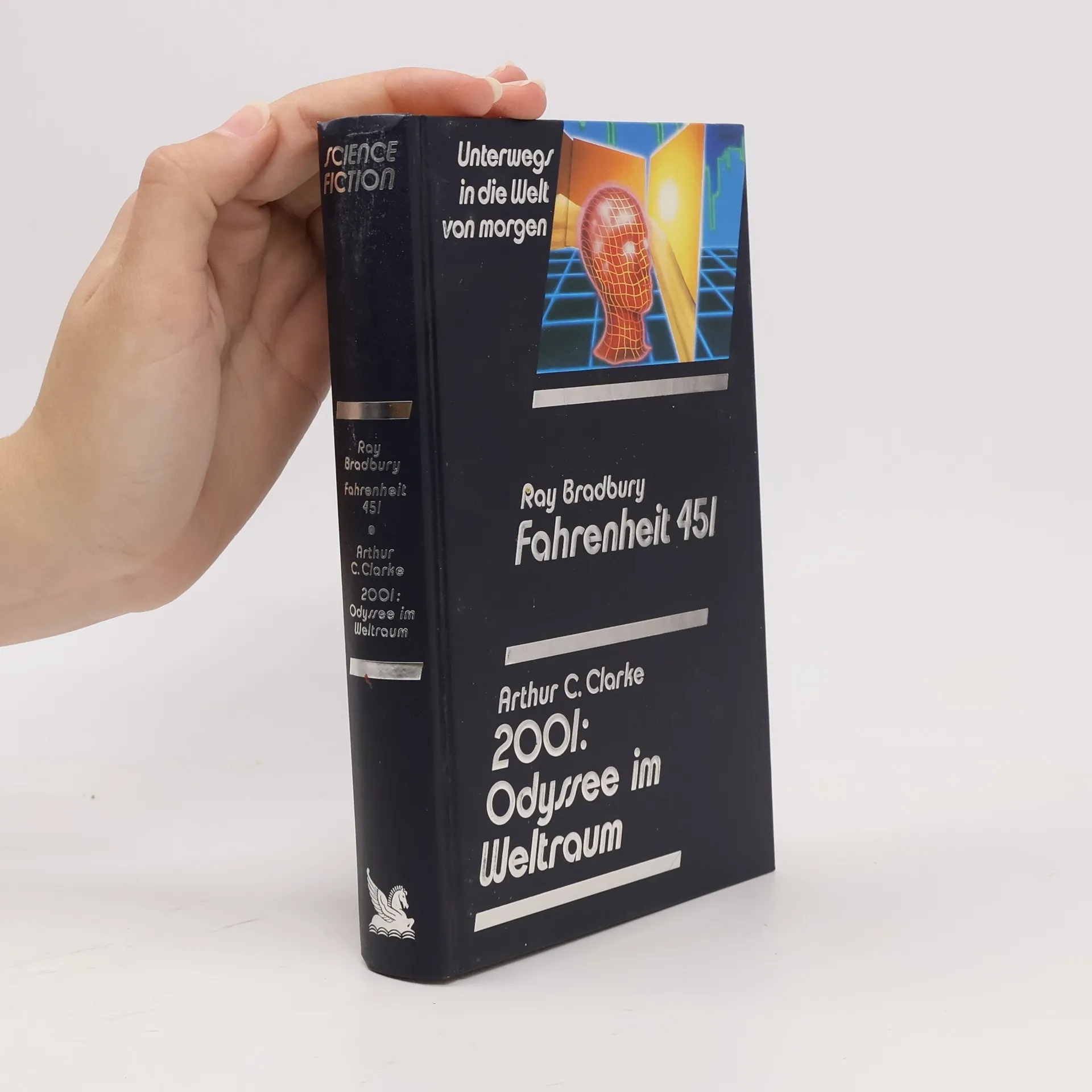
Eine Reise in die Unendlichkeit Zu Beginn des 21. Jahrhunderts entdecken Wissenschaftler auf dem Mond einen Monolithen, der ein Signal in Richtung Saturn sendet. An Bord der Discovery macht sich eine Forschungsexpedition auf den Weg zum Mond, um das Geheimnis des außerirdischen Objektes zu lüften. Zur Besatzung gehört auch der intelligente Supercomputer HAL 9000. Doch als es zwischen HAL und der menschlichen Crew zum offenen Kampf kommt, ist das erst der Beginn einer Kette von Ereignissen, die die Geschichte der Menschheit für immer verändern werden …
Features sixteen stories inspired by the 20th century's great master of
horror, H P Lovecraft, and his acknowledged masterpiece, At the Mountains of
Madness.
If you love space adventure stories such as Larry Niven's RINGWORLD or Arthur C. Clarke's 2001, this is the perfect collection. Rama is a huge cylindrical object, weighing more than ten trillion tons. And it is hurtling through the solar system at inconceivable speed. Then a space probe confirms the unthinkable: Rama is no natural object. It is, incredibly, an interstellar spacecraft. Space explorers and planet-bound scientists alike prepare for mankind's first encounter with alien intelligence. It will kindle their wildest dreams . . . and fan their darkest fears. For no one knows who the Ramans are or why they have come. And now the moment of rendezvous awaits - just behind a Raman airlock door.
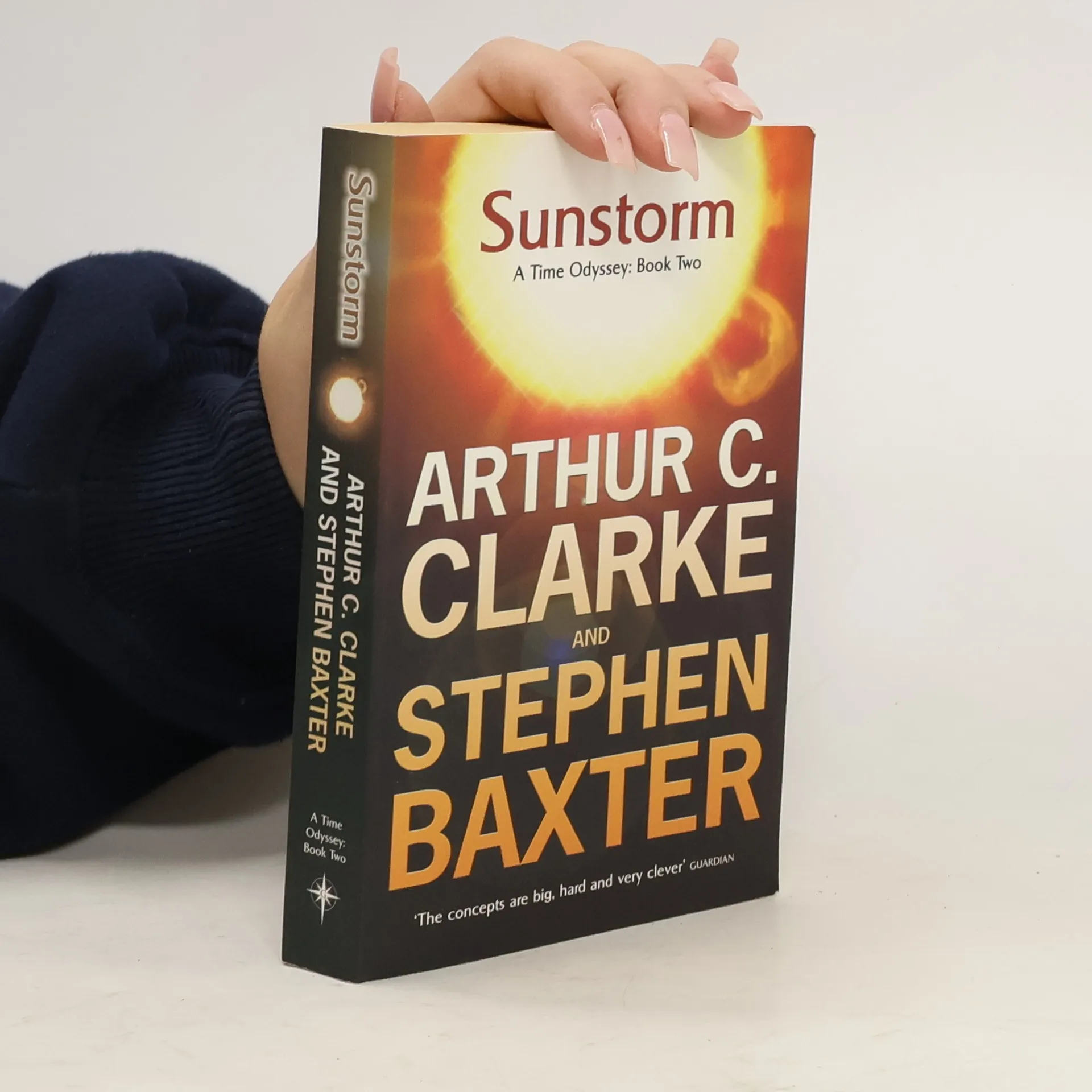
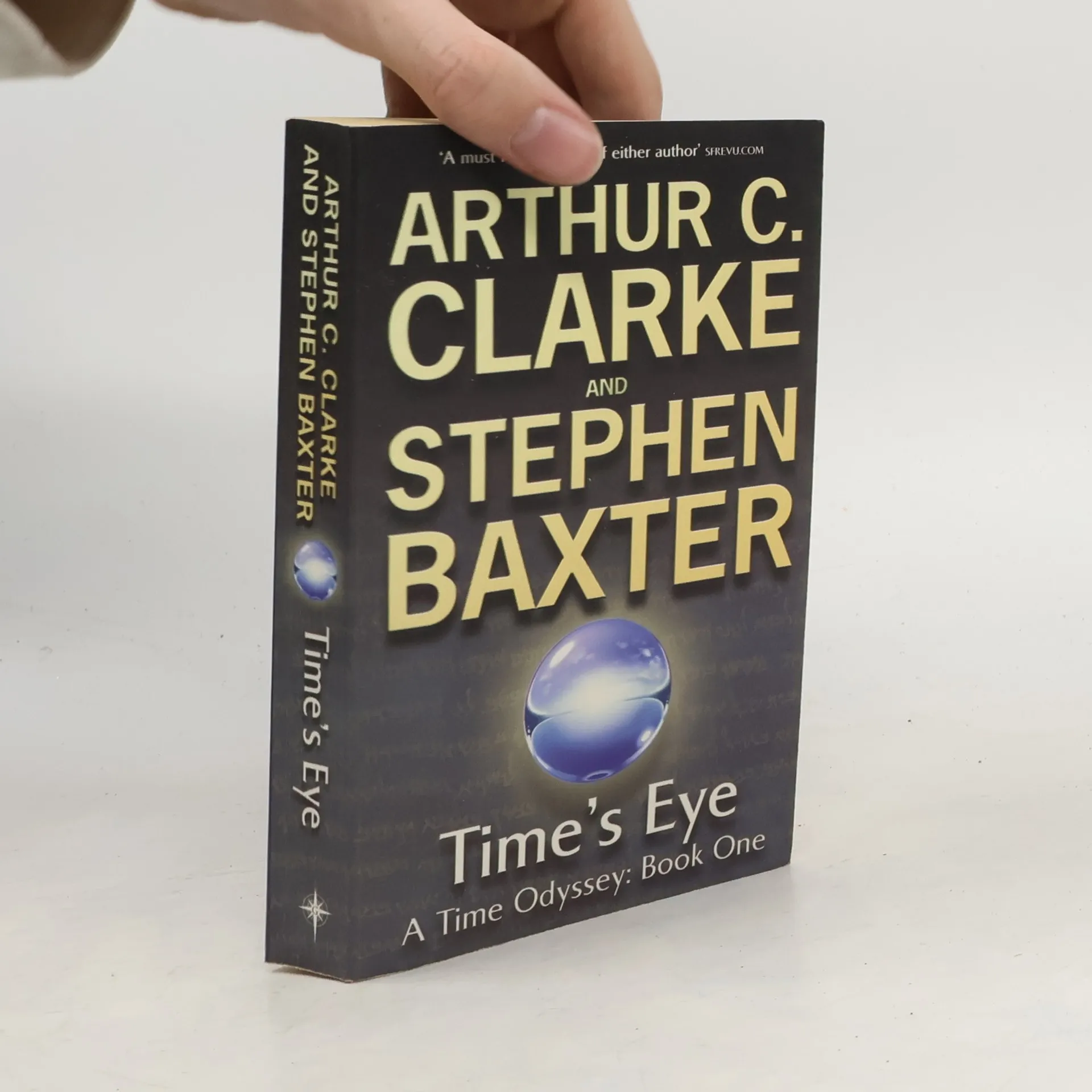
The Firstborn, a mysterious alien race first introduced in 2001: A Space Odyssey, have long been a part of Sir Arthur C. Clarke’s science fiction legacy. In the Time Odyssey series, co-authored with Stephen Baxter, they seek to halt human progress using technology akin to magic. Their initial act, the Discontinuity, transformed Earth into Mir, a patchwork world featuring figures like Alexander the Great and Genghis Khan. Bisesa Dutt, a UN peacekeeper, communicates with an alien artifact of immense power, which ultimately returns her to Earth. She becomes crucial in humanity's struggle against a doomsday solar storm orchestrated by the Firstborn, aimed at wiping out all life. This catastrophe is narrowly averted, but at a great cost. Twenty-seven years later, the Firstborn return with a "quantum bomb," an incomprehensible device that threatens to annihilate Earth. Bisesa embarks on a desperate quest for answers, traveling to Mars and then back to Mir, which faces its own extinction. As the situation grows dire, new revelations about the Firstborn's intentions emerge, and an unexpected ally arrives from light-years away, offering a glimmer of hope in a seemingly hopeless scenario.
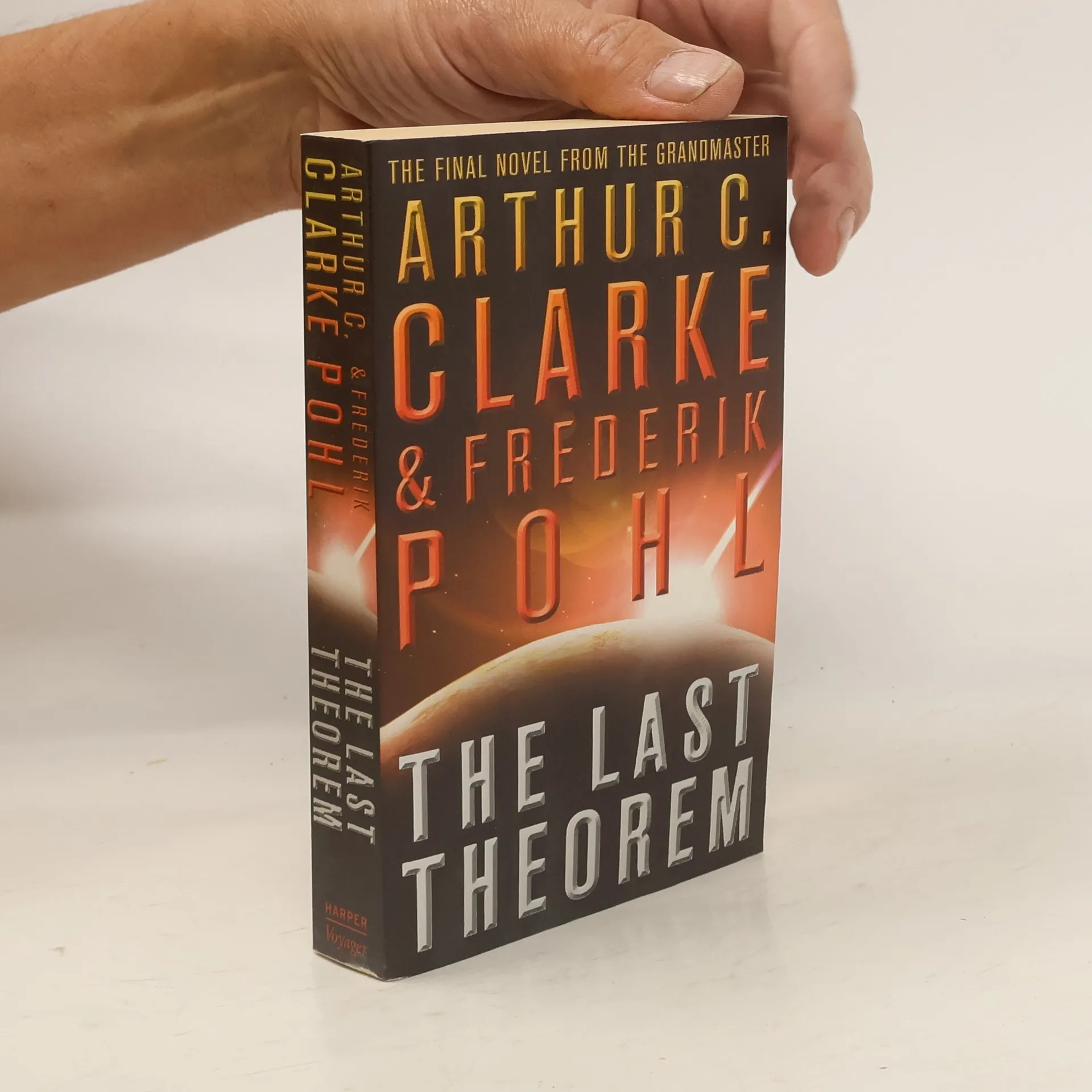
The last theorem charts the story of Ranjit Subramanian, a man fascinated by Fermat's Last Theorem - so simple that anyone can understand it, yet not proved for more than three centuries. Ranjit learns about the Indian mathematical genius Ramanujan (1887-1920) and discovers a three-page proof of the Last Theorem: this might even be Fermat's own proof. The discovery of the Theorem wins Ranjit the Fields Medal - and the attention of the NSA cryptography branch. However, Ranjit soon finds himself drawn by physics rather than cryptography, as there have been some spectacular advances in fusion technology. And these in turn lead to a plasma drive that can open up the solar system.
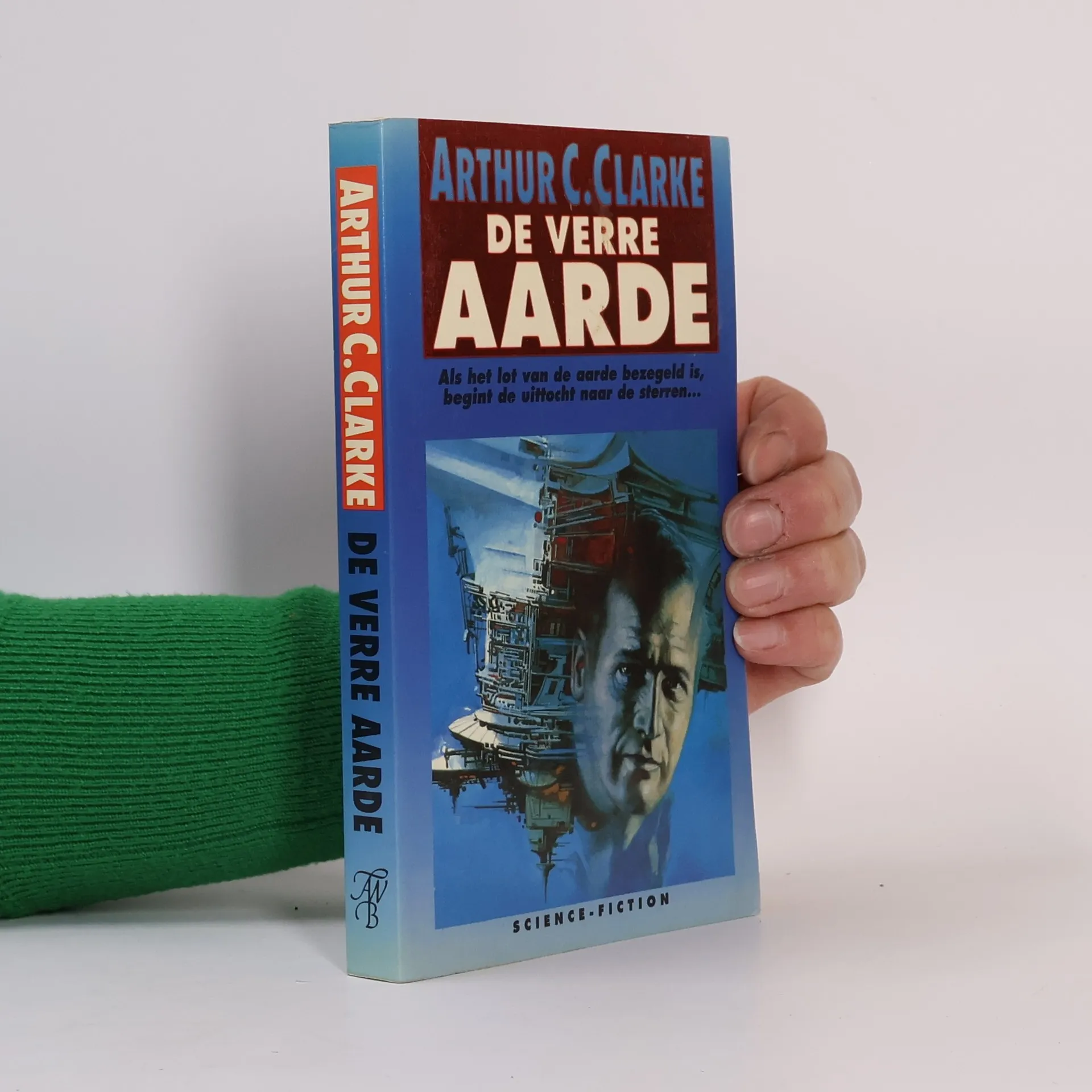
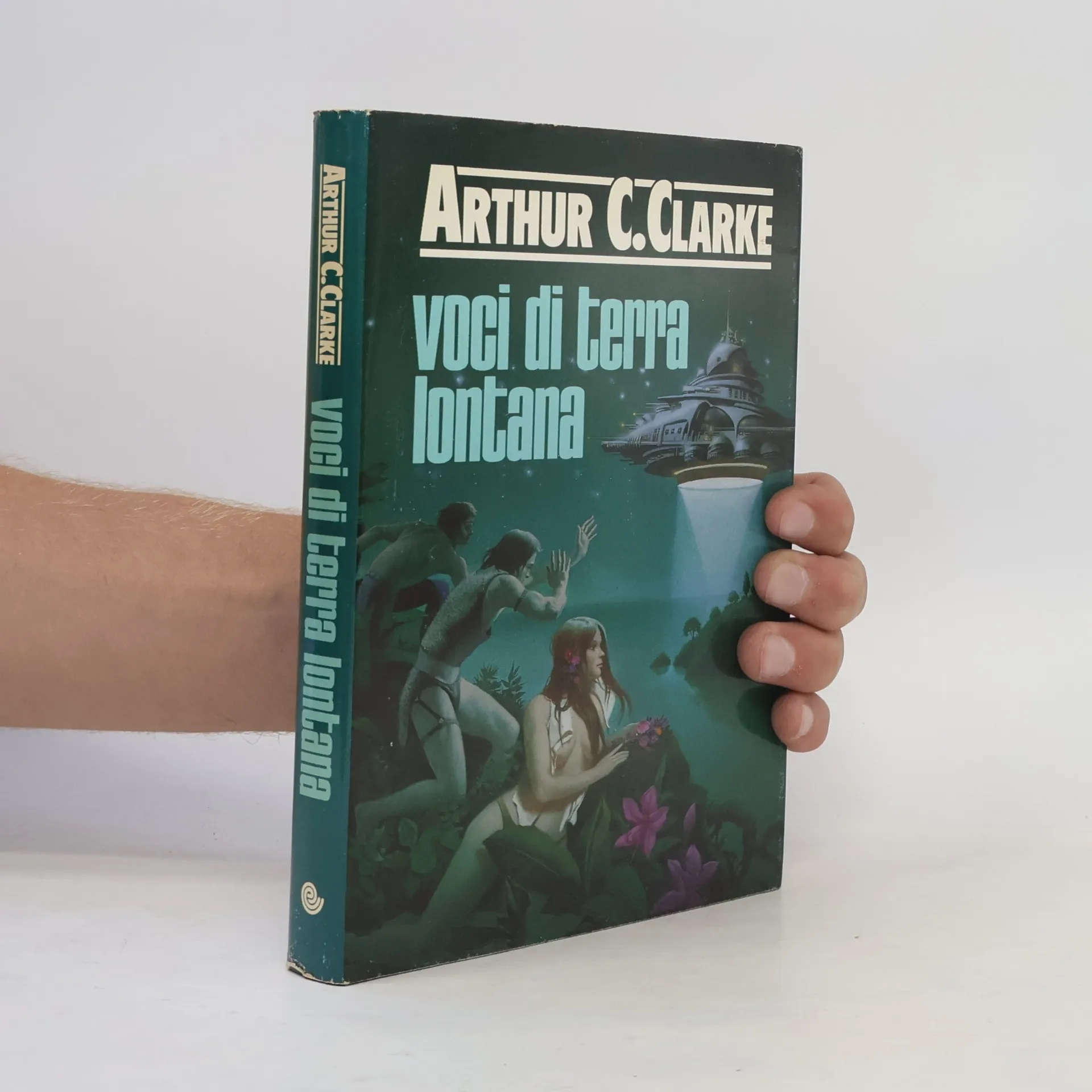
Kouzlo této klasické sbírky, která poprvé vyšla 1958, spočívá zejména v tom, že se v ní čtenář znovu setká s těmi nejlepšími autorovými povídkami. Je zde Hvězda (The Star), jež byla vyhlášena nejlepší SF povídkou roku 1956, neobvyklá, smutná povídka Pomíjivost (Transience) a další proslulé Devět miliónů božích jmen a Zpěv vzdálené země. A dalších více než dvacet mistrovsky podaných příběhů - kniha jež určitě nezklame žádného milovníka SF.
Klasická sbírka povídek prvně vydaná v roce 1963 obsahuje některé z Clarkeových nejlepších prací. Patnáct námětů potvrzuje autorův nevšedně živý a originální pohled do budoucnosti, ať blízké či velmi vzdálené. Je ukázkou jeho mnohotvárnosti a překvapivých zvratů děje a ironického stylu.
"'The chaos point' argues that we are at a critical point in history, one in which resources are fast being depleted, hundreds of millions live in crushing poverty, and local choices have global impact. Laszlo says society can either break down or break through to a new future by making different choices--choices he outlines in the book"--Provided by publisher.
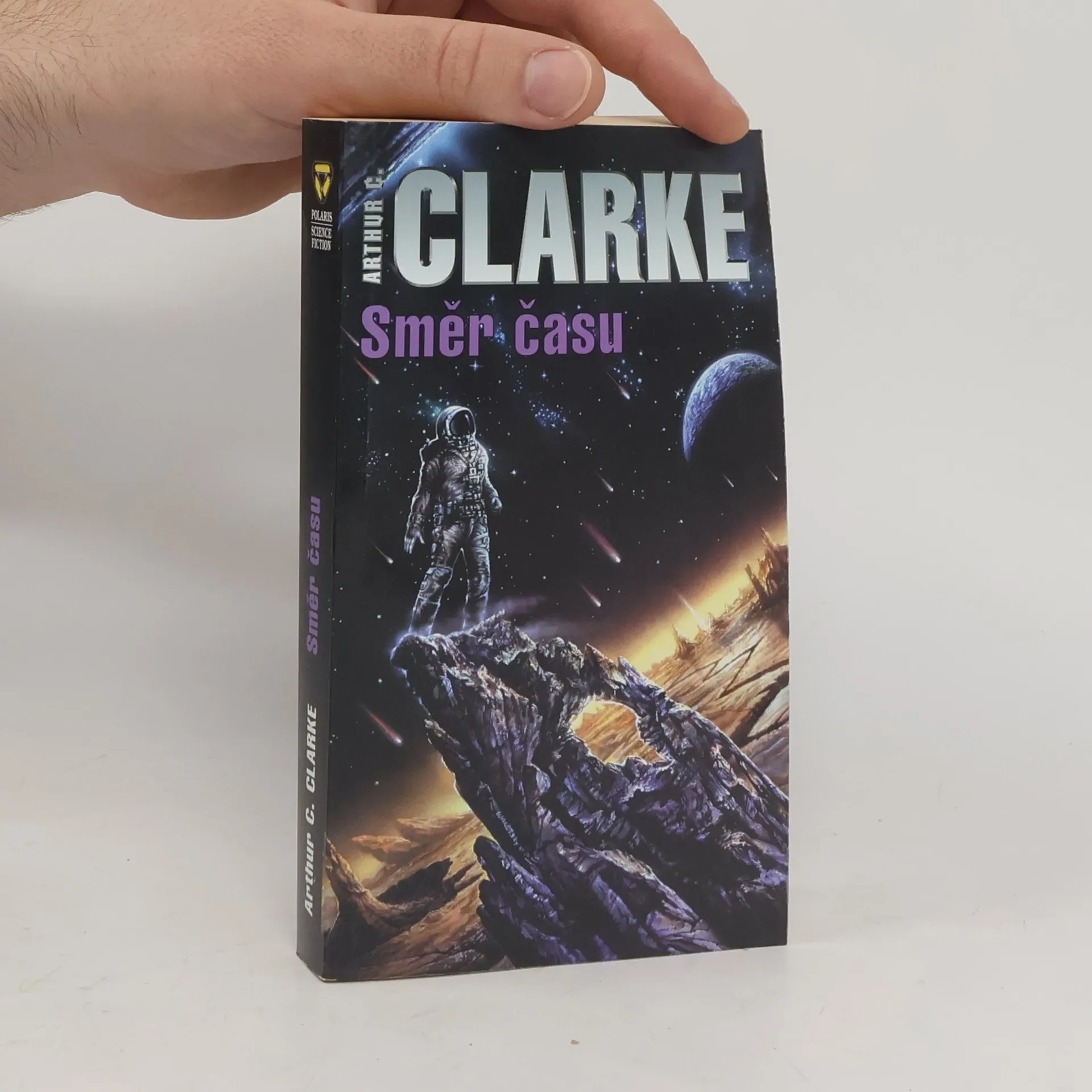
Arthur C. Clarke je bezesporu nejznámějším a nejčtenějším autorem SF na světě. Jeho spisovatelská kariéra, trvající už více než šedesát let, prakticky nemá obdoby. Sbírka Směr času představuje asi čtvrtinu celé jeho povídkové tvorby, tedy více méně tu část, která u nás dosud nebyla knižně publikována. Nejstarší z nich, „Cestujte po drátě!" vyšla poprvé v roce 1937, poslední, „Žádná škoda sousedů", v roce 1999.
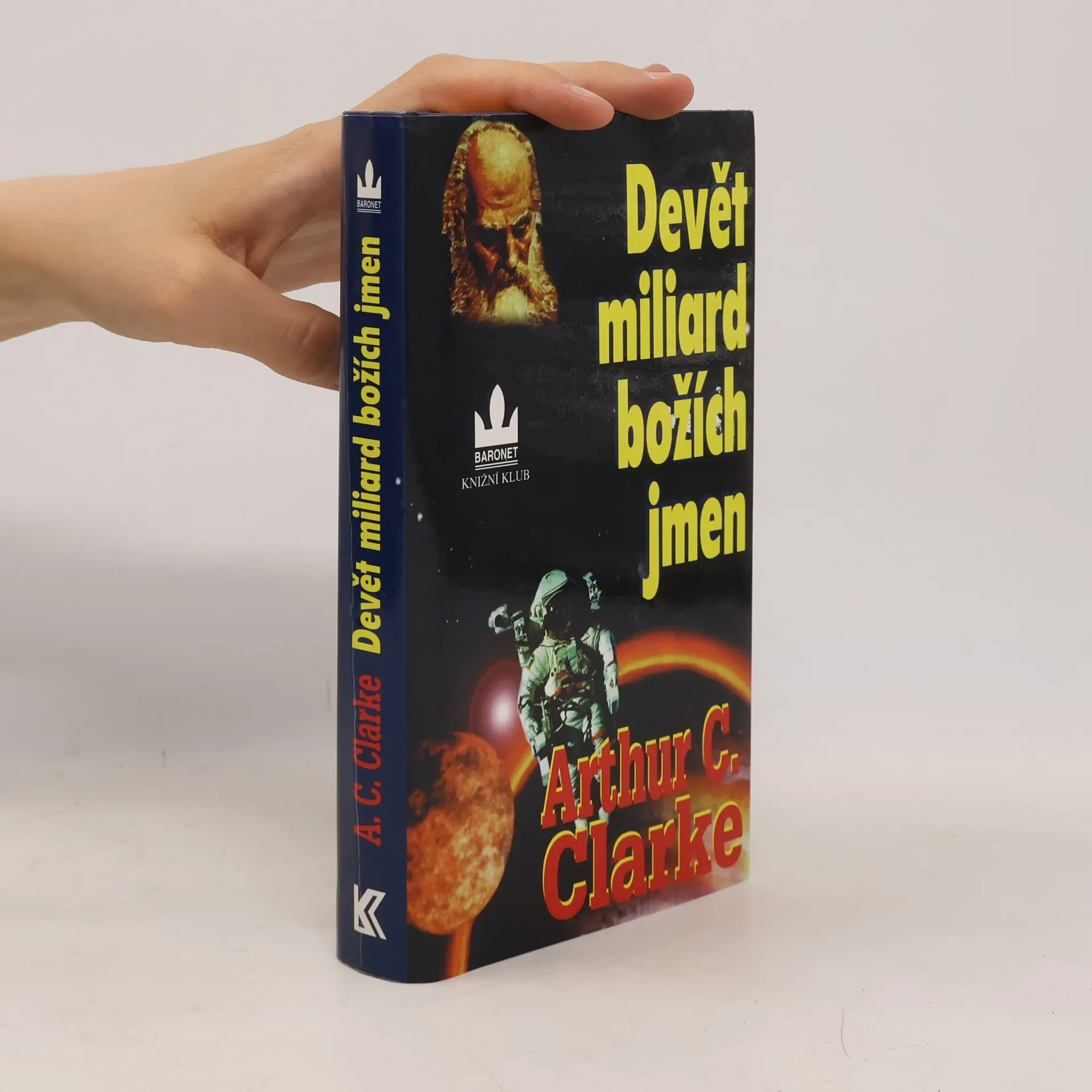
Sbírka Devět miliard božích jmen přináší výběr nejlepších Clarkových povídek. Mezi čtyřiadvaceti příběhy čtenář nalezne nejen Hlídku, ale také všechny ostatní slavné povídky: Hvězdu, Setkání s Medúzou či titulních Devět miliard božích jmen. Knížka je doslova nabitá povídkami oceněnými Hugy či Nebulami.
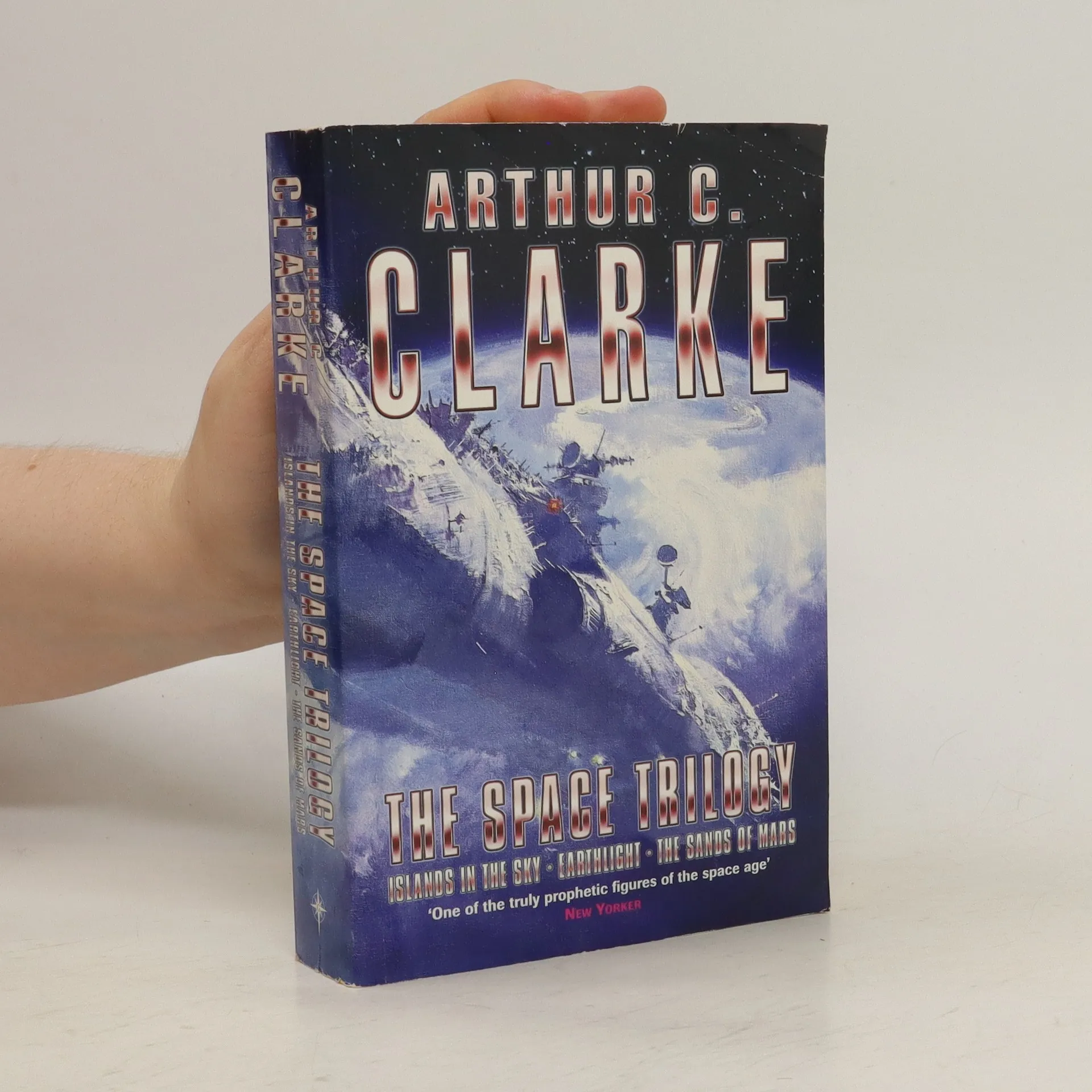
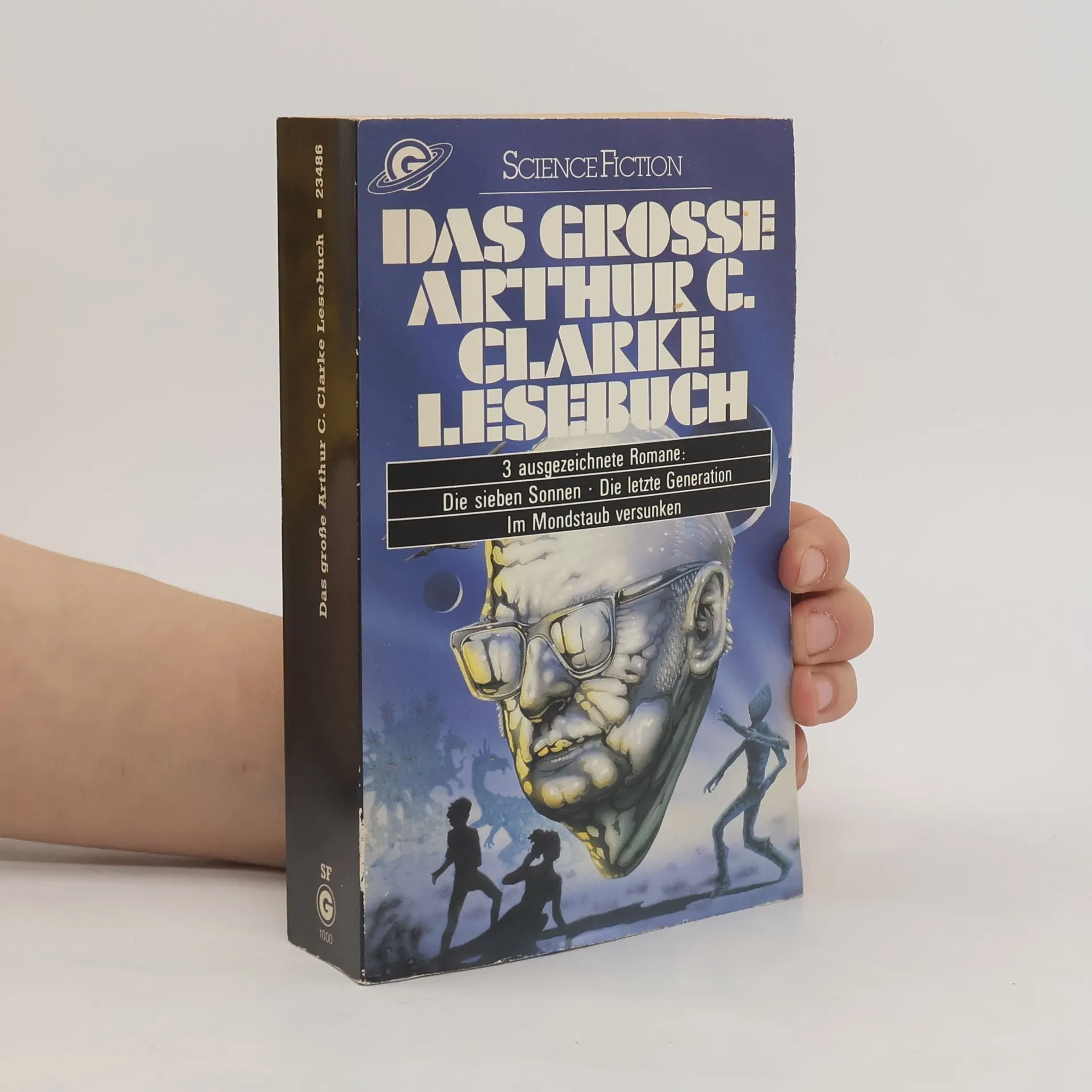
Islands in the Sky, first published in 1954, sees Roy Malcolm win a trip to the Inner Station, a space station rotating 500 miles from Earth.The Sands of Mars, set in the 21st century, has a group of pioneers struggling to change the face of this inhospitable planet.Earthlight is set in a human colony on the moon.This omnibus edition of Arthur C. Clarke's early novels shows the author of 2001: A Space Odyssey exploring space and time in adventurous and thoughtful ways. Although the course of recent history has been different, these novels offer a glimpse of what-might-have-been, as envisioned nearly 50 years ago by the greatest sci-fi writer of them all.
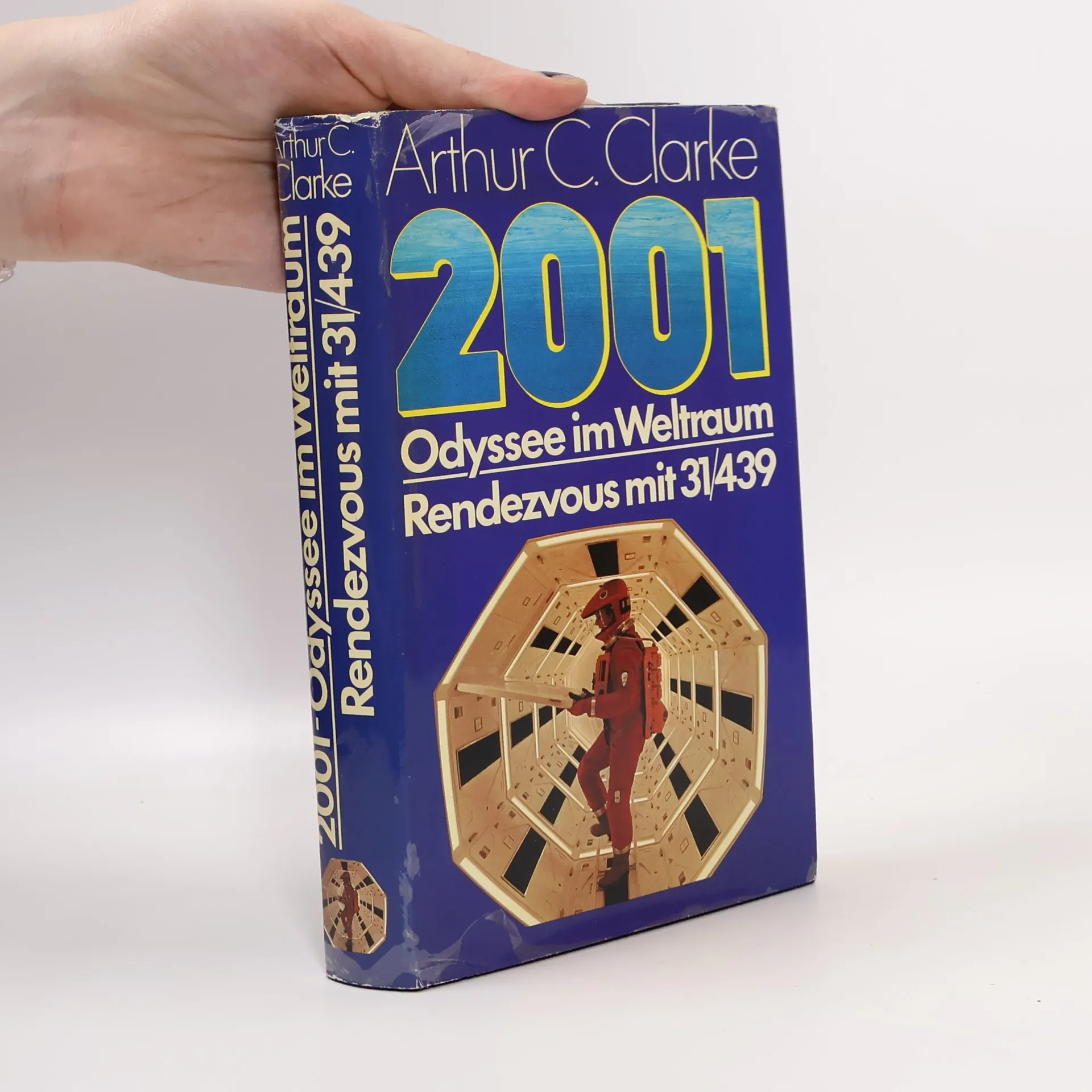
The classic science fiction novel that captures and expands on the vision of Stanley Kubrick’s immortal film—and changed the way we look at the stars and ourselves. From the savannas of Africa at the dawn of mankind to the rings of Saturn as man ventures to the outer rim of our solar system, 2001: A Space Odyssey is a journey unlike any other. This allegory about humanity’s exploration of the universe—and the universe’s reaction to humanity—is a hallmark achievement in storytelling that follows the crew of the spacecraft Discovery as they embark on a mission to Saturn. Their vessel is controlled by HAL 9000, an artificially intelligent supercomputer capable of the highest level of cognitive functioning that rivals—and perhaps threatens—the human mind. Grappling with space exploration, the perils of technology, and the limits of human power, 2001: A Space Odyssey continues to be an enduring classic of cinematic scope.
Arthur C. Clarke is one of the greatest science fiction writers of the century, and surely the most celebrated science fiction writer alive. He is -- with H. G. Wells, Isaac Asimov and Robert A. Heinlein -- one of the writers who define the genre. Now, at the dawn of the year 2001, Sir Arthur C. Clarke has cooperated in the preparation of a massive definitive edition of his collected shorter works, which will be made available on audio in five chronological volumes, followed by a 10 CD volume of favorite selection and a 30 cassette gift set...the most ambitious science fiction audio project in history.In addition to the well-known and ever popular stories "The Other Side of the Sky," "I Remember Babylon," and The Songs of Distant Earth," this volume features comic cosmic narratives originally collected in Tales From the White Hart, including "The Defenestration of Ermintrude Inch," "The Next Tenants," and "The Man Who Ploughed the Sea."
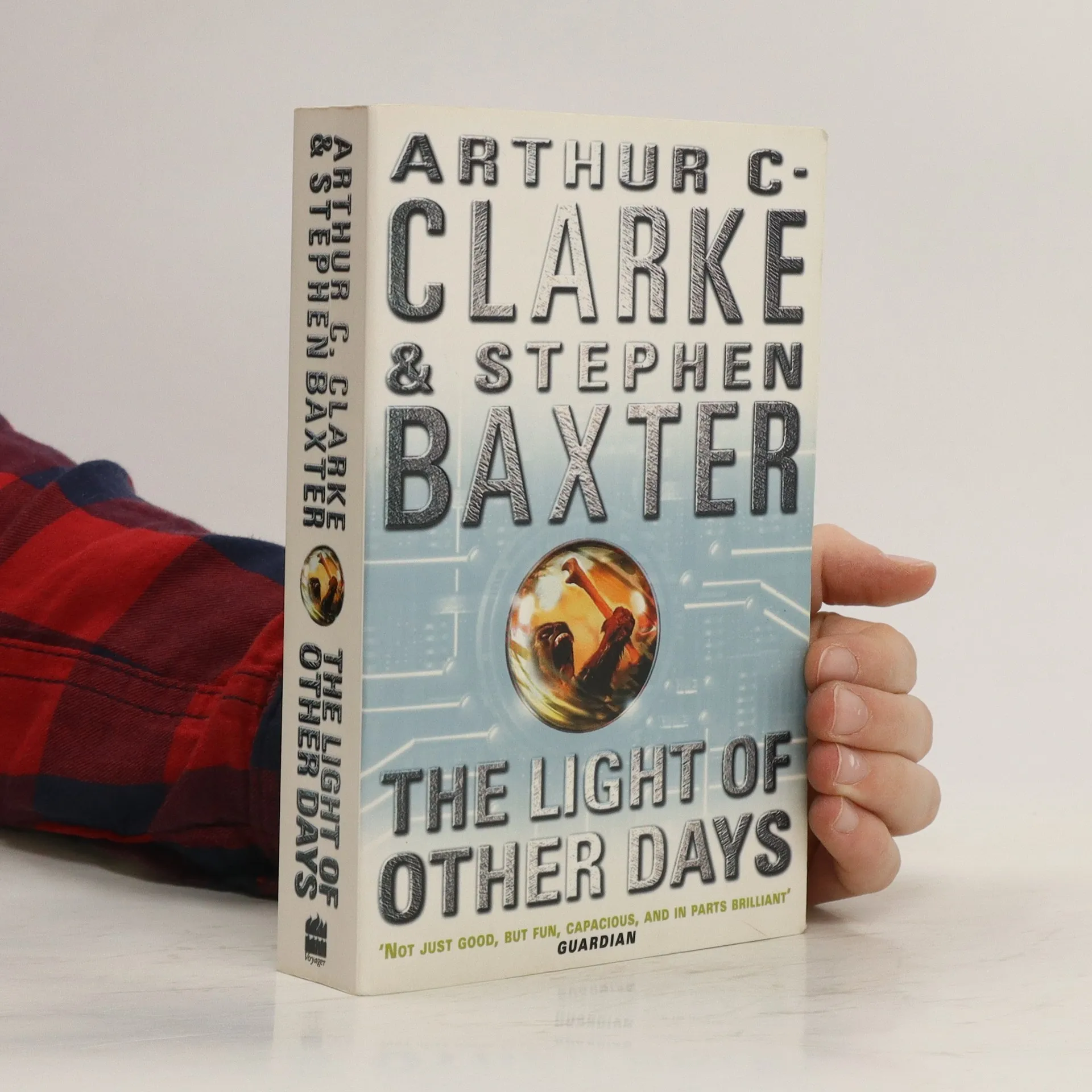
Two titans of hard SF -- multiple award-winning British authors Clarke (<i>Rendezvous with Rama</i>, etc.) and Baxter (<i>The Time Ships</i>, etc.) -- team up for a story of grand scientific and philosophical scope. Ruthless Hiram Patterson, the self-styled "Bill Gates of the twenty-first century," brings about a communication revolution by using quantum wormholes to link distant points around Earth. Not content with his monopoly on the telecommunications industry, Patterson convinces his estranged son, David, a brilliant young physicist, to work for him. While humanity absorbs the depressing news that an enormous asteroid will hit Earth in 500 years, David develops the WormCam, which allows remote viewers to spy on anyone, anytime. The government steps in to direct WormCam use -- but before long, privacy becomes a distant memory. Then David and his half-brother, Bobby, discover a way to use the WormCam to view the past, and the search for truth leads to disillusionment as well as knowledge. Only by growing beyond the mores of the present can humanity hope to survive and to deal with the threats of the future, including that asteroid. The exciting extrapolation flows with only a few missteps, and the large-scale implications addressed are impressive indeed. For both authors the novel's conclusion takes place in familiar thematic territory, offering a final, hopeful transcendence for humanity.
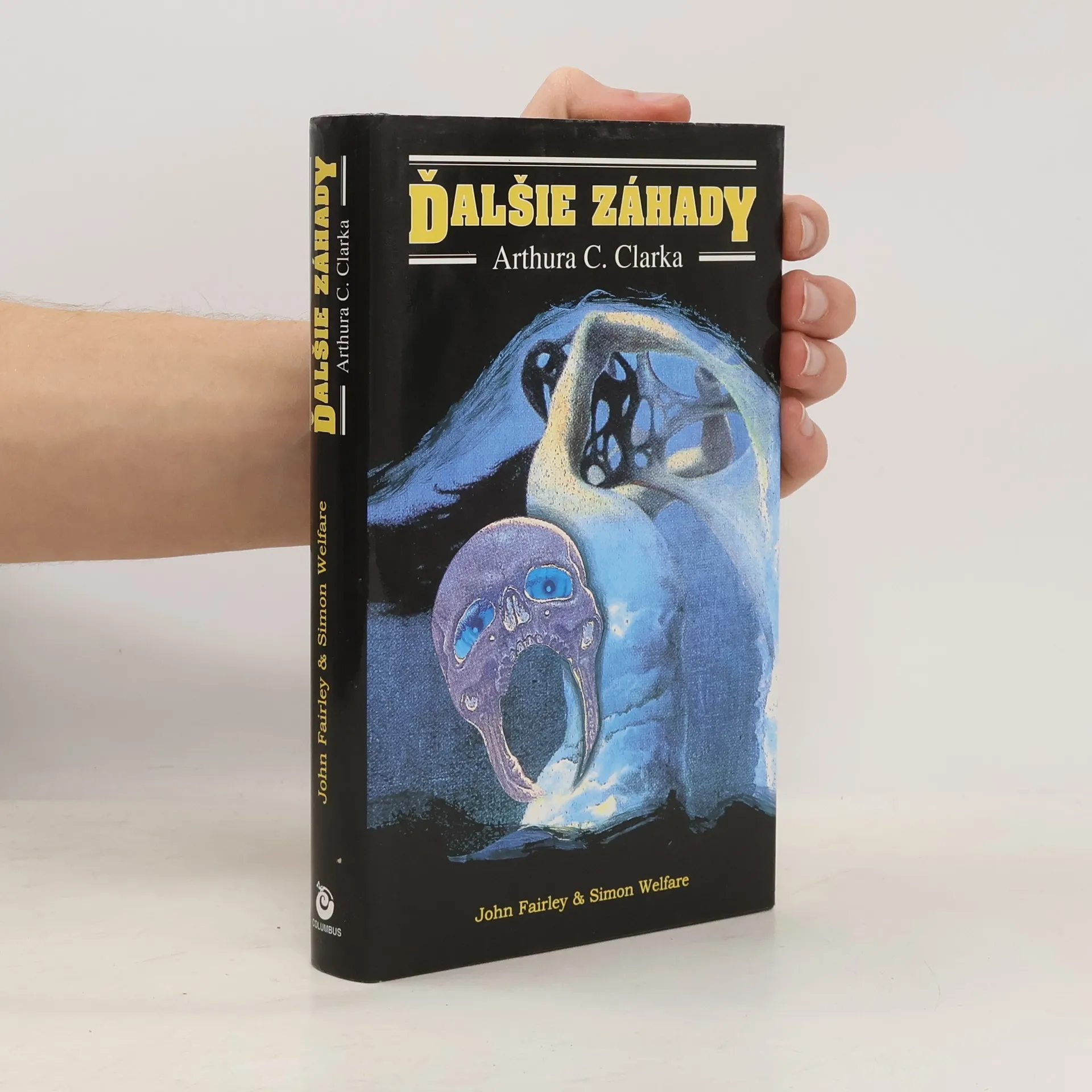
Kniha pojednává o záhadných jevech, událostech a nálezech, jež je těžko vysvětlit. Témat je třináct - jako kapitol knihy.
Kniha je plná záhad a těžko vysvětlitelných jevů. Vrací se k některým tématům, která už Clarke zmiňoval ve svém úspěšném televizním seriálu Svět tajemných sil. Oba autoři trochu těží ze slavného Clarkova jména, protože přebírají jeho nápady a "záhadologa" samého nechávají jen kraťoučce promluvit na konci každé kapitoly. Těch má kniha třináct a rozebírají různorodá témata: pád tuguzského meteoritu, existenci yettiho, nessie, obřích chobotnic, dále příběhy o stigmatech, černé magii, jasnovidectví, o nevysvětlitelných archeologických nálezech a o dalších záhadách.
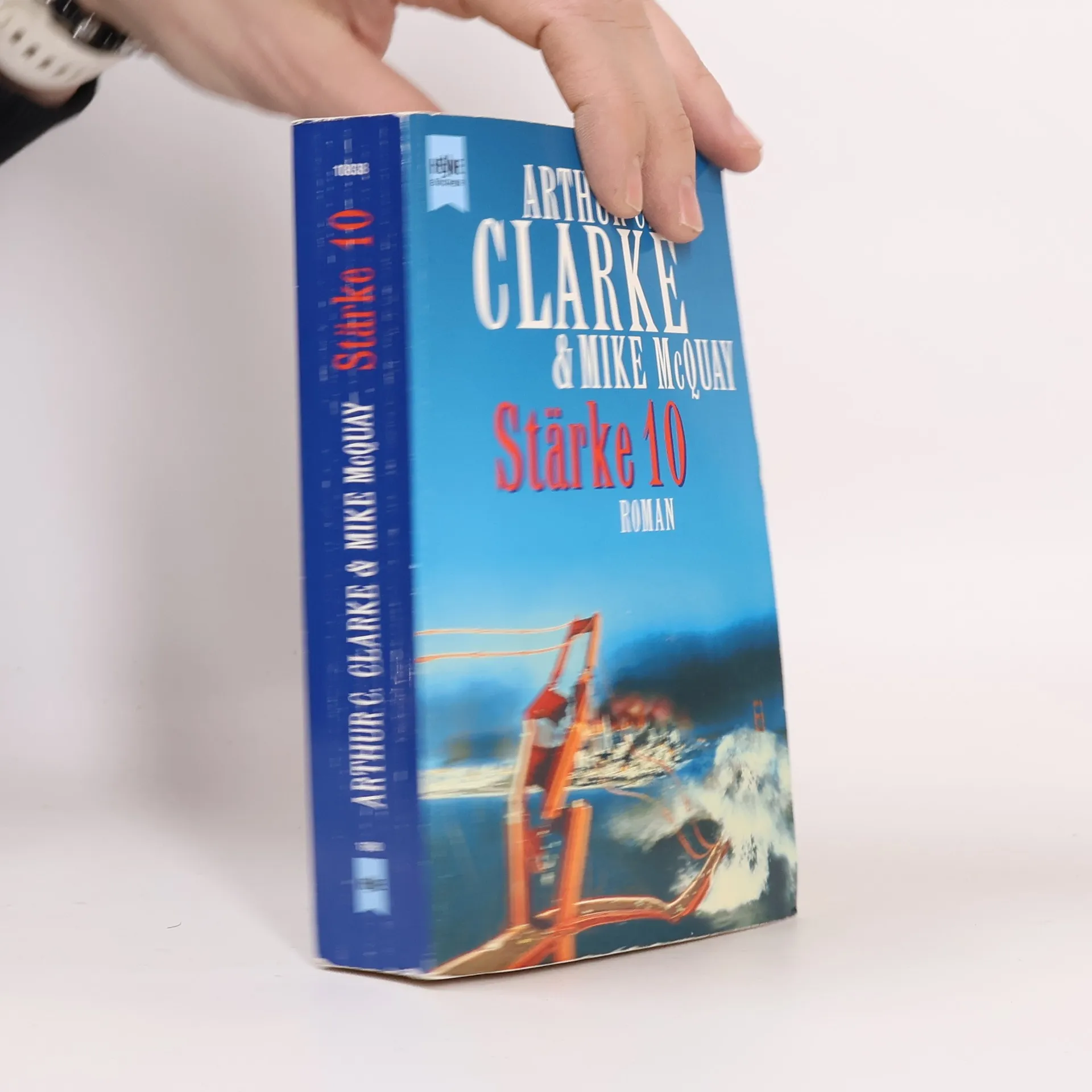
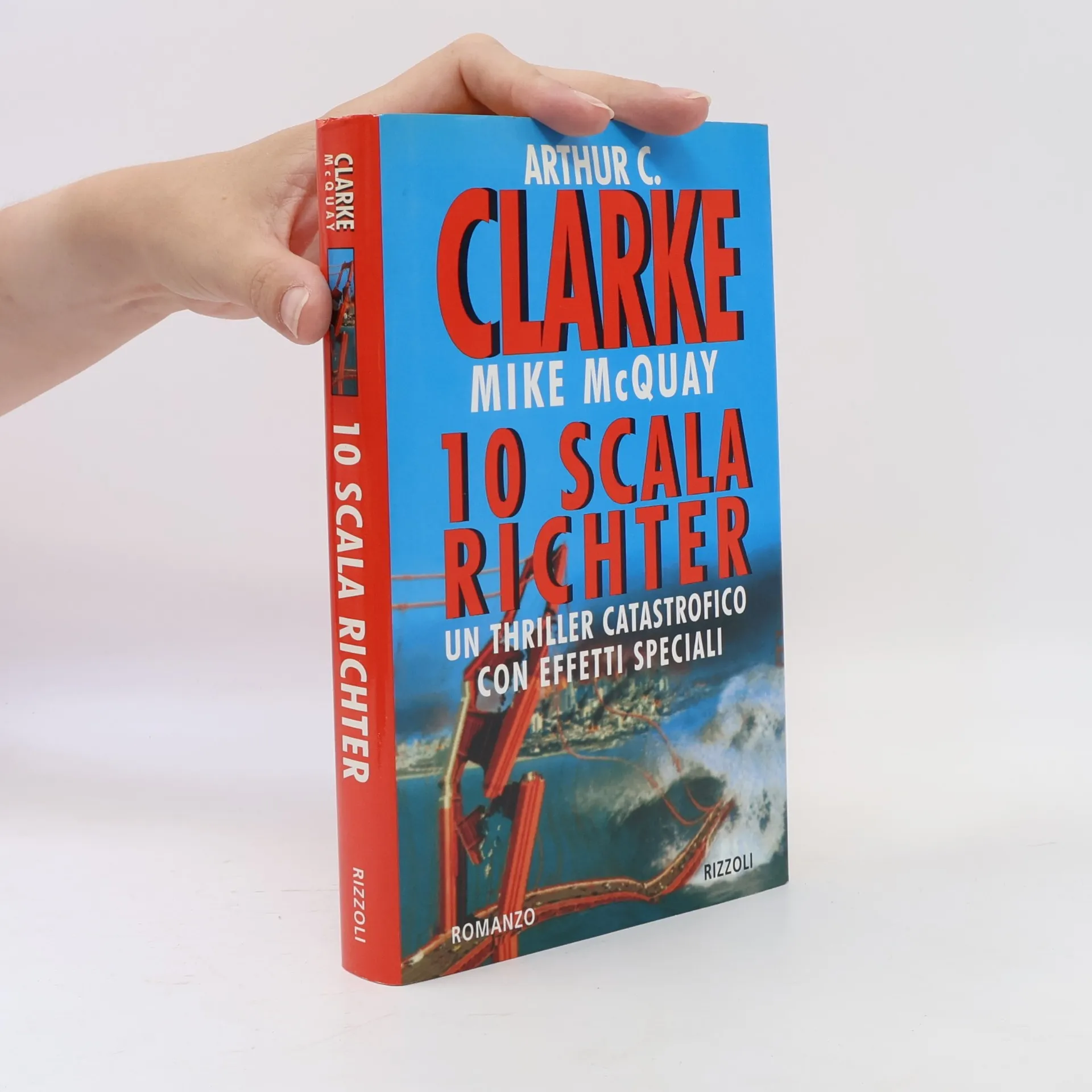
Dem Seismologen Lewis Crane ist es gelungen, ein Erdbeben der Stärke 10 vorauszusagen. Er weiß, wann und wo es zuschlagen wird - aber den Mächtigen des Jahres 2024 würde eine Katastrophe sehr gelegen kommen. Also beginnt für Crane nicht nur ein mörderischer Wettlauf mit der Zeit, sondern auch der Kampf ums Überleben.
What if a device could render guns and bombs virtually harmless? What would that mean for crime, terrorism, and international relations? Would it signal the end of war or usher in a new kind of conflict? This gripping novel by Arthur C. Clarke and Michael Kube-McDowell explores these questions through the story of the Trigger, a groundbreaking invention that promises to eliminate violence in a world plagued by it. This technology could take weapons out of the hands of armies and dictators, offering a chance for true peace. However, like the misguided belief in nuclear deterrence, could the creators of the Trigger be wrong? Dr. Jeffrey Horton, the young physicist behind this revolutionary device, grapples with the implications of his discovery. Who should control such power, and how can its potential be realized without falling into the wrong hands? As the American government becomes aware of the Trigger, a fierce struggle ensues among Washington's elite to possess or destroy it. Science becomes entangled in political machinations, and trust erodes among colleagues and mentors. Betrayal lurks, and those with the best intentions may pose the greatest threat to peace.
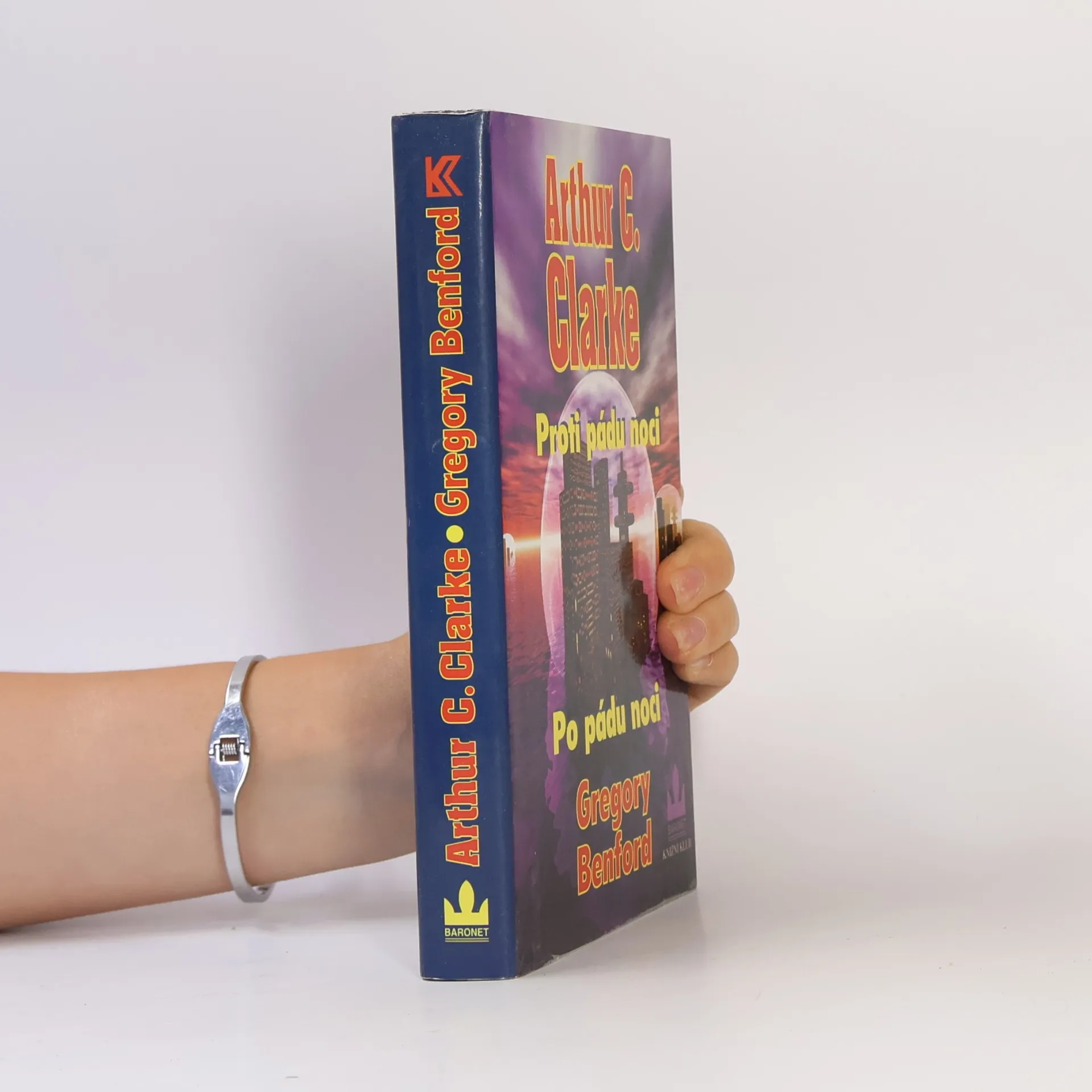
Proti pádu noci se odehrává v daleké budoucnosti ve městě Diaspar, jehož prakticky nestárnoucí obyvatelé mají k dispozici všechny vymoženosti, které lidstvo za miliony let své existence vytvořilo. Přesto se neodvažují vyjít za hranice Diasparu a prozkoumat pustinu, v níž se obrátil zbytek celé planety, natož aby obrátili oči ke hvězdám. Až mladý Alvin se vydává na cestu do neznáma. Napínavý příběh ani za několik desetiletí v ničem nezastaral a dokazuje ohromnou míru autorova talentu.
Profesor astrofyziky a poradce NASA Gregory Benford je rovněž úspěšným autorem sci-fi, dokonce držitelem ceny Nebula za román Timescape. Po dohovoru s Clarkem napsal pokračování původního příběhu pod názvem Po pádu noci, v němž představuje novou Zemi, která již není pustinou, ale oplývá ohromným bohatstvím. Přesto jí hrozí smrtelné nebezpečí.
-- zdroj: legie.info --
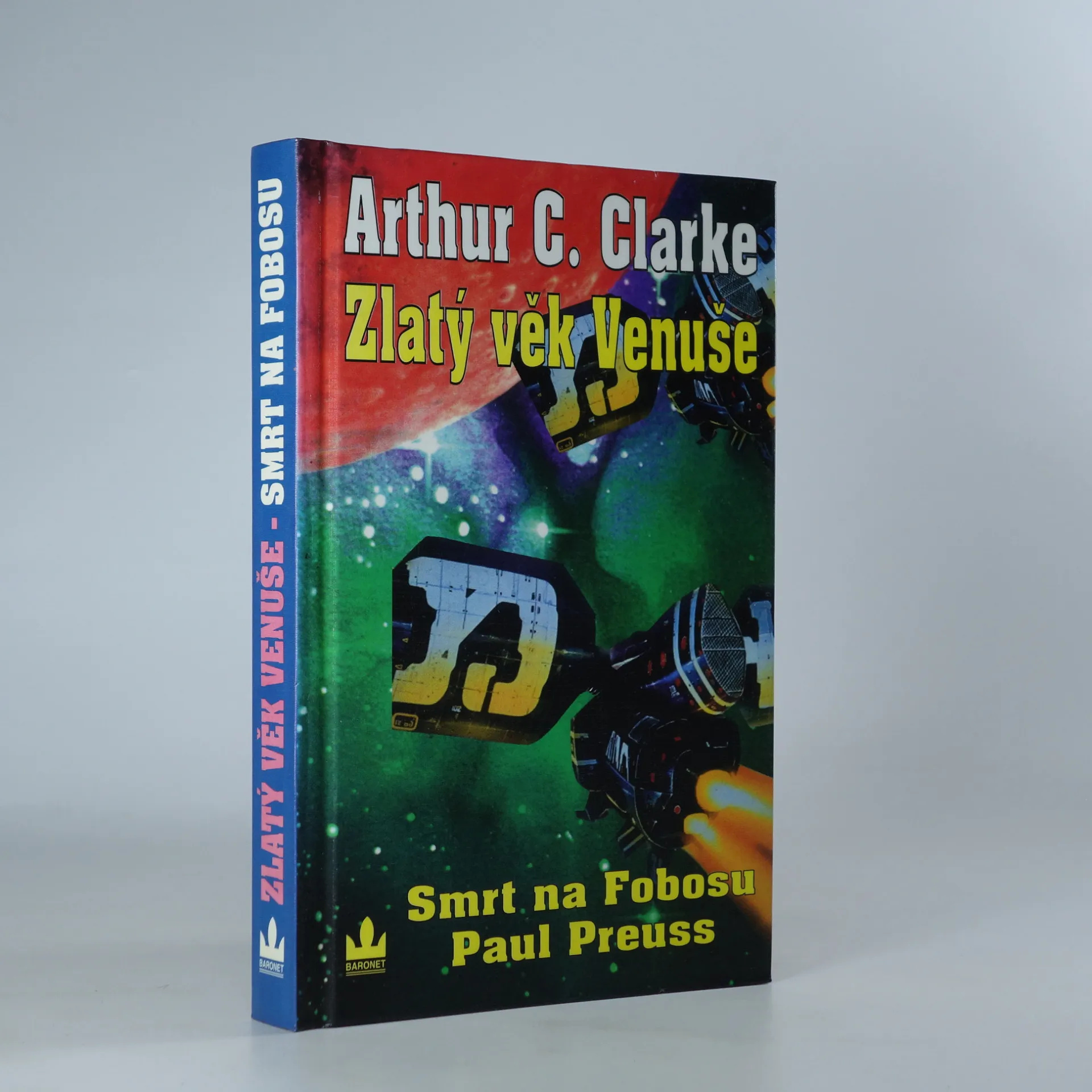
The concluding volume in a series of science fiction thrillers evolved from
the works of Arthur C. Clarke. This volume includes a section of computer-
generated tech specs and blueprints of the spacecraft and hardware from Venus
Prime.
Blending elements of mystery and science fiction, this book draws comparisons to the renowned works of Isaac Asimov, particularly the Lije Baley-Daneel Olivaw series. It promises a thrilling narrative that intertwines intricate plots with futuristic themes, appealing to fans of both genres. The story likely explores complex characters and thought-provoking dilemmas, offering a captivating experience for readers who enjoy speculative fiction infused with suspense.
Hlavní hrdina je geniální seismolog, který celý svůj život zasvětí výpočtům a předpovídání seismických katastrof. Jeho varování však lidstvo, rozdělené národnostními a rasistickými válkami, nechce slyšet a tak je nakonec katastrofa nevyhnutelná. Velmi sugestivní...
Recovering from a mission on Mars, Sparta finds herself the guest of the Space
Board. But relaxation is short-lived as Sparta soon sets out to investigate
the Board itself. It appears that members of Free Spirit, a religious cult
bent on galactical control, have infiltrated the Space Board. schovat popis
Děj se odehrává na Marsu, kde je Sparta povolána vyšetřovat případ ztracené plakety. Kniha navazuje na předchozí díly a zase poodkrývá o něco více faktů o Spartině minulosti a tajném spolku, které se čtenáři dostane s postupným rozplétáním zločinu, ke kterému je povolána.
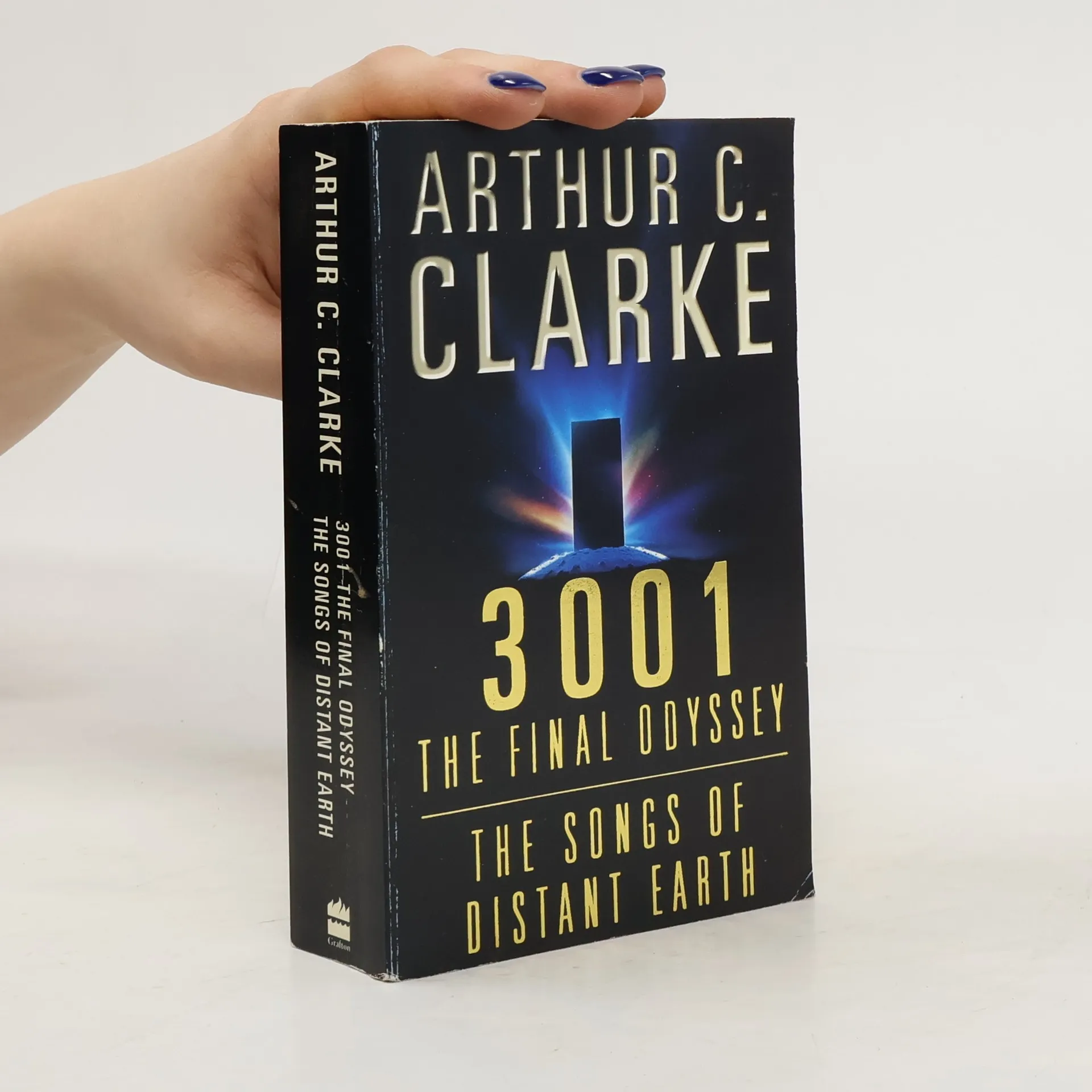
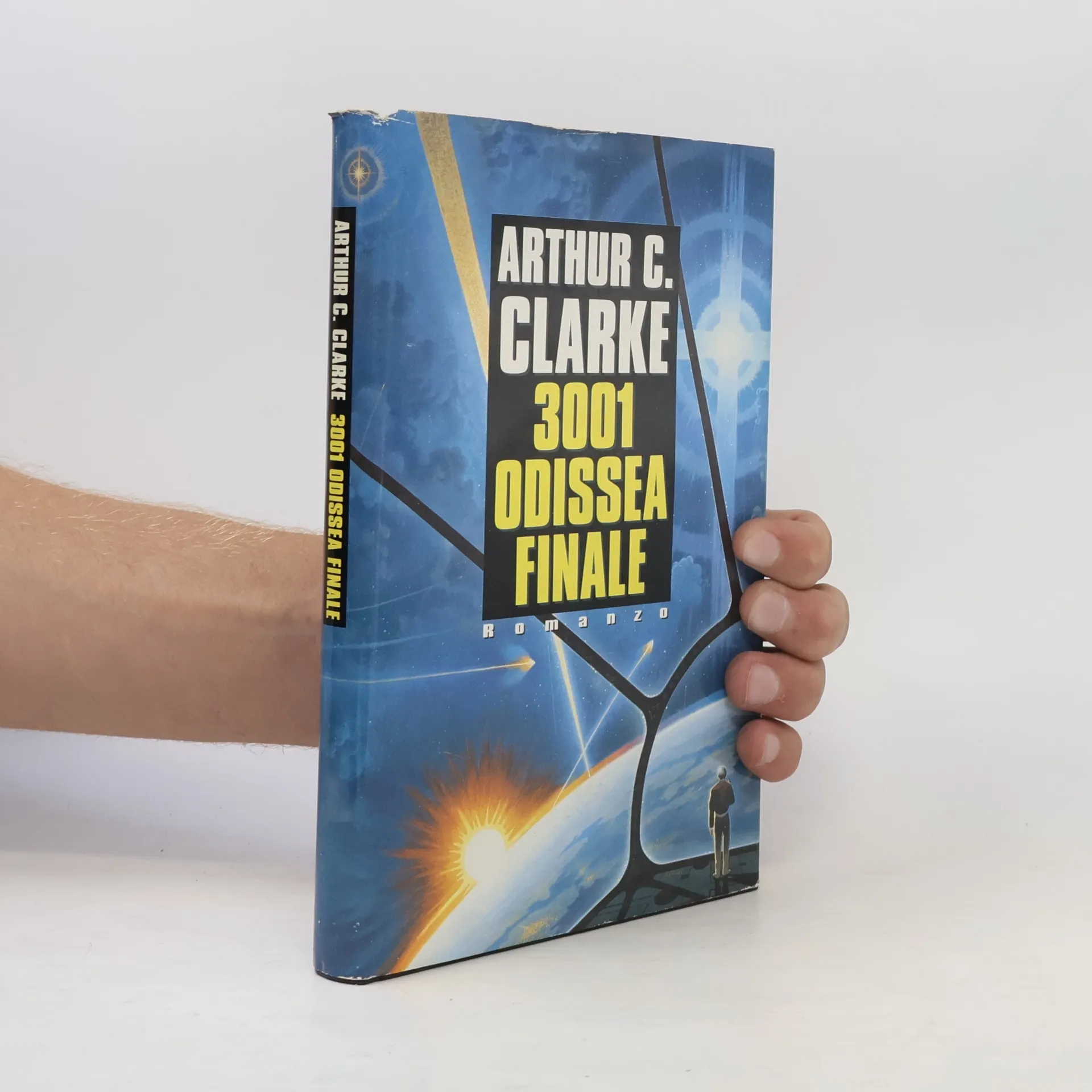
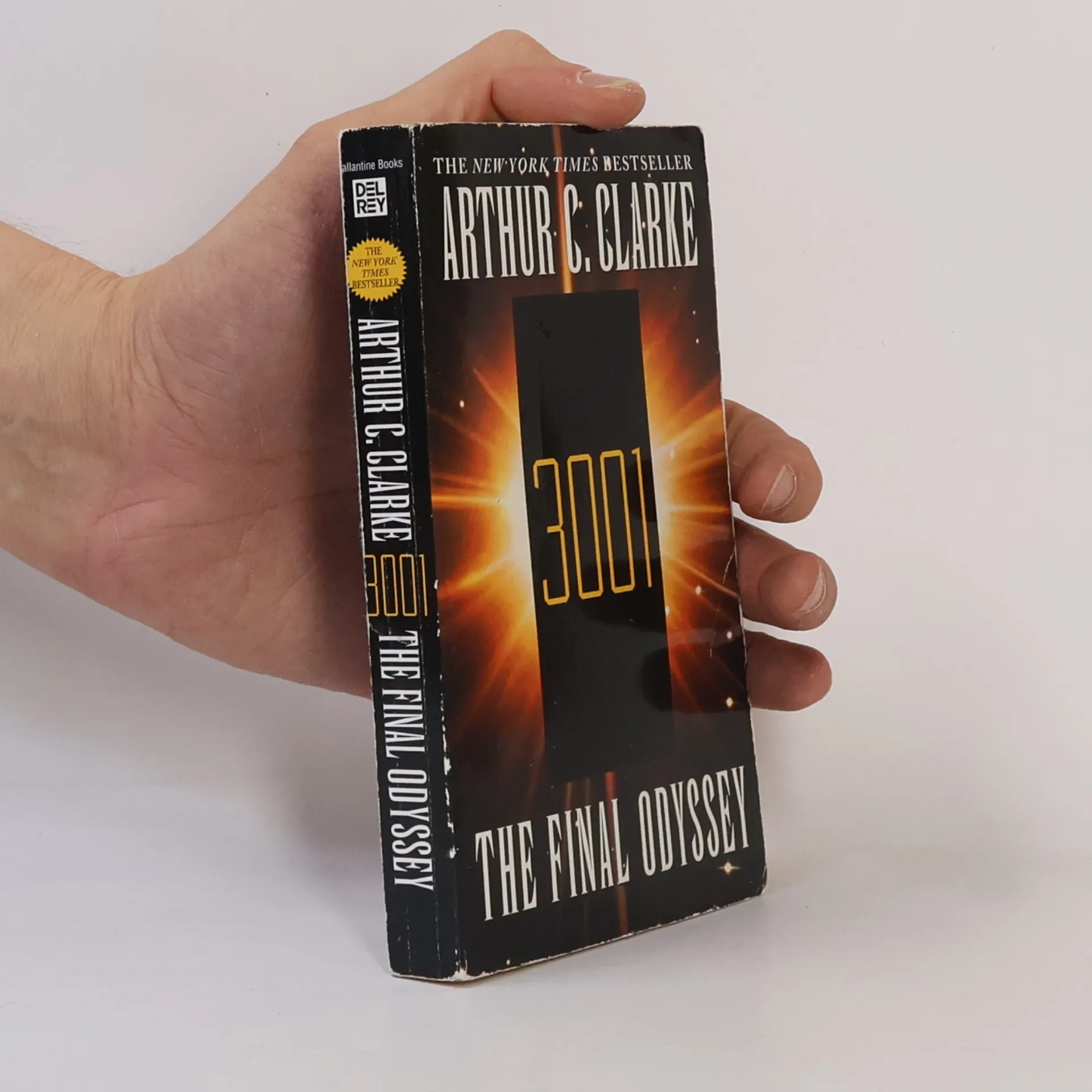
The world in the year 3001 seen through the eyes of an astronaut, revived after a thousand-year sleep. The earth is encircled by space cities, accessed by elevators and education is a breeze, computers enabling the brain to absorb complicated information in milliseconds. By the author of 2001: A Space Odyssey
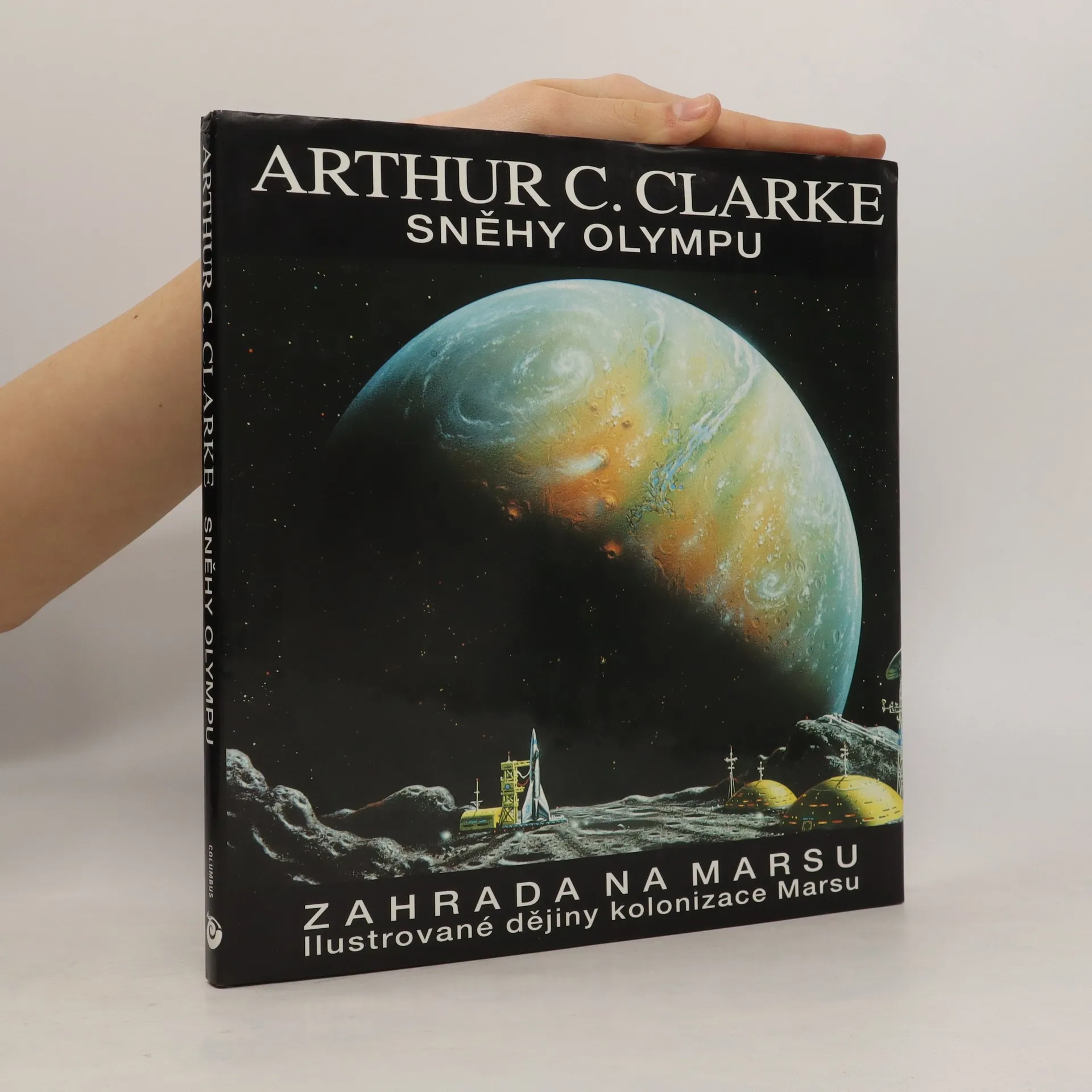
Kniha Sněhy Olympu s podtitulem Zahrada na Marsu popisuje a ukazuje pomocí počítačového programu, jak by se proměňoval povrch planety Mars, kdyby byla postupně vytvářena příhodná atmosféra a uměle zvyšována teplota. Díky fotografiím povrchu Marsu je v knize nastíněno, jak by se měnil ráz krajiny celé planety. Výsledkem je poutavě naučné dílo, které velmi zajímavým způsobem ilustruje hypoteticky možný přerod Marsu v živou a obyvatelnou planetu....
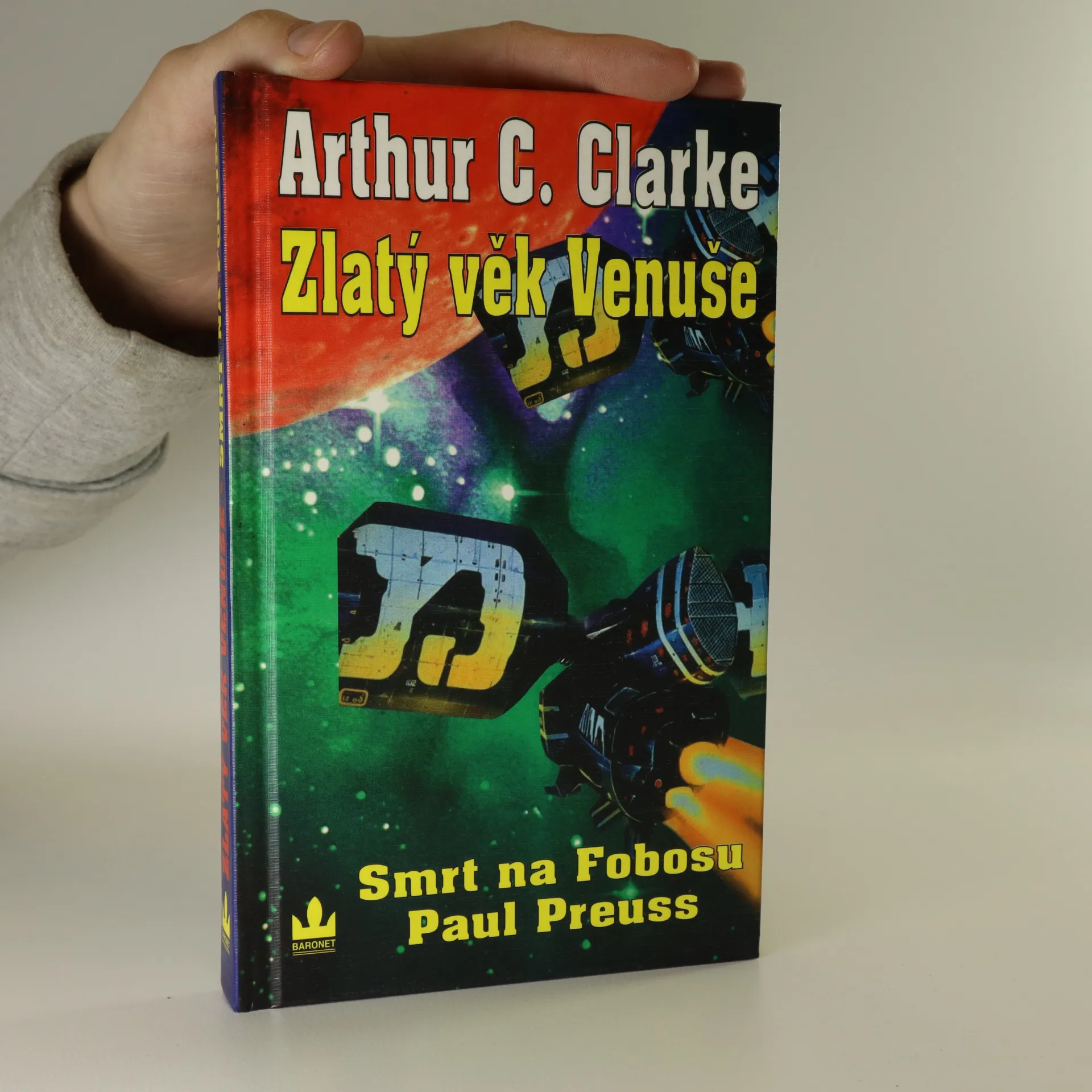
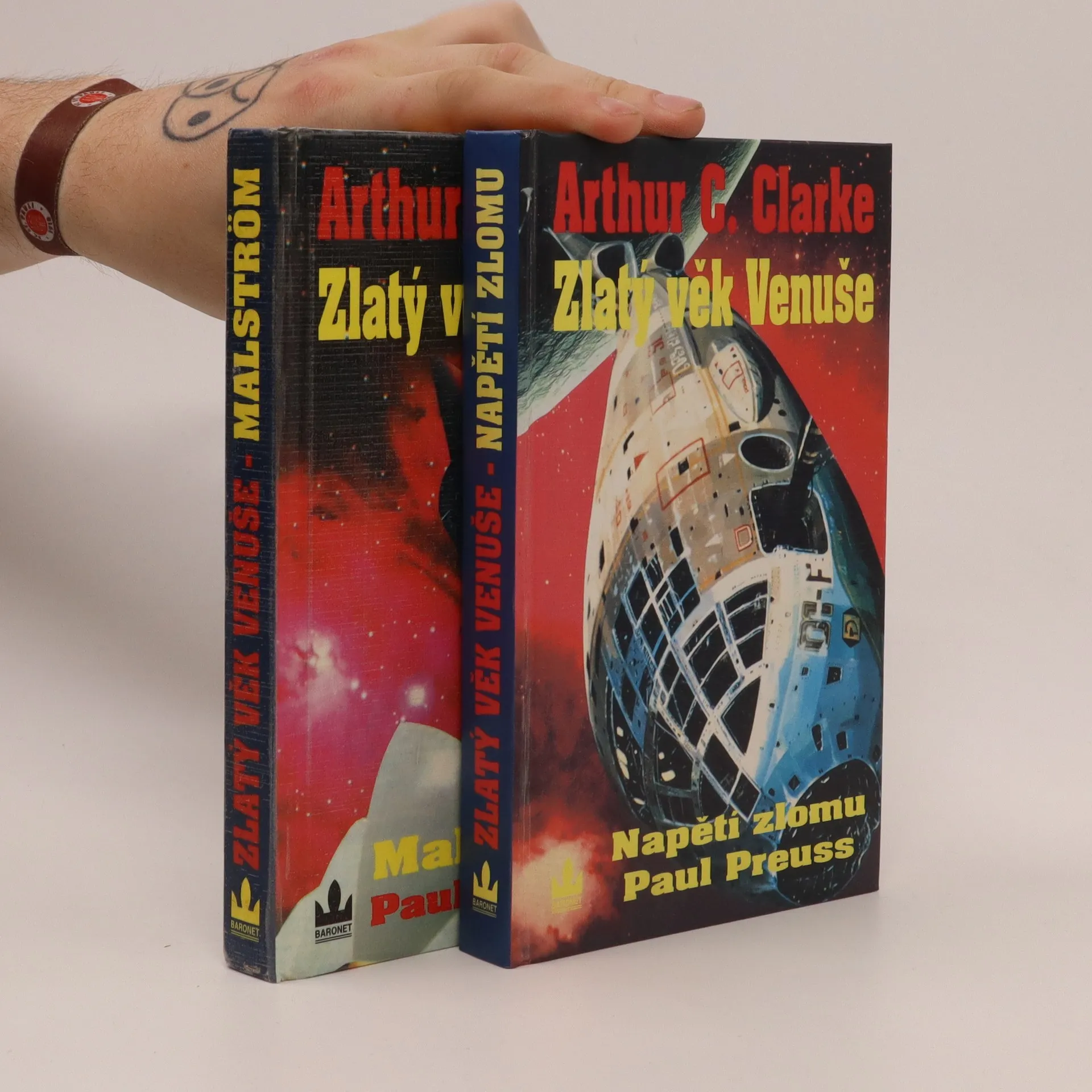
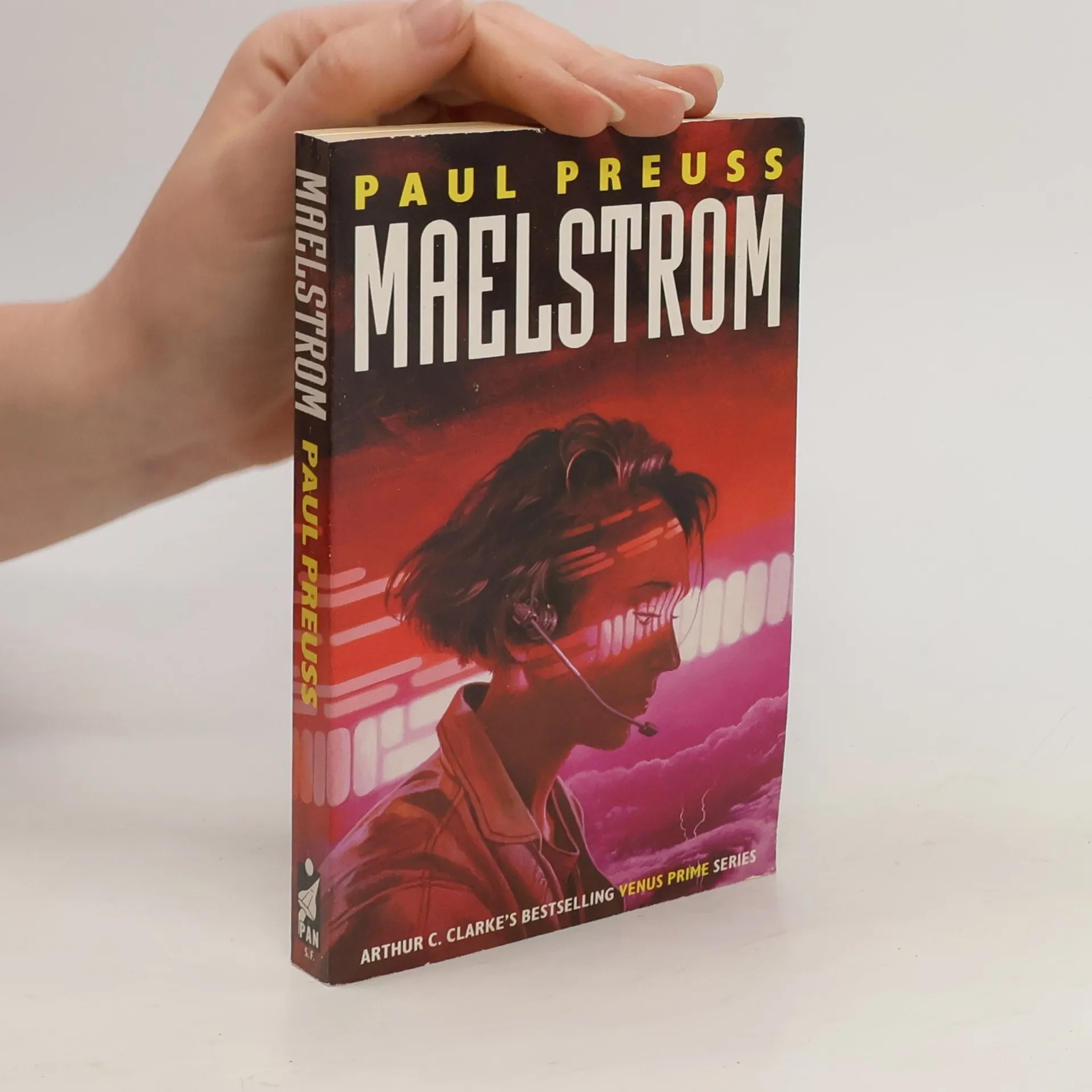
The second volume of the spectacular science-fiction thriller evolving from the works of Arthur C. Clarke, grandmaster of science fiction and author of 2001: a space odyssey.. Her code name is Sparta. Her beauty veils a mysterious past and abilities of superhuman dimension-the product of advanced biotech engineering. When a team of scientists is trapped in the gaseous inferno of Venus, Sparta must risk her life to save them, unaware that her actions will help recover a mysterious artifact: irrefutable evidence of life on another planet. . . As the secrets of the artifact are revealed, Sparta uncovers a mystery which may lead her to the truth of her own destiny. This gripping saga brings together the genius of Arthur C. Clarke and the talents of distinguished science-fiction writer Paul Preuss. The book has an introduction by Arthur C. Clarke.
The classic science fiction novel that captures and expands on the vision of Stanley Kubrick’s immortal film—and changed the way we look at the stars and ourselves. From the savannas of Africa at the dawn of mankind to the rings of Saturn as man ventures to the outer rim of our solar system, 2001: A Space Odyssey is a journey unlike any other. This allegory about humanity’s exploration of the universe—and the universe’s reaction to humanity—is a hallmark achievement in storytelling that follows the crew of the spacecraft Discovery as they embark on a mission to Saturn. Their vessel is controlled by HAL 9000, an artificially intelligent supercomputer capable of the highest level of cognitive functioning that rivals—and perhaps threatens—the human mind. Grappling with space exploration, the perils of technology, and the limits of human power, 2001: A Space Odyssey continues to be an enduring classic of cinematic scope.
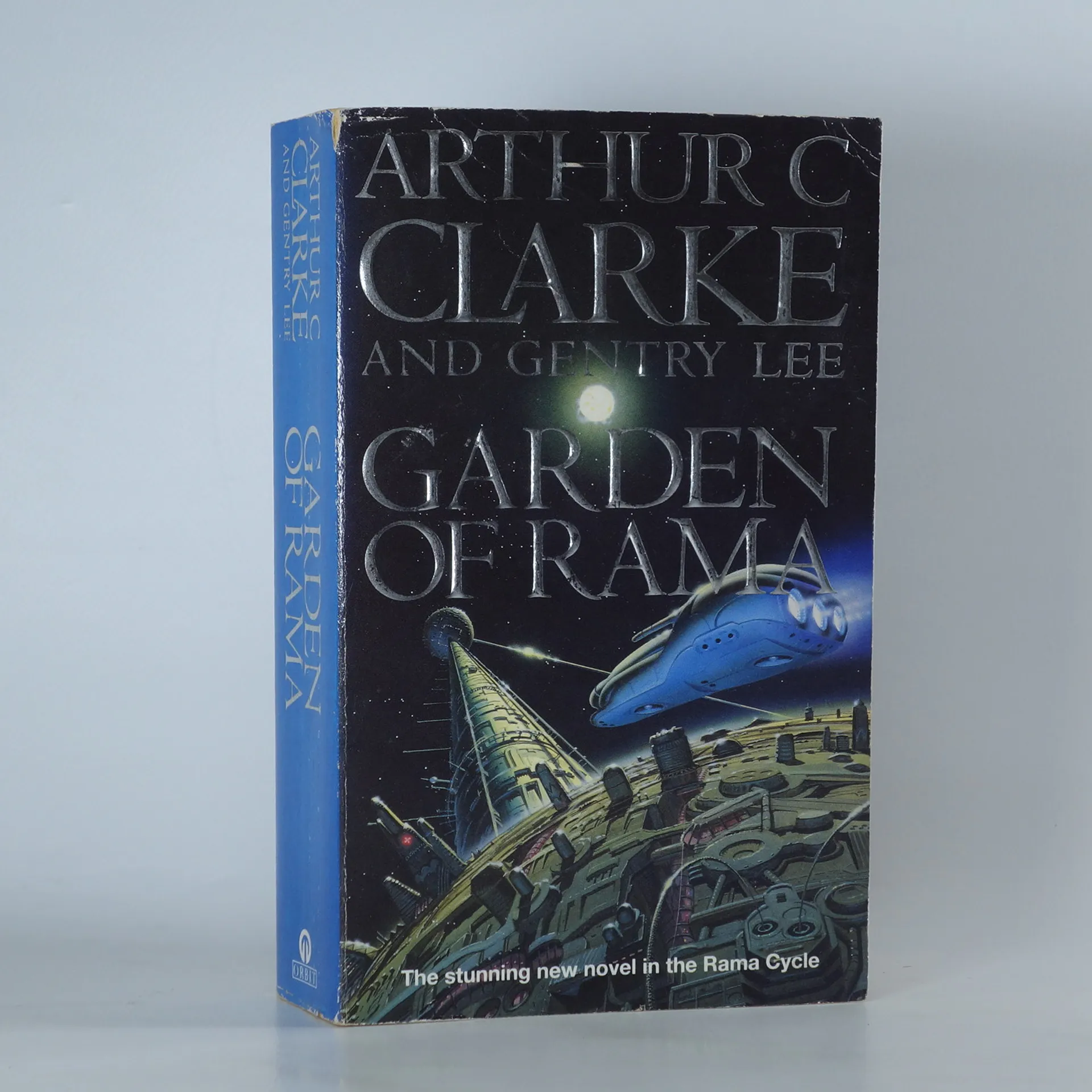
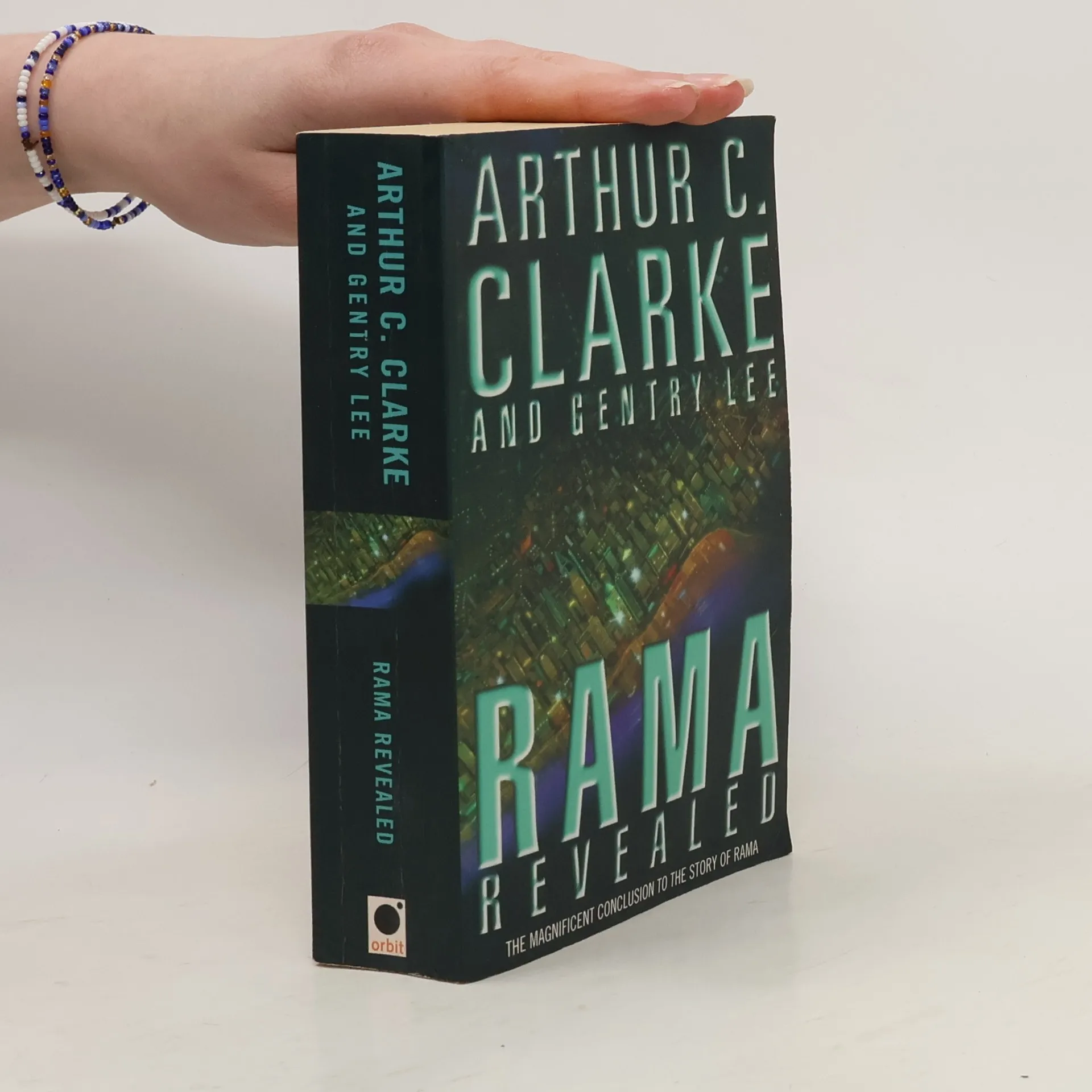
Rama Revealed (1993) is a science fiction novel by Arthur C. Clarke and Gentry Lee. It is the last of three sequels to Clarke's Rendezvous with Rama by these authors. The book picks up the story immediately after the end of The Garden of Rama. The book follows the story of Nicole Wakefield and her escape from imprisonment left at the cliffhanger of the previous book.
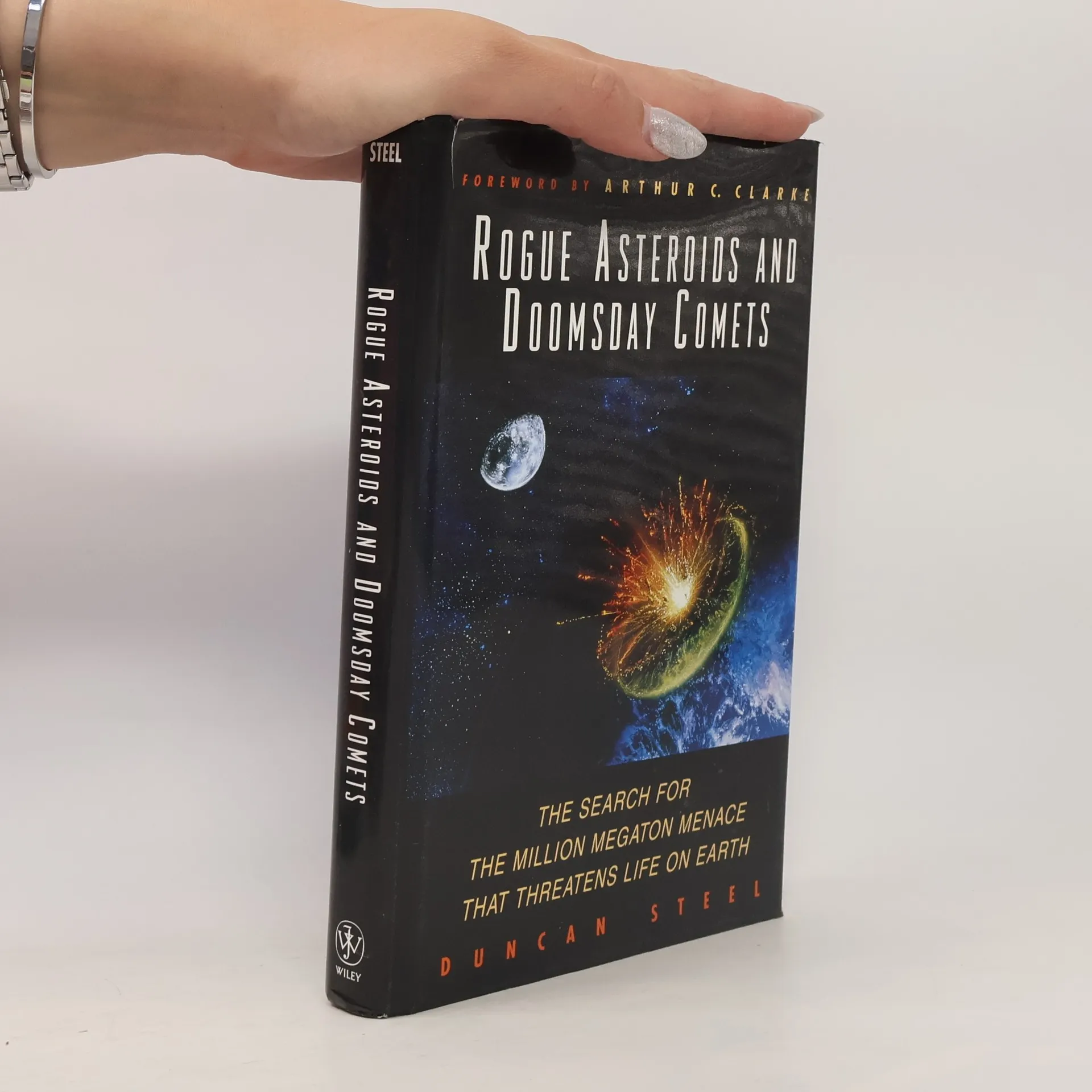
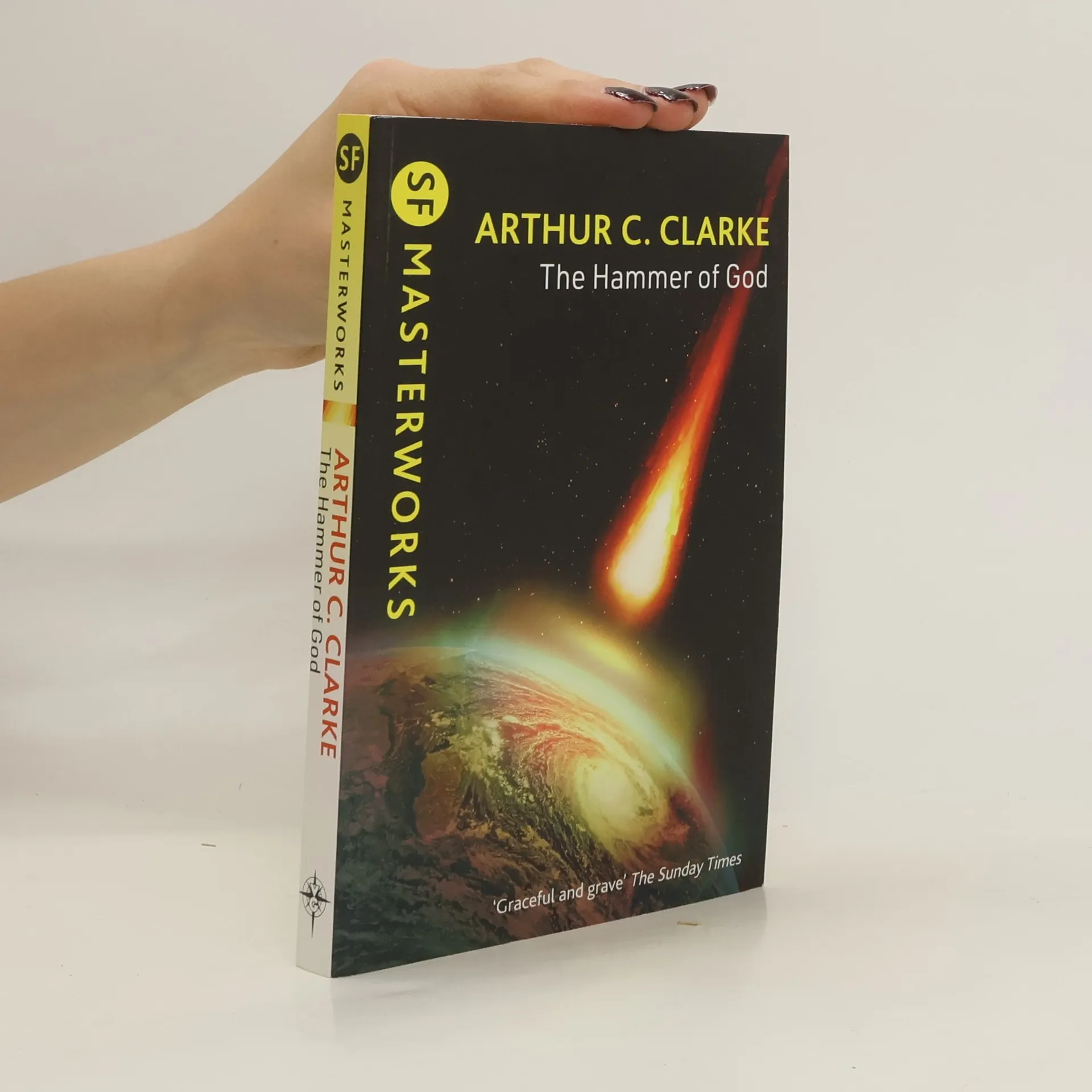
The year is 2110. Humankind is entering a new golden age.But when an amateur
astronomer points his telescope at just the right corner of the night sky, he
sees disaster hurtling toward Earth: a chunk of rock that could annihilate
civilization. While a few fanatics welcome the apocalyptic destruction as a
sign from God, the greatest scientific minds of Earth desperately search for a
way to avoid the inevitable. On board the starship Goliath, Captain Robert
Singh and his crew must race against time to redirect the meteor from its
deadly collision course. Suddenly they find themselves on the most important
mission in human history - a mission whose success may require the ultimate
sacrifice.
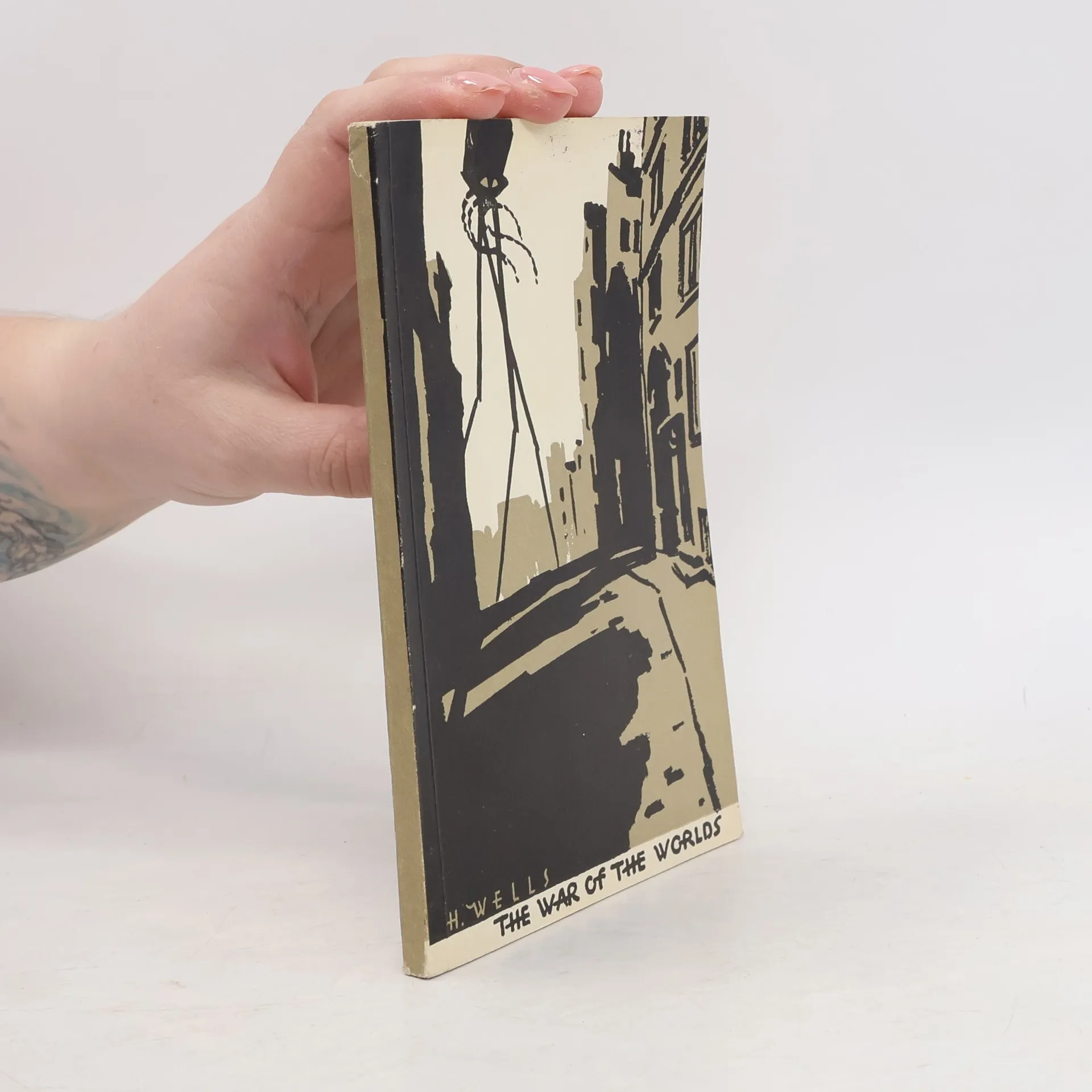
When an army of invading Martians lands in England, panic and terror seize the population. As the aliens traverse the country in huge three-legged machines, incinerating all in their path with a heat ray and spreading noxious toxic gases, the people of the Earth must come to terms with the prospect of the end of human civilization and the beginning of Martian rule. Inspiring films, radio dramas, comic-book adaptations, television series and sequels, The War of the Worlds is a prototypical work of science fiction which has influenced every alien story that has come since, and is unsurpassed in its ability to thrill, well over a century since it was first published.
Роман «2001: Космическая Одиссея» был написан Артуром Кларком на основе собственного сценария к одноименному фильму Стэнли Кубрика. В романе писатель умышленно переставляет акценты, являя читателю новое, оригинальное произведение о силе человеческого духа и интеллекта. Философская глубина, оригинальность идей, крепкая научная составляющая и простой поэтичный язык – эти достоинства превратили книгу сэра Артура Кларка в шедевр.
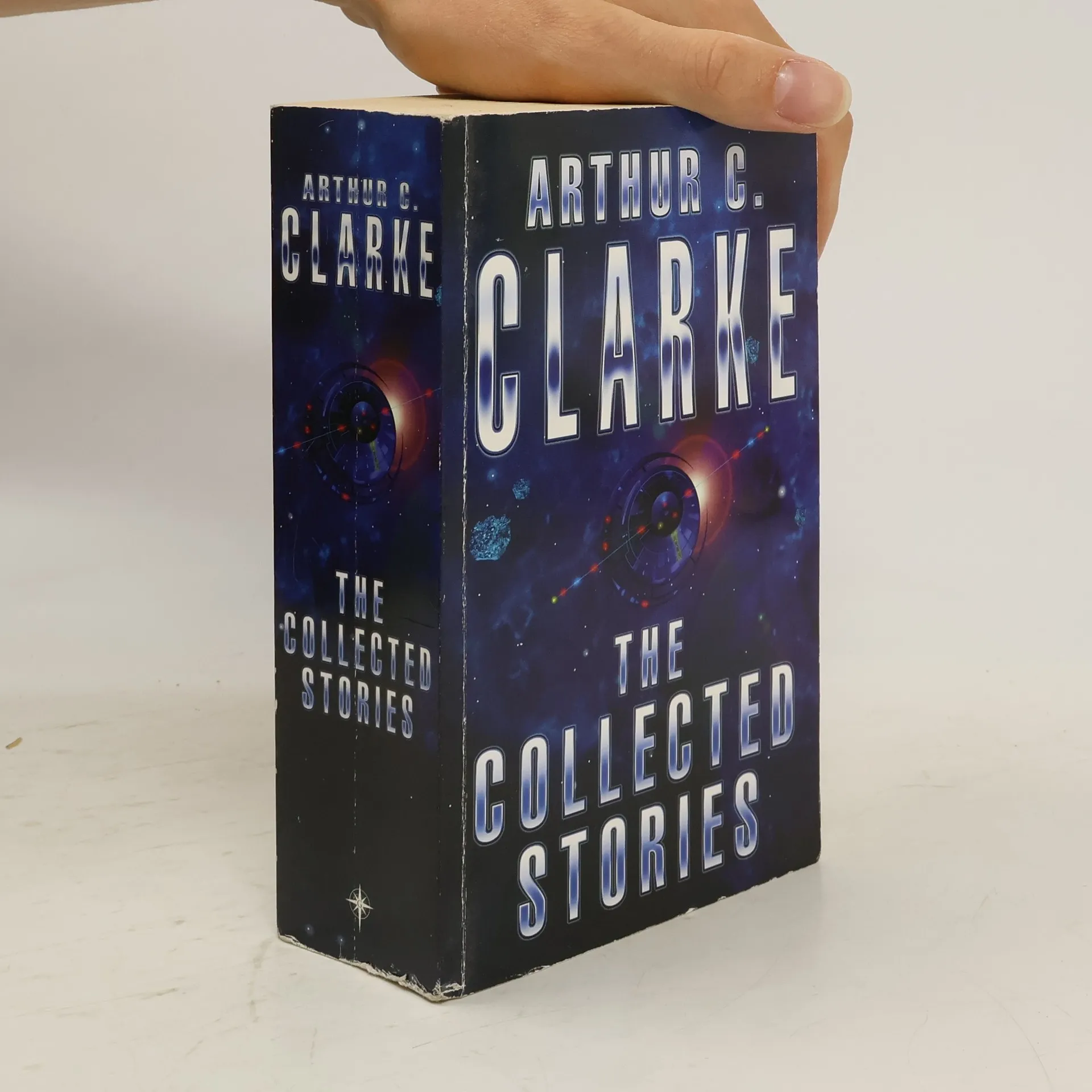
Fifty-four short stories from a Grand Master of Science Fiction. Find the seed idea for 2001: A Space Odyssey, and more. From humorous to serious, a celebrated collection of worlds and words.
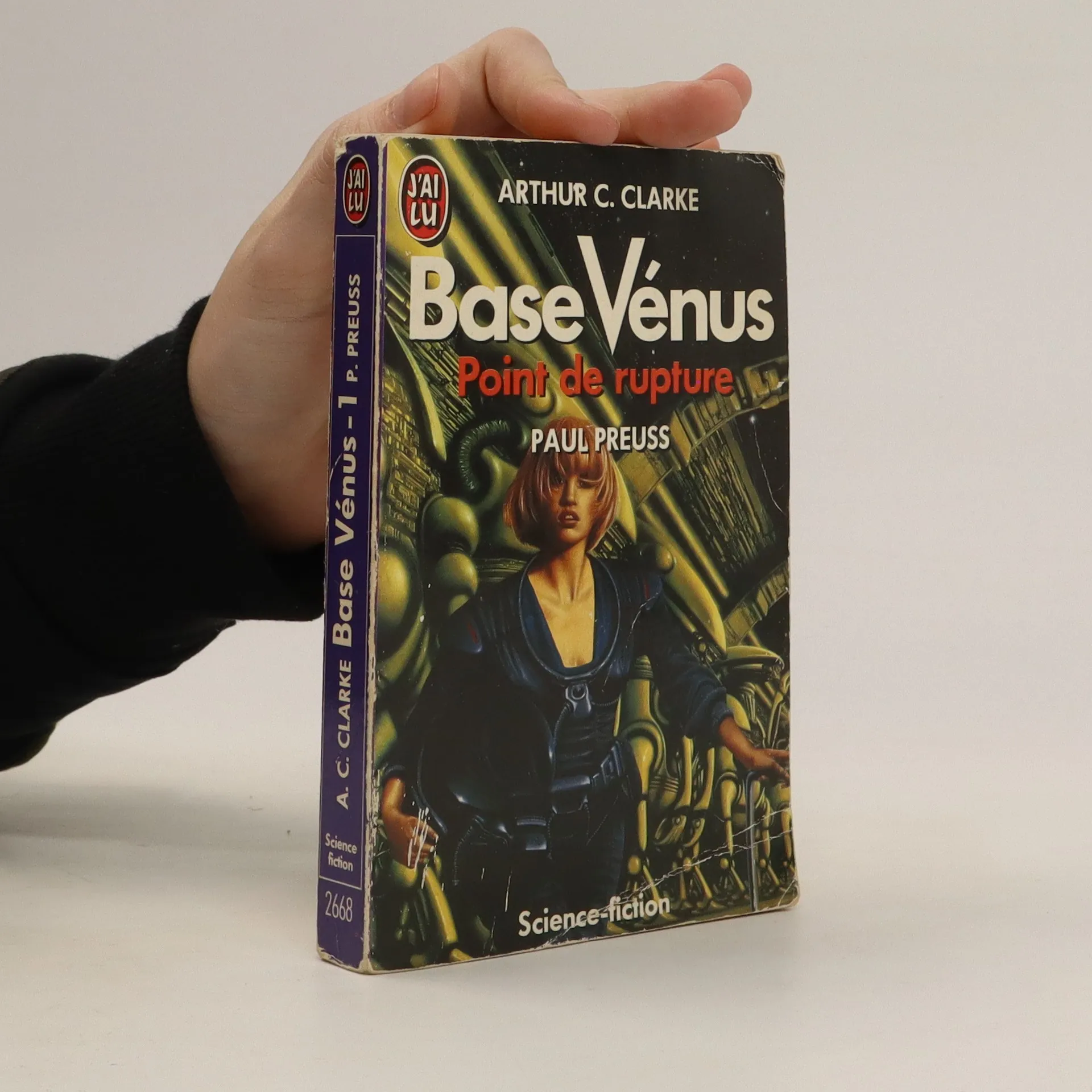
Lorsqu'elle reprend conscience, Sparta s'aperçoit que trois ans de sa vie ont totalement disparu de sa mémoire. Trois années envolées ! D'autant plus troublant qu'au fil de son " réveil ", elle se découvre d'étranges pouvoirs. Comme si son corps et ses perceptions avaient été reconfigurés ... Mais par qui, et pourquoi ? Est-elle une fugitive, une criminelle, une aberration ? A la recherche d'elle-même, en quête de son passé, Sparta rejoindra l'orbite de Vénus, pur y croiser la route d'une société secrète, d'une poignée de robots minéraliers, d'un manuscrit mythique du Xxe siècle ...
In the year 2130 a mysterious spaceship, Rama, arrived in the solar system. It was huge - big enough to contain a city and a sea - and empty, apparently abandoned. By the time Rama departed for its next, unknown, destination many wonders had been uncovered, but few mysteries solved. Only one thing was clear: everything the enigmatic builders of Rama did, they did in threes.Eighty years later the second alien craft arrived in the solar system. This time, Earth had been waiting. But all the years of preparation were not enough to unlock the Raman enigma.Now Rama II is on its way out of the solar system. Aboard it are three humans, two men and a woman, left behind when the expedition departed. Ahead of them lies the unknown, a voyage no human has ever experienced. And at the end of it - and who could tell how many years away that might be? - may lie the truth about Rama...
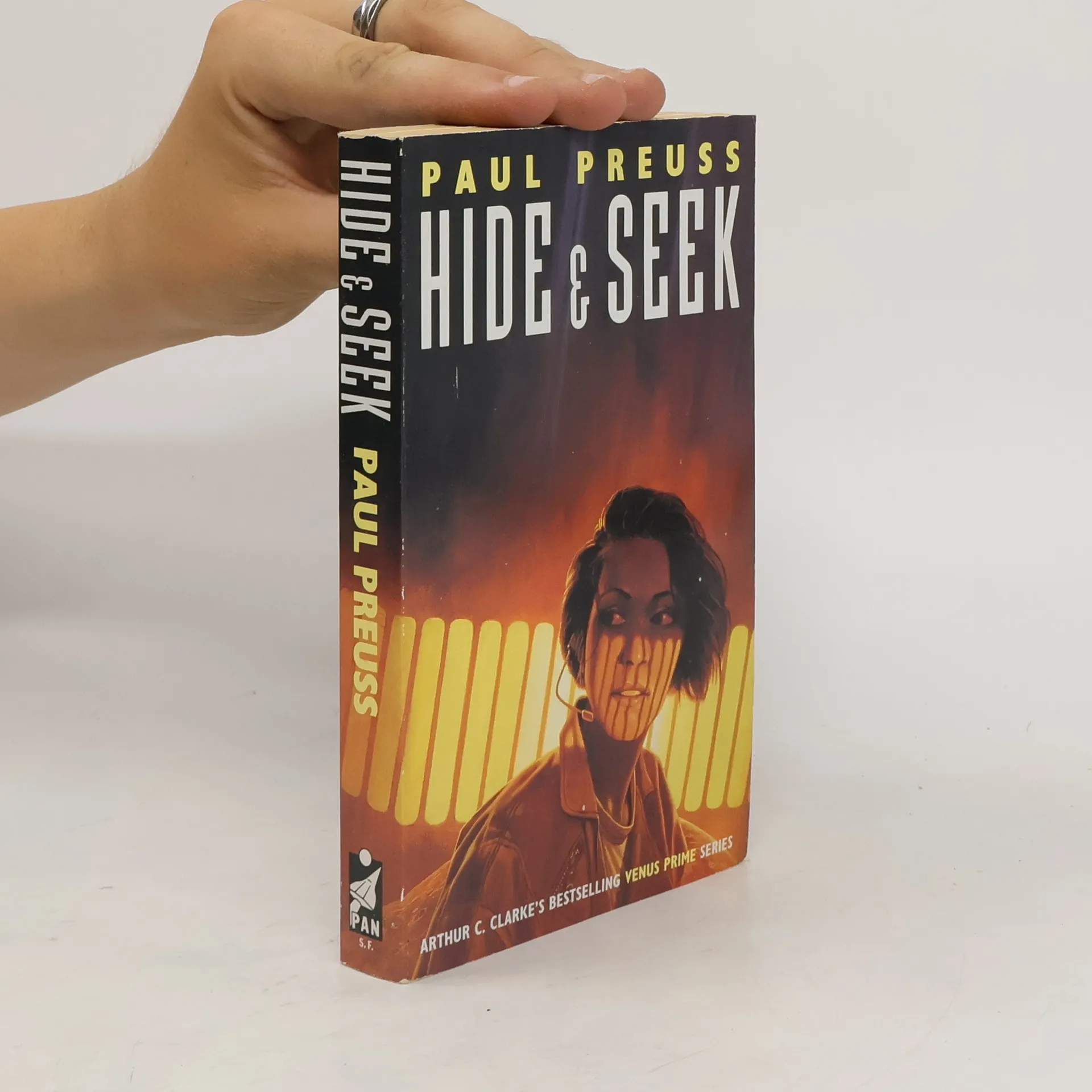
the third volume in a series of science-fiction thrillers evolving from the works of arthur c. clarke, grandmaster of science fiction and author of 2001: a space odyssey. Her code name is Sparta. Her beauty veils a mysterious past and abilities far surpassing those of a normal human?the first product of advanced biotech engineering. At long last, evidence of extraterrestrial life has been found: a plaque discovered on the edge of the north polar icecap on Mars. And when the theft of that alien artifact leads to two murders in the Labyrinth City, Sparta must risk her life?and her identity?to solve the case. As the mystery unravels, the investigation becomes a race across the stars to retrieve the plaque?a quest which will ultimately uncover even more evidence than Earth's scientists have ever discovered This star-spanning adventure brings together the genius of Arthur C. Clarke and the talents of distinguished science- fiction writer Paul Preuss. Introduction by Arthur C. Clarke.
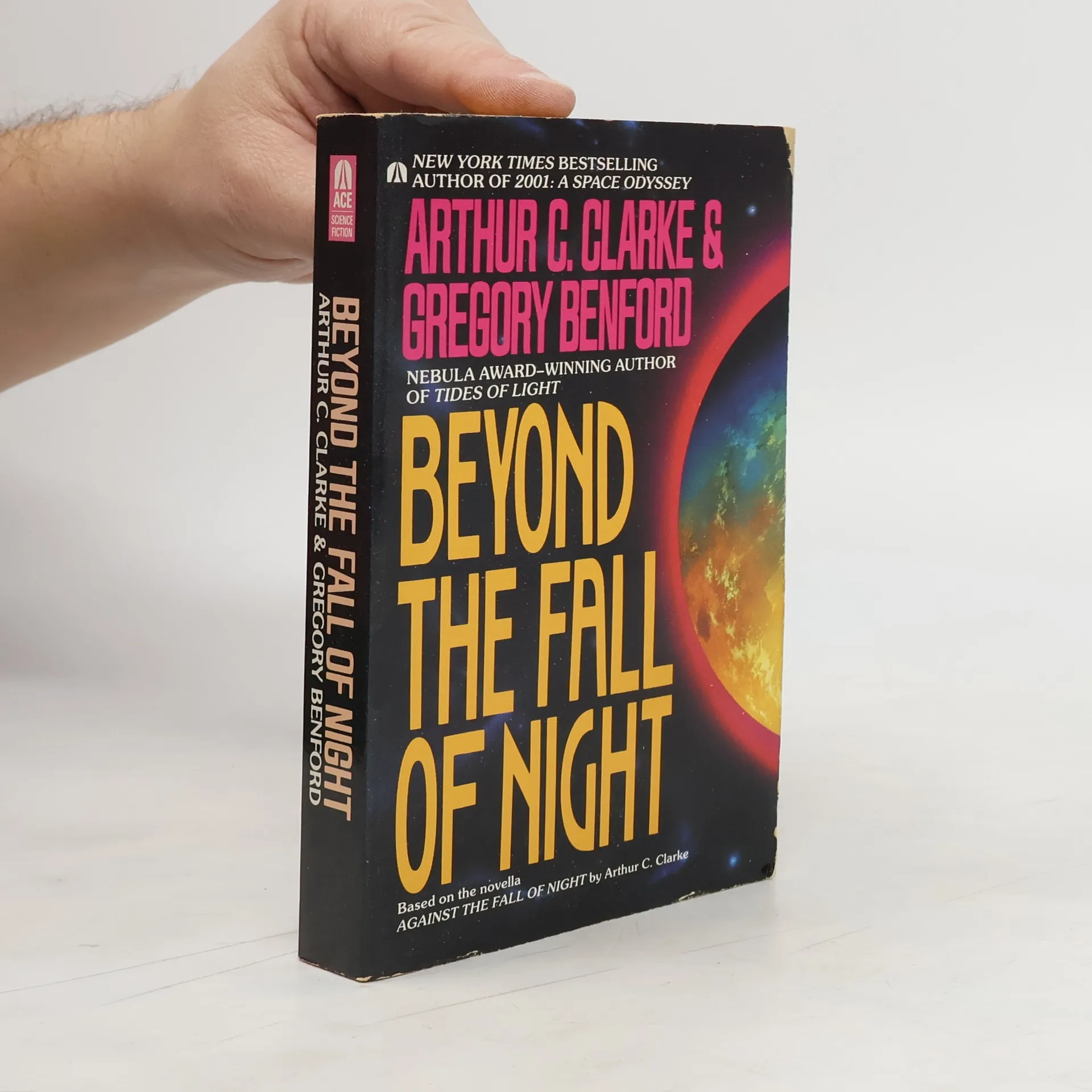
Gregory Benford expands Arthur C. Clarke's novella, Against the Fall of Night, into a novel-length adventure set billions of years in the future about human destiny among the stars.
Dopo la trasformazione di Giove in una stella giunge sulla Terra, da parte di misteriose creature, un messaggio: "Tutti questi mondi sono vostri tranne Europa, non mettete piede su Europa". Per molti decenni si tenta di scoprire i segreti nascosti nel satellite, e un giorno l'astronave da crociera 'Galaxy' vi viene dirottata senza apparente motivo sulla sua superficie. In soccorso arriva la 'Universe', dopo il disperato messaggio di soccorso lanciato nello spazio, ma verranno alla luce inquietanti e dirompenti rivelazioni.
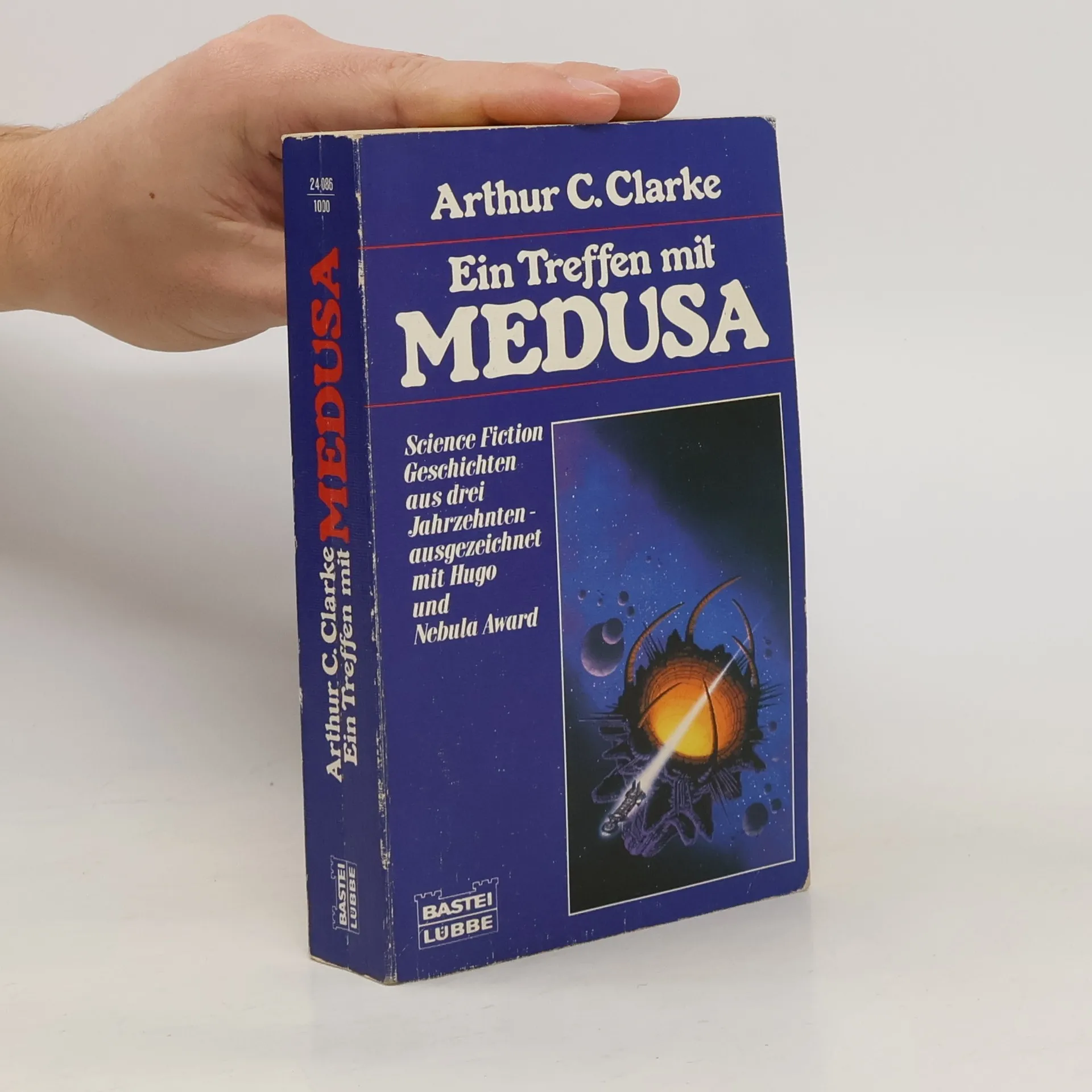
Geschichten aus einer Zukunft, die bereits begonnen hat, und in die der Mensch mit Kräften spielt, die er nur teilweise versteht und vieleicht nie gänzlich beherrrschen wird.Geschichten, die Raum und Zeit überwinden und den Menschen in seiner ganzen Winzigkeit im Angesicht des Universums zeigen - un in seiner ganzen inneren Größe.Dieser Band enthält die Geschichten:- Rettungsexpedition - Ein Gang durch die Nacht (A WALK IN THE DARK)- Der vergessene Feind- Technischer Irrtum- Der Parasit - Im Dunkel der Erde- Das Erwachen- Ärger mit den Eingeborenen- Der Fluch- Der Pfeil der Zeit- Jupiter Fünf- Die Besessenen (THE POSSESSED) - Die Speise der Götter (THE FOOD OF THE GODS) - Mahlstrom II- Die Leuchtenden (THE SHINING ONES)- Vor dem Sonnenwind- Das Geheimnis (THE SECRET) - Der letzte Befehl (THE LAST COMMAND)- Wähle F wie Frankenstein- Wiedervereinigung- Playback- Das Licht der Finsternis (THE LIGHT OF DARKNESS) - Die längste SF-Geschichte, die jemals erzählt wurd (THE LONGEST SCIENCE FICTION STORY EVER TOLD) - Euer Wohlgeboren, Herbert George Morley Roberts Wells- Liebt das Universum!- Kreuzzug - Neutronenflut- Der Durchgang der Erde (TRANSIT OF EARTH) - Ein Treffen mit Medusa (A MEETING WITH MEDUSA)
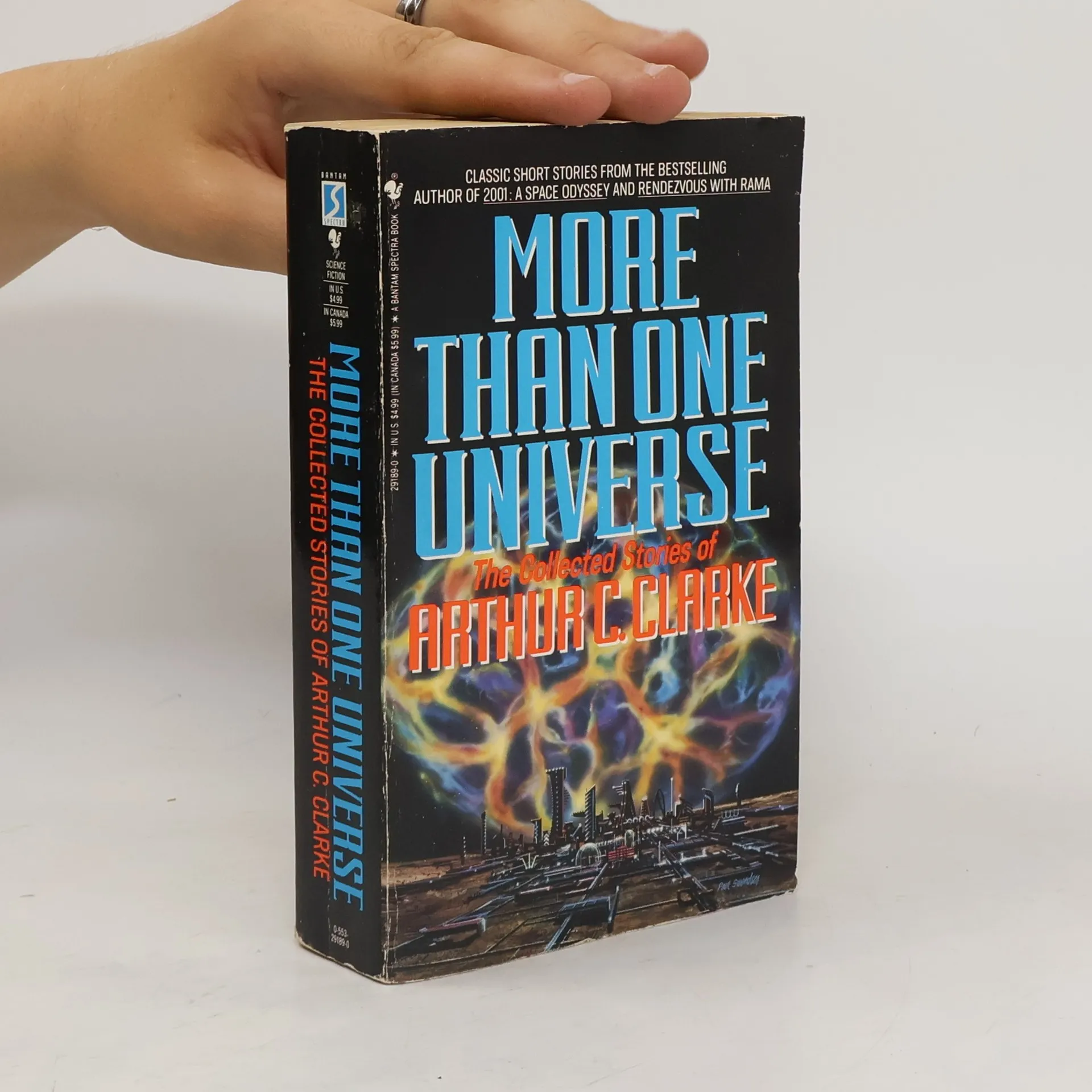
A collection of short stories which span the career of the author. The book includes the previously uncollected On Golden Seas and each story features a black and white illustration. The author also wrote 2001: A Space Odyssey.
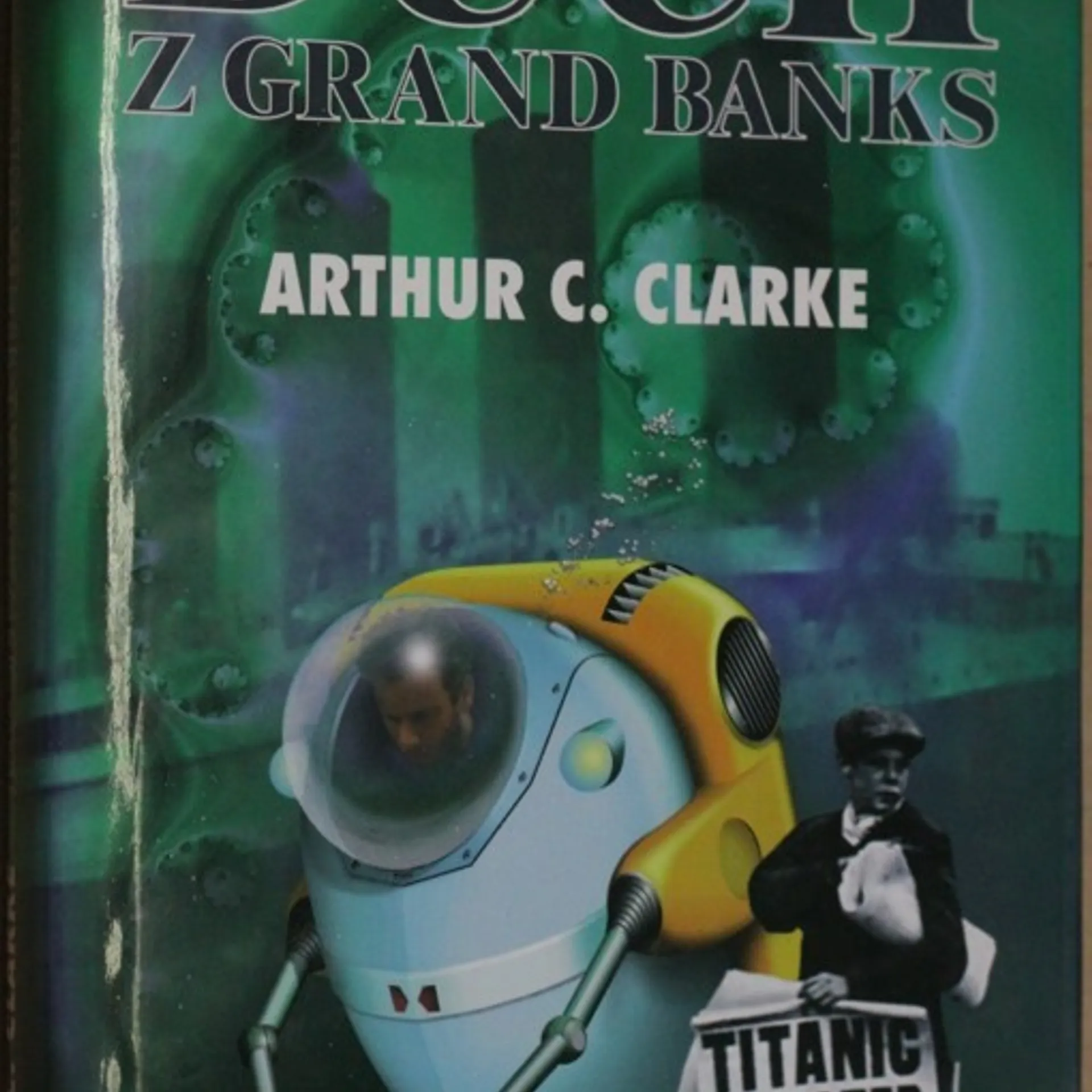
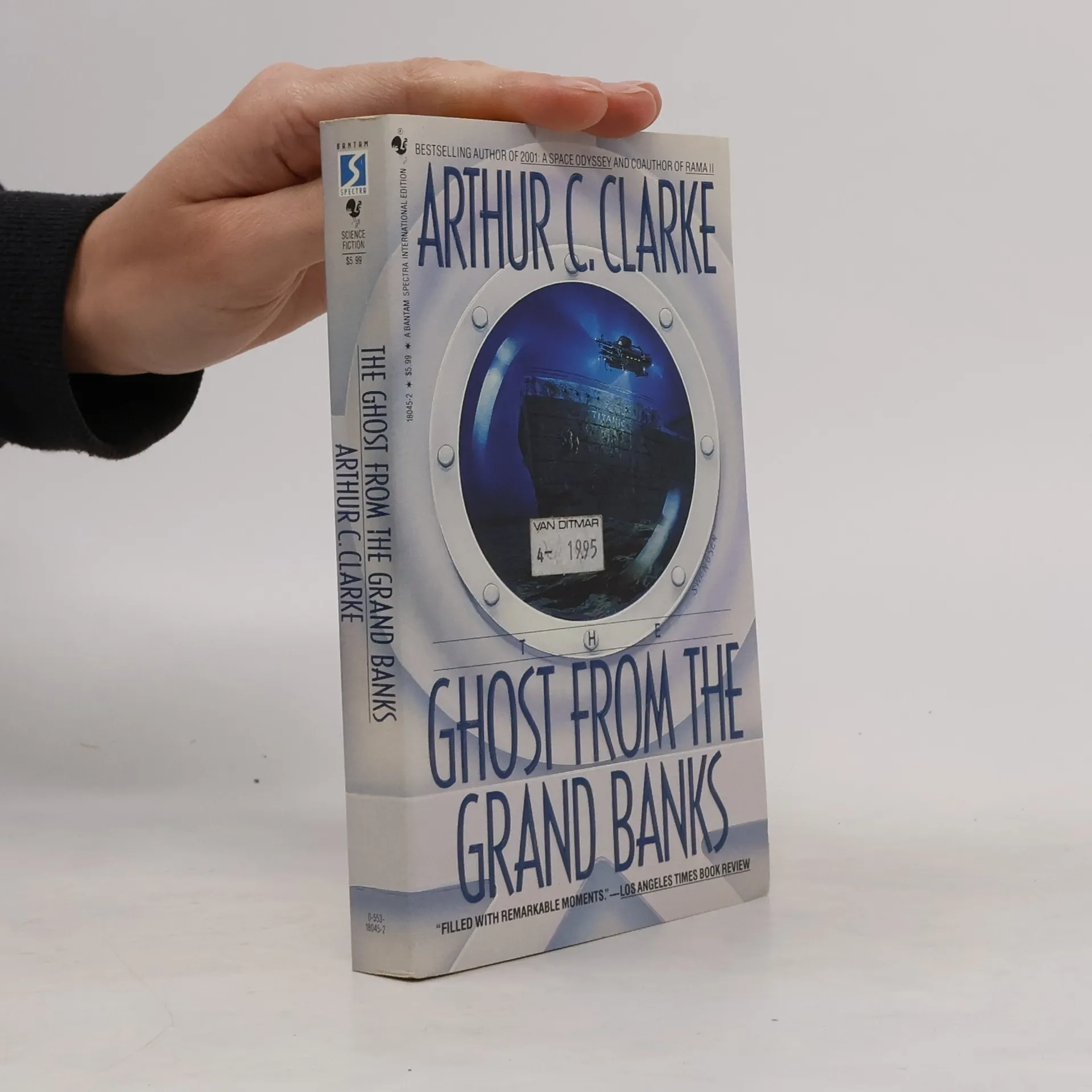
It is 2010. In two years' time it will be the centennial of the sinking of the Titanic. Two of the world's most powerful corporations race to raise the vessel but there are other powers at work, and chaos theory comes into play as plans progress - and six preserved bodies are found. This novel incorporates two of Arthur C.Clarke's passions - deep sea exploration and future technology - in a fast-moving tale of mysetry and adventure. As operations proceed, the perfectly preserved body of a beautiful girl is found. She was not on the ship's passenger lists. The quest to uncover the secrets of the wreck and reclaim her becomes an obsession ...and for some, a fatal one.
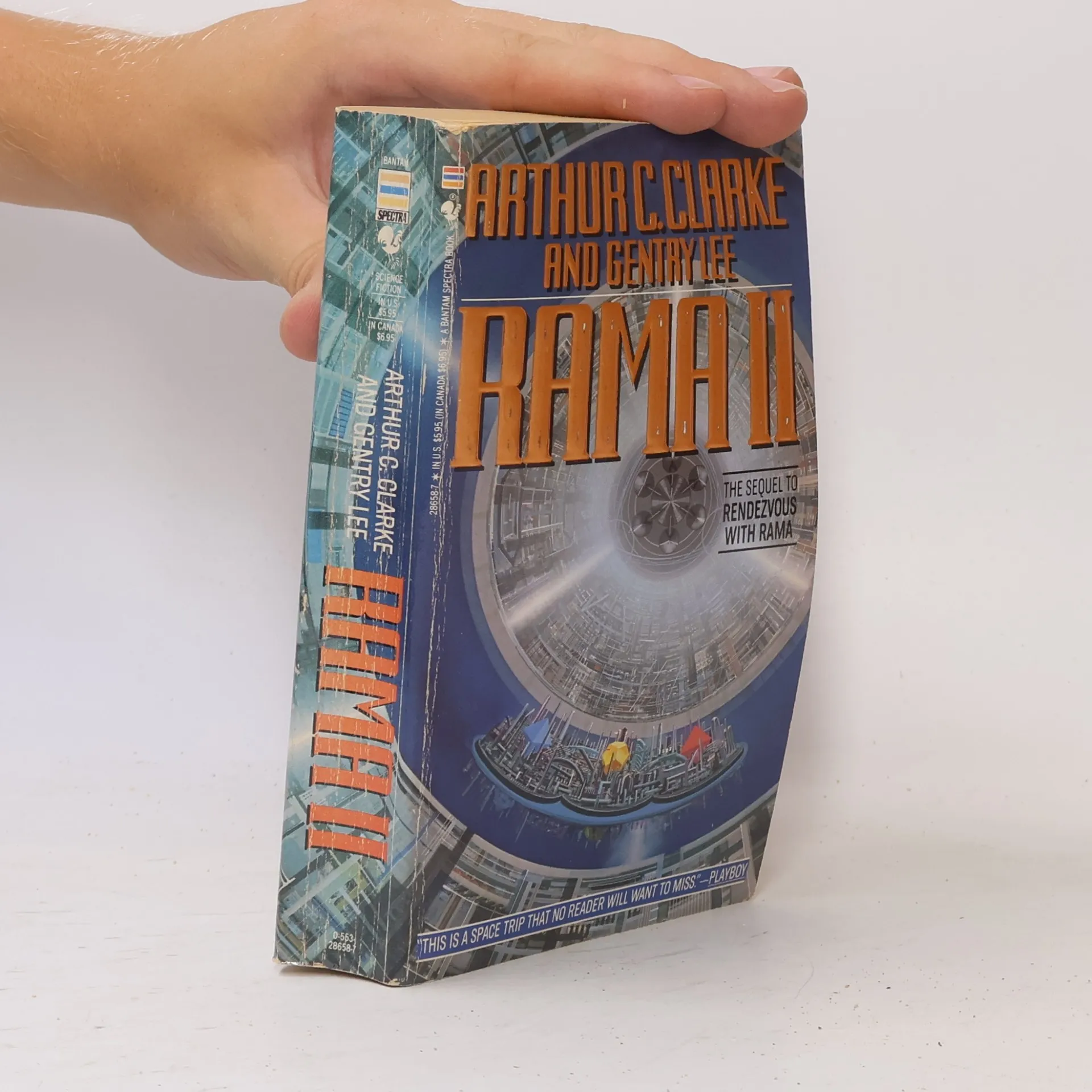
“This is a space trip that no reader will want to miss.”—Playboy Years ago, the enormous, enigmatic alien spacecraft called Rama sailed through our solar system as mind-boggling proof that life existed—or had existed—elsewhere in the universe. Now, at the dawn of the twenty-third century, another ship is discovered hurtling toward us. A crew of Earth's best and brightest minds is assembled to rendezvous with the massive vessel. They are armed with everything we know about Raman technology and culture. But nothing can prepare them for what they are about to encounter on board Rama II: cosmic secrets that are startling, sensational—and perhaps even deadly. “Offers one surprise after another.”—The New York Times “A masterpiece . . . one of the year’s best hard SF epics.”—The Houston Post
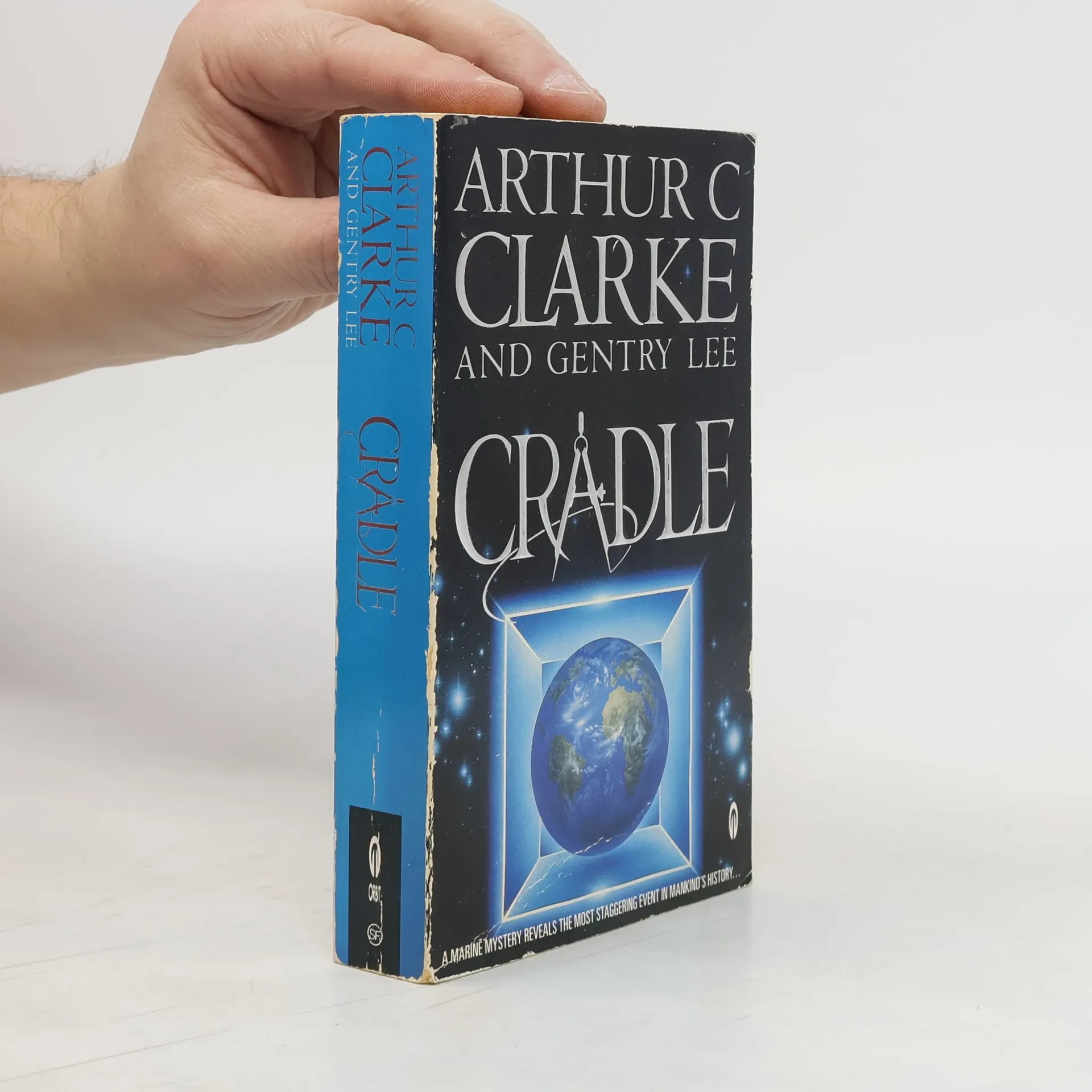
Two seemingly unconnected events trigger off the discovery of nothing less than the secret of humanity's existence. Written in conjunction with author and senior NASA scientist Gentry Lee.
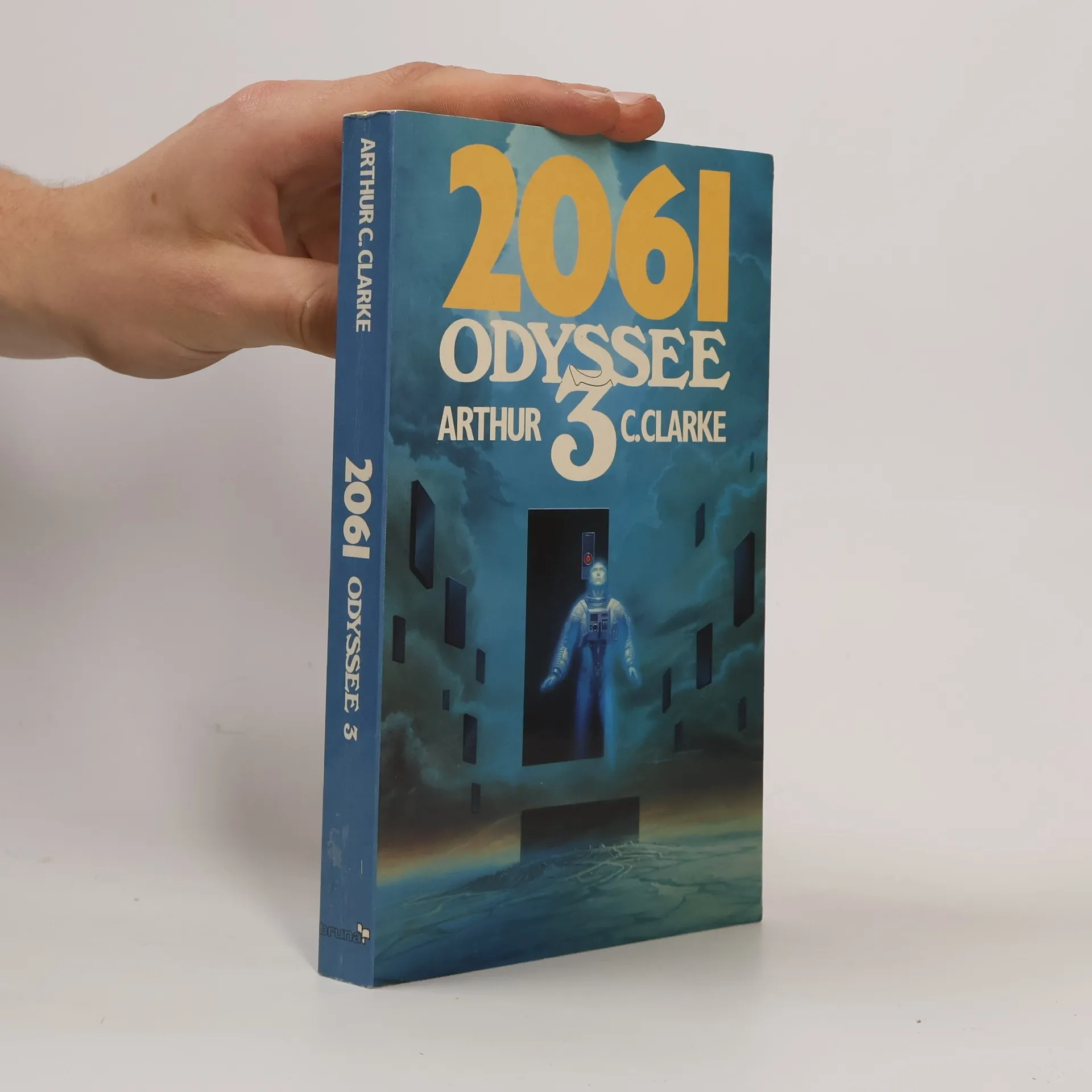
Arthur C. Clarke, creator of one of the world's best-loved science fiction tales, revisits the most famous future ever imagined in this NEW YORK TIMES bestseller, as two expeditions into space become inextricably tangled. Heywood Floyd, survivor of two previous encounters with the mysterious monoliths, must again confront Dave Bowman, HAL, and an alien race that has decided that Mankind is to play a part in the evolution of the galaxy whether it wishes to or not.
Arthur C. Clarke, creator of one of the world's best-loved science fiction tales, revisits the most famous future ever imagined in this NEW YORK TIMES bestseller, as two expeditions into space become inextricably tangled. Heywood Floyd, survivor of two previous encounters with the mysterious monloiths, must again confront Dave Bowman, HAL, and an alien race that has decided that Mankind is to play a part in the evolution of the galaxy whether it wishes to or not. --This text refers to an out of print or unavailable edition of this title.
Das Buch enthält die Aufzeichnungen des Autors aus der Zeit der Dreharbeiten zu dem Film "2001: Odyssee im Weltraum", während er viele Stunden mit dem Regisseur Stanley Kubrick in angeregten Diskussionen verbrachte, um zu klären, worum es in dem Film gehen sollte, wie er sich entwickeln und enden sollte. Gelegentlich erhalten wir Einblicke hinter die Kulissen der Filmproduktion und verfolgen an einzelnen Episoden, die in der endgültigen Buchform nie erschienen sind, die Entwicklung der Vorstellungen beider Größen. Am deutlichsten wird dies im Schluss des Buches, wo wir die Möglichkeit haben, gleich drei Versionen des Treffens von David Bowman mit einer fremden außerirdischen Zivilisation zu lesen.
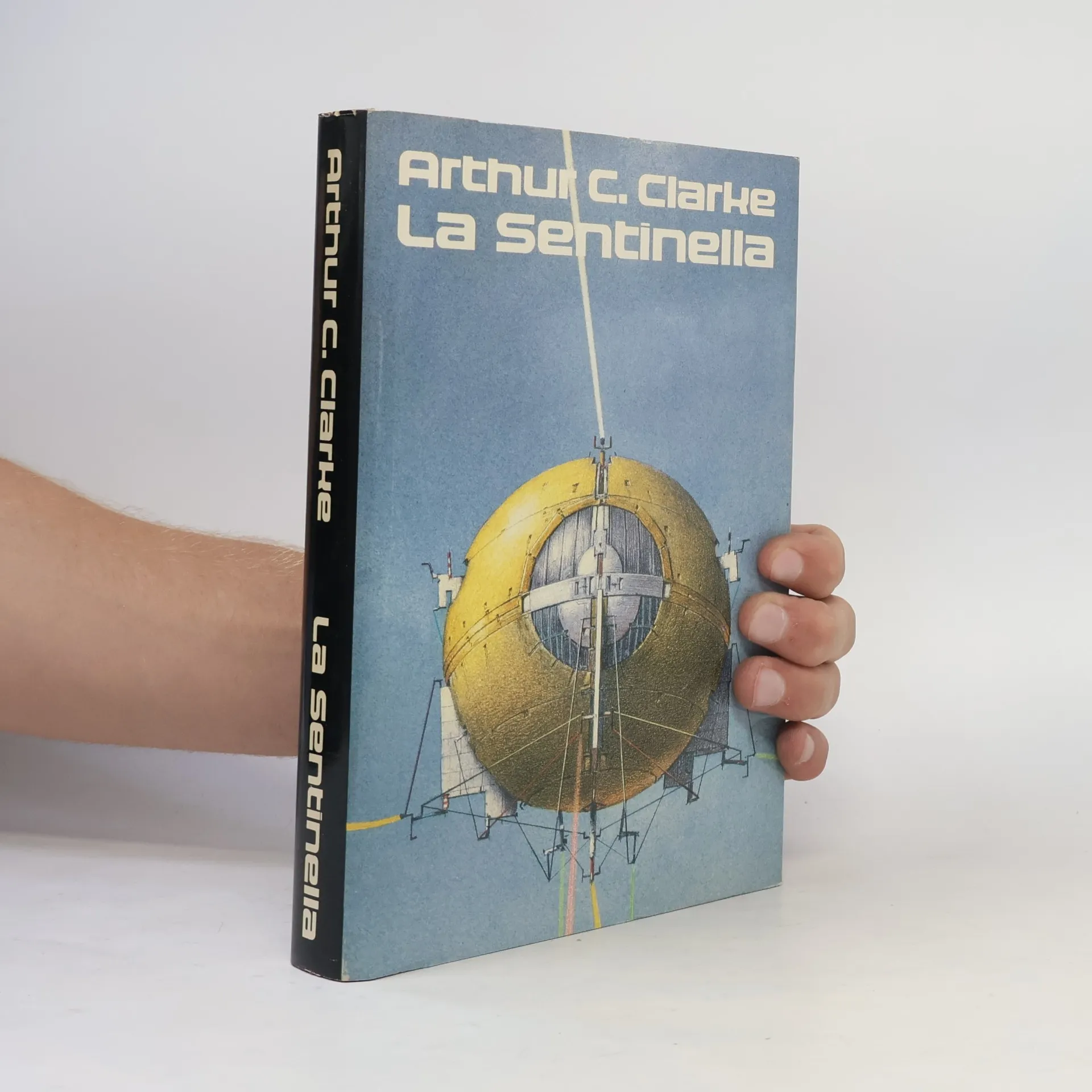
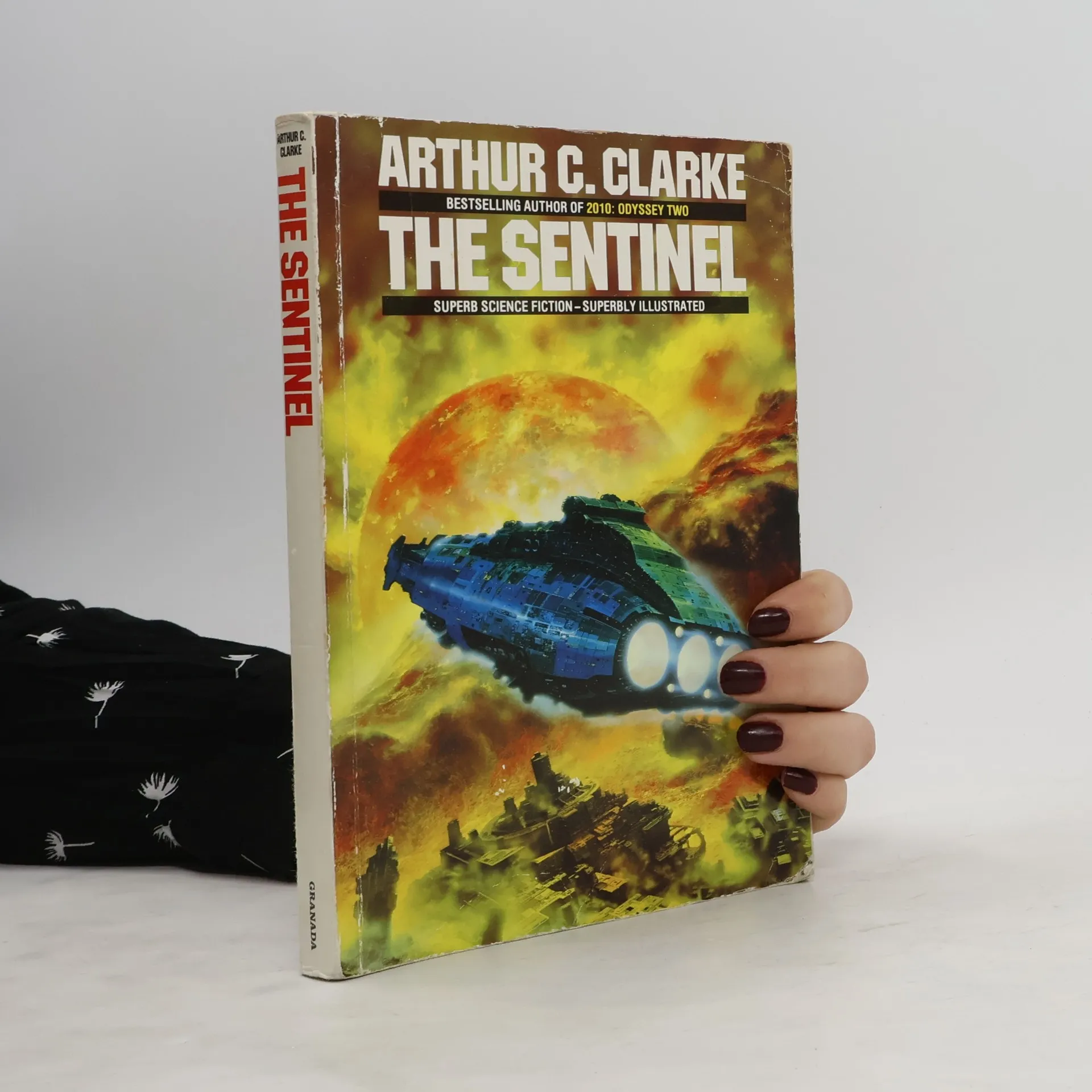
Few masters of science fiction have brought us glimpses of the near future as vividly as Arthur C. Clarke. It is the startling realism of his vision that has made classics of his novels, such as CHILDHOOD'S END and 2001: A SPACE ODYSSEY. It has also made Clarke himself one of the genre's most successful writers. The trade paperback was published to commemorate the arrival of the year 2001, one of the most notable dates in science fiction history. THE SENTINEL is a brilliant collection of Clarke's highest calibre short fiction.
Die Geschichte von 'Inseln im All' dreht sich um einen jungen Mann, der nach dem brillanten Gewinn eines wettbewerbsbezogenen Wettbewerbs um den Weltraum einen Urlaub auf einer Raumstation als seinen Preis anfordert. Es ist mit Arthur C. Clarkes offensichtlichem Wissen über Wissenschaft geschrieben, bewegt sich jedoch im gesamten Verlauf der Erzählung in einem fesselnden Tempo. Der kurze Roman bietet eine realistische Möglichkeit von Arbeit und Spiel im zukünftigen Weltraum, verstärkt durch ständige Aufregung und Action.
Het verhaal van een gezamenlijke Sovjet-Amerikaanse missie aan boord van het Russische ruimteschip Leonov. Doel van deze missie is enerzijds het verloren gegane ruimteschip uit 2001: A Space Odyssey, de Discovery, te bergen - en anderzijds de mysterieuze "monoliet" op Jupiter te onderzoeken die in 2001: A Space Odyssey ontdekt werd. En dan keert het wezen dat ooit Dave Bowman was terug uit het universum van de monolieten met zijn eigen vitale missie ...
2001: A Space Odyssey shocked, amazed, and delighted millions in the late 1960s. An instant book and movie classic, its fame has grown over the years. Yet along with the almost universal acclaim, a host of questions has grown more insistent through the years, for example: who or what transformed Dave Bowman into the Star-Child? What alien purpose lay behind the monoliths on the Moon and out in space? What could drive HAL to kill the crew? Now all those questions and many more have been answered, in this stunning sequel to the international bestseller. Cosmic in sweep, eloquent in its depiction of Man's place in the Universe, and filled with the romance of space, this novel is a monumental achievement and a must-read for Arthur C. Clarke fans old and new. "A daring romp through the solar system and a worthy successor to 2001." -- Carl Sagan
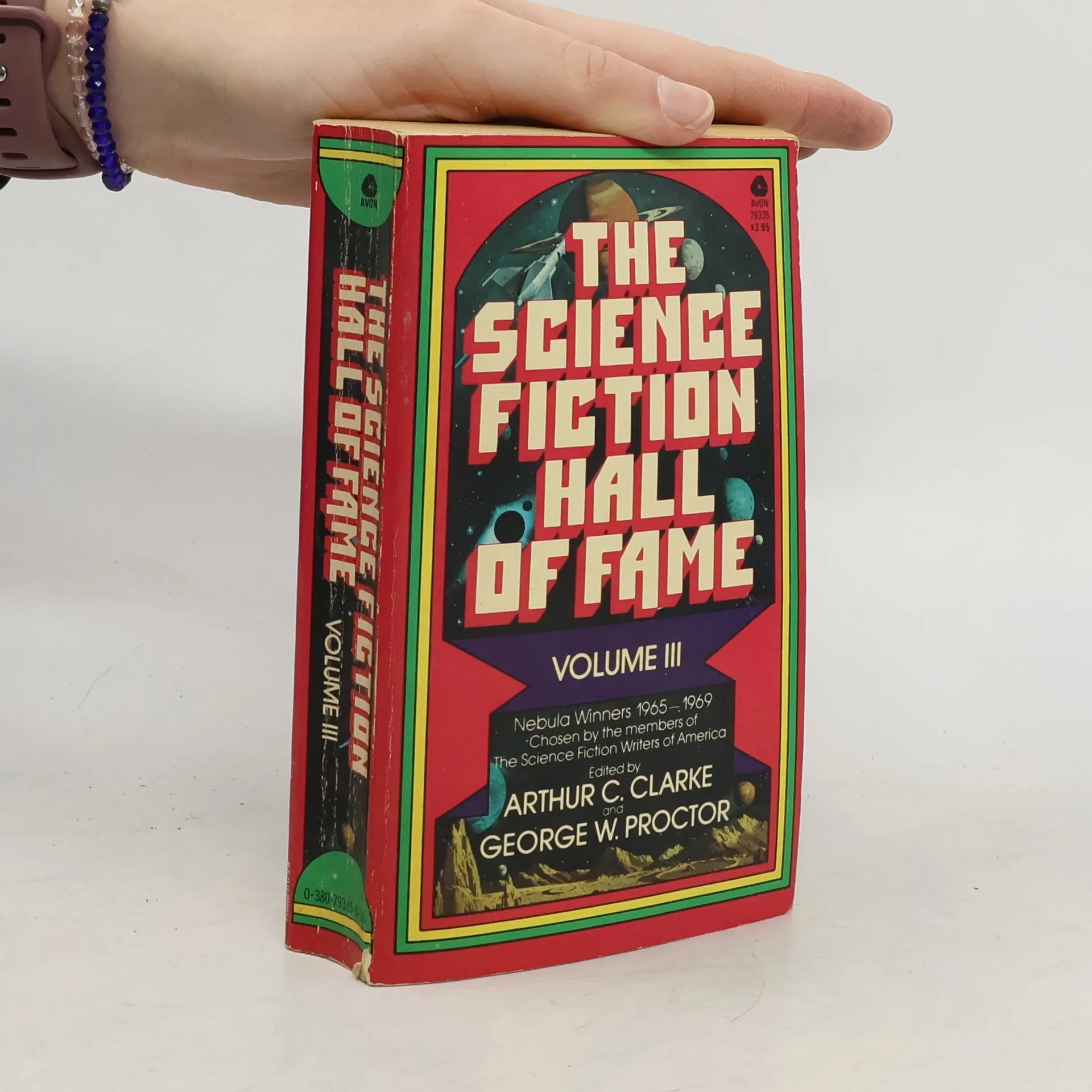
ix • Introduction (Science Fiction Hall of Fame Volume III) • (1981) • essay by Arthur C. Clarke2 • "Repent, Harlequin!" Said the Ticktockman • (1965) • shortstory by Harlan Ellison15 • The Doors of His Face, the Lamps of His Mouth • (1965) • novelette by Roger Zelazny49 • The Saliva Tree • (1965) • novella by Brian W. Aldiss122 • He Who Shapes • (1965) • novella by Roger Zelazny216 • The Secret Place • (1966) • shortstory by Richard McKenna232 • Call Him Lord • (1966) • novelette by Gordon R. Dickson254 • The Last Castle • (1966) • novella by Jack Vance318 • Aye, and Gomorrah. . . • (1967) • shortstory by Samuel R. Delany329 • Gonna Roll the Bones • (1967) • novelette by Fritz Leiber352 • Behold the Man • (1966) • novella by Michael Moorcock406 • The Planners • (1968) • shortstory by Kate Wilhelm422 • Mother to the World • (1968) • novelette by Richard Wilson461 • Dragonrider • (1967) • novella by Anne McCaffrey580 • Passengers • (1968) • shortstory by Robert Silverberg593 • Time Considered as a Helix of Semi-Precious Stones • (1968) • novelette by Samuel R. Delany632 • A Boy and His Dog • [Vic and Blood • 2] • (1969) • novella by Harlan Ellison