Dood op krediet
- 614bladzijden
- 22 uur lezen
Jeugdjaren van taalkunstenaar Céline. Aangrijpende autobiografische roman over het pauperleven in Parijs



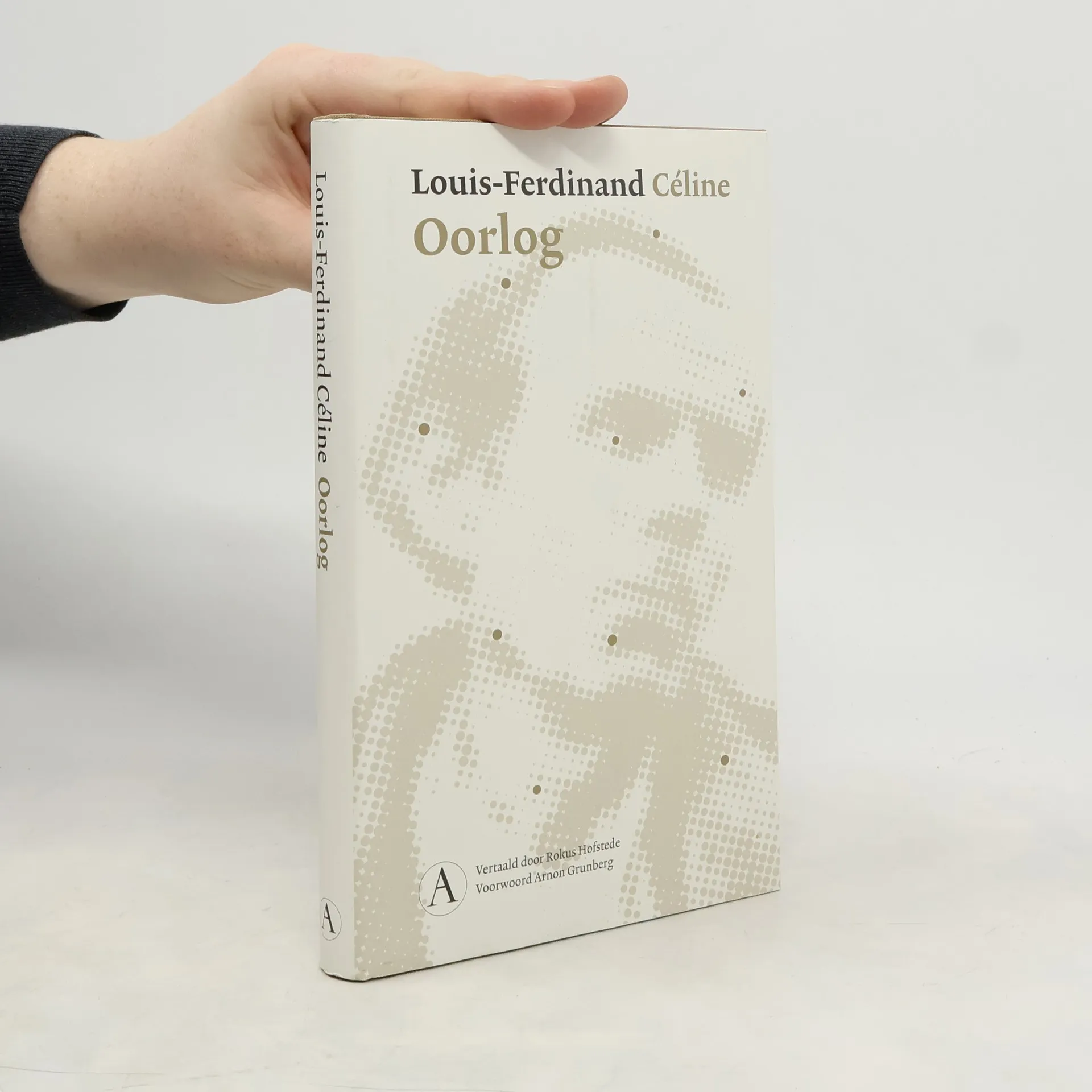
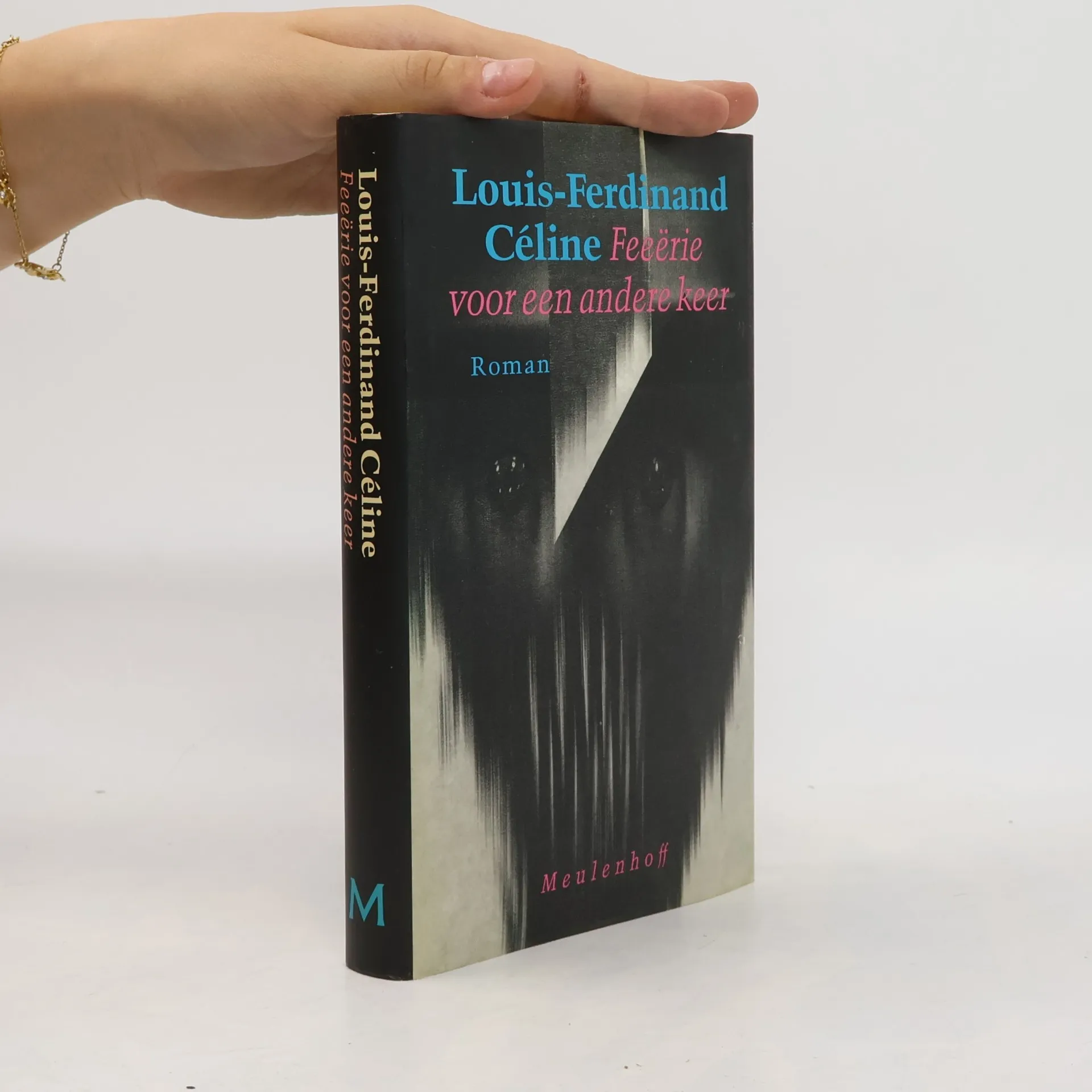
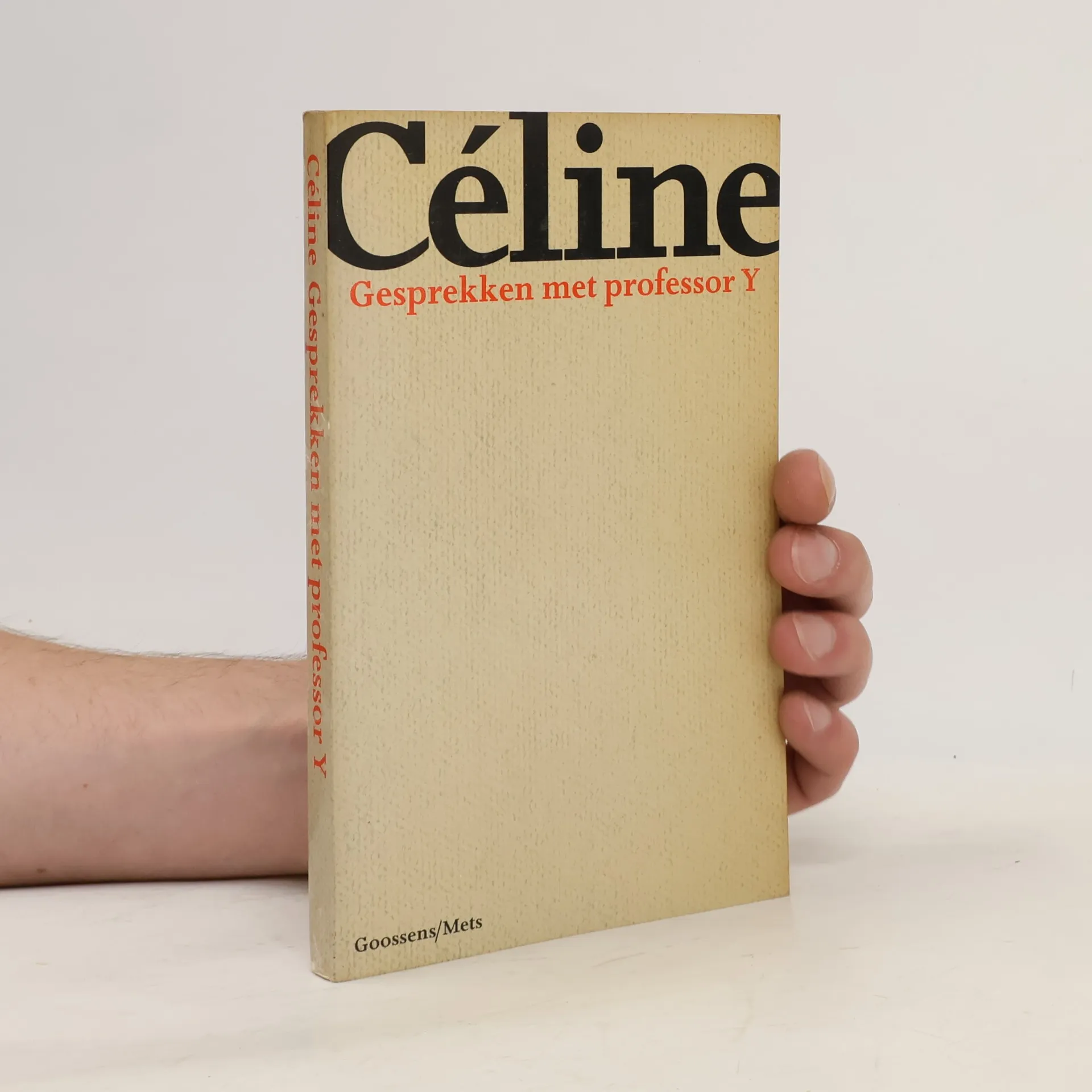
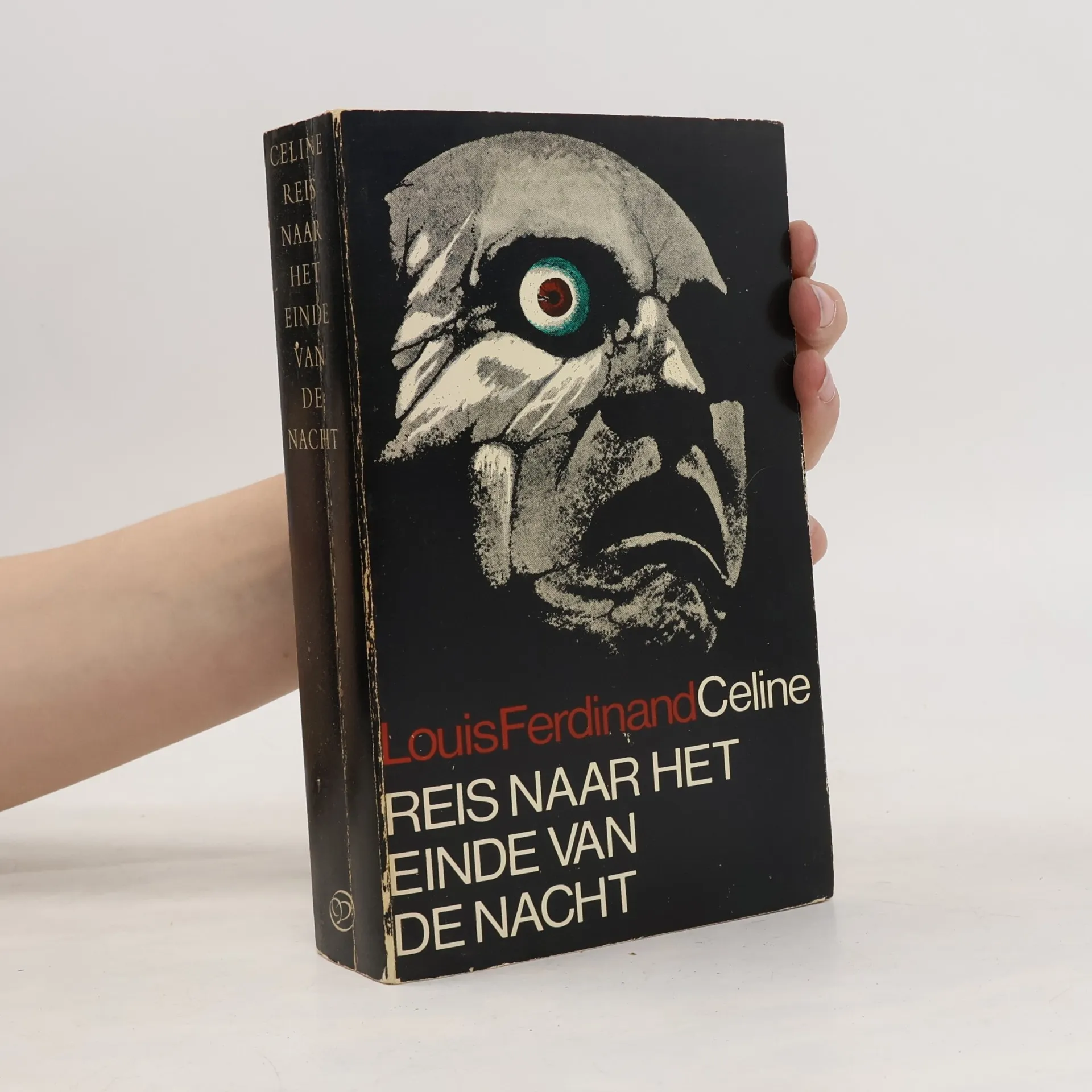
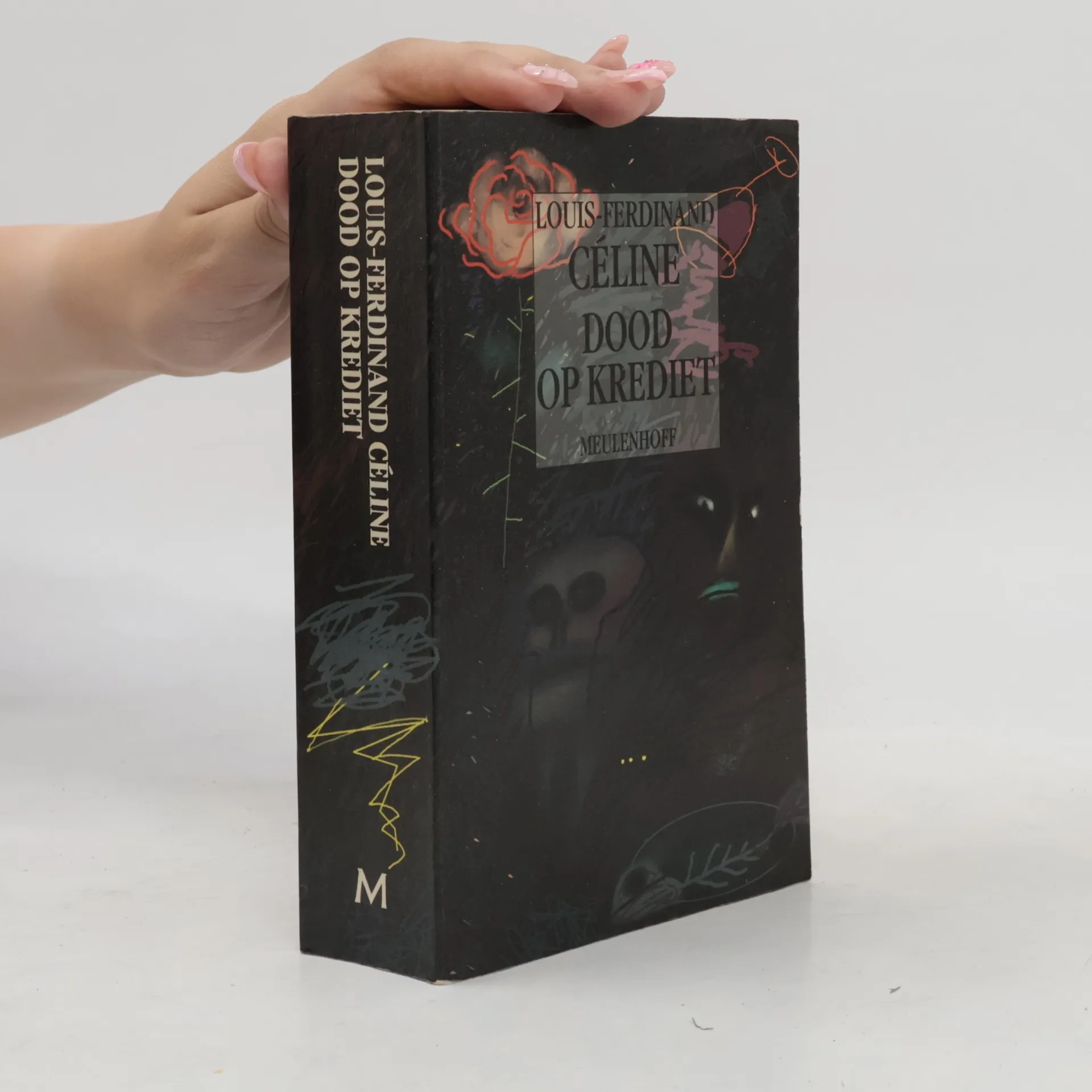
Jeugdjaren van taalkunstenaar Céline. Aangrijpende autobiografische roman over het pauperleven in Parijs
Relaas van de ervaringen van de hoofdpersoon als soldaat in de Eerste Wereldoorlog en van zijn omzwervingen door de wereld daarna, een felle aanklacht inhoudende tegen allerlei misstanden in de maatschappij.
Gefingeerd interview van de schrijver met zichzelf over met name het literatuurbedrijf in Frankrijk.
"Fable for Another Time is one of the most significant and far-reaching literary texts of postwar France. Composed in the tumultuous aftermath of World War II, largely in the Danish prison cell where the author was awaiting extradition to France on charges of high treason, the book offers a unique perspective on the war, the postwar political purges in France, and Louis-Ferdinand Celine's own dissident politics." The tale of a man imprisoned and reviled by his own countrymen, the Fable follows its character's decline from virulent hatred to near madness as a result of his violent frustration with the hypocrisy and banality of his fellow human beings. In part because of the story's clear link to his own case - and because of the legal and political difficulties this presented - Celine was compelled to push his famously elliptical, brilliantly vitriolic language to new and extraordinary extremes in Fable for Another Time. The resulting linguistic and stylistic innovation make this work stand out as one of the most original and revealing literary undertakings of its time.
Onder de onlangs gevonden manuscripten van Louis-Ferdinand Céline bevond zich een bundel van tweehonderdvijftig pagina's die een roman onthult die zich afspeelt in Vlaanderen tijdens de Grote Oorlog. We volgen de convalescentie van brigadier Ferdinand vanaf het moment dat hij, ernstig gewond, weer bij bewustzijn komt op het slagveld tot aan zijn vertrek naar Londen.
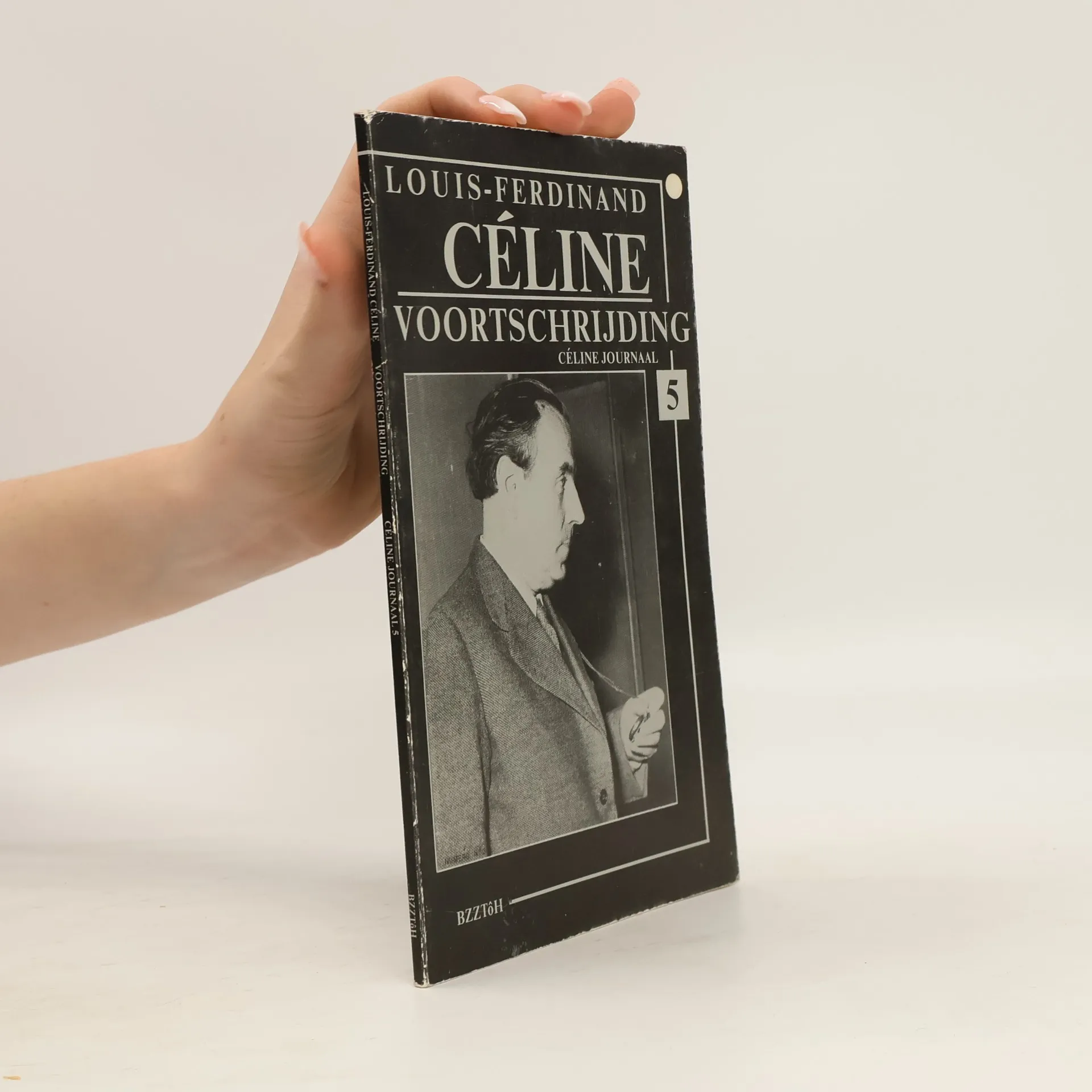
In 1978 verscheen bij Gallimard in Parijs de eerste editie van het door Céline geschreven toneelstuk Progrès. Het manuscript kwam uit de papieren van Madame Cécile Robert Denoël, weduwe van de uitgever van Céline's roman Voyage au bout de la nuit. Céline bood de tekst al in 1933 aan. Er zijn aanwijzingen dat het toneelstuk rond dezelfde tijd geschreven is als zijn eerder gepubliceerde dramatekst L'Eglise, namelijk in 1927. De Nederlandse primeur vond plaats tijdens het Internationale Céline Congres in juli 1983 in Den Haag, waar Progrès onder de titel Voortschrijding werd uitgebracht door de Utrechtse Toneelgroep Cercle, met vertaling en regie van Henny van Schaik. De integrale tekst van deze vertaling is in het boekje opgenomen. In Voortschrijding schetst Céline op ironische wijze het bourgeois-milieu van de jaren twintig, met een focus op de onderkant van deze bevolkingslaag. Hij toont hoe de sociaal-economische druk van de naderende malaise hen dwingt hun status te behouden. Céline legt bloot hoe onderdrukte verlangens leiden tot obsceniteit, waarbij zelfs in het bordeel de bloedeloze kantoormannetjes falen om aan maatschappelijke verwachtingen te voldoen. Het stuk balanceert tussen hemel en hel, tussen Maria en de pro.
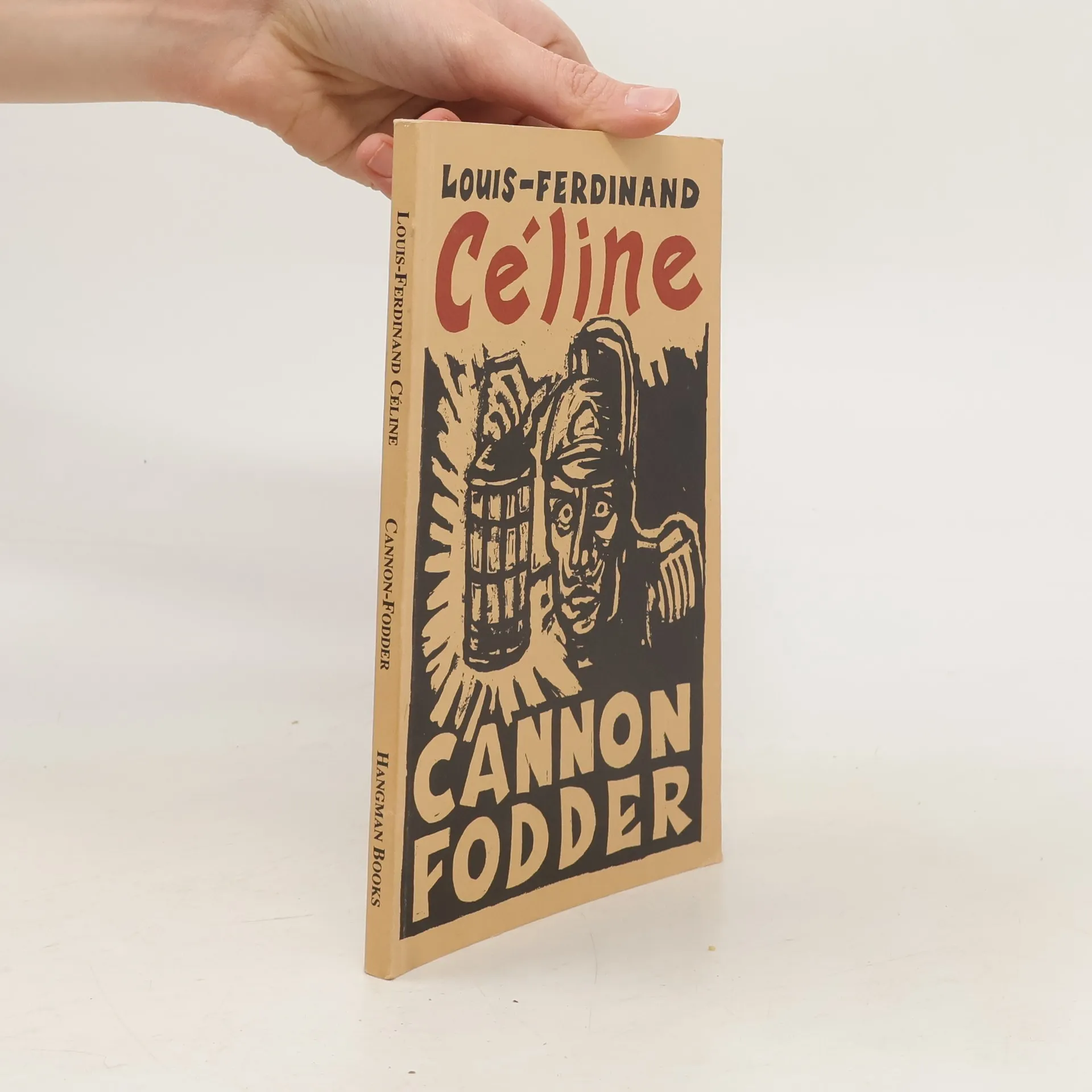
The original manuscript of Cannon-Fodder (Casse-pipe) was in part destroyed or stolen when Céline's Montmartre flat was ransacked at the time of Liberation in 1944. Céline, a presumed collaborator and in fear of his life had already fled. This surviving fragment, translated into English here for the first time, is the opening chapter of that work and tells us of the experiences of a raw recruit on the first evening of his enrolment.
With an undercurrent of sensual excitement, C line paints an almost unbearably vivid picture of society and the human condition.
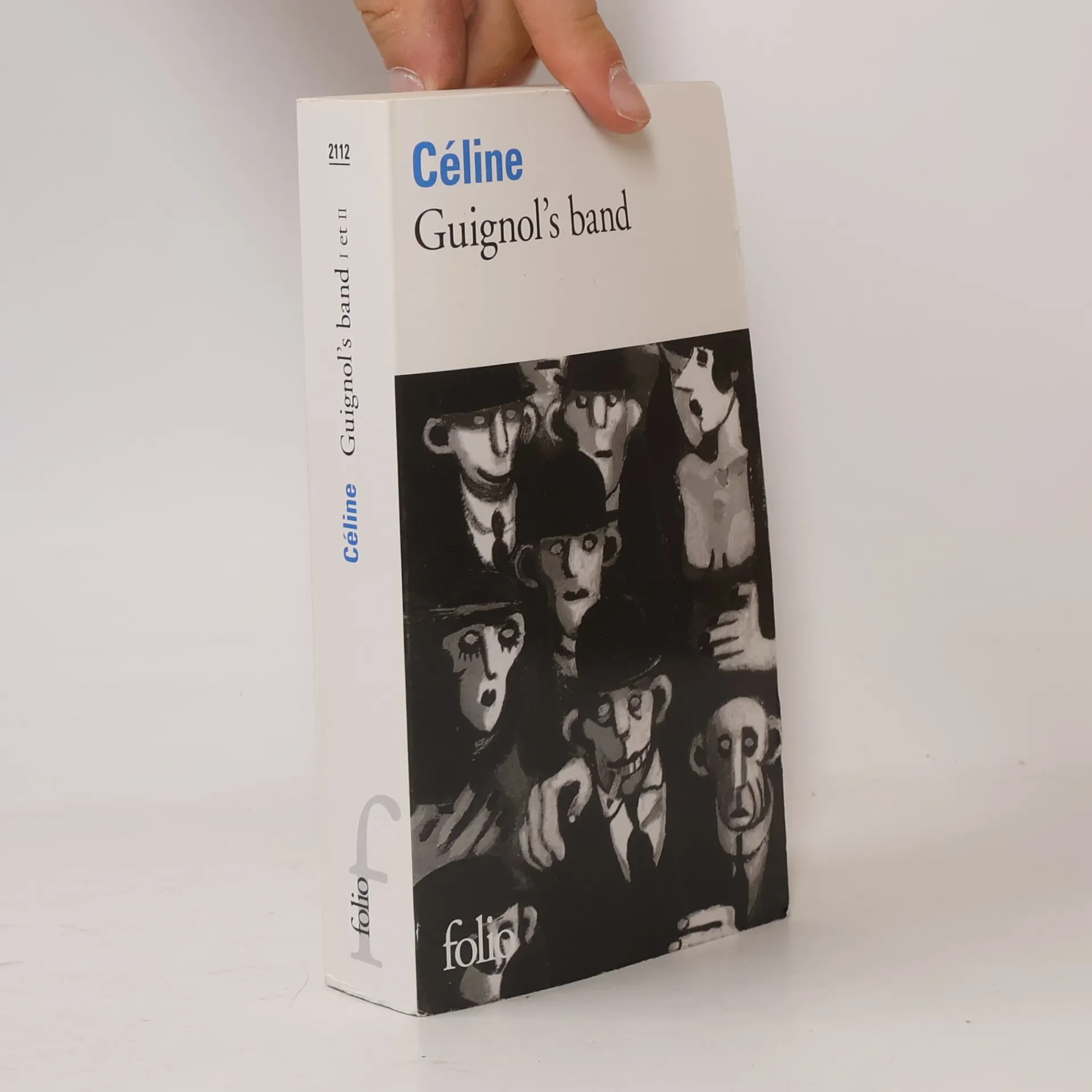
Often considered to be Celine's funniest work, Guignol's Band showcases its author's idiosyncratic style at its finest, frantically blending slang, invective, onomatopoeia with literary language, and bridging the gap between gritty realism and absurd mysticism.
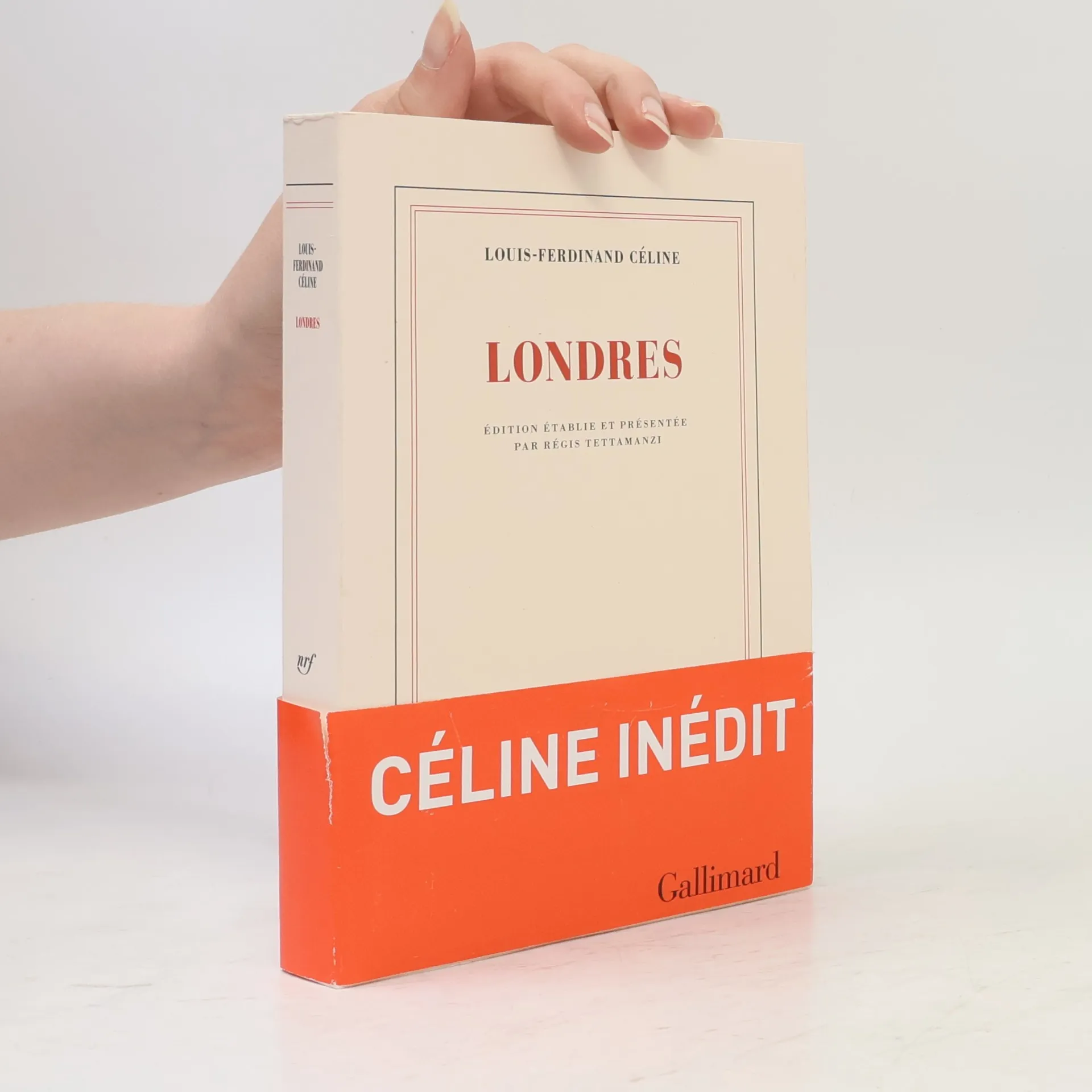
Written in Celine's trademark style - a headlong rush of slang, brusque observation and quirky lyricism, delivered in machine-gun bursts of prose and ellipses - London Bridge recreates the dark days during the Great War with sordid verisimilitude and desperate hilarity.
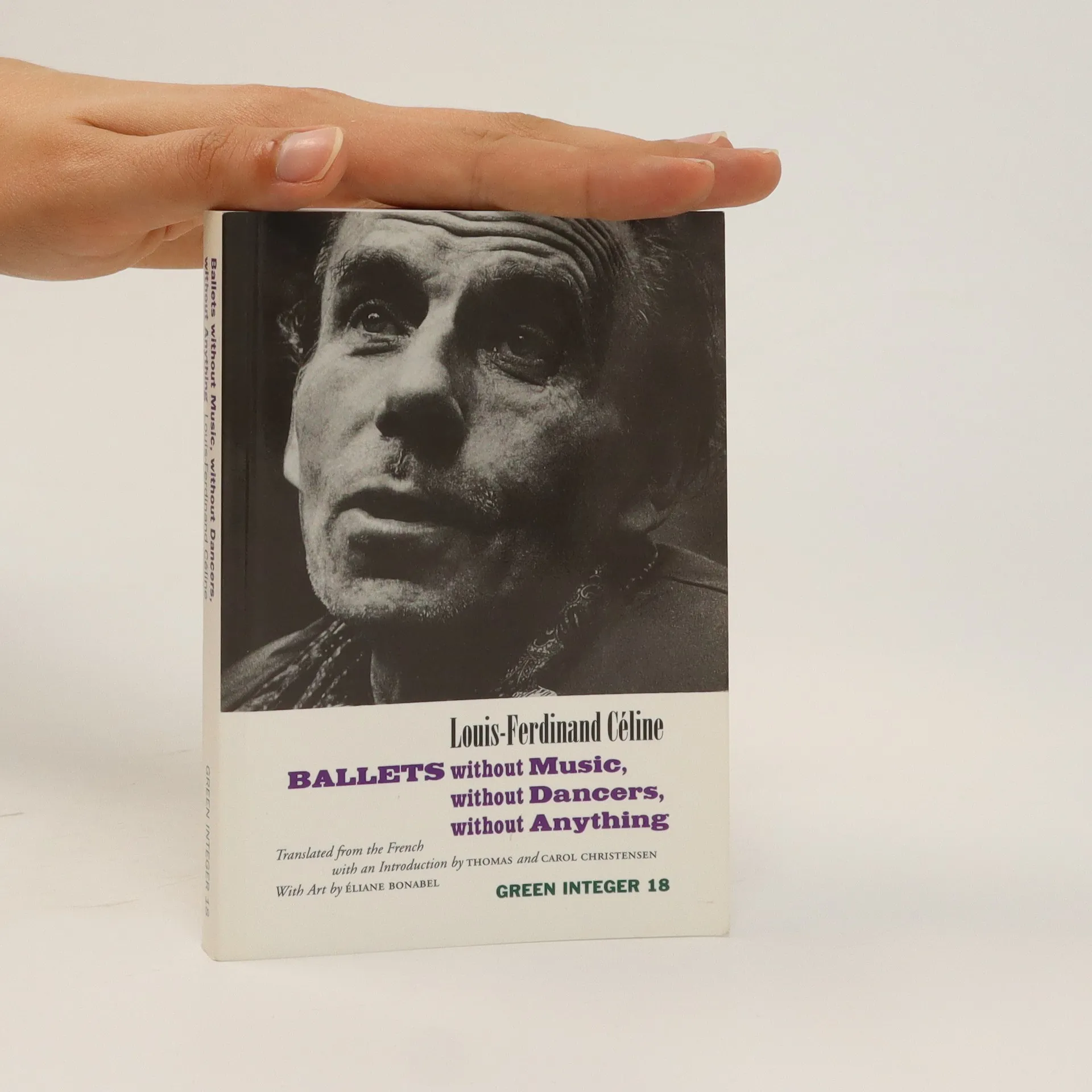
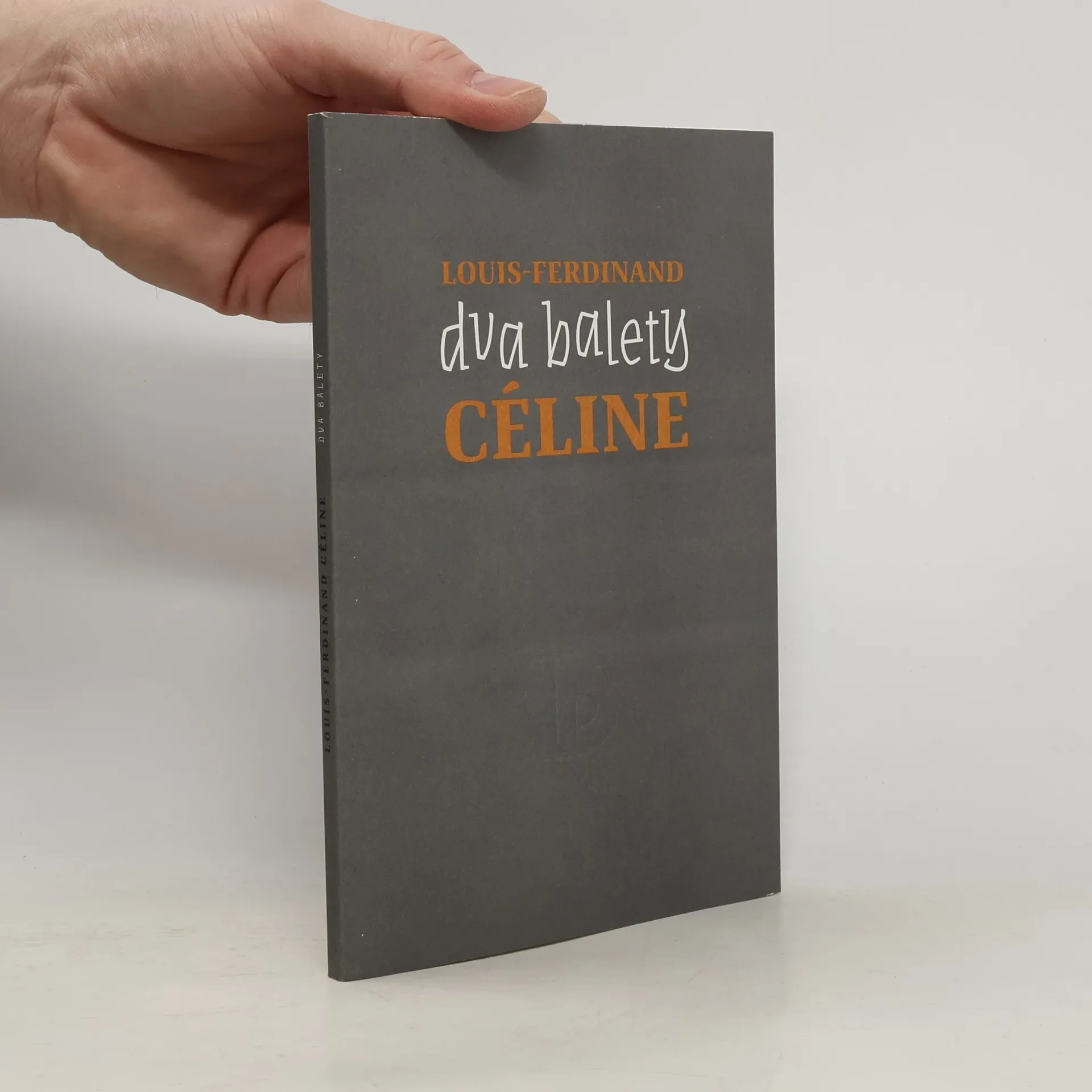
Previously announced on Sun & Moon Press, this is the important volume of dances written by Louis-Ferdinand Céline.
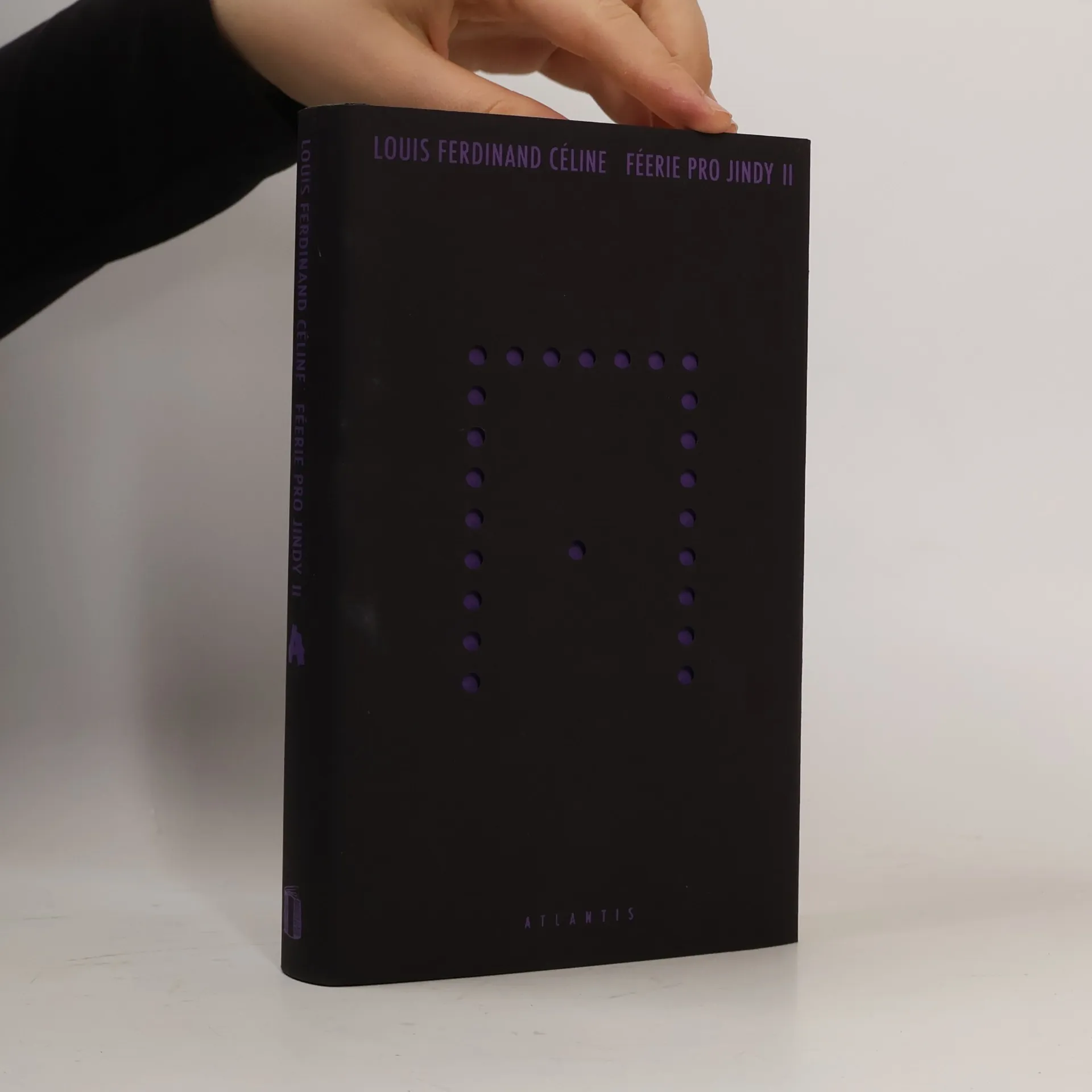
Druhý svazek Célinovy Féerie pro jindy je považován za bezdějový, jak tvrdí kritici. Popisuje spojenecké bombardování Paříže v noci z 21. na 22. dubna 1944, které Céline sleduje ze svého domu v Girardonově ulici. V této roli kronikáře, nebo spíše zapisovatele, zachycuje události v časovém sledu. Jeho pozorování výbuchů Paříže připomíná Plinia Staršího během erupce Vesuvu. Céline zmiňuje metodu fantaskopie, která umocňuje jeho popis. Vnímá zkázu jako převrácený svět, přičemž perspektiva pilotů nad městem přidává další rozměr. Opakující se výjevy jsou vždy mírně posunuty, což vytváří fantaskopický děj. Každý obyvatel domu má svůj příběh, včetně detailů jako jsou almara, kredenc a Célinovy rukopisy. Zapisovatel orchestruje jazyk na pozadí orchestrální skladby, jejímž dirigentem je Julek. Po zničení se nad rozbřeskem objevuje tvář herce Norberta z éry němého filmu. Tento svazek, zdánlivě bez děje, má jedinou hlavní postavu: hudbu Célinova stylu. Slova fungují jako stehy v goblénu, kde opakování a obměna vyžadují proměnu odstínu. Rytmus a gradace jsou podřízeny úkolu zapisovatele, který se soustředí na přesnost a vážnost v líčení toho, co vidí.
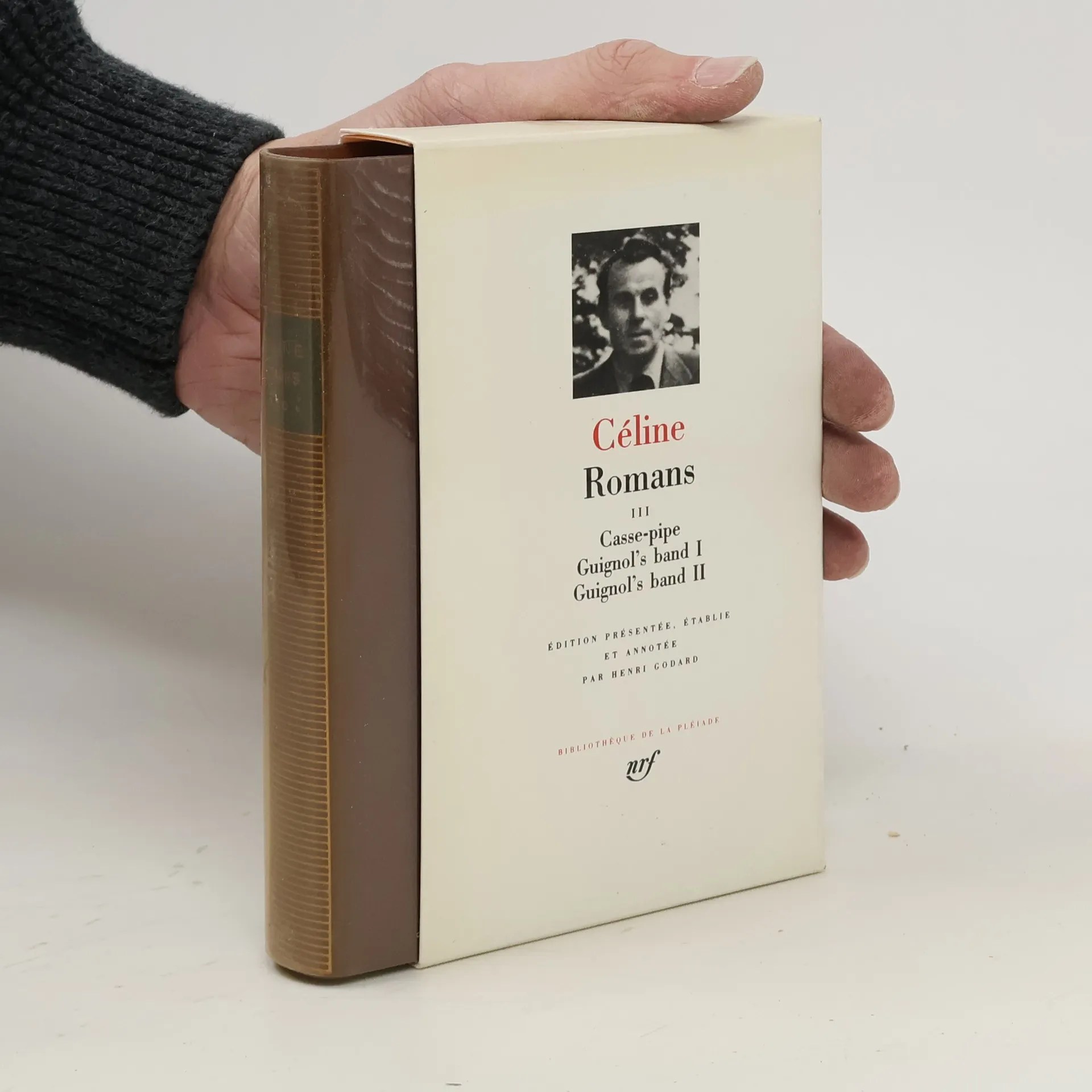
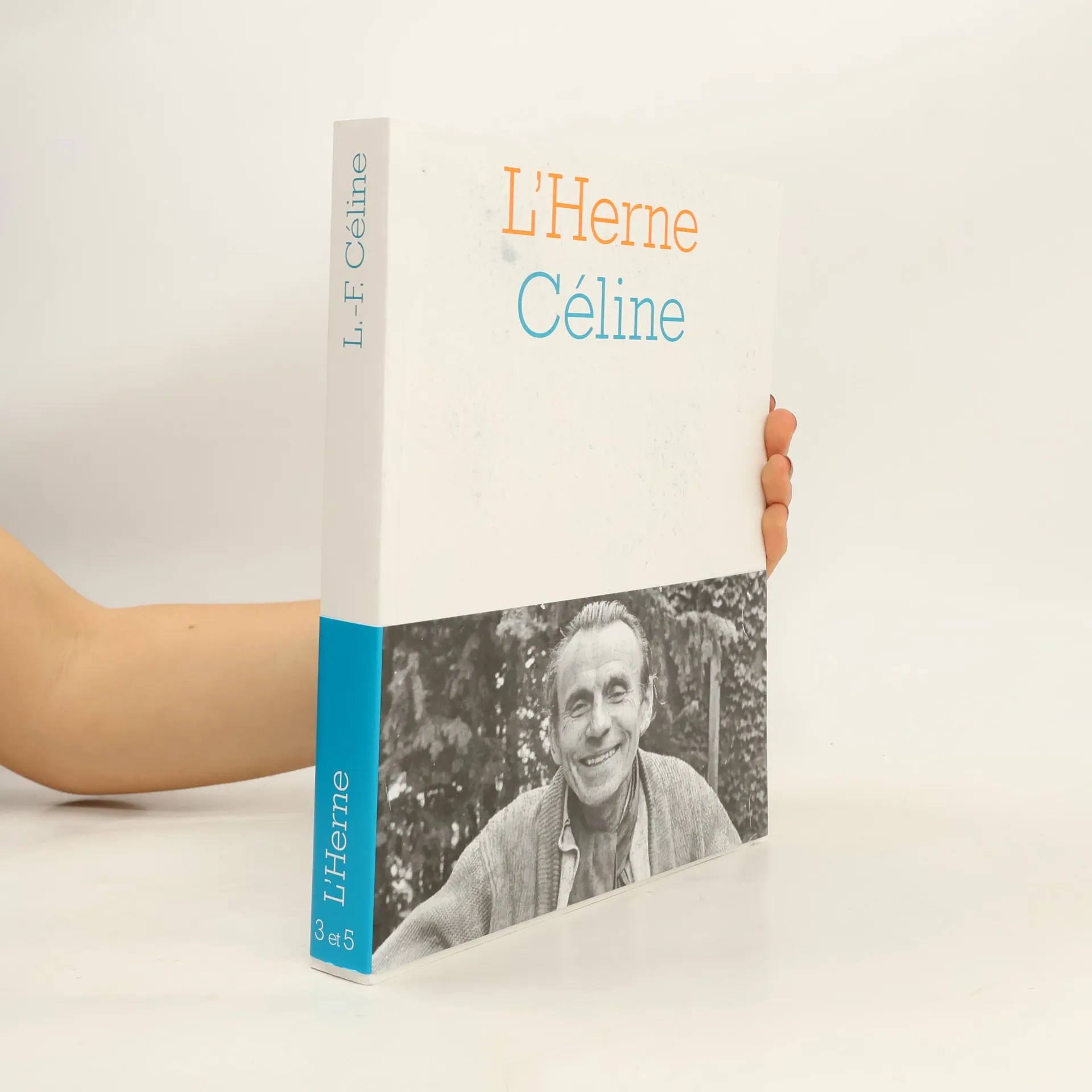
S'il n'y a pas de roman sans style, si son pouvoir est de nous montrer le monde transformé par un imaginaire, et s'il acquiert une force supplémentaaire quand il parvient à saisir l'histoire de son époque, alors l' uvre romanesque de Céline (1894-1961) est une des grandes uvres de son temps, quoi qu'il ait d'autre part à reprocher à son auteur. En elle, le pouvoir du style se trouve multiplié par le choix initial d'une langue populaire qui avant lui était depuis trois siècles au ban de la littérature ; il s'y déploie un imaginaire si personnel qu'il se reconnaît dans le moindre fragment, et l'histoire la traverse si bien de part en part que les deux ensembles formés par ses huit romans ont chacun pour centre une des deux guerres qui en Europe ont marqué ce siècle. (H. G.)
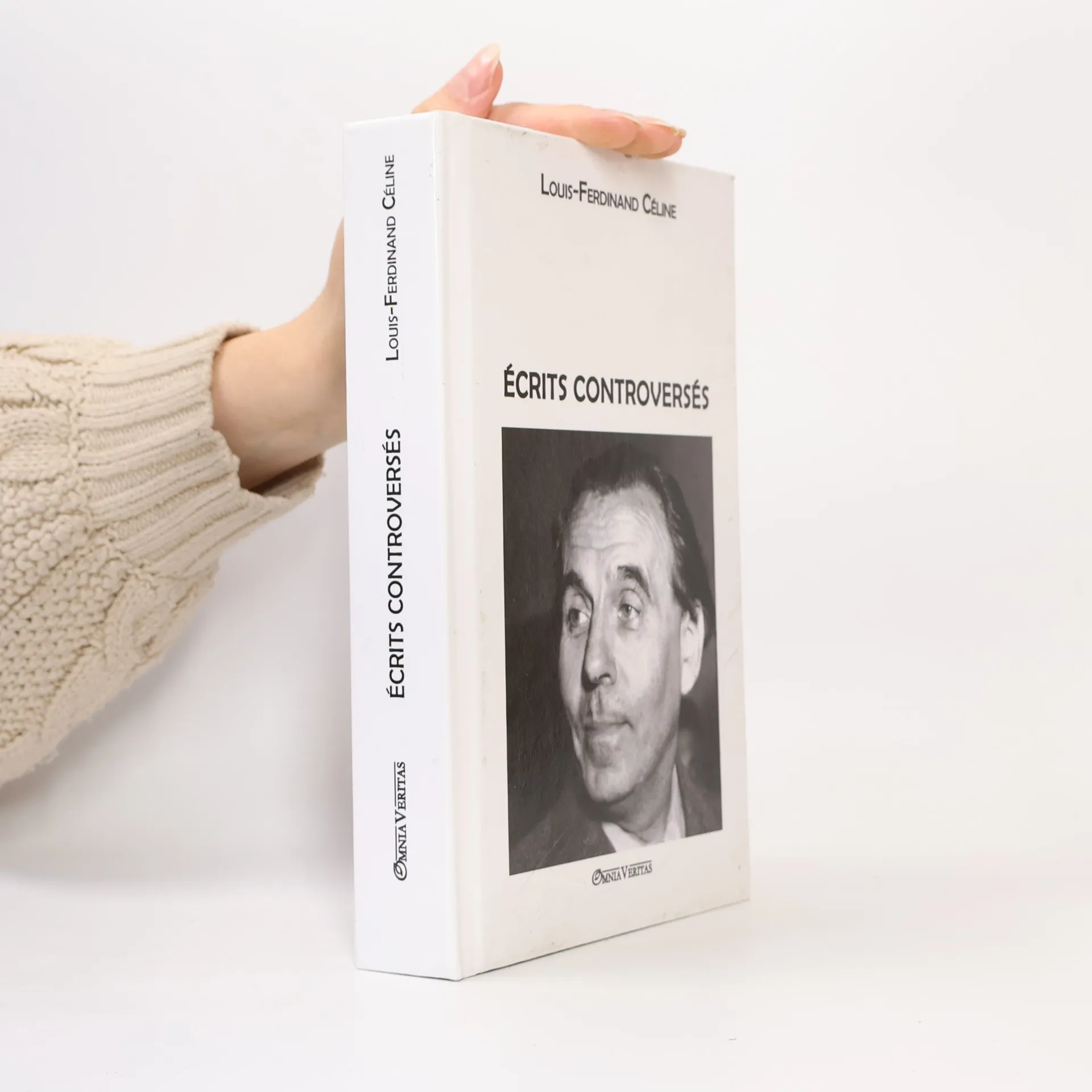
Mais t’es antisémite ma vache ! C’est vilain ! C’est un préjugé ! – J’ai rien de spécial contre les Juifs en tant que juifs, je veux dire simplement truands comme tout le monde, bipèdes à la quête de leur soupe... Ils me gênent pas du tout. Un Juif ça vaut peut-être un Breton, sur le tas, à égalité, un Auvergnat, un franc-canaque, un « enfant de Marie »... C’est possible... Mais c’est contre le racisme juif que je me révolte, que je suis méchant, que je bouille, ça jusqu’au tréfonds de mon benouze !... Je vocifère ! Je tonitrue ! Ils hurlent bien eux aux racistes ! Ils arrêtent jamais !
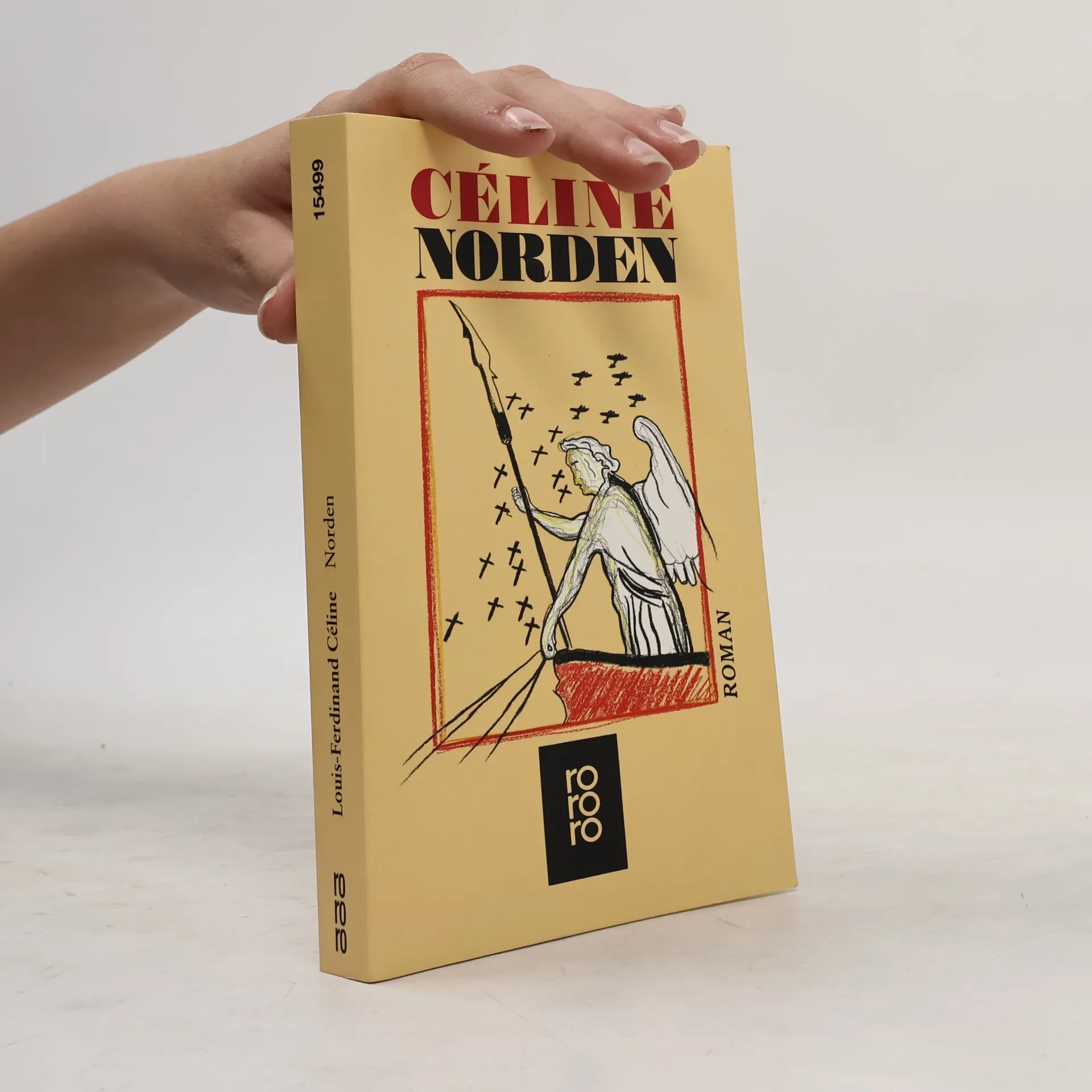
Im Vordergrund dieses Romans steht die Not des Menschen auf der Flucht, des Menschen in der Falle, des Menschen, der, verzweifelt und voller Greuel über die Ungerechtigkeit der Welt, kein Vertrauen in die Zukunft hat, der nicht weiß, wovon er sich am nächsten Tag ernähren und ob er diesen Tag überhaupt erleben wird. Die Sprache dieser letzten Eruption des Vulkans Celine ist jener gehetzte und hetzende Argot, jenes "Französisch des 21. Jahrhunderts", dem dieser Autor seinen Platz in der Weltliteratur verdankt. «Eine Schilderung vom Zusammenbruch Nazideutschlands, wie sie in der deutschen Literatur nicht ihresgleichen hat.» (Die ZEIT)
Komödie in 5 Akten
Ein junger Mediziner wird als wissenschaftlicher Gutachter des Völkerbundes nach Afrika entsandt, um Mißstände der kolonialen Gesundheitsversorgung aufzuklären. Er scheitert am intriganten Widerstand von Interessengruppen. Sein Bericht wird unterdrückt, er selbst endet als lizenzloser Armenarzt im Gefängnis.
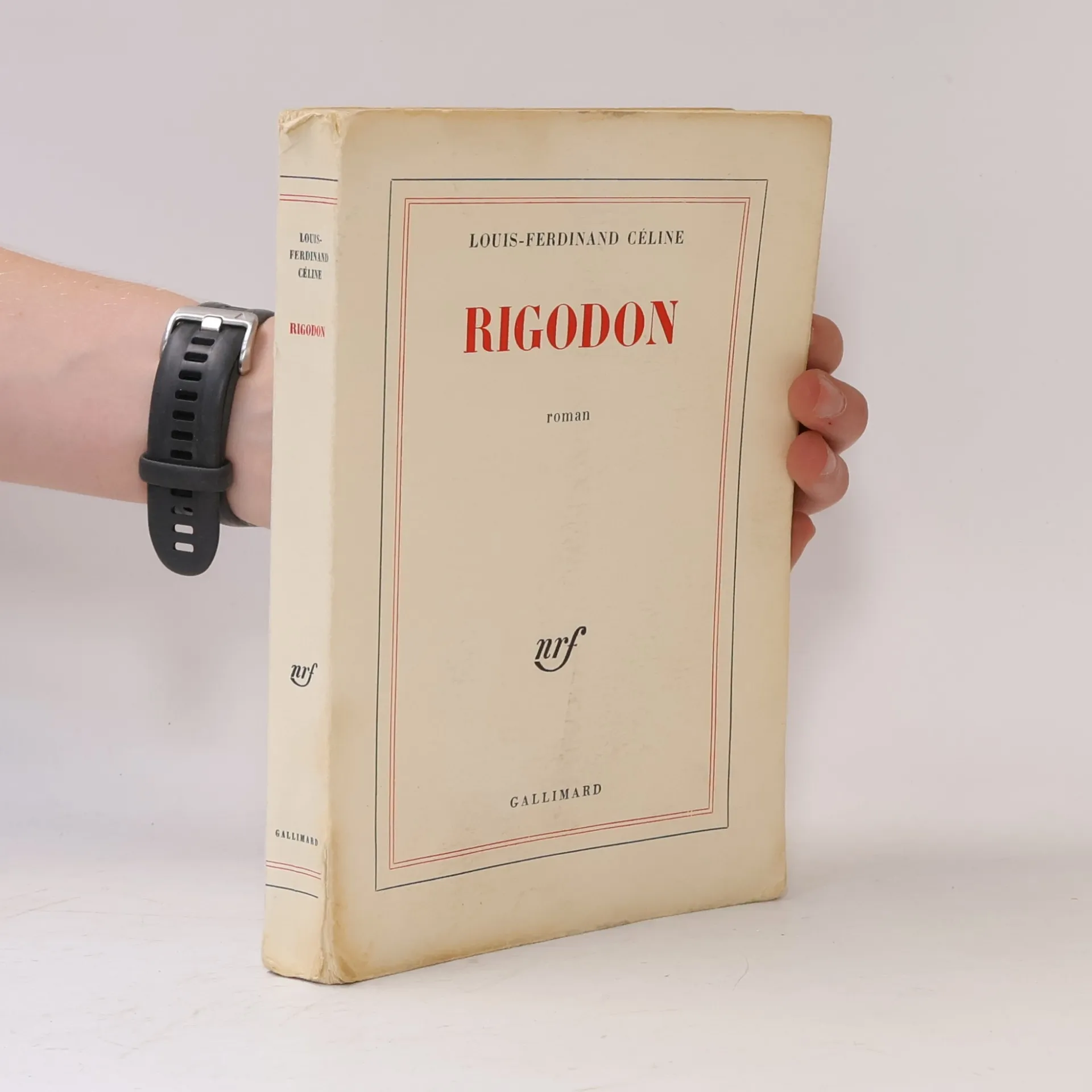
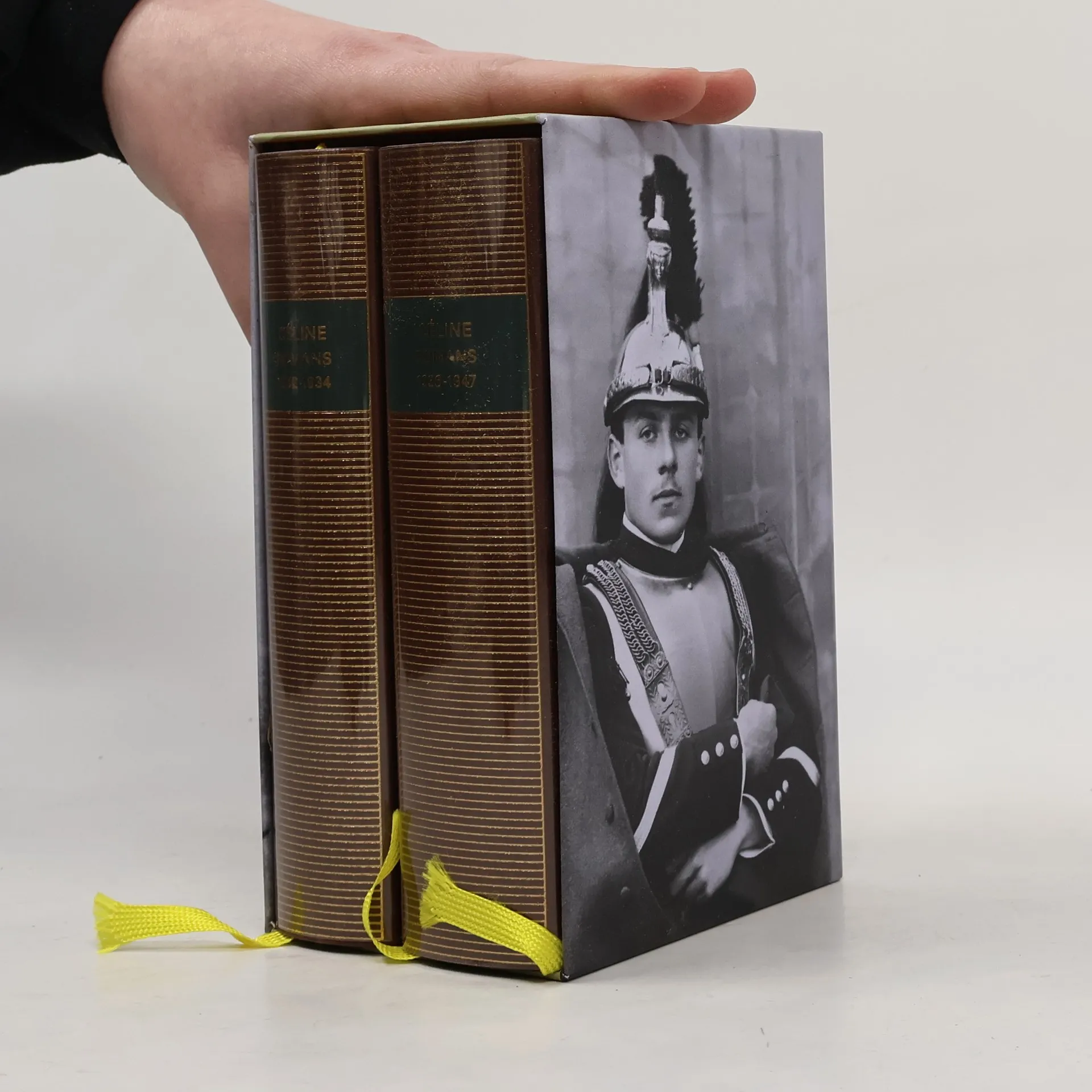
Ce volume contient :D'un château l'autreNordRigodon.Appendices : Louis-Ferdinand Céline vous parle - Entretien avec Albert Zbinden.Ces trois romans qui n'en font presque qu'un seul peuvent à plus d'un titre être tenus pour une œuvre importante. En choisissant d'évoquer à sa manière ce qu'il avait vu et ce qu'il avait vécu dans l'Allemagne de 1944-1945, nul doute que Céline n'ait été conscient d'être l'un des seuls que sa sensibilité, son imagination et son style mettaient à même de donner une existence littéraire à cette apocalypse.
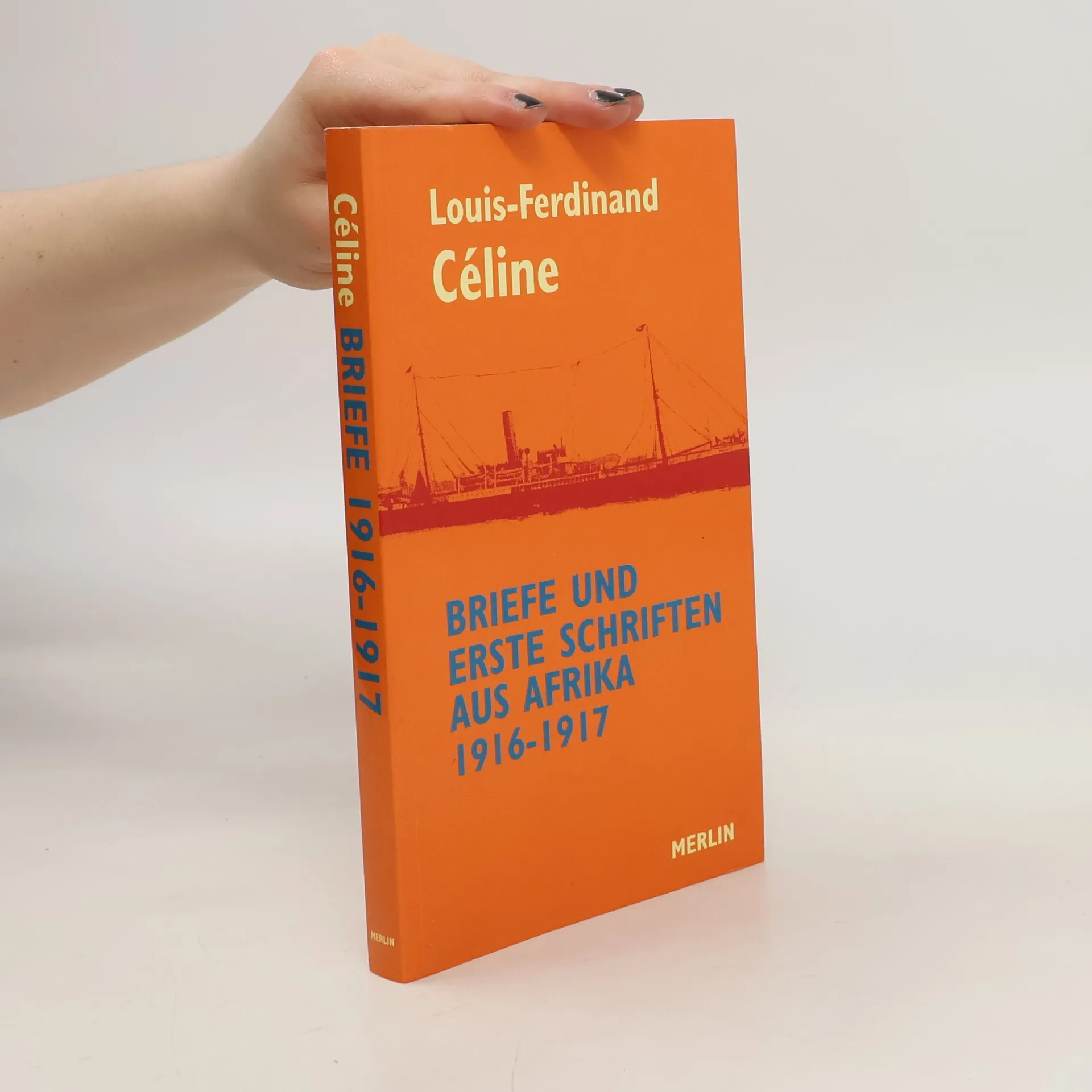
Mit diesem Band wird die Serie der Céline-Publikationen im Merlin Verlag fortgesetzt. Es handelt sich um Briefe, die Céline (damals noch mit seinem bürgerlichen Namen Destouches bzw. Des Touches unterzeichnend) während des ersten Weltkrieges aus Afrika an Freunde und Familienangehörige adressierte, nachdem er eine Stellung als Repräsentant einer Handelsfirma im damals bereits französisch besetzten Kamerun angenommen hatte. Sie liefern ein farbiges und sehr persönliches Bild von den Bedingungen, unter denen ein Europäer dort zu arbeiten hatte, gleichzeitig öffnen sie bereits den Blick auf die Persönlichkeit und Sichtweise des späteren Schriftstellers von Rang.
Docteur, vite ! ... vous devez vous douter...toute cette gare ici n'est qu'un piege...tous ces gens des trains sont a liquider...ils sont de trop...vous aussi vous etes de trop...moi aussi. - Comment savez-vous ? - Docteur je vous expliquerai plus tard...maintenant il faut vous attendre...vite ! ...ça sera fait cette nuit... - Pourquoi ? - Parce qu'ils n'ont plus de places dans les camps...et plus de nourriture et que dehors ça se sait.
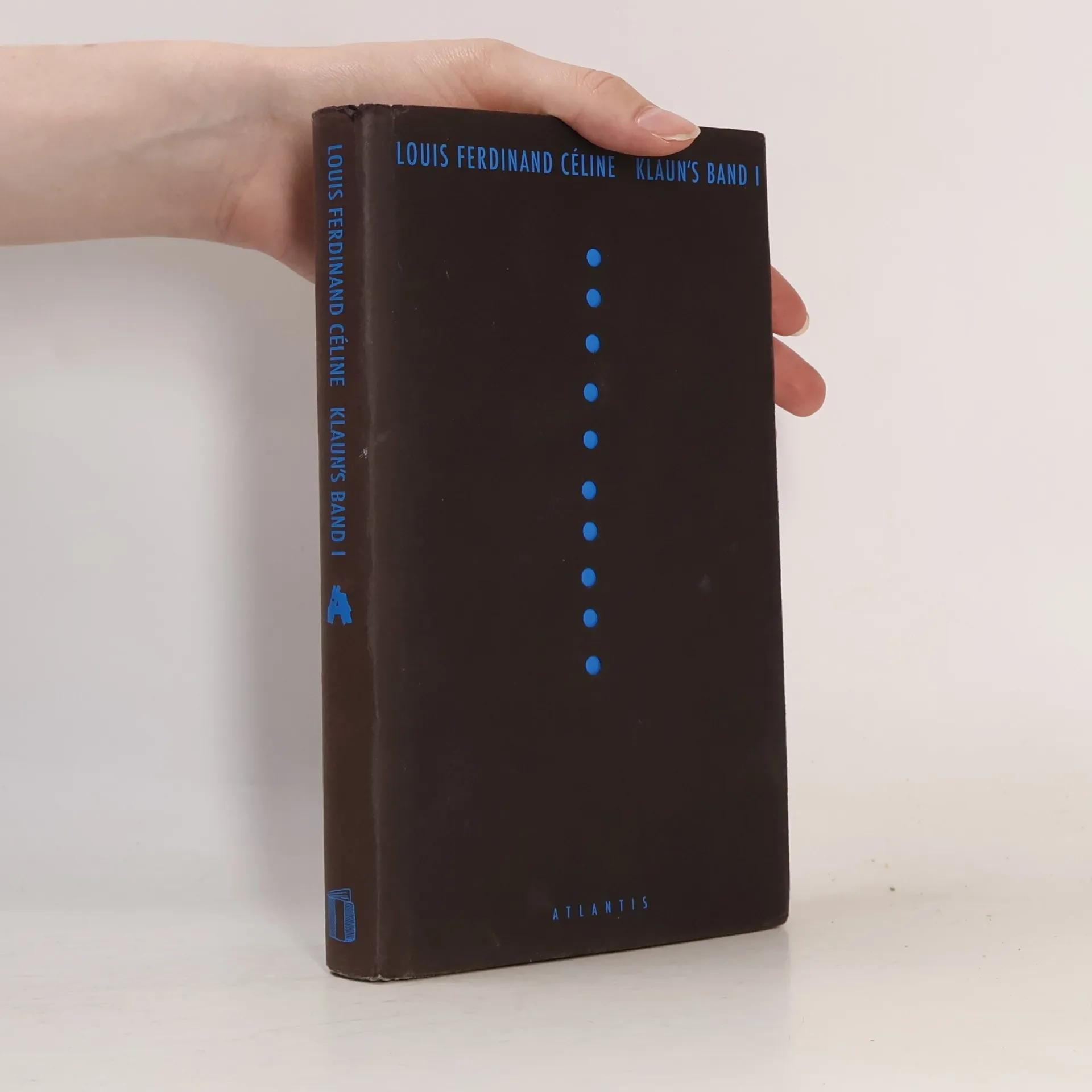
Po pětici románů předválečné a poválečné doby otevřel Atlantis prózou Klaun´s band I soubor méně známých, a přitom stejně výrazných Célinových próz. Klaun´s band I a následující Klaun´s band II, snad nejhumornější ze Célinových knih, líčí Célinův pobyt v Londýně v letech 1915 a 1916.
Plus de juifs que jamais dans les rues, plus de juifs que jamais dans la presse, plus de juifs que jamais au Barreau, plus de juifs que jamais en Sorbonne, plus de juifs que jamais en MEdecine, plus de juifs que jamais au ThEAtre, A l'OpEra, au FranCais, dans l'industrie, dans les Banques. Paris, la France plus que jamais, livrEs aux maCons et aux juifs plus insolents que jamais. Plus de Loges que jamais en coulisse, et plus actives que jamais. Tout Ca plus dEcidE que jamais A ne jamais cEder un pouce de ses Fermes, de ses PrivilEges de traite des blancs par guerre et paix jusqu'au dernier soubresaut du dernier paumE d'indigEne. Et les FranCais sont bien contents, parfaitement d'accord, enthousiastes. Une telle connerie dEpasse l'homme. Une hEbEtude si fantastique dEmasque un instinct de mort, une pesanteur au charnier, une perversion mutilante que rien ne saurait expliquer sinon que les temps sont venus, que le Diable nous apprEhende, que le Destin s'accomplit.
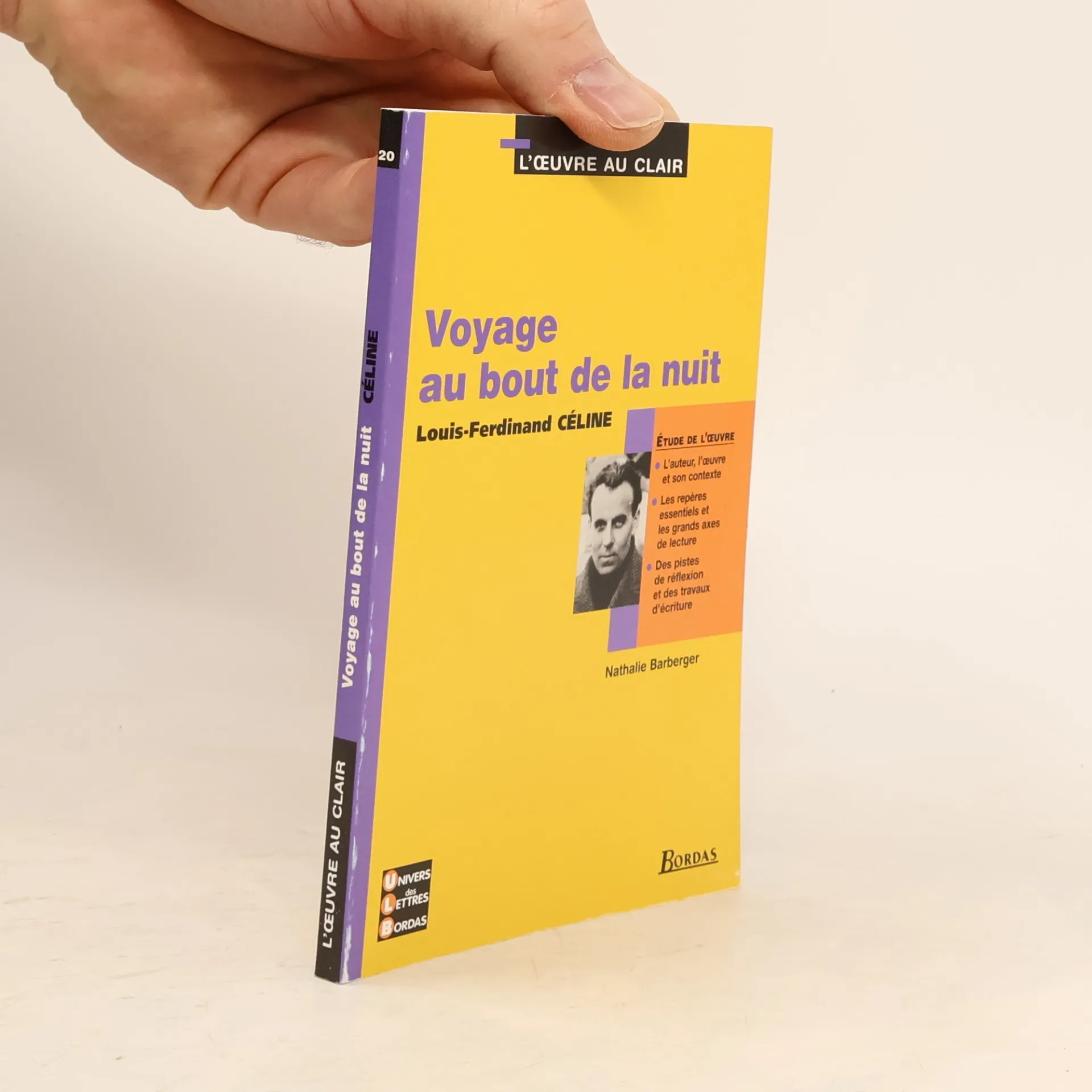
Étude de l'œuvre: L'auteur, l'œuvre et son contexte, les repères essentiels et les grands axes de lecture, des pistes de réflexion et des travaux d'écriture
Le contexte socio-historique est évoqué avant d'entreprendre l'étude de l'oeuvre, de ses structures et caractéristiques stylistiques. Des travaux d'écriture (sujets type du Bac) permettent de réinvestir les compétences acquises.
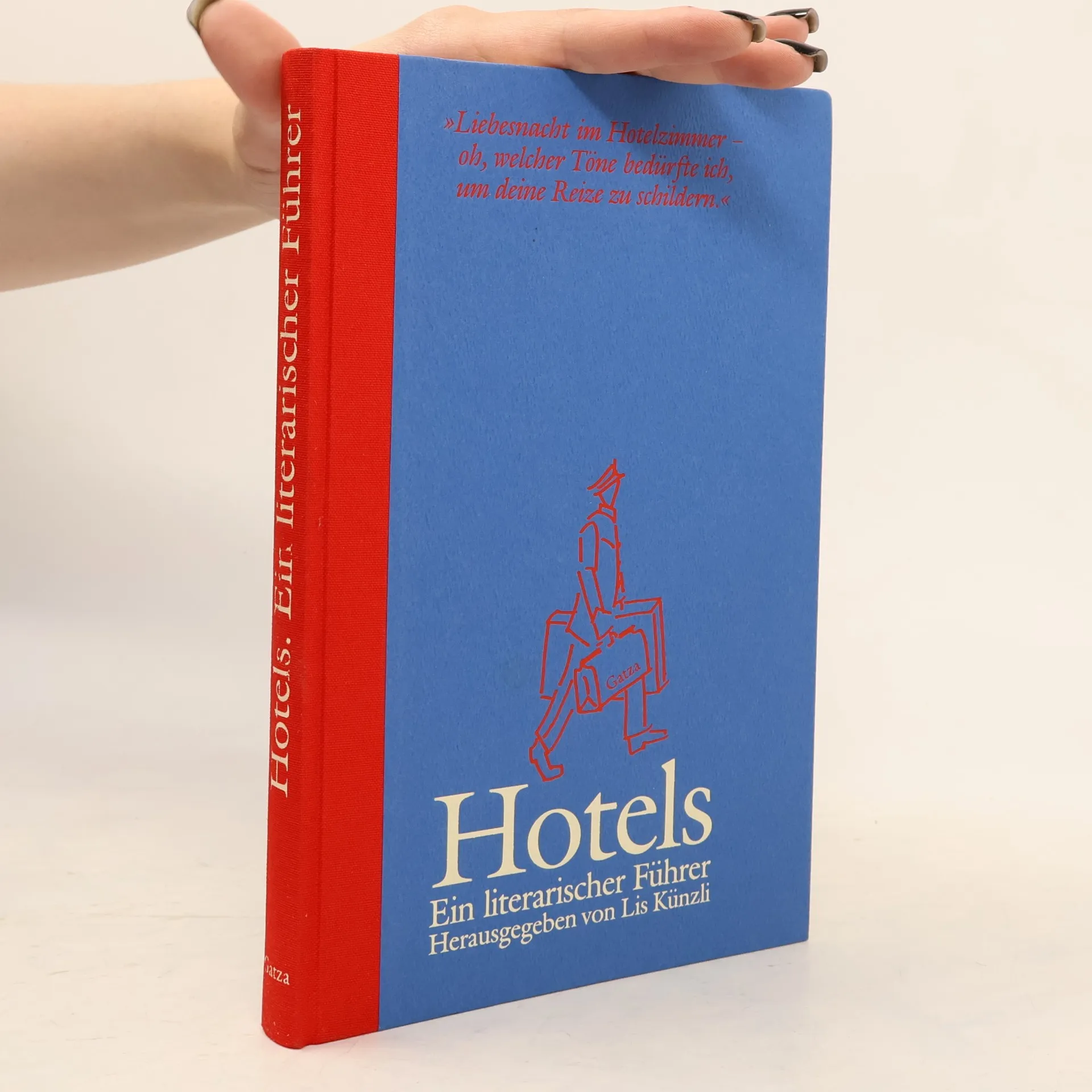
Ein literarischer Führer
Joseph Roth: Ich will hier heimise.. Der nicht zu Hause. Ich möchte kommen und gehen, kommen und gehen. Thomas Mann: Schließlich, man braucht eine Kommode! Anaïs Nirs: Dagegen habe ich festgestellt, daß die Betten fremder Hotelzimmer, in denen anonyme Liebende gelegen hatten, meine Einbildungskraft anstachelten. Kurt Tucholsky: In einem fremden Hotelzimmer öffnet man das Fenster und macht es wieder zu und geht hin und her. Dann lege ich den Kopf an die Scheibe und mache ein dummes Gesicht. Die Nägel könnte ich mir auch mal schneiden. Was tue ich eigentlich hier? Franz Kafka: Ich kann fast von jedem Hotelzimmer, in dem ich gelebt habe, nur das Beste erzählen. Eine Liebeserklärung an das Leben im Hotel.
On est parti dans la vie avec les conceils des parents. Ils n'ont pas tenu devant l'existence. On est tombé dans les salades qu'étaient plus affreuses l'une que l'autre. On est sorti comme on a pu de ces conflagrations funestes, plutôt de traviole, tout crabe baveux, à reculons, pattes en moins. On s'est bien marré quelques fois, faut être juste, même avec la merde, mais toujours en proie d'inquiétudes que les vacheries recommenceraient...Et toujours elles ont recommencé...Rappelons-nous!
Ferdinand, le héros de Guerre, a quitté la France pour rejoindre Londres, « où viennent fatalement un jour donné se dissimuler toutes les haines et tous les accents drôles ». Il y retrouve son amie prostituée Angèle, désormais en ménage avec le major anglais Purcell. Ferdinand prend domicile dans une mansarde de Leicester Pension, où le dénommé Cantaloup, un maquereau de Montpellier, organise un intense trafic sexuel de filles, avec quelques autres personnages hauts en couleur, dont un policier, Bijou, et un ancien poseur de bombes, Borokrom. Proxénétisme, alcoolisme, trafic de poudre, violences et irrégularités en tout genre rendent chaque jour plus suspecte cette troupe de sursitaires déjantés, hantés par l'idée d'être envoyés ou renvoyés au front. S'il entretient des liens avec Guignol's band, l'autre roman anglais plus tardif de Céline, Londres, établi depuis le manuscrit récemment retrouvé, s'impose avec puissance comme le grand récit d'une double vocation : celle de la médecine et de l'écriture... Ou comment se tenir au plus près de la vérité des hommes, plongé dans cette farce outrancière et mensongère qu'est la vie.
La position de l'homme, englué dans un fatras de lois, coutumes et désirs refoulés, est devenue périlleuse et tragique. La littérature, bien que plus facile à concevoir que jamais, est aussi plus difficile à supporter. Nous sommes entourés de personnes hypersensibles, dont la moindre provocation peut déclencher des réactions violentes. Après vingt siècles de civilisation, aucun régime ne pourrait survivre à deux mois de vérité, que ce soit le marxisme ou les sociétés bourgeoises et fascistes. L'homme ne peut subsister dans ces formes sociales brutales sans un mensonge massif et permanent, souvent qualifié de totalitaire. Les cris des dictateurs se heurtent aux angoisses quotidiennes, à l'alcoolisme et aux désirs refoulés, créant un narcissisme sadico-masochiste qui étouffe toute recherche de sincérité sociale. On parle beaucoup de jeunesse, mais le mal est plus profond. La jeunesse, souvent réduite à une mobilisation d'activités superficielles, n'apporte guère de nouvelles idées. En réalité, la plupart des jeunes restent en retrait, influencés par des discours creux et violents. Dès l'âge de dix ans, le destin émotionnel de l'homme semble fixé, et après cela, nous ne faisons que répéter des clichés de moins en moins sincères. Peut-être les civilisations subissent-elles également ce même sort.