
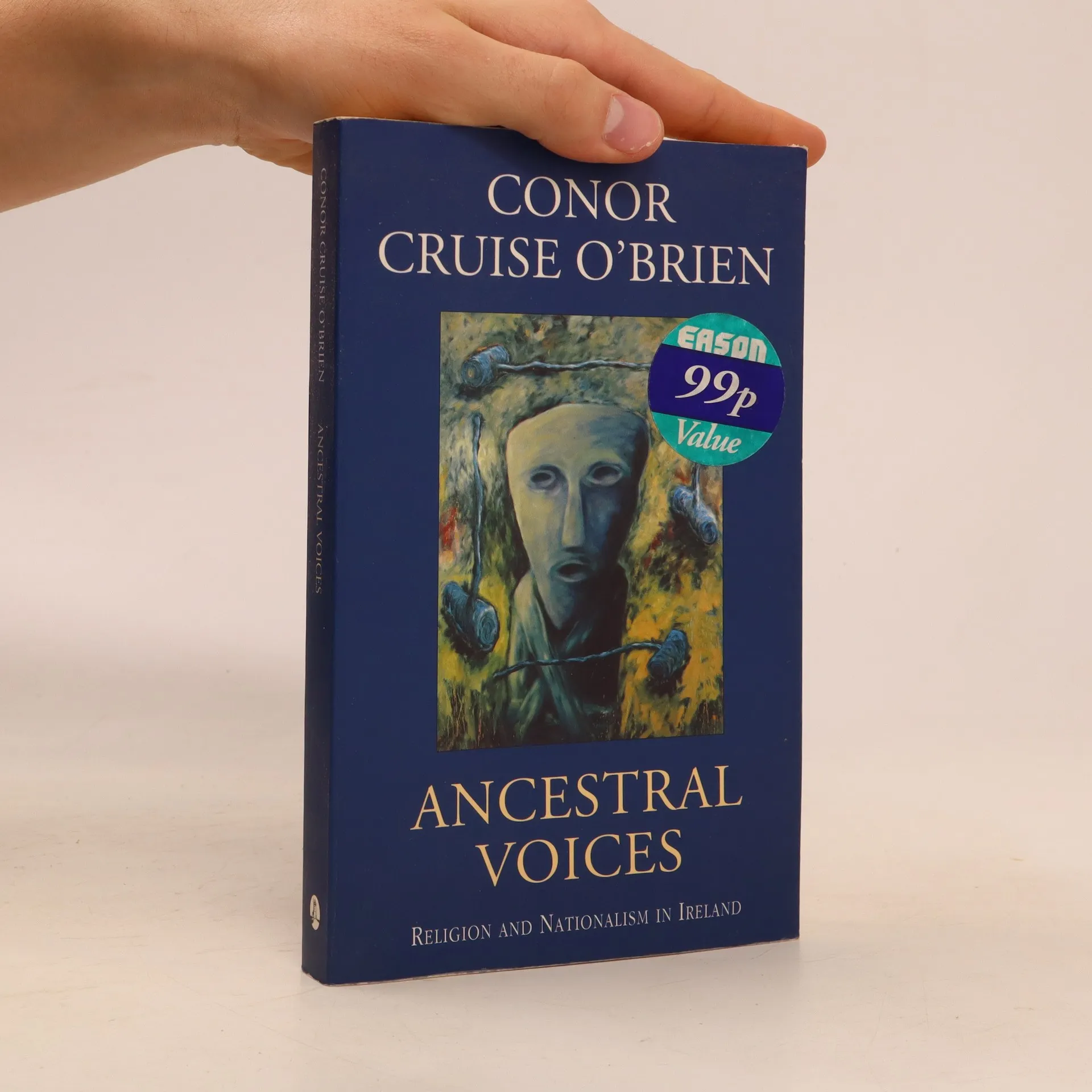
Scholar and statesman Conor Cruise O'Brien illuminates why peace has been so elusive in Northern Ireland. He explains the conflation of religion and nation through Irish history into our own time. Using his life as a prism through which he interprets Ireland's past and present, O'Brien identifies case after case of the lethal mixing of God with country that has spilled oceans of blood throughout this century of nationalism and that, from Bosnia to Northern Ireland, still curses the world."O'Brien's bravura performance [is] seductive in its intellectual sweep and literary assurance."—Toby Barnard, Times Literary Supplement"Has the magical insistence which Conor Cruise O'Brien can produce at his best. . . . Where he looks back to his own childhood the book shines. He writes of his mother and father with effortless grace and candor, with a marvelous, elegant mix of affection and detachment."— Observer
Conor Cruise O'Brien Volgorde van de boeken
Deze auteur staat bekend om haar scherpe inzichten in de Ierse politiek en geschiedenis. Haar geschriften duiken vaak in de ingewikkelde kwesties van het Ierse nationalisme en de Britse invloed. Door haar proza onderzoekt ze de sociale en politieke stromingen die Ierland hebben gevormd. Haar analyses bieden een diepgaand inzicht in het Ierse conflict en de oorsprong ervan.


- 1994
- 1993
- 1988
- 1987
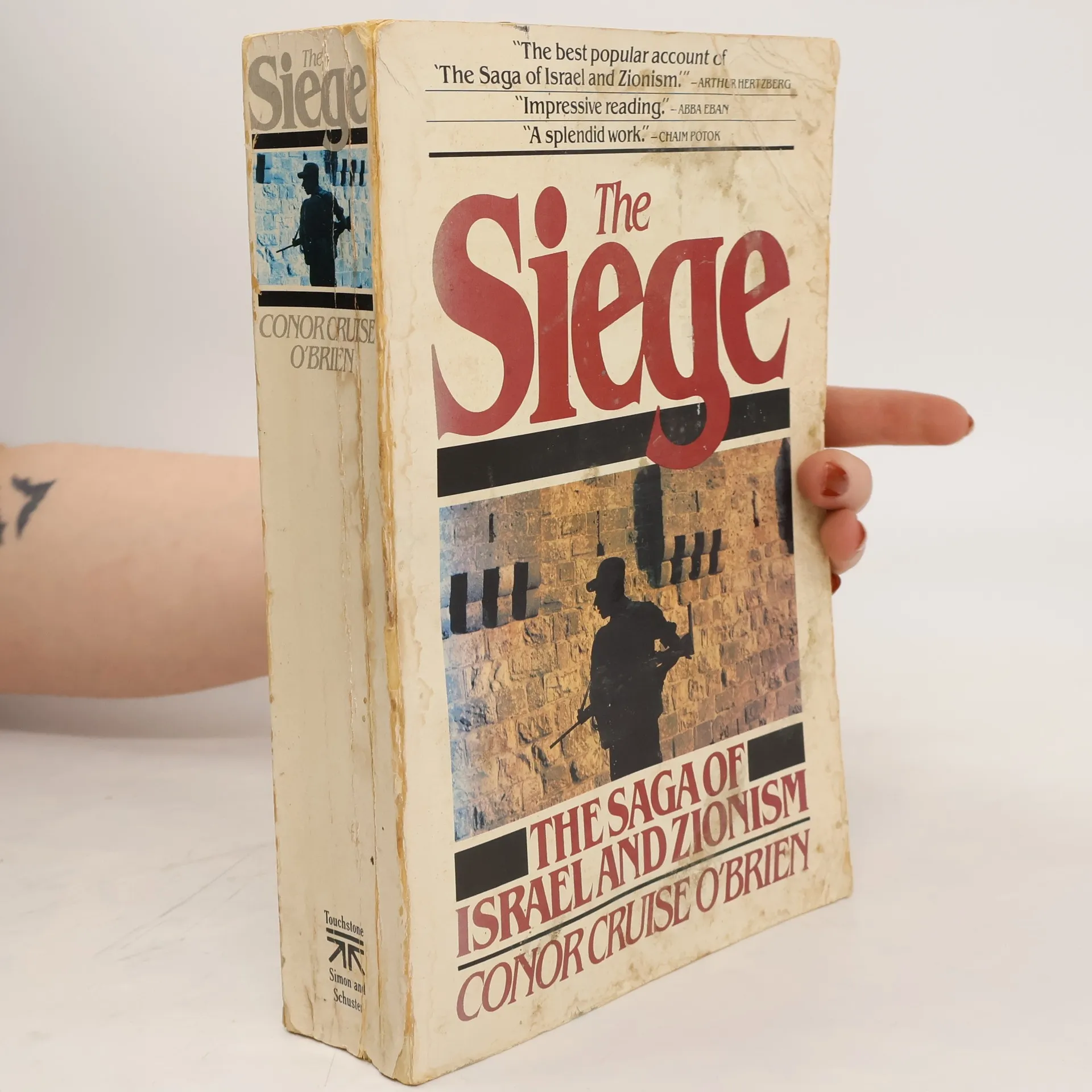
In this historical analysis of Zionism and the state of Israel, a former diplomat writes sympathetically of the Jews' fierce resistance under siege to secure their nation, their heritage, and their future
- 1977
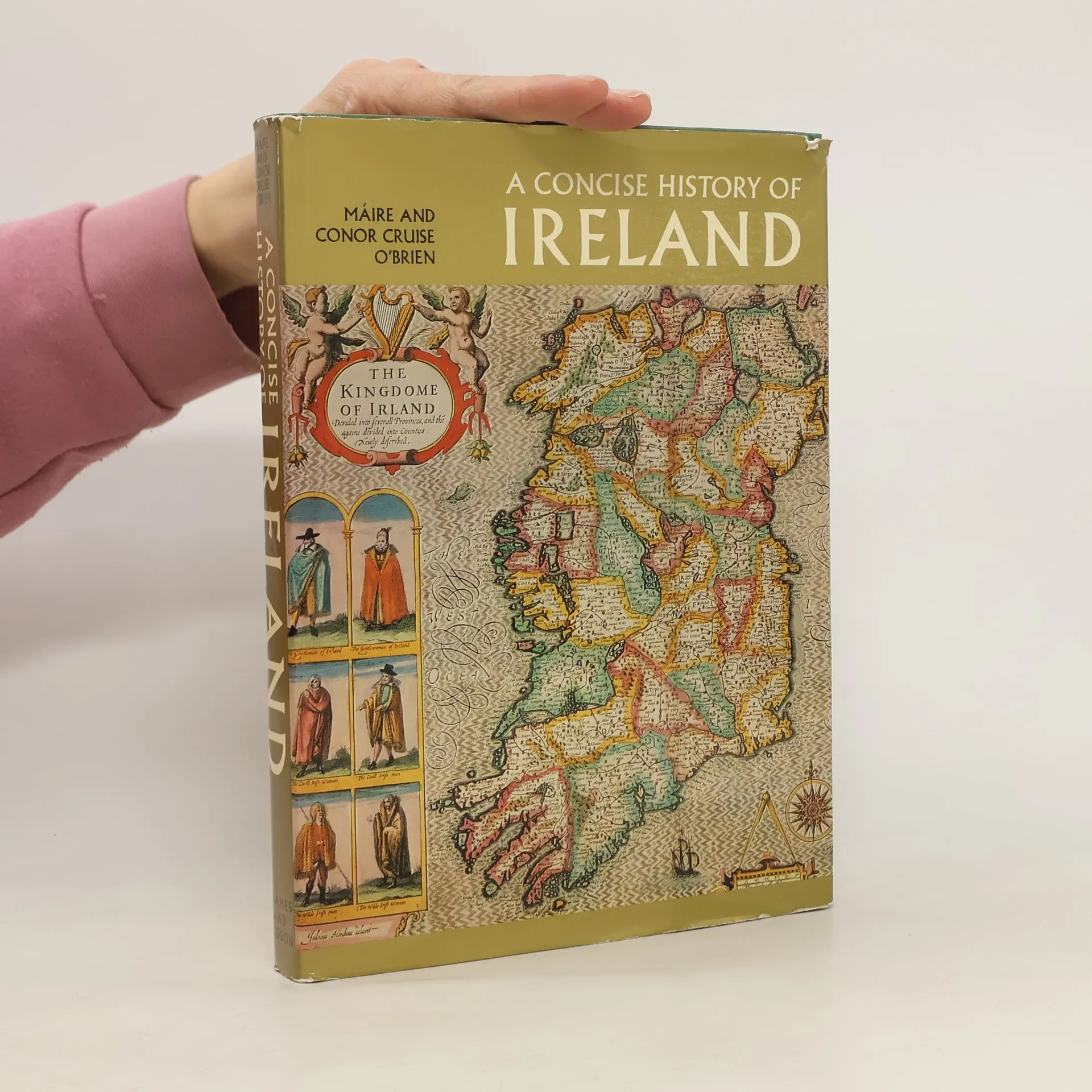
There is a tragic inevitability about Irish "hatred answering hatred", as Lady Gregory wrote. Four events in particular, Yeats' "four deep, tragic notes", ring through Irish the Catholic revolt against Elizabeth; the battle of the Boyne, which established the Protestant Ascendancy; the impact of the French Revolution; and the fall from power of Charles Stewart Parnell, which turned Ireland away from peaceful solutions to its ills. The authors bring the story up to the present, then look ahead to the end of the century.
- 1968
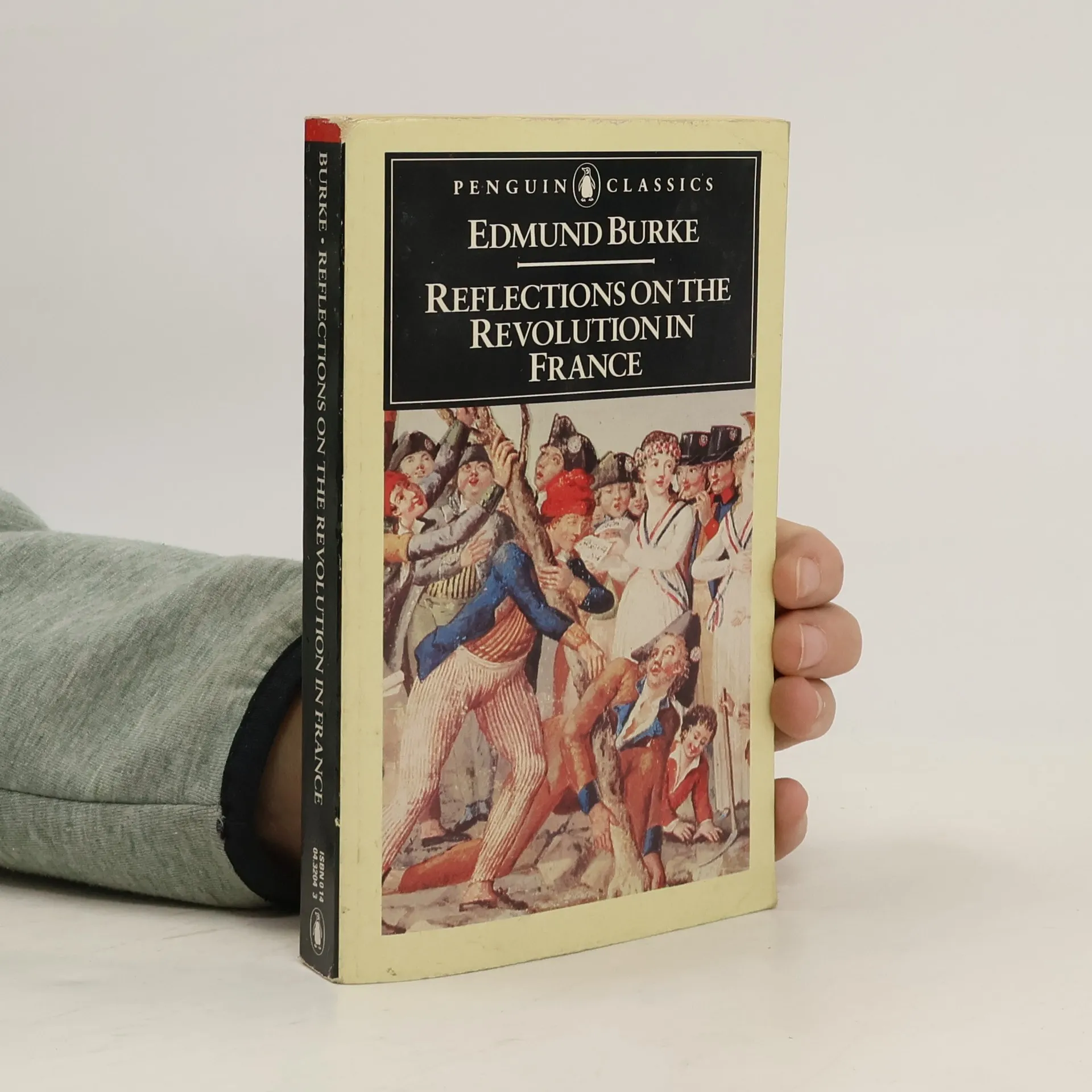
Reflections on the revolution in France
- 400bladzijden
- 14 uur lezen
Presenting a scathing attack on the French revolution's attitudes to existing institutions, property and religion, this work makes a cogent case for upholding inherited rights and established customs. It argues for piecemeal reform rather than revolutionary change, and deplores the influence the revolution might have in Britain.