

Stephen Ambrose was een Amerikaanse historicus die werd gevierd voor zijn inzichtelijke biografieën van Amerikaanse presidenten. Zijn werk verdiepte zich in de levens en presidentschappen van figuren als Dwight Eisenhower en Richard Nixon. Ambrose's vertelstijl bracht historische gebeurtenissen tot leven, waardoor complexe politieke landschappen toegankelijk werden voor een breed publiek. Zijn bijdragen aan de presidentiële geschiedenis en Amerikaanse studies zijn significant en bieden lezers een boeiende kijk op het verleden van de natie.
Band of Brothers vertelt het persoonlijke verhaal van de soldaten van de bijzondere eenheid – Easy Company – die in de Tweede Wereldoorlog altijd en overal de gevaarlijkste opdrachten kreeg toebedeeld. Het authentieke verhaal is gebaseerd op urenlange interviews met de weinige overlevenden van Easy Company, aangevuld met brieven en dagboeknotities van de soldaten zelf. Stephen E. Ambrose luisterde, noteerde en vergeleek alle verhalen met elkaar en schilderde uiteindelijk een haarscherp en aangrijpend beeld van het leven en de lotgevallen van deze Amerikaanse helden, in hun eigen woorden.

Stephen E. Ambrose narrates the extraordinary journey of Easy Company, 506th Parachute Infantry Regiment, 101st Airborne Division, US Army, composed of ordinary men who became remarkable soldiers during World War II. Formed in the summer of 1942, these citizen soldiers were motivated by a $50 monthly bonus and a desire to excel. Their training in Georgia laid the foundation for their exceptional performance in combat, particularly during pivotal moments in Holland and the Ardennes.
Easy Company faced relentless challenges, earning tough assignments as they advanced through Europe. They parachuted into France on D-Day, neutralizing a critical artillery battery, and later participated in the Arnhem campaign. During the Battle of the Bulge, they held the line in Bastogne, surrounded yet resolute, before spearheading a counteroffensive. Their journey culminated in the capture of Hitler's Eagle's Nest in Berchtesgaden.
These men, shaped by the hardships of the Depression, formed a deep bond through shared experiences. Despite their rough edges—drinking too much wine and clashing with fellow soldiers—they learned selflessness and camaraderie. This account highlights the sacrifices they made for one another, the harsh realities of war, and the leadership that inspired them. E Company exemplified resilience, enduring extreme hardships and significant casualties, with the Purple Heart symbolizing their commitment and sacrifice.
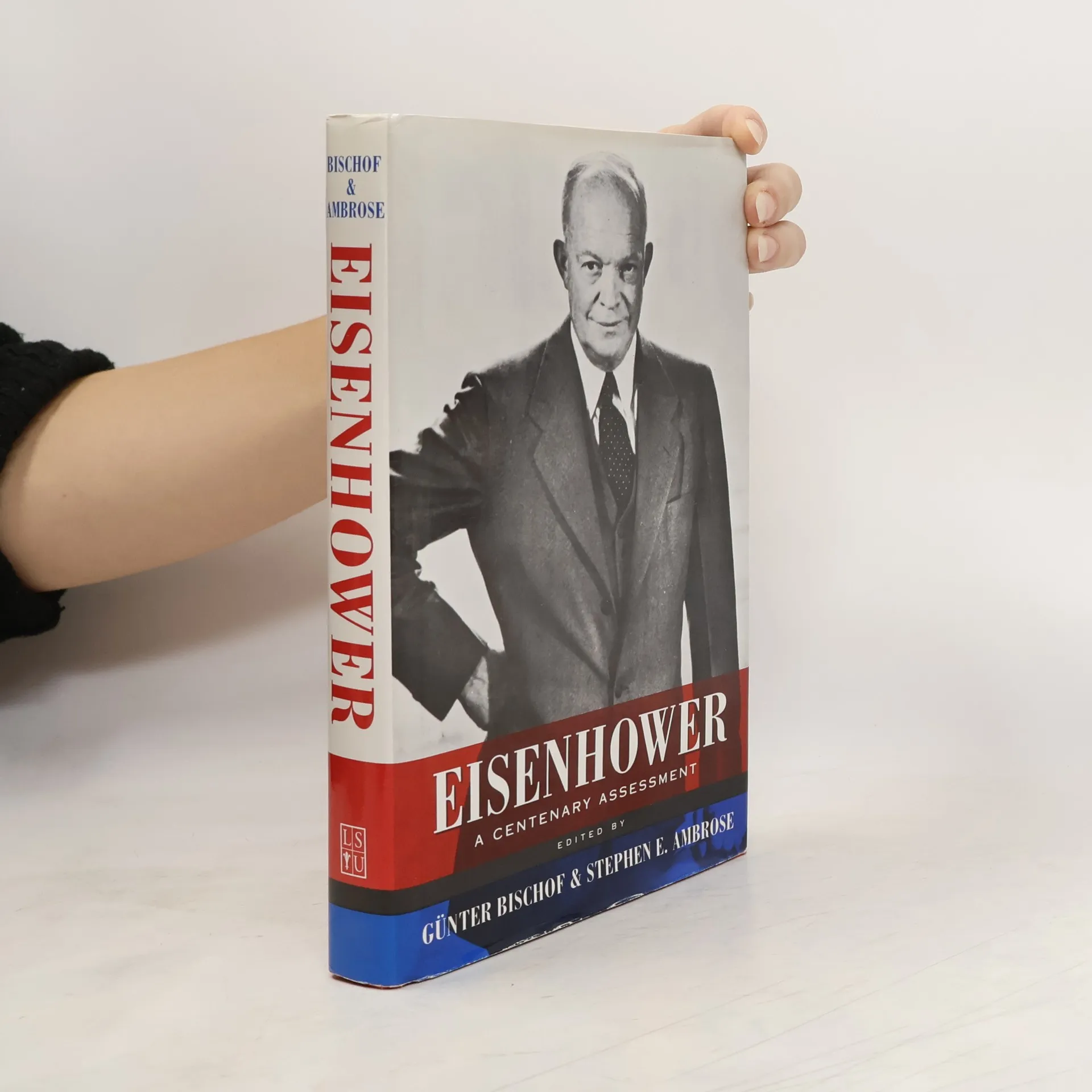
In observance of Dwight David Eisenhower's one-hundredth birthday in 1990, the Eisenhower Center at the University of New Orleans hosted lectures by distinguished scholars offering diverse interpretations of the thirty-fourth U.S. president. In "Eisenhower: A Centenary Assessment," Günter Bischof and Stephen E. Ambrose compile thirteen revised lectures that significantly contribute to Eisenhower scholarship. The collection presents a balanced view, featuring essays from both revisionist and postrevisionist scholars. Four essays focus on Eisenhower's historiography and military leadership, two examine his domestic policies, and the remaining essays delve into ongoing research regarding his foreign policy, highlighting the evolving evaluation of his diplomatic actions. Ambrose concludes with a summary of Eisenhower's achievements and legacies. As noted in the Introduction, Eisenhower's pivotal role in twentieth-century history ensures that his impact will continue to be reinterpreted and debated. His reputation has fluctuated over time, reflecting the changing perspectives of scholars from negative contemporary views to the enthusiasm of revisionists and the critical assessments of later scholars. This centennial reexamination of Eisenhower's historical significance will serve as a milestone for future scholarship.
It is the young men born into the false prosperity of the 1920s and brought up in the bitter realities of the Depression of the 1930s that this book is about. The literature they read as youngsters was anti-war and cynical, portraying patriots as suckers, slackers and heroes. None of them wanted to be part of another war. They wanted to be throwing baseballs, not handgrenades; shooting .22s at rabbits, not M-1s at other young men. But when the test came, when freedom had to be fought for or abandoned, they fought (from the Prologue).
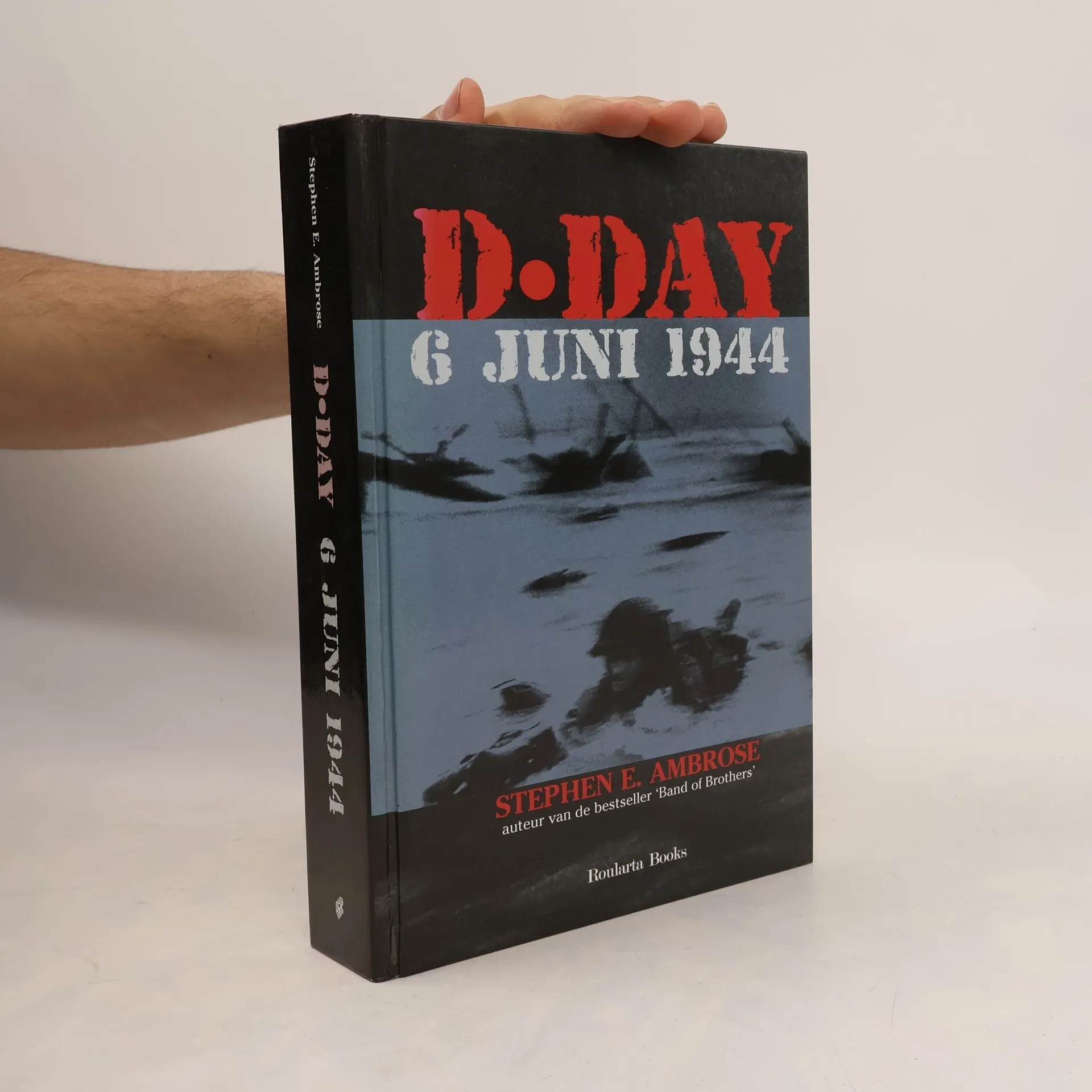
The book begins at midnight, 5-6 June 1944, when the first British and American airborne troops penetrated France and launched the invasion. What happens in between is covered from every perspective: the high command, the enlisted ranks, the French civilians the German defenders, and Allied attackers by land, sea and air.
THE VICTORS is a breathtaking new work from bestselling historian Stephen E. Ambrose. It follows the momentous events of the war from D-Day, 6 June 1944, through to the final days when the Allied soldiers pushed the German troops out of France, chased them across Germany, and, on 7 May 1945, destroyed the Nazi regime. At the centre of this epic drama are the citizen soldiers, the boys who became men as they fought, proving eventually unbeatable. Drawing from his extensive research for his previous bestselling books on the conflict, Ambrose creates one of the most exciting single-volume histories of the Second World War ever written. THE VICTORS is a compelling celebration of military genius and heroism, and of camaraderie and courage.
War stories. An authoritative collection of military histories from one of the foremost authors on the subject, Stephen E. Ambrose,historical consultant on Steven Spielberg's Saving Private Ryan. Each title include a full index and list of sources.
741 Squadron, on a Wing and a Prayer Over Occupied Europe
299bladzijden
11 uur lezen
This title describes how the United States Air Force recruited, trained and then chose the few who would undertake the most demanding and dangerous jobs in WWII. These were the boys turned pilots, bombardiers, navigators and gunners of the B24s, who suffered 50 per cent casualties.
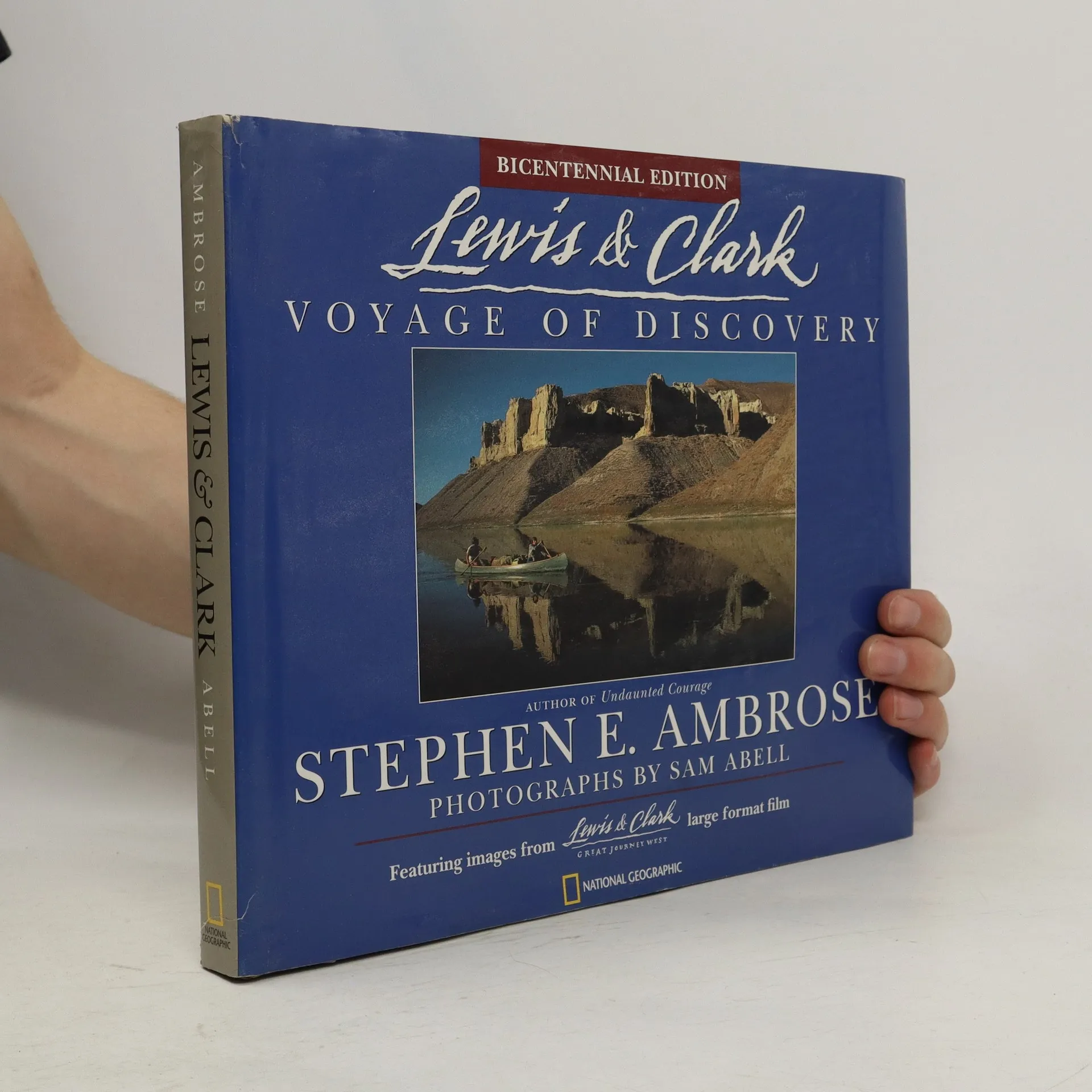
Join best-selling author and historian Stephen Ambrose as he and his family journey in the footsteps of Lewis & Clark. Eight chapters weave Ambrose's rich narrative with choice entries from the explorers' journals, with the author's own story of how his family discovered the Trail today, changed by time but timeless in its inspiration. NG photographer Sam Abell's compelling modern images from Missouri to the Pacific Coast offset historic photos, art, and maps, some sketched by Lewis and Clark themselves. In coordination with the Lewis and Clark IMAX film to be released in 2002, the book features a new introduction by Ambrose, which focuses on the making of the film and the importance of commemorating this critical event in American history through the film. His new introduction is accompanied by full-color photographs of the IMAX filming, to give a fresh and intimate view of the voyage today.