

Alan Rusbridger schildert in „Breaking News“ seine 20-jährige Zeit als Chefredakteur des Guardian und beleuchtet, wie er die Zeitung zum führenden Online-Nachrichtenmedium entwickelte. Er thematisiert bedeutende Enthüllungen wie die von Edward Snowden und die Wikileaks-Veröffentlichungen und reflektiert die drastischen Veränderungen in der Nachrichtenlandschaft. Mit der raschen Verbreitung von Falschinformationen und dem Einfluss von Algorithmen sieht er die Glaubwürdigkeit der Medien in Gefahr. Rusbridger plädiert für eine Neuausrichtung des Journalismus, um die Demokratie zu schützen und seine essentielle Rolle zurückzugewinnen.
Alan Rusbridger Volgorde van de boeken (chronologisch)

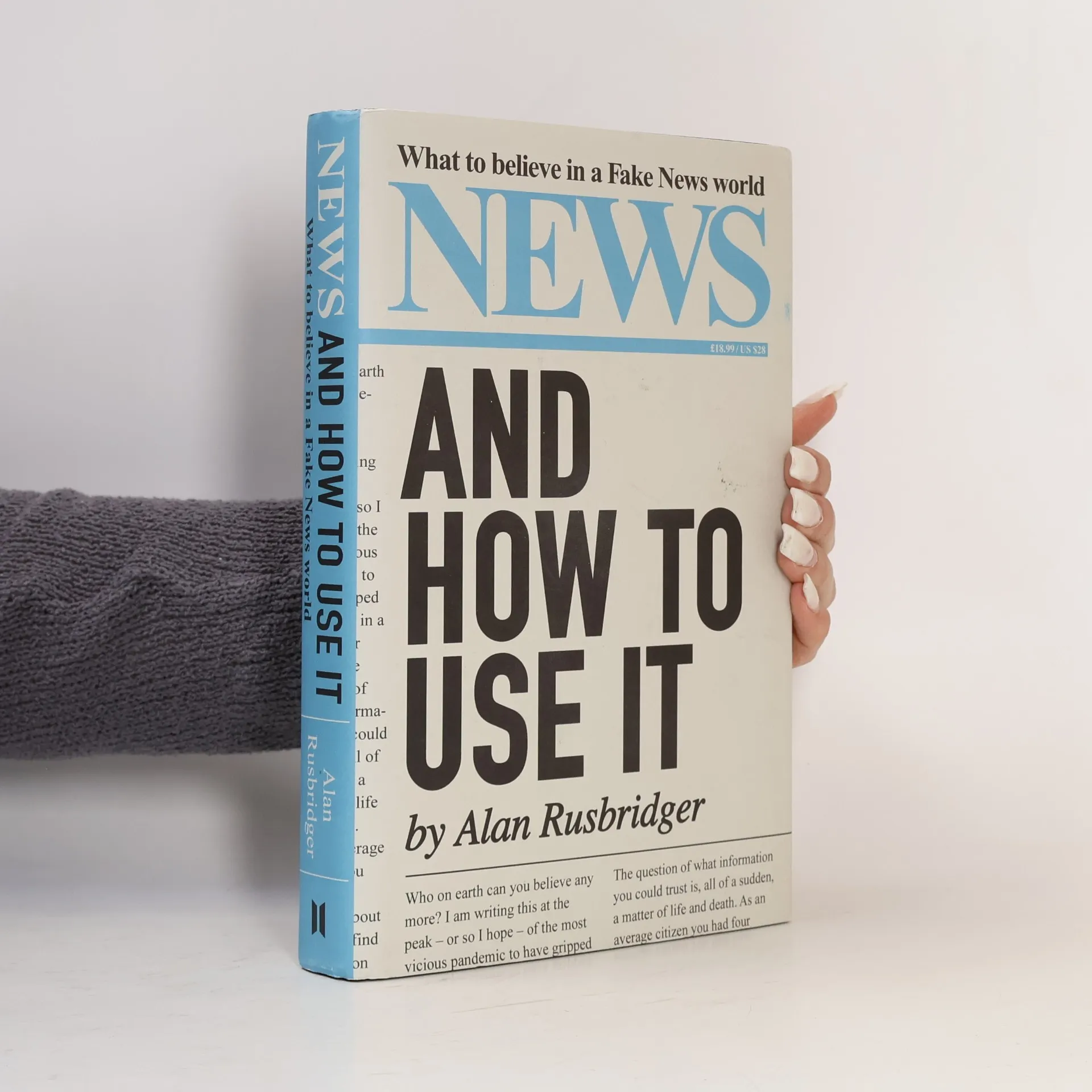

News
- 304bladzijden
- 11 uur lezen
Nothing in life works without facts.A society that isn't sure what's true can't function. Without facts there can be no government or law. Science is ignored. Trust evaporates.People everywhere feel ever more alienated from - and mistrustful of - news and those who make it. We no longer seem to know who or what to believe. We are living through a crisis of 'information chaos'.News: And How to Use It is a glossary for this bewildering age. From AI to Bots, from Climate Crisis to Fake News, from Clickbait to Trolls (and more), here is the definitive user's guide for how to stay informed, tell truth from fiction and hold those in power accountable in the modern age.
Breaking News
- 304bladzijden
- 11 uur lezen
A powerful and profound study of the news - how we read it, who controls it and why it matters - from former Guardian Editor-in-Chief Alan Rusbridger.
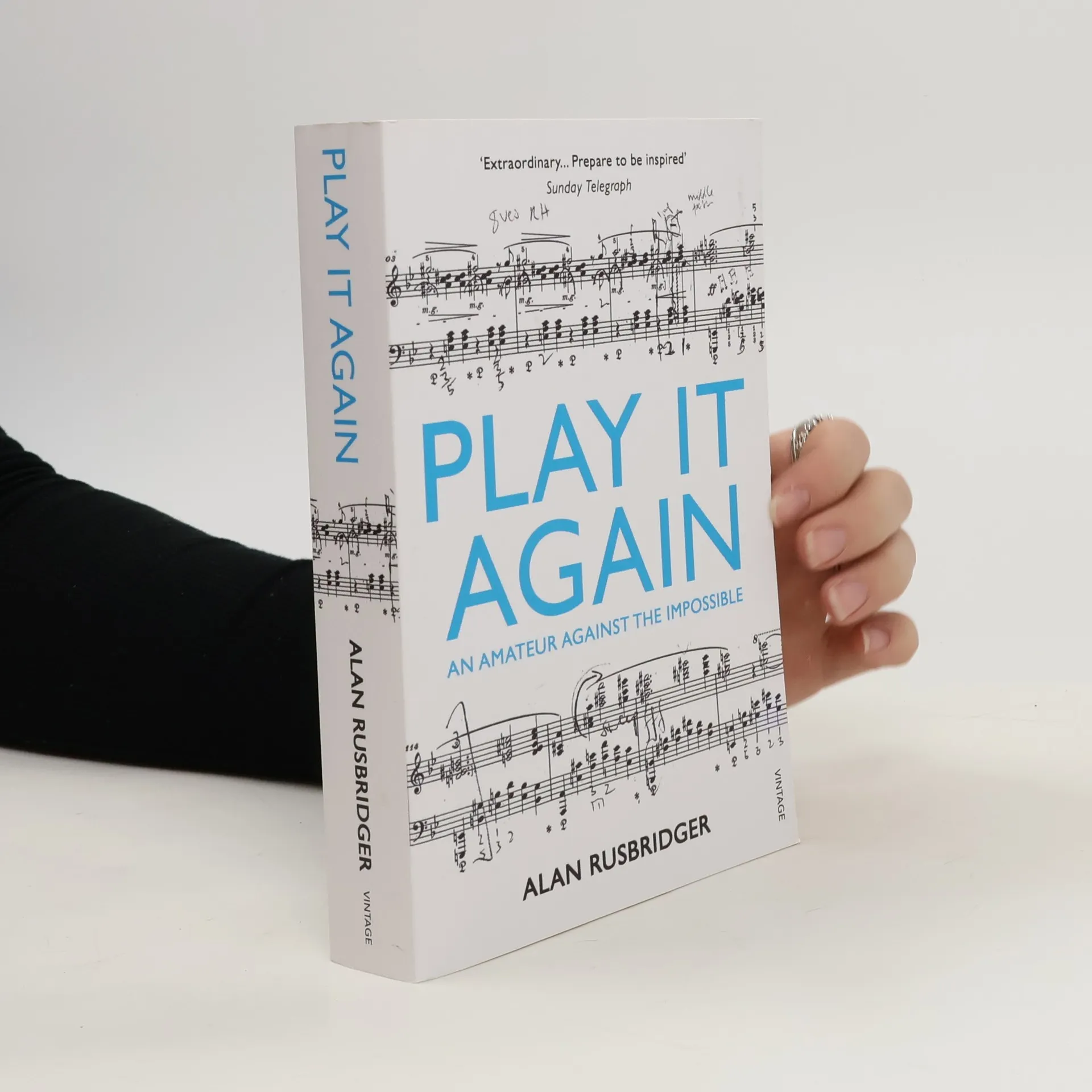
Play it Again
- 416bladzijden
- 15 uur lezen
In 2010, Alan Rusbridger, the editor of the Guardian, set himself an almost impossible task: to learn, in the space of a year, Chopin's Ballade No. 1 - a piece that inspires dread in many professional pianists. His timing could have been better. The next twelve months were to witness the Arab Spring, the Japanese tsunami, the English riots, and the Guardian's breaking of both WikiLeaks and the News of the World hacking scandal. In the midst of this he carved out twenty minutes; practice a day - even if that meant practising in a Libyan hotel in the middle of a revolution - as well as gaining insights and advice from an array of legendary pianists, theorists, historians and neuroscientists, and even occasionally from secretaries of state. But was he able to play the piece in time?