

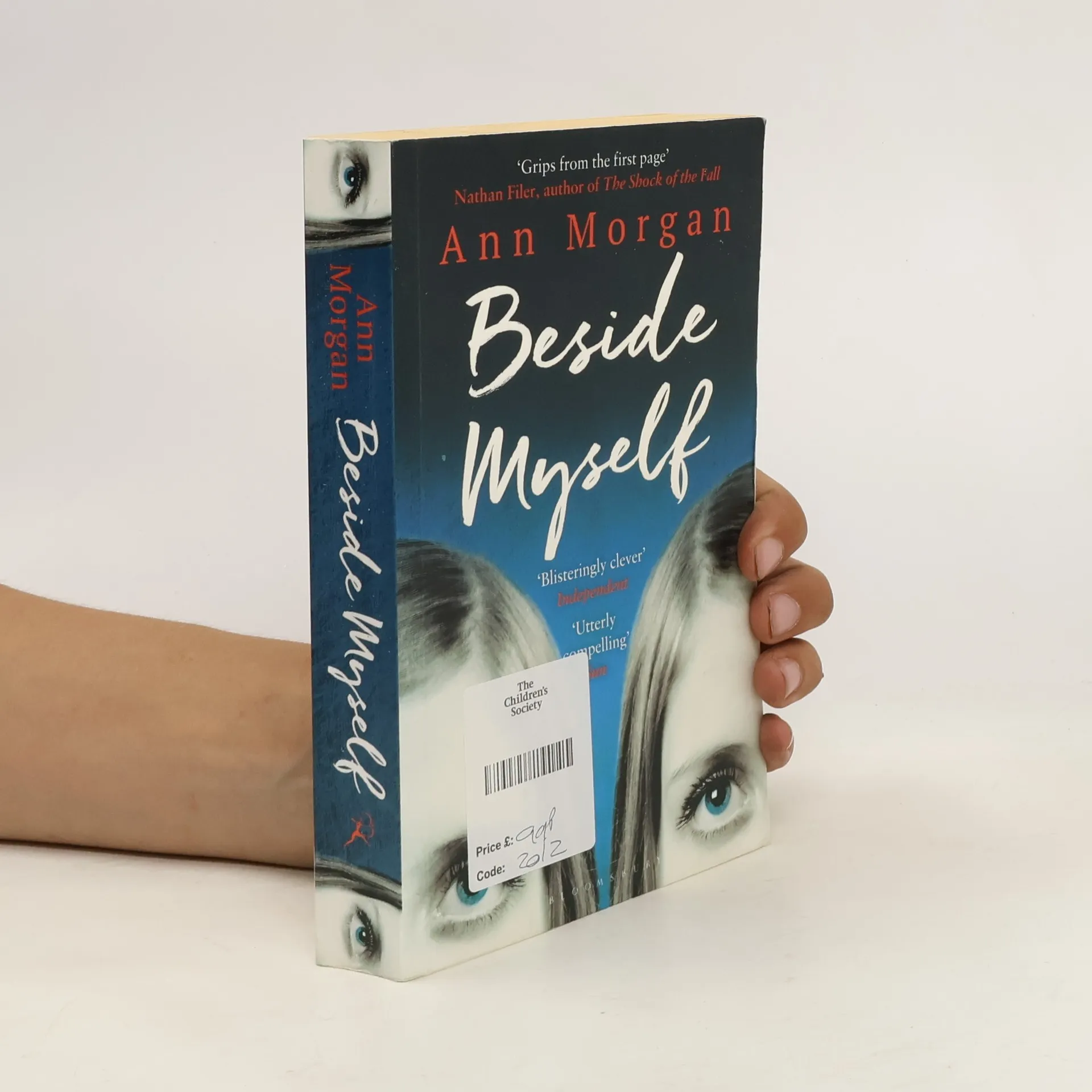
Beside Myself is the story of twin sisters, a childhood game with devastating consequences and the slippery nature of identity Helen and Ellie are identical twins – like two peas in a pod, everyone says. The girls know this isn’t true, though: Helen is the leader and Ellie the follower. Until they decide to swap places: just for fun, and just for one day. But Ellie refuses to swap back... And so begins a nightmare from which Helen cannot wake up. Her toys, her clothes, her friends, her glowing record at school, the favour of her mother and the future she had dreamed of are all gone to a sister who blossoms in the approval that used to belong to Helen. And as the years pass, she loses not only her memory of that day but also herself – until eventually only ‘Smudge’ is left. Twenty-five years later, Smudge receives a call from out of the blue. It threatens to pull her back into her sister’s dangerous orbit, but if this is her only chance to face the past, how can she resist? Beside Myself is a compulsive and darkly brilliant psychological drama about family and identity – what makes us who we are and how very fragile it can be.
Ann Morgan Boeken
Ann Morgan is een freelance schrijfster en redactrice wier werk zich verdiept in de leeservaring en haar inzichten deelt via haar blog. Haar schrijven verkent vaak de wereld van de literatuur door onconventionele lenzen, en nodigt lezers uit om na te denken over hoe we lezen. Door haar proza biedt ze een uniek perspectief op het literaire landschap en hoe boeken ons met verschillende werelden kunnen verbinden. Haar blog is een bewijs van de kracht van verhalen en hun vermogen om ons leven te verrijken.

The Black Arts Movement and the Black Panther Party in American Visual Culture
- 232bladzijden
- 9 uur lezen
This book examines a range of visual expressions of Black Power across American art and popular culture from 1965 through 1972. It begins with case studies of artist groups, including Spiral, OBAC and AfriCOBRA, who began questioning Western aesthetic traditions and created work that honored leaders, affirmed African American culture, and embraced an African lineage. Also showcased is an Oakland Museum exhibition of 1968 called "New Perspectives in Black Art," as a way to consider if Black Panther Party activities in the neighborhood might have impacted local artists' work. The concluding chapters concentrate on the relationship between selected Black Panther Party members and visual culture, focusing on how they were covered by the mainstream press, and how they self-represented to promote Party doctrine and agendas.
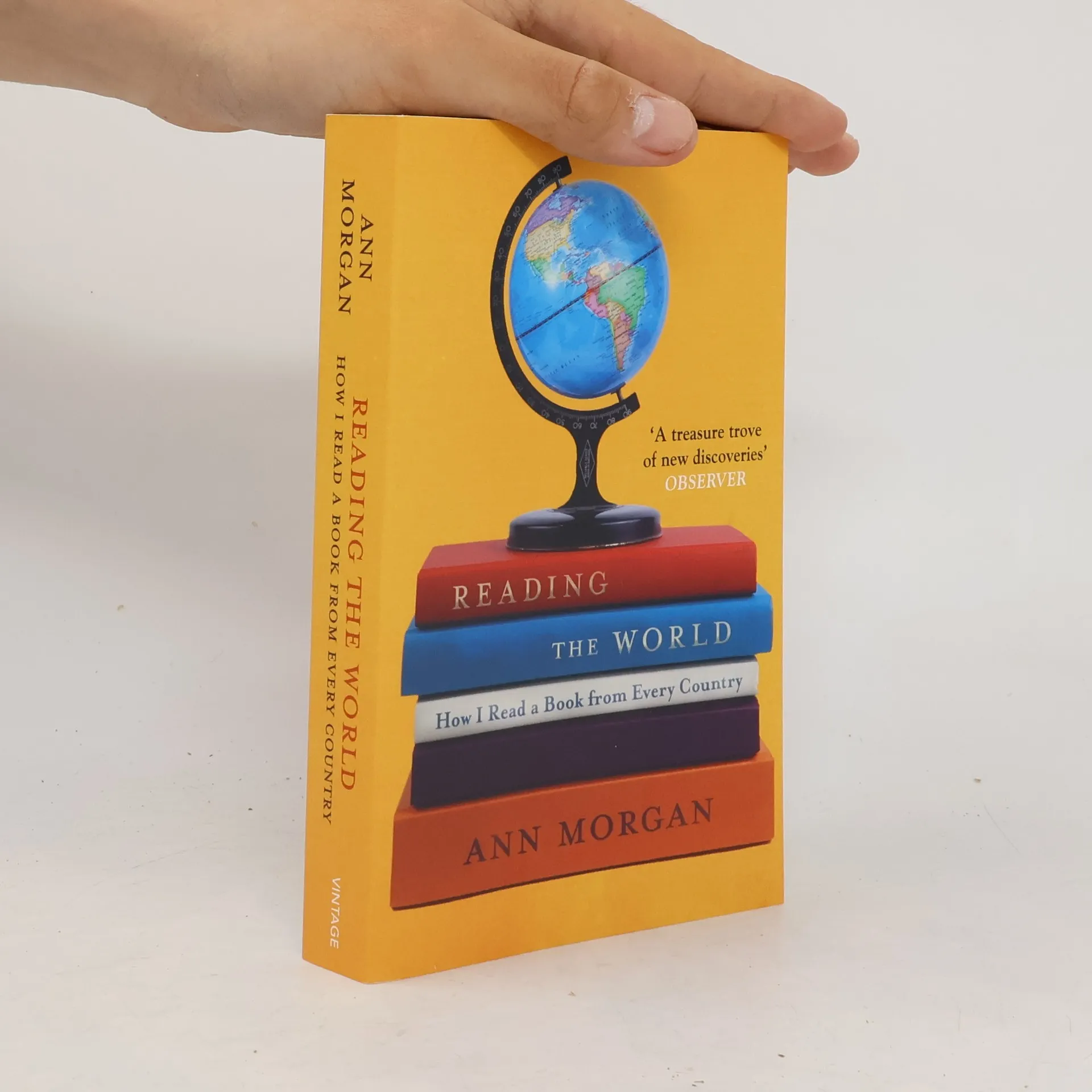
'A brilliant, unlikely book' Spectator How can we celebrate, challenge and change our remarkable world? In 2012, the world arrived in London for the Olympics...and Ann Morgan went out to meet it. She read her way around all the globe's 196 independent countries (plus one extra), sampling one book from every nation. It wasn't easy. Many languages have next to nothing translated into English; there are tiny, tucked-away places where very little is written down; some governments don't like to let works of art escape their borders. Using Morgan's own quest as a starting point, Reading the World explores the vital questions of our time and how reading across borders might just help us answer them. 'Revelatory... While Morgan's research has a daunting range...there is a simple message- reading is a social activity, and we ought to share books across boundaries' Financial Times