
Bookbot

McDonough William K.

    20 februari 1951

    William McDonough is een visionaire ontwerper en adviseur die het ontwerp van de wereld fundamenteel verandert. Hij is mede-ontwikkelaar van het 'Cradle to Cradle'-concept en auteur van invloedrijke publicaties. Zijn werk richt zich op het creëren van duurzame en regeneratieve systemen. Hij zet zich al lange tijd in voor principes die leiden tot een positieve impact op de planeet.

    Einfach intelligent produzieren
    Božská příroda : duchovní pohled na krizi životního prostředí
    Revolution Justified
    The Upcycle : Beyond Sustainability - Designing For Abundance
    Cradle to Cradle
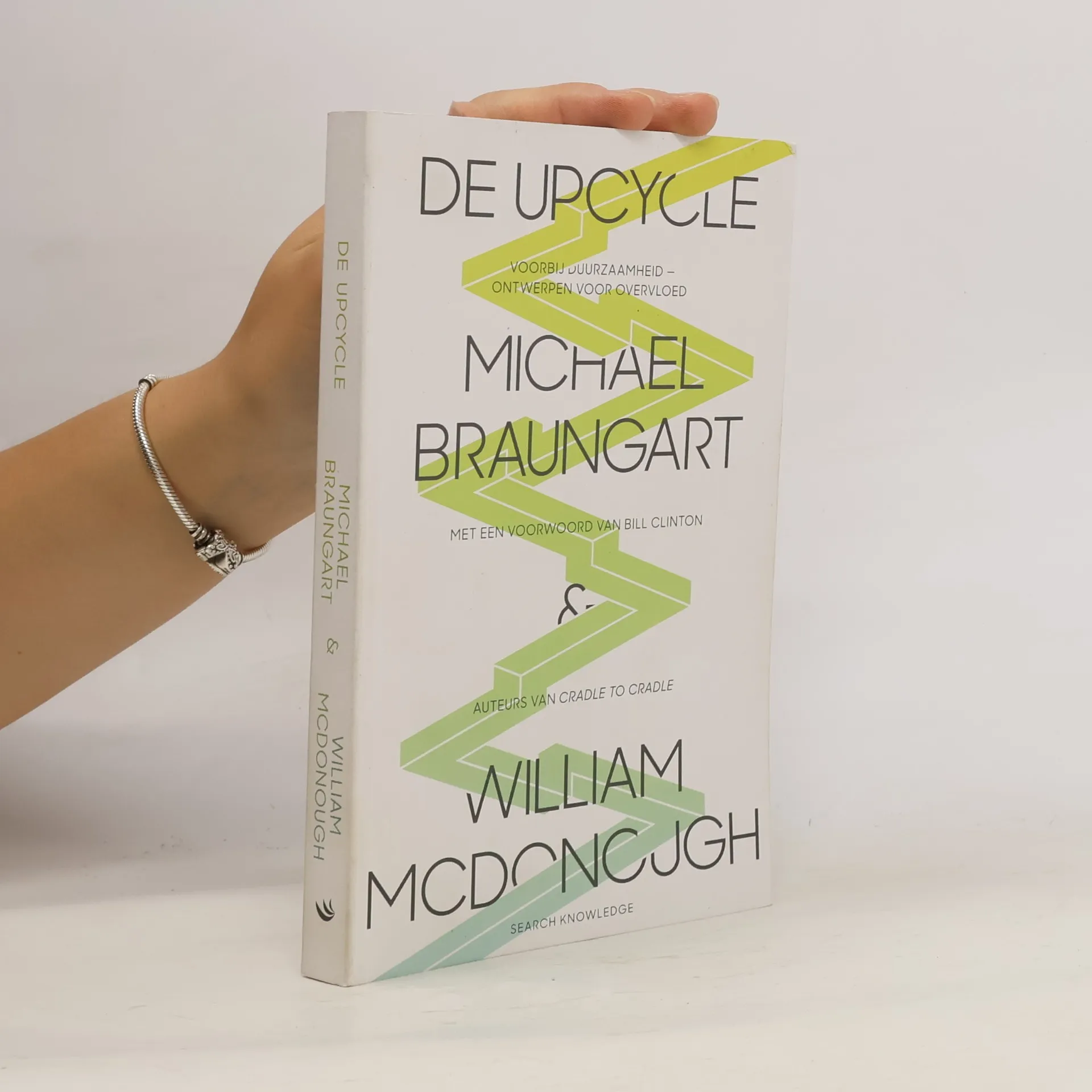
    • From the authors "Cradle to Cradle," the next step, in how society must change the way it uses resources. Drawing on the lessons gained from 10 years of using the cradle-to-cradle concept, McDonough and Braungart envision the next step in the solution to our ecological crisis.

      The Upcycle : Beyond Sustainability - Designing For Abundance2013
      4,1
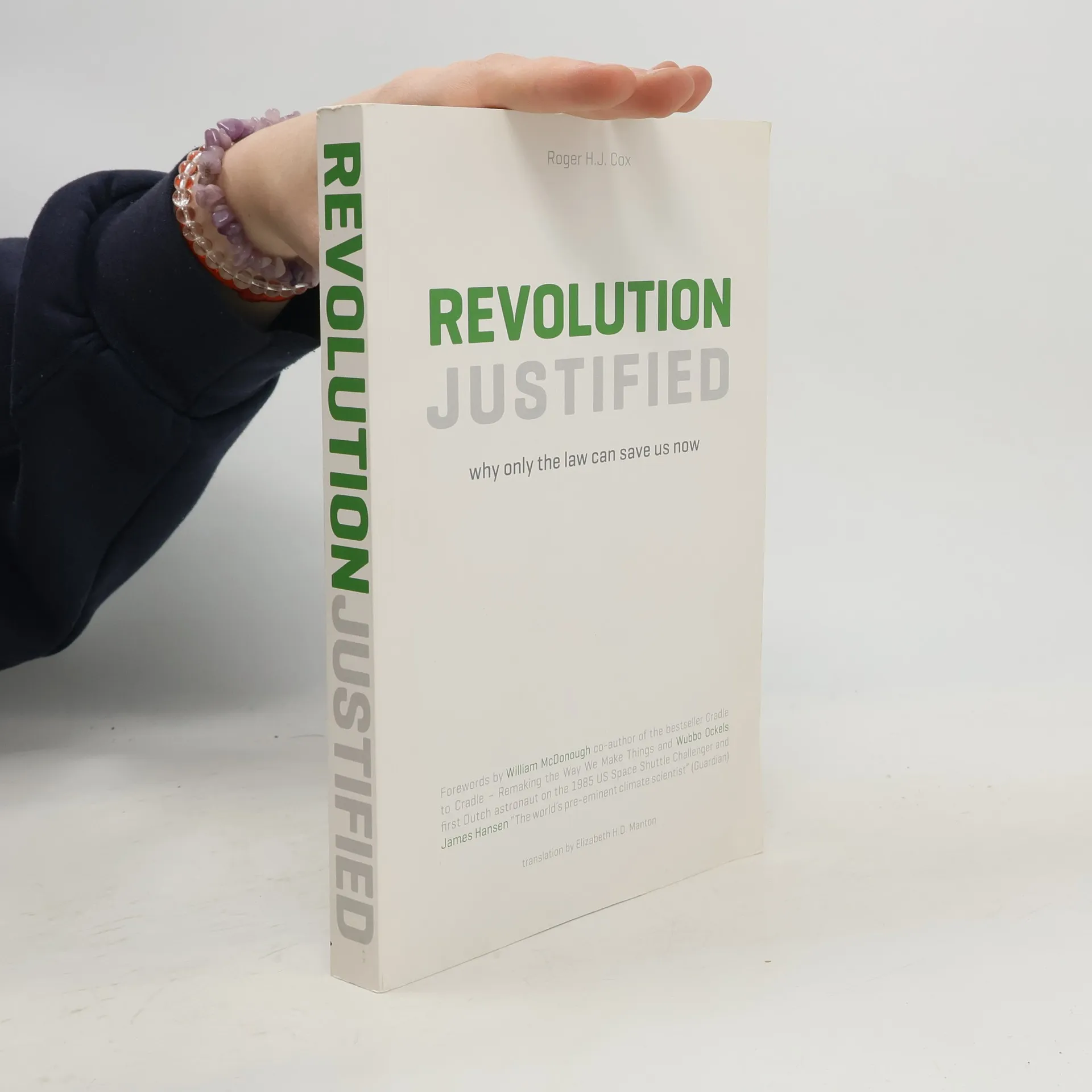
    • Revolution Justified

      Why Only the Law Can Save Us Now

      • 328bladzijden
      • 12 uur lezen

      Military reports indicate that looming energy crises threaten Western society, potentially undermining democracy and the rule of law while escalating aggressive geopolitics and damaging essential ecosystem services. The dual challenges of climate change and oil decline pose significant risks, as explored in this insightful work by attorney Roger Cox. He argues that current market mechanisms and political models are inadequate to catalyze an energy revolution necessary to address these crises. This impasse could lead to severe domestic human rights violations reminiscent of post-World War II concerns. Cox suggests that the judiciary must intervene to guide Western governments out of this perilous situation. By examining cases from the US, UK, Netherlands, and the EU, he illustrates that existing legal frameworks can facilitate a more effective energy transition. He advocates for judicial action to combat climate change, asserting that government inaction on greenhouse gas regulation endangers societal well-being. Cox's landmark case against the Dutch government, resulting in a court order to reduce CO2 emissions by 25% by 2020, exemplifies this approach. He is also instrumental in establishing a network for climate litigation globally and leads initiatives in sustainable development through his law practice and the Planet Prosperity Foundation, earning recognition as a key figure in sustainable real estate.

      Revolution Justified2012
    • "Autos aus Autos? Schuhe als Düngemittel für unsere Balkonblumen? Zukünftig gibt es nur noch zwei Arten von Produkten: Verbrauchsgüter, die vollständig biologisch abgebaut werden können, und Gebrauchsgüter, die sich endlos recyclen lassen. Die Devise lautet: Nicht weniger müssen wir produzieren, sondern verschwenderisch und in technischen und biologischen Kreisläufen. Eine ökologisch-industrielle Revolution steht uns bevor, mit der Natur als Vorbild. Und was die beiden Fachleute in anschaulicher Weise darbieten, ist keineswegs nur graue Theorie, sondern das Ergebnis eigener praktischer Erfahrungen: Michael Braungart und William McDonough erproben seit Jahren mit Firmen wie Ford, Nike, Unilever und BP erfolgreich die Realisierbarkeit ihrer Ideen." -- Herausgeber.

      Einfach intelligent produzieren2003
      3,8
    • Cradle to Cradle

      • 237bladzijden
      • 9 uur lezen

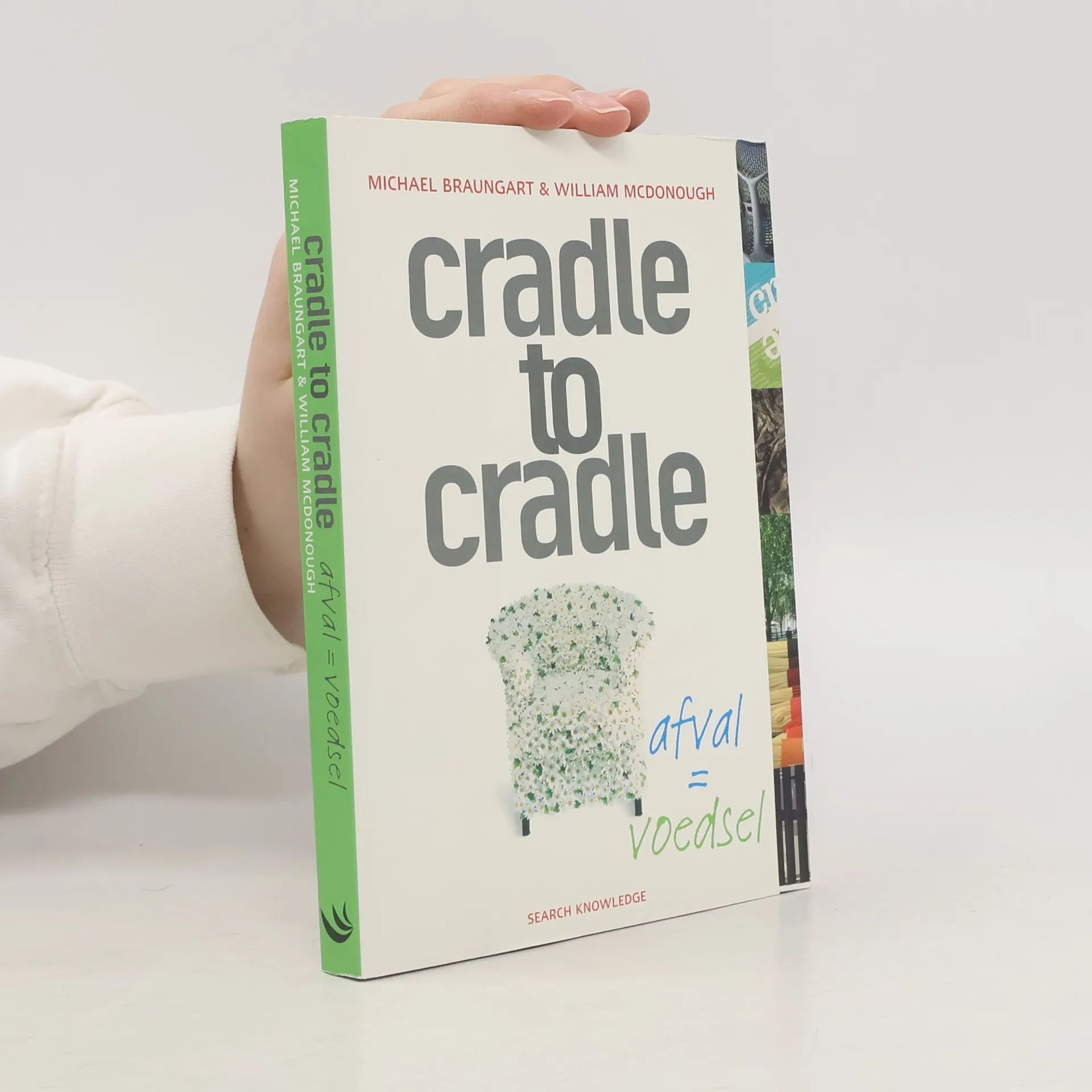
      Het huidige milieudenken spoort aan tot 'beperken, hergebruiken en recyclen', ofwel: doe meer met minder om de schade te beperken. Maar dat leidt, zoals chemicus Michael Braungart en architect William McDonough in dit visionaire boek aangeven, alleen maar tot het instandhouden van het productiemodel van 'cradle to grave', dat enorme hoeveelheden afval en vervuiling produceert. De visie van Braungart en McDonough klinkt provocerend: 'We moeten niet minder consumeren, maar juist meer.' Dat kan. Als we ophouden met het maken van 'minder slechte' producten en uitsluitend nog intelligente producten ontwerpen, gemaakt van materialen die we steeds weer kunnen teruggeven aan technische of biologische kringlopen. Met dit grondbeginsel als richtlijn leggen de auteurs uit hoe dingen van meet af aan kunnen worden ontworpen. Puttend uit hun ervaringen met het (her)ontwerpen van producten voor grote opdrachtgevers als Ford, Unilever, Nike, Herman Miller, BP en Rohner Textil bouwen Braungart en McDonough een revolutionaire argumentatie op om eco-effectiviteit in de praktijk te brengen.

      Cradle to Cradle2002
      4,1