

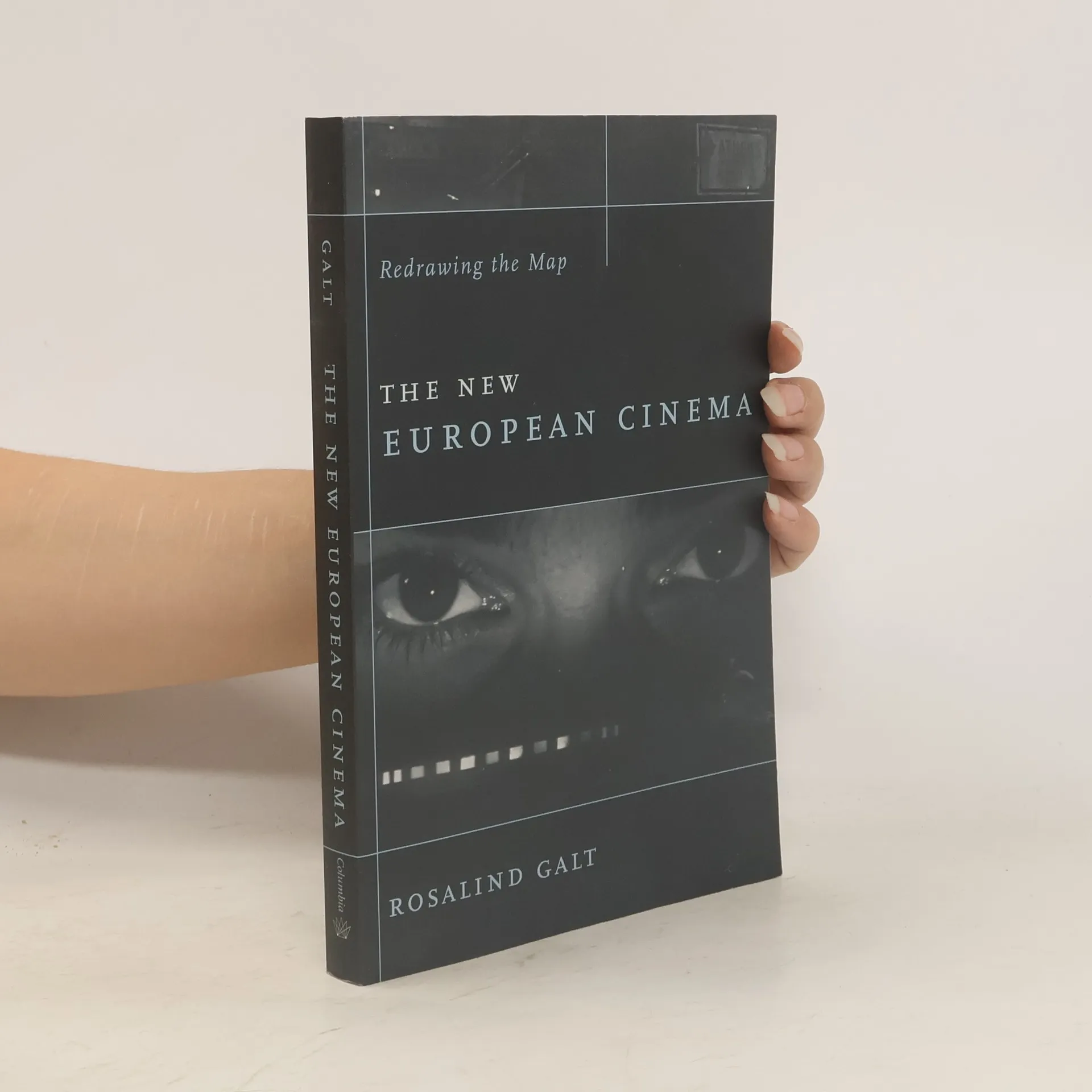
The New European Cinema
Redrawing the Map
New European Cinema offers a compelling response to the evolving cultural landscape of Europe, examining political, aesthetic, and historical developments through innovative readings of influential films from the 1990s. These films, created around the time of the 1989 revolutions yet set in post-World War II Europe, address themes such as the reunification of Germany, the disintegration of the Balkans, and a pervasive sense of historical loss across the continent. They reflect a time when national borders blurred and mid-twentieth-century events were reinterpreted from a multinational perspective. Rosalind Galt provides in-depth case studies of films from Italy, Germany, Eastern Europe, and Scandinavia, reassessing the roles of nostalgia, melodrama, and spectacle in representing history. She analyzes notable works such as Cinema Paradiso, Il Postino, Mediterraneo, Underground, and Zentropa, contrasting them with immediate postwar films, including neorealist works by Rossellini and De Sica, socialist realist cinema from Yugoslavia, and classics like A Foreign Affair and The Third Man. Galt's transnational approach transcends conventional national cinema discussions, offering insights into how post-Berlin Wall European cinema creatively redefined identities, ideologies, and collective memory. By linking these films to contemporary political and philosophical debates on Europe's future, she reshapes the understanding of Europ