Analyse van de huidige economische en politieke crisis en maatschappelijke onvrede, met voorstellen ter verbetering voor een op sociaaldemocratische principes gebaseerde samenleving.
Tony Judt Boeken
2 januari 1948 – 6 augustus 2010
Tony Judt was een vooraanstaand historicus en intellectueel wiens werk diep inging op de moderne geschiedenis van Europa. Zijn schrijven werd gekenmerkt door een scherpe analyse van de politieke en sociale krachten die het continent vormden, gecombineerd met een vermogen om gebeurtenissen uit het verleden te verbinden met huidige uitdagingen. Judt onderzocht de complexiteit van de Europese identiteit, nationalisme en de naoorlogse ontwikkeling met een duidelijke en scherpe stijl. Zijn werk moedigt lezers aan om na te denken over de koers van Europa en de voortdurende vragen over sociale rechtvaardigheid en politiek leven.

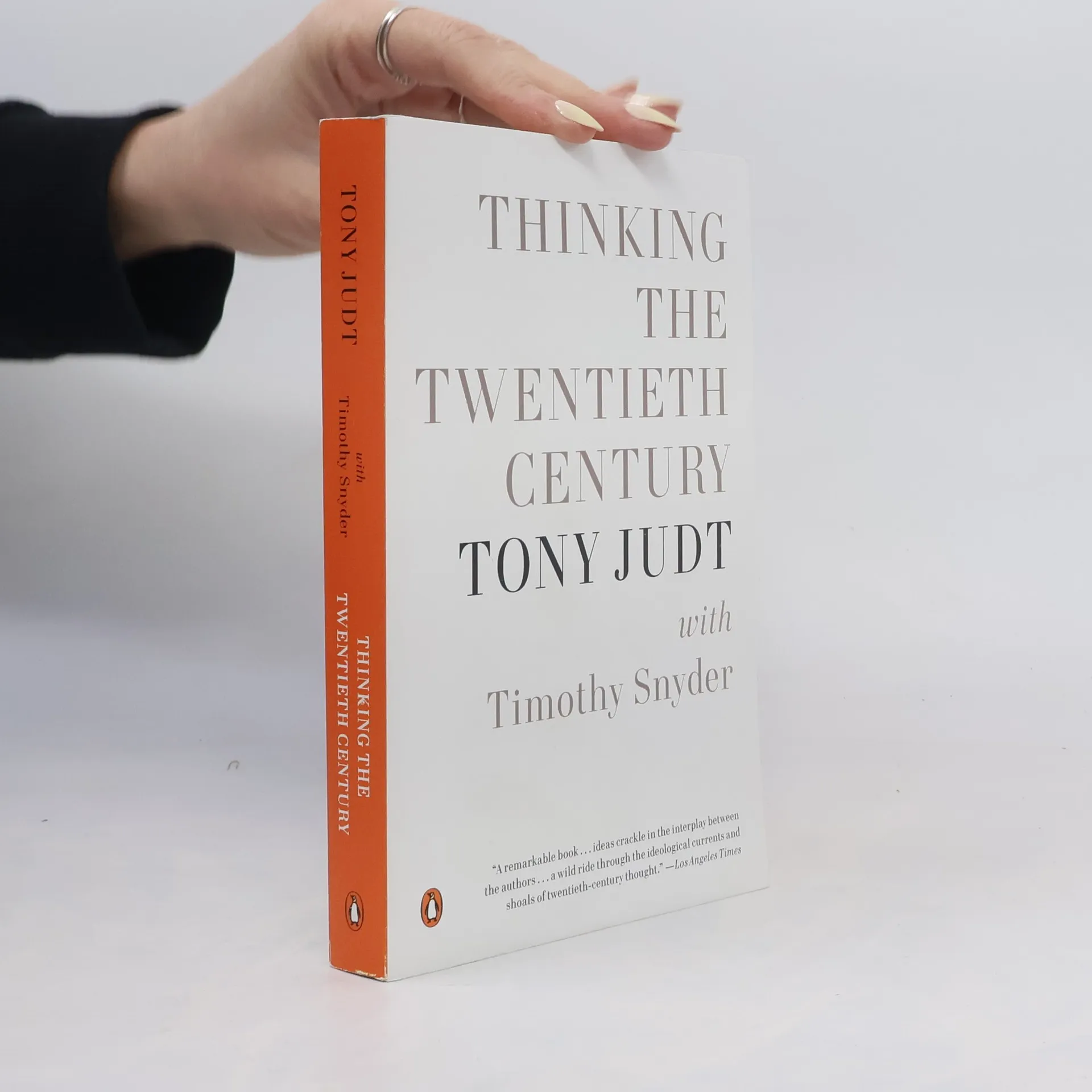
Thinking the Twentieth Century. Nachdenken über das 20. Jahrhundert, englische Ausgabe
- 432bladzijden
- 16 uur lezen
"Ideas crackle" in this triumphant final book of Tony Judt, taking readers on "a wild ride through the ideological currents and shoals of 20th century thought.” (Los Angeles Times) One of our most brilliant historians, Tony Judt brings the past century vividly to life in this unprecedented and original history. Structured as a series of intimate conversations between Judt and his friend and fellow historian Timothy Snyder, Thinking the Twentieth Century presents the triumphs and the failures of the twentieth century's most prominent intellectuals and their ideas, guiding readers through the debates that defined our world. Spanning an era with unprecedented clarity and insight, Thinking the Twentieth Century is a tour de force: a masterful analysis of the life of the mind and an unforgettable guide to leading the mindful life.
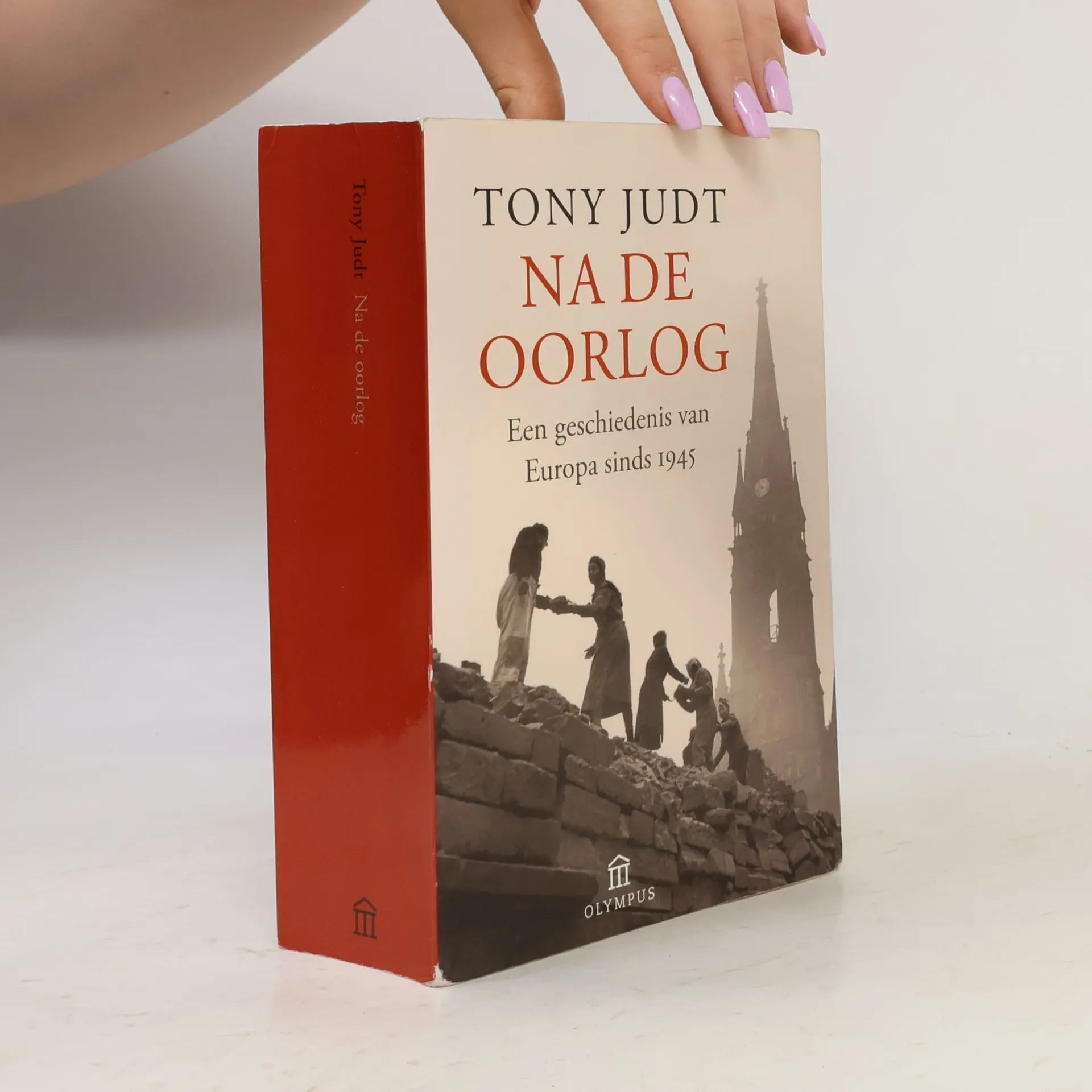
Zelden is een geschiedenisboek met zoveel ontzag en enthousiasme ontvangen als Tony Judts Na de oorlog . Maar dit is dan ook hét boek over de naoorlogse Europese geschiedenis, over 34 landen in een periode van 60 jaar. Na de oorlog laat zien hoe groot de economische gevolgen van de oorlog waren, en hoe Europa zich herstelde. De burgers profiteerden daar pas van sinds de jaren vijftig, en vooral in de jaren zestig, waarna ook de politieke vernieuwingen steeds radicaler werden. Maar dit is niet alleen een geschiedenis van schokkende gebeurtenissen en breuken, de kracht van dit verhaal schuilt vooral in de vertelwijze, die duidelijk maakt dat alle landen, en zelfs alle regio's op bepaalde ogenblikken van een cruciale invloed waren op Europa. Geschiedenis op zijn best: elke samenvatting doet onrecht aan het veelkleurige beeld dat Judt de lezer voorschotelt.
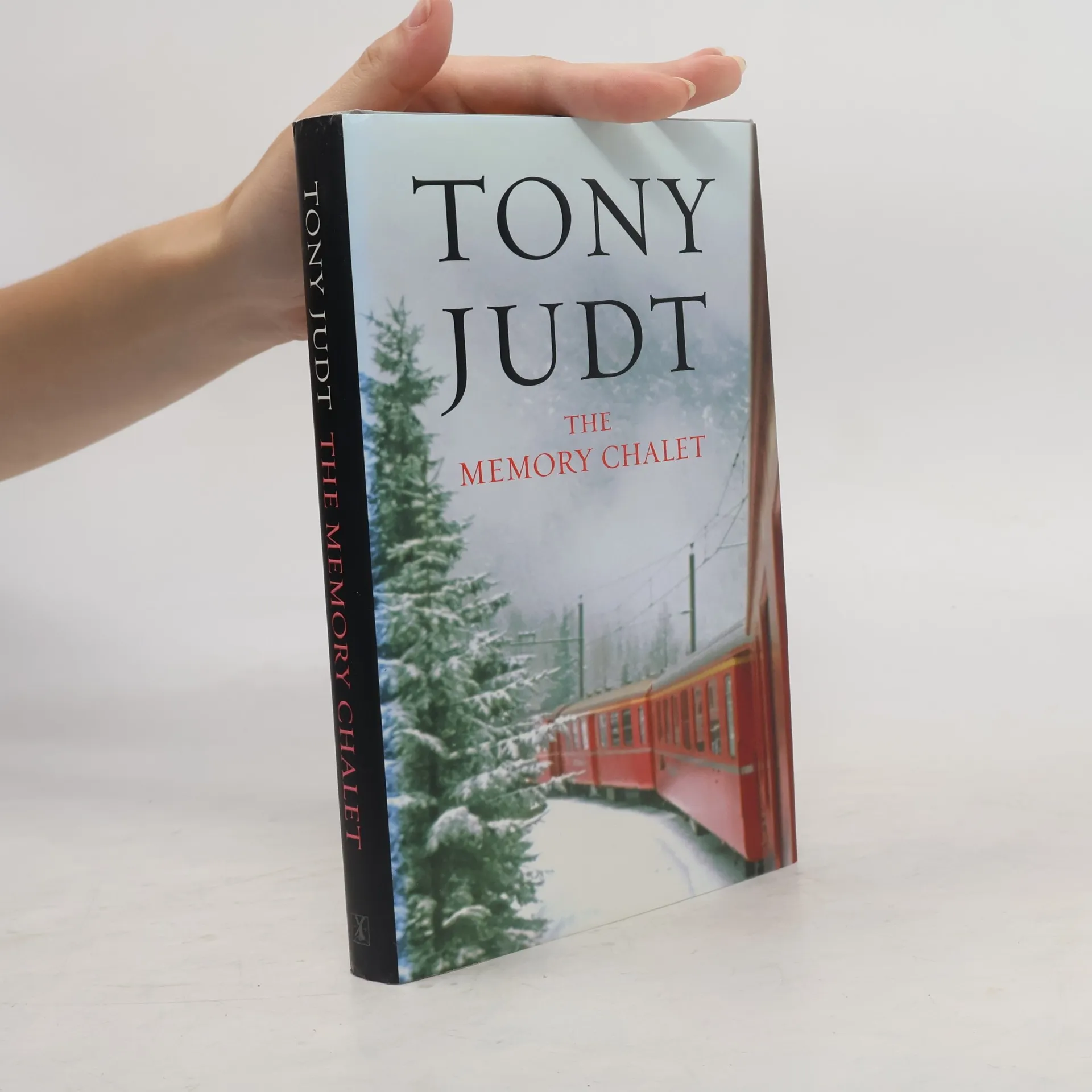
The Memory Chalet
- 226bladzijden
- 8 uur lezen
"It might be thought the height of poor taste to ascribe good fortune to a healthy man with a young family struck down at the age of sixty by an incurable degenerative disorder from which he must shortly die. But there is more than one sort of luck. To fall prey to a motor neuron disease is surely to have offended the Gods at some point, and there is nothing more to be said. But if you must suffer thus, better to have a well-stocked head..." -Tony Judt The Memory Chalet is a memoir unlike any you have ever read before. Each essay charts some experience or remembrance of the past through the sieve of Tony Judt's prodigious mind. His youthful love of a particular London bus route evolves into a reflection on public civility and interwar urban planning. Memories of the 1968 student riots of Paris meander through the divergent sex politics of Europe, before concluding that his generation 'was a revolutionary generation, but missed the revolution'. A series of roadtrips across America lead not just to an appreciation of American history, but to an eventual acquisition of citizenship. Foods and trains and long-lost smells all compete for Judt's attention; but for us, he has forged his reflections into an elegant arc of analysis. All as simply and beautifully arranged as a Swiss chalet - a reassuring refuge deep in the mountains of memory.
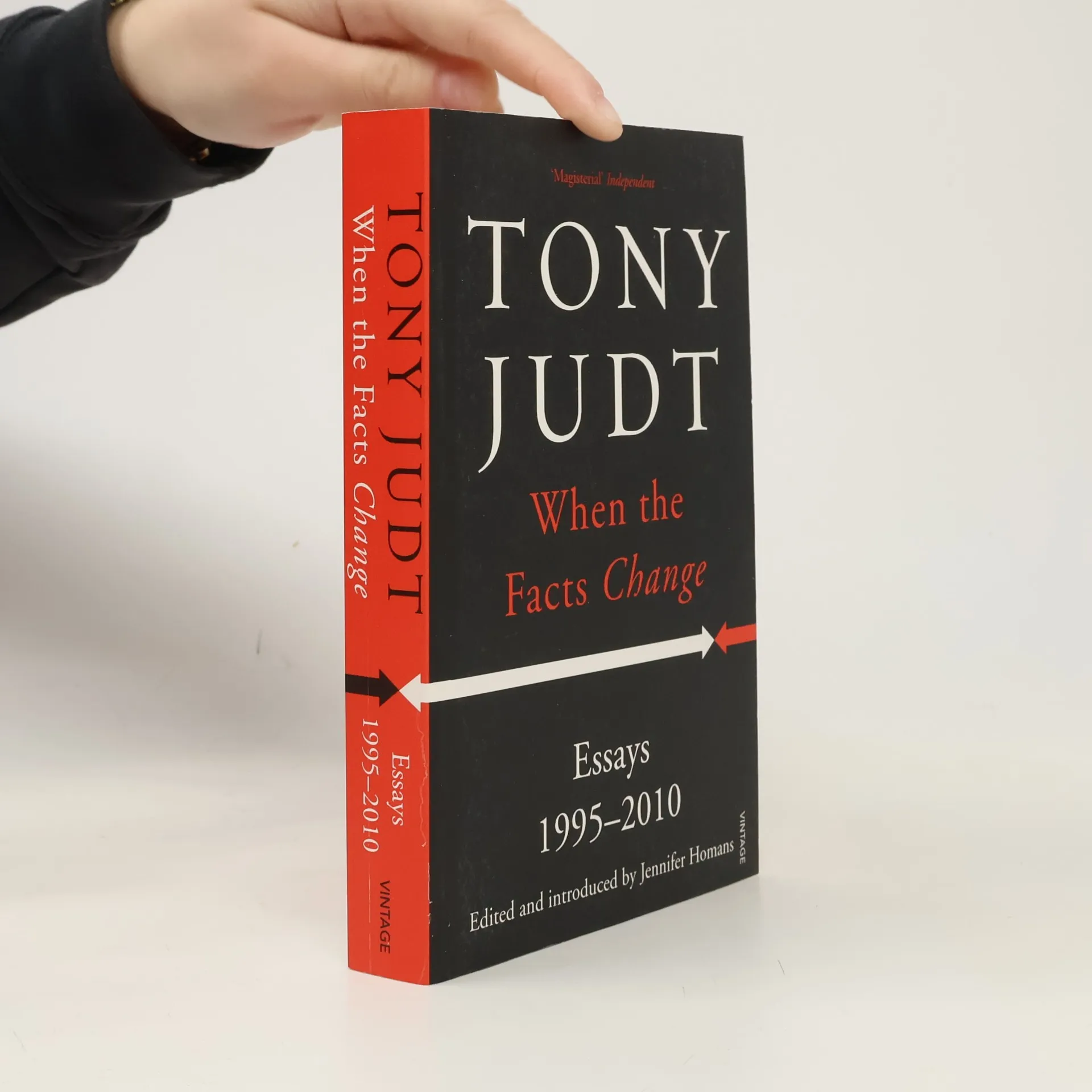
When the Facts Change
- 400bladzijden
- 14 uur lezen
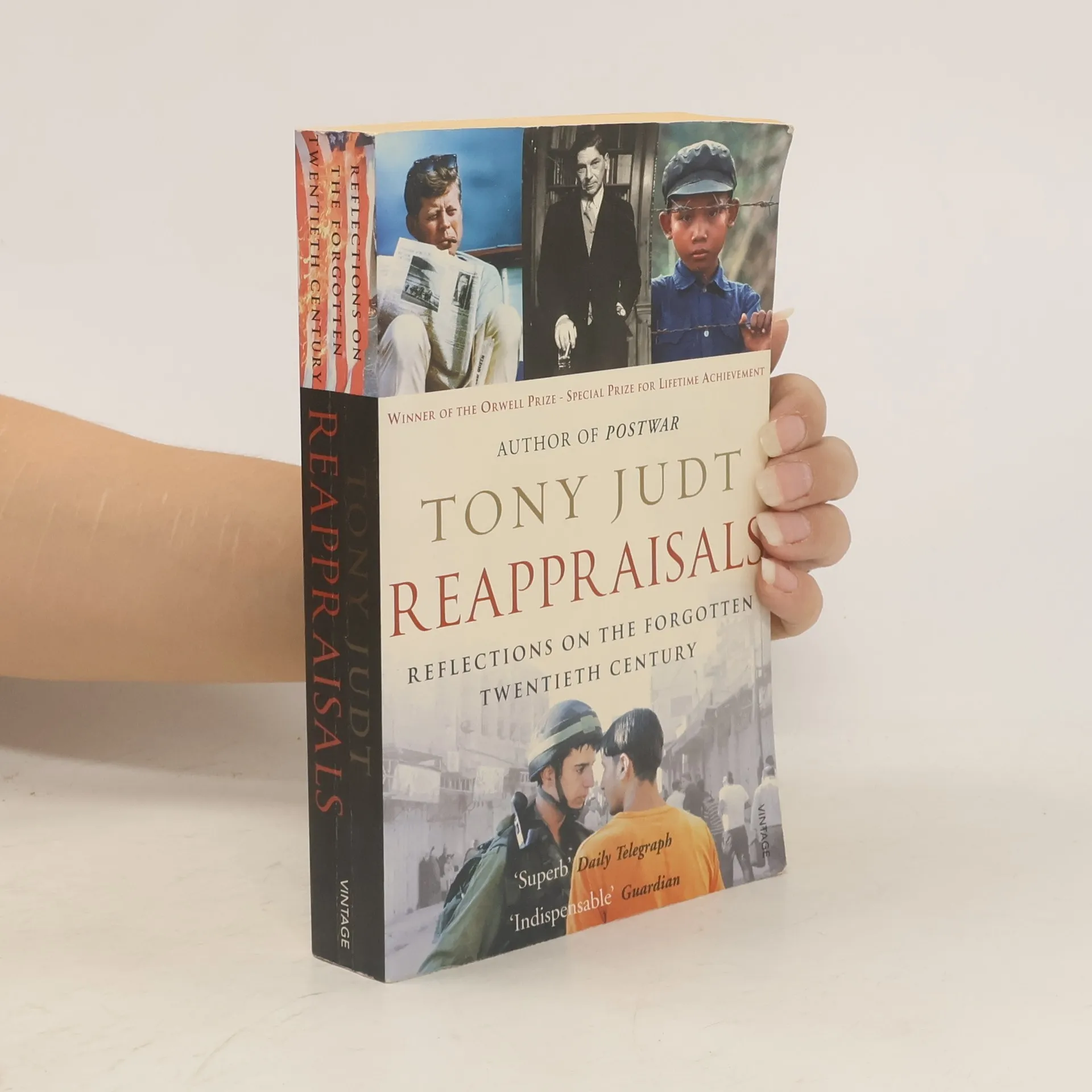
The author's first collection of essays, Reappraisals, was centred on twentieth-century Europe in history and memory. In this book, his widow and fellow historian, gathers together important essays from the span of his career that chronicle both the evolution of his thought and the consistency of his passionate engagement and intellectual elan.
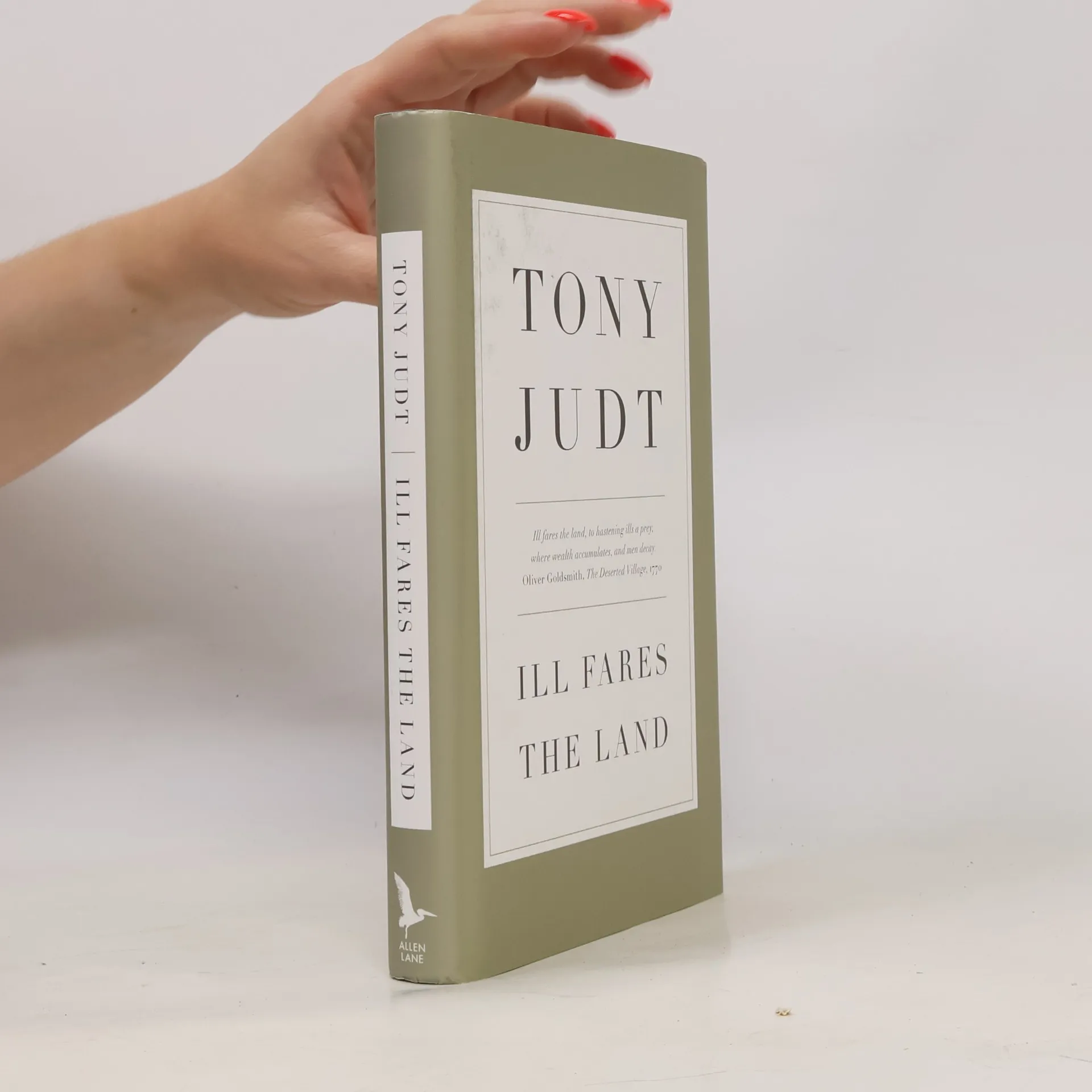
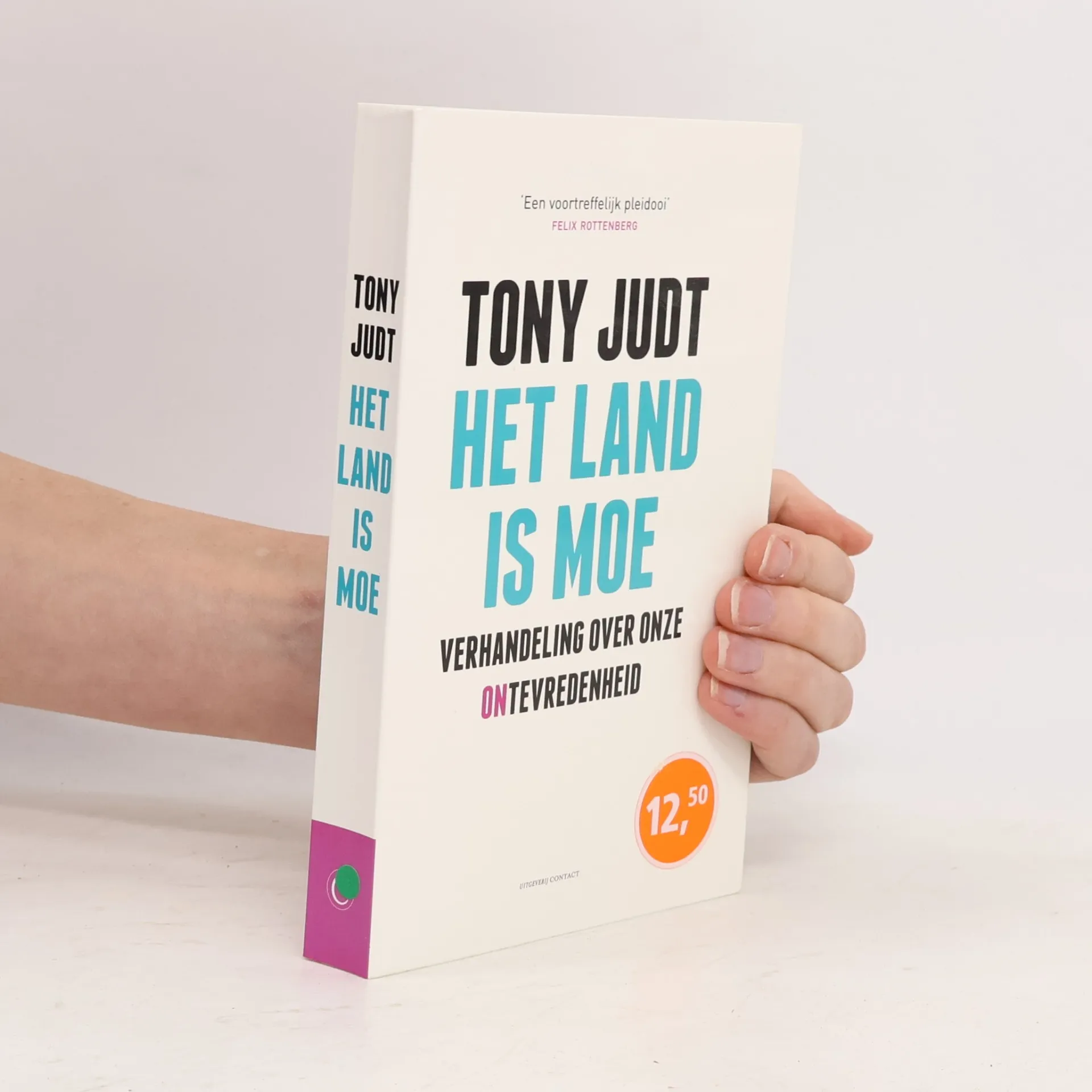
Ill Fares the Land
- 256bladzijden
- 9 uur lezen
As the economic collapse of 2008 made clear, the social contract that defined postwar life in Europe and America is no longer guaranteed. Historian Judt challenges readers to confront societal ills and shoulder responsibility for the world they live in.
Argues that we have entered an 'age of forgetting', where we have set aside our immediate past before we could even begin to make sense of it. It examines the tragedy of twentieth-century Europe by way of thought-provoking pieces on Hannah Arendt, Edward Said, Albert Camus and Henry Kissinger amongst others.
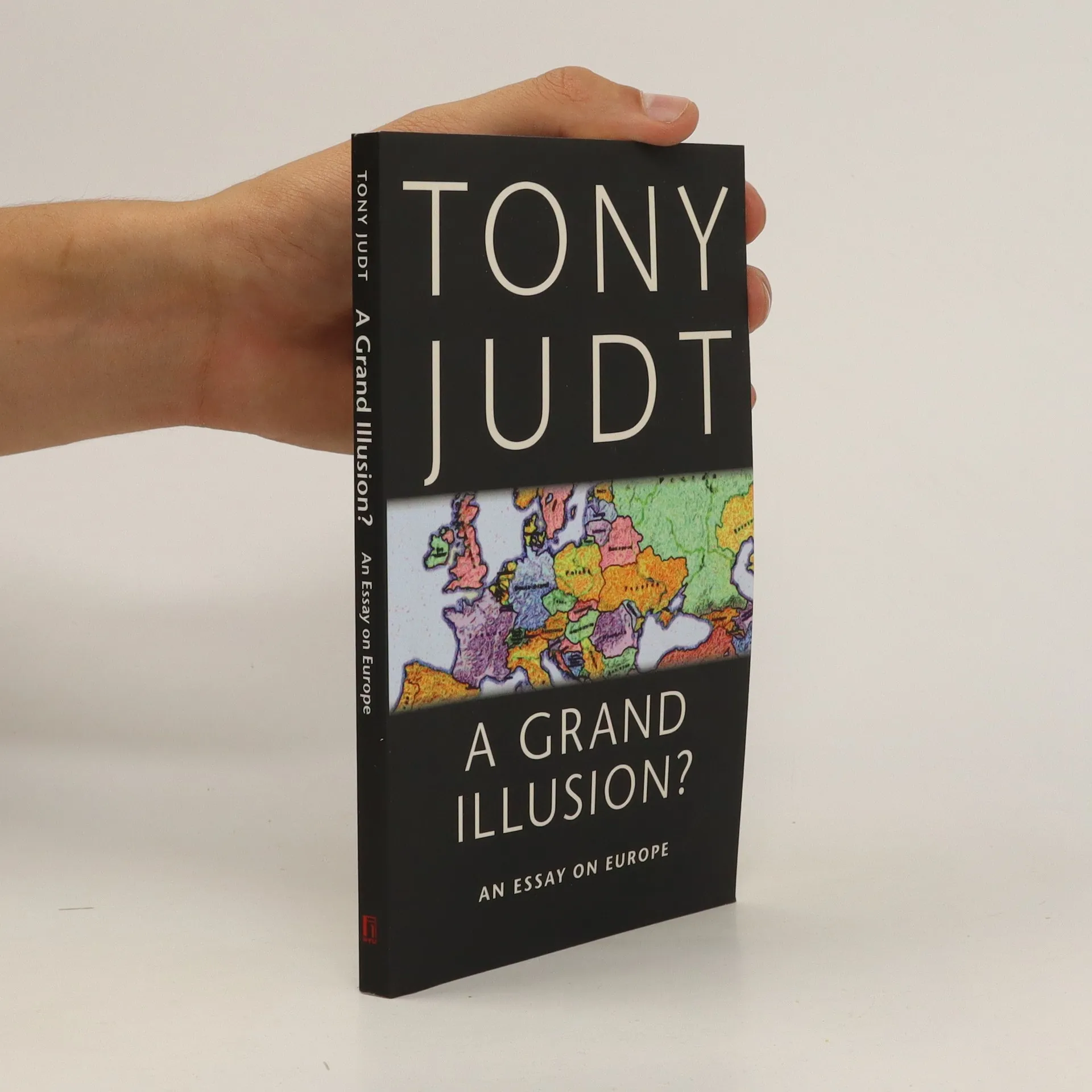
A grand illusion? : an essay on Europe
- 149bladzijden
- 6 uur lezen
“I am enthusiastically European; no informed person could seriously wish to return to the embattled, mutually antagonistic circle of suspicious and introverted nations that was the European continent in the quite recent past. But it is one thing to think an outcome desirable, quite another to suppose it is possible. It is my contention that a truly united Europe is sufficiently unlikely for it to be unwise and self-defeating to insist upon it. I am thus, I suppose, a Euro-pessimist.” —Tony Judt
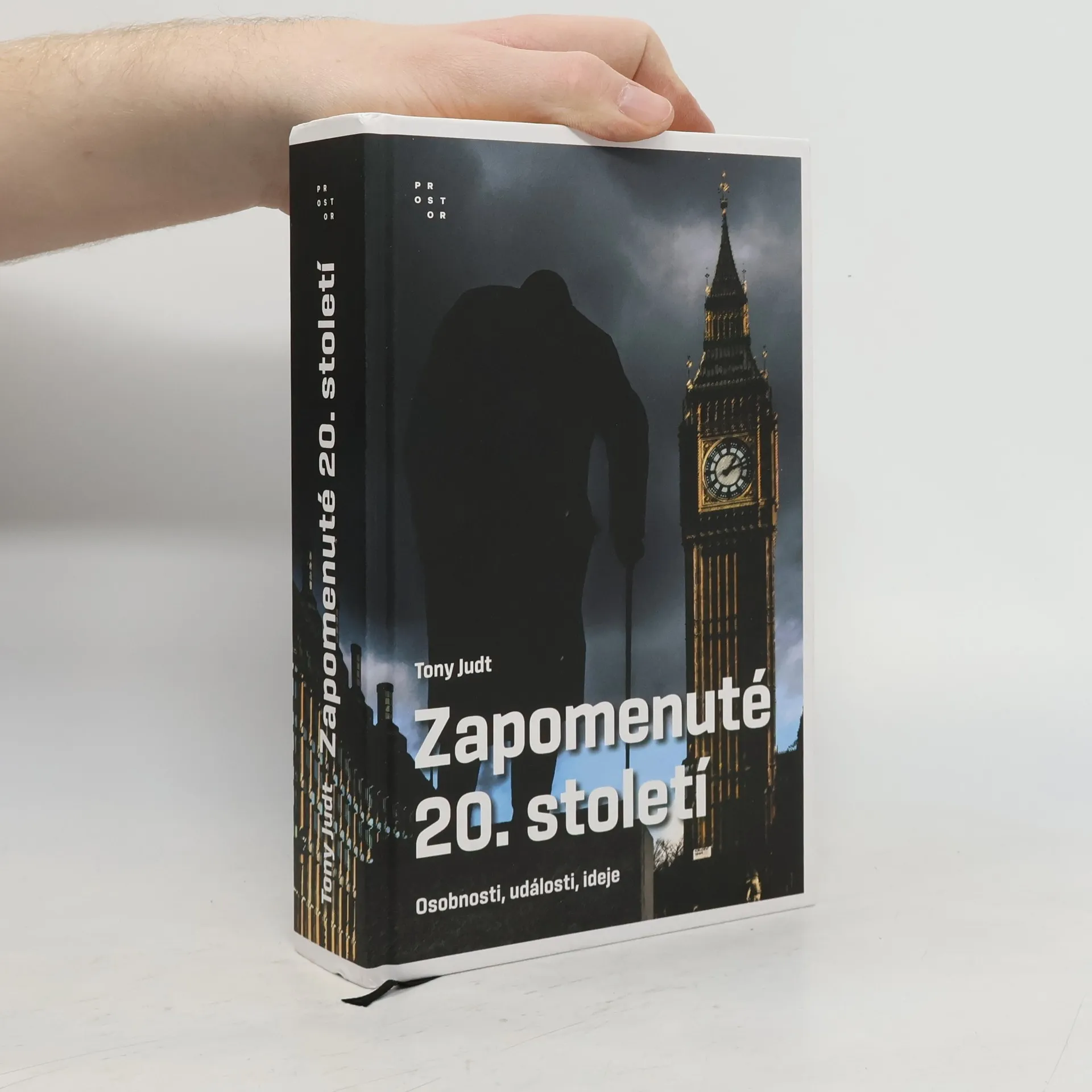
Zapomenuté 20. století: Osobnosti, události, ideje
- 512bladzijden
- 18 uur lezen
Brilantní britský historik, který se jako univerzitní profesor specializoval na moderní evropské dějiny, shromáždil 23 esejí z let 1994–2006. Na pozoruhodné škále osobností, událostí a idejí provádí Tony Judt nemilosrdnou pitvu iluzí po studené válce, že velké konflikty jsou bezpečně za námi, svět vstoupil do epochy míru a demokracie, a ukazuje, na co z historie 20. století zapomínáme a jak velká její část byla obětována mýtu o popření paměti. Nabízí cestu zpět ke smyslu dějin, který naléhavě potřebujeme.
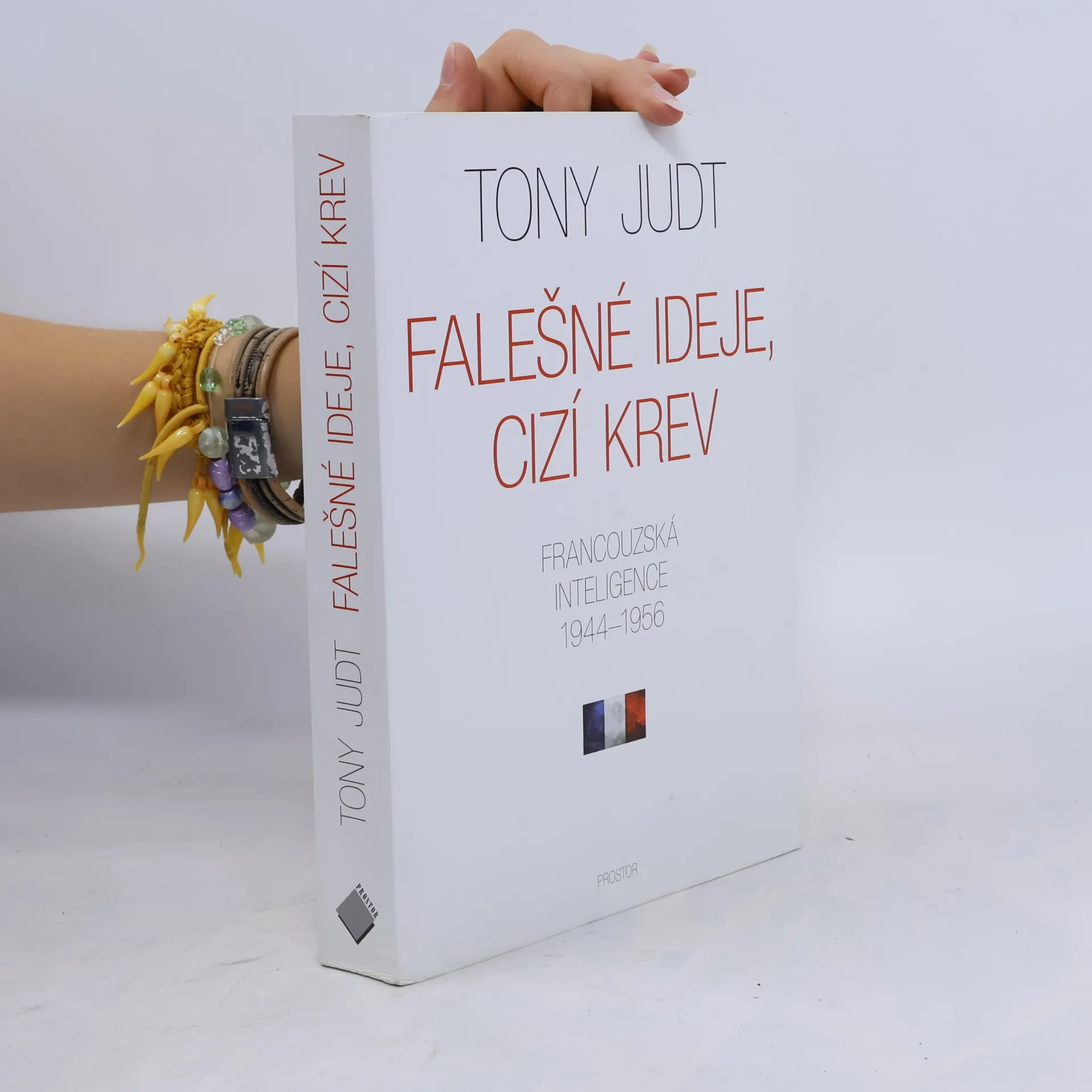
Falešné ideje, cizí krev. Francouzská inteligence 1944-1956
- 384bladzijden
- 14 uur lezen
Britský historik, který se specializoval na moderní evropské dějiny, nabízí podnětný a silně kritický pohled na celou jednu generaci francouzských intelektuálů, publicistů a spisovatelů, jež byla po dobu zhruba dvanácti let, počínaje osvobozením země v roce 1944 až po maďarské události roku 1956, stržena vírem komunismu. Veřejnou debatu v zásadě formovalo to, jaké stanovisko k počínání zahraničních i domácích komunistů dotyčný zaujal. Autor se věnuje předválečnému kontextu, podává podrobný výklad východoevropských monstrprocesů, včetně těch v Československu, sleduje, jak na ně reagovali ve Francii, a zkoumá, nakolik byla tato zkušenost specificky francouzská. Judtova analýza se netýká jen nejznámějších osobností, jako byl Jean-Paul Sartre, Albert Camus či Simone de Beauvoirová, ale zahrnuje širokou intelektuální komunitu katolických filozofů, vlivných novinářů, literárních kritiků a básníků včetně komunistických. Převládající styl jejich myšlení, koketování s násilím a morální nezodpovědnost udávaly tón nejen ve Francii, ale v celém poválečném evropském kulturním a politickém životě.
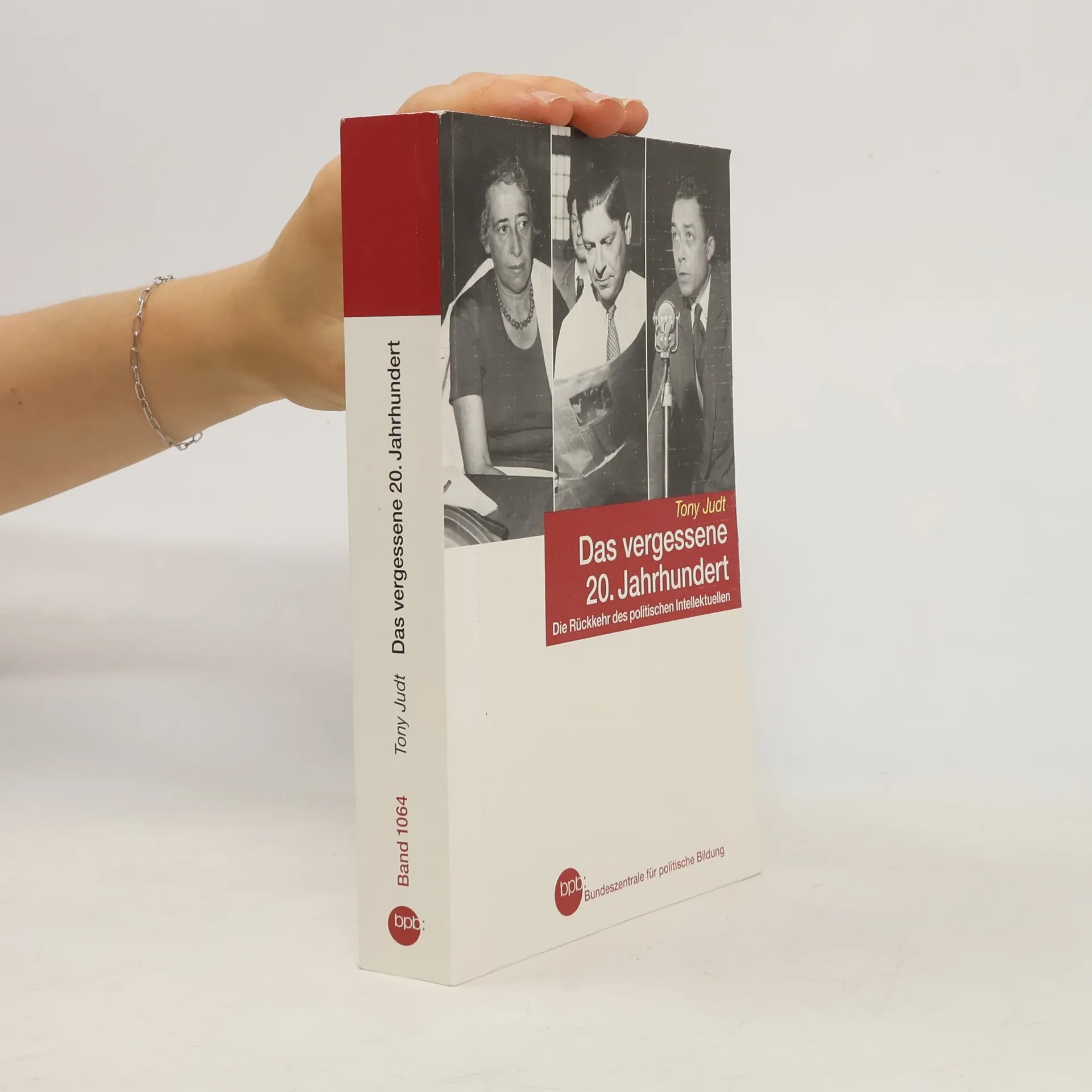
Das vergessene 20. Jahrhundert
- 475bladzijden
- 17 uur lezen
Was bedeutet soziale Gerechtigkeit? Welchen Platz nimmt Europa neben den Supermächten ein? In Zeiten der Krise rücken diese Grundsatzfragen wieder in den Mittelpunkt. Tony Judt präsentiert in seinem neuen Buch die politischen Denker des 20. Jahrhunderts, die mit ihren Argumenten die großen Debatten dieser Ära beherrschten: Hannah Arendt, Eric Hobsbawm, Albert Camus und viele mehr. Gerade heute, in einer Zeit, in der Politik und Geschichte wieder dramatische Wendungen nehmen, sollten wir sie neu entdecken.
Retour sur le XXème siècle
- 618bladzijden
- 22 uur lezen
Pour en finir avec l'ère de l'oubli De nos jours, les bouleversements géopolitiques sont si brusques que nous les oublions avant d'avoir pu les comprendre. C'est comme si un siècle de débats, de politique internationale, d'affaires sociales et d'enthousiasme collectif n'avait jamais existé. Nous ne savons plus d'où nous venons. Si cette ignorance croissante de notre passé est regrettable, notre hantise du futur s'avère pire encore. Nous ne parvenons plus à nous inscrire dans une tradition. Nous négligeons le rôle des idées et la responsabilité des intellectuels.Dans, Retour sur le XXe siècle , Tony Judt ressuscite les principaux courants fondateurs du monde moderne (le communisme, marxisme, capitalisme) et combat cette ère de l'oubli. Il nous rappelle à quel point les idées sont déterminantes : pour notre ancrage dans le présent et notre projection dans l'avenir. Il dénonce cette volonté active d'oublier, plutôt que de se souvenir, de nier la continuité pour proclamer à chaque occasion la nouveauté.D'un souffle rare, cet essai est ponctué d'analyses éblouissantes qui nous entrainent dans un voyage unique, par sa richesse et sa profondeur, à travers notre passé.
Le marxisme et la gauche française
- 353bladzijden
- 13 uur lezen
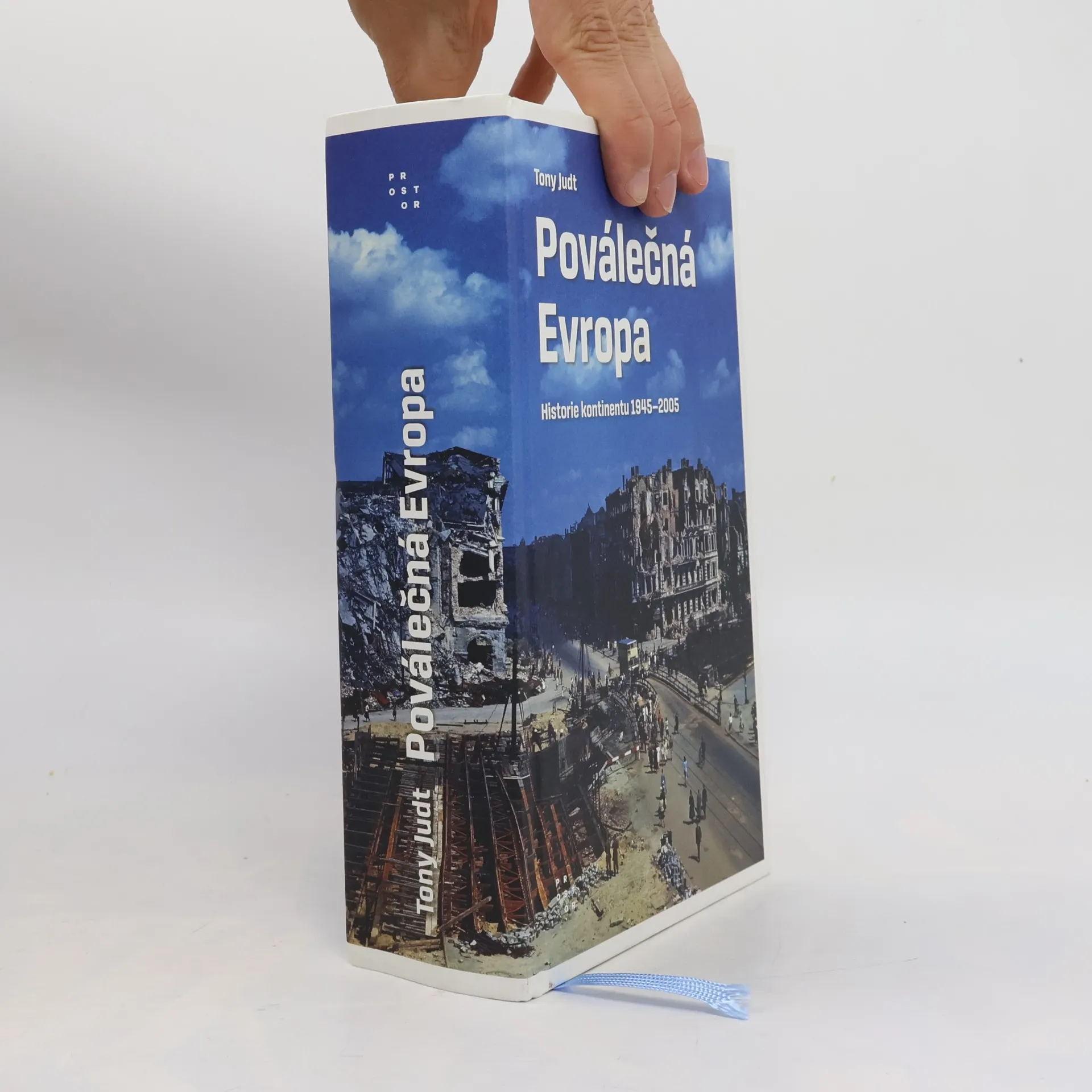
Poválečná Evropa: Historie kontinentu od roku 1945-2005
- 1032bladzijden
- 37 uur lezen
V roce 1945 byla Evropa na kolenou. Značnou část evropských zemí těžce postihlo válečné ničení, masové vraždění, letecké bombardování a rozvrat. Prakticky celá východní polovina kontinentu upadla pod sovětskou nadvládu, jednu totalitu tam nahradila druhá. Tony Judt přináší příběh vzkříšení Evropy, která povstala z trosek, příběh sestupu a pádu sovětského komunismu a vzestupu Evropského společenství a Evropské unie, příběh konce evropských říší a obtížného a proměnlivého vztahu Evropy k válečné minulosti a ke dvěma supervelmocím, které jej vymezují, Rusku a Americe. Autor jasně a přehledně zachycuje jak celkový vývoj Evropy, tak i protikladné zkušenosti Evropanů na Východě a na Západě. Kniha, časově dovedená až po válku v Iráku a volbu papeže Benedikta XVI., nám nabízí pochopení smyslu moderní evropské historie a identity, tedy toho, jaká Evropa je a jaká byla. Právem ji můžeme označit za jedinečnou práci na téma Evropa naší doby.