

Nuclear fusion research reveals that the Sun converts one gram of hydrogen into energy equivalent to burning eight tons of petroleum. If harnessed for commercial energy, fusion could provide an inexhaustible source that neither depletes natural resources nor emits greenhouse gases. Alan Bécoulet presents a concise primer on fusion energy, detailing the science and technology behind it, as well as the extensive international efforts to achieve viable fusion energy. Drawing from his role as Head of Engineering at ITER (International Thermonuclear Experimental Reactor), Bécoulet explains how scientists aim to "put the sun in a box." He reviews the history of nuclear power, starting with post-World War II initiatives for peaceful atomic energy use, and elucidates how energy is generated through fusion. The core principle of fusion lies in the ability of nucleons (protons and neutrons) to form atomic nuclei despite the electrical repulsion between positively charged protons. Bécoulet charts the evolution of fusion research and the process of generating electric current through fusion. The ITER project represents a significant advancement in fusion energy, potentially demonstrating the feasibility of a nuclear fusion reactor. This work serves as an introduction to a promising future in energy production.
Erik Butler Boeken

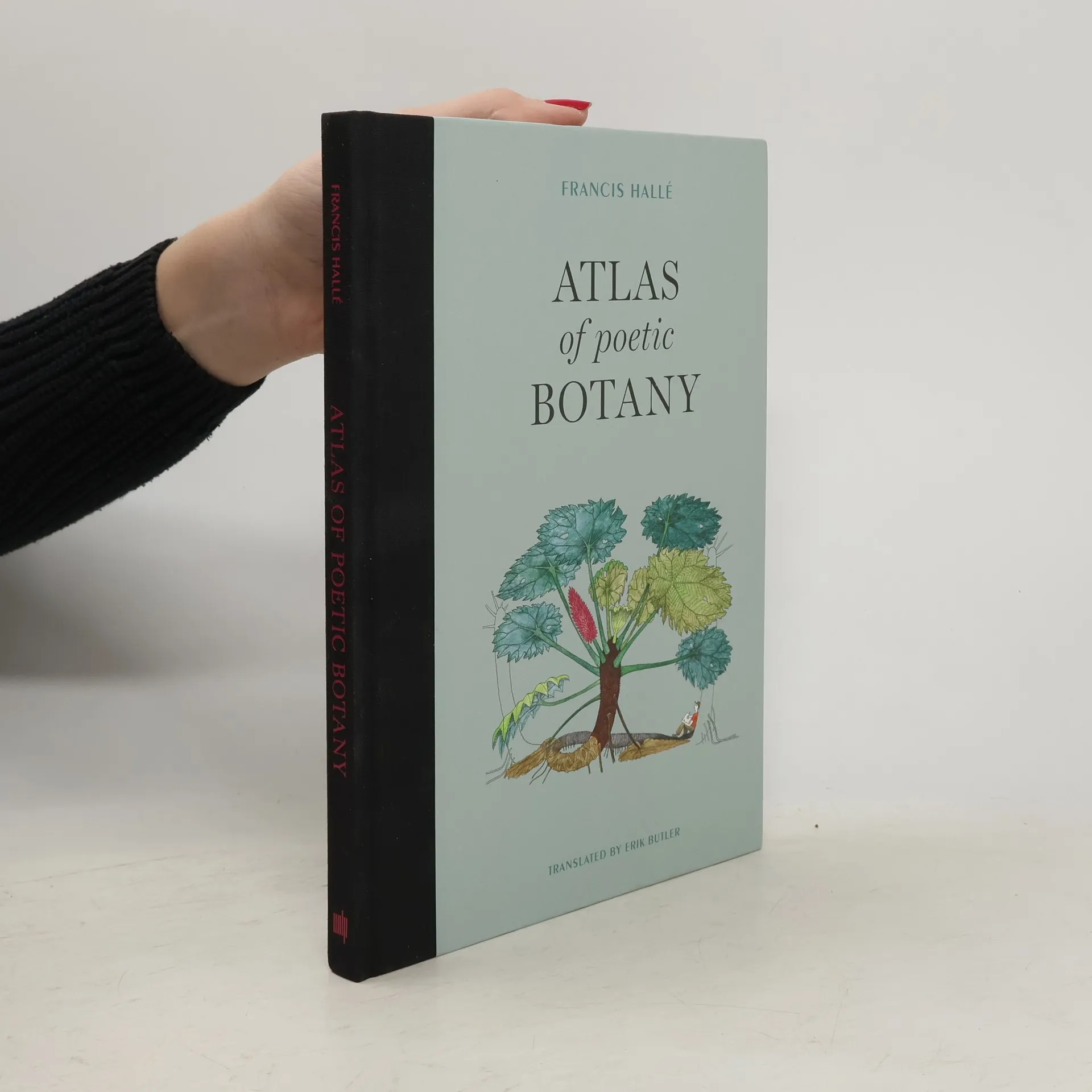
Atlas of Poetic Botany
- 128bladzijden
- 5 uur lezen
Botanical encounters in the rainforest: trees that walk, a leaf as big as an awning, a plant that dances.
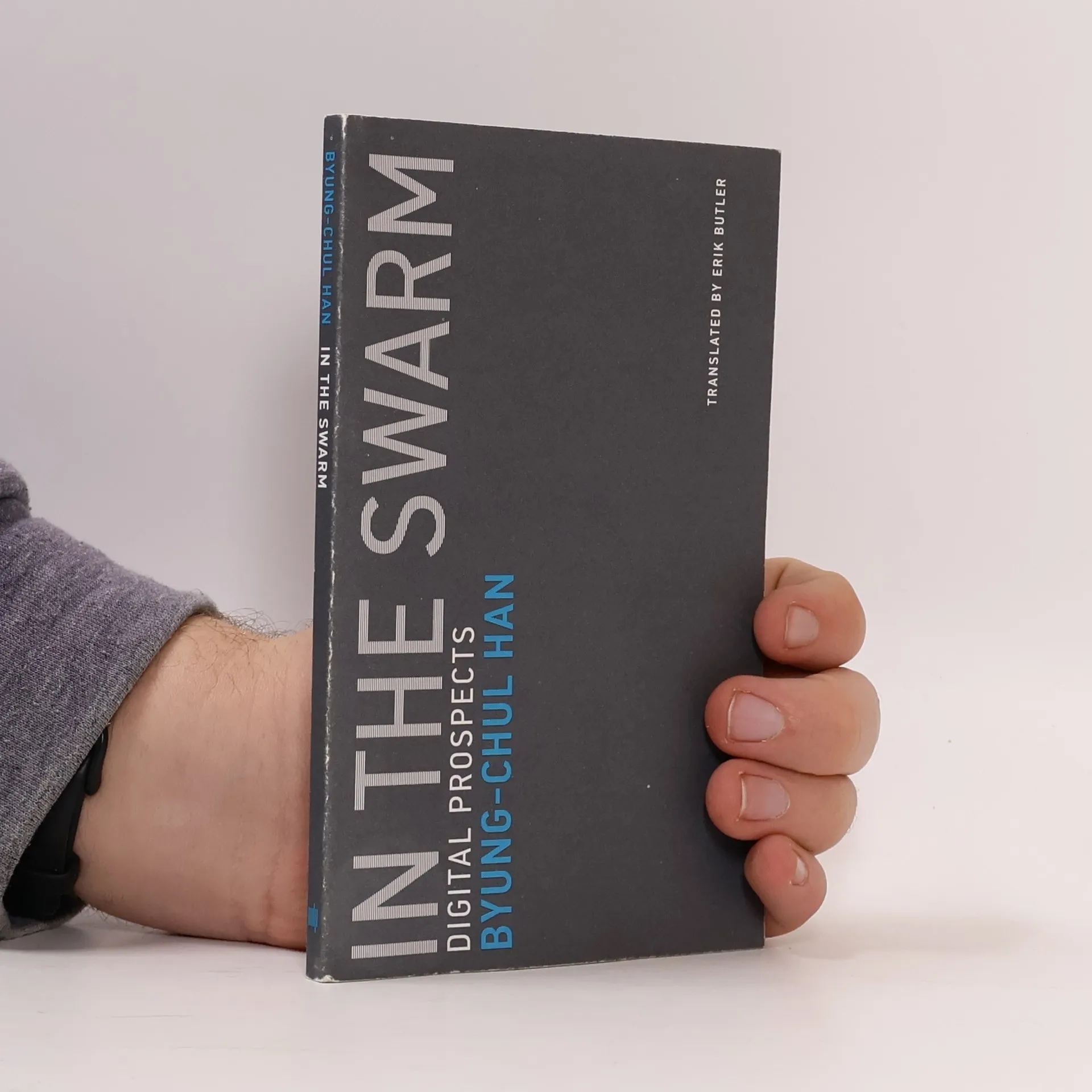
Digital communication and social media have profoundly impacted our lives. In a contrarian reflection on this digitized existence, Byung-Chul Han challenges the enthusiasm for Twitter revolutions and Facebook activism, arguing that such communication is dismantling community and public space, ultimately undermining genuine political action and discourse. In the analog era, the process of composing and sending a letter to the editor allowed time for reflection, but today’s digital landscape fosters immediate, impulsive reactions aimed at inciting outrage. This has transformed the public into a digital swarm—isolated individuals who struggle to form a collective identity or challenge prevailing power structures, fixated on the present rather than envisioning a future. The digital swarm is fragmented, often reducing individuals to mere objects of scandal. Han, a prominent European philosopher, illustrates a society where information overwhelms thought, with similar algorithms used across platforms like Facebook, the stock market, and intelligence agencies. Democracy faces a perilous threat as digital communication blurs the lines between freedom and control, marking the transition from Big Brother to Big Data.
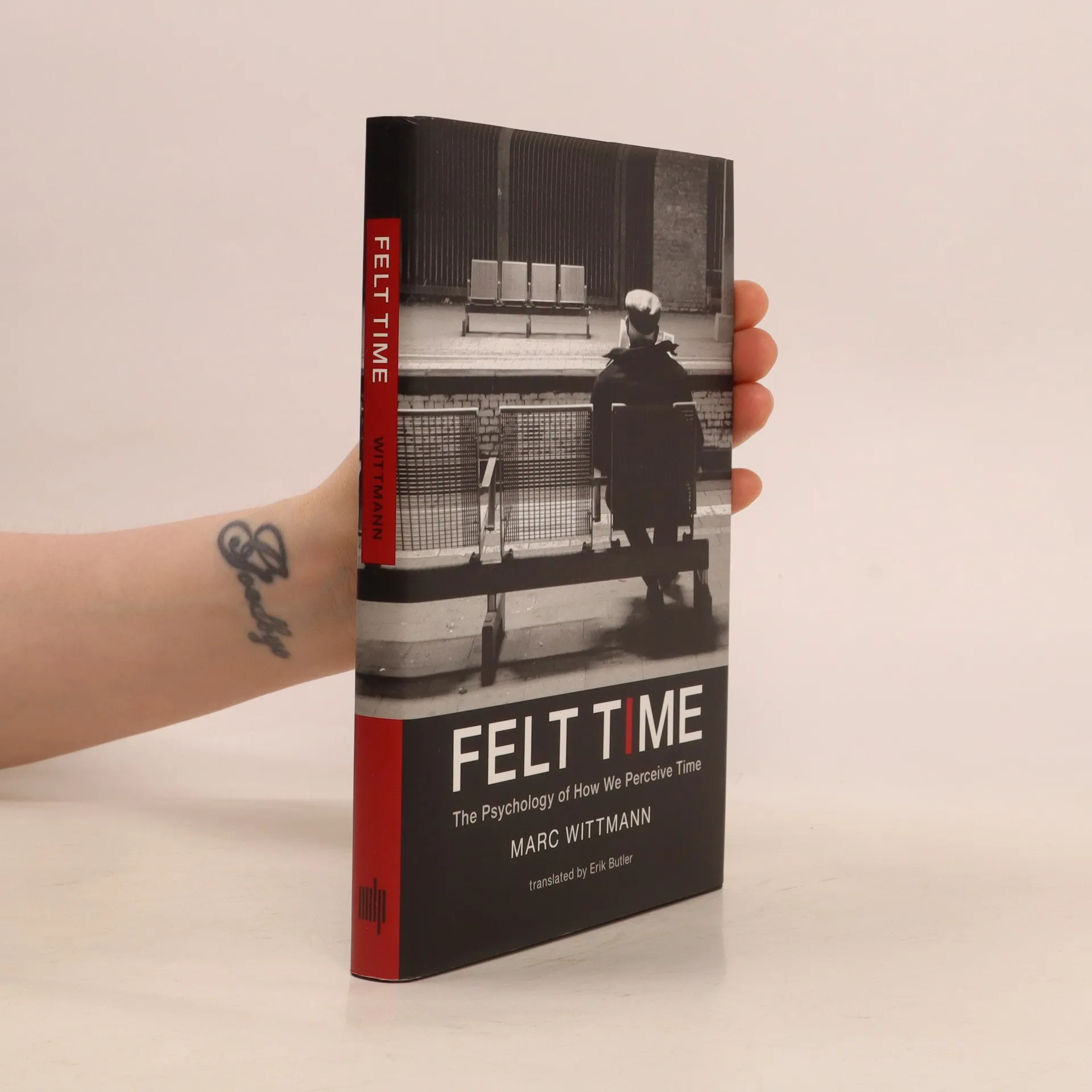
Felt time
- 184bladzijden
- 7 uur lezen
An expert explores the riddle of subjective time, from why time speeds up as we grow older to the connection between time and consciousness.
Imaginary Languages
- 360bladzijden
- 13 uur lezen
"Trade book on the history of imaginary languages by a French linguist who was one of the first to write on the topic and to popularize linguistics for a general and literary audience"-- Provided by publisher