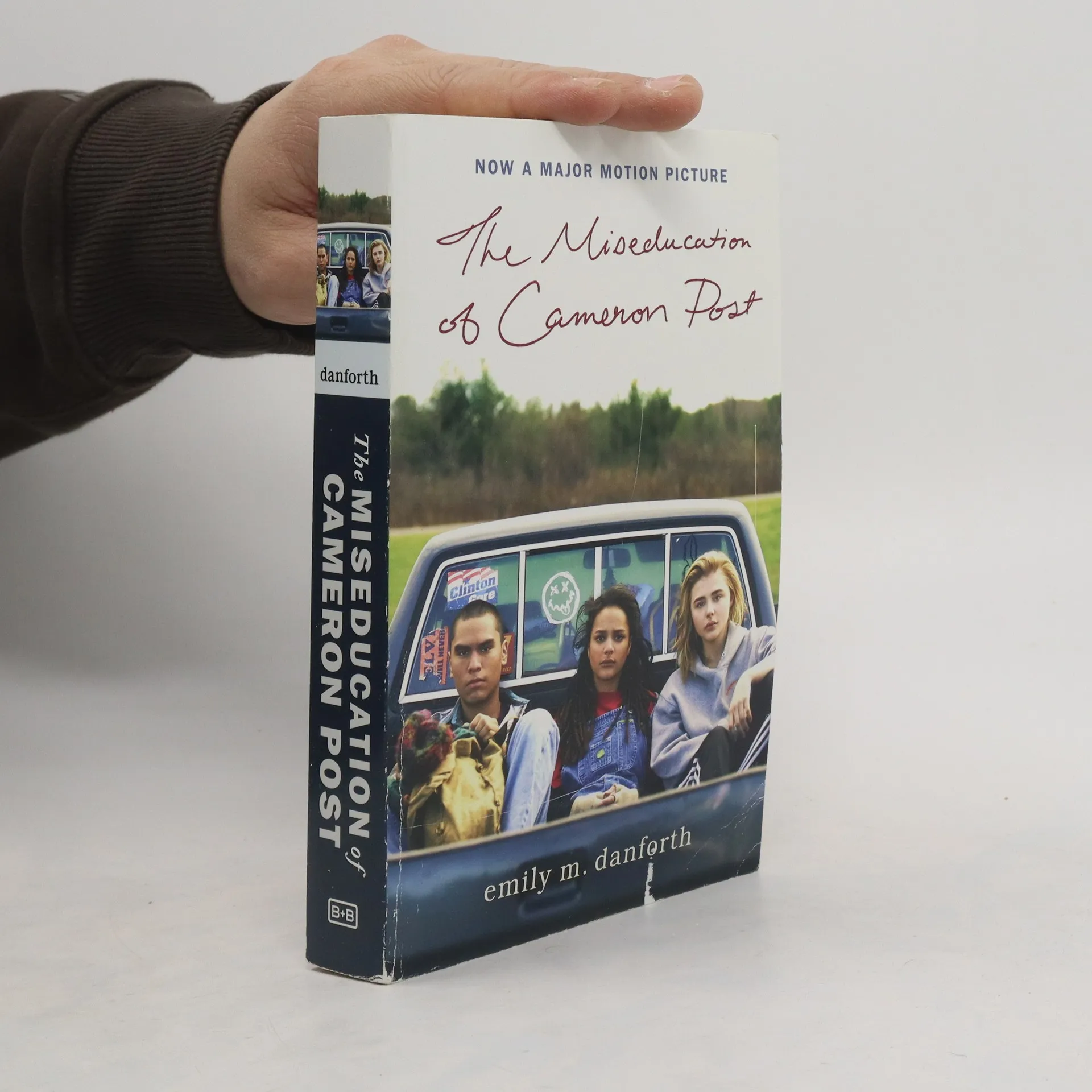
Set in rural Montana in the early 1990s, emily m. danforth’s The Miseducation of Cameron Post is a powerful and widely acclaimed YA coming-of-age novel in the tradition of the classic Annie on My Mind. Cameron Post feels a mix of guilt and relief when her parents die in a car accident. Their deaths mean they will never learn the truth she eventually comes to—that she's gay. Orphaned, Cameron comes to live with her old-fashioned grandmother and ultraconservative aunt Ruth. There she falls in love with her best friend, a beautiful cowgirl. When she’s eventually outed, her aunt sends her to God’s Promise, a religious conversion camp that is supposed to “cure” her homosexuality. At the camp, Cameron comes face to face with the cost of denying her true identity. The Miseducation of Cameron Post is a stunning and provocative literary debut that was a finalist for the YALSA Morris Award and was named to numerous “best” lists.
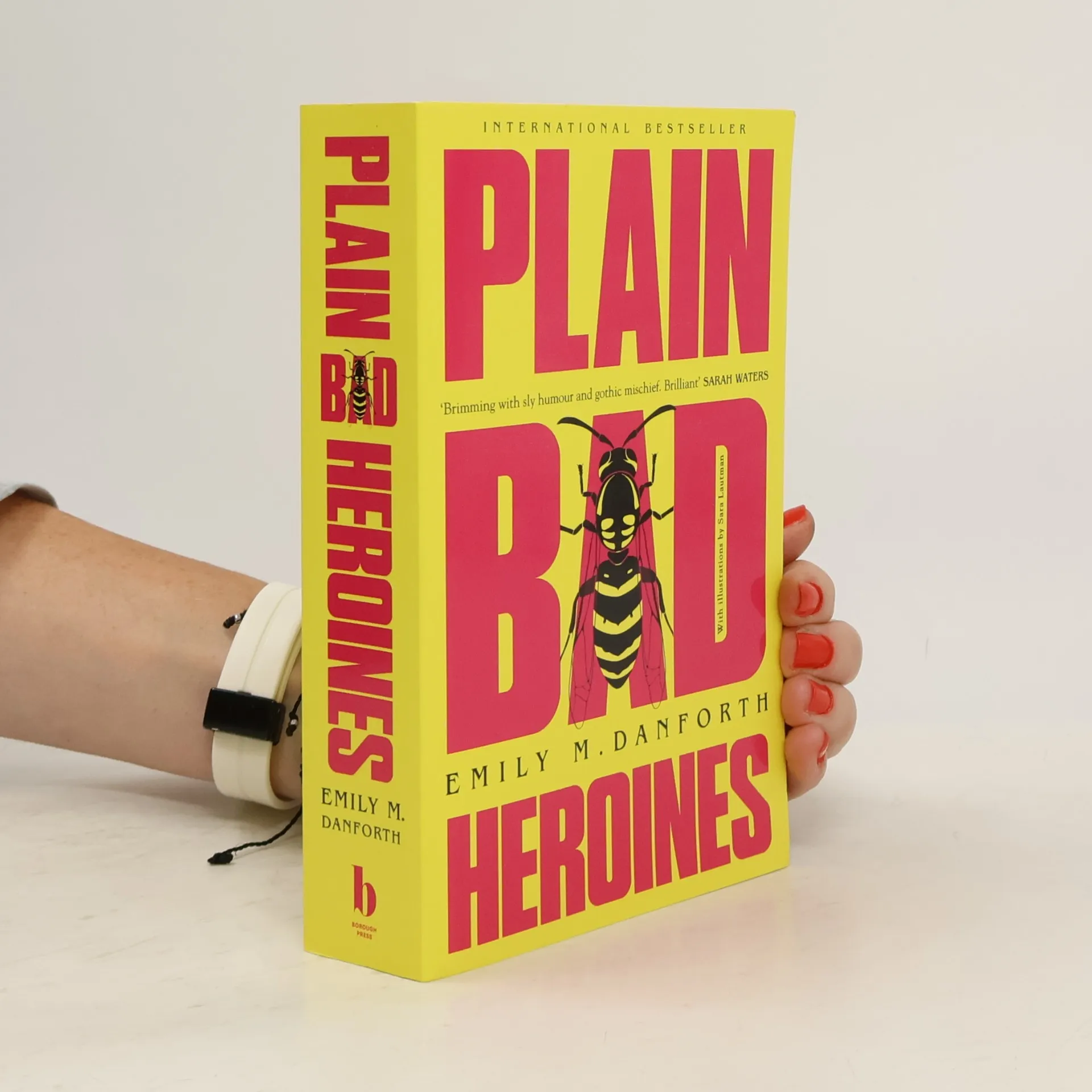
In 1902, at The Brookhants School for Girls, Flo and Clara, two impressionable students, become infatuated with each other and the daring writer Mary MacLane, known for her scandalous memoir. To express their devotion, they form a secret club called The Plain Bad Heroine Society, meeting in an apple orchard, which becomes the site of their tragic deaths. Their bodies are found with a copy of Mary’s book beside them, victims of a swarm of yellow jackets. Less than five years later, the school closes after three more mysterious deaths occur on the property. Fast forward over a century, the abandoned Brookhants gains attention when writer Merritt Emmons publishes a book celebrating its queer, feminist history. This leads to a controversial horror film adaptation featuring celebrity Harper Harper as Flo and former child star Audrey Wells as Clara. As filming begins, the past and present intertwine, blurring the lines between the curse of Brookhants and Hollywood's exploitation. The narrative unfolds as a story within a story, enriched with black-and-white period illustrations, exploring themes of obsession, tragedy, and the haunting legacy of a once-prominent institution.
A highly imaginative and original horror-comedy centered around a cursed New England boarding school for girls—a wickedly whimsical celebration of the art of storytelling, sapphic love, and the rebellious female spirit. Our story begins in 1902, at The Brookhants School for Girls. Flo and Clara, two impressionable students, are obsessed with each other and with a daring young writer named Mary MacLane, the author of a scandalous bestselling memoir. To show their devotion to Mary, the girls establish their own private club and call it The Plain Bad Heroine Society. They meet in secret in a nearby apple orchard, the setting of their wildest happiness and, ultimately, of their macabre deaths. This is where their bodies are later discovered with a copy of Mary’s book splayed beside them, the victims of a swarm of stinging, angry yellow jackets. Less than five years later, The Brookhants School for Girls closes its doors forever—but not before three more people mysteriously die on the property, each in a most troubling way. Over a century later, the now abandoned and crumbling Brookhants is back in the news when wunderkind writer, Merritt Emmons, publishes a breakout book celebrating the queer, feminist history surrounding the “haunted and cursed” Gilded-Age institution. Her bestselling book inspires a controversial horror film adaptation starring celebrity actor and lesbian it girl Harper Harper playing the ill-fated heroine Flo, opposite B-list actress and former child star Audrey Wells as Clara. But as Brookhants opens its gates once again, and our three modern heroines arrive on set to begin filming, past and present become grimly entangled—or perhaps just grimly exploited—and soon it’s impossible to tell where the curse leaves off and Hollywood begins. A story within a story within a story and featuring black-and-white period illustrations, <i>Plain Bad Heroines</i> is a devilishly haunting, modern masterwork of metafiction that manages to combine the ghostly sensibility of Sarah Waters with the dark imagination of Marisha Pessl and the sharp humor and incisive social commentary of Curtis Sittenfeld into one laugh-out-loud funny, spellbinding, and wonderfully luxuriant read.