

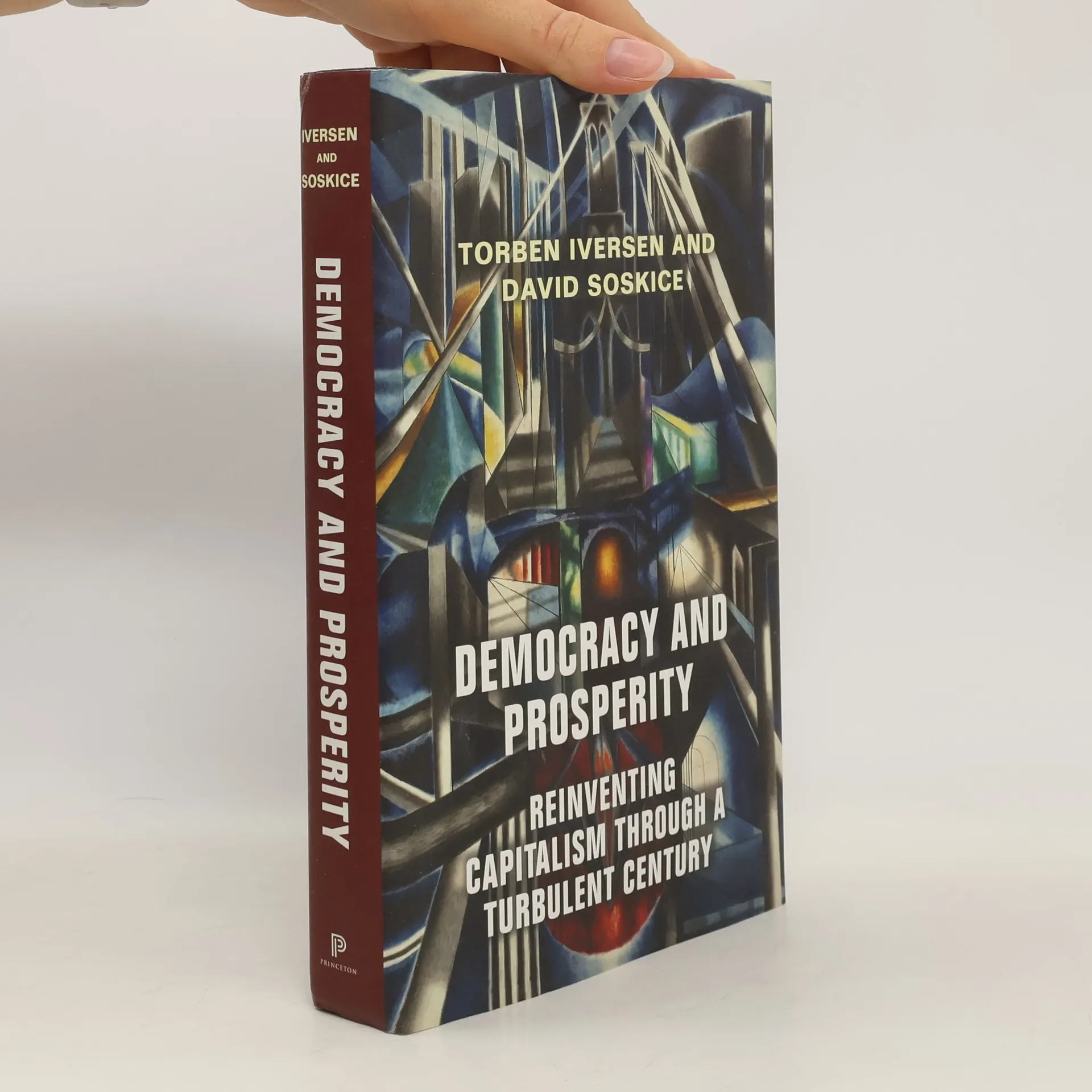

Democracy and Prosperity
- 360bladzijden
- 13 uur lezen
It is widely believed that democracy and the advanced nation-state are in crisis due to globalization and global capitalism, leading to rising inequality and populism. However, two leading political economists argue that this perspective is misguided. They contend that advanced democracies are resilient and have historically maintained a mutually beneficial relationship with capitalism. Despite the chaos of the past century—wars, economic crises, social changes, and technological revolutions—democratic states have continually reinvented their economies through significant public investment in research and education, competitive product markets, and workplace cooperation. This investment has created numerous well-paying jobs for the middle class, aligning the aspirations of families with electoral support for political parties. While gains at the top have been shared with the middle class (though not the bottom) through a robust welfare state, advanced capitalism is not unrestrained; it flourishes under democracy because it cannot undermine it. Although populism, inequality, and poverty are pressing issues, they are failures of democracy that must be addressed through democratic means.