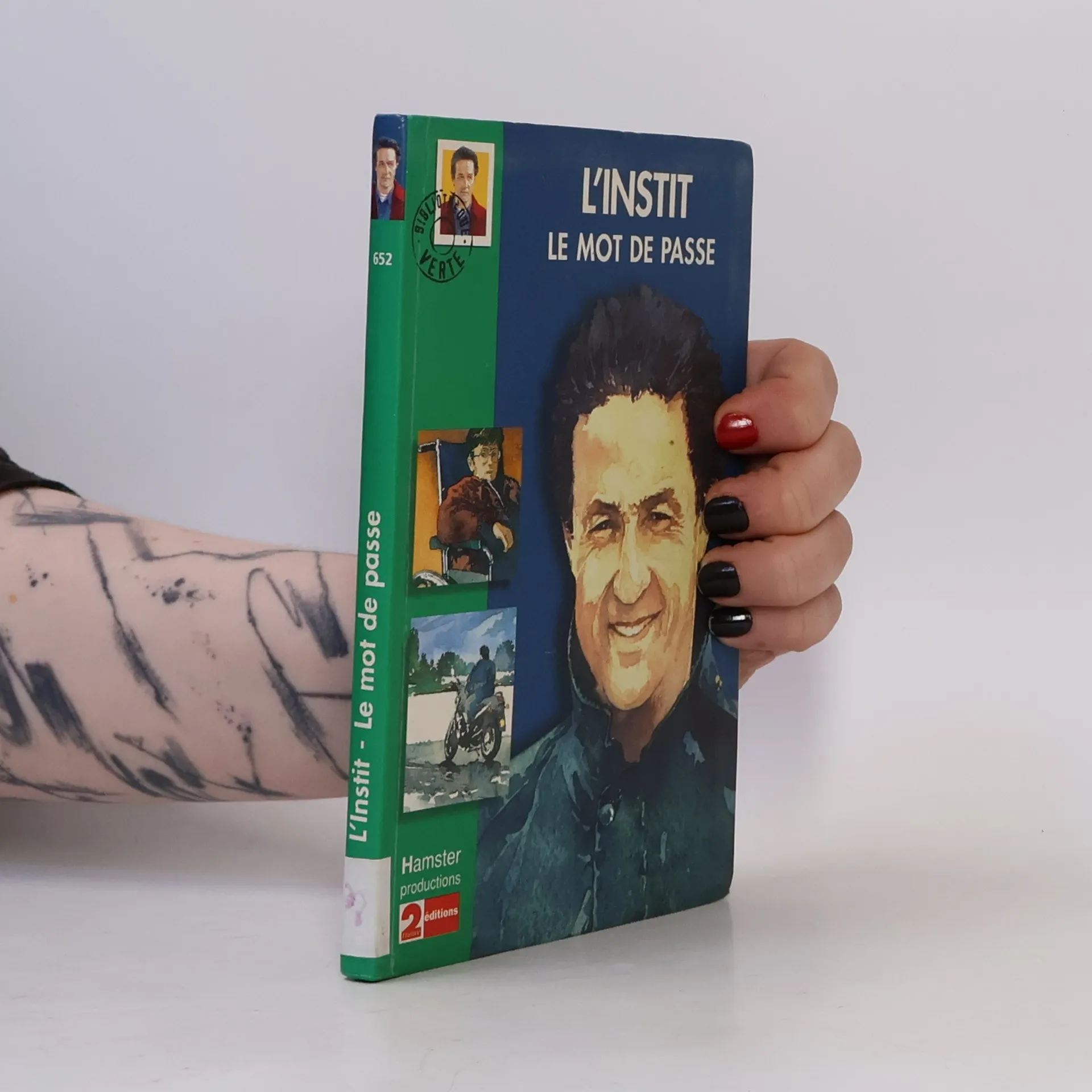
Lorsque Victor Novak propose à sa nouvelle classe de rédiger un journal, c'est le délire ! Même Thomas s'enthousiasme... Thomas qui, depuis l'accident, n'avait plus goût à rien. Thomas, le petit infirme qui se pensait fichu, inutile, pour toujours. Son idée ? Rédiger un article sur le piratage informatique. Sûr, il va tous les épater ! Et quand Clément le met au défi de pirater lui-même un logiciel, il est bien tenté d'accepter. Pourtant, l'Instit l'a mis en garde : le piratage est un délit très grave...
Sarah Cohen-Scali Boeken


Orphelins 88
- 427bladzijden
- 15 uur lezen
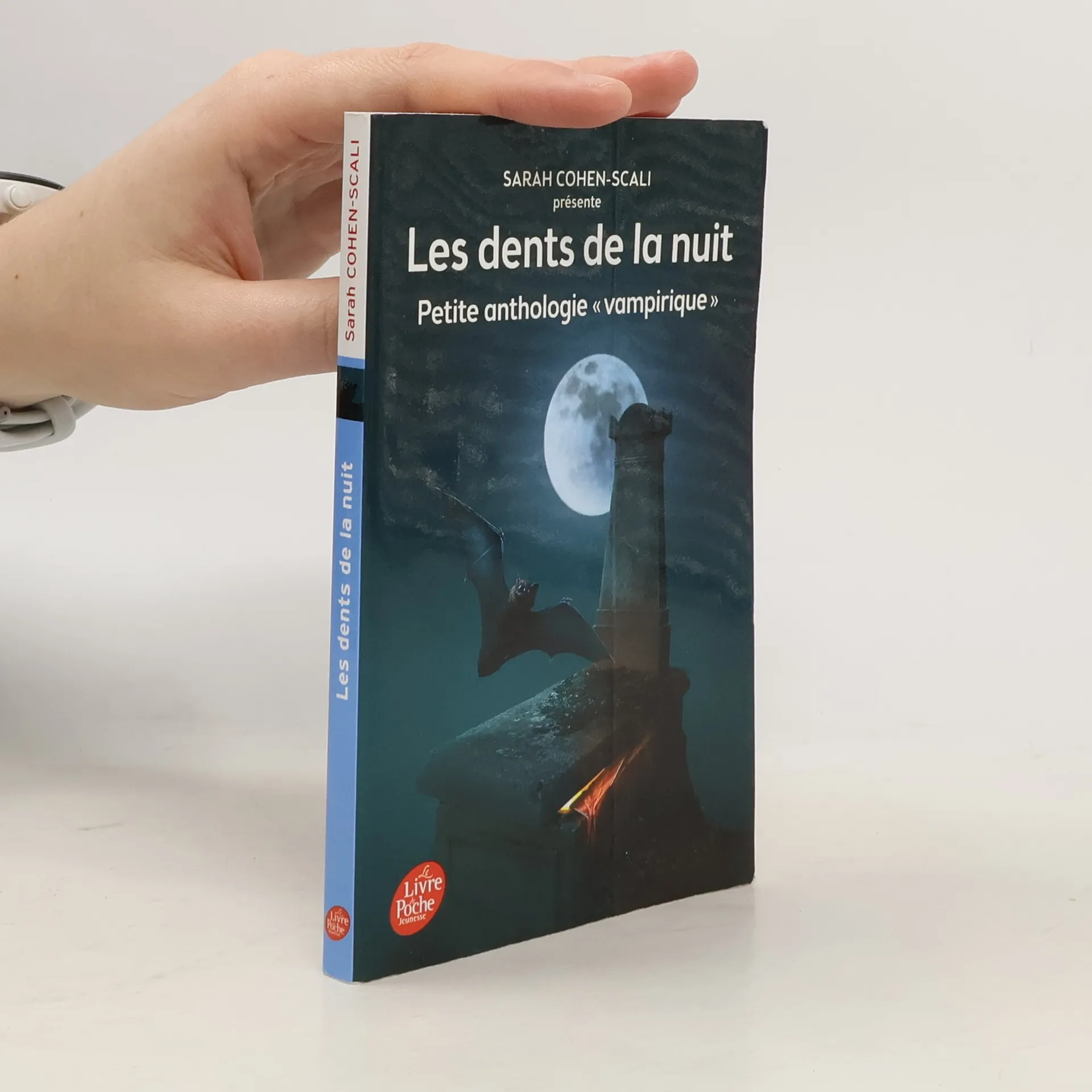
" Vous ne buvez pas ? - Je ne bois pas... de vin. " Cette réplique, anodine en apparence, est extraite de Dracula et pourrait constituer, à elle seule, une nouvelle sur le thème du vampirisme ! Elle donne le ton de cette anthologie, organisée en deux parties : - "les classiques", où figurent les nouvelles antérieures à 1897, celles de Théophile Gautier, Alexandre Dumas, Tolstoï, Maupassant, et, un peu plus proche de nous, R.L. Stevenson, où le vampire revêt une dimension romantique qui atténue sa cruauté - du moins aux yeux d'un lecteur actuel. Les vampires contemporains et "les modernes". - les "contemporains" : Stoker, Matheson, Bloch, Bradbury et l'incontournable Stephen King, dont les vampires font une incursion dans notre quotidien et génèrent par là même davantage de peur et d'angoisse.
Arthur Rimbaud - Le voleur de feu
- 256bladzijden
- 9 uur lezen
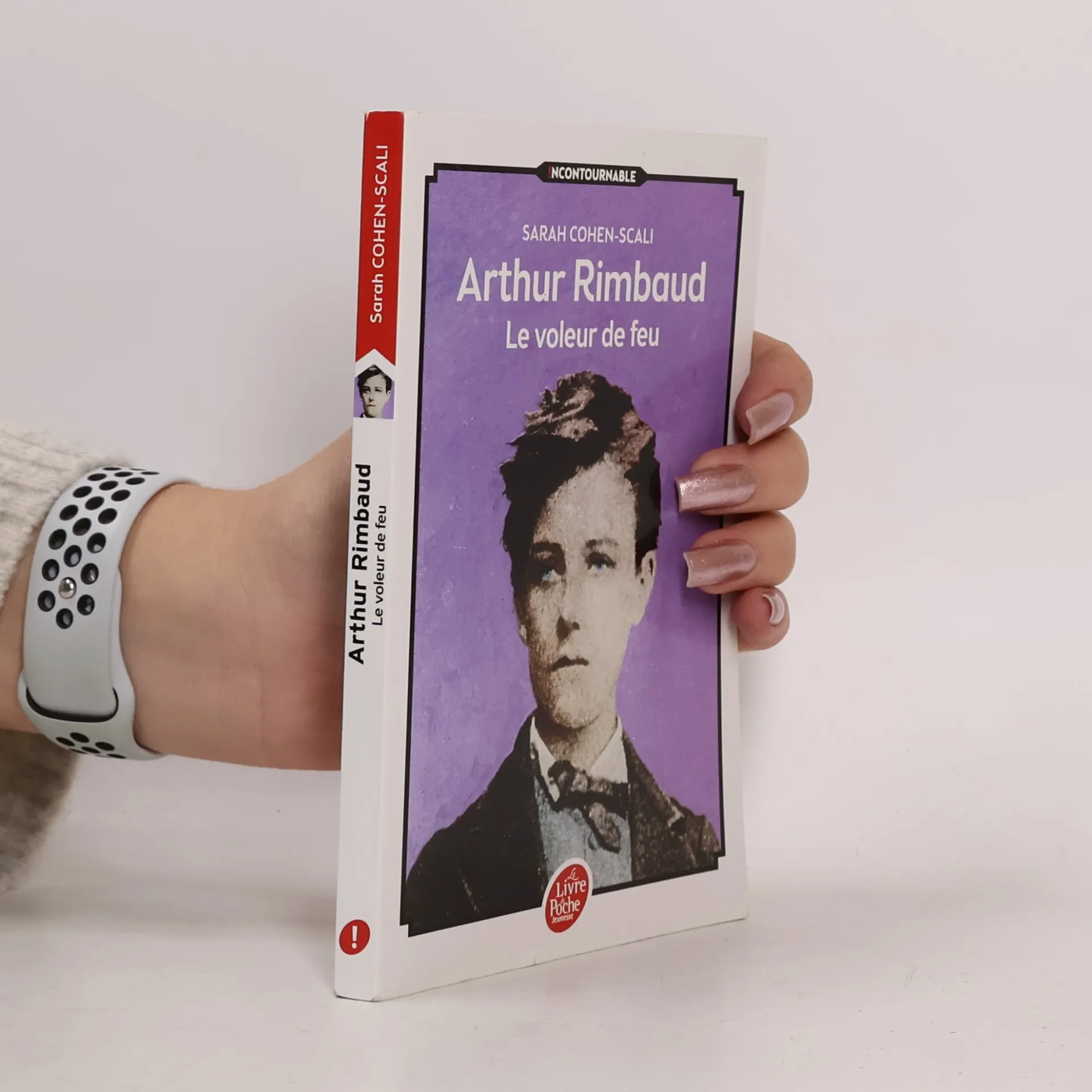
Arthur deteste Charville, cette ville de province grise et triste ou il est ne un jour de 1854, et ou il vit avec sa mere et ses deux soeurs. Alors, pour tromper la monotonie des jours, Arthur devore livre apres livre. Et puis il reve d'un oiseau multicolore, bleu, vert, rouge, qu'il appelle Baou et qui lui inspire des poemes. Car Arthur se fiche d'etre un eleve modele. Il veut etre poete, meme si c'est etre voyou...
Mauvais sangs
- 100bladzijden
- 4 uur lezen
" Je n'ai pas toujours été un monstre. C'est mon métier qui m'a transformé. Je m'explique : un médecin doit combattre la douleur. Il la contrôle, la dose, joue avec elle. Et on s'aperçoit un jour qu'on se délecte du spectacle de la souffrance. "
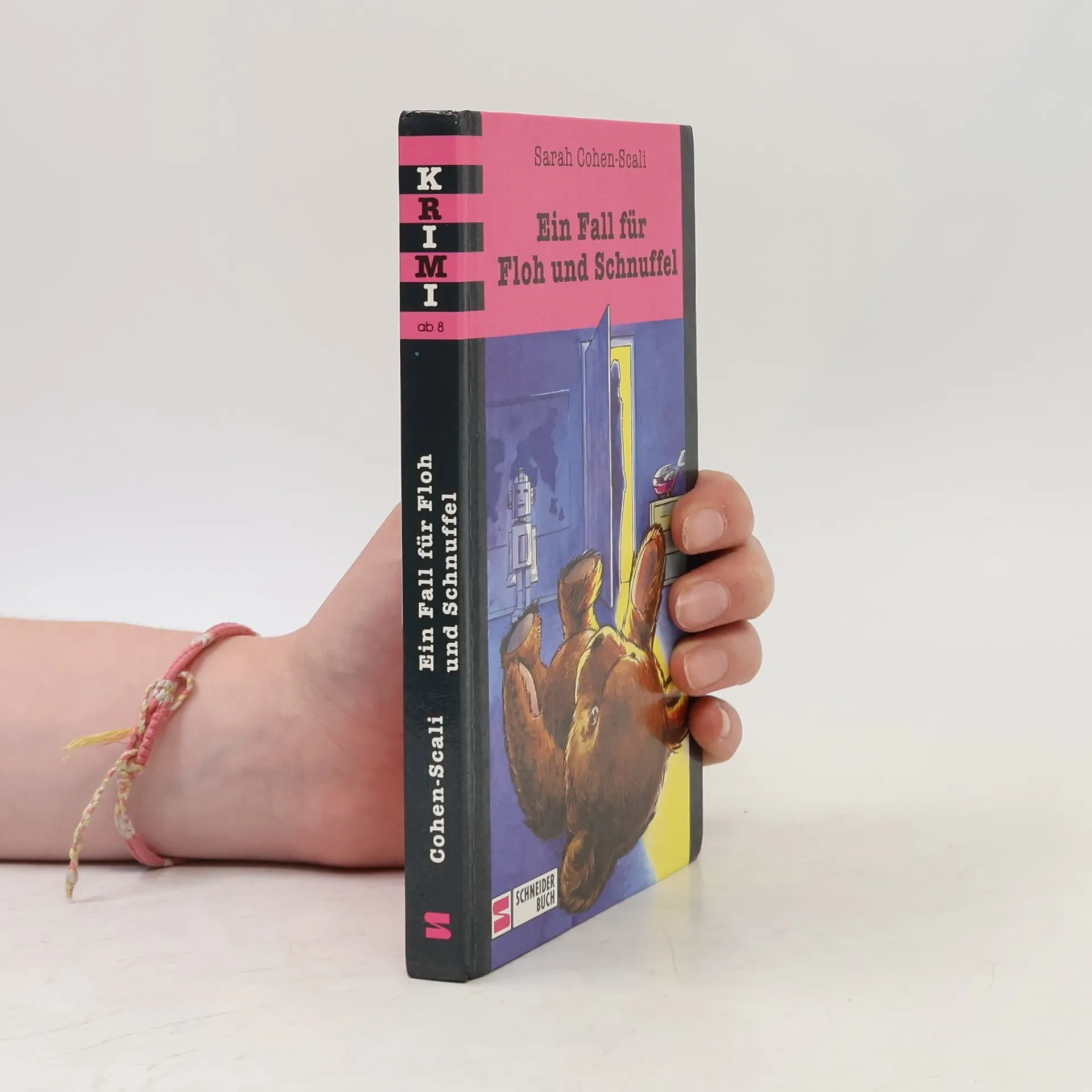
Der Junge Floh und sein superschlauer Hund Schnuffel helfen der Polizei bei einem verzwickten Fall und kommen zu einem überraschenden Ergebnis.
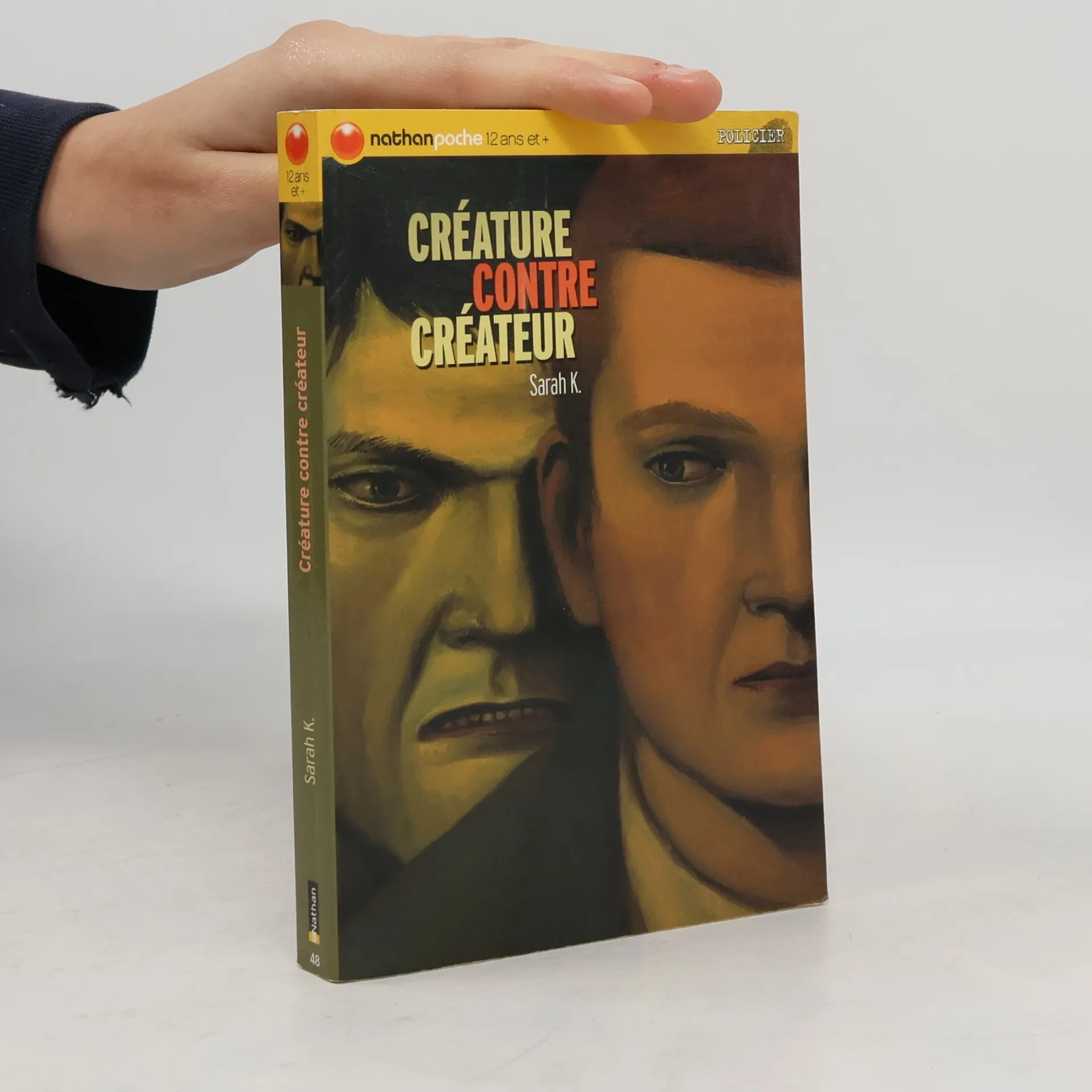
Créature contre créateur
- 259bladzijden
- 10 uur lezen
C'est la rentrée et Victor est ravi de retourner enseigner le français à sa classe de lycée. Ce n'est pas le cas de son meilleur ami Pierre, prof lui aussi, qui est terrorisé à l'idée d'être confronté à sa classe. Dans le train qui ramène Victor à Paris, il croise un homme étrange : le portrait craché du personnage d'un roman que Victor a laissé inachevé. Le meurtrier de trois personnes dans ce récit imaginaire. Mais de jour en jour, la fiction semble rejoindre la réalité, et Victor se sent menacé. Ce personnage abandonné veut-il sa mort ?
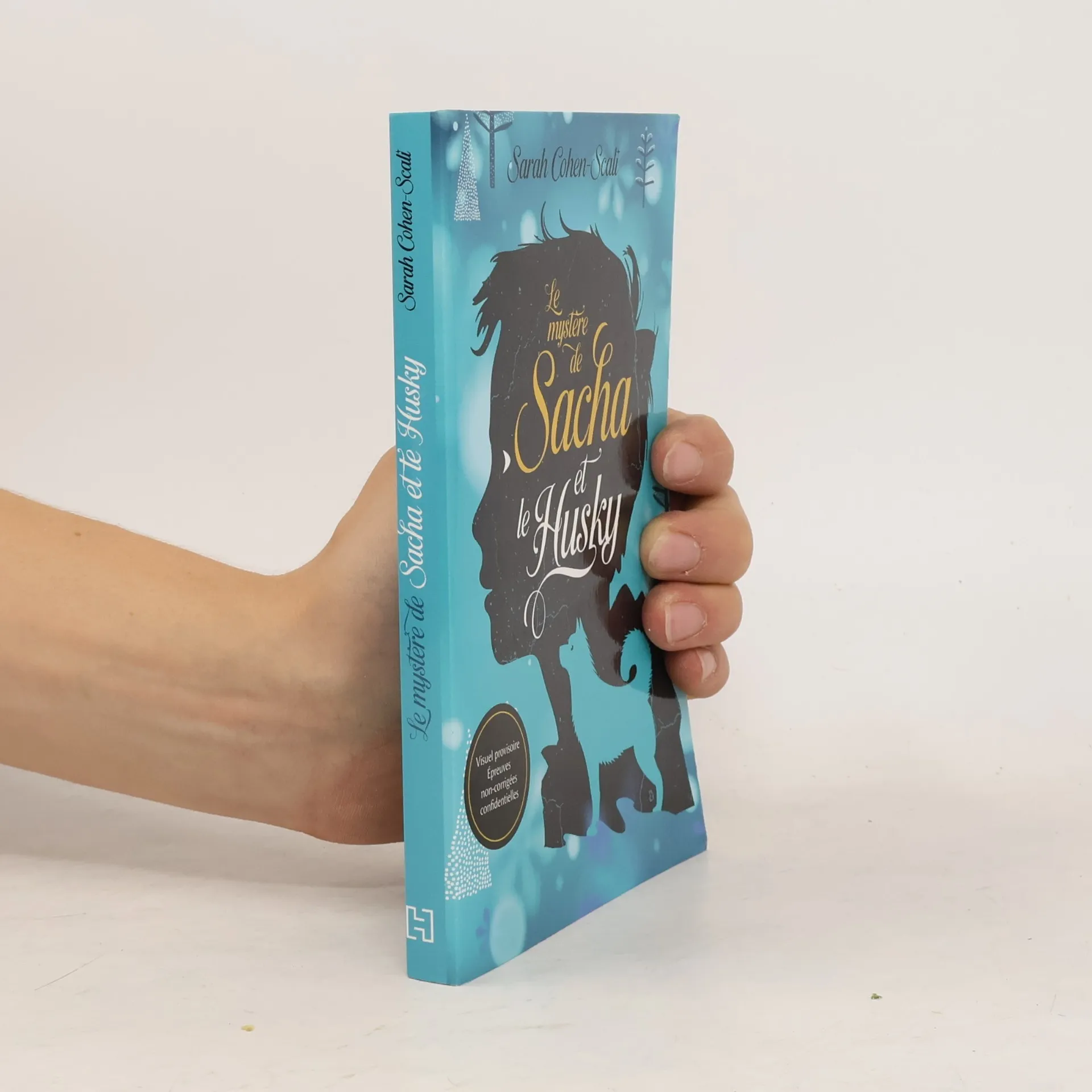
Sacha et le husky - 1: Le mystère de Sacha et le husky
- 176bladzijden
- 7 uur lezen
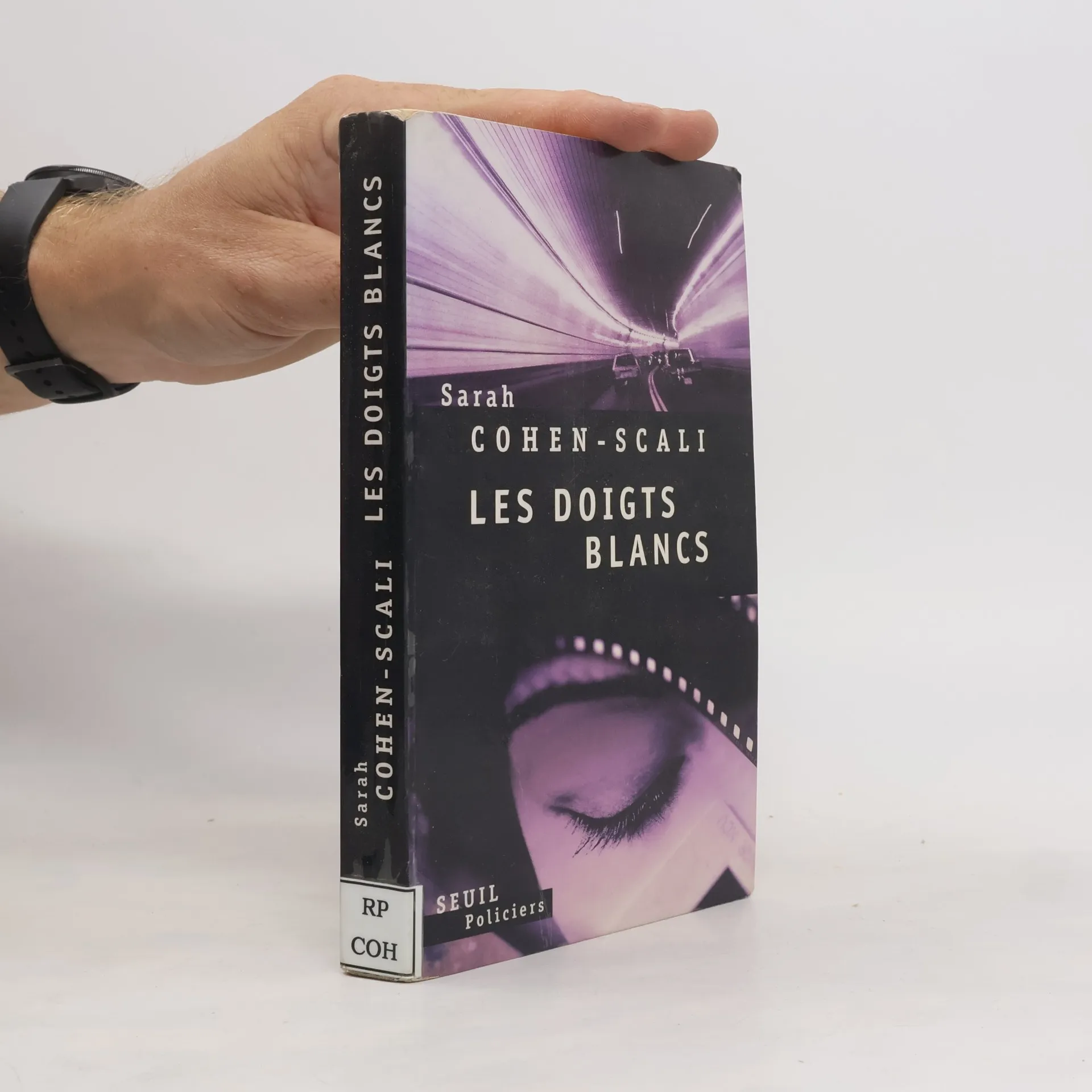
Les Doigts blancs
- 276bladzijden
- 10 uur lezen
Dans un Paris réduit à ce qu’il en voit à travers son pare-brise, le chauffeur de taxi Cardona se livre à d’étranges larcins et méditations sur son passé douloureux. Honnête jusqu’à la faute, il ne peut en effet s’empêcher de garder les photos que ses clients oublient dans sa voiture. Mais c’est avec amour qu’il traite ses clichés en les accrochant à ses murs et en leur donnant des titres. Pendant ce temps-là, d’horribles meurtres sont commis dans la capitale, dont un sur lequel l’assassin lui-même attire l’attention de la police en précisant que seul le jeune inspecteur Burini « saura en démêler les fils ». Commence alors une confrontation entre le crime et sa vérité profonde dont personne ne sortira indemne.
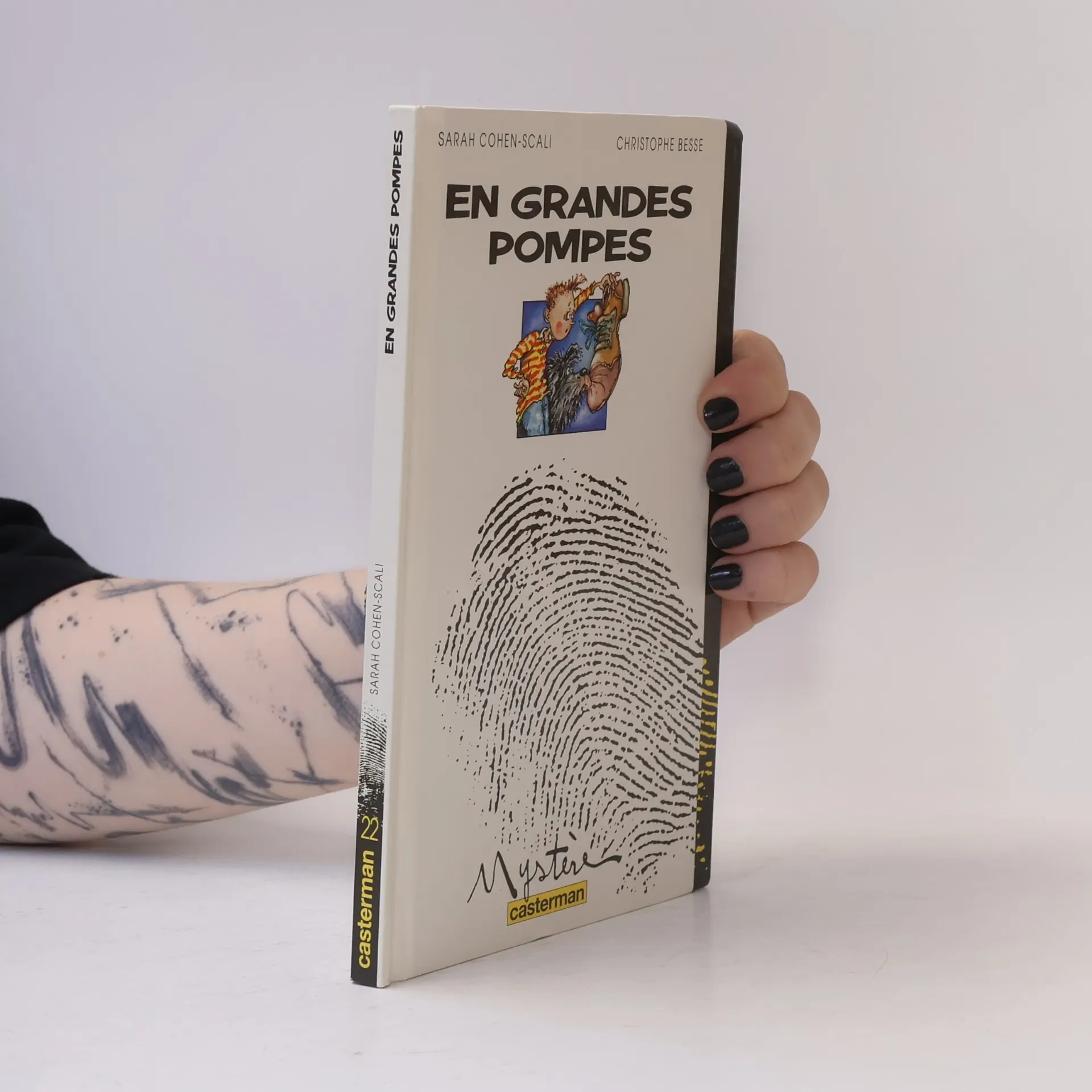
Mystère - 22: En grandes pompes
- 88bladzijden
- 4 uur lezen
On retrouve La Puce, son chien Gros Blair et le commissaire Mullos dans une autre enquête aux nombreux rebondissements.