
How did Africans win their freedom in southern Africa? And what did they do with their freedom in the several decades since each southern African country became free? Overcoming the Oppressors discusses Black oppression succeeding white oppression, indicates why and how corruption prevails in the region, and explains why Botswana is exceptional in being non-corrupt and well-governed. The present problems of each country are analyzed and we learn what their leaders are doing to uplift their peoples.
Robert I. Rotberg Volgorde van de boeken (chronologisch)


"This book explains what corruption is, and how to fight it. Corruption is the use of power in the public sphere for personal gain. Corruption can involve paying a bribe to facilitate a permit application, government contracts for construction or procurement, or by granting special interests influence over government or business proceedings, without cash ever changing hands. The book explores case studies of countries that have successfully managed to stem corruption, and the roles that the judicial system, auditors, ombudspersons, and the media can play in halting corruption. However, Rotberg argues, the essential ingredient to fighting corruption is a leader with the political will to tackle corruption, from whom judges, investigators, and others can take their cues. The book also explores the ways in which technology can stop corruption-moving bureaucratic processes online, for example, eliminates the possibility of being asked for a bribe. The book concludes with a thirteen-step recipe for anticorruption success"-- Provided by publisher
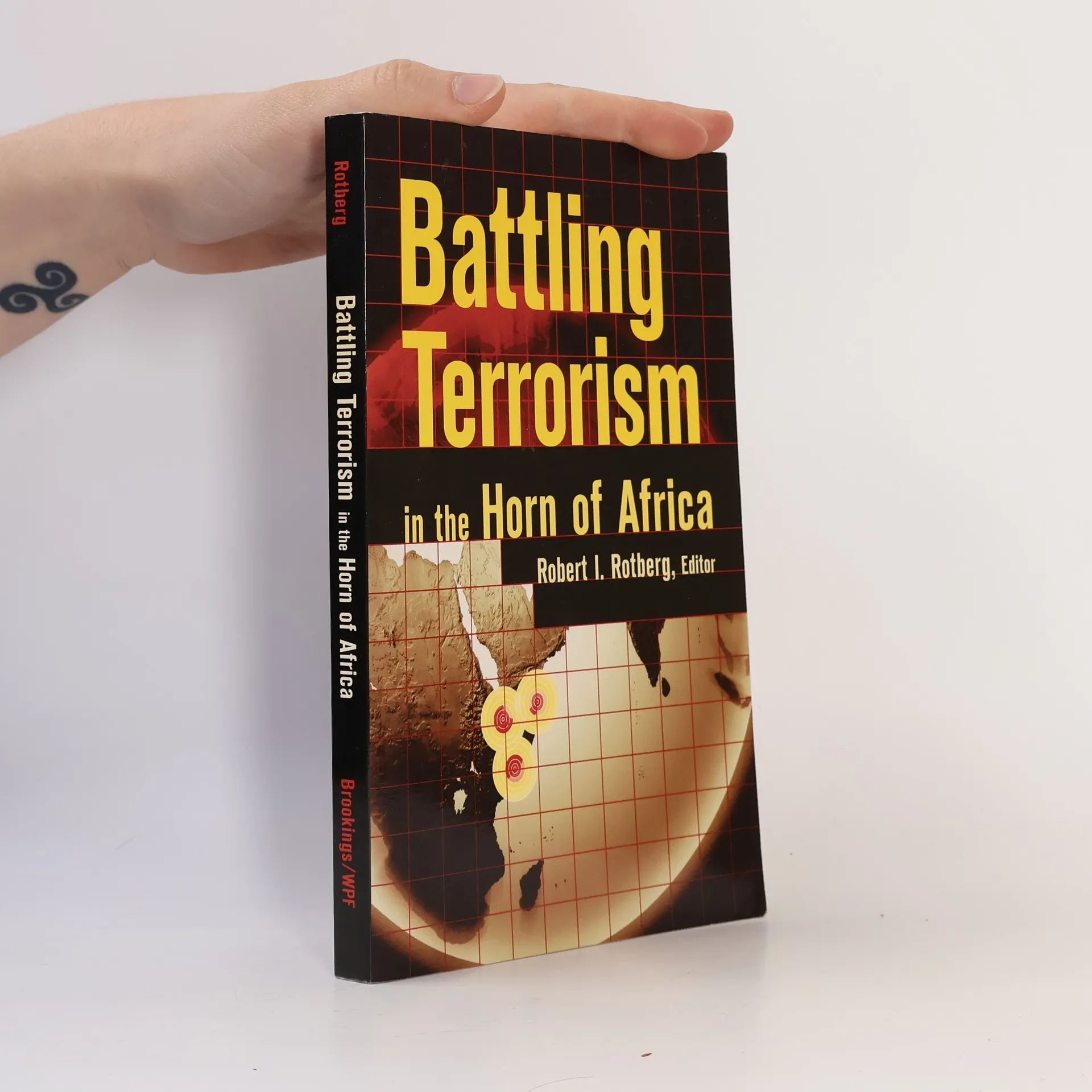
Battling Terrorism in the Horn of Africa
- 221bladzijden
- 8 uur lezen
With significant focus on America's war on terror in Afghanistan and Iraq, the rise of terrorism in other regions has been largely overlooked. The greater Horn of Africa, along with Yemen, has become a particularly dangerous area. This book provides authoritative insights into the ongoing struggle against terrorism in this region, detailing past efforts and future challenges. Robert Rotberg and his colleagues examine the situations in Djibouti, Eritrea, Ethiopia, Kenya, Somalia, Sudan, and Yemen. The contributors, including former U.S. ambassadors and esteemed scholars, analyze how each government is addressing terrorism, with or without U.S. assistance. Rotberg offers a comprehensive overview of the region, drawing lessons for U.S. policy. The work serves as a crucial handbook on necessary actions at the volatile intersection of Arabia and Africa. It is essential reading for those interested in African or Middle Eastern affairs and those seeking to understand international terrorism. Notable contributors include Robert D. Burrowes, Timothy Carney, Johnnie Carson, Dan Connell, Kenneth J. Menkhaus, Robert I. Rotberg, and Lange Schemerhorn.
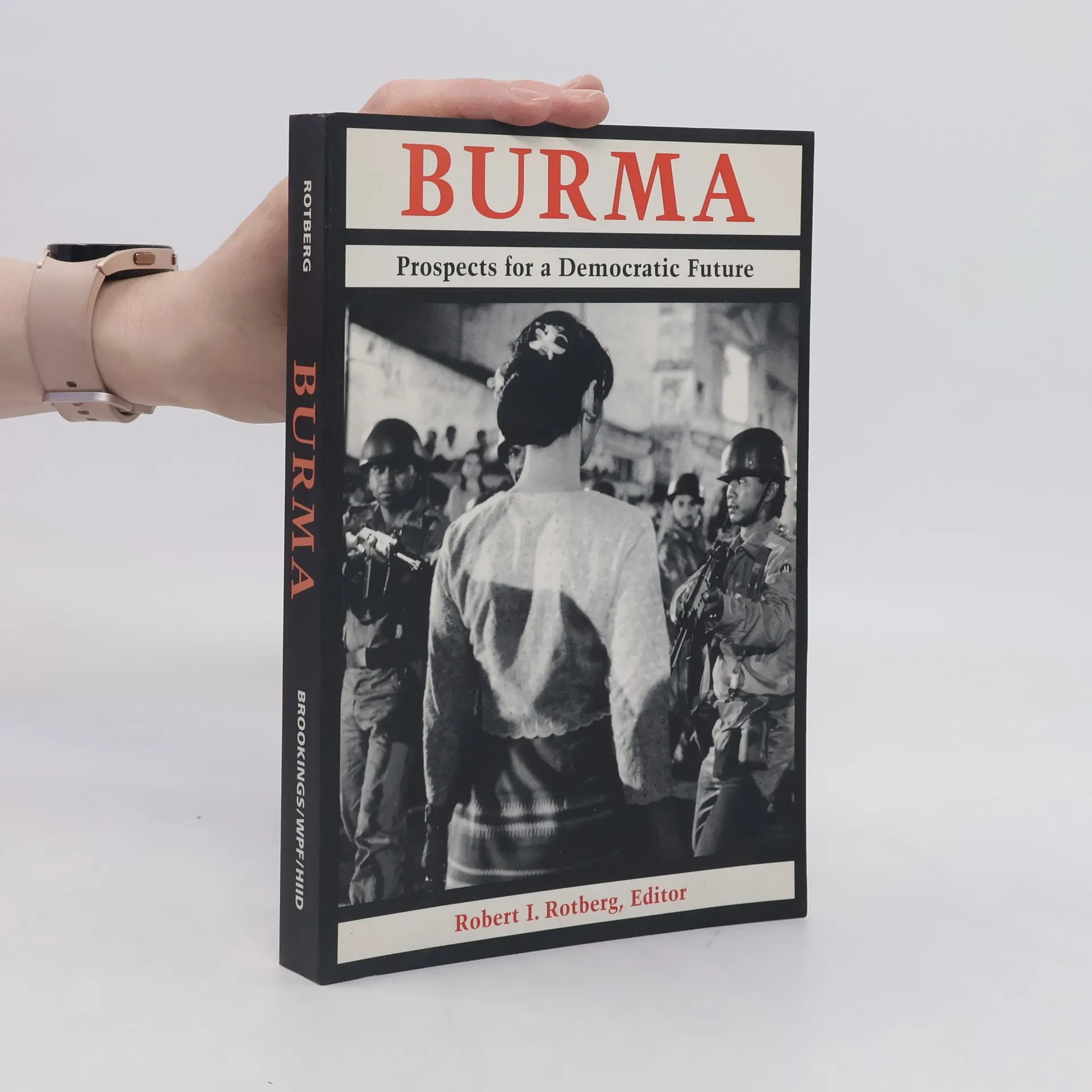
This book examines the origins and consequences of Burma's current policies from military, political, social, and economic perspectives. It analyzes, among other issues, the Asian decision to "constructively engage" Burma versus the position of the U.S. and many other Western countries to treat Burma as a pariah.