Faruk Šehić wordt erkend als een leidende stem van de 'getekende generatie' schrijvers die voortkwamen uit het Joegoslavië van de jaren '70. Zijn werk verkent krachtig de geleefde realiteit van het leven na de oorlog aan de randen van de samenleving, waarbij een gevoel van geglobaliseerd kapitalisme wordt vermengd met het wanhopige bestaan te midden van ruïnes. Šehić's kenmerkende stijl schetst levendige beelden van maatschappelijk verval en de aanhoudende impact van conflict op het landschap en de psyche van Bosnië. Zijn geschriften hebben een aanzienlijke aanhang en kritische lof ontvangen voor hun rauwe en onverbiddelijke weergave van veerkracht na de oorlog.
'My Rivers' is poetic event in four cycles from Bosnia's star author. Divided
into 4 sections: The Loire, The Spree, The Drina and the Beyond the River,
Sehic once again takes on themes of war and peace, love and loneliness in his
distinctive, penetrating voice.
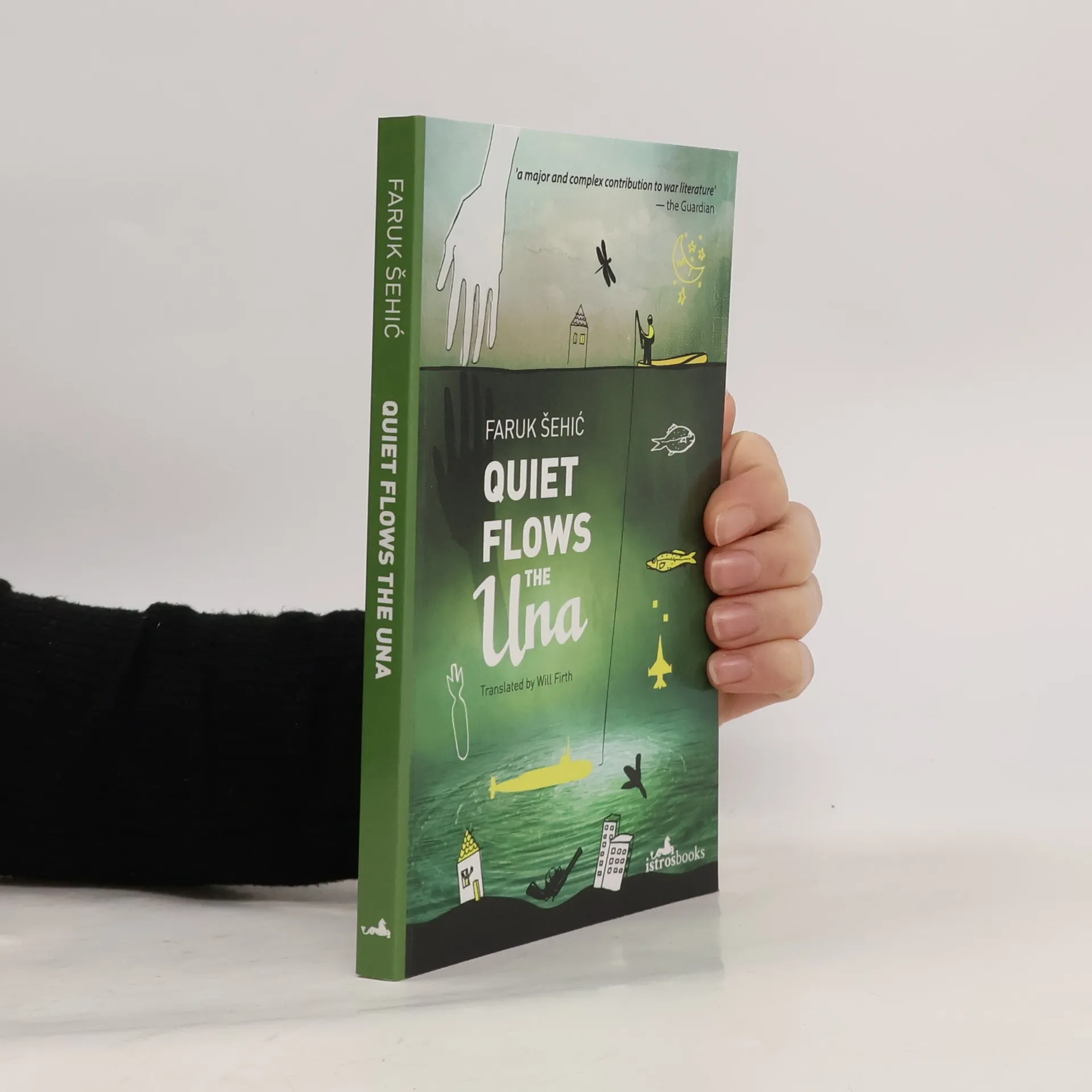
Quiet Flows the Una is the story a man trying to overcome the personal trauma caused by the war in Bosnia and Herzegovina between 1992 and 1995. The book covers three time periods, taking in the hero’s childhood before the war, the battle lines during the war, and his attempt to continue with normal life in a post-conflict society. Through his meditative prose, Šehić attempts to reconstruct the life of a man who is bipolar in nature; being both a veteran and a poet. At times, he manages to pick up the pieces of his life, but at other times it escapes him. His memories of the recent war and the killings are "dirty and disgusting", while he views his present as humdrum and his identity feels incomplete. With the help of his memories, he uses his mind and strength to look for a way out of the maze in which he is confined, acting as both archivist and chronicler of the past - roles that allow him the opportunity to rebuild everything again. In parallel to this story, the book’s passages on the town next to the river Una take on mythical and dreamlike dimensions. Here, the novel expands into a poetic description of nature, seasons, flora and fauna, as well as childhood memories not yet tainted by all that will happen after 1992. The book is dedicated to people who believe in the power and beauty of life in the face of death and mass destruction.
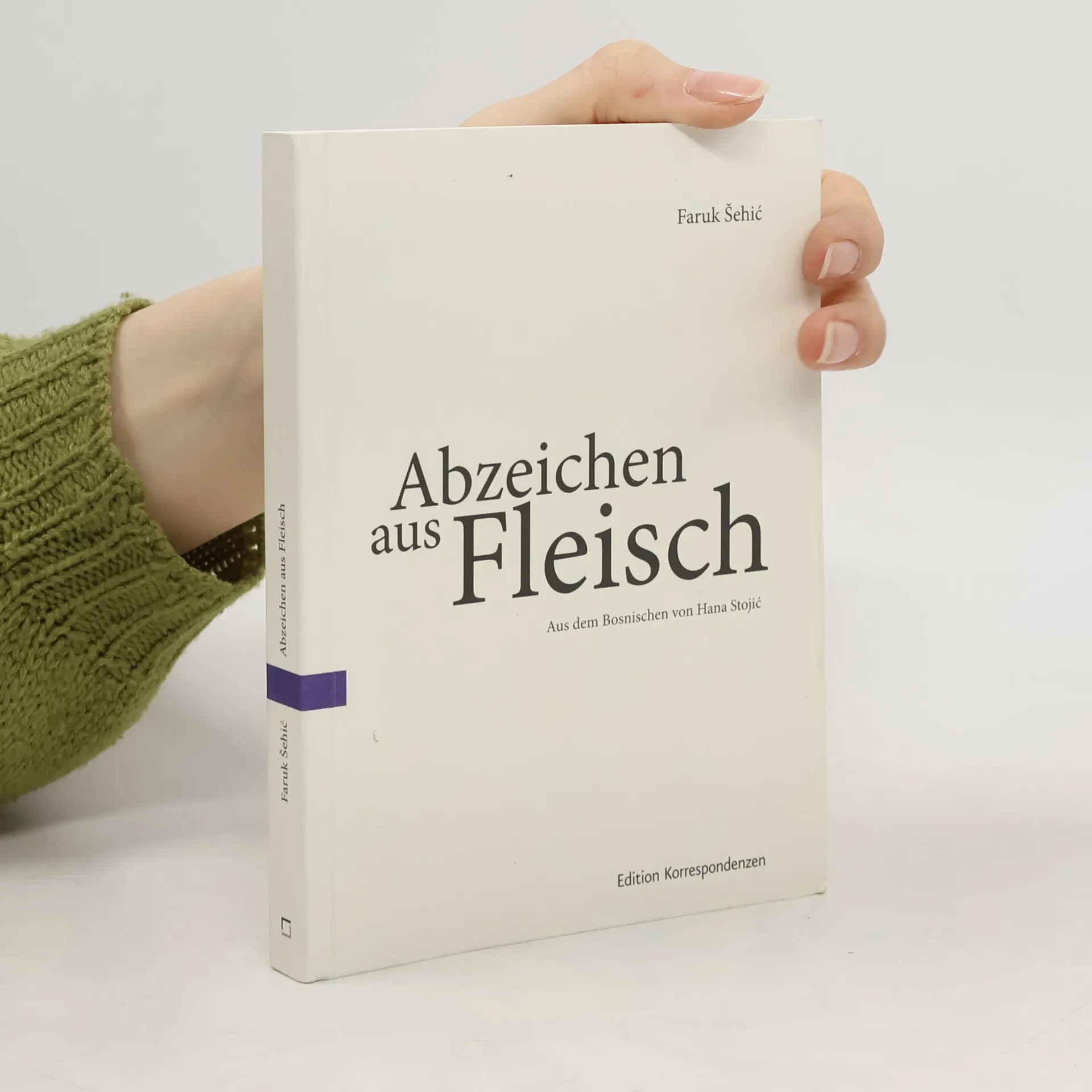
»Im Krieg verliert jeder etwas (und jemanden). Dieses Buch ist der Beweis, dass manchmal auch etwas Wertvolles gewonnen werden kann. Es stellt sich bloß die Frage, wie hoch der Preis dafür ist«, schrieb Nikola Petković über die Gedichte von Faruk Šehić.Šehić war 22 Jahre alt, als 1992 der Krieg in Bosnien und Herzegowina begann und er sich freiwillig zur Armee meldete. Vier Jahre kämpfte er aufseiten der bosniakischen Truppen. Sein Erleben von Angst und Gewalt, der Alptraum der Front, aber auch die Aura der Landschaft und die gespannte Ruhe in den Gefechtspausen stehen seitdem im Mittelpunkt seines Schreibens. Das Rattern von Maschinengewehren über den stillen Fluss hinweg, die Gesichter der getöteten Kameraden und die gemeinsam gerauchten Zigaretten …In seinem Blick auf den Kriegsalltag spiegeln sich eindringlich Wut und Ohnmacht einer vom Krieg überrollten Generation. Aber auch von der Nachkriegszeit in Sarajevo erzählen Šehićs Gedichte, von dem, was Psychologen »posttraumatisches Belastungssyndrom« nennen, und dem Schielen auf die Verheißungen des Westens und seiner Hochglanzhelden: Capitain Picard, Oprah Winfrey und Superman.