Justin MarozziVolgorde van de boeken (chronologisch)
Justin Marozzi is een vooraanstaand reisschrijver, historicus en journalist wiens werk zich vaak verdiept in het Midden-Oosten en de moslimwereld. Met een diepgaand begrip van complexe culturele en politieke landschappen onderneemt Marozzi reizen om vergeten verhalen te ontdekken en historische contexten te onderzoeken die het heden vormgeven. Zijn schrijven wordt gekenmerkt door scherpe inzichten, meeslepende verhalen en een talent om persoonlijke ervaringen te verbinden met bredere historische gebeurtenissen. Zijn boeken nodigen lezers uit tot avontuurlijke ontdekkingstochten door geschiedenis en hedendaags leven.
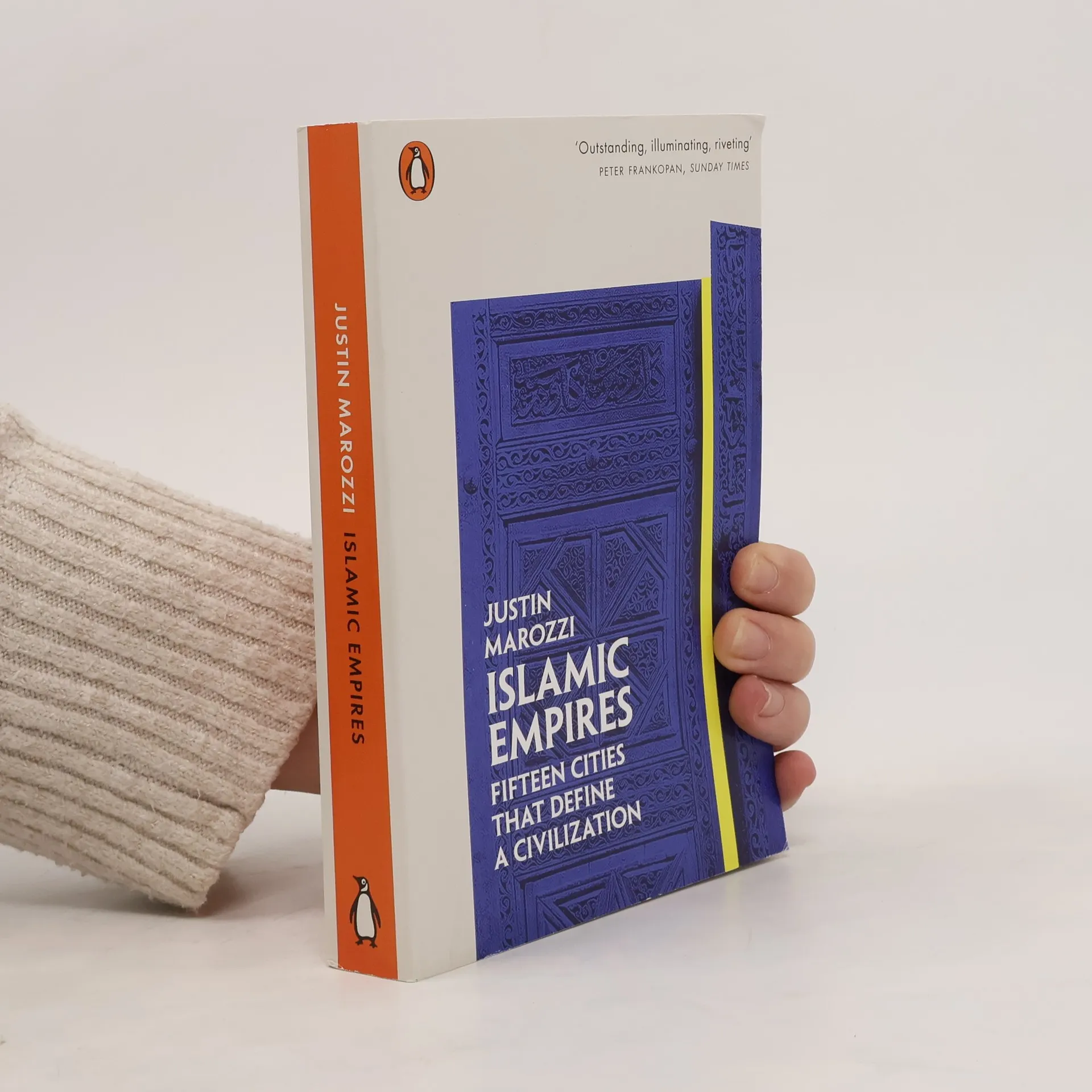
The story of the Muslim conquests of the 7th and 8th centuries AD, when armies
inspired by the new religion of Islam burst out of Arabia to subjugate the
Levant, southwest Asia, North Africa and the Iberian peninsula, destroying two
great empires in the process.
Marozzi's expertly crafted narrative captures the rich, varied and often complex nature of Islamic civilization by offering glimpses of not just its leaders and their institutions but also its cultural shifts through history
This timely and inspiring book tells the story of what has happened in the Sahara and what is happening today. It is a story constantly misunderstood and misrepresented, but here revealed and described with absolute authority and sympathy. The accompanying colour photographs capture the grandeur of the Sahara and its elegant and resourceful people.
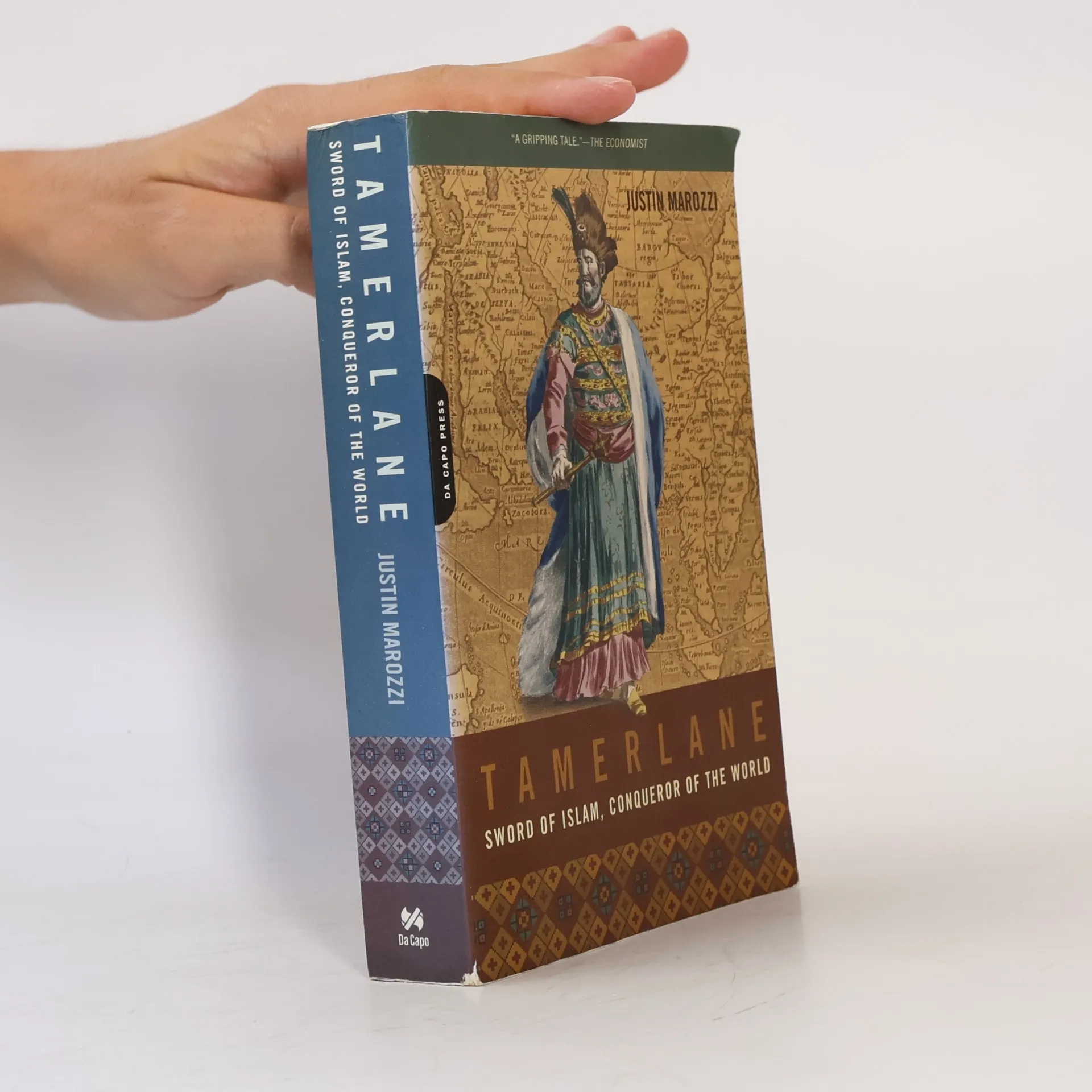
Tamerlane (1336-1405)-the tartar successor to Genghis Khan-ranks with Alexander the Great as one of the world's greatest conquerors. His armies were ferocious, feared throughout Asia, Africa, and Europe. They blazed through Asia like a firestorm, razing cities, torturing captives, and massacring enemies. Anyone who dared defy Tamerlane was likely decapitated, and towers of bloody heads soon became chilling monuments to his power throughout Central Asia. By the end of his life, Tamerlane had imposed his iron rule, as well as a refined culture, over a vast territory-from Syria to India, from Siberia to the Mediterranean. Justin Marozzi traveled in the footsteps of this infamous and enigmatic emperor of Samarkand (in modern Uzbekistan) to tell the story of this cruel, cultivated, and powerful warrior.