

Sofia Petrovna is Lydia Chukovskaya's fictional account of the Great Purge. Her eponymous heroine is a Soviet Everywoman, a doctor's widow who works as a typist in a Leningrad publishing house.
Lydia Chukovskaya Volgorde van de boeken (chronologisch)
Lydia Chukovskaya was een auteur met een sterk moreel kompas die standvastig bleef in haar overtuigingen te midden van een repressief regime. Haar werk, met name 'Sofia Petrovna', is een aangrijpend getuigenis van het leven tijdens de Grote Zuiveringen, waarin de brute realiteit van Stalins terreur wordt blootgelegd. Ondanks aanzienlijke obstakels en censuur ontwikkelde Chukovskaya zich tot een gerespecteerde literaire figuur dankzij haar onwrikbare toewijding. Haar nalatenschap wordt gekenmerkt door haar onverzettelijke inzet voor waarheid en kunst, die een onuitwisbare indruk heeft achtergelaten op de Russische literatuur.
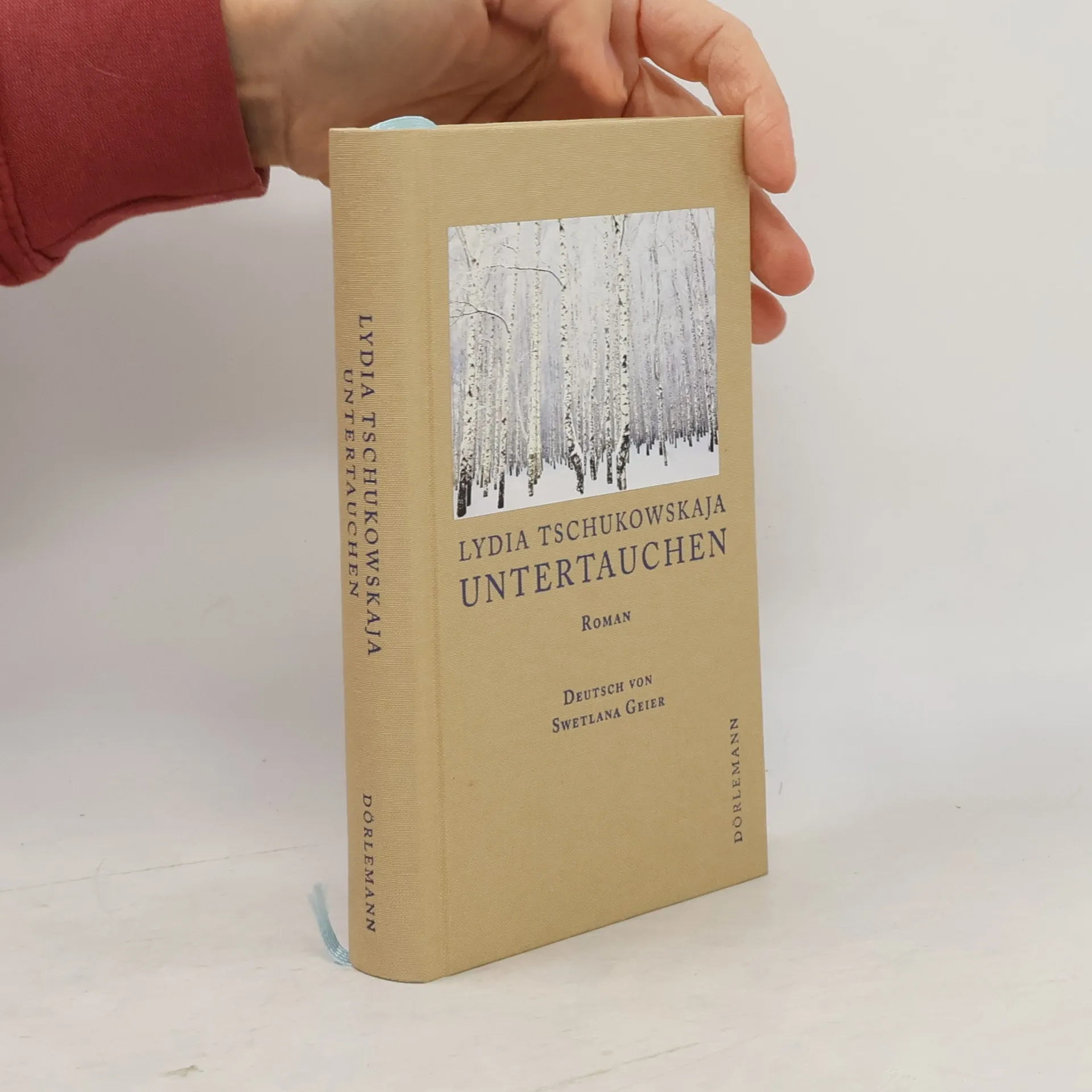

Nina Sergejewna verbringt winterliche Wochen im Jahr 1949 in einem Sanatorium für Künstler auf dem Lande. Hier ist alles auf Vergessen gestimmt. Doch sie will mehr über die Vergangenheit, über ihr eigenes Leid und das ihrer Mitmenschen erfahren. Als sie Bilibin kennenlernt, der im gleichen Arbeitslager wie ihr Mann war, sucht sie seine Nähe. Es entspinnt sich eine zarte Zuneigung, doch enttäuscht wendet sie sich ab, als auch Bilibin nicht die Wahrheit, sondern das Verdrängen und Vergessen sucht.
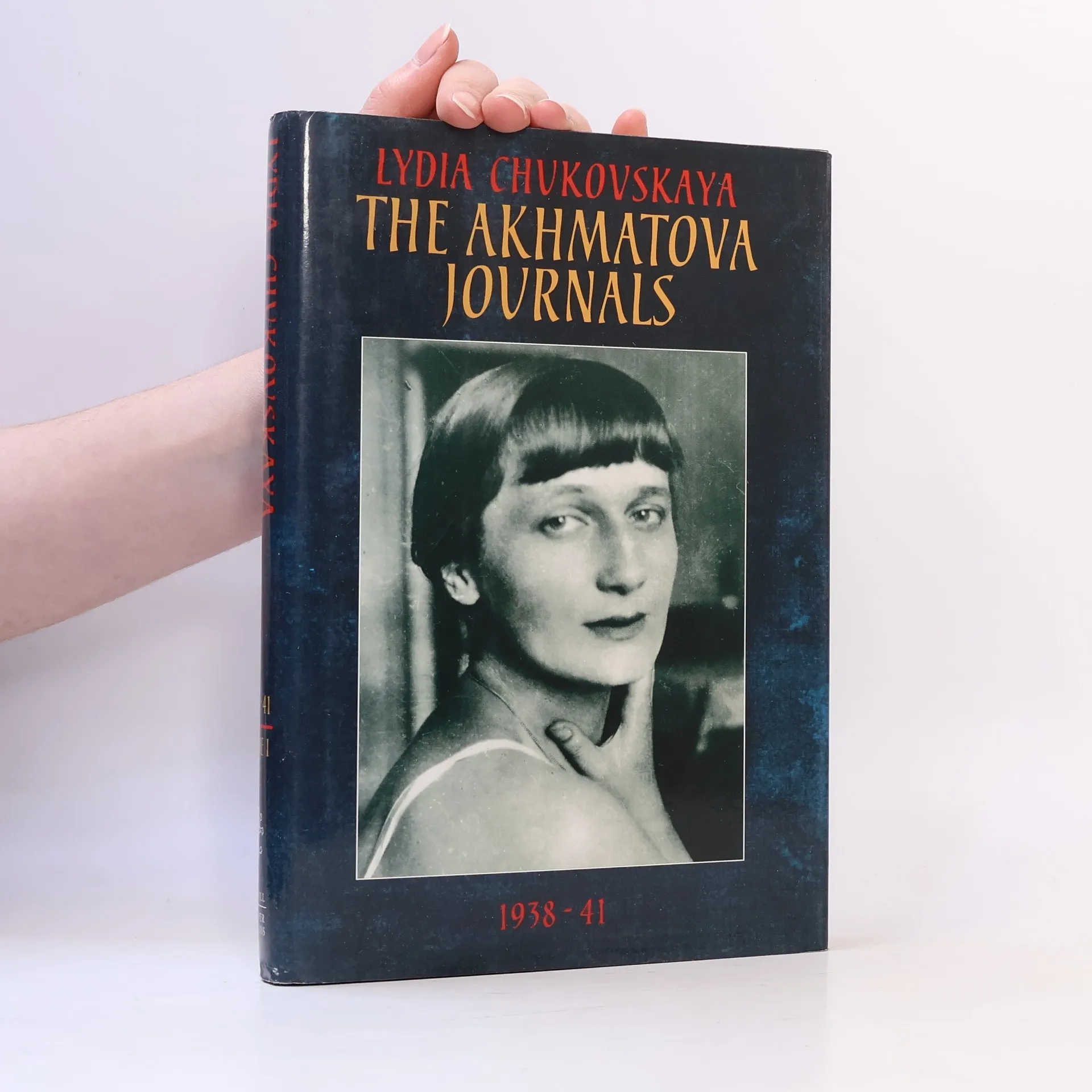
Lydia Chukovskaya and Anna Akhmatova were brought together by a common tragedy (both had lost loved ones in the purges of the 1930s) and by a common passion for literature. The journals are excerpts from Chukovskaya's diaries kept at great risk to herself and to those about whom she wrote, but now to be published in Moscow to celebrate the centenary of Akhmatova's birth. The journals compose a portrait of a poet of genius and a remarkable woman, and also provide a unique picture of Russian intellectual circles in the terrible years of World War II, years of hunger, disappearances and queues of prison-widows. When the publication of The Journals is complete in English - volume II will end with 1958 and volume III with Akhmatova's death in 1966 - it will stand as a testament to a poet's life and the cultural life of a nation under a totalitarian regime.