

Focusing on two significant compositions by Schoenberg, this handbook synthesizes recent research to illuminate the modernist aesthetics central to his musical philosophy. It explores how Schoenberg's work played a vital role in the broader context of early twentieth-century modernism across the arts, showcasing music's influence on this transformative period.
The book delves into the music of key twentieth-century composers, including Debussy, Schoenberg, and Stravinsky, among others. Arnold Whittall examines the cultural contexts and critical viewpoints that illuminate their works. He highlights the interplay between progressive and conservative elements, showcasing the diverse styles and genres that characterize twentieth-century composition. Through this exploration, the study offers a deeper understanding of the complexities within modern music.
Exploring the influence of Benjamin Britten on contemporary British composers, this collection features revised essays and analyses from 1995 to 2018. It highlights how figures like Harrison Birtwistle and Thomas Adès, while differing in style, navigate their musical identities against Britten's legacy. Despite their claims of independence, the enduring impact of Britten on British music institutions and culture is evident, making the discussion of 'British music after Britten' rich and complex. Arnold Whittall, a noted authority on twentieth-century music, provides insightful commentary throughout.
Synthesising and refocusing the wealth of recent research into two of
Schoenberg's major compositions and highlighting modernist aesthetics that
remained fundamental to Schoenberg's musical thought, this handbook reveals
how music became a crucial contributor to early twentieth-century modernism in
the arts.
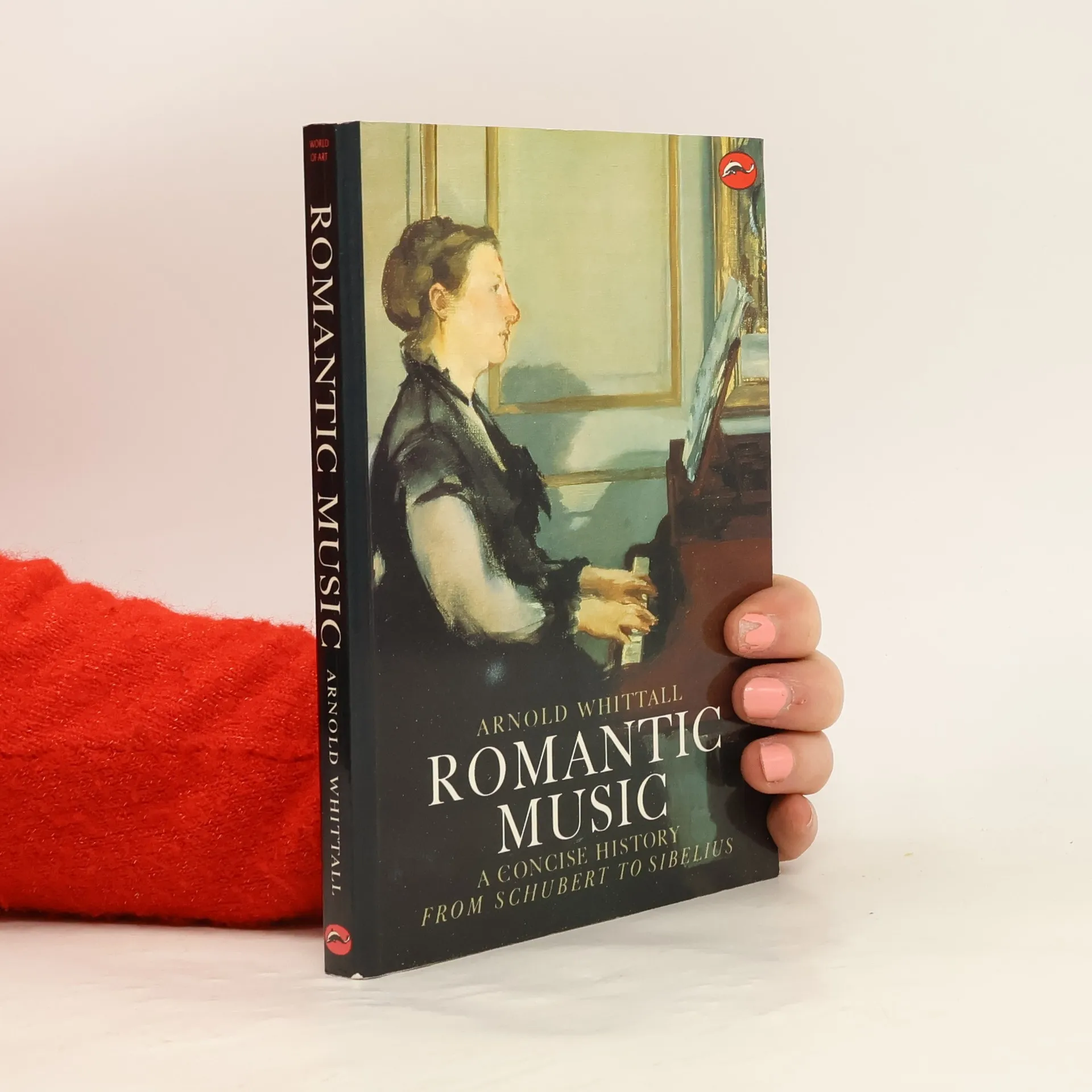
A Concise History from Schubert to Sibelius: With 51 Illustrations
192bladzijden
7 uur lezen
Romanticism, the dominant mode of nineteenth-century musical expression, is associated most readily with the full-blooded passion and emotion to be found in such masterpieces as Chopin's "Revolutionary" Study and Wagner's epic music drama, the "Ring." Arnold Whittall explains how Romantic composers were faced with the challenge of devising appropriate and adequately coherent structures out of those often felt to be old-fashioned and restrictive. He covers the emergence of Romantic music in Germany, Italy and France as seen in the work of such composers as Weber, Schumann, Donizetti, Berlioz and Chopin, and then goes on to explore the operatic achievements of Wagner and Verdi alongside the predominantly instrumental programmatic works of Liszt and the nationalists of Russia, Bohemia and Scandinavia. The last part of the book traces the flowering of late Romanticism in Vienna, focusing on Brahms, Bruckner and Wolf, and shows how Mahler, Puccini, Rakhmaninov and Sibelius have continued the Romantic tradition in this century. 51 illus.