Charting the World
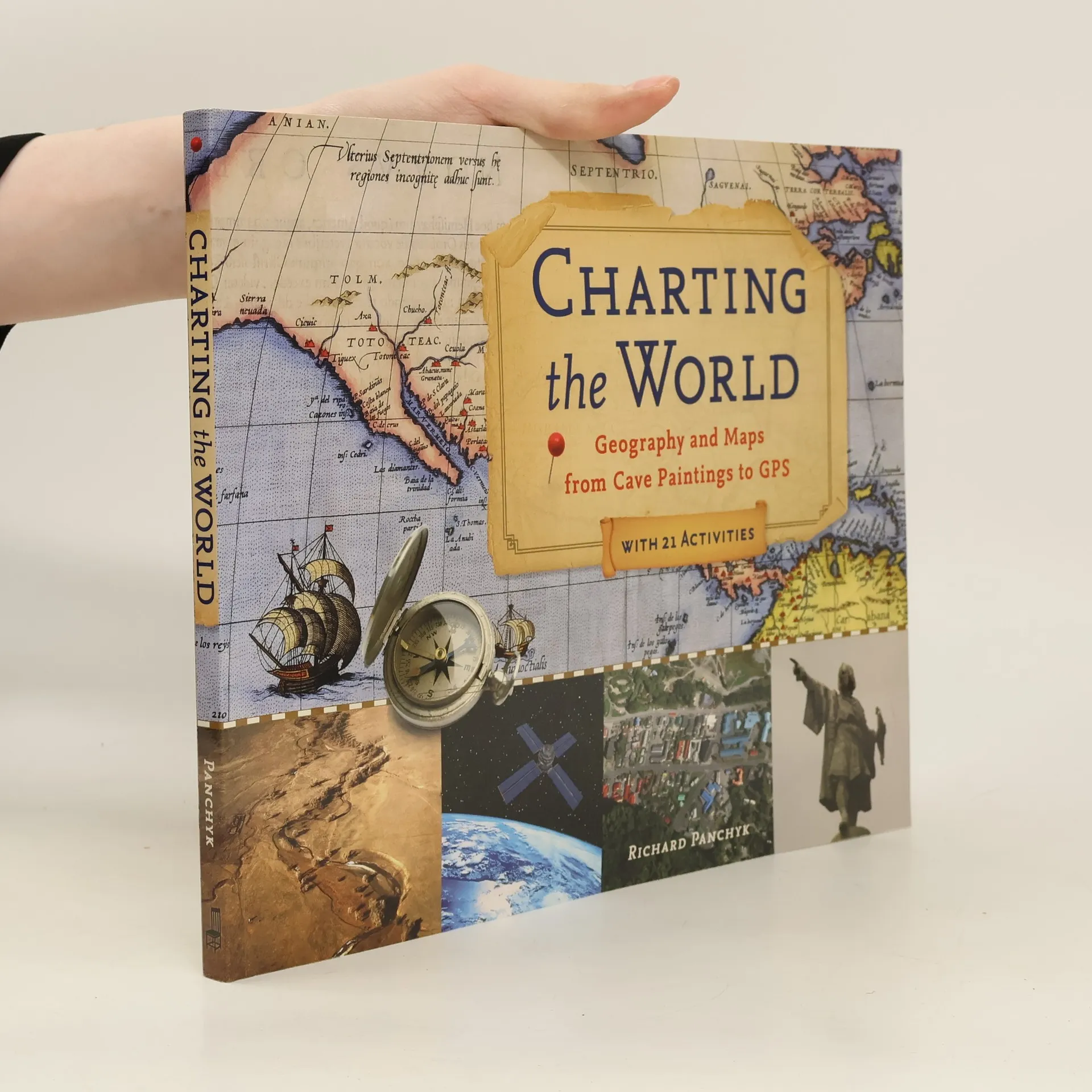
Geography and Maps from Cave Paintings to GPS with 21 Activities
Tells the fascinating history of maps and mapmaking, etc.


Richard Panchyk is auteur of redacteur van 14 boeken over uiteenlopende onderwerpen, waaronder non-fictie voor kinderen (wetenschap, geschiedenis, kunst, politiek/overheid) en non-fictie voor volwassenen (geschiedenis en folklore). Zijn werken zijn vertaald in vier talen. Hij richt zich op het bieden van boeiende en toegankelijke informatie aan jonge lezers, vaak via historische thema's en de inzet van visuele elementen. Zijn werk beoogt geschiedenis en wetenschap begrijpelijk en interessant te maken voor een breed publiek.

Geography and Maps from Cave Paintings to GPS with 21 Activities
Tells the fascinating history of maps and mapmaking, etc.
Exploring the rich tapestry of Catholic life in New York City, this book highlights the growth of the Catholic population from 200,000 to over 1.2 million between 1850 and 1900, driven by waves of European immigration. It chronicles significant milestones, including the establishment of the first Catholic church in the 1780s and the completion of St. Patrick's Cathedral in 1879. The narrative also delves into the diverse personalities, places, and events that have shaped the city's Catholic identity over the past two centuries.
Focusing on the vibrant legacy of German immigrants in New York City, the book explores their journey from 19th- and 20th-century Europe to America. It highlights the peak immigration periods of the 1850s and 1880s, when New York became home to a significant German-born population. The establishment of Kleindeutschland, or Little Germany, in downtown Manhattan is examined, along with the community's later migration to Yorkville and other boroughs, showcasing the enduring influence of German culture in the city.
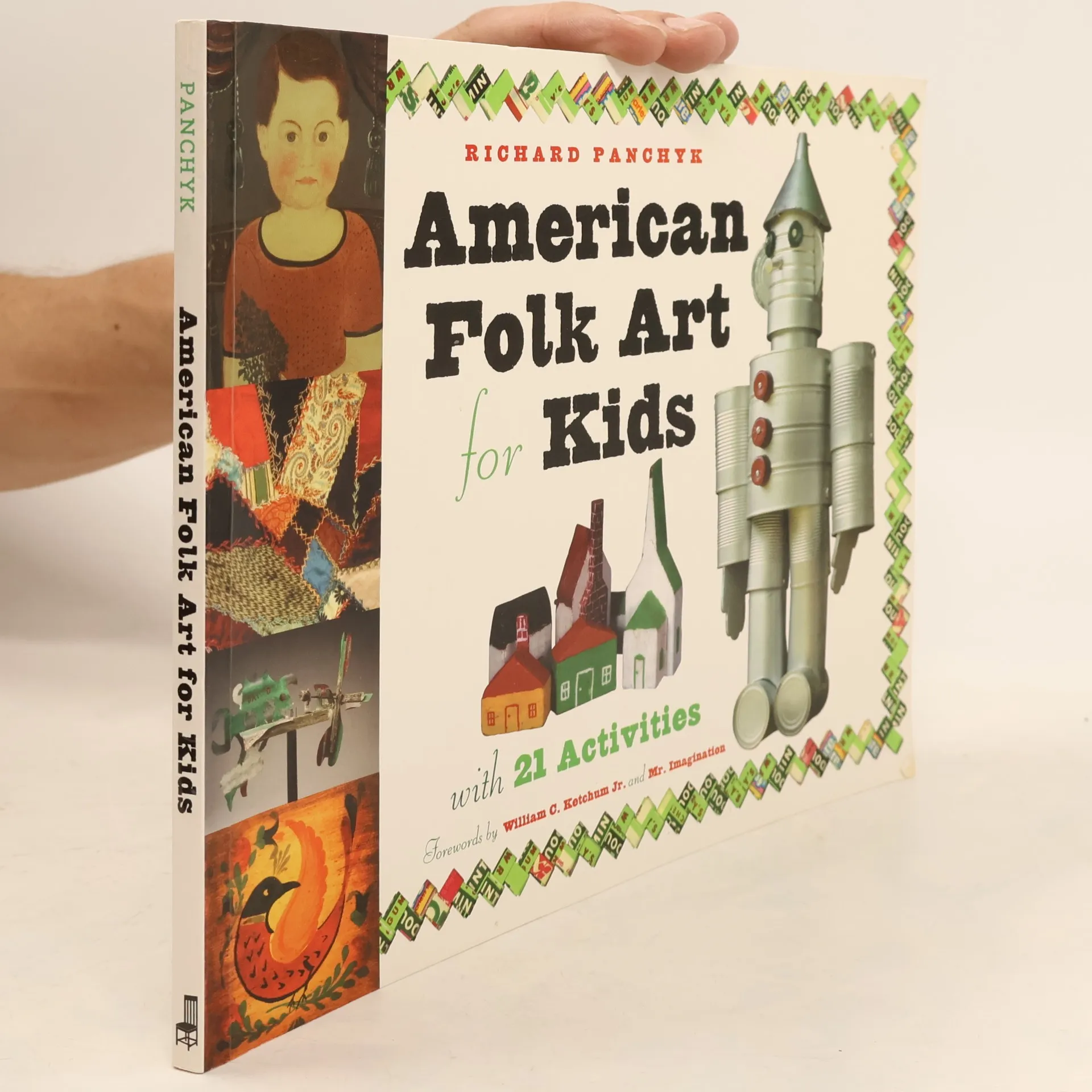
Drawing on the natural folk art tendencies of children, who love to collect buttons, bottle caps, shells, and Popsicle sticks to create beautiful, imperfect art, this activity guide teaches kids about the history of this organic art and offers inspiration for them to create their own masterpieces. The full breadth of American folk art is surveyed, including painting, sculpture, decorative arts, and textiles from the 17th century through today. Making bubblegum wrapper chains, rag dolls, bottle cap sculptures, decoupage boxes, and folk paintings are just a few of the activities designed to bring out the artist in every child. Along the way kids learn about the lives of Americans throughout history and their casual relationships to everyday art as they cut stencils, sew needlepoint samplers, draw calligraphy birds, and design quilts. Important folk artists such as the last surviving Shakers, the legendary Grandma Moses, and the Reverend Howard Finster are also explored in sidebars throughout the book.