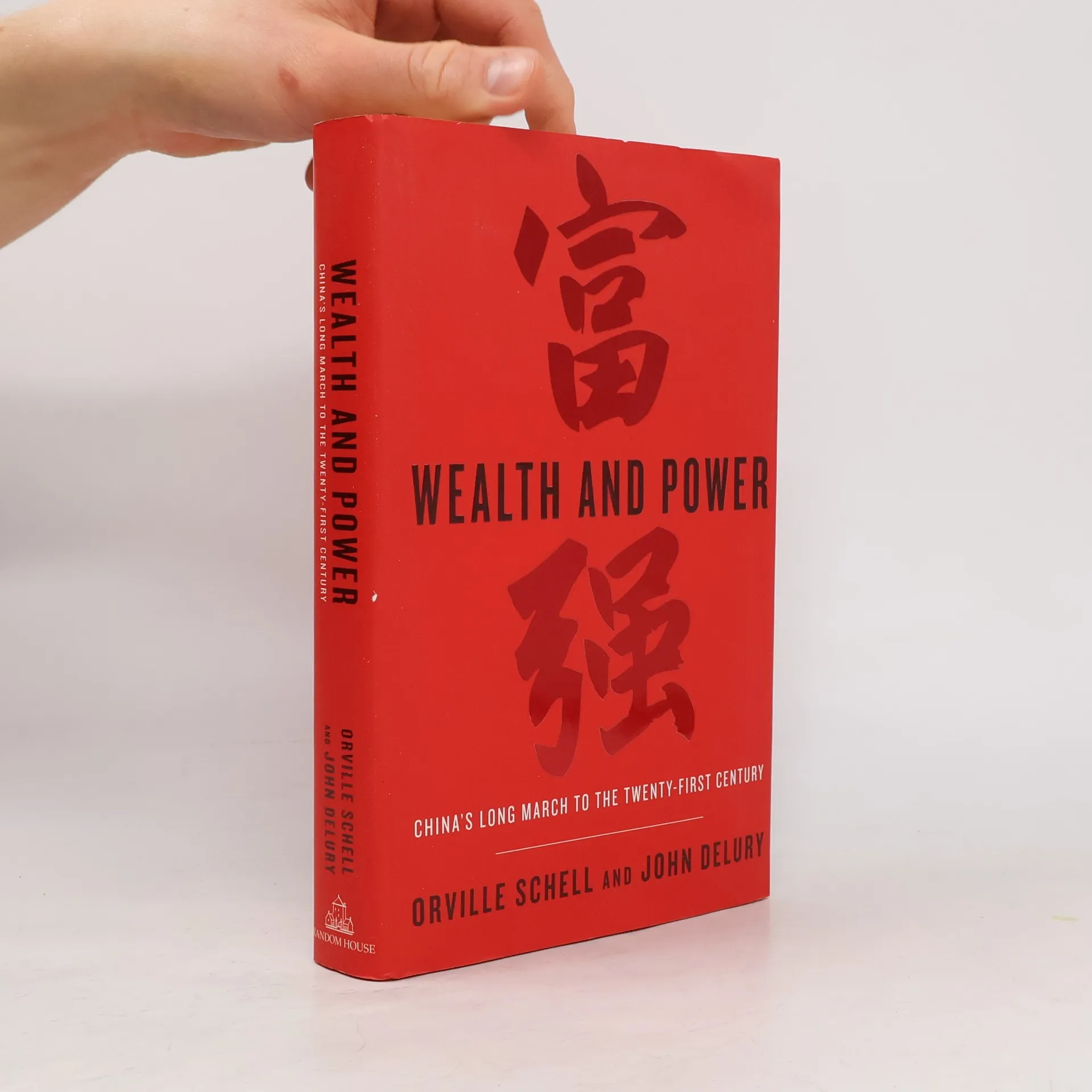
Through engaging portraits of key modern Chinese leaders and thinkers, two leading specialists on China craft a narrative exploring the nation's remarkable rise to prominence. This journey follows China's transformation from a period marked by dynastic decline, intellectual turmoil, foreign occupation, civil war, and revolution to its current status as a global powerhouse. The book examines the lives of eleven pivotal figures, including Wei Yuan, who advocated for Western ideas before the first Opium War, and Liu Xiaobo, a contemporary human-rights advocate. Other notable figures include Empress Dowager Cixi, intellectuals Feng Guifen, Liang Qichao, and Chen Duxiu, as well as Nationalist leaders Sun Yat-sen and Chiang Kai-shek, and Communist Party figures Mao Zedong, Deng Xiaoping, and Zhu Rongji. These individuals shared a common goal: the pursuit of fuqiang, or "wealth and power," which shaped modern Chinese identity and drove transformative societal changes. By tracing the intellectual roots of today’s China, the authors provide vital insights into its evolution from decline to prosperity, helping readers understand the forces that continue to influence the nation’s trajectory in the 21st century.
John Delury Boeken


My Old Home
- 624bladzijden
- 22 uur lezen
A uniquely experienced observer of China gives us a sweeping historical novel that takes us on a journey from the rise of Mao Zedong in 1949 to the Tiananmen Square uprising in 1989, as a father and his son are swept away by a relentless series of devastating events. It's 1950, and pianist Li Tongshu is one of the few Chinese to have graduated from the San Francisco Conservatory of Music. Engaged to a Chinese-American violinist who is the daughter of a missionary father and a Shanghai-born mother, Li Tongshu is drawn not just by Mao's grand promise to "build a new China" but also by the enthusiasm of many other Chinese artists and scientists living abroad, who take hope in Mao's promise of a rejuvenated China. And so when the recently established Central Conservatory of Music in Beijing offers Li Tongshu a teaching position, he leaves San Francisco and returns home with his new wife. But instead of being allowed to teach, Li Tongshu is plunged into Mao's manic revolution, which becomes deeply distrustful of his Western education and his American wife. It's not long before his son, Little Li, also gets caught up in the maelstrom of political and ideological upheaval that ends up not only savaging the Li family but, ultimately, destroying the essential fabric of Chinese society.