

Award-winning interior designer Timothy Corrigan provides inspiration and instruction in the art of French decoration and living with the story of his stunningly restored French chateau. Who hasn’t dreamed of an idyll in the French countryside, in a handsome historic house surrounded by fragrant gardens and lush orchards, filled with pretty rooms for entertaining friends? Welcome to Chateau du Grand-Lucé, designer Timothy Corrigan’s home in the Loire Valley. Corrigan purchased the chateau in 2004 and set about restoring the house to its full French glory with his signature mix of continental elegance and California comfort. The book travels from the striking entry hall to the elegant bedrooms, as Corrigan offers indispensable decorating advice based on his experiences, including how to live in historic homes in a modern way. A celebration of the gracious symmetry of French classical decoration and architecture amid the pastoral beauty of the French countryside, An Invitation to Chateau du Grand-Lucé is the perfect gift for all Francophiles.
Patricia White Boeken
Patricia White is een Professor in Film- en Mediastudies wiens werk zich verdiept in de kritische analyse van cinema en media. Ze heeft belangrijke bijdragen geleverd aan het begrip van klassiek Hollywood-cinema, met name door de lens van lesbische representeerbaarheid. Haar onderzoek verkent hoe gender en seksualiteit worden geconstrueerd en waargenomen in filmtheorie en mediastudies, en biedt inzichtelijke perspectieven op hun culturele impact.
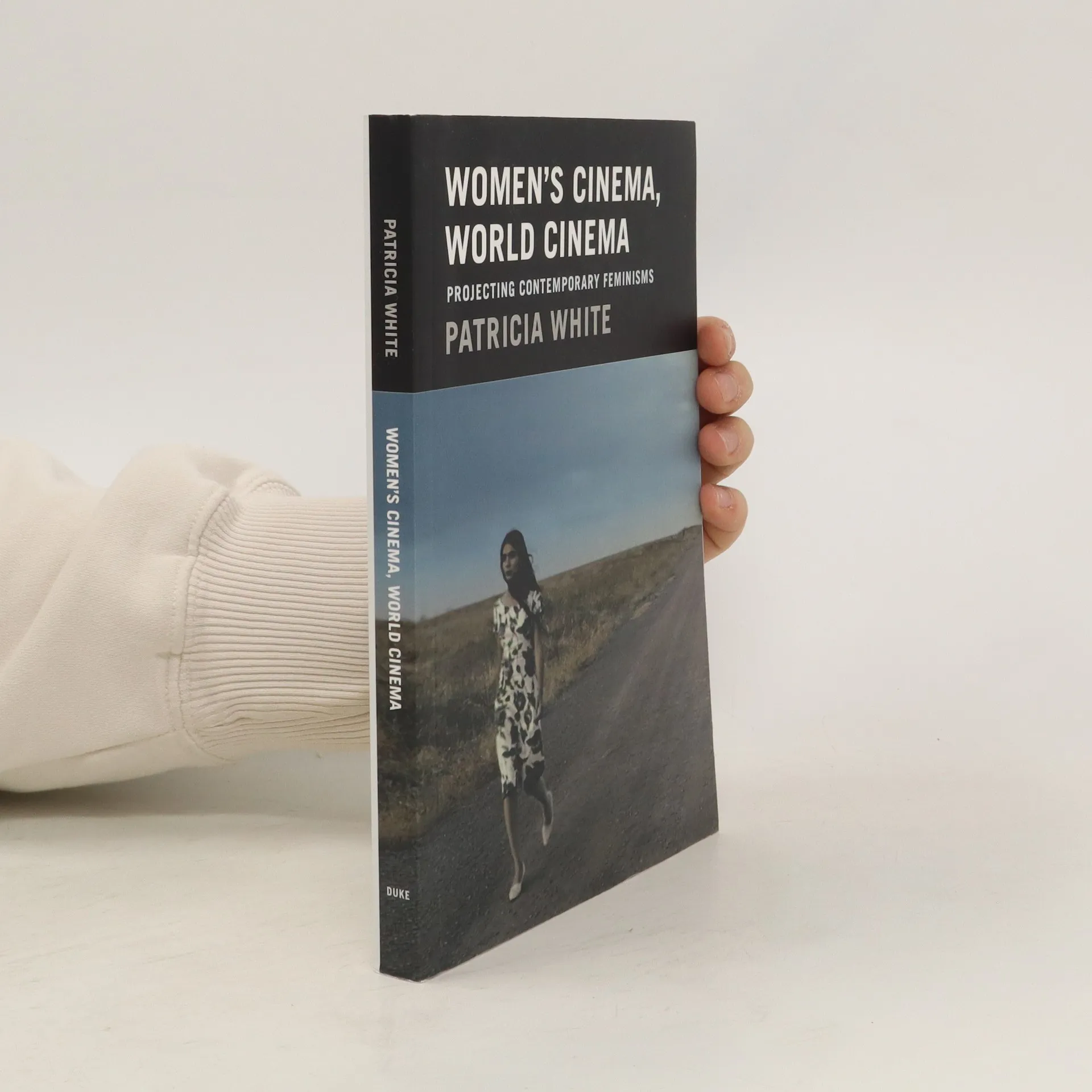

In Women’s Cinema, World Cinema, Patricia White explores the dynamic intersection of feminism and film in the twenty-first century by highlighting the work of a new generation of women directors from around the world: Samira and Hana Makhmalbaf, Nadine Labaki, Zero Chou, Jasmila Zbanic, and Claudia Llosa, among others. The emergence of a globalized network of film festivals has enabled these young directors to make and circulate films that are changing the aesthetics and politics of art house cinema and challenging feminist genealogies. Extending formal analysis to the production and reception contexts of a variety of feature films, White explores how women filmmakers are both implicated in and critique gendered concepts of authorship, taste, genre, national identity, and human rights. Women’s Cinema, World Cinema revitalizes feminist film studies as it argues for an alternative vision of global media culture.