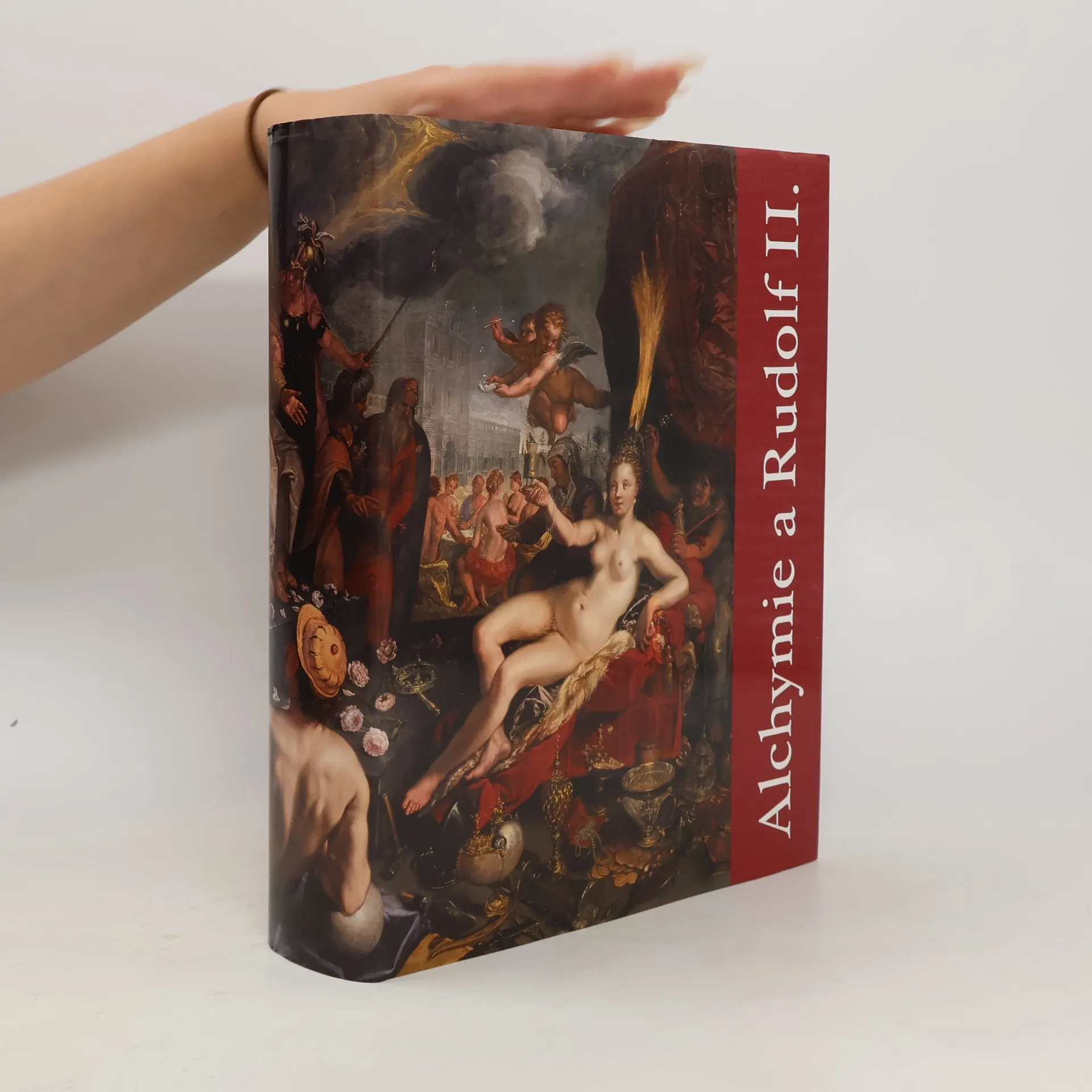
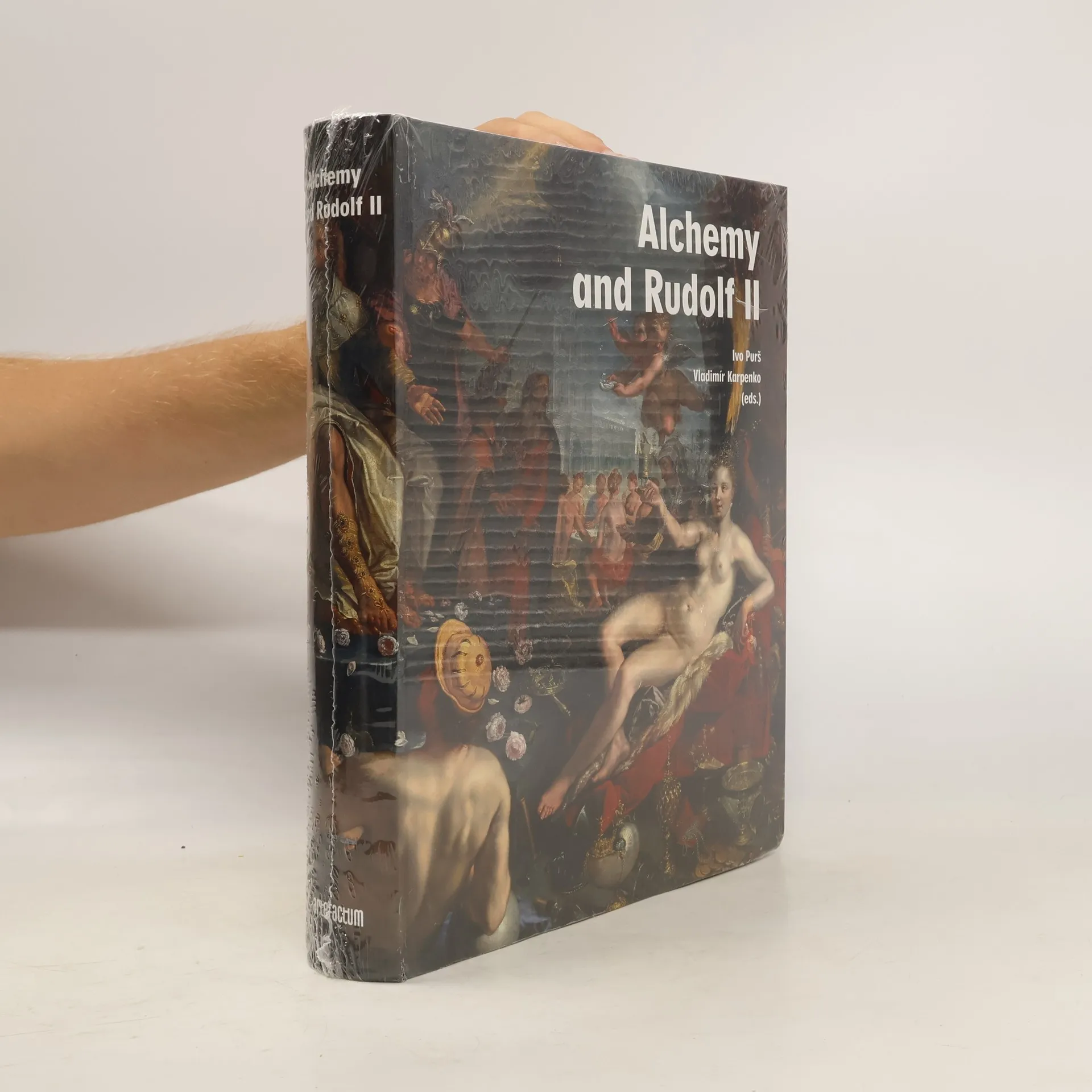

Alchemy and Rudolf II
Exploring the Secrets of Nature in Central Europe in the 16th and 17th Centuries
- 869bladzijden
- 31 uur lezen
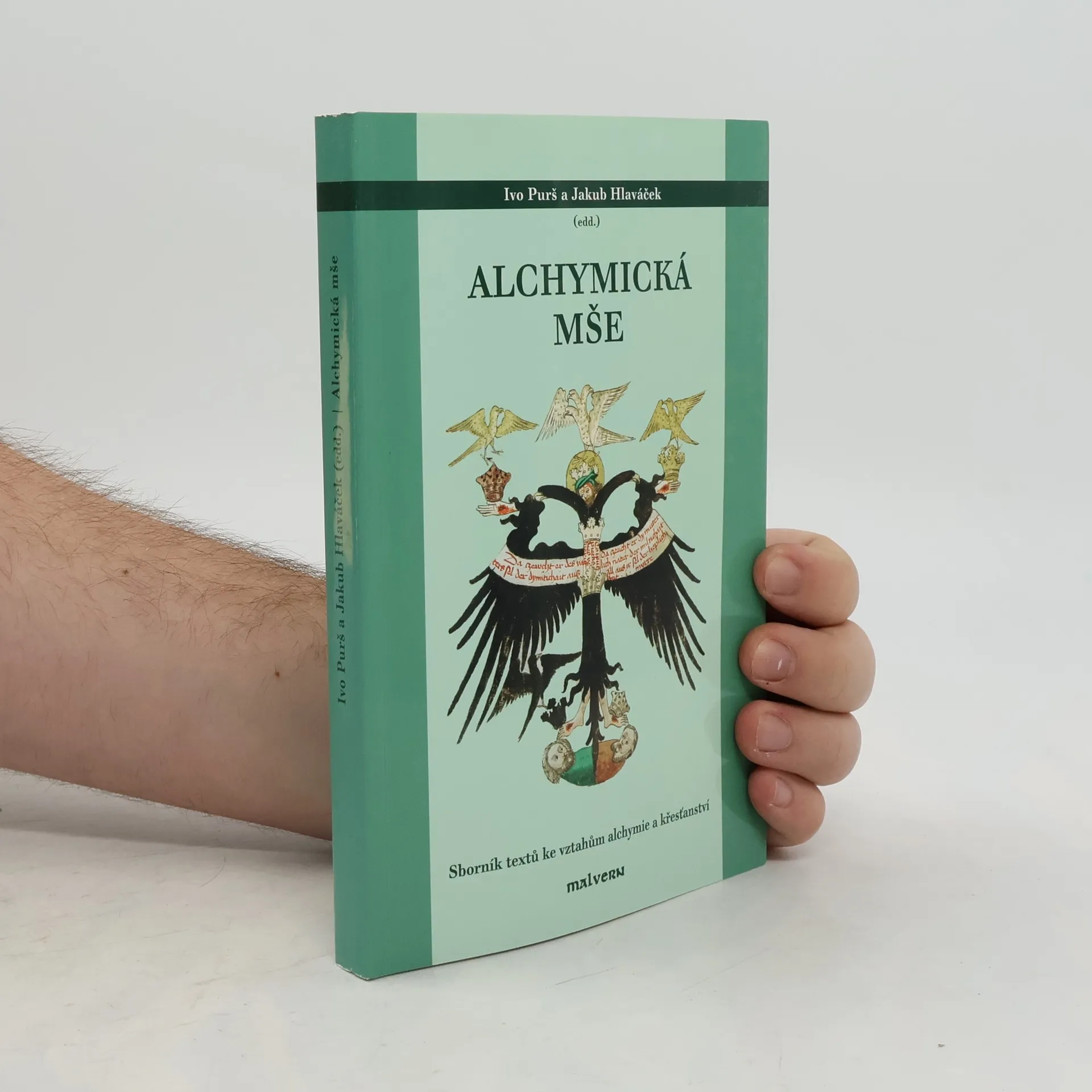
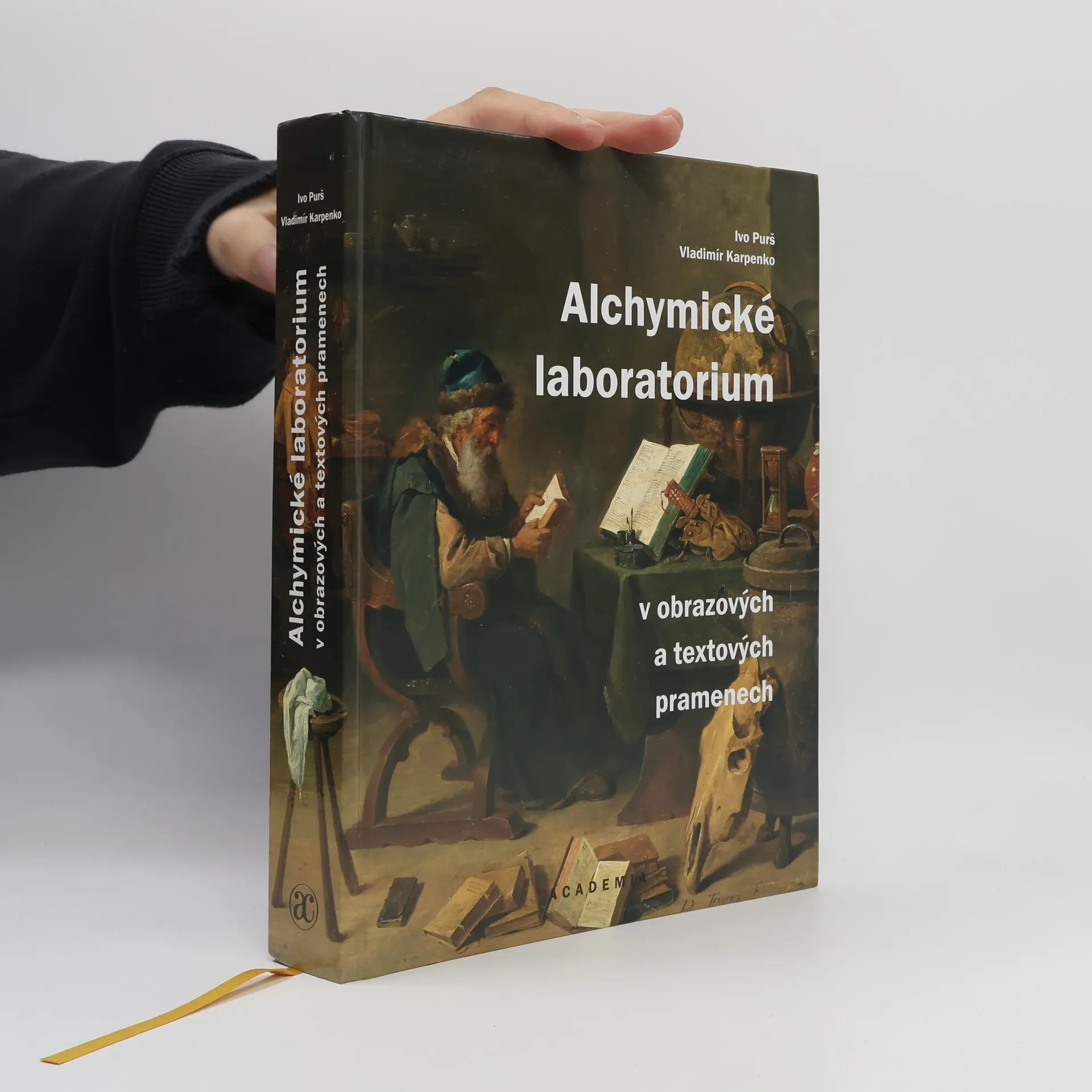
The theme of alchemy during the reign of Emperor Rudolf II (1552–1612) is both popular and often misunderstood in Bohemian and Central European history. Renewed interest in Mannerism and Rudolfine art since the 1970s has led historians to explore various aspects of Rudolfine culture, including alchemy, which was a significant cultural phenomenon rather than merely a precursor to modern chemistry. This shift in perspective has allowed scholars to examine alchemy as a complex social and cultural force intertwined with medicine, mining, metallurgy, religion, visual art, and the representation of nobility. This publication investigates activities directly supported by Rudolf II and those emerging from the broader social circles connected to the imperial court, extending beyond the Czech lands to Austria and the Holy Roman Empire. While the primary focus is on the period of Rudolf II's reign from 1576 to 1612, it is crucial to contextualize this study by tracing the development of alchemical research in Central Europe from the early 16th century and its repercussions into the 17th century. Through this lens, the intricate relationships between alchemy and various societal elements during this transformative period can be better understood.