


Bookbot

Richard C. Carrier

    Richard Carrier is een Amerikaanse historicus en filosoof, bekend als voorstander van het vrije denken. Zijn werk richt zich op de kritische beoordeling van religieuze claims en historische analyse. Carrier onderzoekt thema's als atheïsme en metafysisch naturalisme, en moedigt een rationele benadering van wereld begrip aan. Zijn geschriften bieden inzichten in geschiedenis en filosofie die aanzetten tot diepere reflectie over geloof en rede.

    Christian Philosophy Today - 20: An Evidentiary Analysis of Doctor Richard Carrier’s Objections to the Resurrection of Jesus Christ
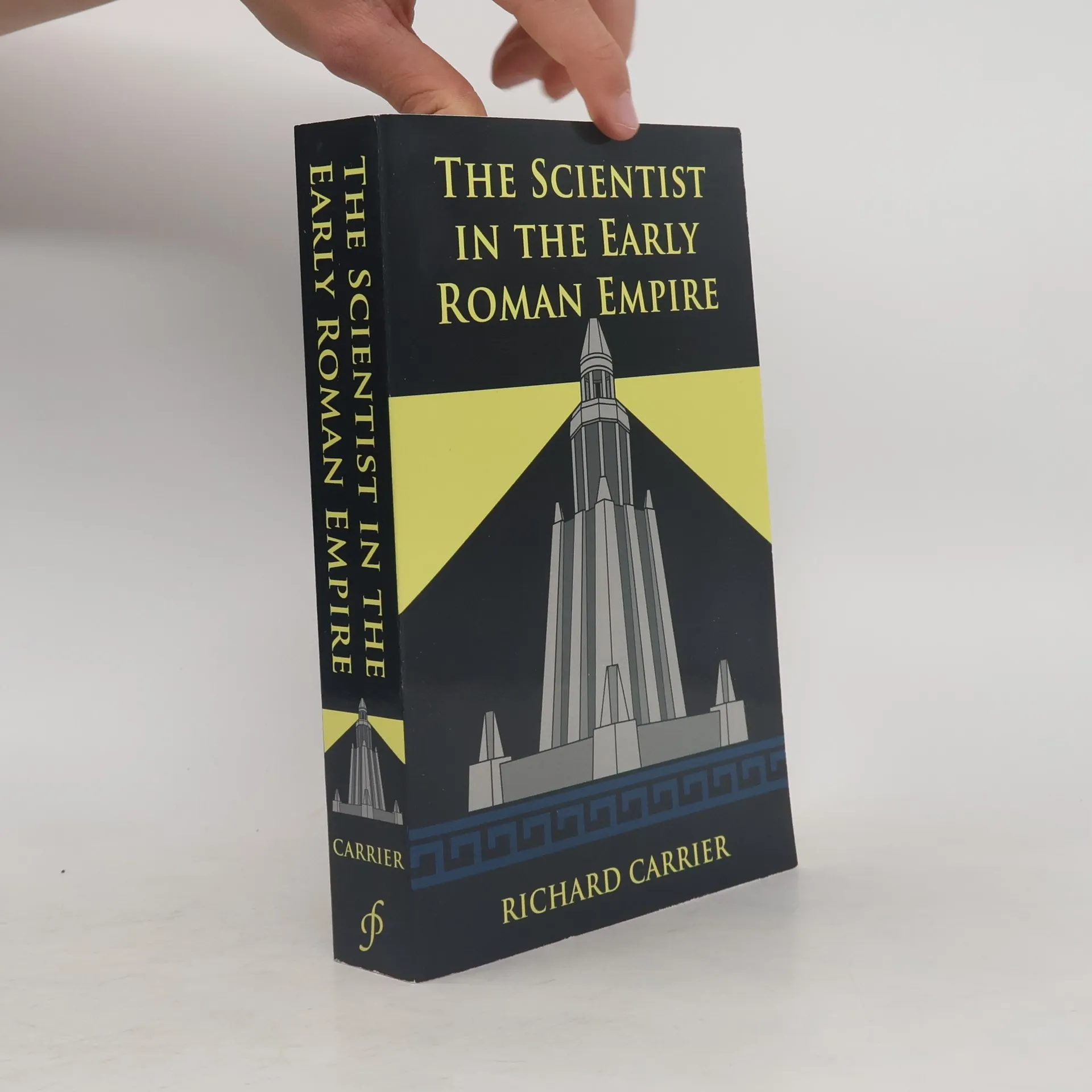
    The Scientist in the Early Roman Empire
    Jesus from Outer Space
    • Jesus from Outer Space

      • 232bladzijden
      • 9 uur lezen

      The earliest Christians believed Jesus was a celestial being who put on a bodysuit of flesh, died at the hands of dark forces, then raised from the dead and ascended back into the heavens. The idea that Jesus toured Galilee and visited Jerusalem arose a lifetime later, in legends written in a foreign land and language. Many sources repeat those legends, but none corroborate them. Why? What exactly was the original belief about Jesus, and how did this belief change over time? Noted historian Richard Carrier summarizes for a popular audience the scholarly research on these and related questions, revealing in turn how modern attempts to conceal, misrepresent, or avoid the actual evidence call into question the entire field of Jesus studies.

      Jesus from Outer Space
      4,0
    • In this extensive sequel to Science Education in the Early Roman Empire, Dr. Richard Carrier explores the social history of scientists in the Roman era. Was science in decline or experiencing a revival under the Romans? What was an ancient scientist thought to be and do? Who were they, and who funded their research? And how did pagans differ from their Christian peers in their views toward science and scientists? Some have claimed Christianity valued them more than their pagan forebears. In fact the reverse is the case. And this difference in values had a catastrophic effect on the future of humanity. The Romans may have been just a century or two away from experiencing a scientific revolution. But once in power, Christianity kept that progress on hold for a thousand years--while forgetting most of what the pagans had achieved and discovered, from an empirical anatomy, physiology, and brain science to an experimental physics of water, gravity, and air. Thoroughly referenced and painstakingly researched, this volume is a must for anyone who wants to learn how far we once got, and why we took so long to get to where we are today.

      The Scientist in the Early Roman Empire