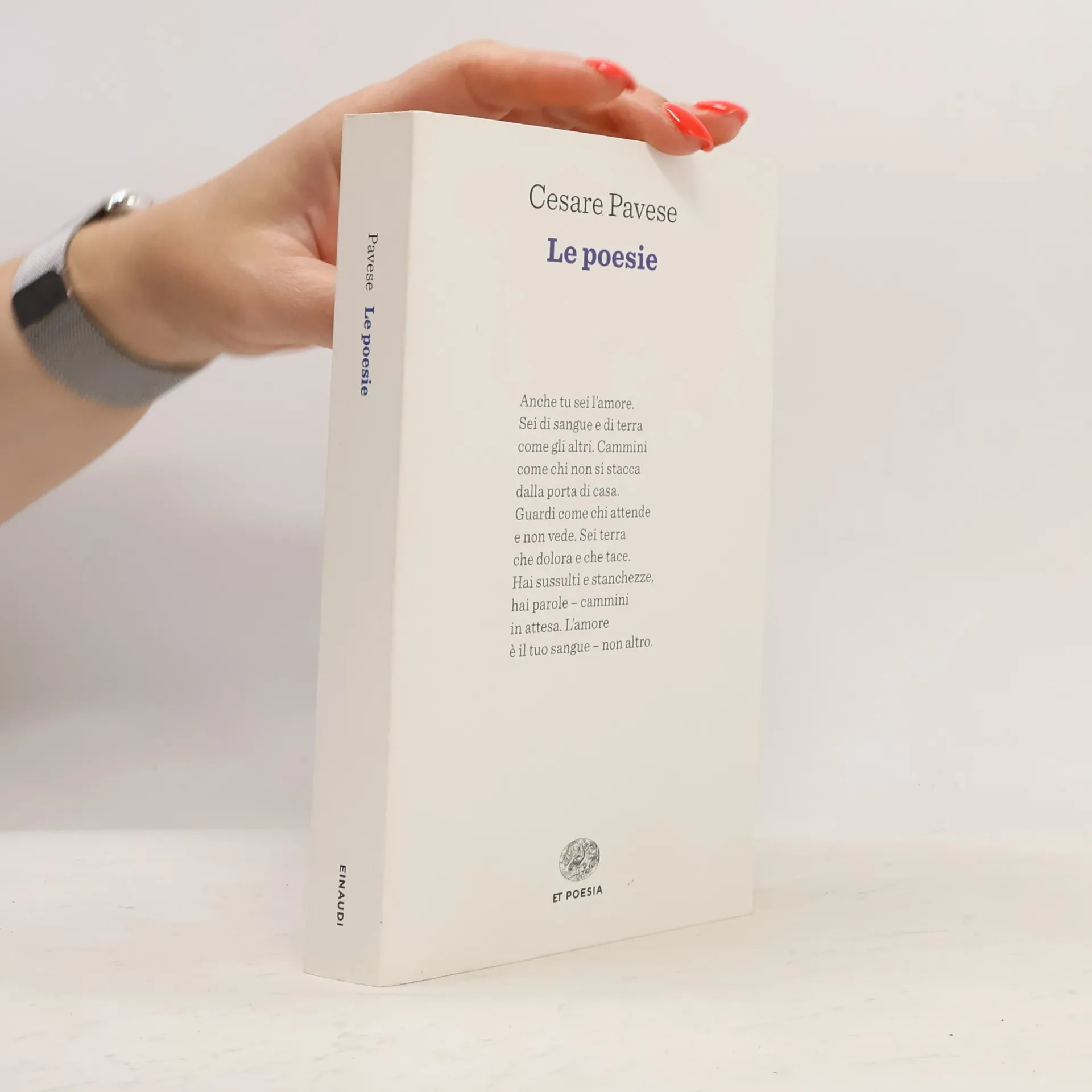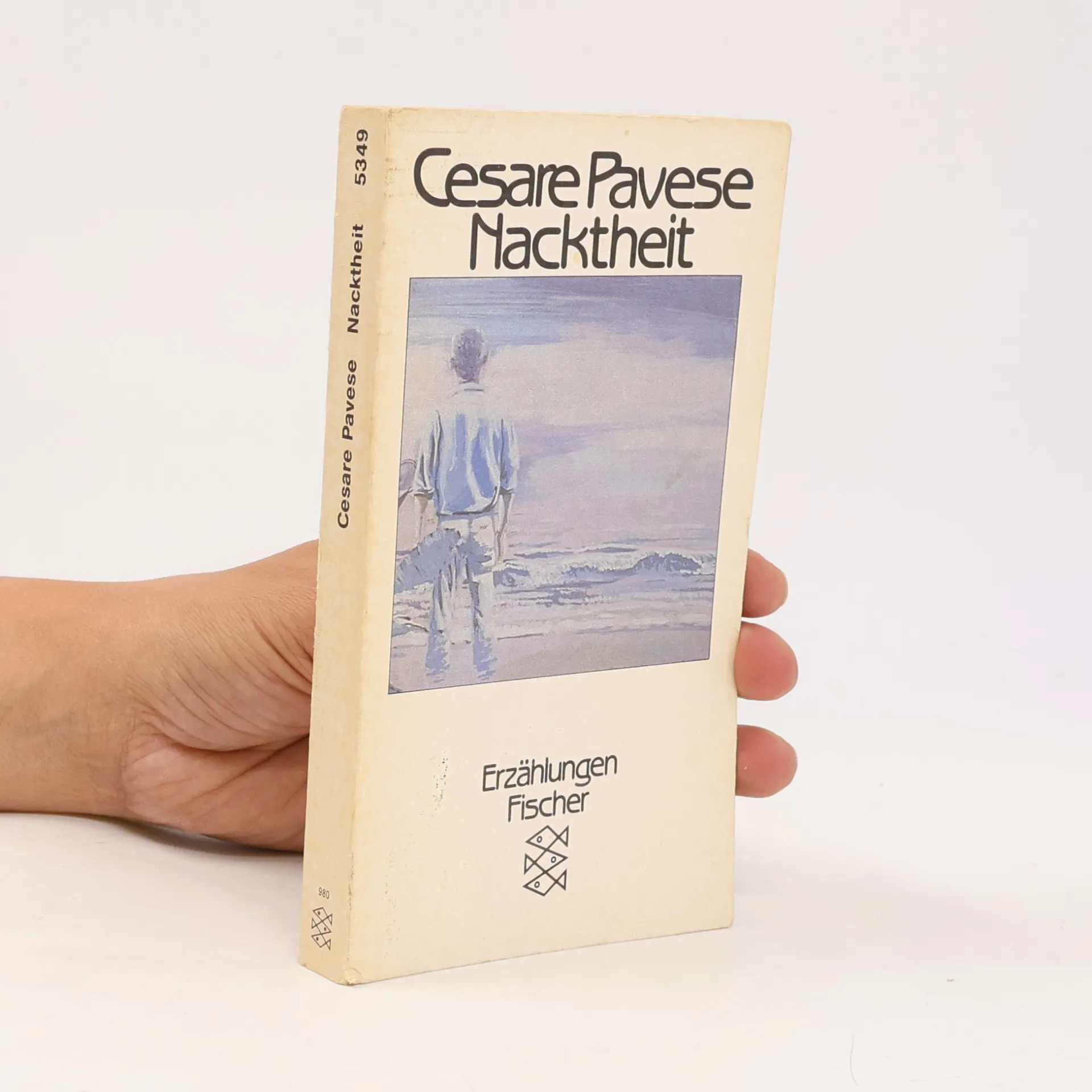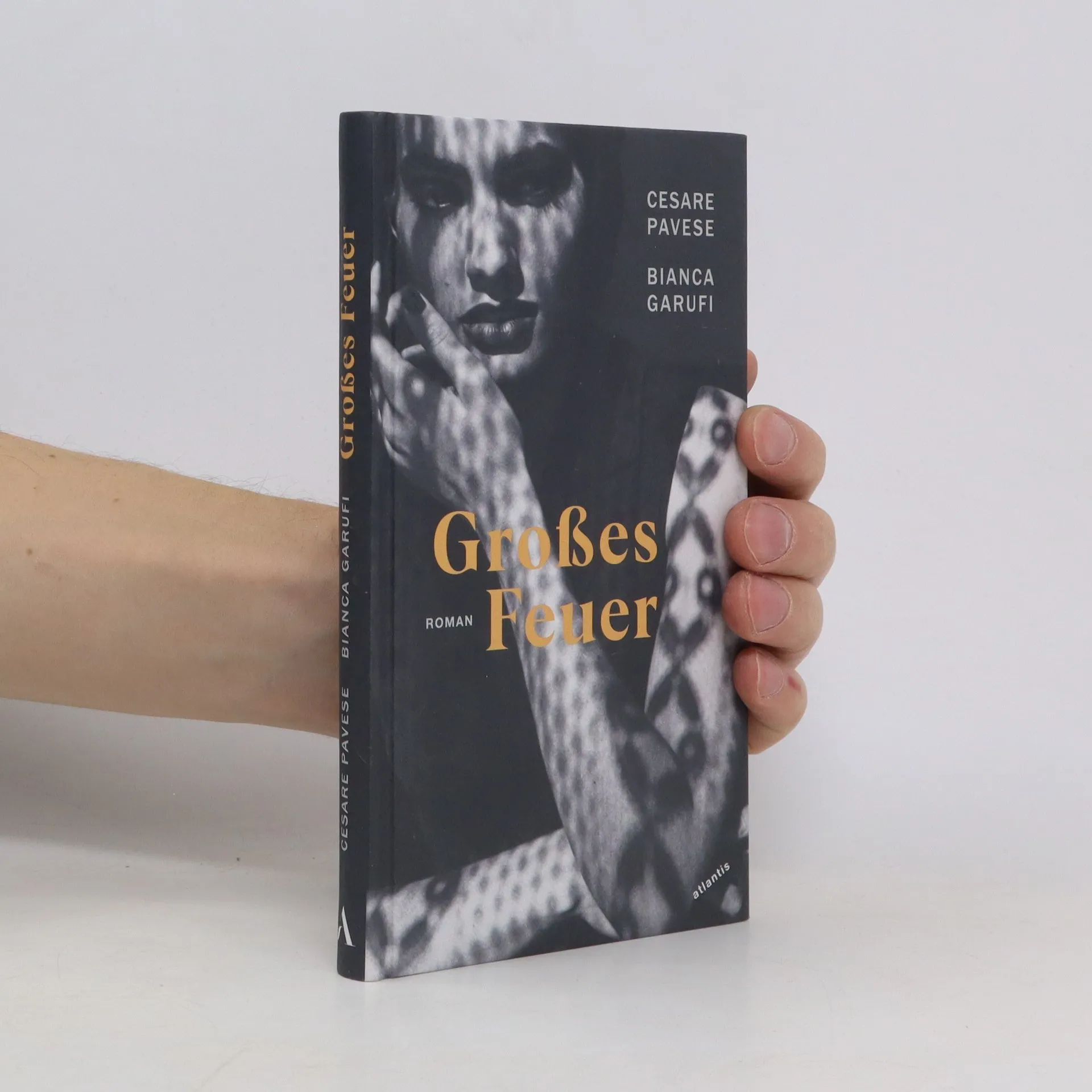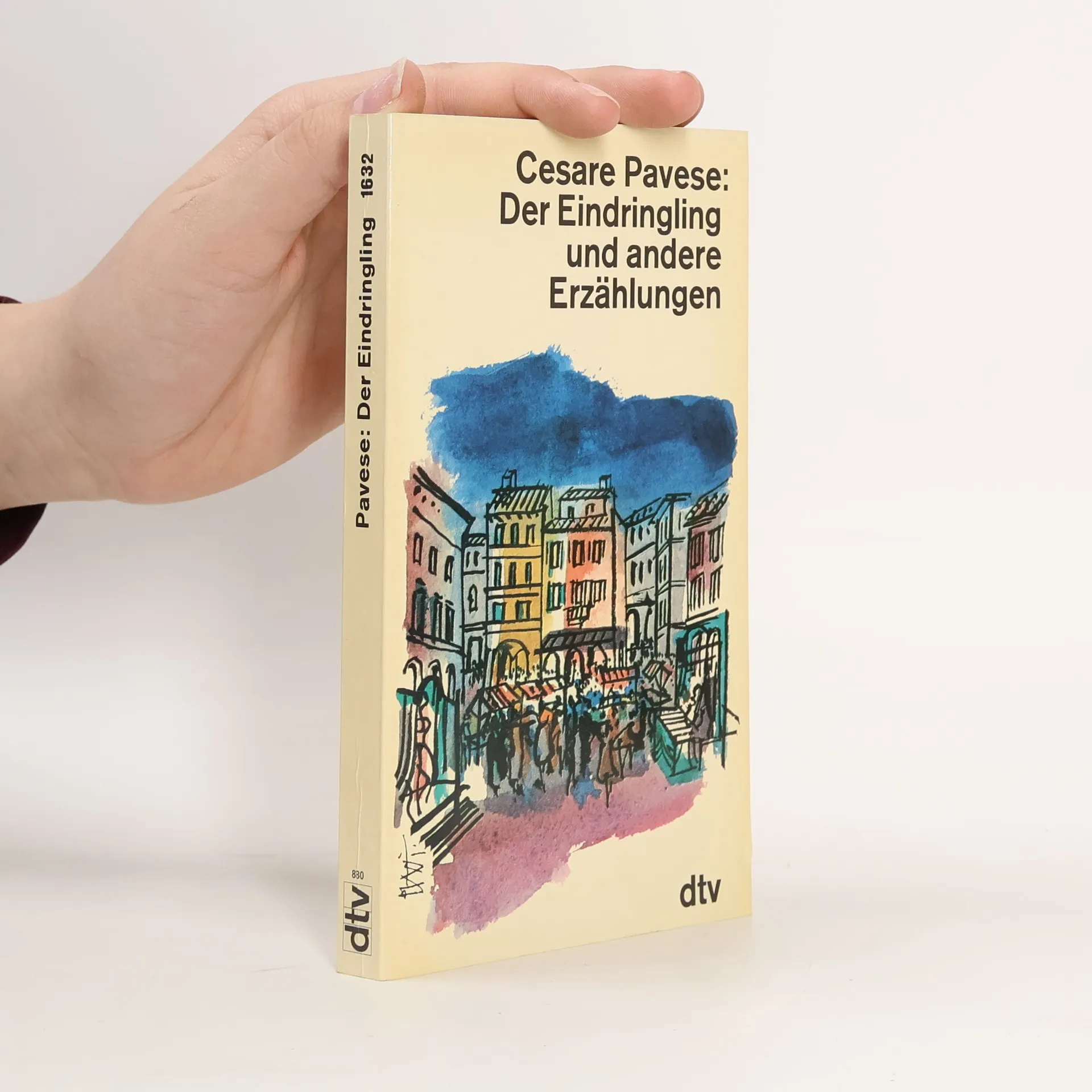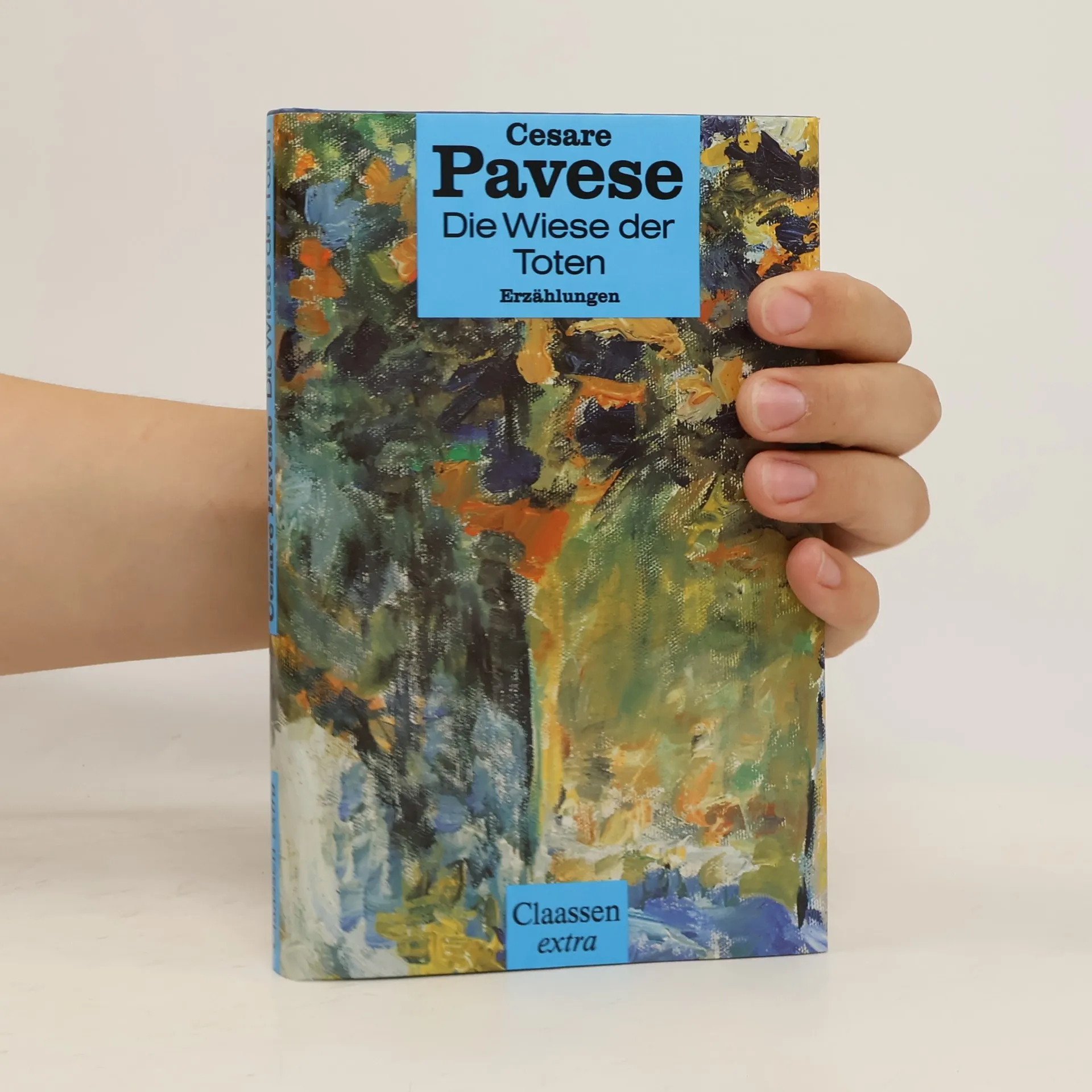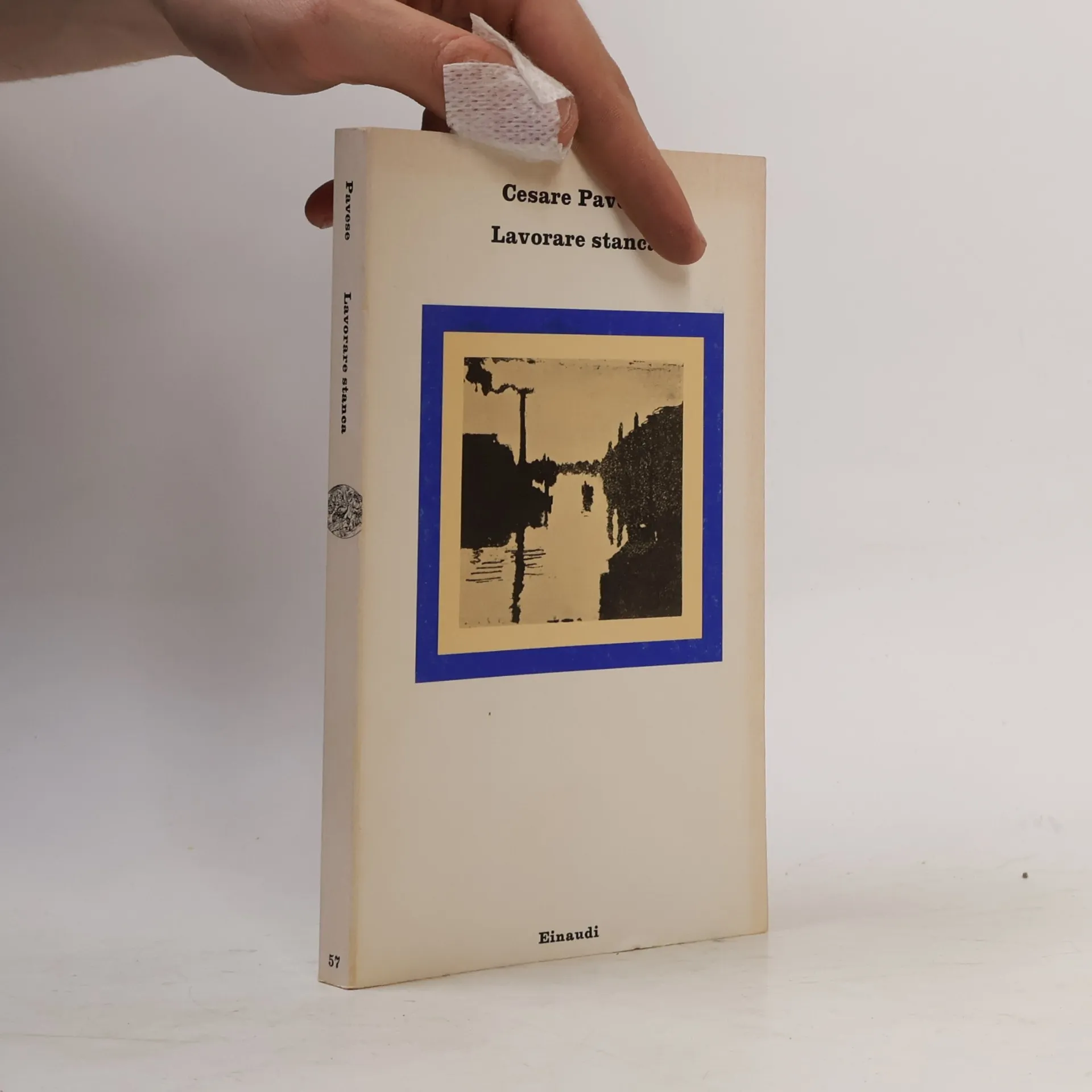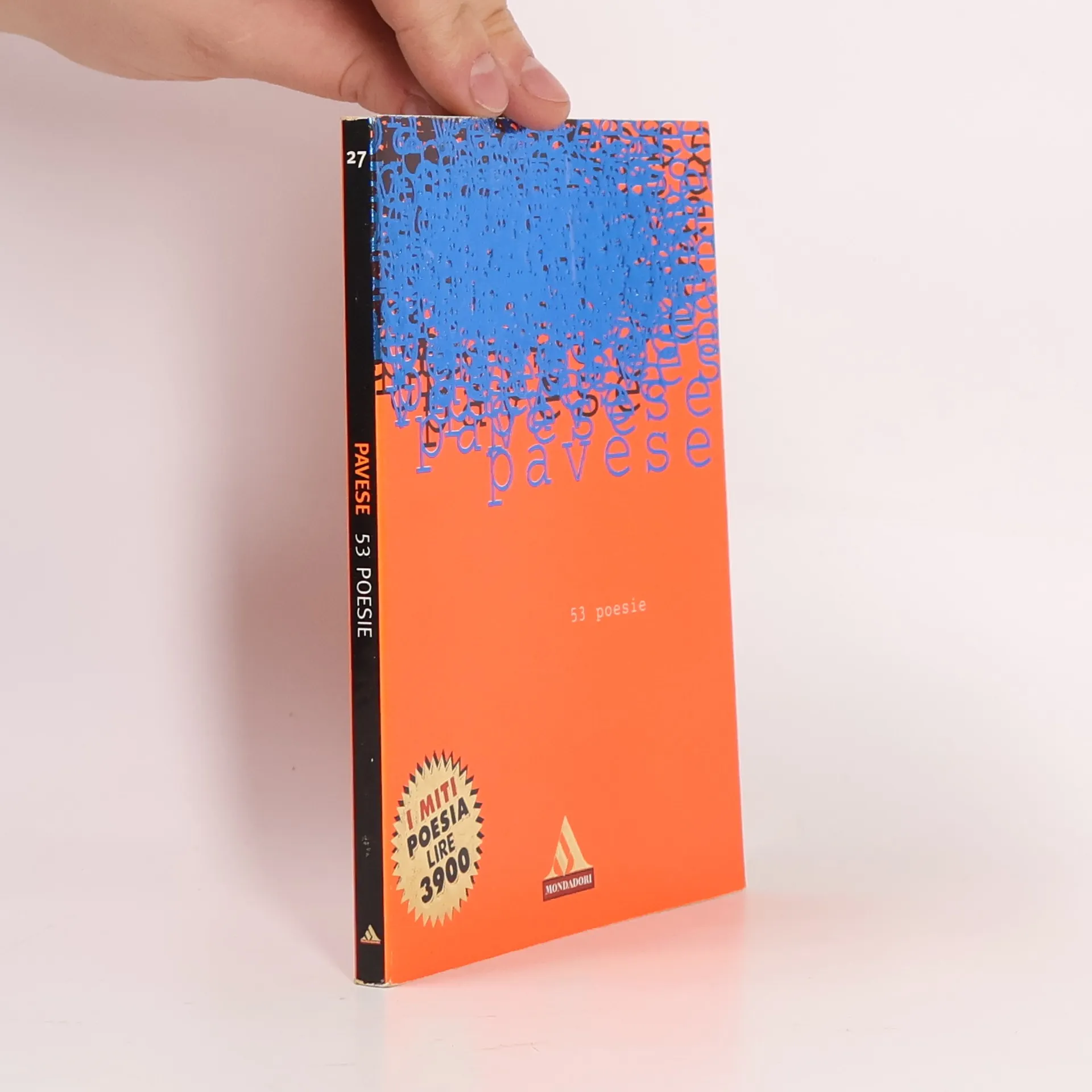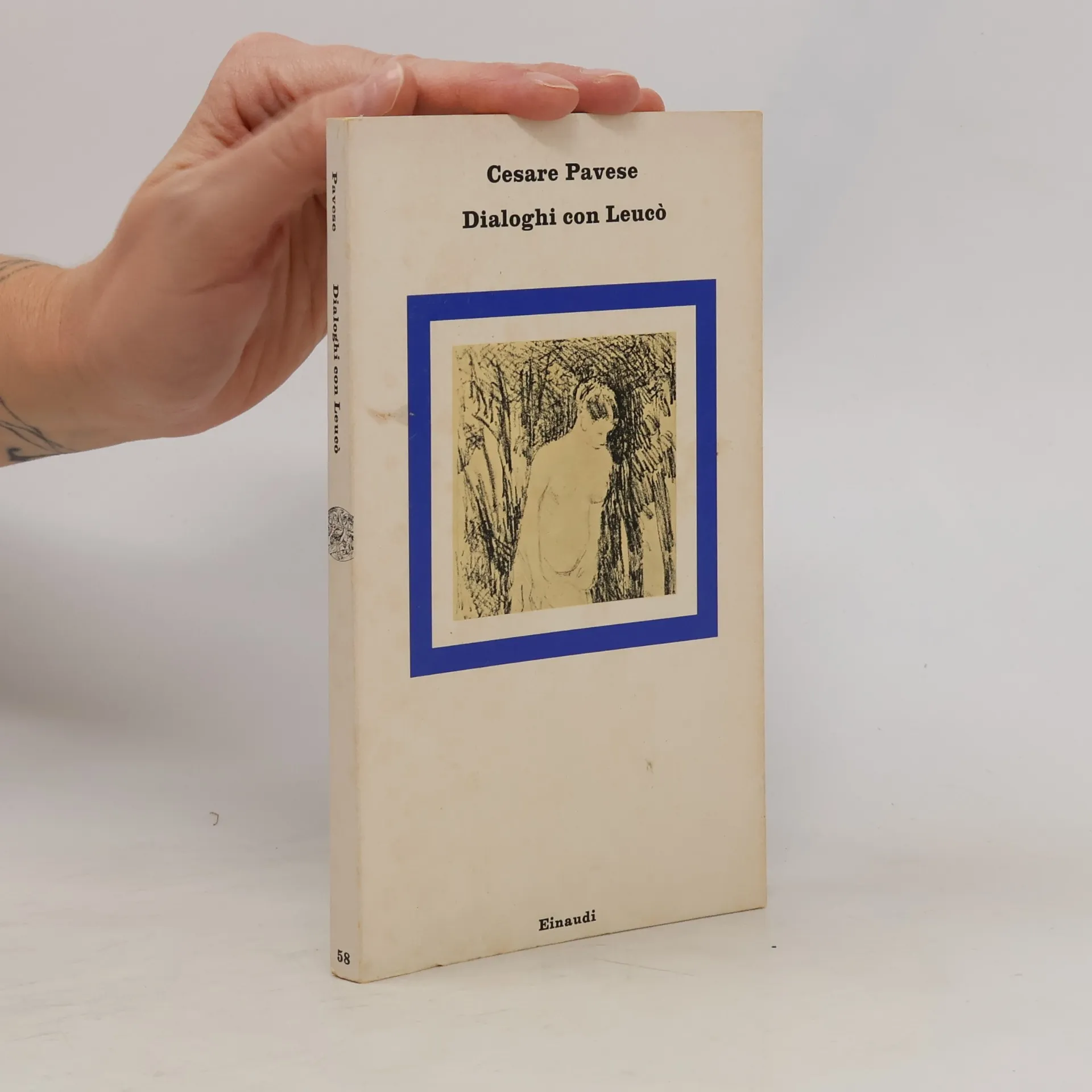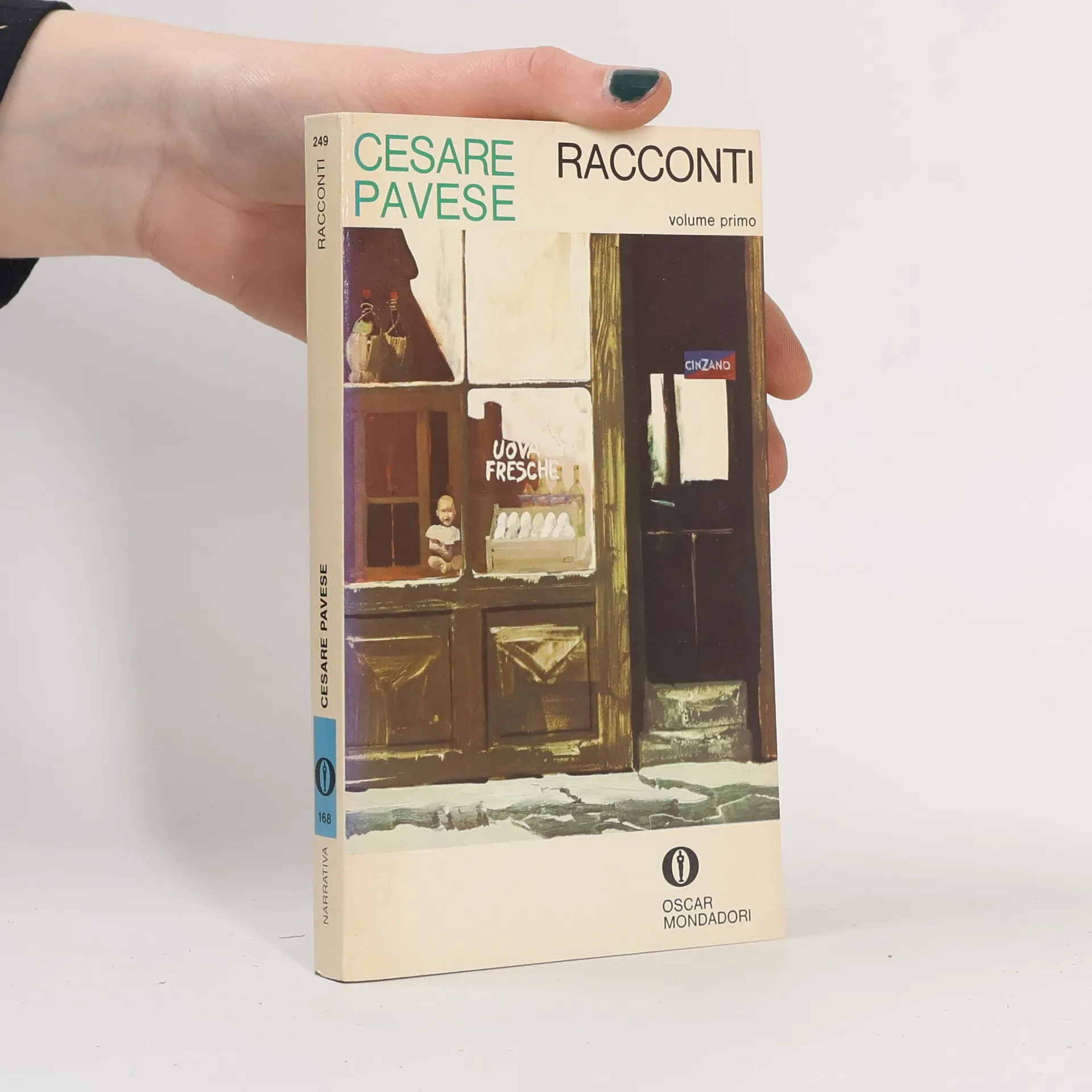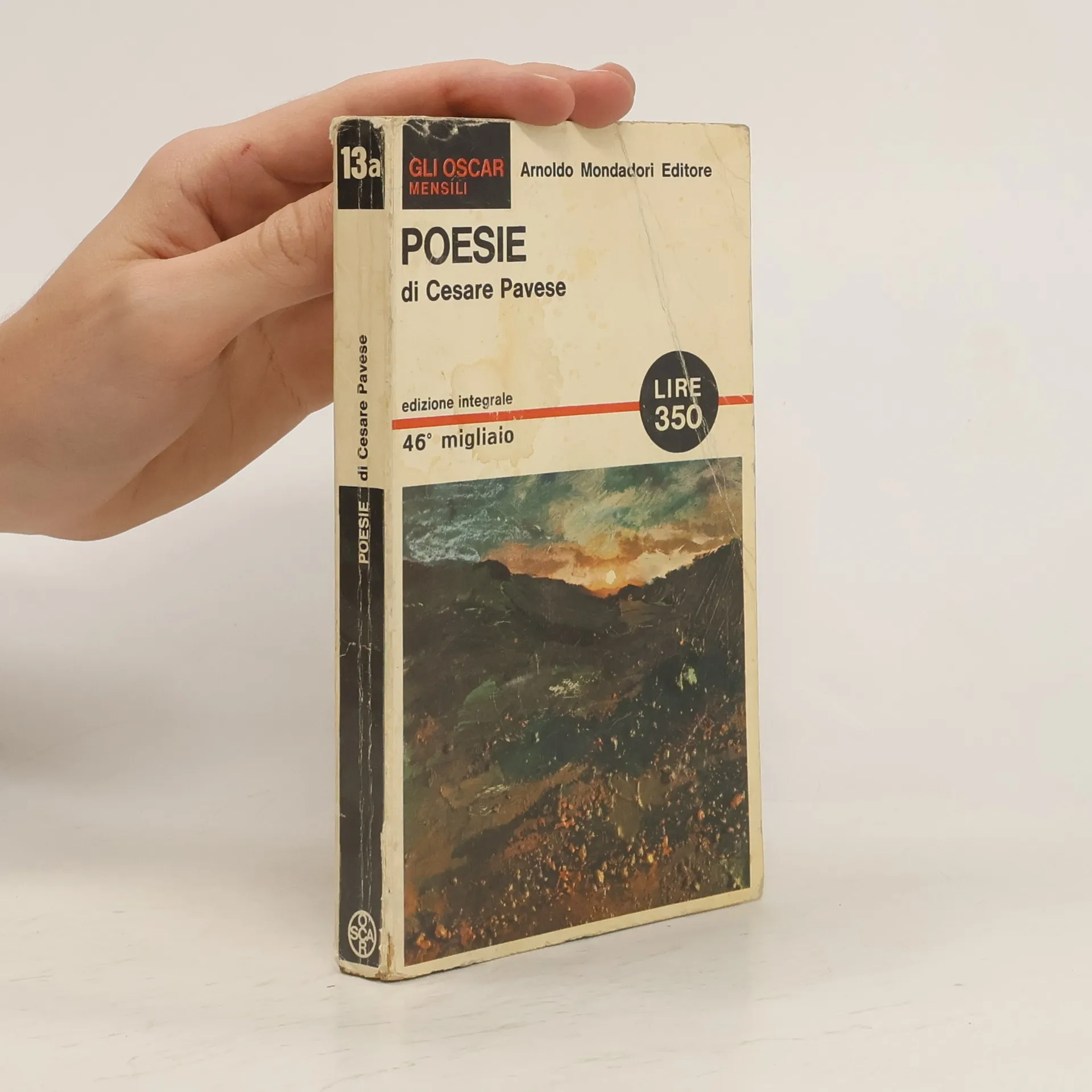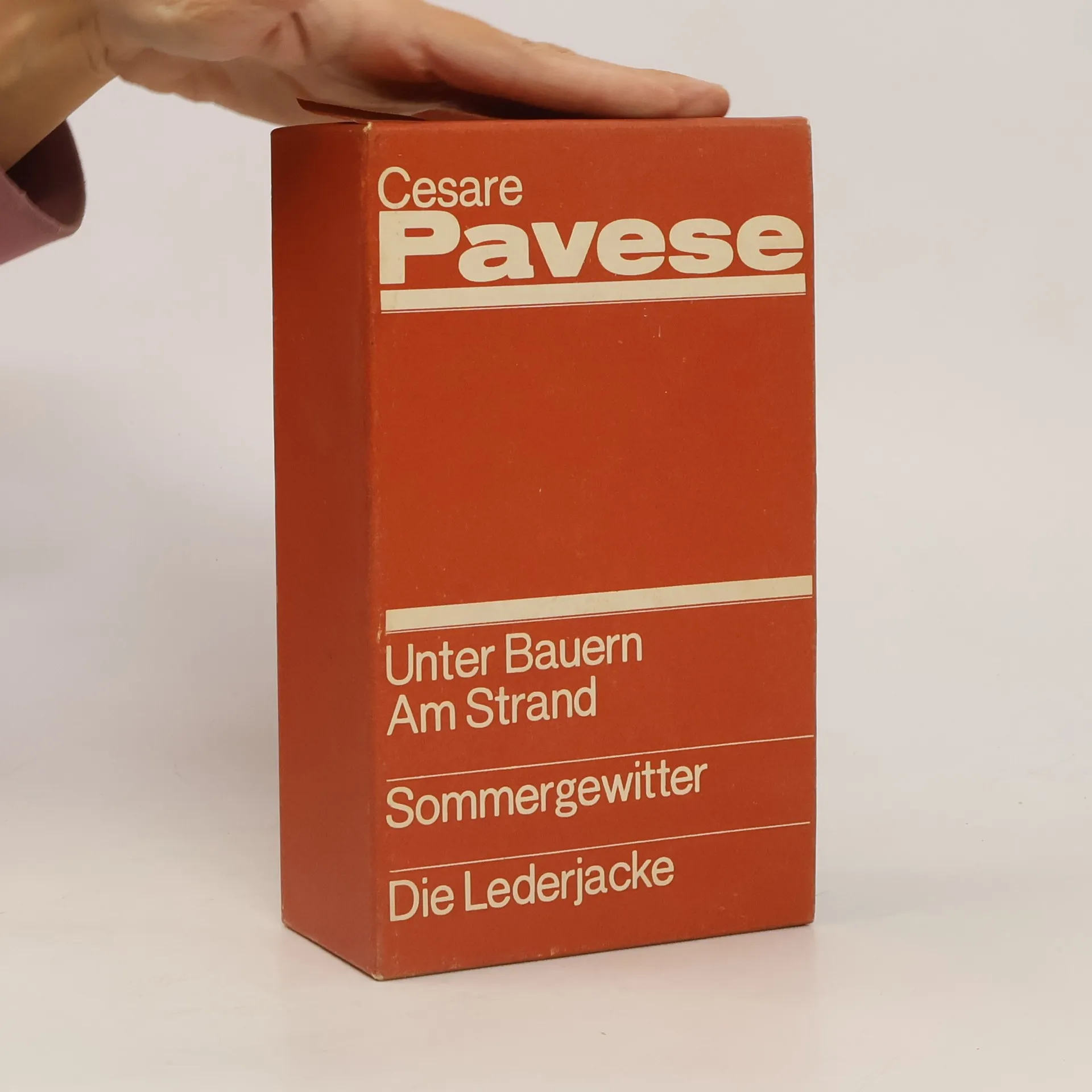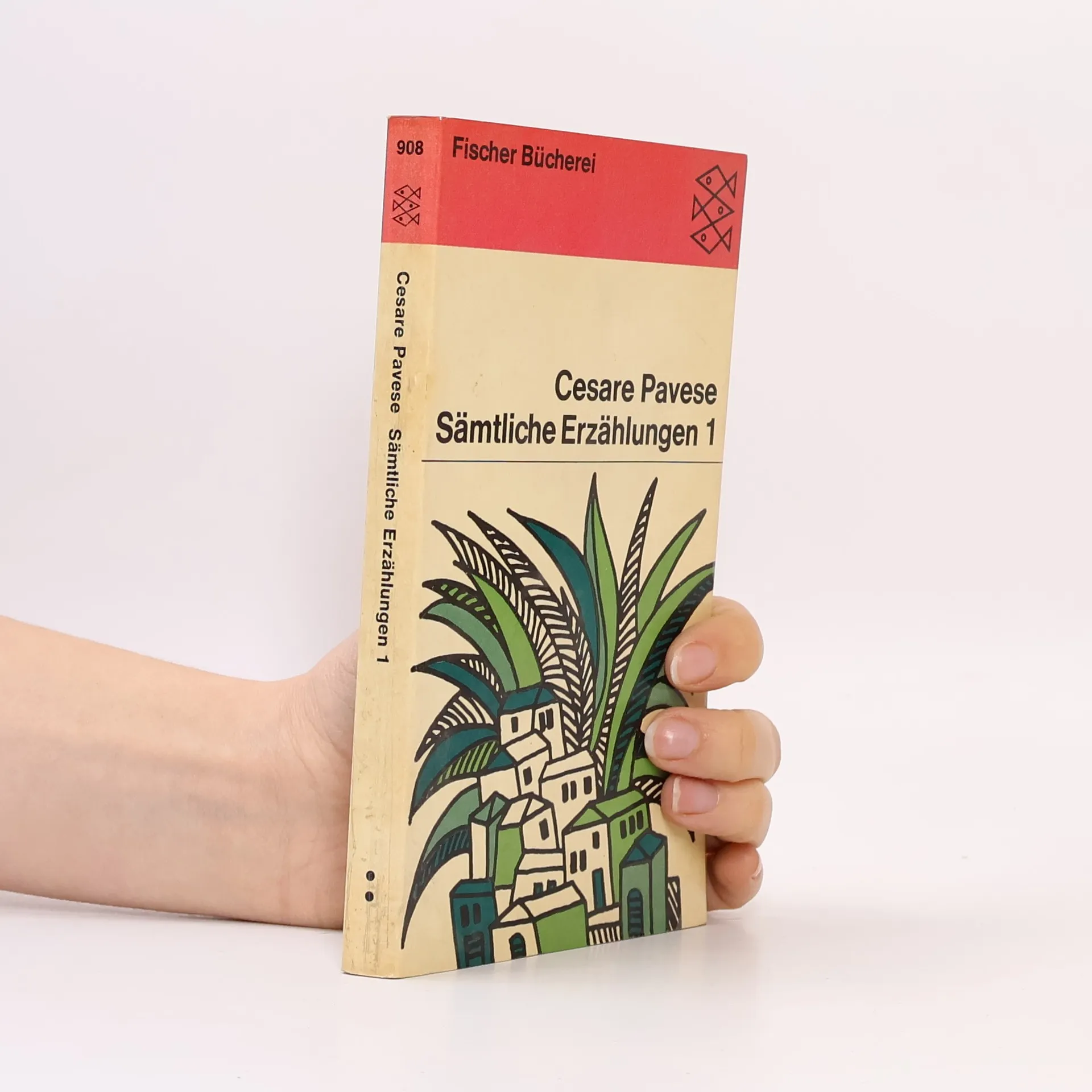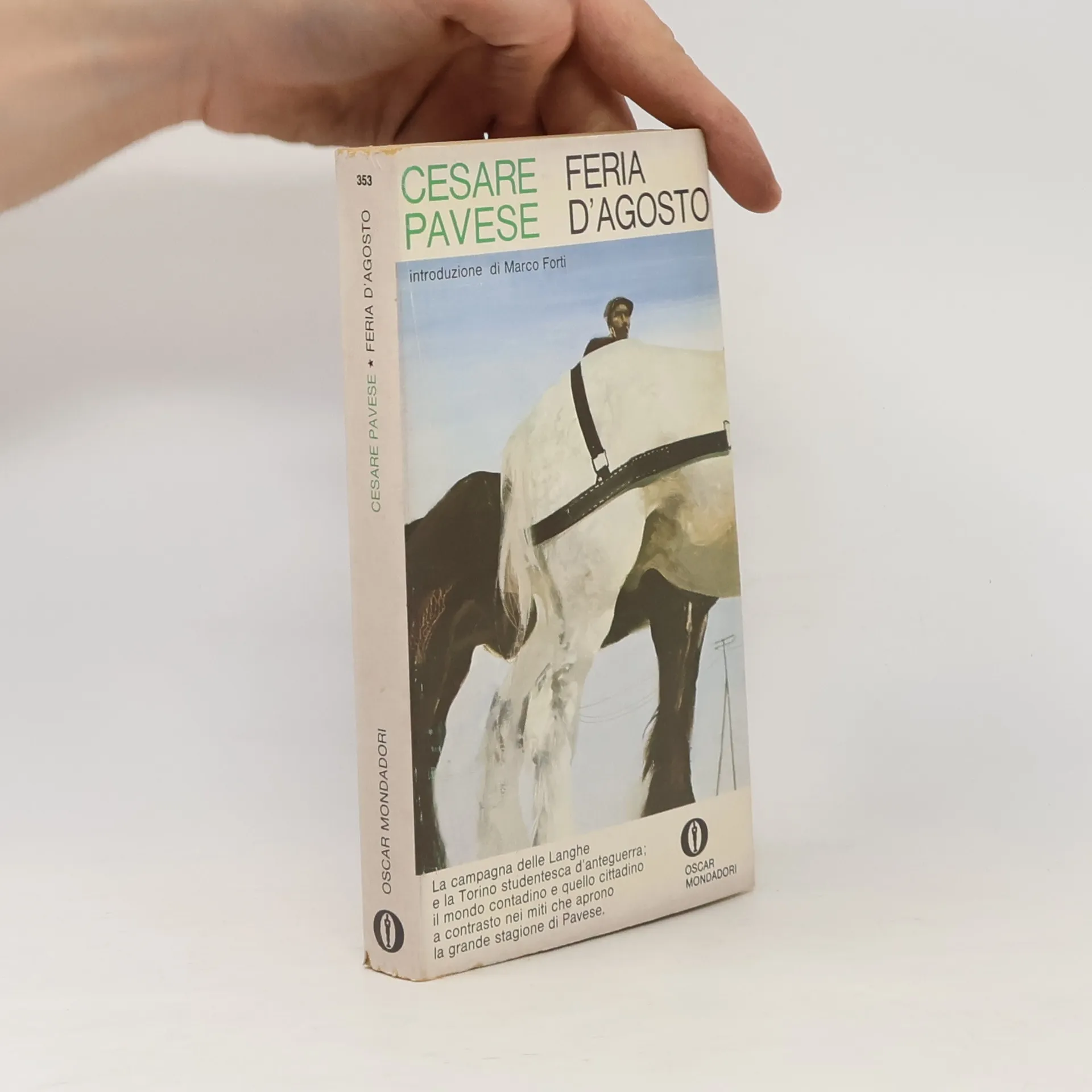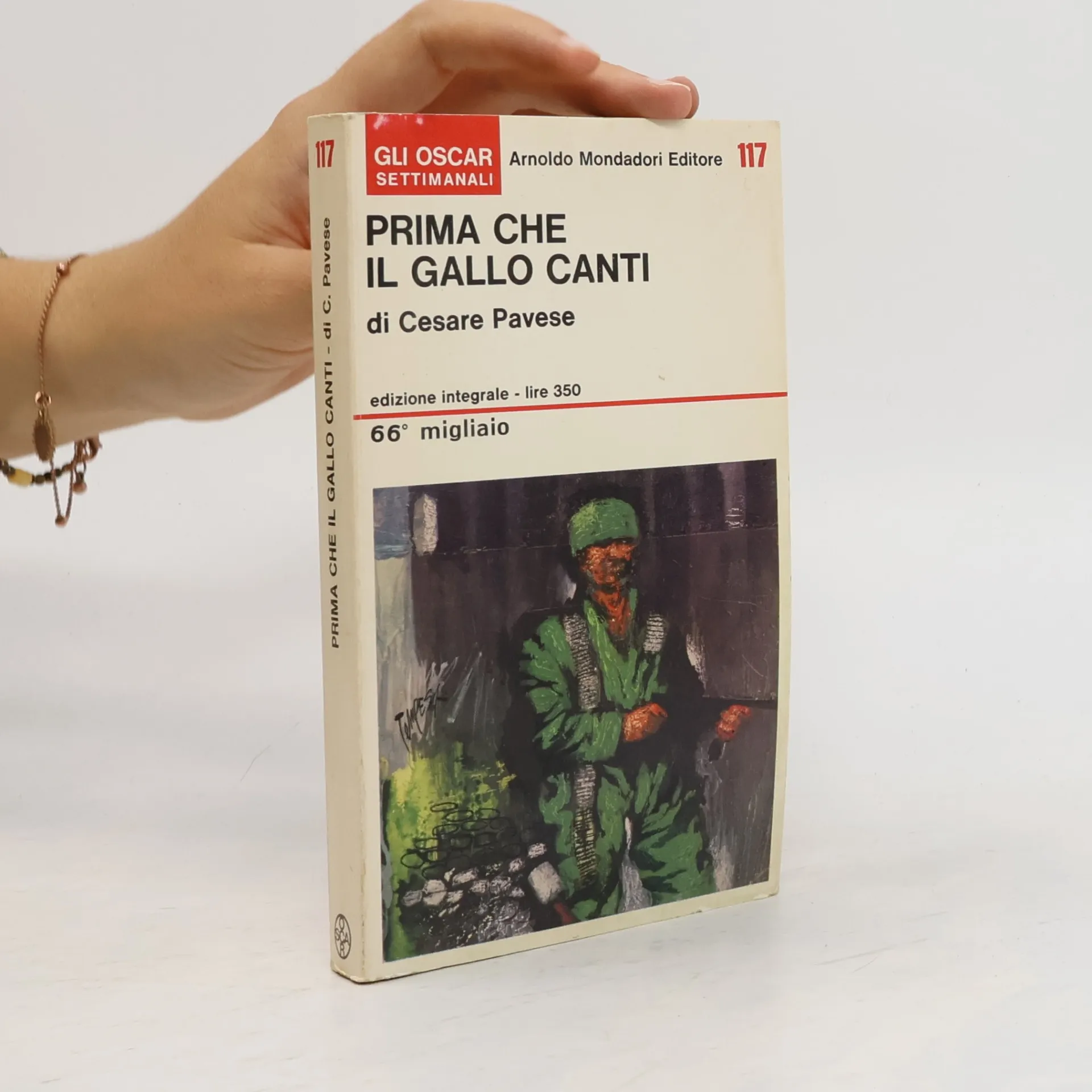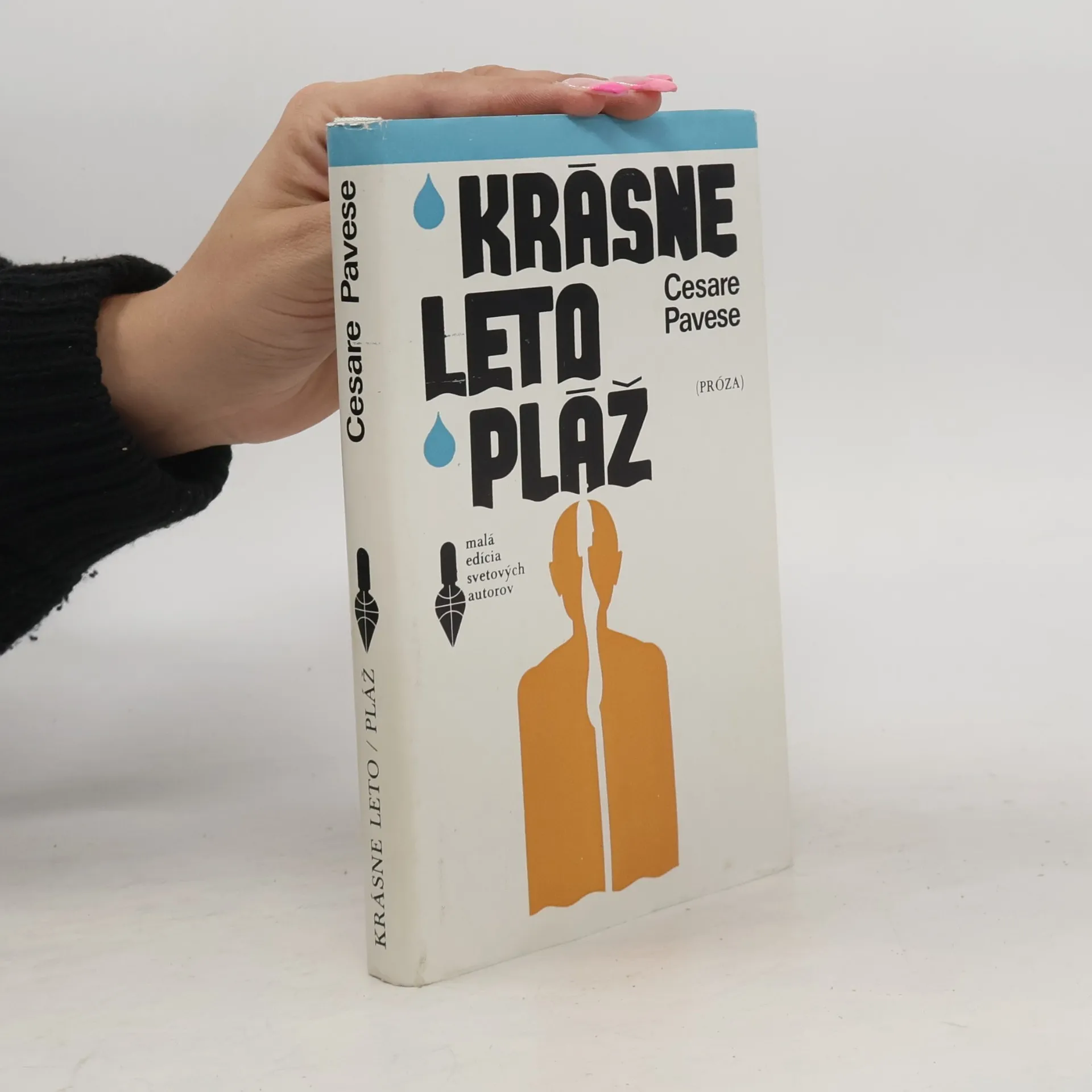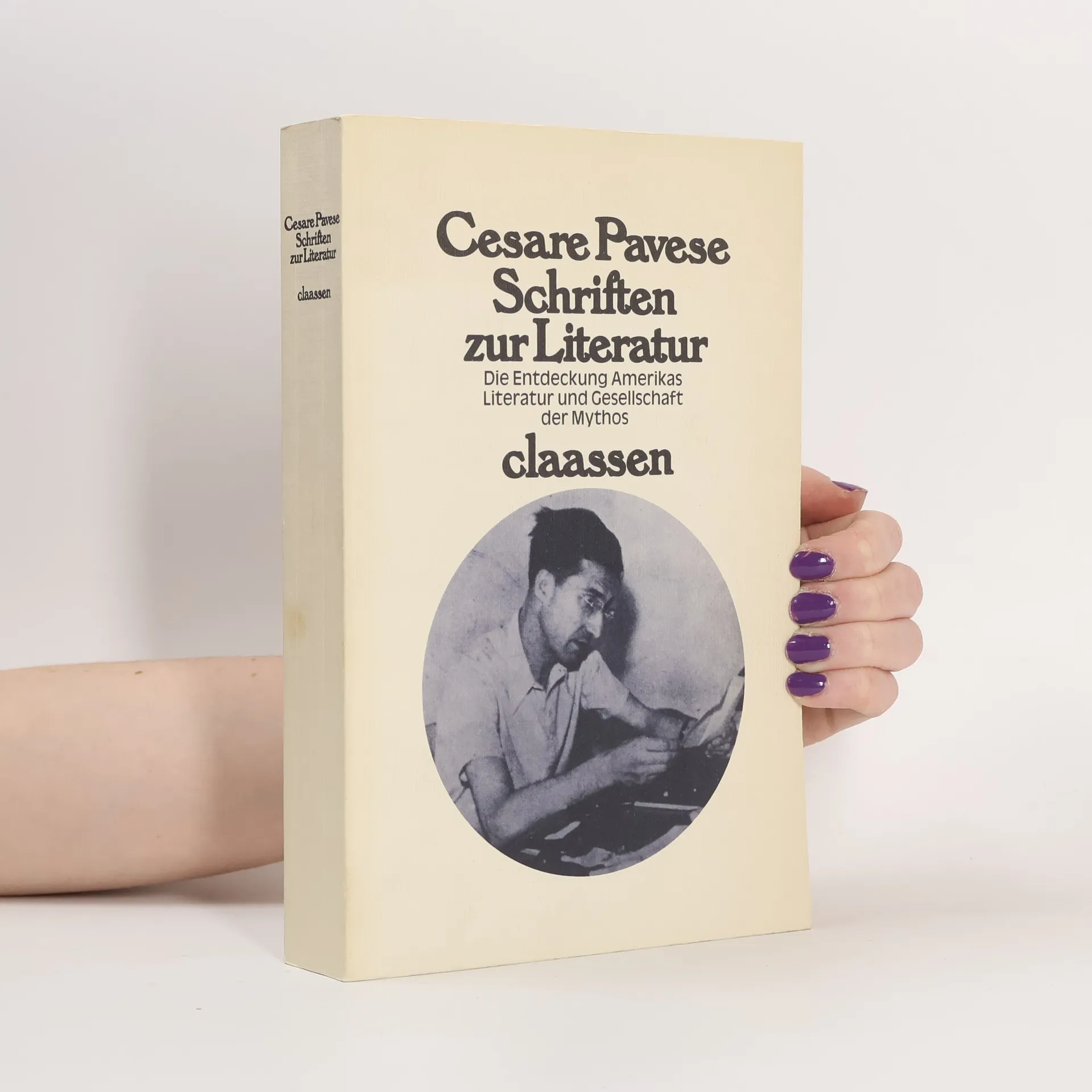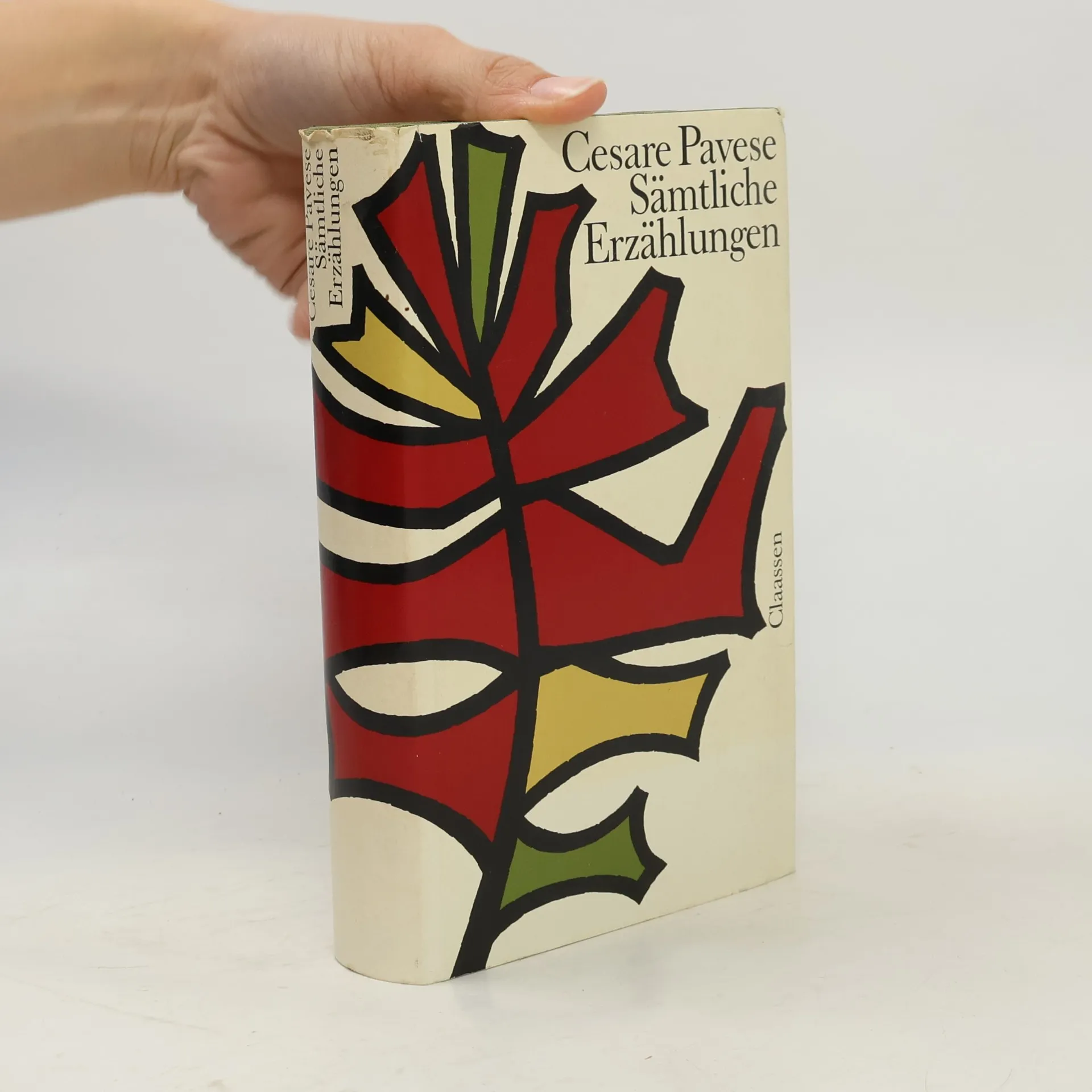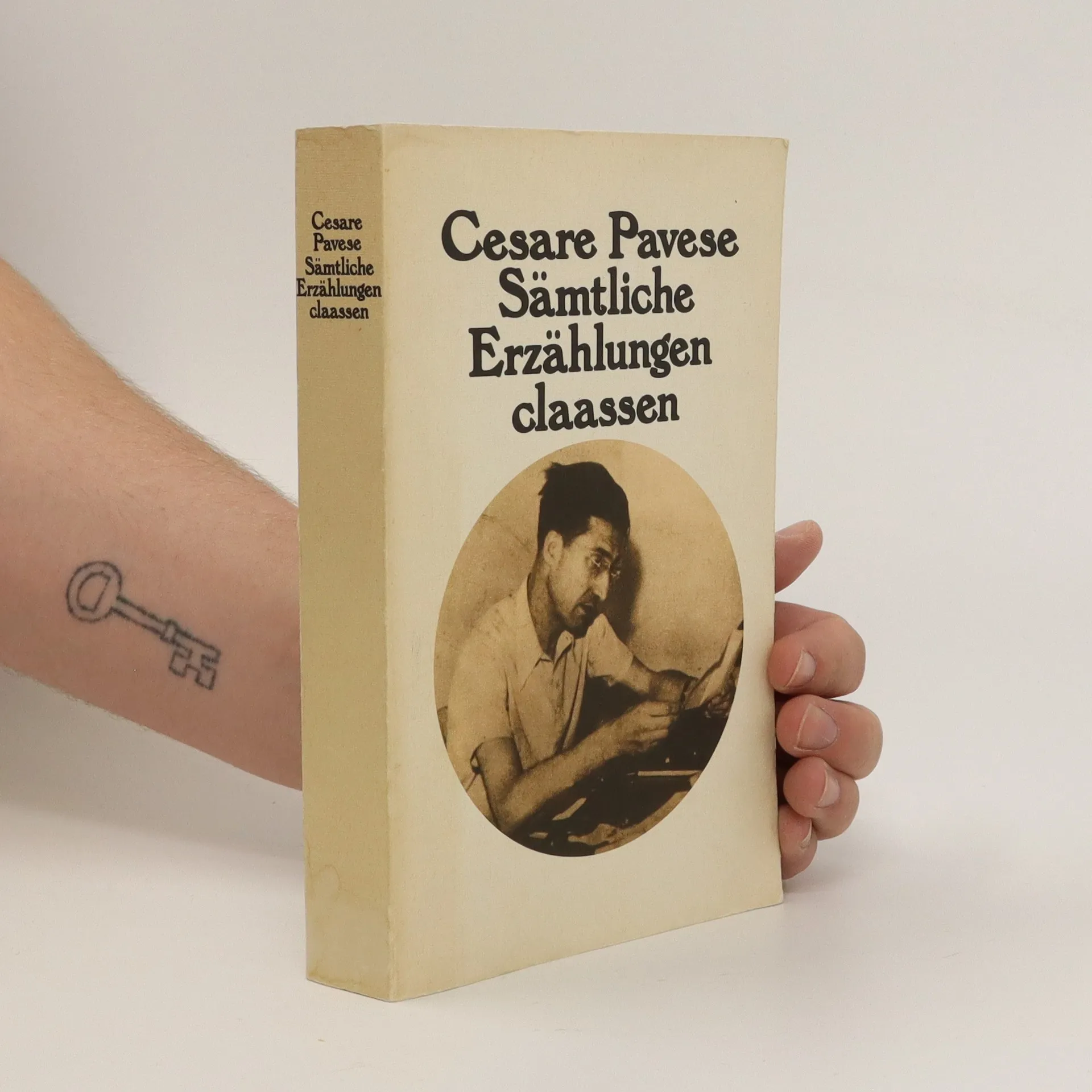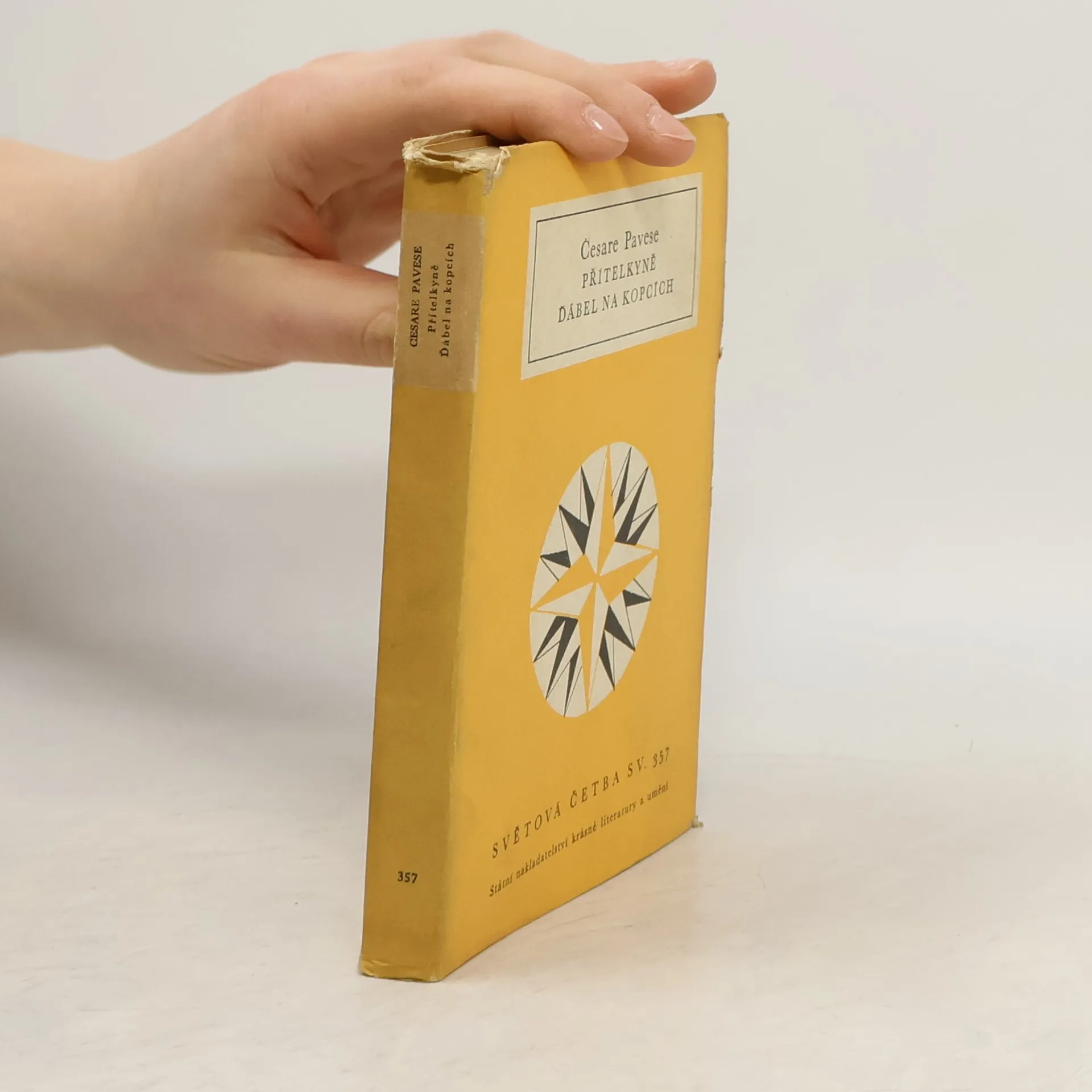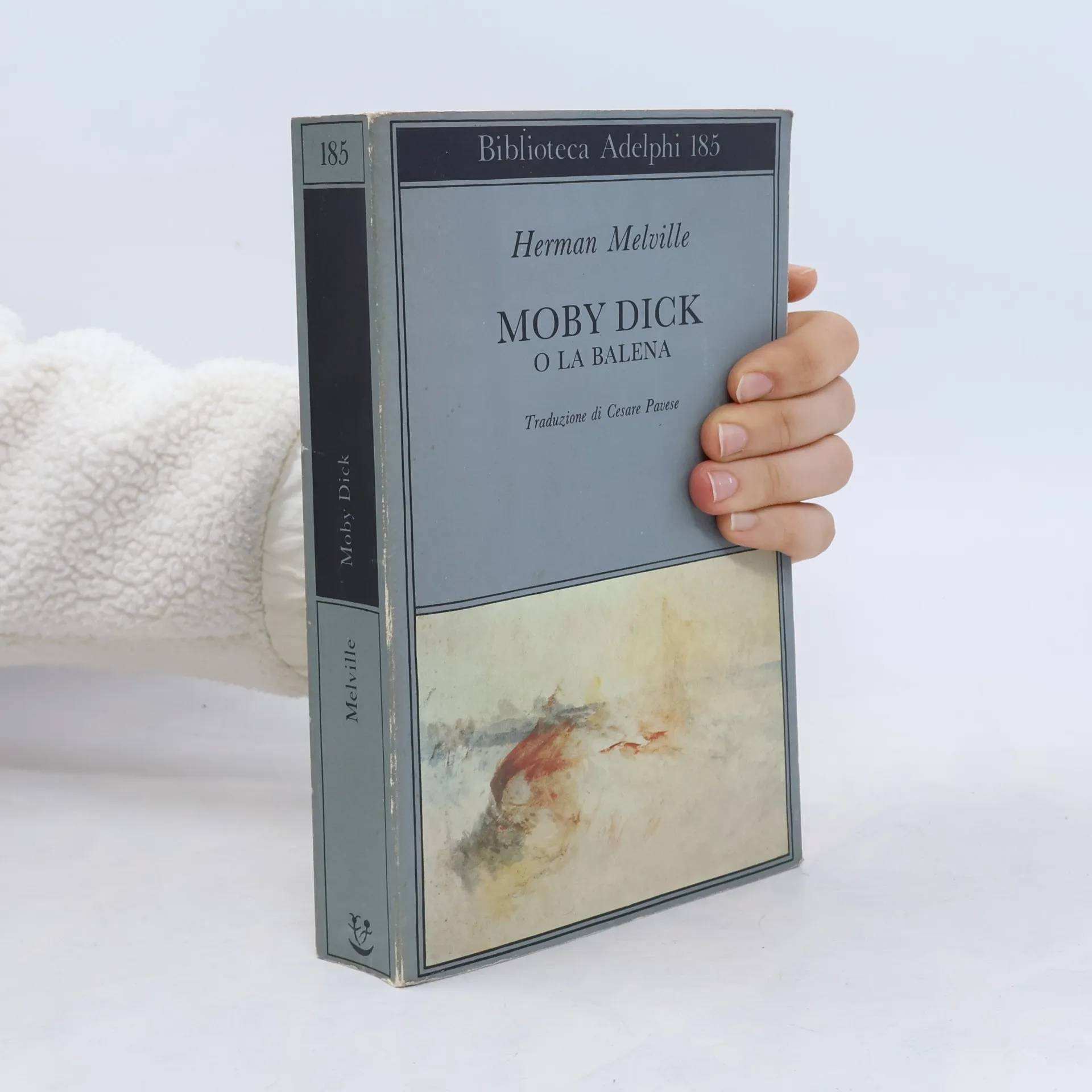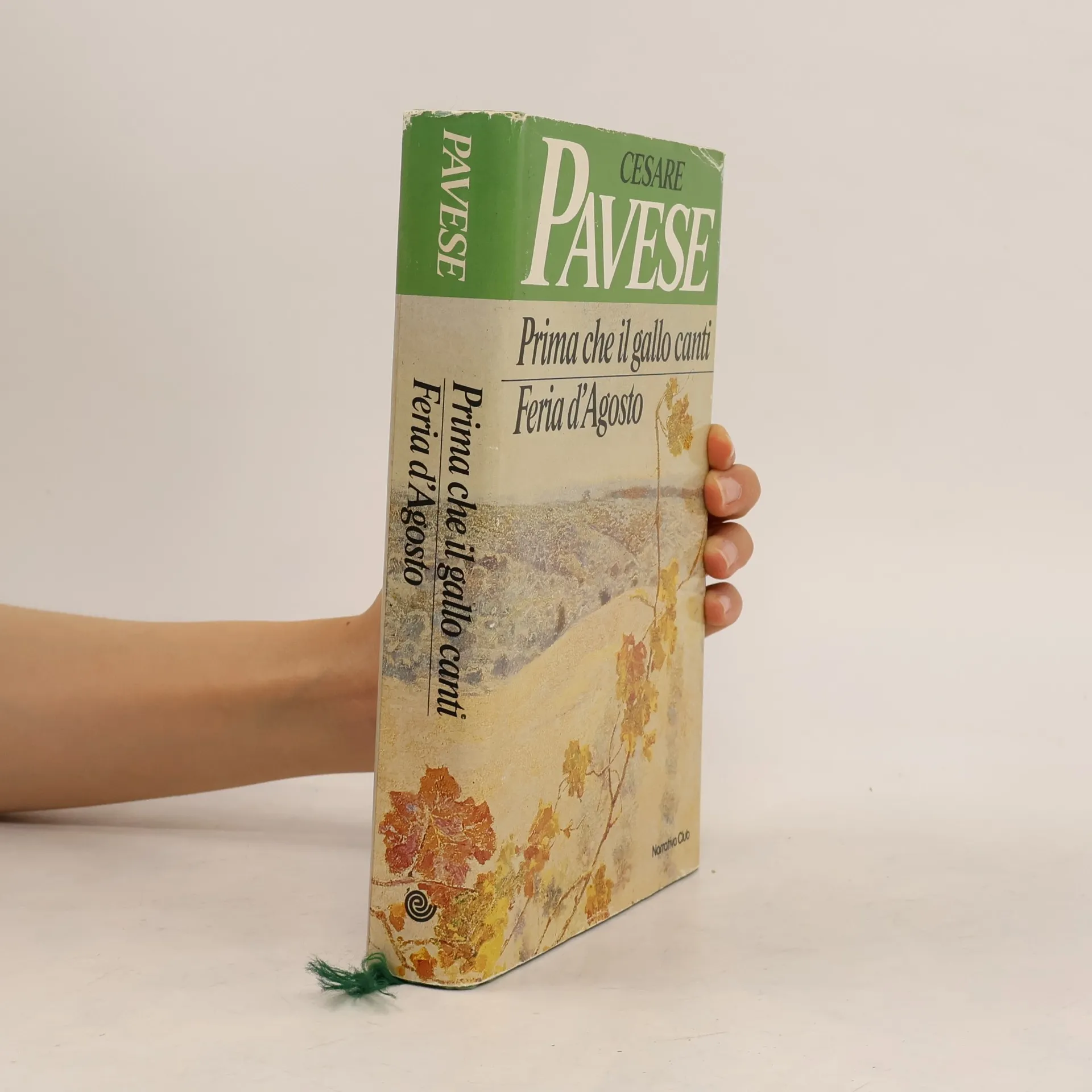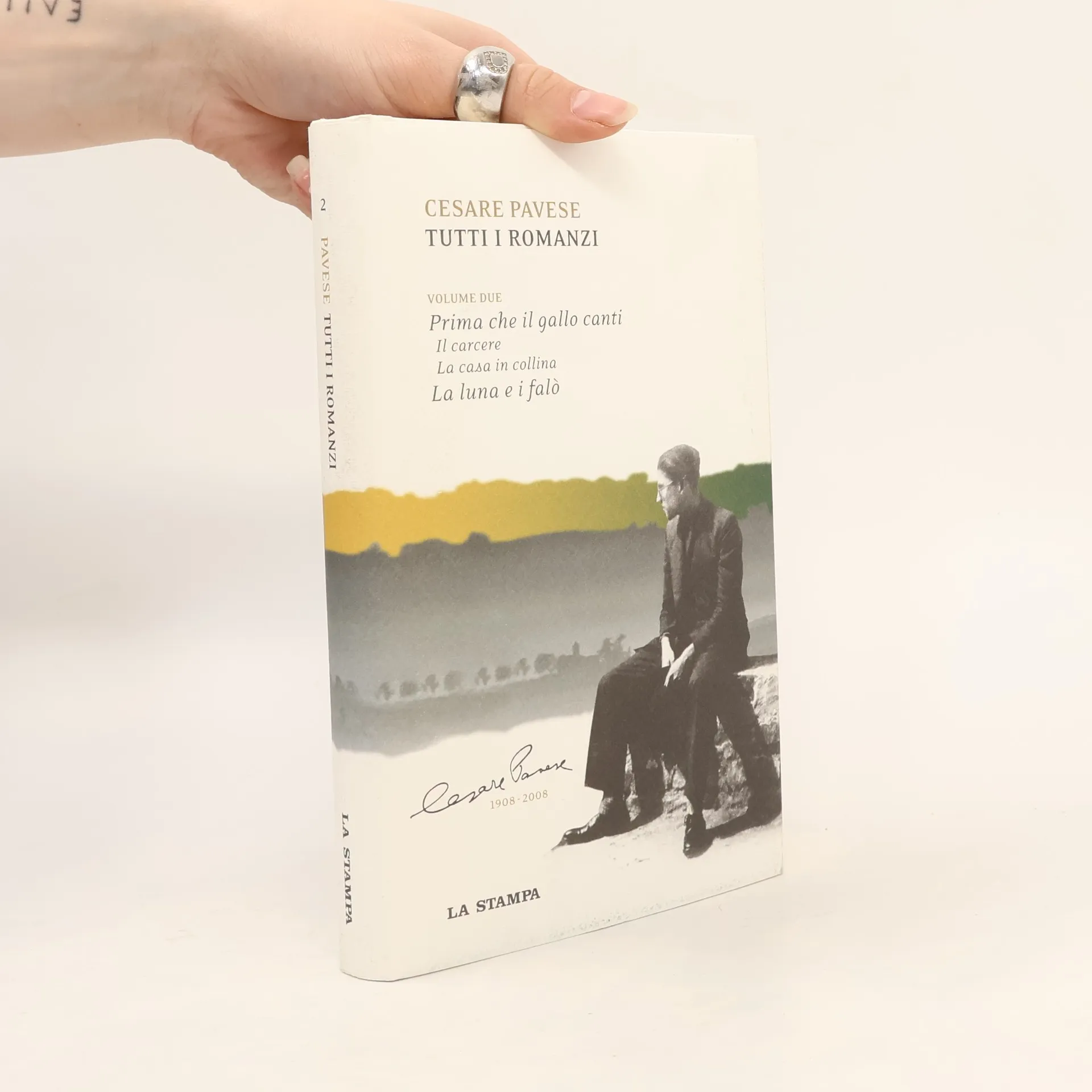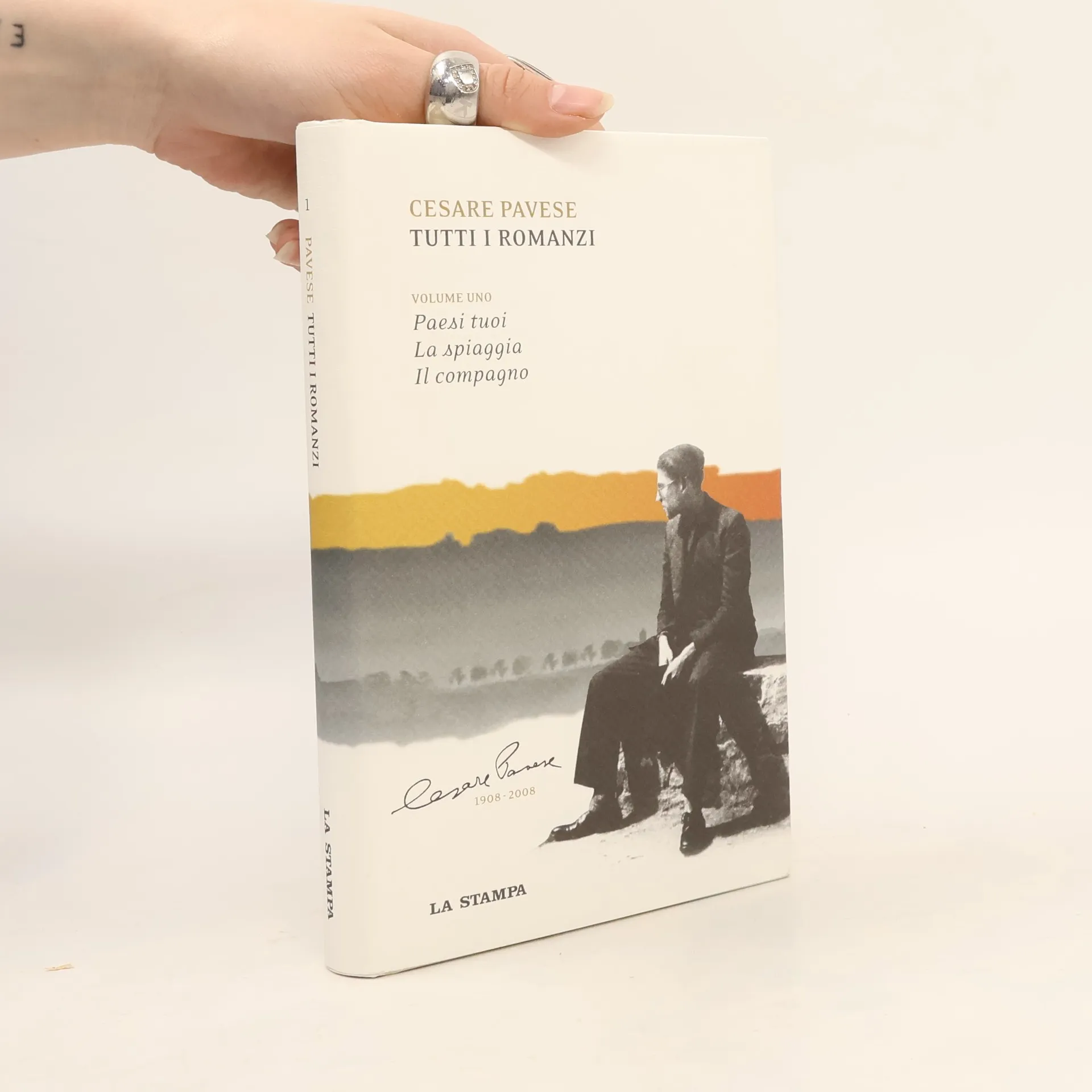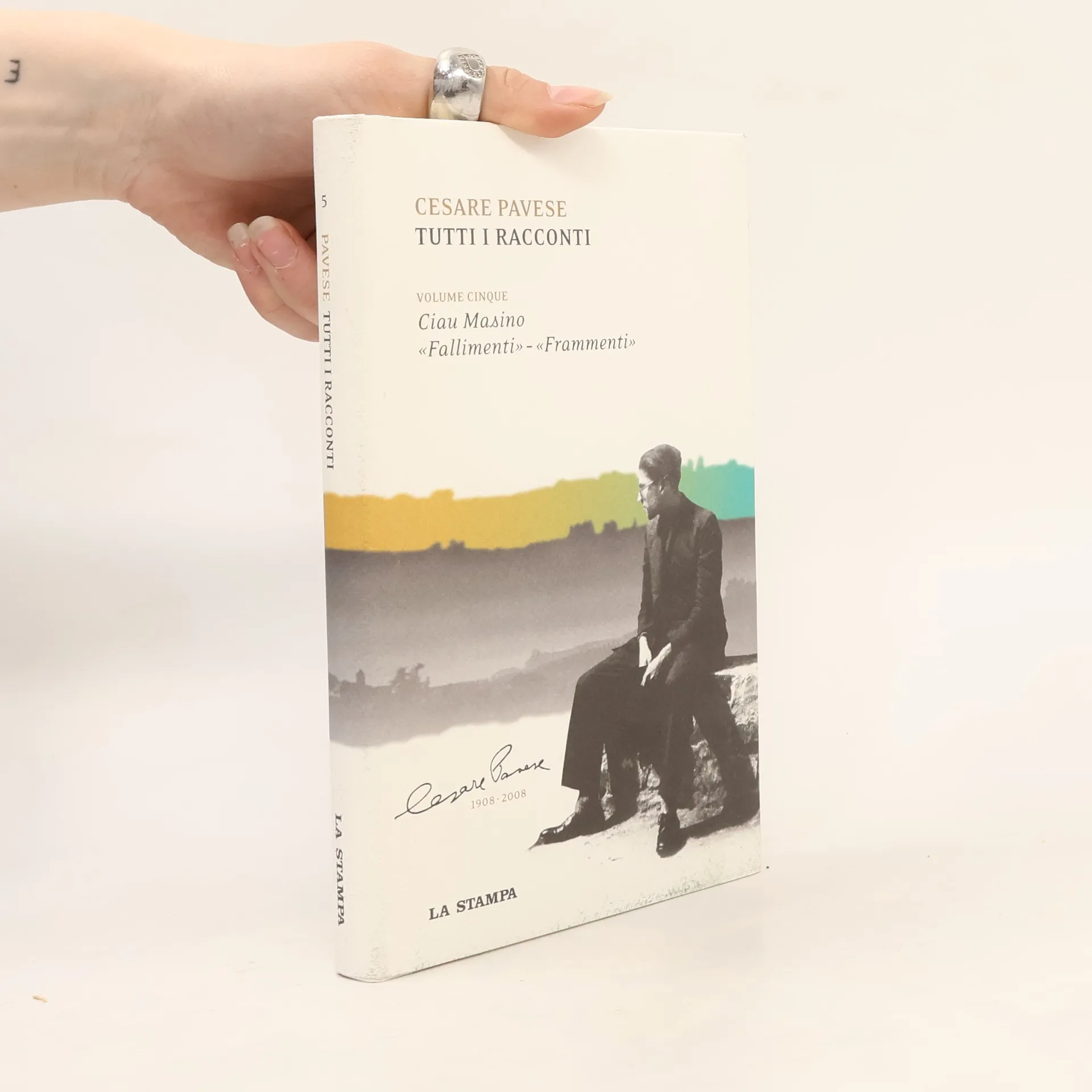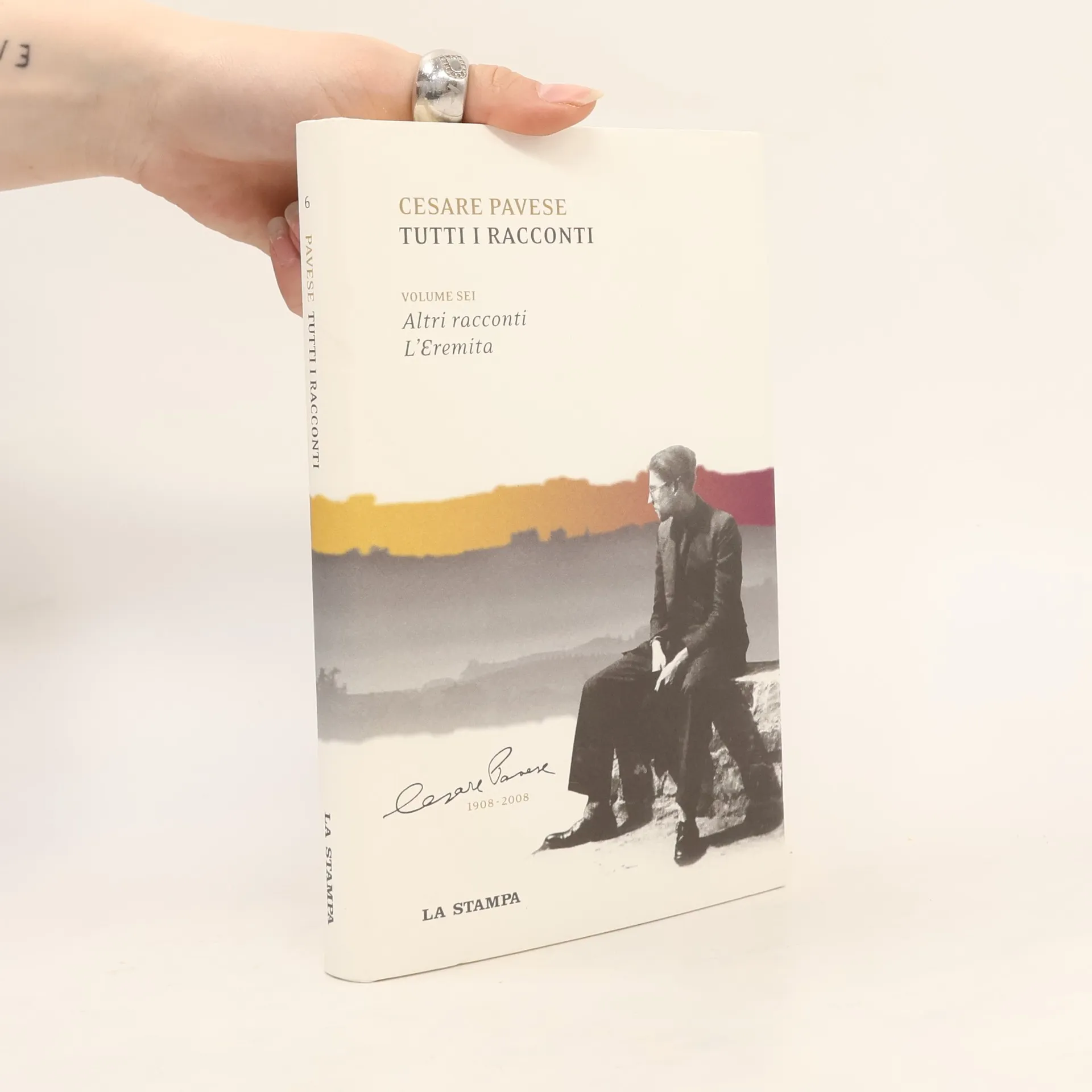
Bundeling van de acht romans van de Italiaanse schrijver (1908-1950).
Cesare Pavese Boeken
Het werk van Cesare Pavese, voornamelijk korte verhalen en novellen, is diep geworteld in de exploratie van de heilige plaatsen van de jeugd en de zoektocht naar het zelf. Ontzegd van een onmiddellijke uitlaatklep onder het fascistische bewind, werd hij een sleutelfiguur in de introductie van de Amerikaanse literatuur in Italië door zijn belangrijke vertalingen. Pavese's schrijven is doordrenkt van een diepe betrokkenheid bij mythe, symbool en archetype, wat zich vaak manifesteert in poëtisch vormgegeven dialogen die de menselijke conditie onderzoeken. Zijn verhalen, gekenmerkt door een mix van somberheid en medeleven, portretteren op overtuigende wijze individuen die worstelen met hun verleden en hun plaats in de wereld, wat zijn status als een belangrijke stem in de Italiaanse literatuur verstevigt.


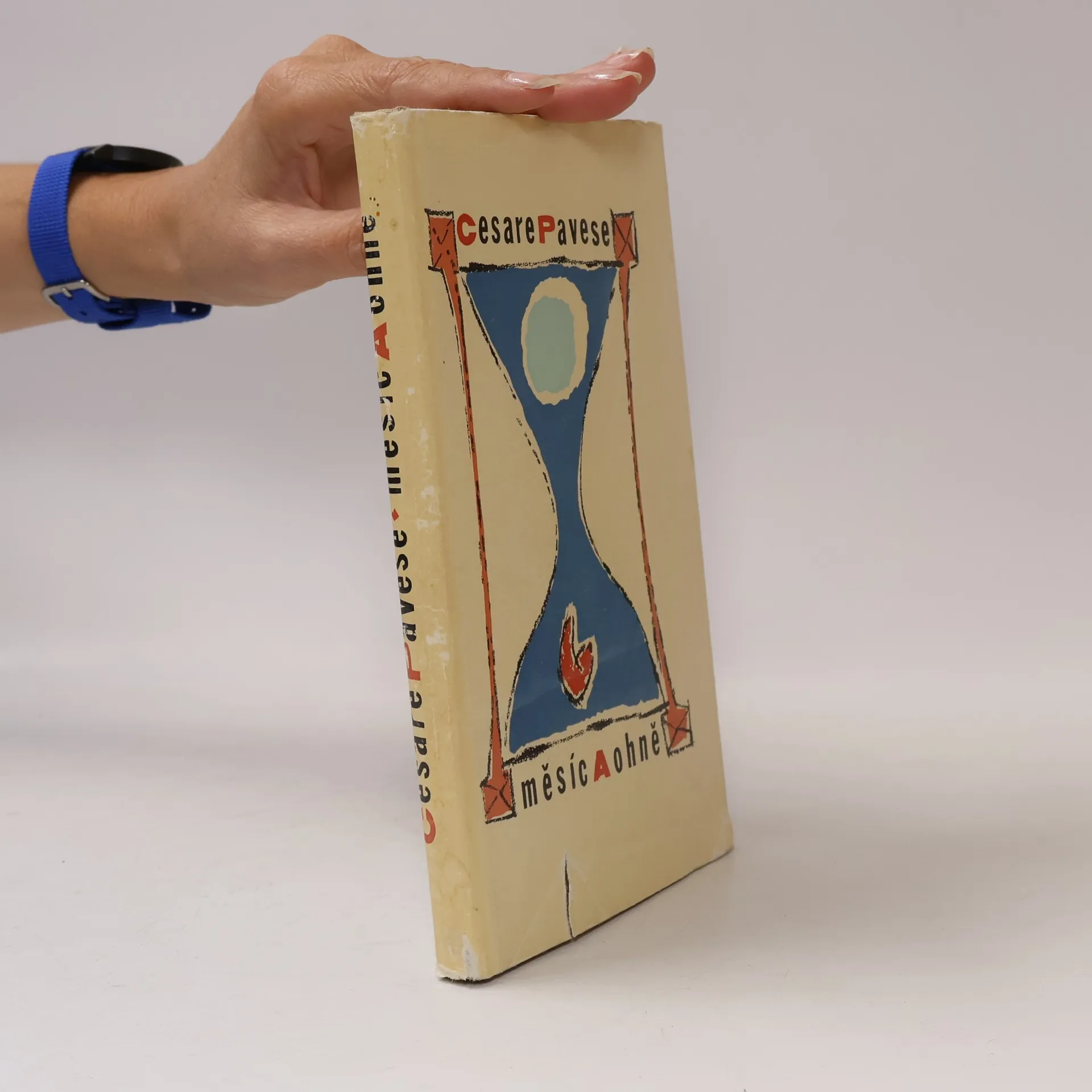
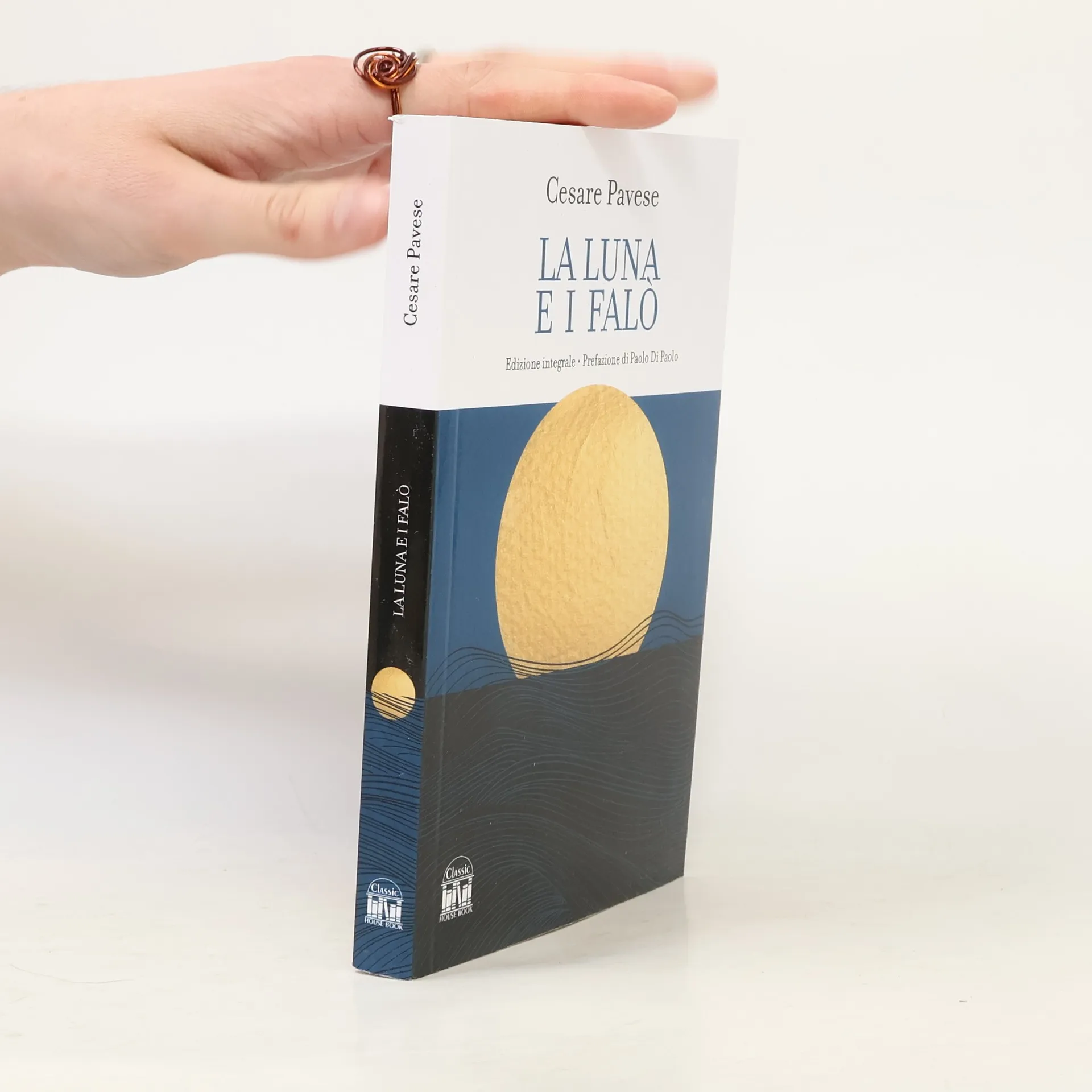
De maan en het vuur
Roman
Analytische annotatie: Een Italiaanse emigrant keert na de Tweede Wereldoorlog terug naar zijn geboortestreek
De dood zal komen en jouw ogen hebben
- 263bladzijden
- 10 uur lezen
Bundeling van de gedichten van de Italiaanse schrijver (1908-1952) met vertaling.
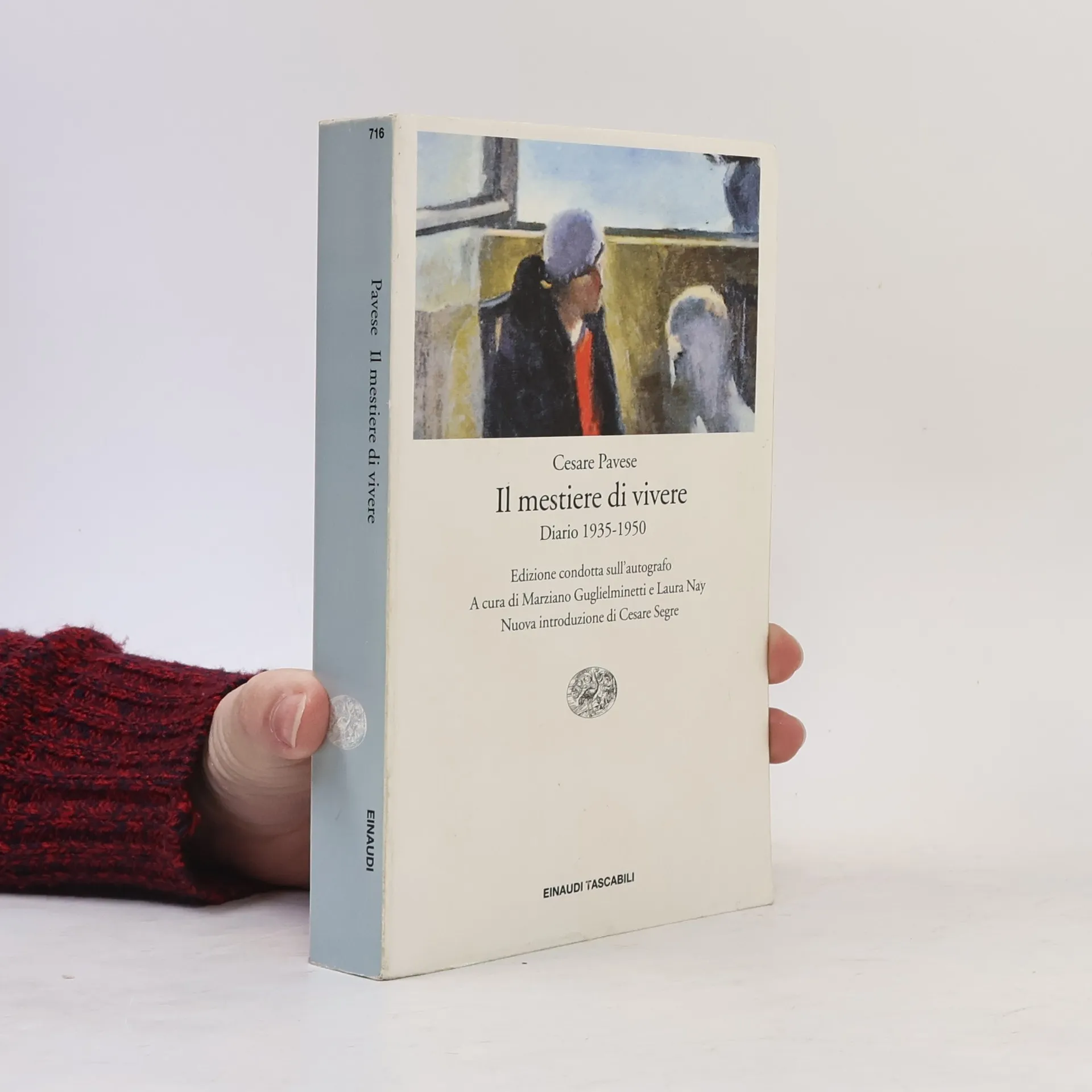
Introspection is central to Cesare Pavese's work, leading him on a profound quest for self-understanding and truth about the world. His diaries, published posthumously, unveil the emotional and intellectual struggles that shaped his life and artistry. Considered one of Italy's most complex writers, Pavese's tragic suicide in 1950, shortly after receiving the prestigious Strega Prize, left a significant impact on the literary community. This reprint of his original diaries offers a deep insight into his anguished yet enlightening perspective.
The diary of Italy's greatest modern writer, who won the prestigious Strega Award shortly before his tragic suicide in 1950, offers a poignant glimpse into his thoughts and struggles. As he meticulously destroyed his private papers, this diary became a vital testament to his life and artistry, providing contemporary readers with profound insights into his mind and the circumstances surrounding his untimely death.
Hard Labor
- 160bladzijden
- 6 uur lezen
This landmark translation showcases the passionate and fiercely intelligent poetry of a pivotal twentieth-century Italian writer, exploring themes of coming of age. The work captures the emotional depth and complexity of youth, offering readers a profound insight into the struggles and triumphs of growing up.
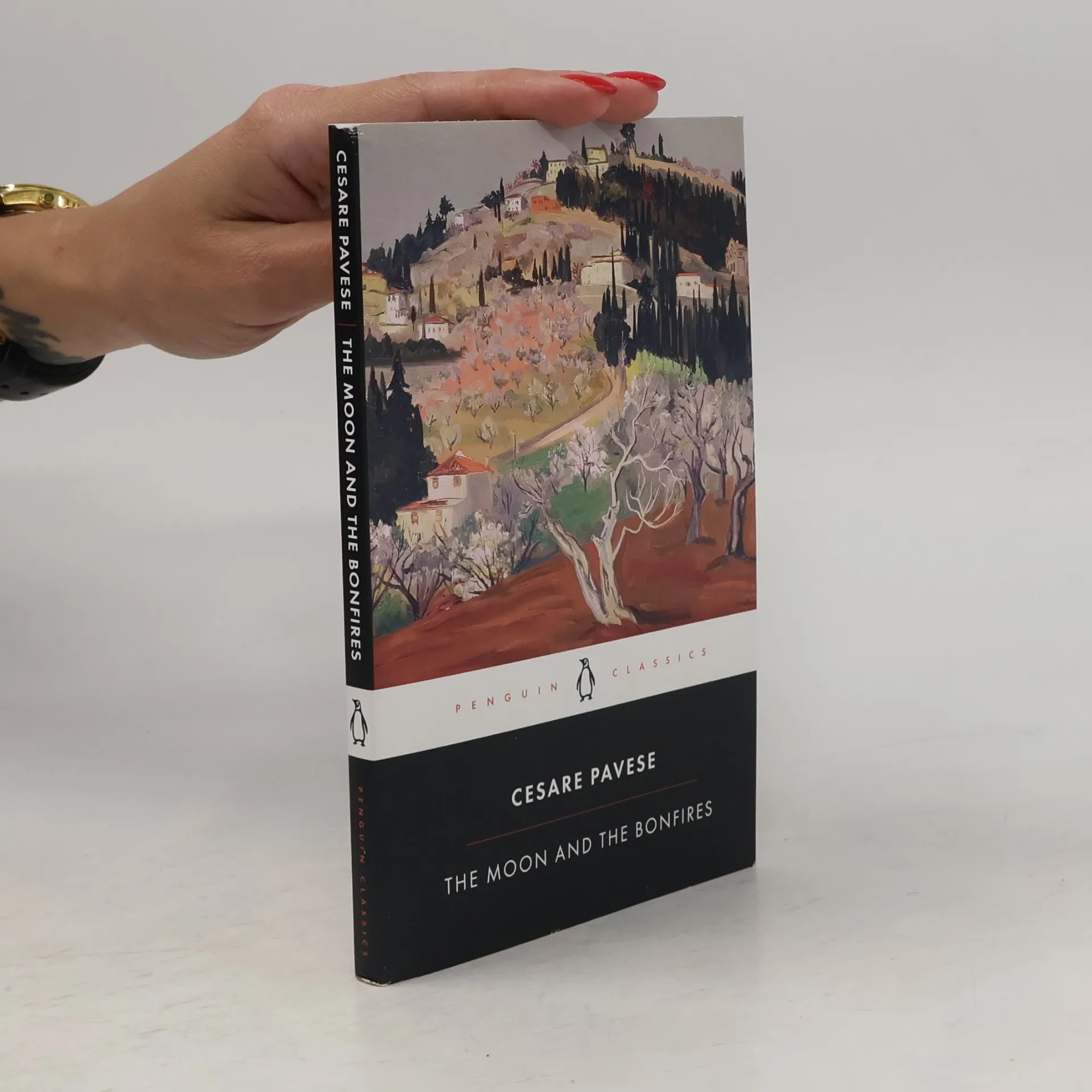
The Moon and the Bonfires
- 192bladzijden
- 7 uur lezen
In Pavese's last and greatest novel, Nuto, an orphan saved from death by a rural family, returns to Italy from America soon after World War II. He is now rich, and much has improved at home, but peace and prosperity cannot long mask the enduring realities of love and death.
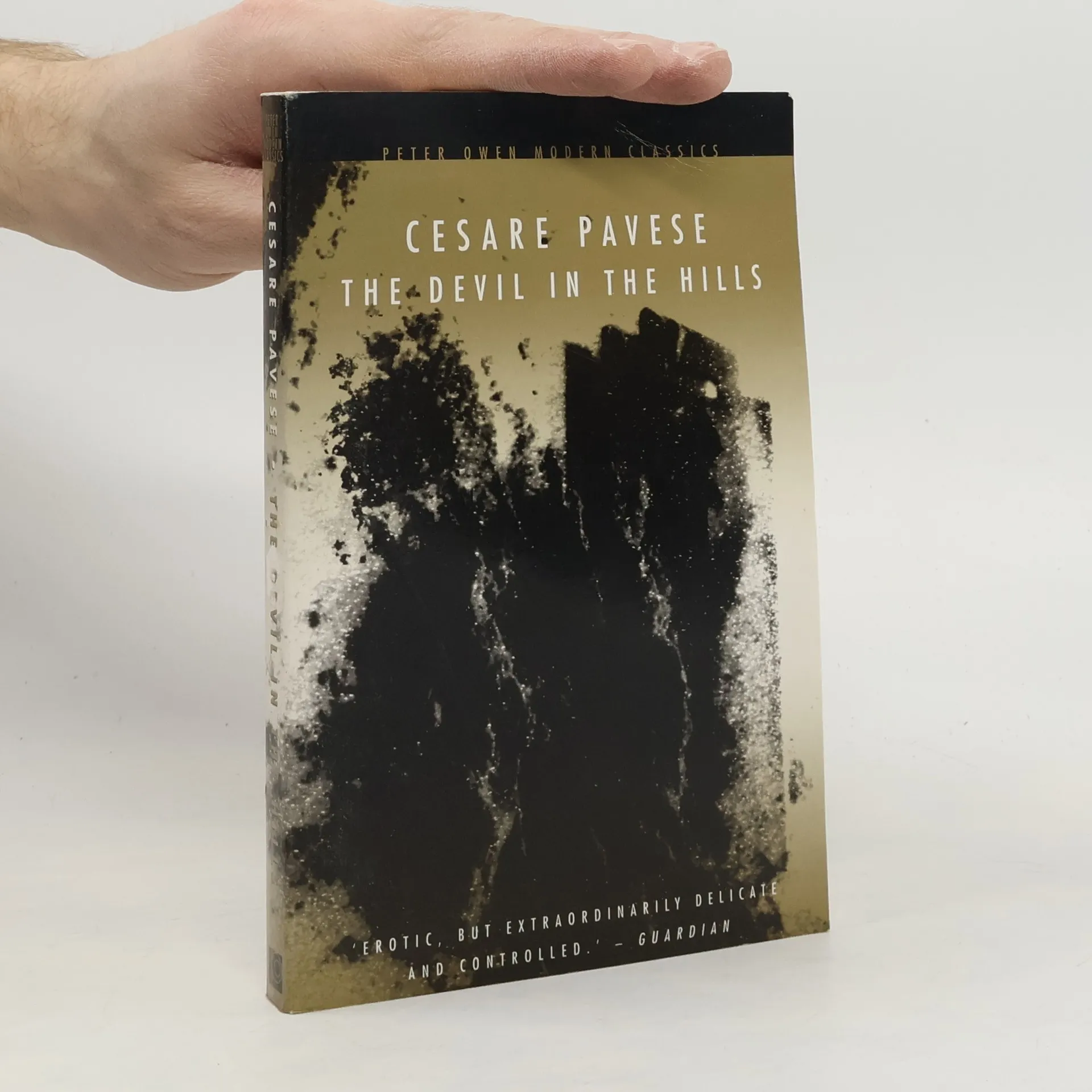
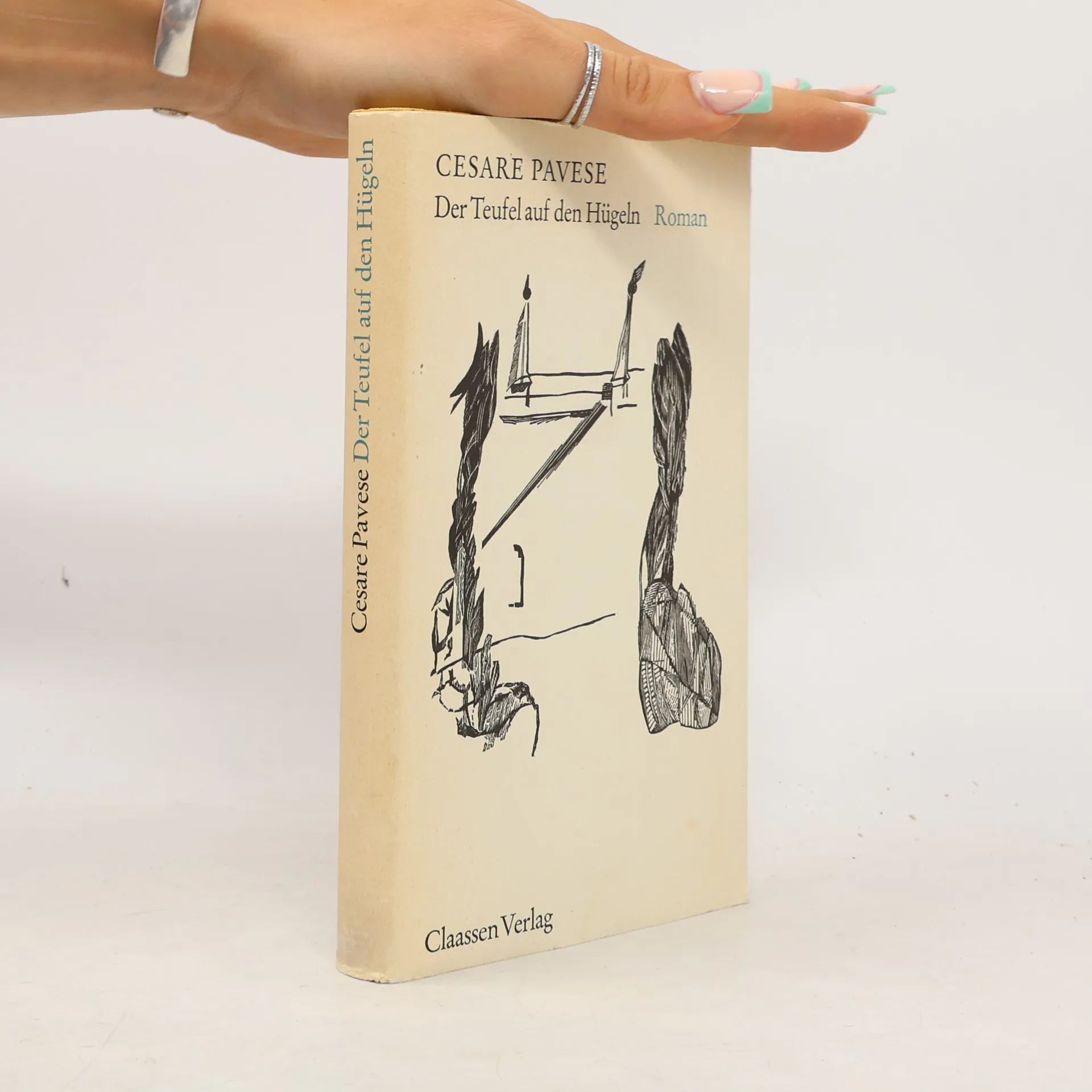
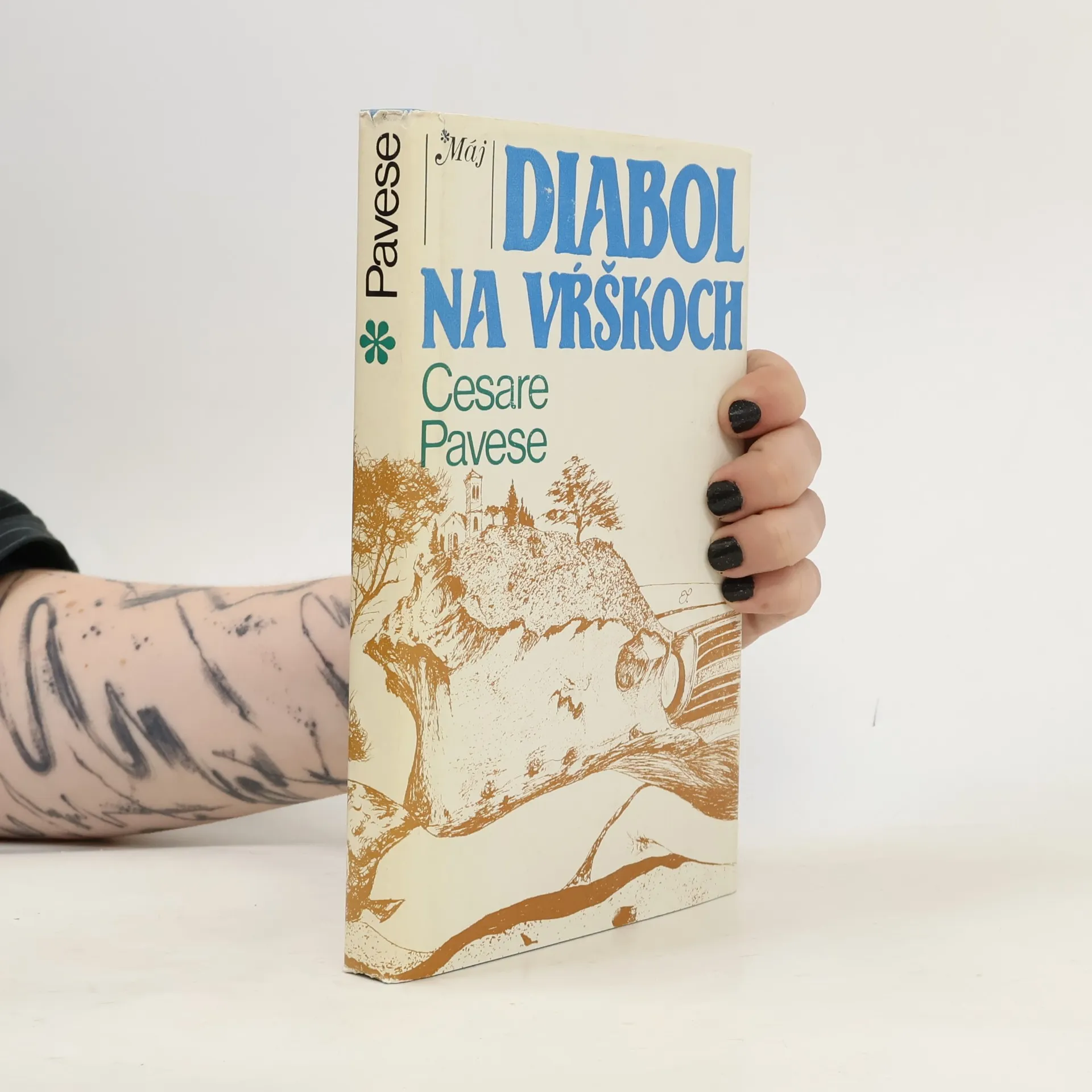
Peter Owen Modern Classics: The Devil in the Hills
- 190bladzijden
- 7 uur lezen
Set amongst the hills, vineyards, and villages of Piedmont, The Devil in the Hills centres on three young men as they spend what is seemingly their last free summer talking, drinking, sunbathing, and enjoying life. Fascinated with their wealthy acquaintance, Poli, they soon find themselves embedded in his world—his cocaine addiction, his blasphemy, and his corrupt circle of friends.
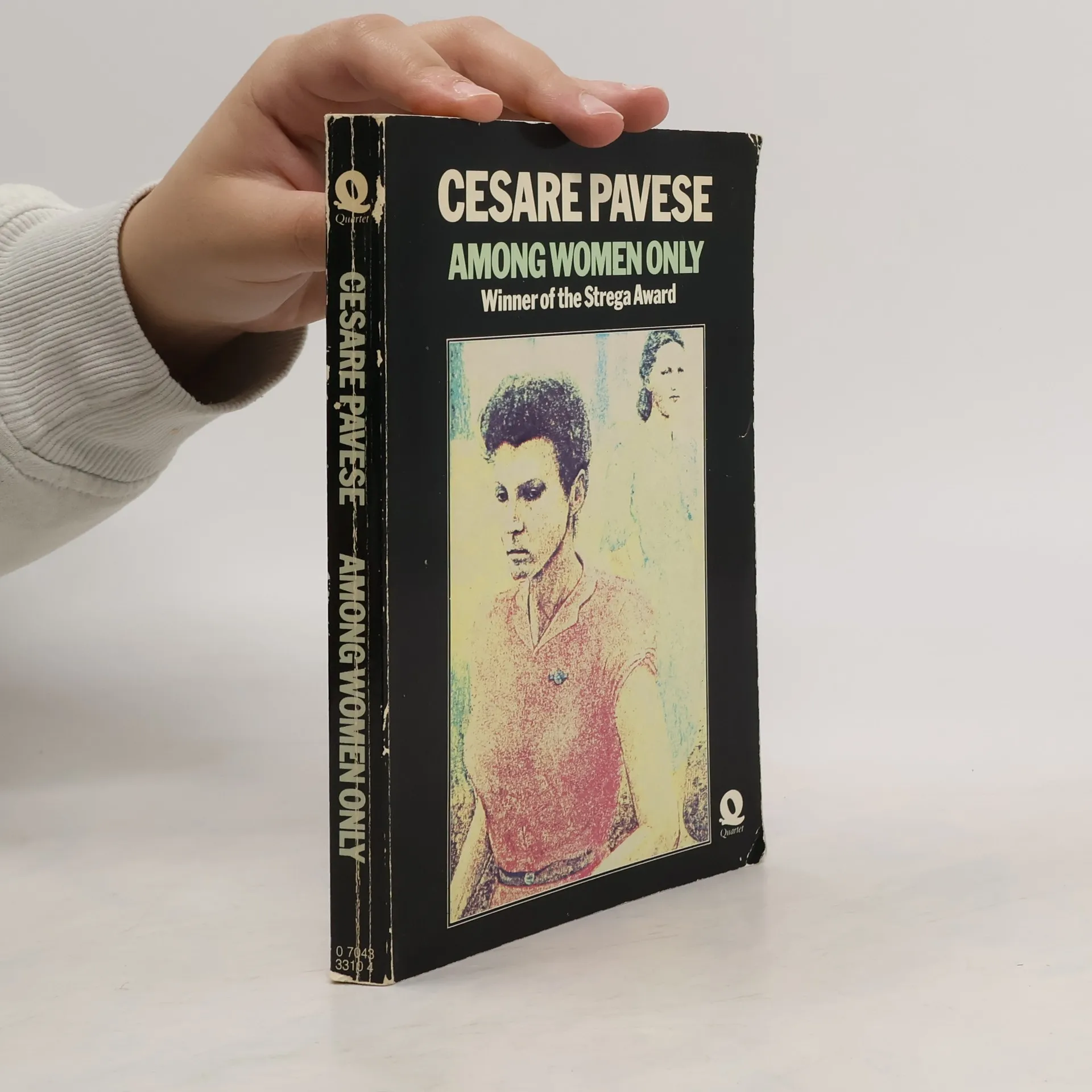
Clelia, a successful couturier, returns to Turin at the end of the Second World War. Opening a salon of her own leads her into a nihilistic circle of young hedonists, including the charismatic Rosetta, whose tragic death forms the novel's climax. Pavese's gritty tales of post-war Italy have led to frequent comparisons with Michelangelo Antonioni (Blowup, Beyond the Clouds), who successfully filmed Among Women Only as Le Amiche in 1955.
The Political Prisoner
- 240bladzijden
- 9 uur lezen
Exploring themes of isolation and emotional detachment, the first novella delves into the life of an anti-fascist ex-prisoner at a secluded Italian resort, highlighting the complexities of a loveless sexual relationship. The second story shifts to a vibrant colony of artists and models in Turin, addressing issues of corruption and personal growth. Cesare Pavese's nuanced storytelling captures the struggles of individuals grappling with societal and personal challenges.