

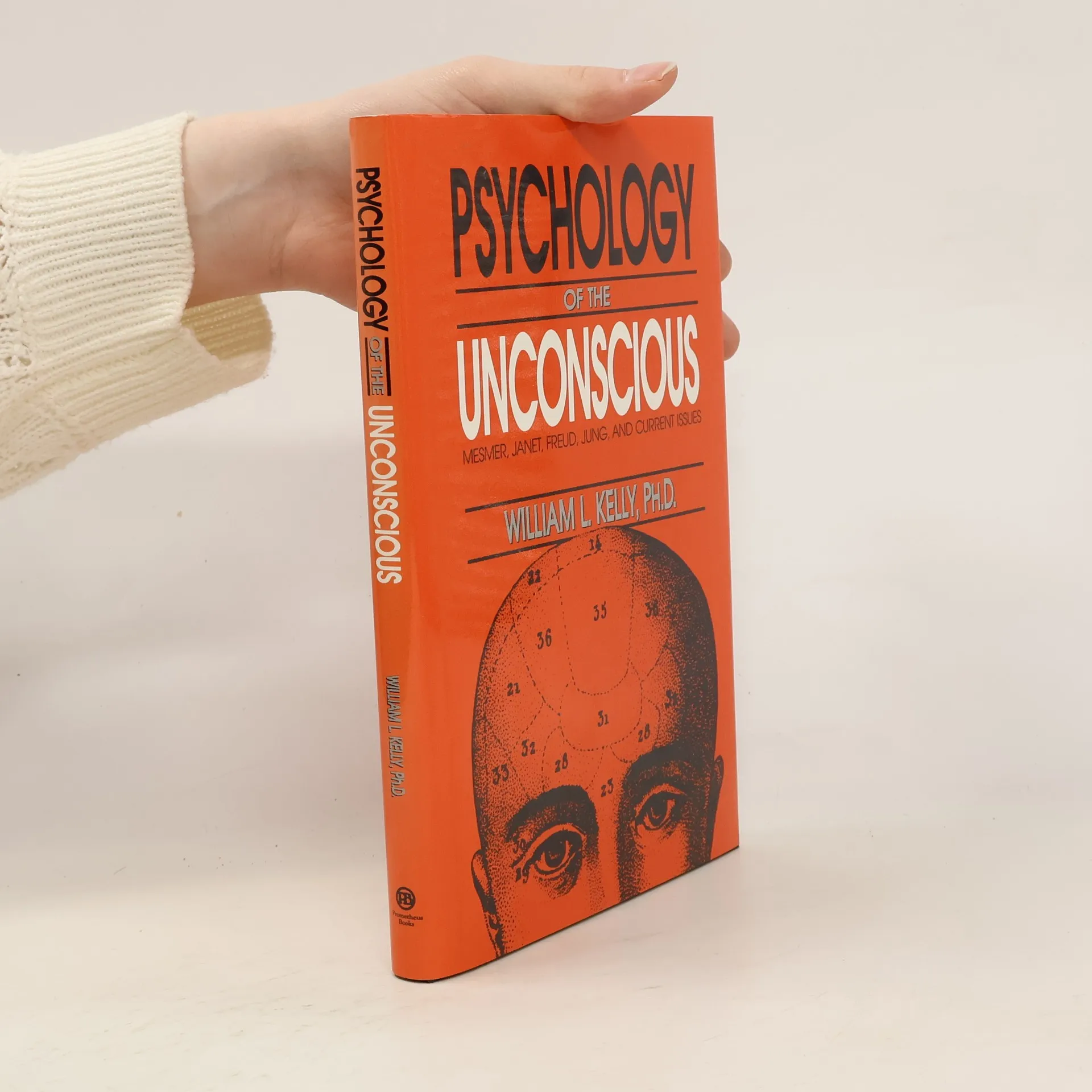
Psychology of the Unconscious
- 210bladzijden
- 8 uur lezen
Despite two centuries of research, the human unconscious remains largely uncharted in psychology. Understanding the unconscious mind is essential, as it underpins the complexity of human experience. Clinical psychology explores behavioral disorders through historical and medical data, but the synthesis of these factors is still emerging. This work presents an overview of four key figures: Anton Mesmer, Pierre Janet, Sigmund Freud, and Carl Gustav Jung. It delves into their careers and major themes, such as using hypnosis for hysteria treatment and the symbolism of dreams linked to unconscious forces. Kelly highlights the challenges early psychotherapy faced in gaining scientific recognition and the conflicts that led to the split between Freud and Jung. After discussing early experimentalists, the text addresses recent findings in psychosomatic illnesses, sleep disorders, dream therapy, hypnosis, and parapsychology. While the legitimacy of phenomena like clairvoyance and psychokinesis remains debated, they continue to intrigue researchers. This accessible volume offers a comprehensive analysis of the unconscious's history and theories, suggesting future directions. As we enter the twenty-first century, the exploration of the unconscious promises to enhance our understanding of human behavior.