Marilyn Hacker is een Amerikaanse dichteres wiens werk wordt gekenmerkt door een indringende verkenning van persoonlijke en sociale thema's. Met precieze taal en complexe vormen duikt ze in de fijne kneepjes van menselijke relaties, identiteit en politieke realiteiten. Haar oorspronkelijke poëzie wordt geprezen om haar intellectuele diepgang en emotionele resonantie, terwijl haar vertalingen Europese vers voor Amerikaanse lezers introduceren.
This critically acclaimed sonnet sequence is the passionately intense story of
a love affair between two women, from the electricity of their first
acquaintance to the experience of their parting.
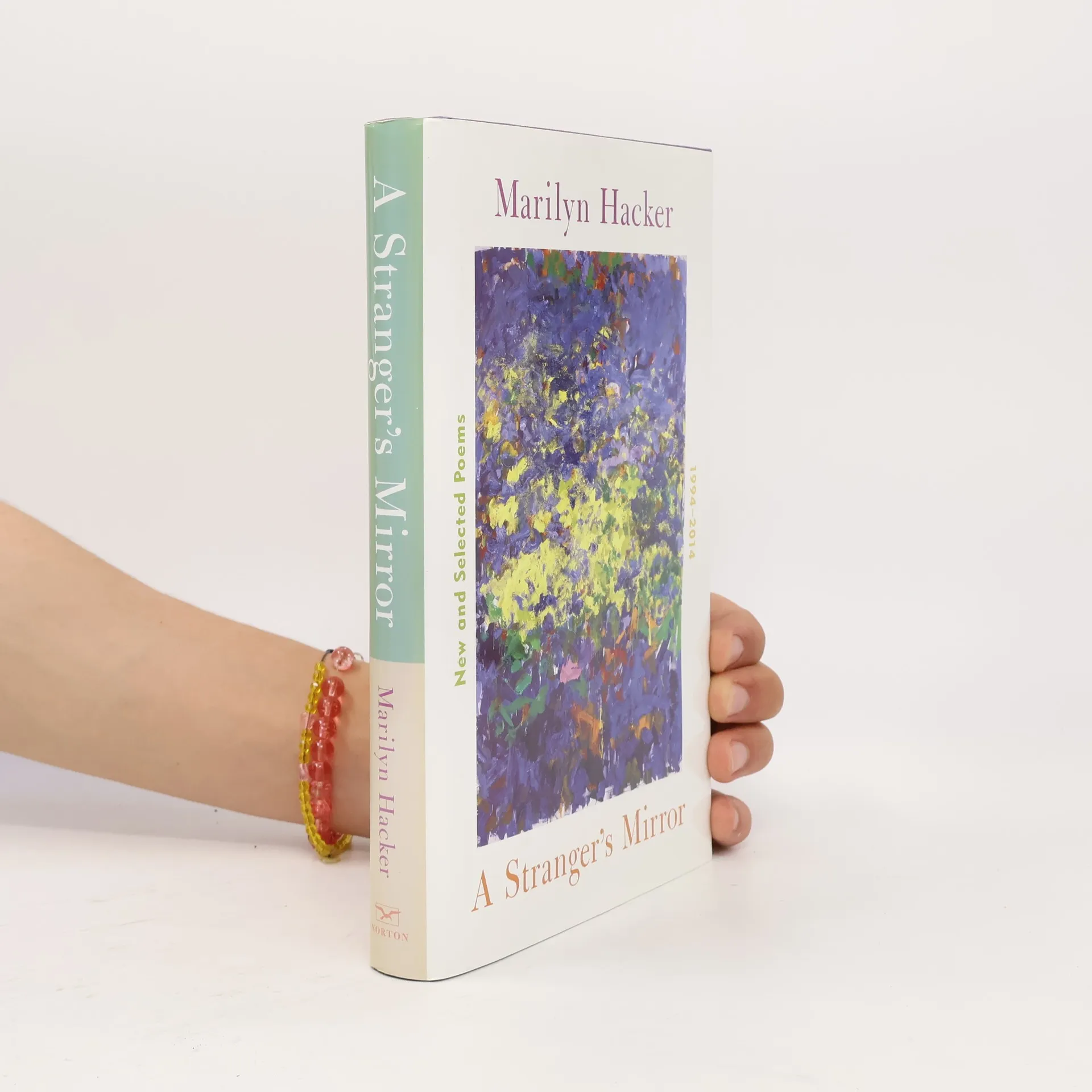
Longlisted for the National Book AwardA selection of poems that addresses the quotidian and the global, from one of our most essential poets. Drawing on two decades worth of award-winning poetry, Marilyn Hacker’s generous selections in A Stranger’s Mirror include work from four previous volumes along with twenty-five new poems, ranging in locale from a solitary bedroom to a refugee camp. In a multiplicity of voices, Hacker engages with translations of French and Francophone poets. Her poems belong to an urban world of cafés, bookshops, bridges, traffic, demonstrations, conversations, and solitudes. From there, Hacker reaches out to other sites and personas: a refugee camp on the Turkish/Syrian border; contrapuntal monologues of a Palestinian and an Israeli poet; intimate and international exchanges abbreviated on Skype―perhaps with gunfire in the background. These poems course through sonnets and ghazals, through sapphics and syllabics, through every historic-organic pattern, from renga to rubaiyat to Hayden Carruth’s “paragraph.” Each is also an implicit conversation with the poets who came before, or who are writing as we read. A Stranger’s Mirror is not meant only for poets. These poems belong to anyone who has sought in language an expression and extension of his or her engagement with the world―far off or up close as the morning’s first cup of tea.
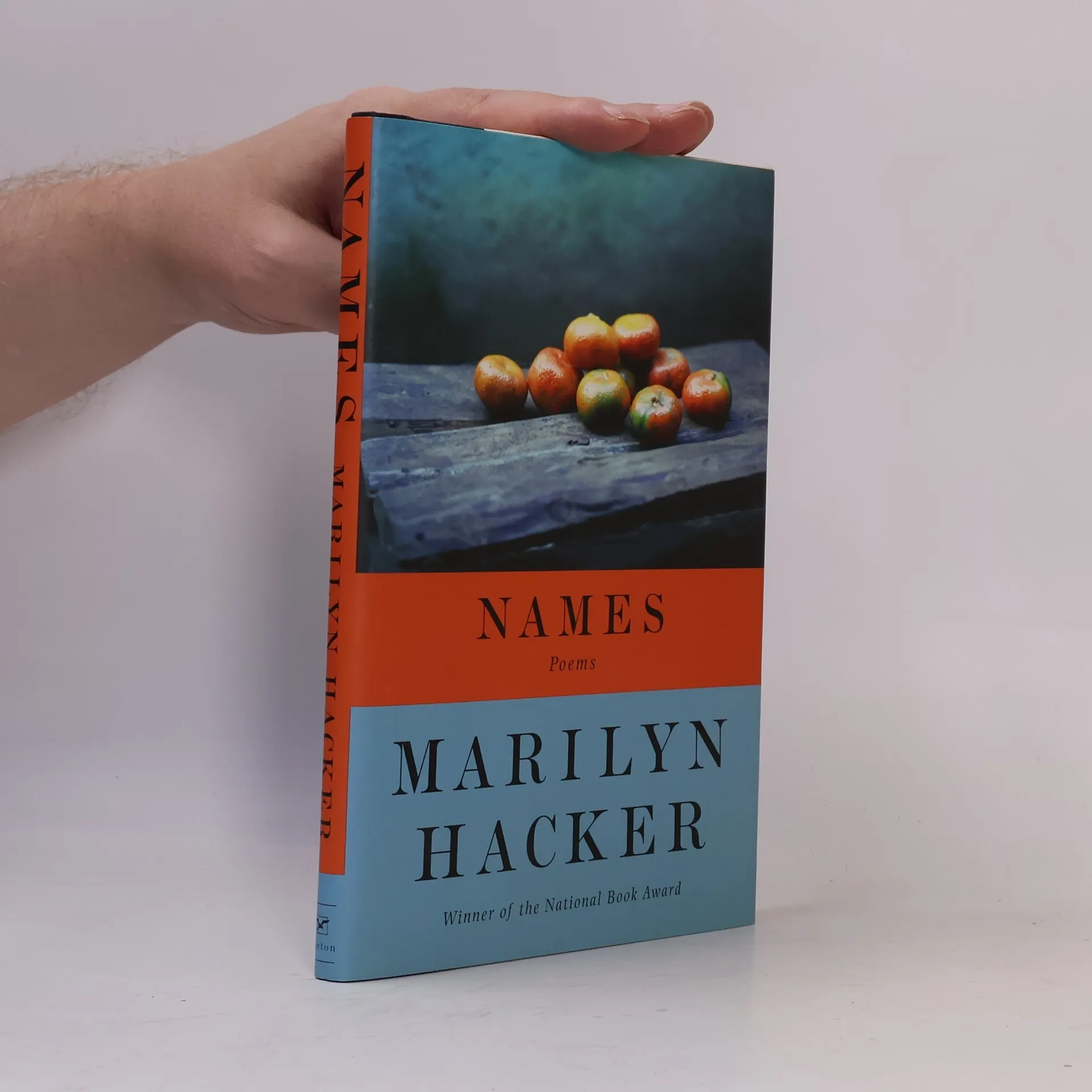
“Hacker is, to use a trite term, a major poet. More than that she is exciting and true.”―George Szirtes In Names , Marilyn Hacker juxtaposes glimpses of contemporary lives with dialogues undertaken in signal poetic voices. Using her signature wit, passion, and mastery of received and invented forms, she convinces us to believe in a world made possible by language―prescient, playful, polyglot, and often breathtaking.from “Ghazal: The Beloved”:Lines that grapple doubt, written because of the beloved:when grief subsides, what survives the loss of the beloved?Your every declaration is suspect.That was, at least, the departing gloss of the beloved.Were you merely a servant of the stateor (now you give the coin a toss) of the beloved?How pure you were, resistant in an orchard.Peace with justice: the cause of the beloved.
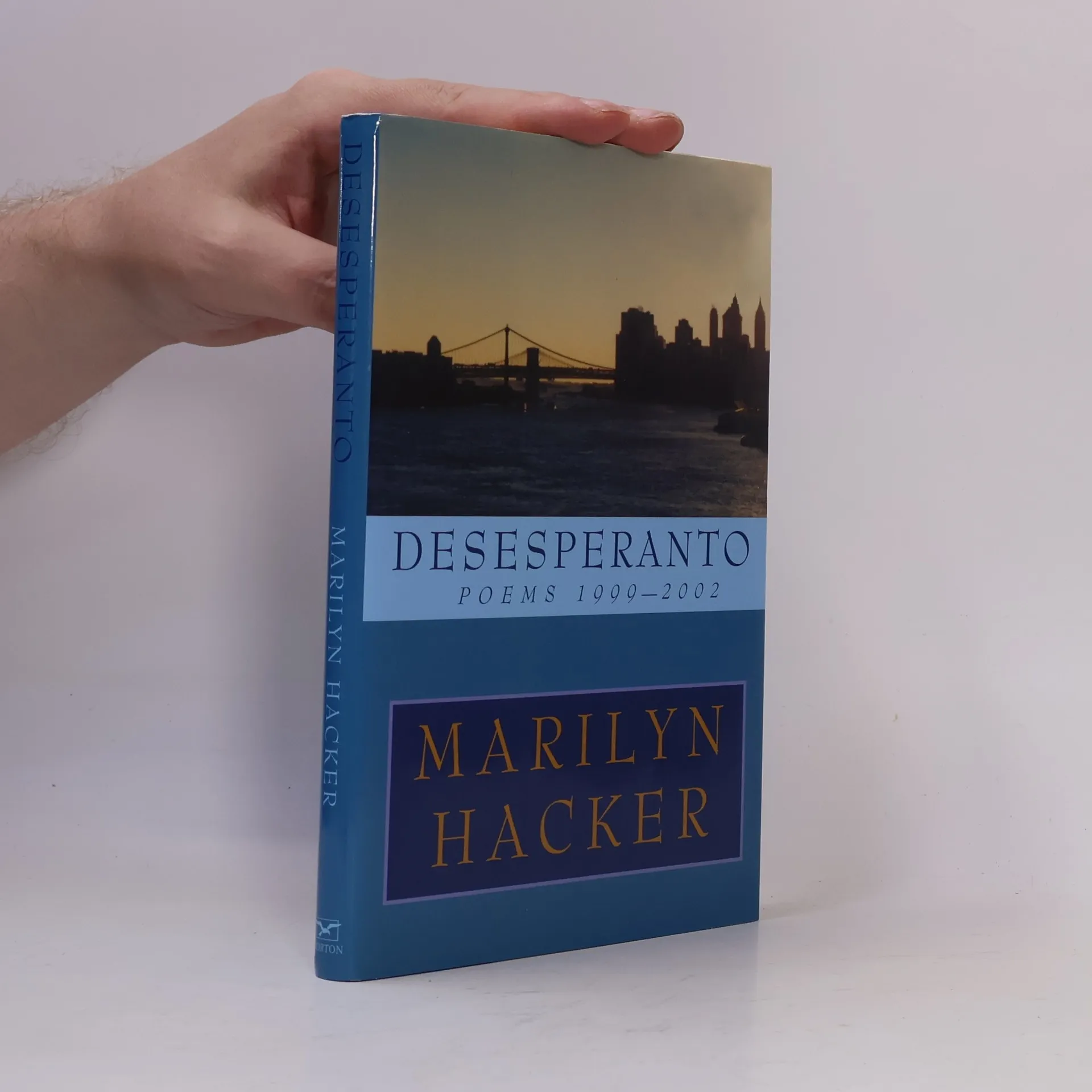
Marilyn Hacker's voice is unique in its intelligence, urbanity, its deployment of an elegiac humor, its weaving of literary sources into the fabric and vocabulary of ordinary life, its archaeology of memory. Desesperanto refines the themes of loss, exile, and return that have consistently informed her work. The title itself is a wordplay combining the Spanish word esperanto, signifying "hope," and the French desespoir , meaning "to lose heart." Des-esperanto , then, is a universal language of despair —despair of the possibility of a universal language. As always in Hacker's poetry, prosodic measure is a catalyst for profound feeling and accurate thought, and she employs it with a wit and brio that at once stem from and counteract despair. Guillaume Apollinaire, June Jordan, and Joseph Roth are among this book's tutelary spirits, to whom the poet pays homage as she confronts a new, dangerous century.