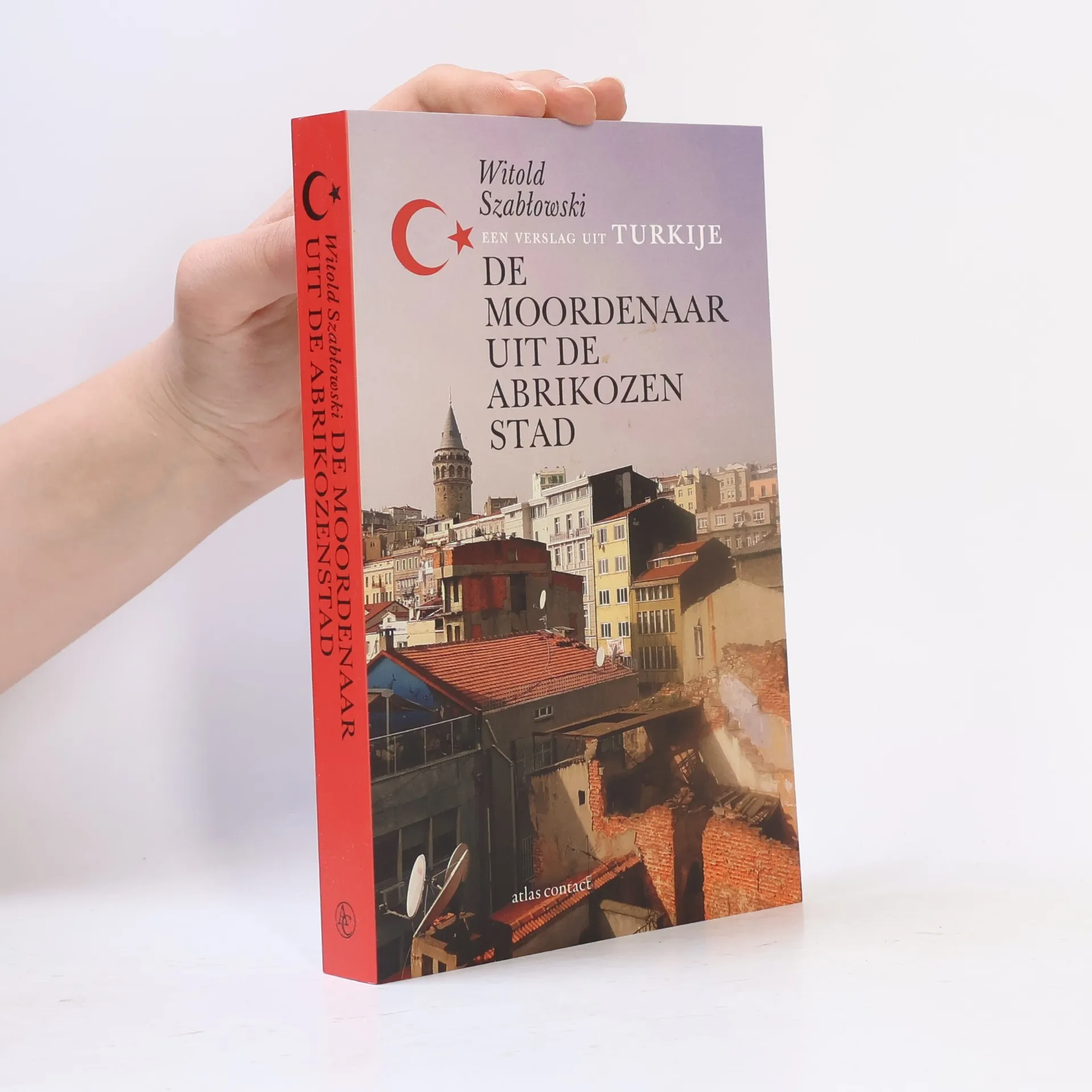
Zabójca z miasta moreli to wielowątkowa opowieść o Turcji rozdartej między Wschodem a Zachodem, islamem a islamofobią, przesiąkniętej konserwatyzmem i ponowoczesnością, tęsknotą za Europą i eurosceptycyzmem. W każdym z reportaży Szabłowskiego ważą się czyjeś losy, każdy bohater ma okazję przemówić pełnym głosem, opowiedzieć swoją historię, nierzadko zadziwiony własną odwagą, którą wyzwolił w nim polski reporter. Imigranci z Afryki, młode dziewczyny uciekające przed widmem zabójstw honorowych, Ali Ağca - to zaledwie ułamek bajecznie kolorowego, choć niekoniecznie bajkowego korowodu, który prowadzi nas w głąb Turcji, do serca narodu, który zainfekowane europejskością gubi swój miarowy, tradycyjny rytm.
Szablowski Witold Boeken
27 juni 1980
Witold Szabłowski is een Poolse journalist die bekend staat om zijn diepgaande verkenningen van menselijke verhalen en maatschappelijke kwesties. Zijn werk wordt gekenmerkt door een precieze journalistieke stijl die de complexe nuances van wereldgebeurtenissen en menselijke ervaringen blootlegt. Szabłowski combineert meesterlijk gedetailleerd onderzoek met meeslepende vertellingen om vaak over het hoofd geziene aspecten van de wereld te belichten.


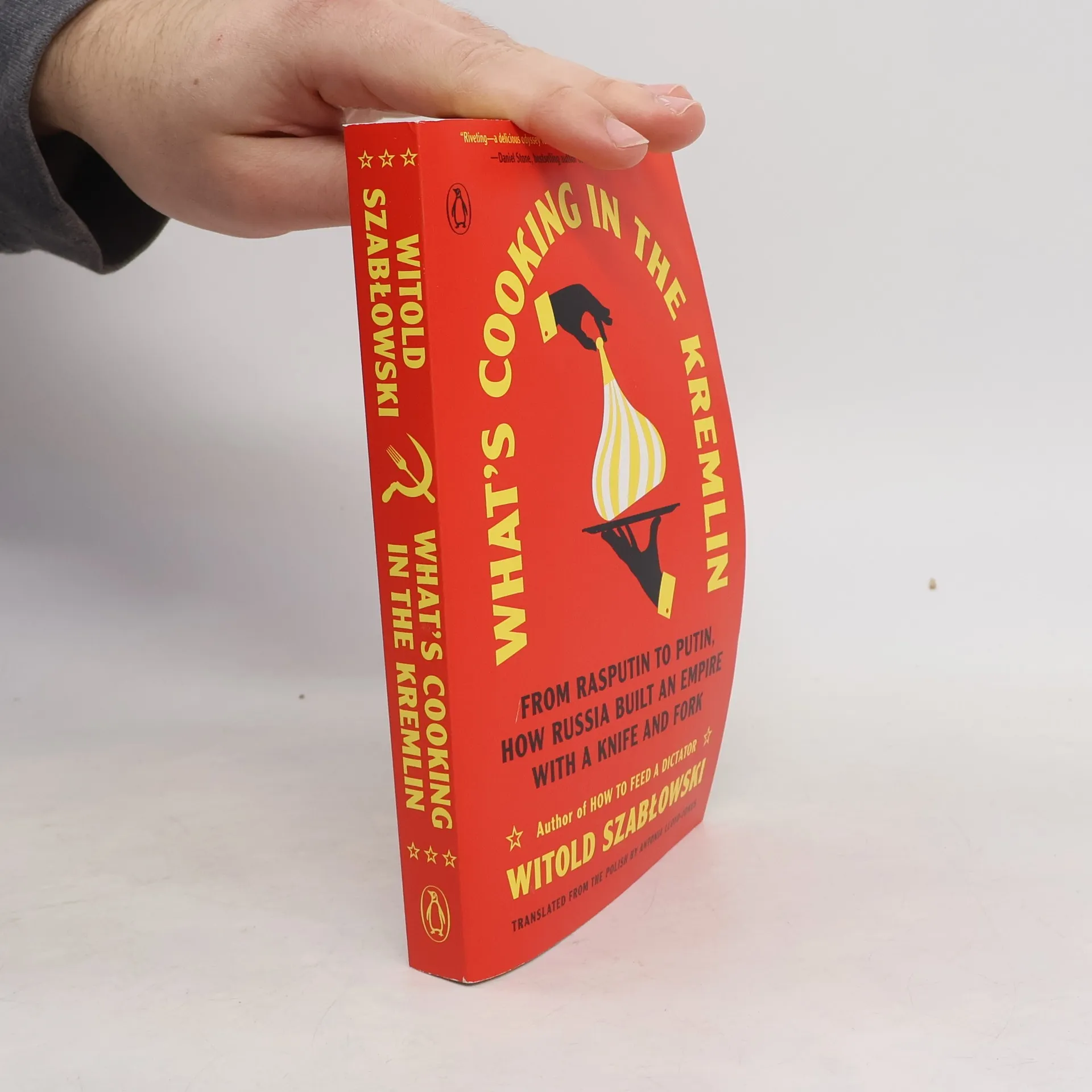
What's Cooking in the Kremlin
From Rasputin to Putin, How Russia Built an Empire with a Knife and Fork
- 384bladzijden
- 14 uur lezen
A New York Times Editors’ Choice, this book offers an entertaining and insightful look at the last hundred years of Russian power through the lens of food, penned by an award-winning Polish journalist. In a style reminiscent of Anthony Bourdain and Hunter S. Thompson, the author engages with individuals who have worked in Kremlin kitchens, revealing how their stories enrich our understanding of modern Russia. The narrative explores the culinary preferences of historical figures like Tsar Nicholas II and Lenin, the peculiarities of Stalin's food tester during the Great Famine, and the significance of meals served during pivotal moments in Soviet history. With a mix of humor and history, the author travels through diverse locales—from Stalin’s Georgia to the war fronts of Afghanistan and the nuclear wastelands of Chornobyl—often gaining access to places off-limits to outsiders. This journey highlights how food has evolved in Russia, from periods of famine to feasts, and how it remains a tool of propaganda and a reflection of the country's global standing. Complete with recipes and photos, this oral history captures the Kremlin's ongoing obsession with food as a means of asserting power and influence, revealing that, even a century after the revolution, food continues to play a crucial role in Russia’s narrative.
How to Feed a Dictator
- 272bladzijden
- 10 uur lezen
A devastatingly original look at the world's worst dictators, through the eyes of their personal chefs, by award-winning Polish author Witold Szablowski.
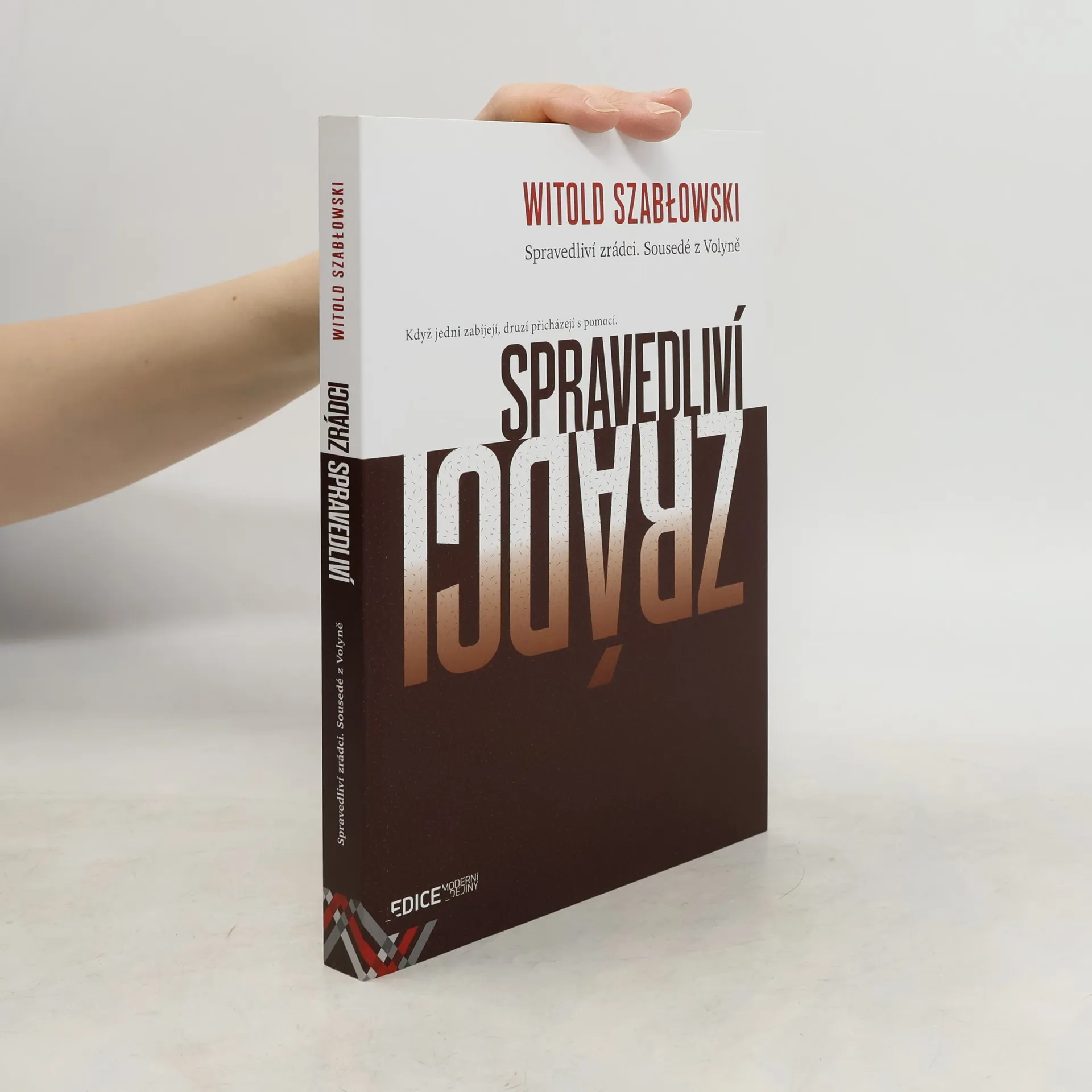
Spravedliví zrádci. Sousedé z Volyně
- 257bladzijden
- 9 uur lezen
Volyňský masakr – etnické čistky polských obyvatel na Ukrajině, které probíhaly od února roku 1943 do února roku následujícího. Proč sousedé začínají vraždit své sousedy? Kdo a proč v sobě najde sílu zachovat se lidsky uprostřed běsnění? Jak těžké je vybírat mezi „svými“ a „cizími“? Lze zastavit spirálu nenávisti a pomsty? Reportér Witold Szabłowski hovořil s pamětníky tragických událostí přesahujících svou brutalitou naši představivost, studoval archivní prameny a deníky. Jednou z důležitých postav knihy je také Jan Jelínek, český evangelický kněz, který žil od roku 1937 v Kupičově na Volyni. Na své faře skrýval všechny pronásledované: Židy, Poláky i Ukrajince.
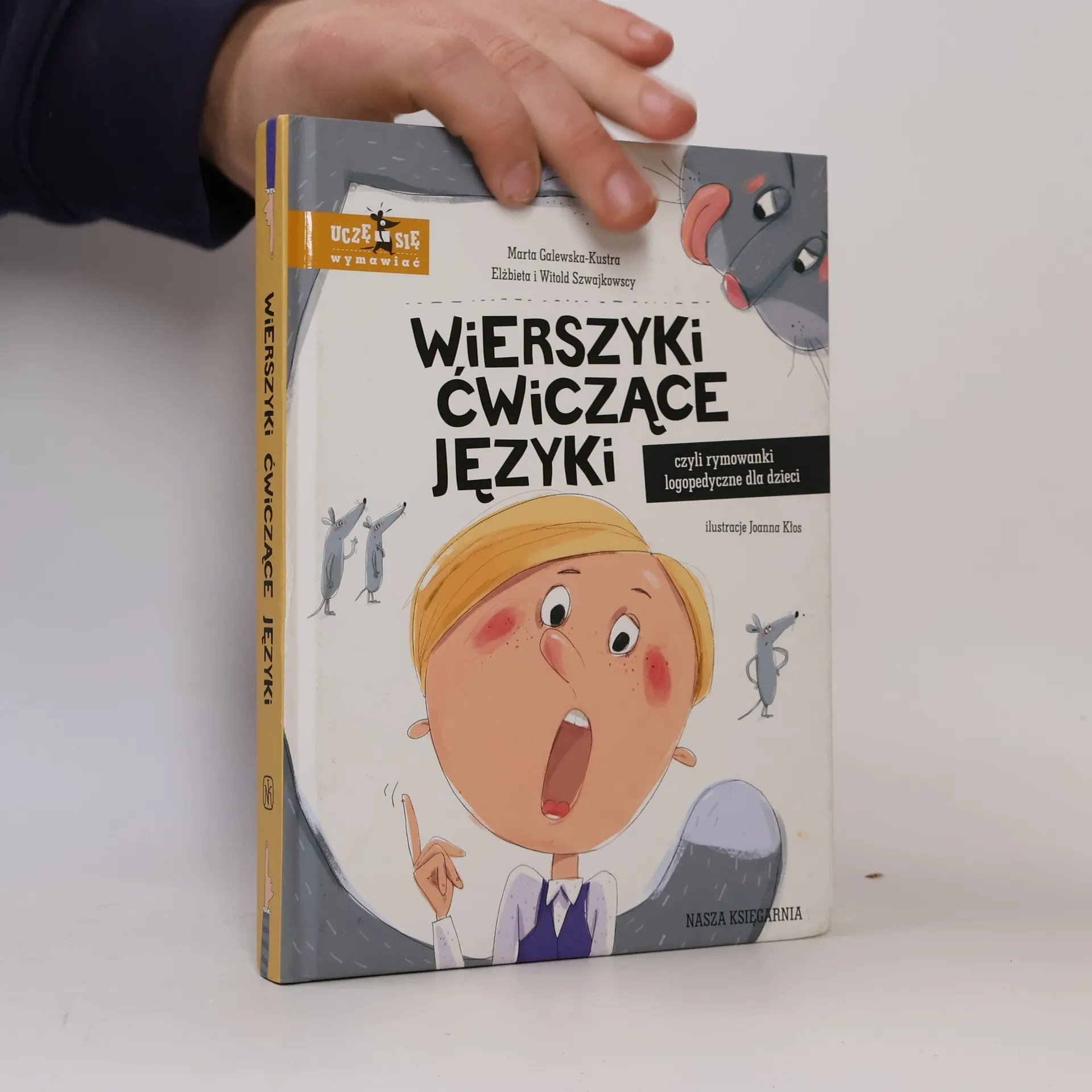
Wierszyki ćwiczące języki, czyli rymowanki logopedyczne dla dzieci
- 128bladzijden
- 5 uur lezen
Ten zbiór zabawnych wierszyków, którym towarzyszą zachwycające i pełne humoru ilustracje, to książka wyjątkowa. Jej wspólne czytanie może być świetną zabawą dla dzieci i rodziców. To doskonała pomoc w pracy z dziećmi mającymi problemy logopedyczne. Nie straszy trudnymi do wymówienia łamańcami językowymi, bo rymowanki są dostosowane do wieku dziecka. Sprawdzi się jako materiał do ćwiczenia mowy, bo jest nie tylko profesjonalnie przygotowany, lecz także niezwykle atrakcyjny dla małych czytelników. To również świetna propozycja dla dzieci, które nie mają kłopotu z mową, ale są w wieku, kiedy wymowa się rozwija. Książka w ciekawy sposób pomaga ten rozwój wesprzeć.Dodatkową wartością są fachowe informacje, dzięki którym rodzice mogą ustalić, czy ich dziecko powinno już daną głoskę wymawiać, i co zrobić, jeśli jej nie wymawia.
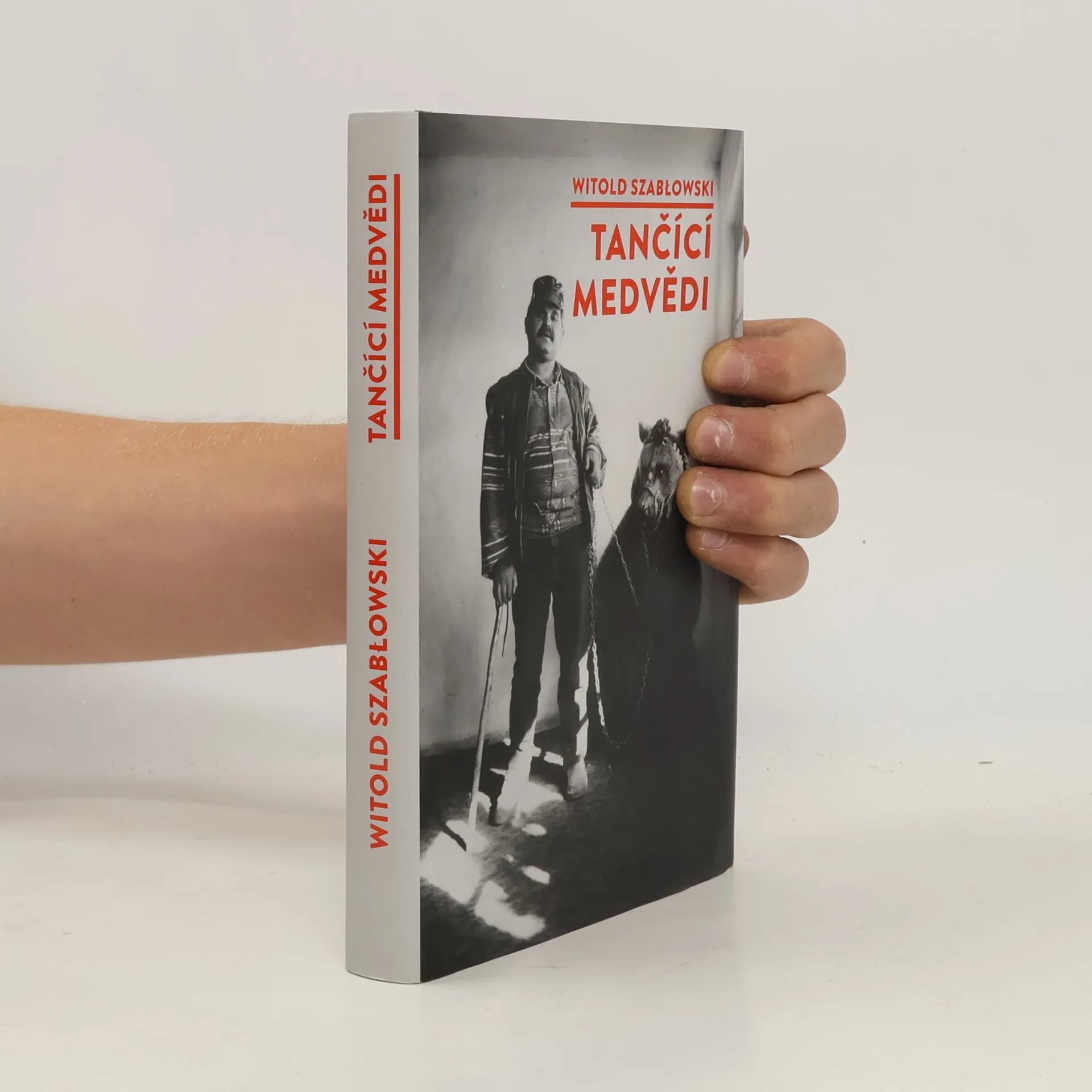
Tančící medvědi
- 248bladzijden
- 9 uur lezen
V další knize Witolda Szabłowského najdete nezvyklý příběh posledních bulharských medvědářů a jejich cvičených medvědů, kterým sundali řetězy a učí je žít volně, bez drilu. Autor nachází překvapivou paralelu mezi osudem zvířat a vývojem postkomunistických zemí východního bloku. Pomocí metafory nám ukazuje, jak složitá může být cesta ke svobodě pro společnost, která žila dlouhá léta za železnou oponou, a jak nelehké je pro mnohé vyrovnat se s novou realitou. Také v reportážích z Kuby, Polska, Albánie, Srbska, Kosova, Řecka, Ukrajiny, Estonska a Gruzie autor zjišťuje, že je někdy lehčí změnit režim než mentalitu lidí. Při cestách za svými hrdiny například zkoumá v Kosovu reakci obyvatel na čerstvě nabytou nezávislost, na Kubě naslouchá místním, jak se obávají o život Fidela Castra, ve Stalinově muzeu v Gori zas průvodkyním, které vůdce dodnes adorují, zkoumá vztah Ukrajinců k možnému vstupu do Evropské unie, na londýnském nádraží nocuje s polskou bezdomovkyní, hledá rozpadající se albánské bunkry, se srbskou cestovkou se vydává po stopách Radovana Karadžiće? Zdá se, že v jeho příbězích, v nichž nechybí absurdita a černý humor, jsme všichni tančícími medvědy, kterým svoboda přináší úlevu, ale současně také nejistotu a bolest.
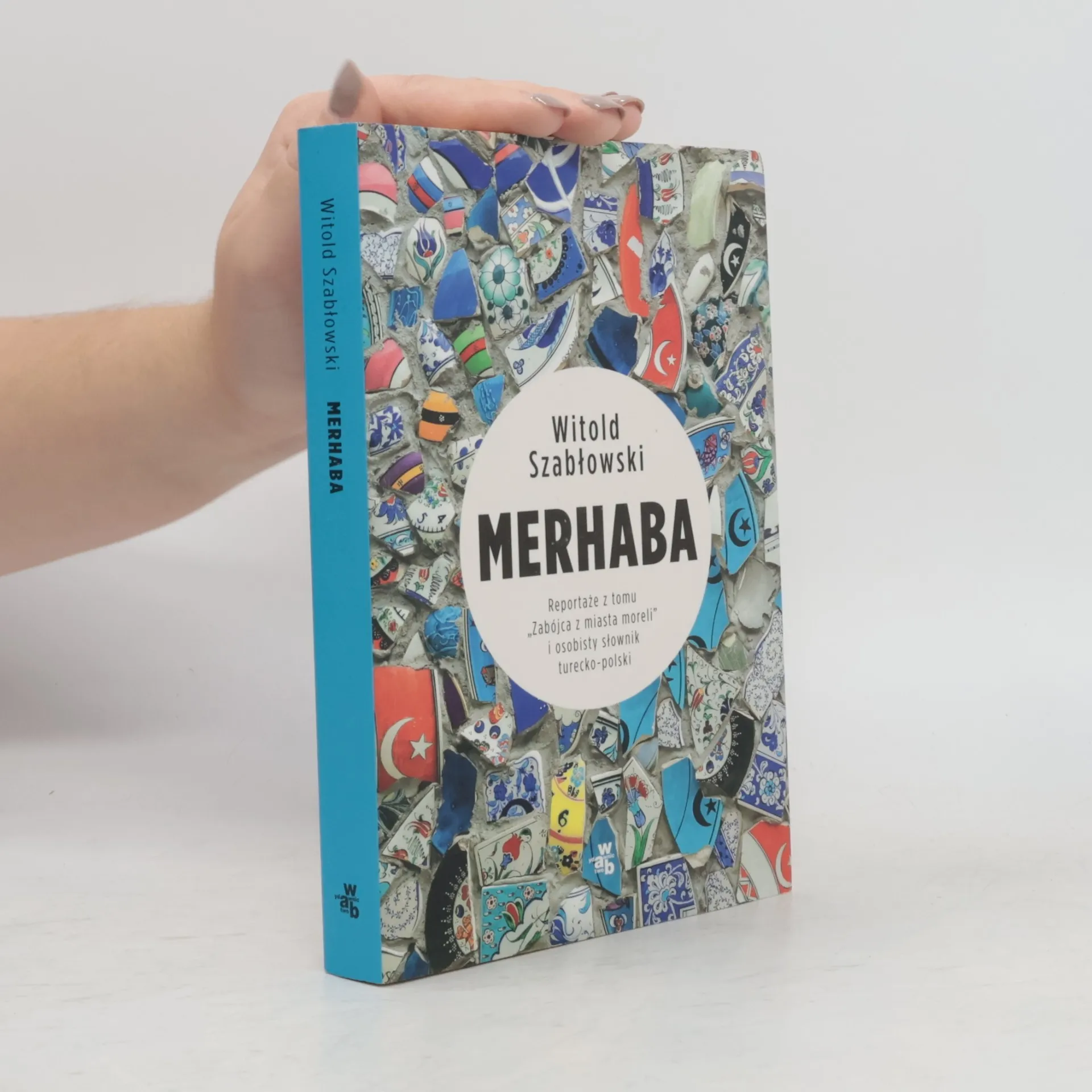
Merhaba. Reportaże z tomu „Zabójca z miasta moreli” i osobisty słownik turecko-polski
- 256bladzijden
- 9 uur lezen
Wielowątkowa opowieść o Turcji rozdartej między Wschodem a Zachodem, islamem a islamofobią, przesiąkniętej konserwatyzmem i ponowoczesnością, tęsknotą za Europą i eurosceptycyzmem.W każdym z reportaży Szabłowskiego ważą się czyjeś losy, każdy bohater ma okazję przemówić pełnym głosem, opowiedzieć swoją historię, nierzadko zadziwiony własną odwagą, którą wyzwolił w nim polski reporter. Imigranci z Afryki, młode dziewczyny uciekające przed widmem zabójstw honorowych, Ali Ağca – to zaledwie ułamek bajecznie kolorowego, choć niekoniecznie bajkowego korowodu, który prowadzi nas w głąb Turcji, do serca narodu, który – zainfekowany europejskością – gubi swój miarowy, tradycyjny rytm.
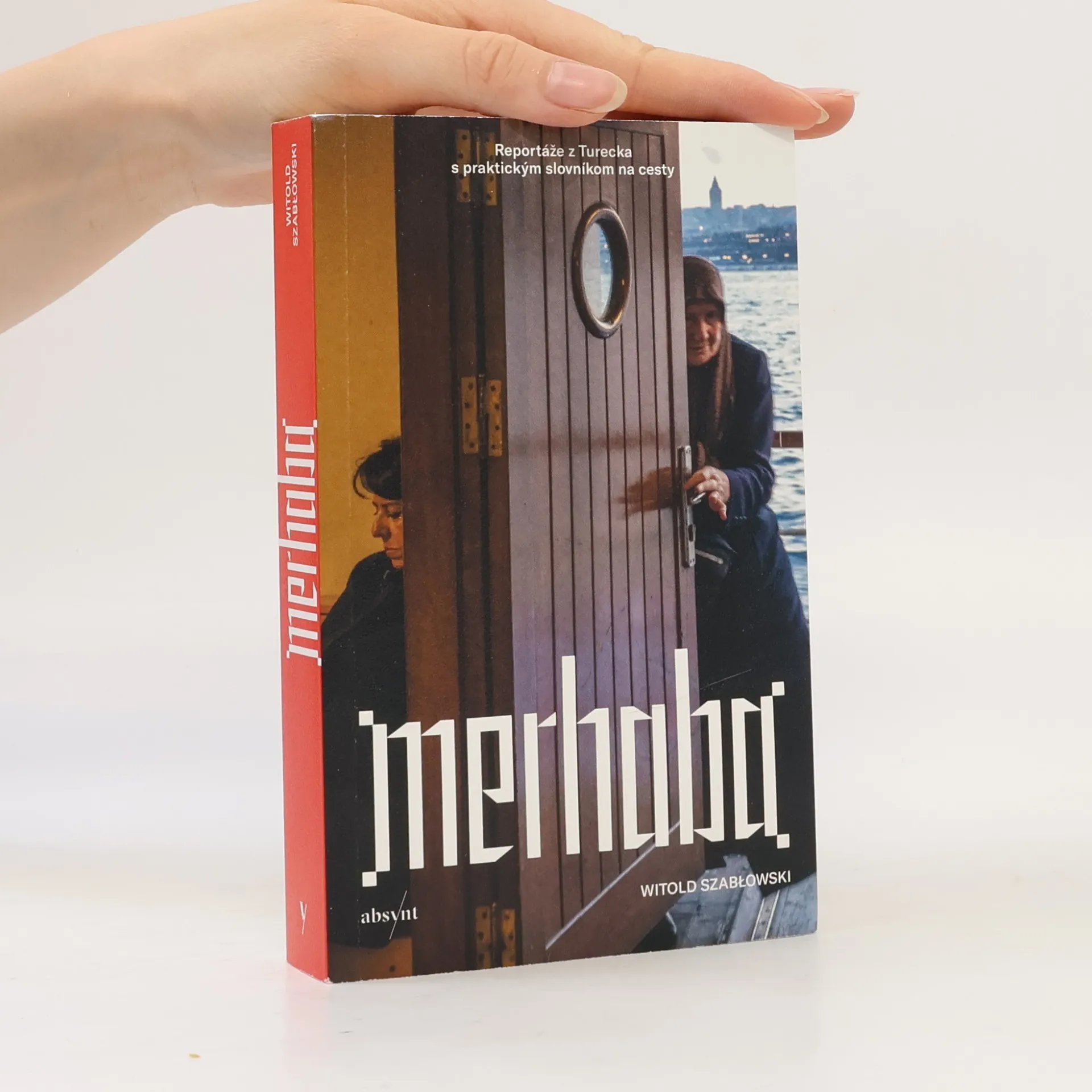
Merhaba: Reportáže z Turecka s praktickým slovníkom na cesty
- 304bladzijden
- 11 uur lezen