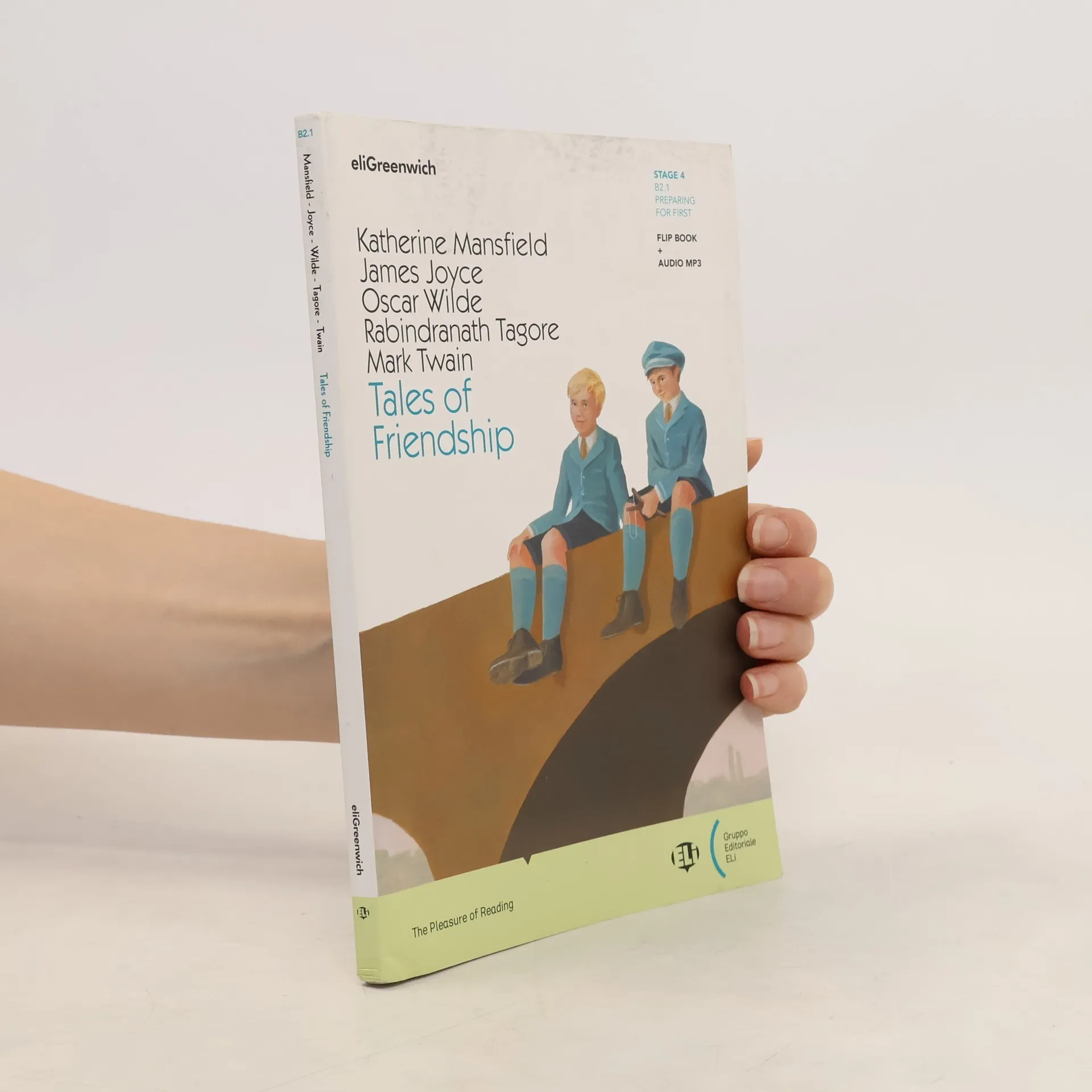
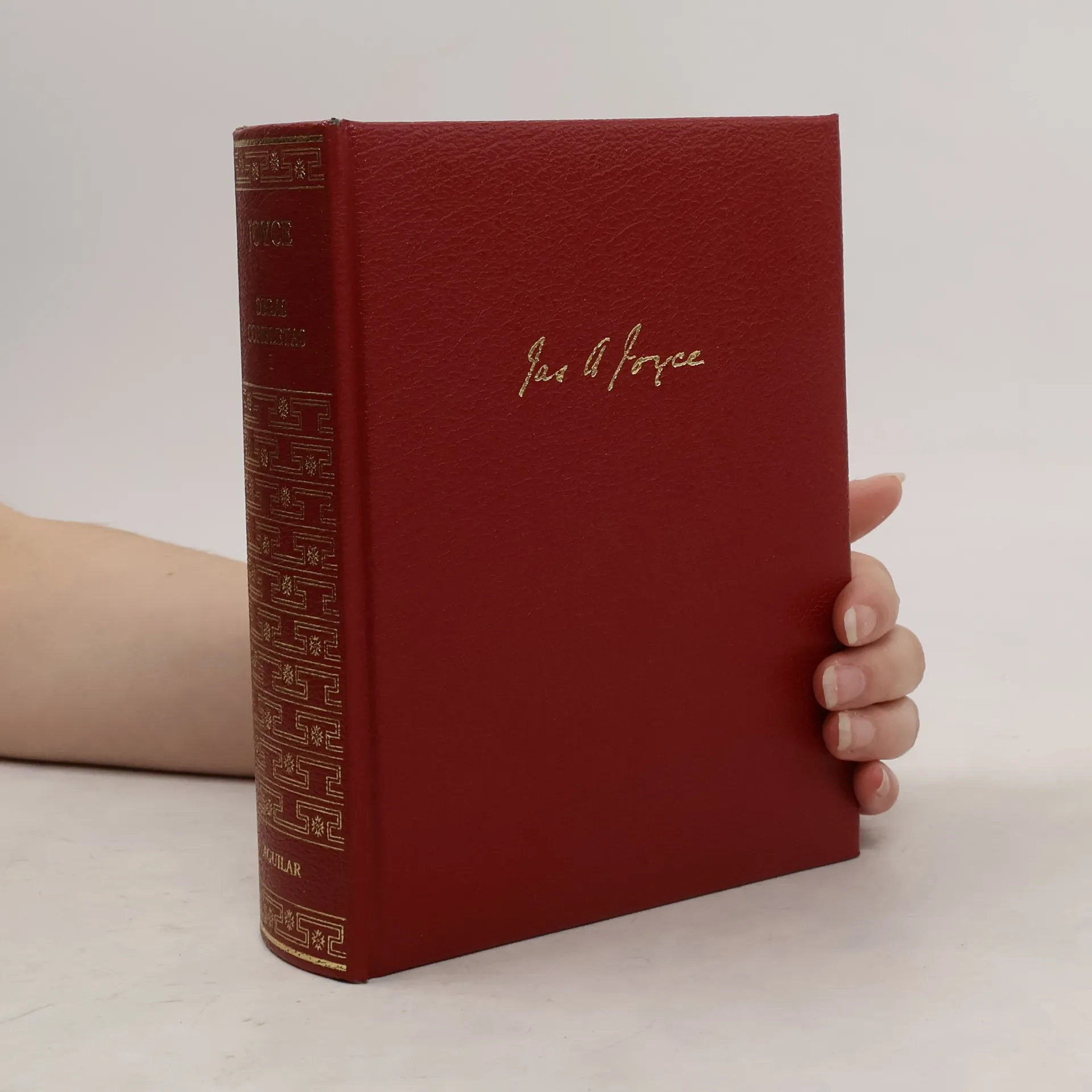
James Joyce was een Ierse romanschrijver, bekend om zijn experimentele taalgebruik. Zijn werken kenmerken zich door uitgebreide innerlijke monologen en een complex netwerk van symbolische parallellen uit mythologie, geschiedenis en literatuur. Joyce smeedde een unieke linguïstische stijl, waarbij hij neologismen, woordspelingen en allusies gebruikte om de grenzen van de moderne proza te verleggen. Zijn technische innovaties in de kunst van de roman hebben de ontwikkeling van de 20e-eeuwse literatuur aanzienlijk gevormd.
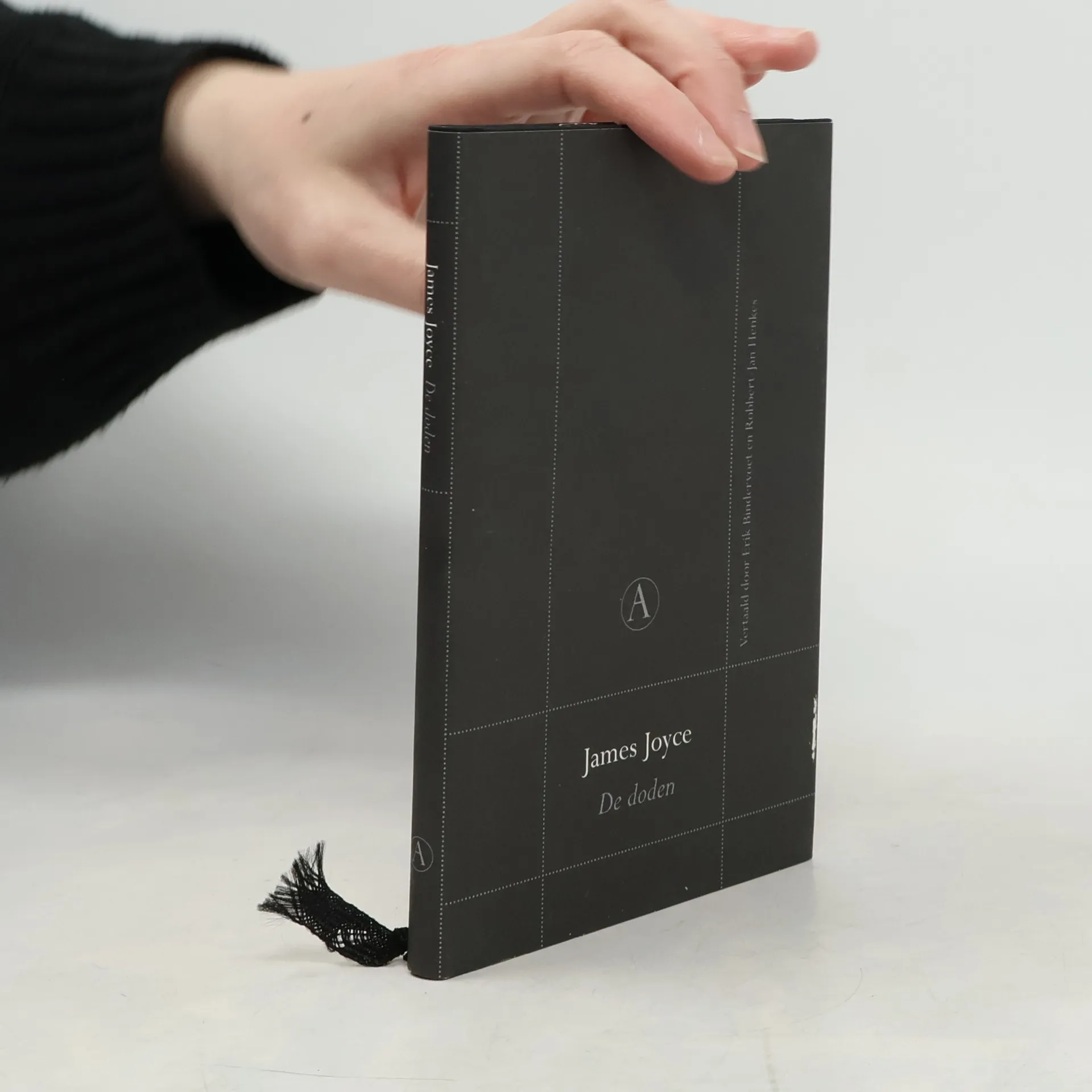
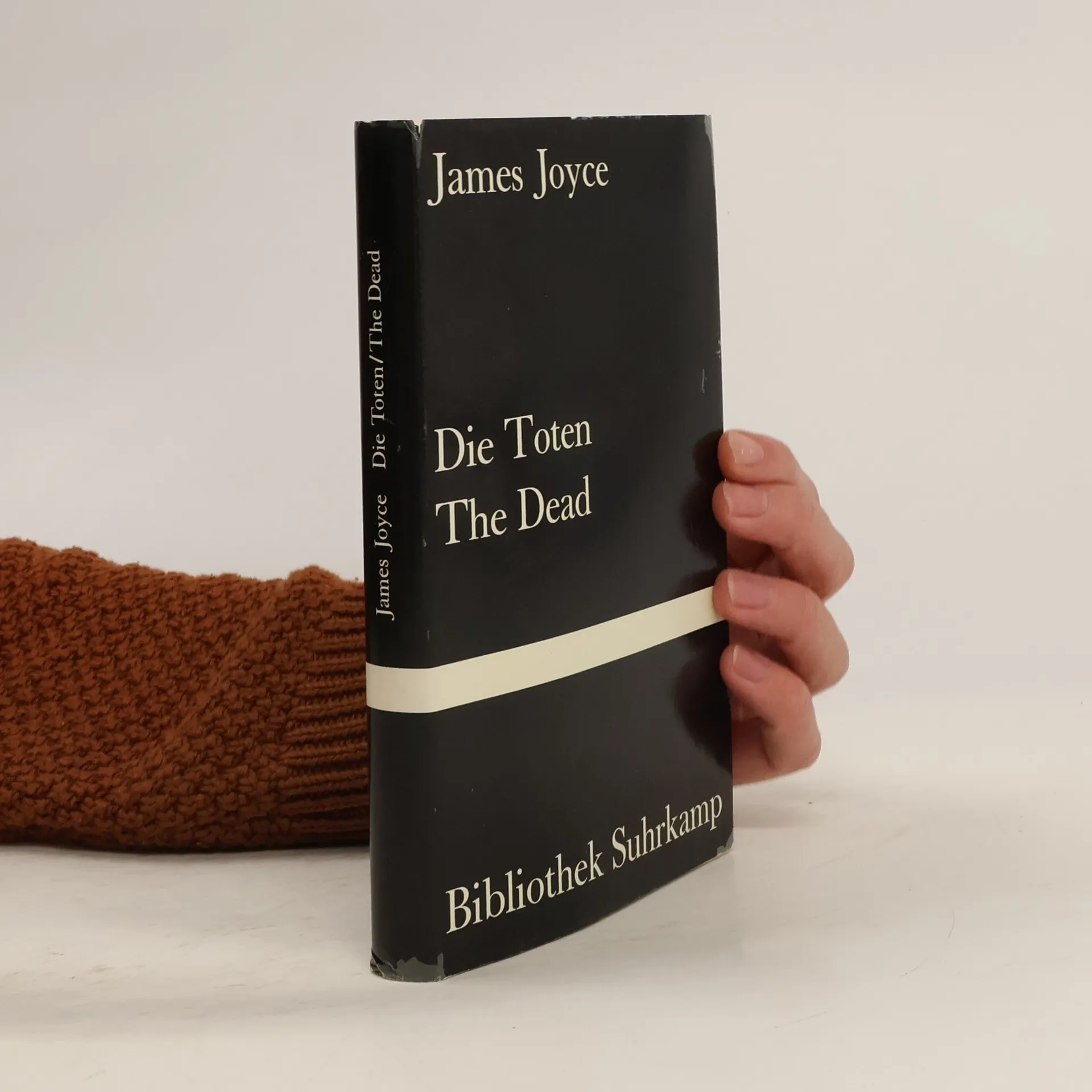
De doden is een lang verhaal van de Ierse schrijver James Joyce, geschreven in 1906 - 1907 en verschenen in de verhalenbundel “Dubliners” in 1914. Het is het laatste verhaal uit de bundel en maakt deel uit van de categorie "Openbaar leven". De meest recente Nederlandse vertaling is van Erik Bindervoet en Robbert-Jan Henkes en dateert uit 2016.
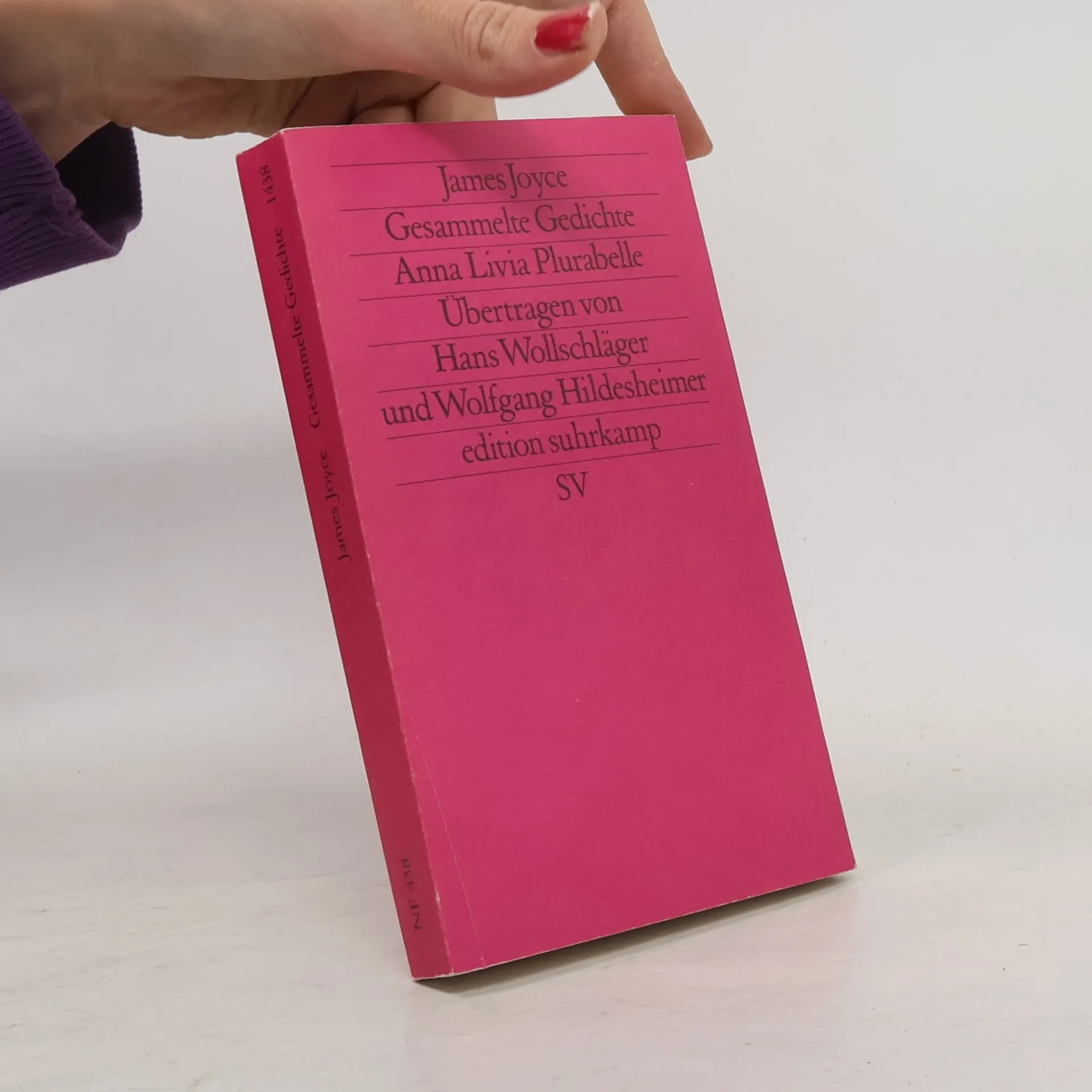
Anna Livia Plurabelle is the most famous and frequently quoted chapter of James Joyce's untranslatable work, Finnegans Wake. In this chapter, Anna Livia Plurabelle embodies the feminine principle of the universe, representing water, earth, and archetypal figures such as Eve, Isis, Isolde, and Psyche. She emerges at the beginning of the narrative with the waters of the Liffey and ultimately flows into the paternal ocean in a dreamlike conclusion, where all things dissolve, are rediscovered, and begin anew. This chapter explores themes of femininity, transformation, and the cyclical nature of existence, weaving together a rich tapestry of language and imagery that reflects Joyce's innovative narrative style. Anna Livia Plurabelle serves as a symbol of continuity and change, encapsulating the essence of life and the interconnectedness of all beings within the universe.
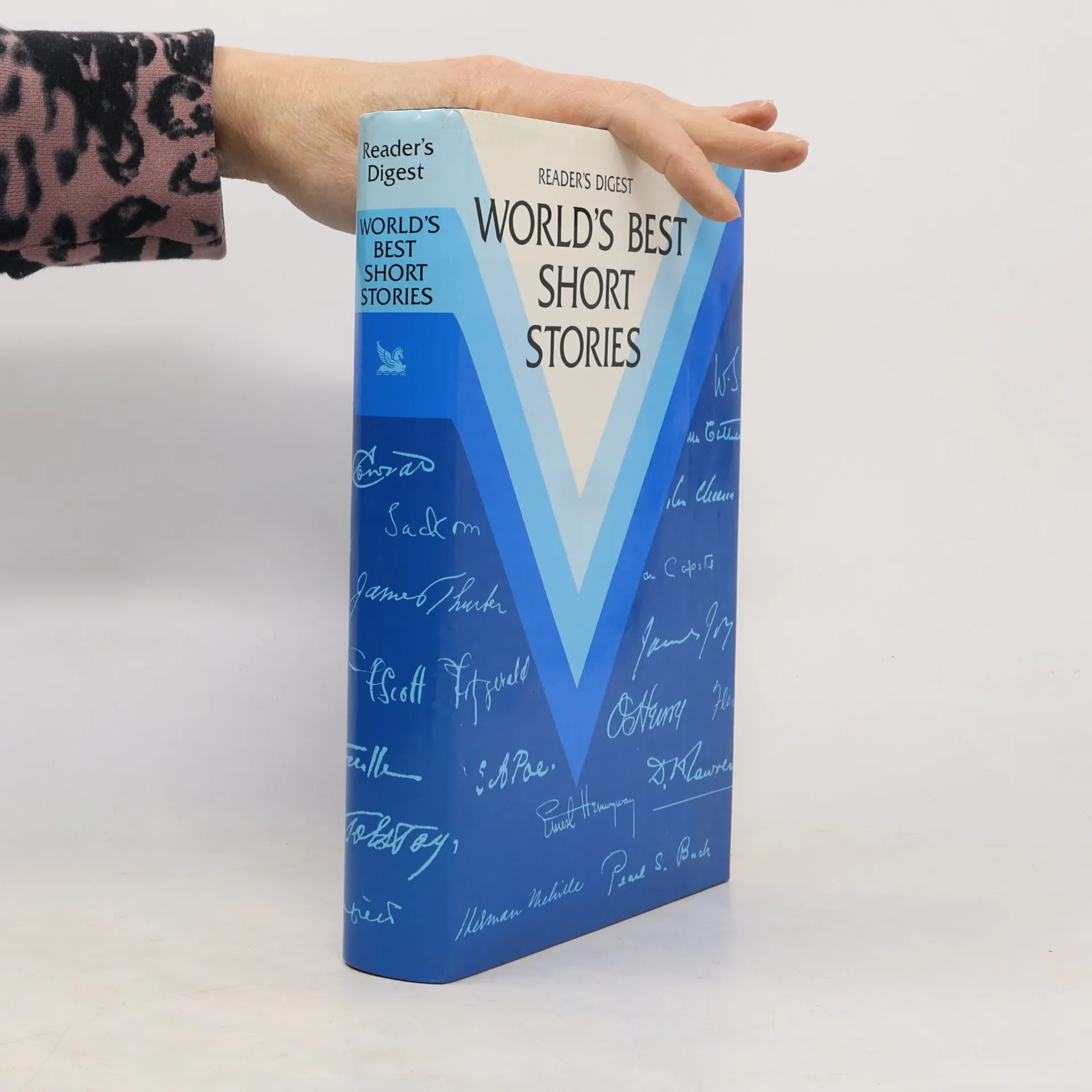
A beautiful and accessible introduction to the writings of James Joyce. Short,
entertaining quotes from his major works: Dubliners, A Portrait of the Artist
as a Young Man, Ulysses and Finnegans Wake, with more from his poetry &
letters, and some family anecdotes handed down to grand-nephew Bob Joyce.
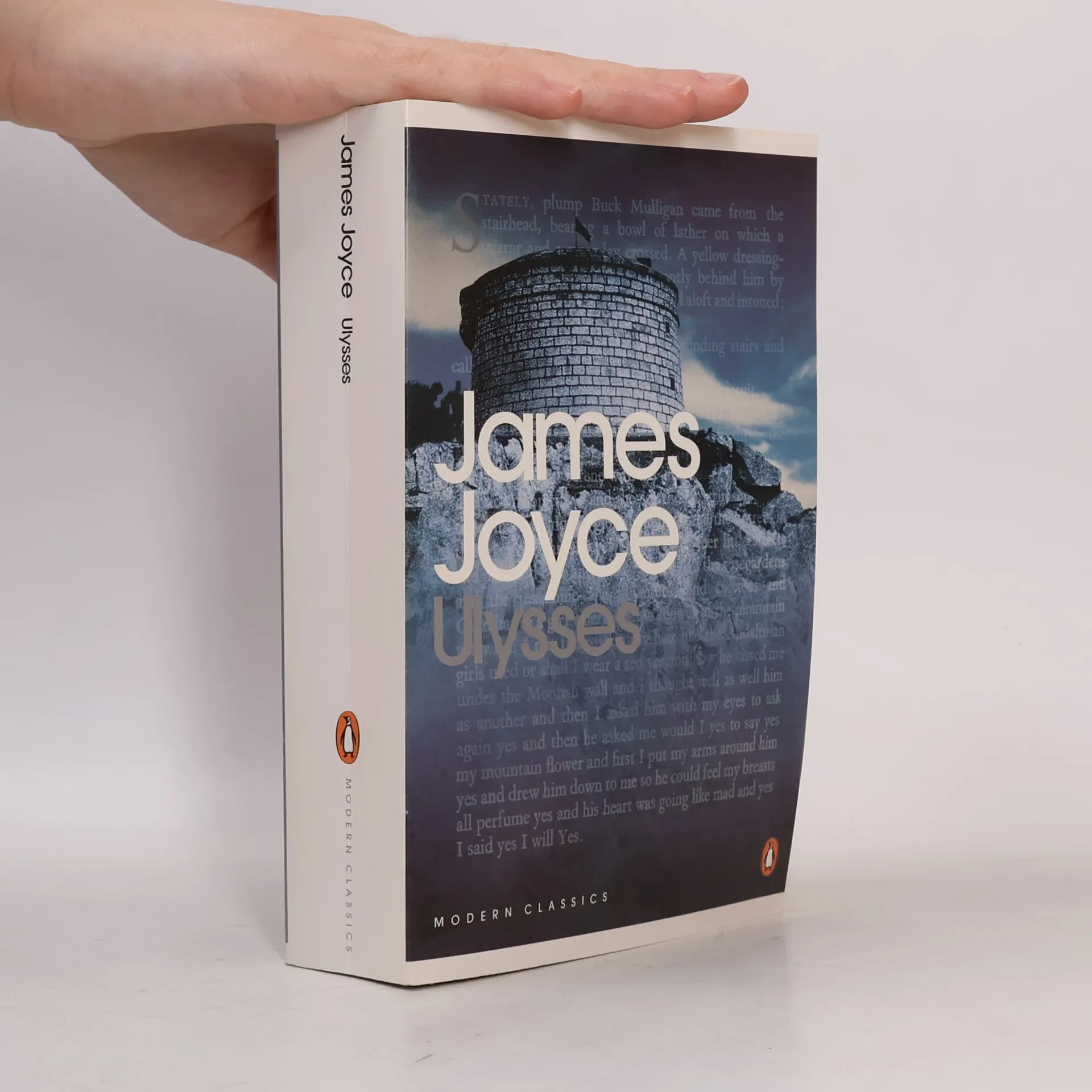
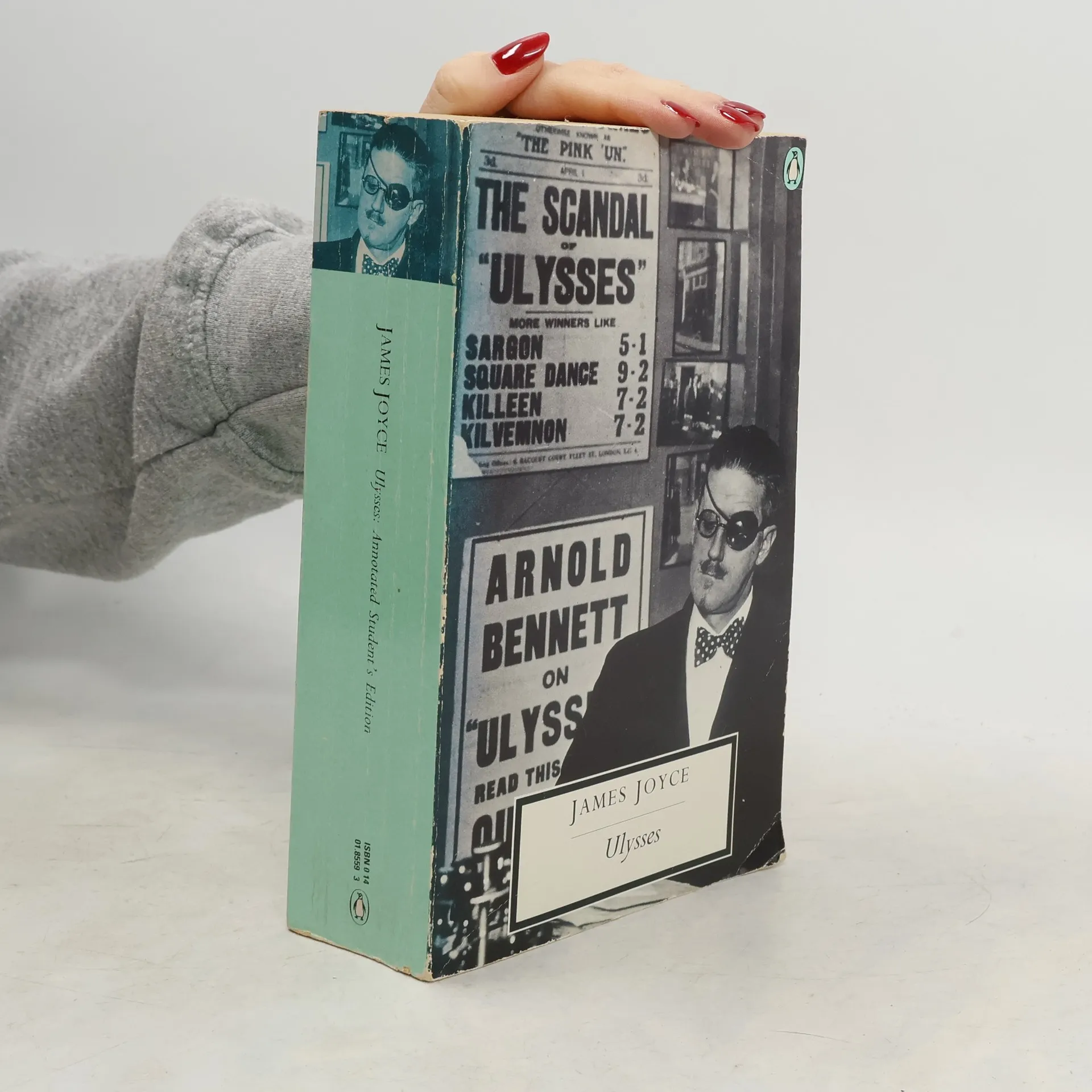
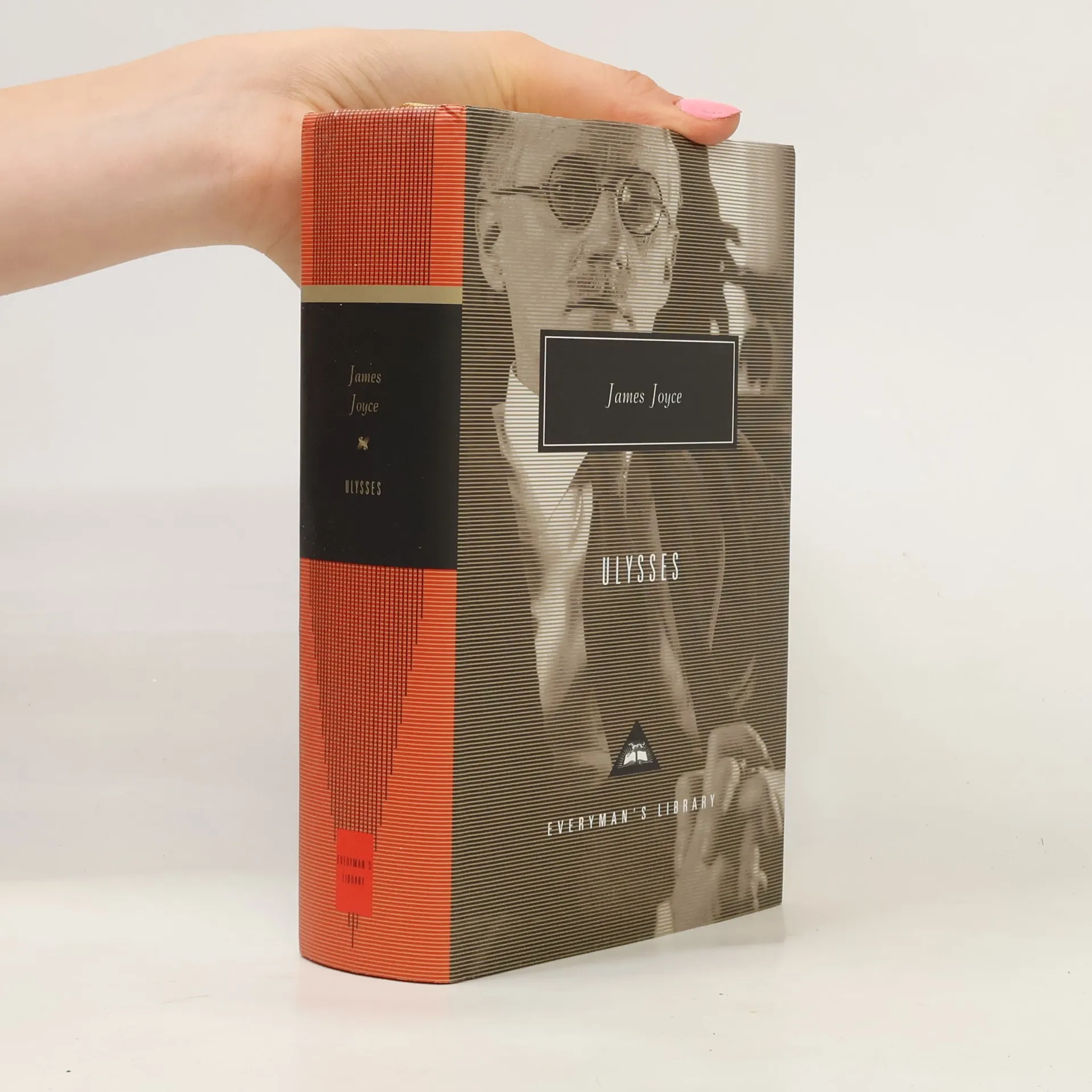
Written over a seven-year period, from 1914 to 1921, this book has survived bowdlerization, legal action and controversy. The novel deals with the events of one day in Dublin, 16th June 1904, now known as "Bloomsday". The principal characters are Stephen Dedalus, Leopold Bloom and his wife Molly. Ulysses has been labelled dirty, blasphemous and unreadable. In a famous 1933 court decision, Judge John M. Woolsey declared it an emetic book--although he found it not quite obscene enough to disallow its importation into the United States--and Virginia Woolf was moved to decry James Joyce's "cloacal obsession". None of these descriptions, however, do the slightest justice to the novel. To this day it remains the modernist masterpiece, in which the author takes both Celtic lyricism and vulgarity to splendid extremes. It is funny, sorrowful, and even (in its own way) suspenseful. And despite the exegetical industry that has sprung up in the last 75 years, Ulysses is also a compulsively readable book.
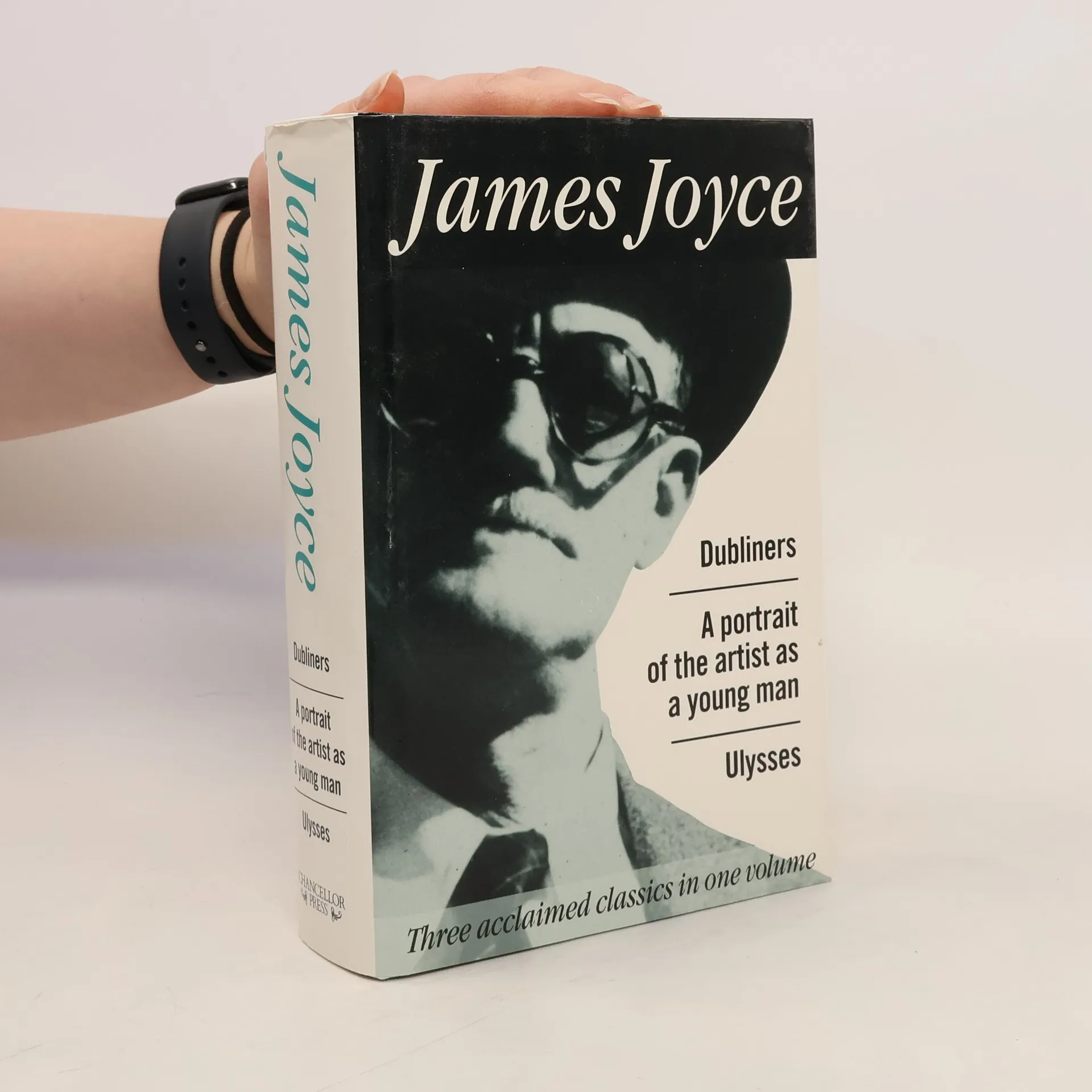
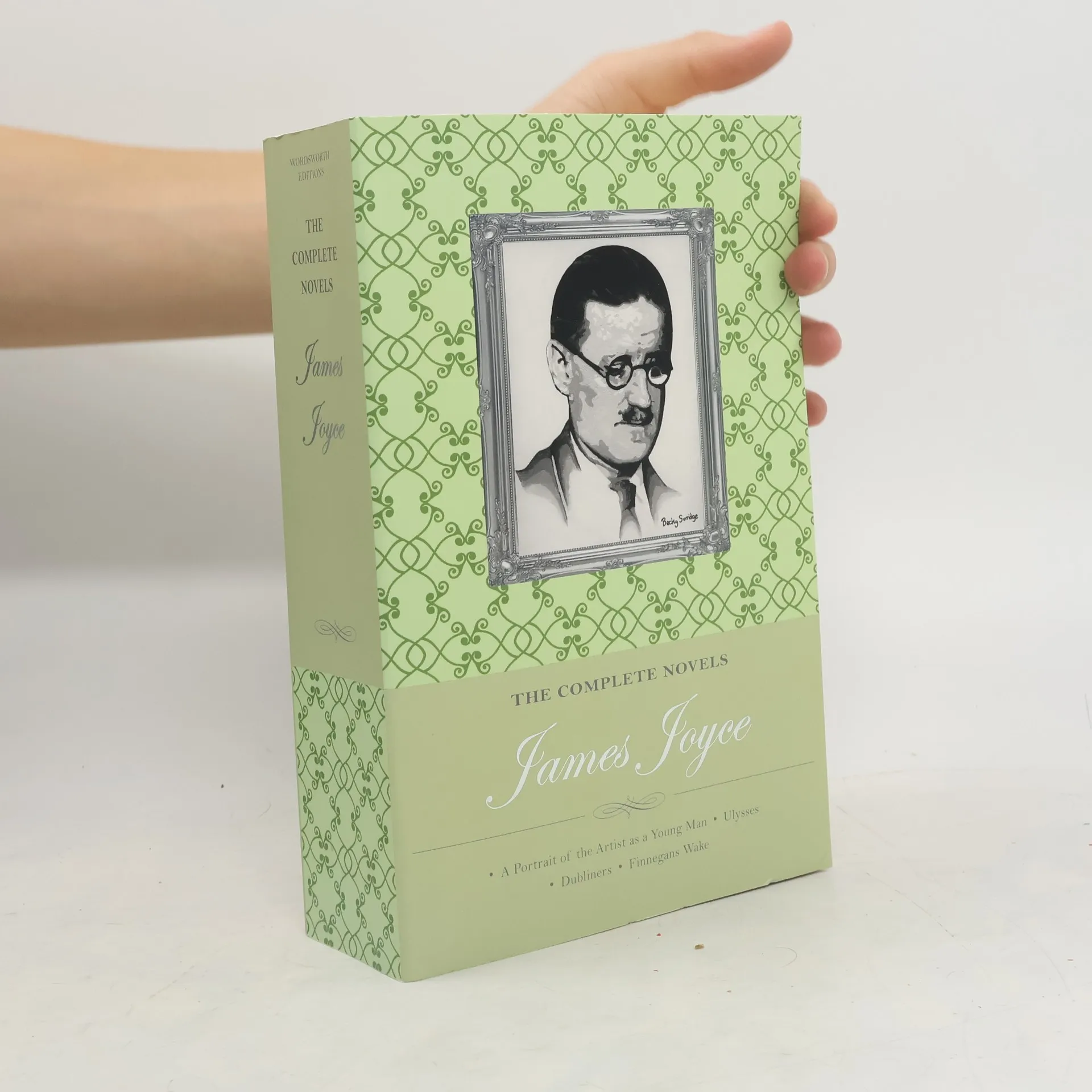
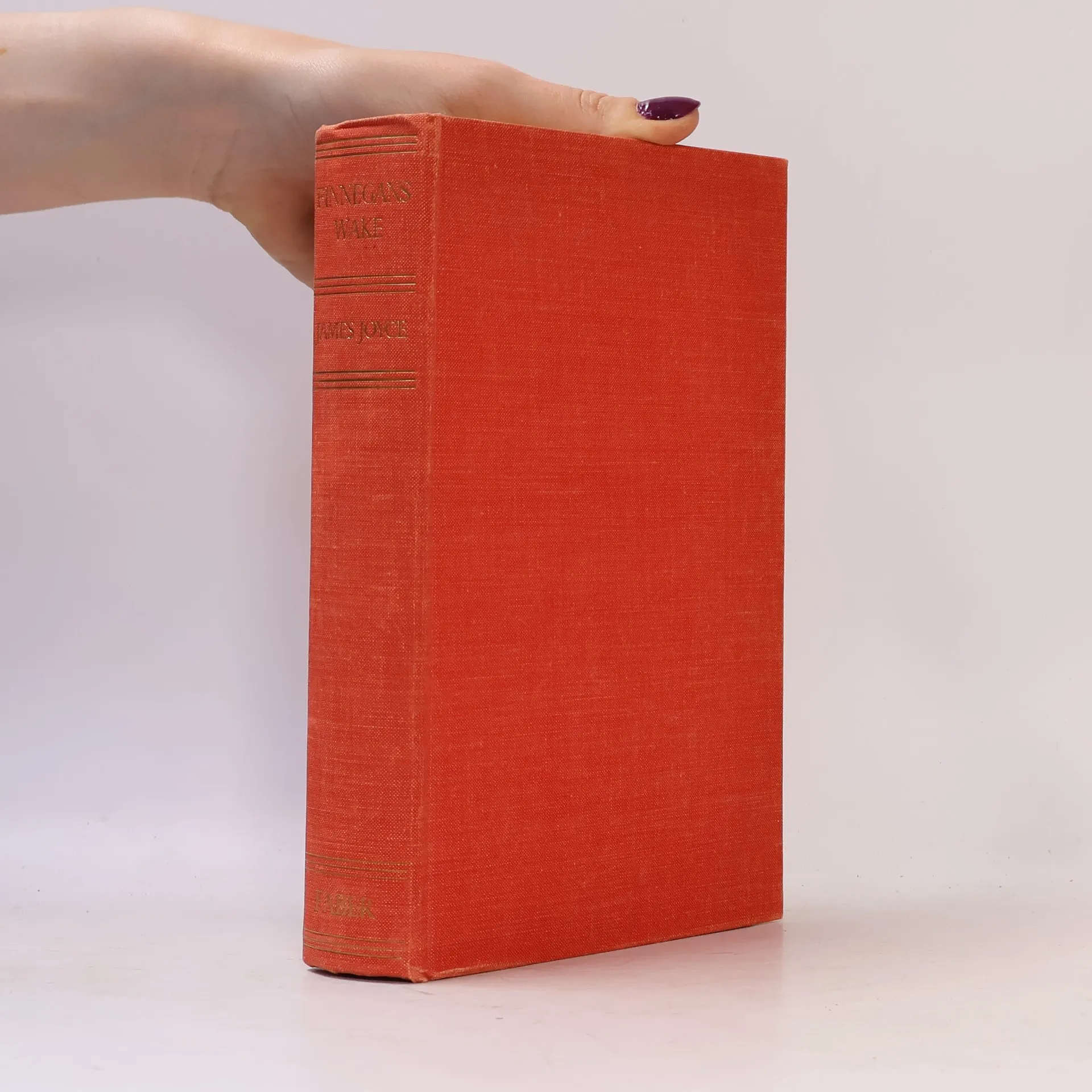
Includes James Joyce's three novels, A Portrait of the Artist as a Young Man, Ulysses and Finnegans Wake. It also includes the short story collection, Dubliners.
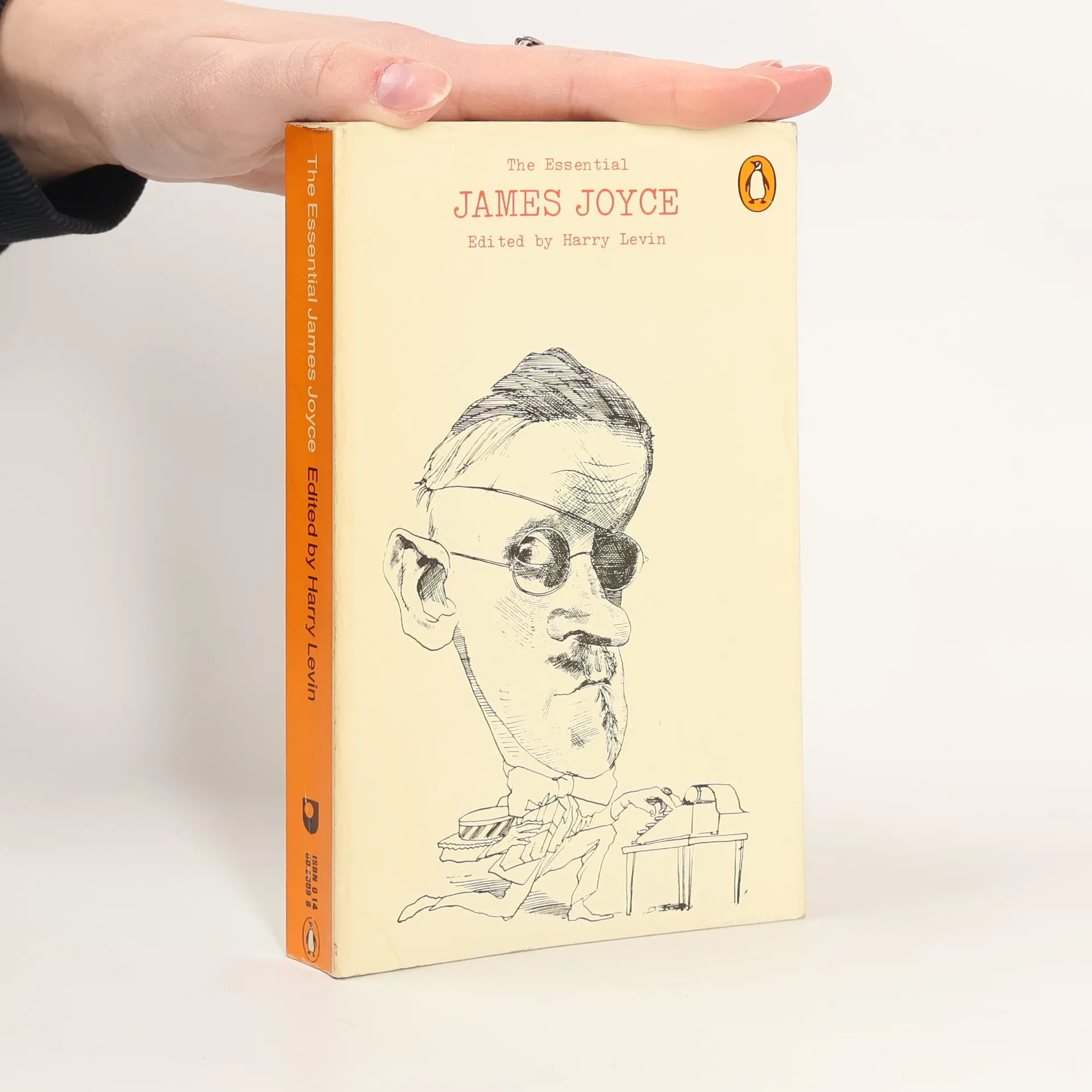
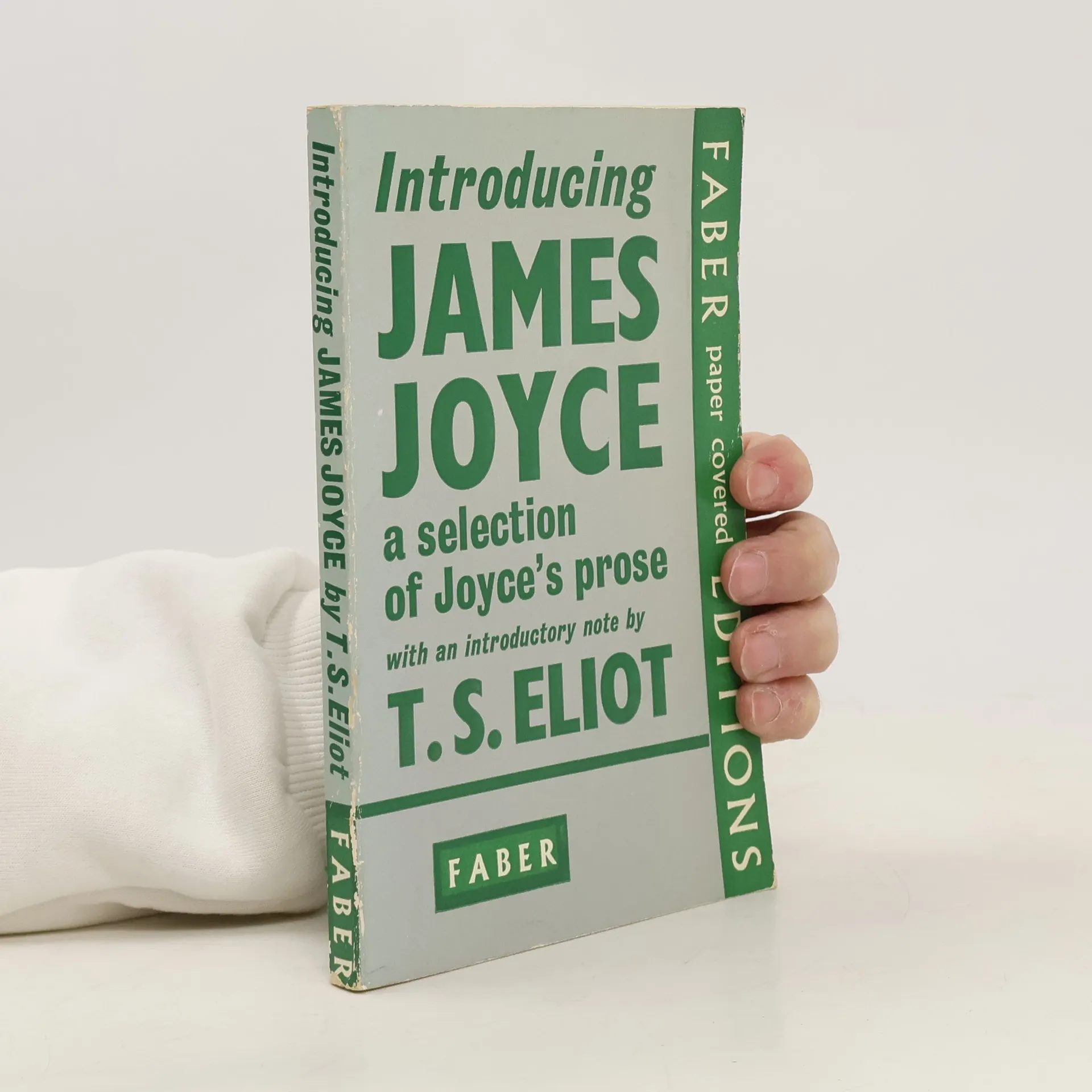
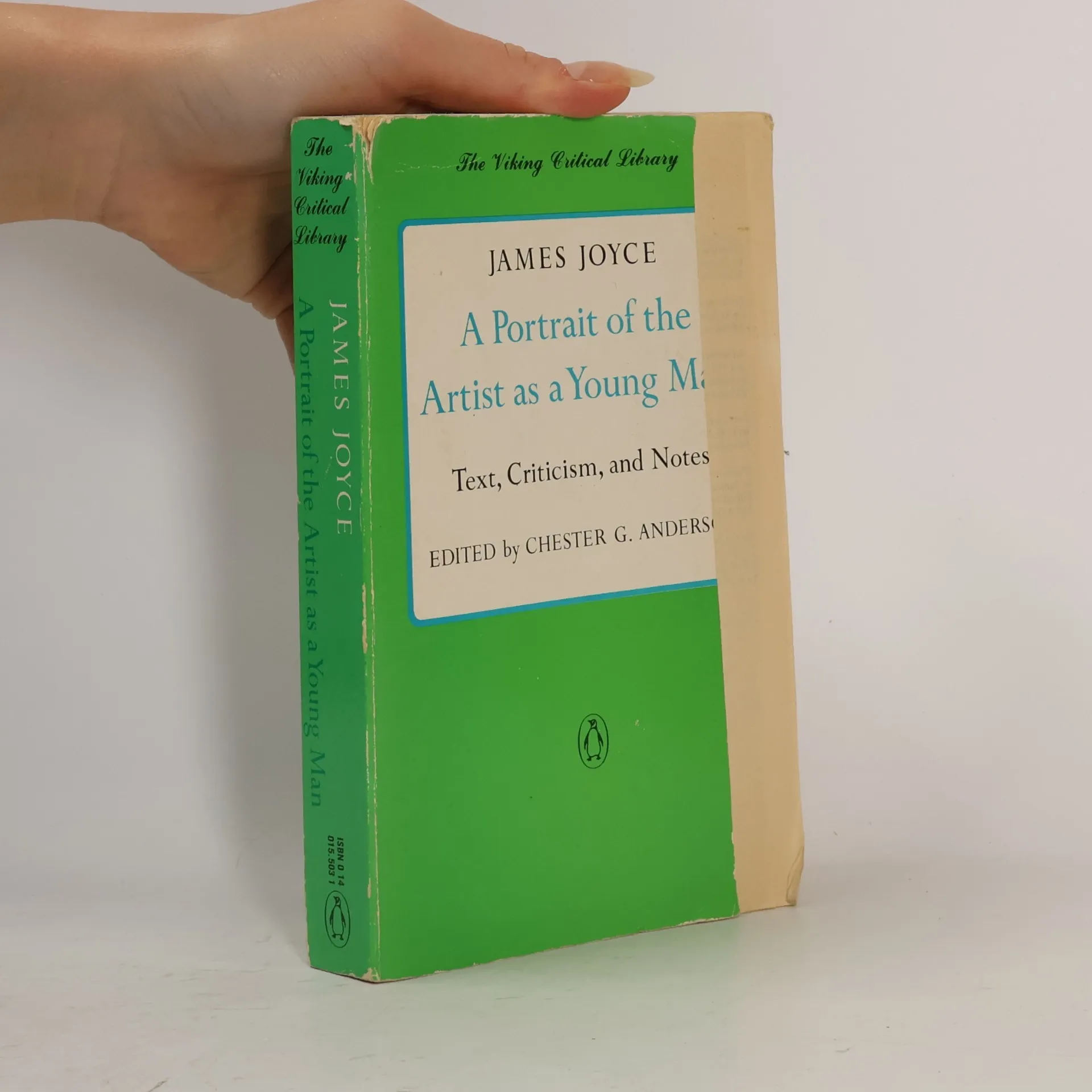
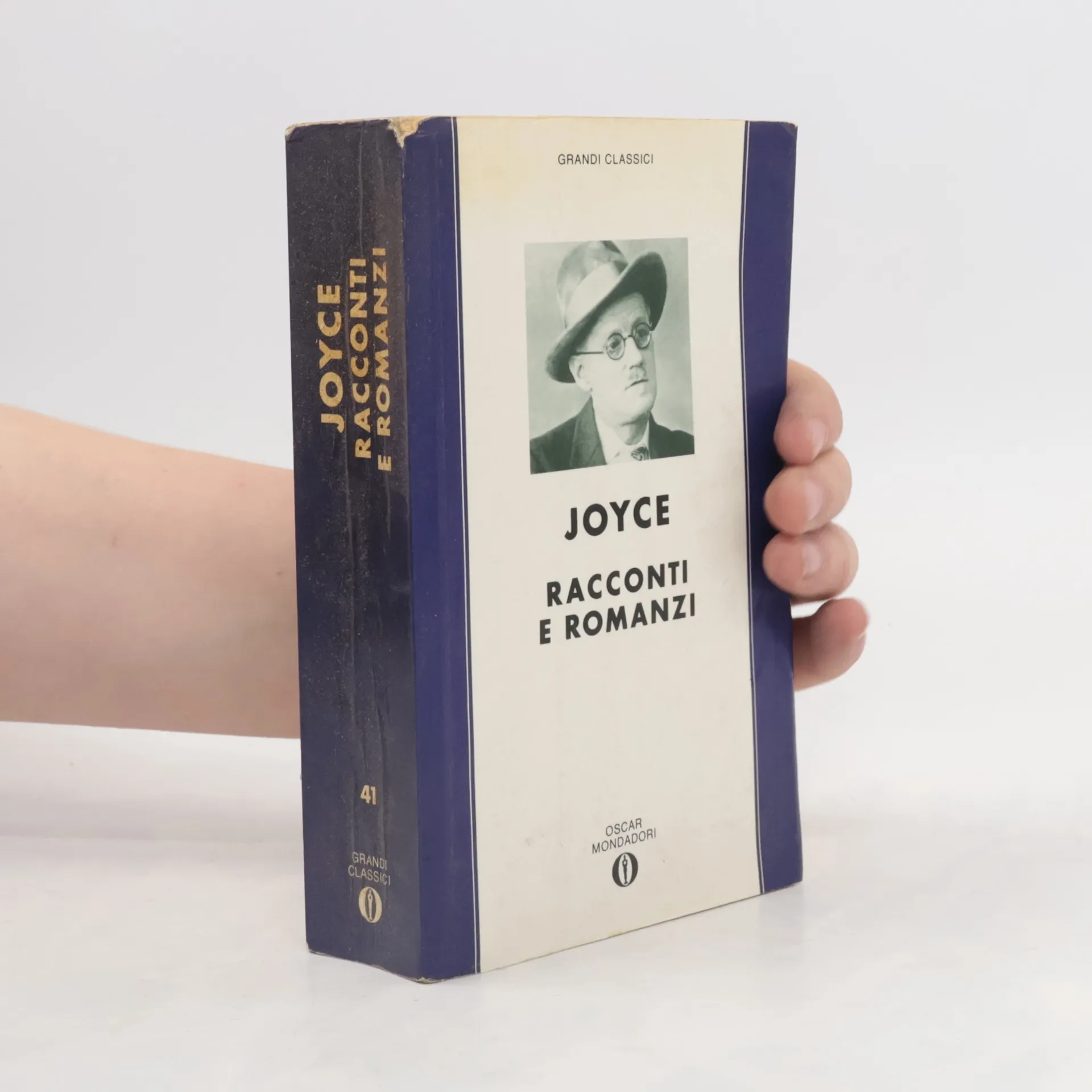
Here, in one volume, is a selection of Joyce's work which covers his entire writing life. Four books – Chamber Music, Dubliners, A Portrait of the Artist as a Young Man, and Exiles – are published in full, together with generous representative extracts from Pomes Penyeach, Ulysses and Finnegans Wake. The texts are supplemented by an introduction and critical and explanatory notes by Harry Levin, a leading authority on Joyce. --back cover
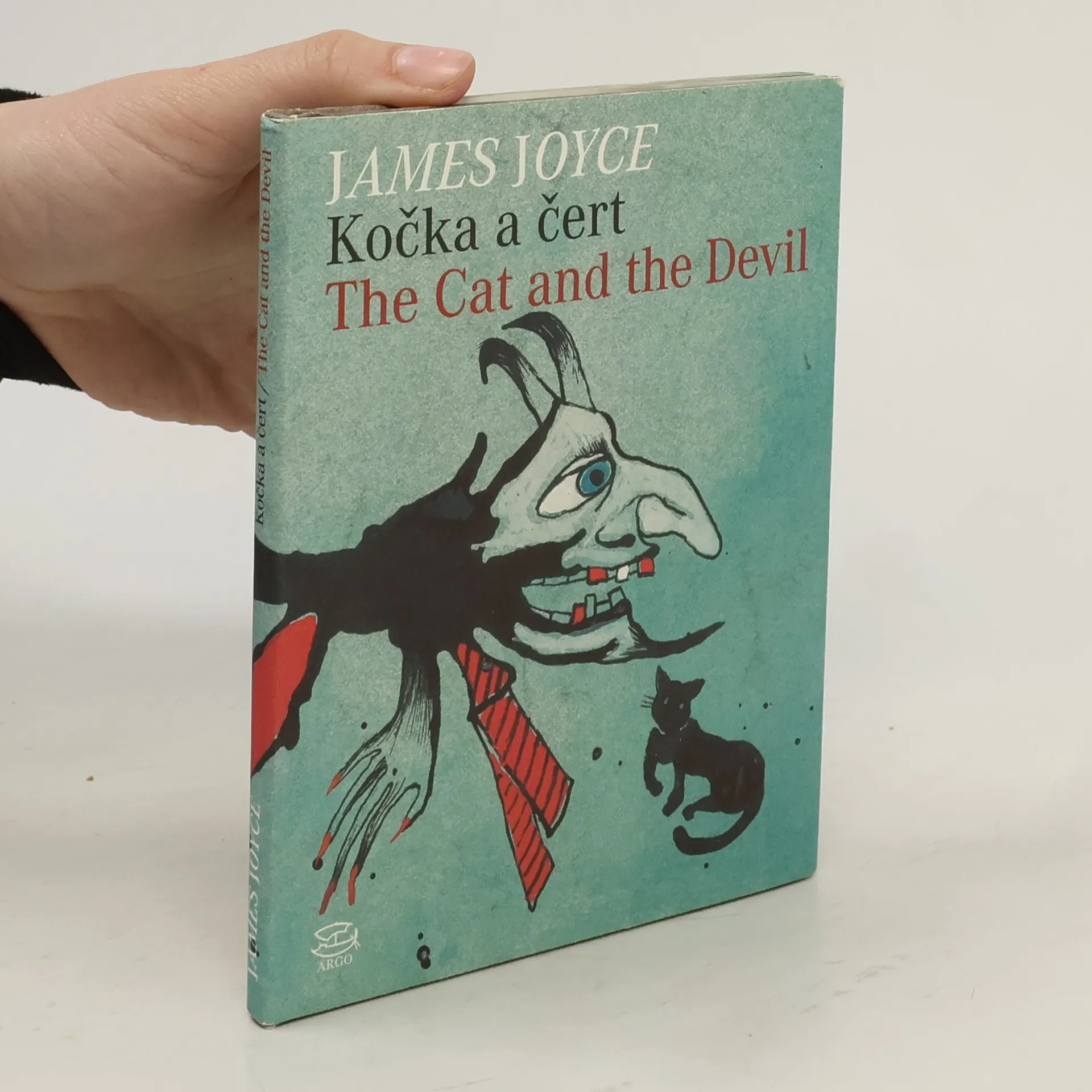
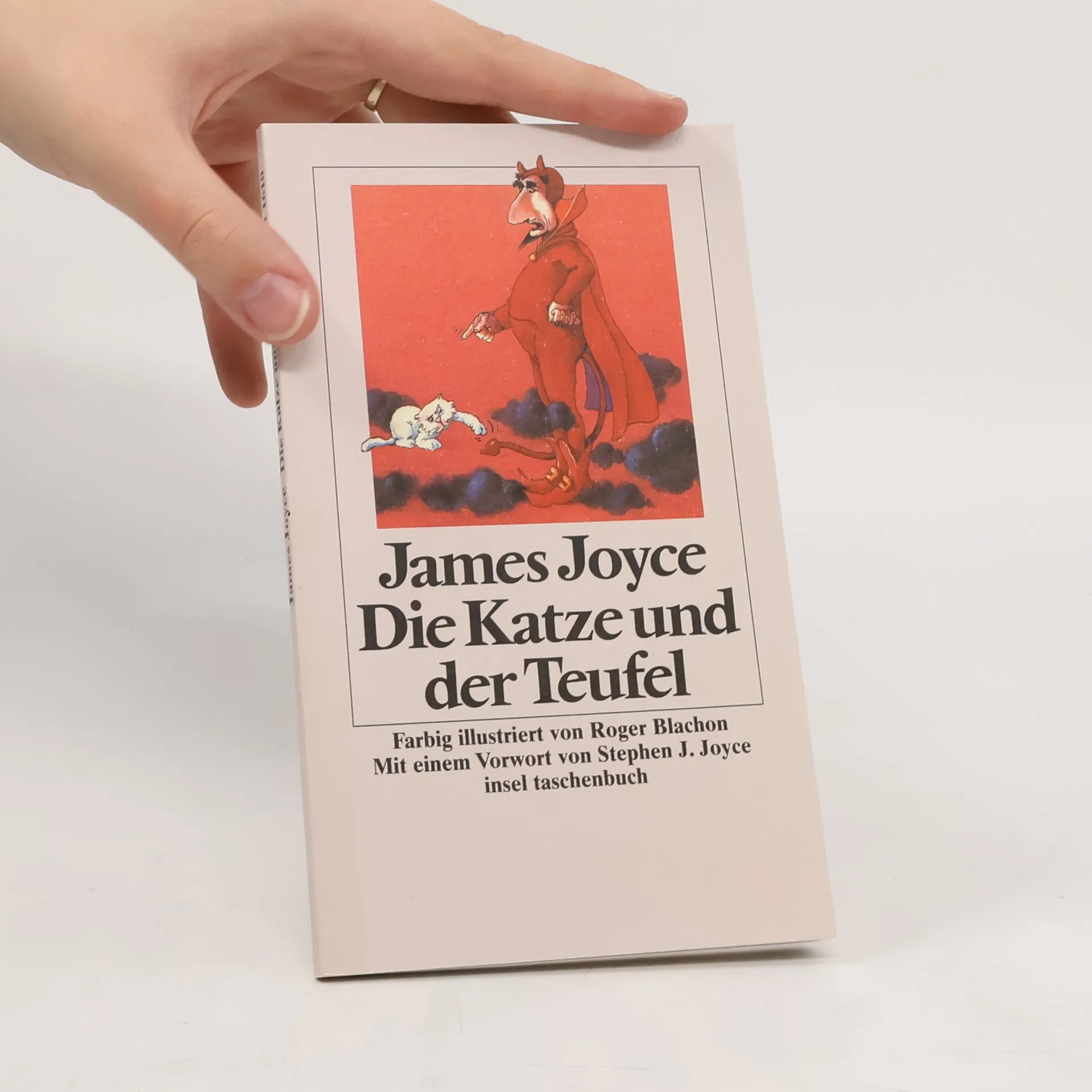
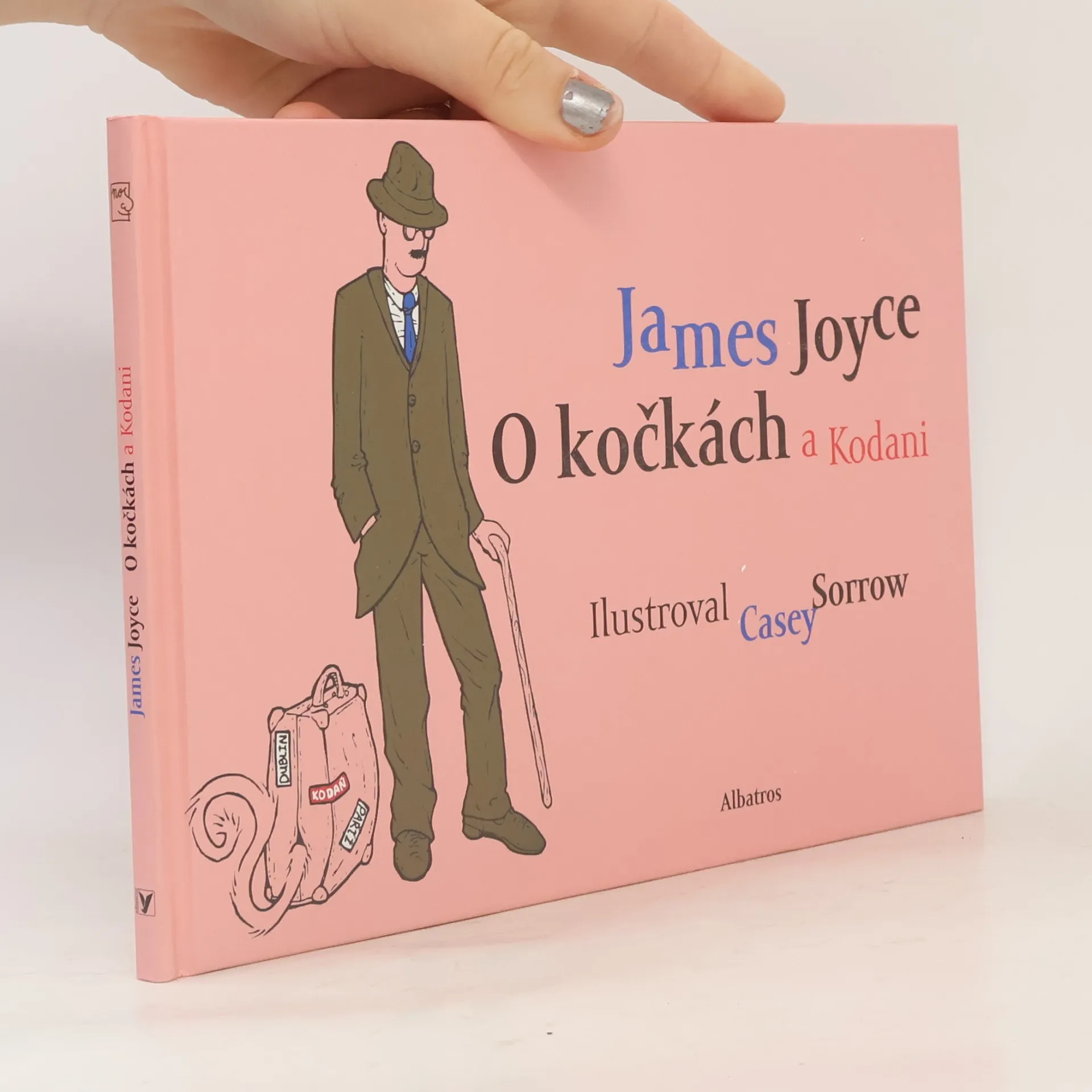
Jediná kniha Jamese Joyce určená dětem Kočka a čert vypráví o městečku na břehu Loiry rozděleném řekou na dvě části, které však nemá žádný most a občané městečka si ho ani neumějí postavit. Purkmistr města se proto upíše ďáblu, ten však chce jako protislužbu duši prvního člověka, který po mostě přejde. A jak to dopadne? Autor napsal pohádku ve 30. letech jako dopis svému vnukovi.
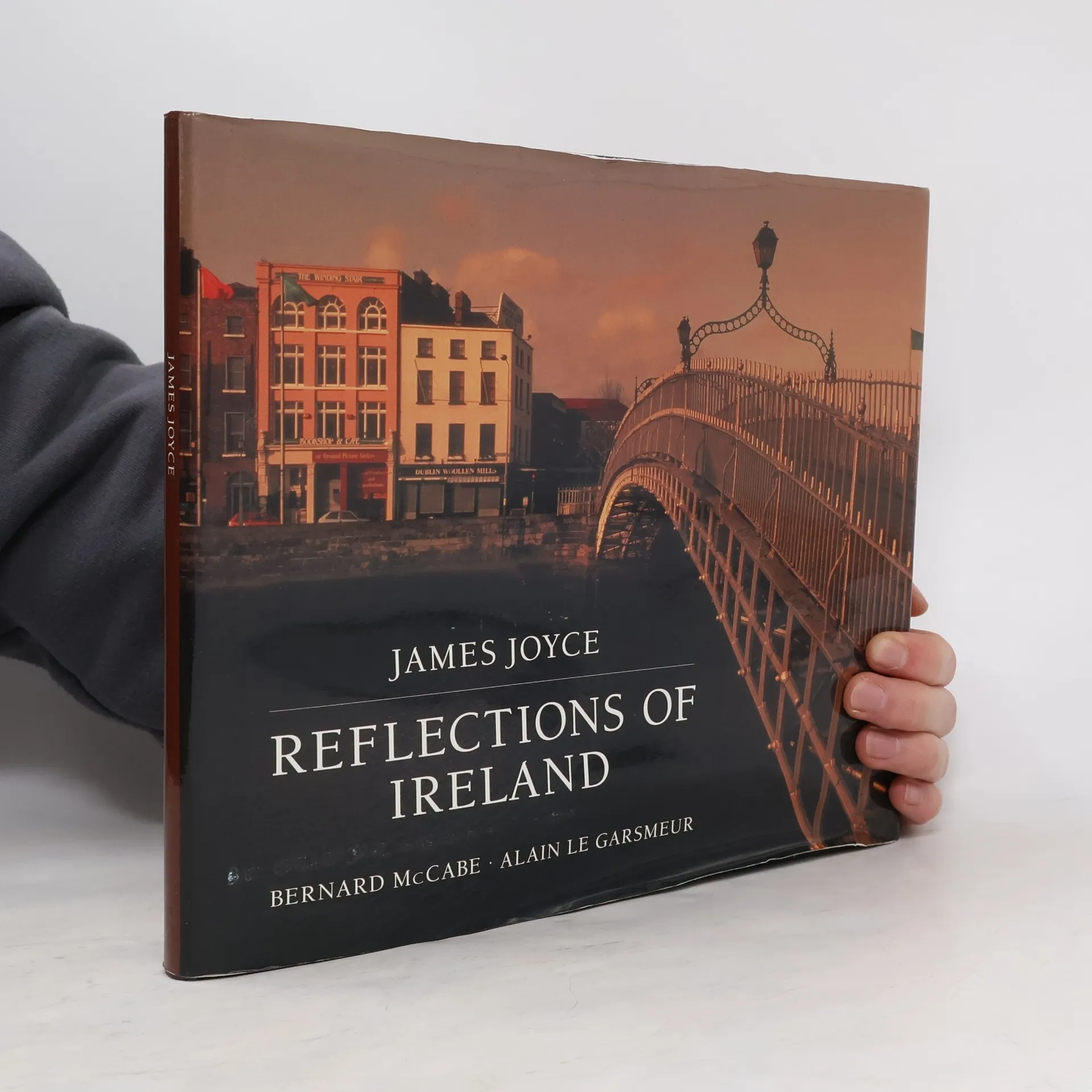
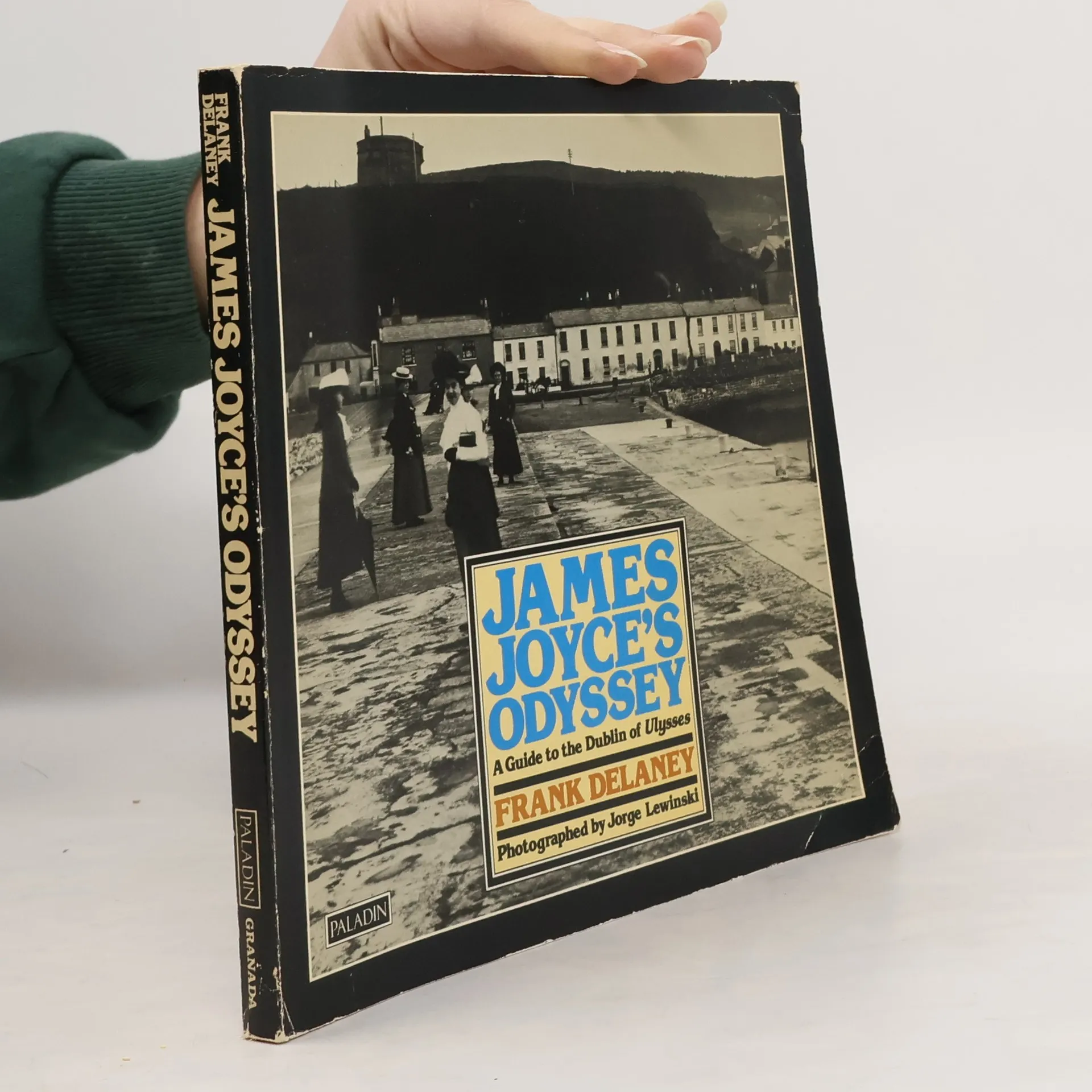
Re-creates Joyce's Dublin of the early twentieth century, comparing it with the modern city, with detailed maps that follow the routes of the principal charachers of "Ulysses" in their travels around Dublin
When Carrie Bradshaw in the "Sex and the City" movie began reading Love Letters of Great Men, millions of women wanted to get their hands on the book. Although the book Carrie was reading from was not real, the letters are-including the Beethoven one quoted by Mr. Big at their wedding ceremony. Here are the actual love letters for you to enjoy and treasure! "These letters express such heartfelt emotions and the bliss of new love... I finally realized how men experience love and it is especially beautiful!" - Rebecca of Amazon (Top 500 Reviewer) Featuring: A helpful background sketch for every writer and love letter Nearly 70 photographs of the letter authors and their lovers Most popular and best-selling Love Letters book-thousands of copies sold every year!!! Written by these Great Men: John Adams, Sullivan Ballou, Honor� de Balzac, Ludwig Van Beethoven Napoleon Bonaparte, Robert Browning, Robert Burns, Lord Byron, Winston Churchill John Constable, Alfred Duff Cooper, Pierre Curie, Scott F. Fitzgerald, Nathaniel Hawthorne Henry VI of France, Victor Hugo, James Joyce, Franz Liszt, Jack London, Mozart, Robert Peary Edgar Allen Poe, Sir Walter Raleigh, Sir Robert Schumann, Dylan Thomas, Mark Twain Vincent Van Gogh, Voltaire, Woodrow Wilson
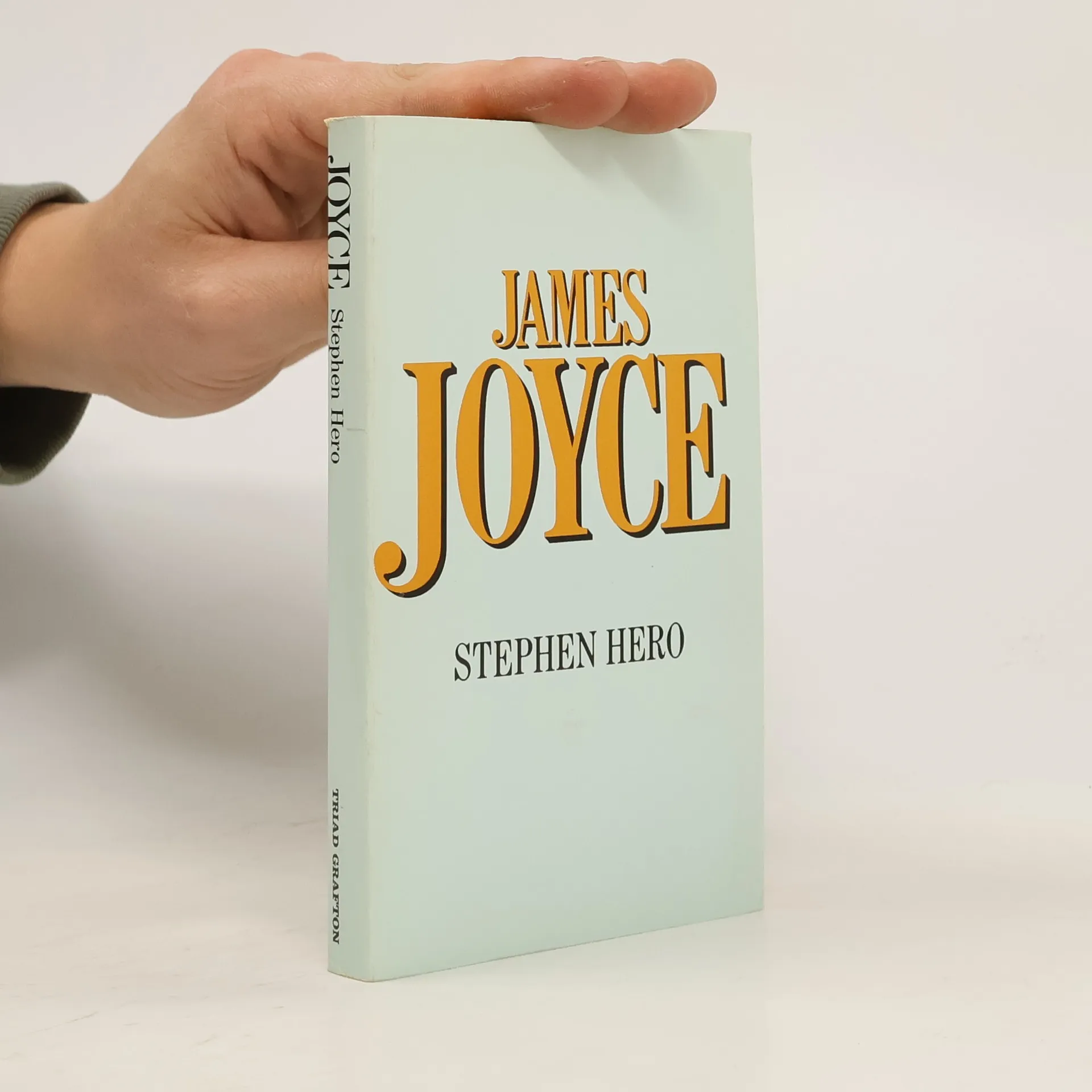
This eBook features the unabridged text of ‘Stephen Hero’ from the bestselling edition of ‘The Complete Works of James Joyce’. Having established their name as the leading publisher of classic literature and art, Delphi Classics produce publications that are individually crafted with superior formatting, while introducing many rare texts for the first time in digital print. The Delphi Classics edition of Joyce includes original annotations and illustrations relating to the life and works of the author, as well as individual tables of contents, allowing you to navigate eBooks quickly and easily.eBook features:* The complete unabridged text of ‘Stephen Hero’* Beautifully illustrated with images related to Joyce’s works* Individual contents table, allowing easy navigation around the eBook* Excellent formatting of the text
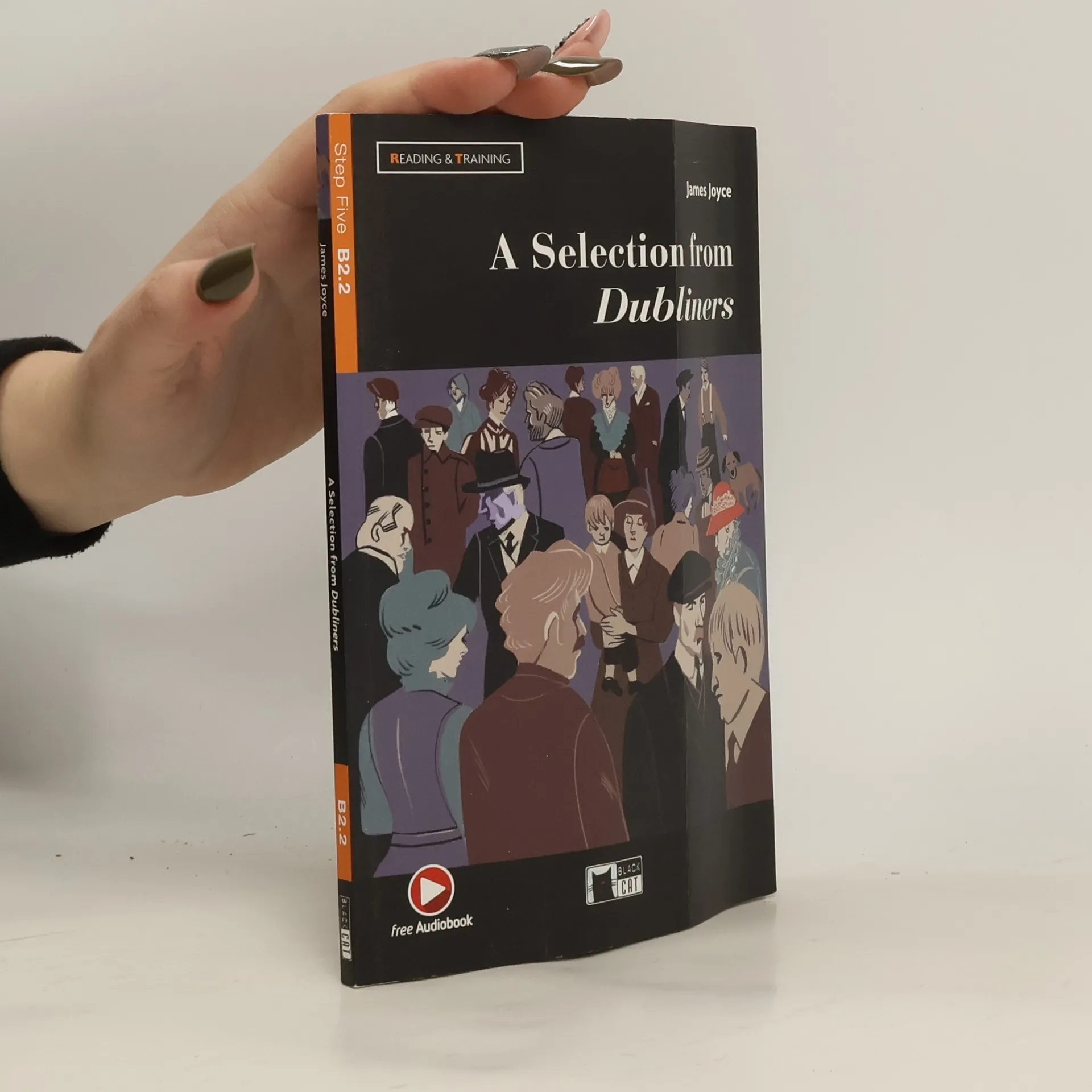
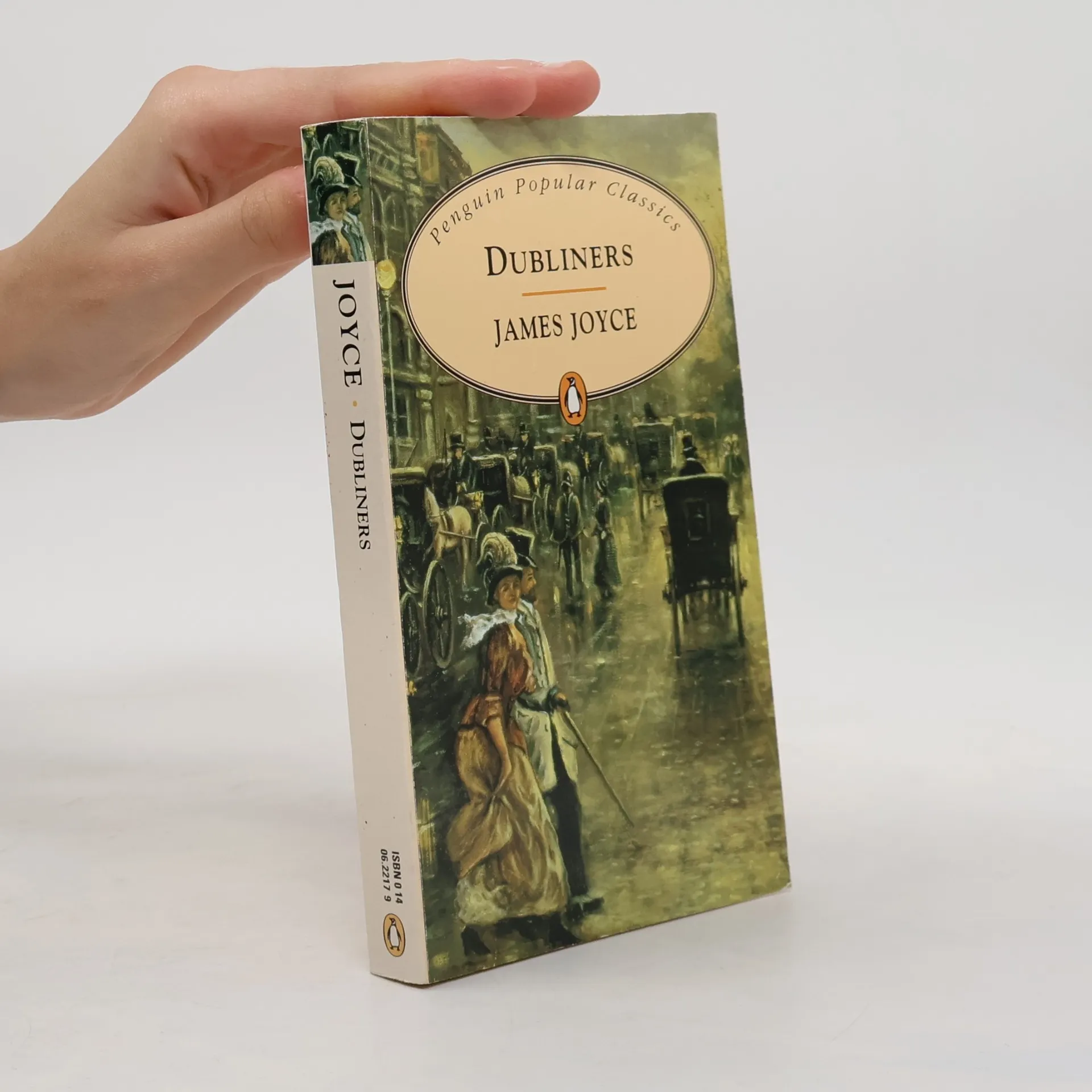
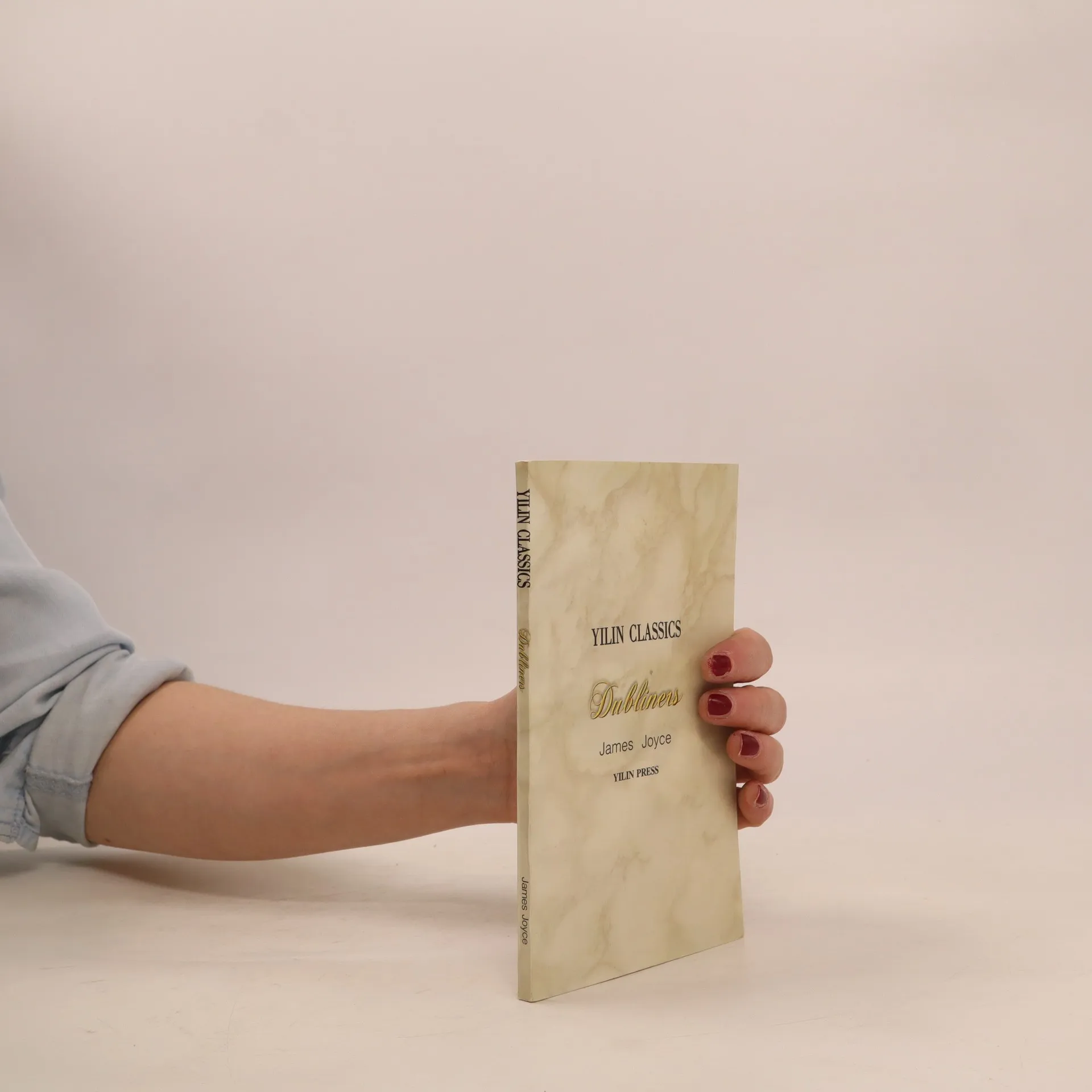
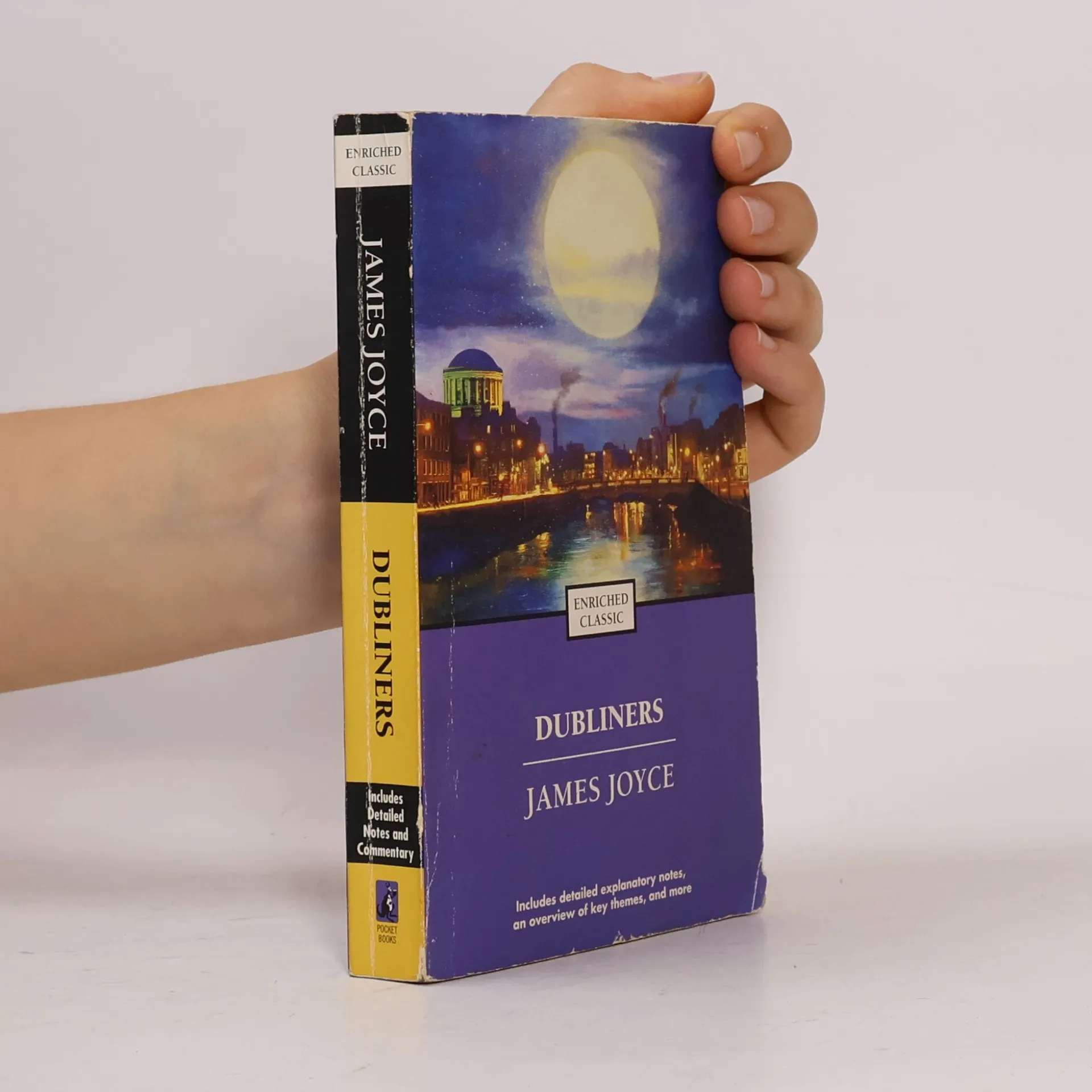
These stories from James Joyce's Dubliners take you inside the tragedies and comedies of Irish life in the early twentieth century. Meet unforgettable characters, including a boy who died for love, determined mothers and romantic dreamers. Many of them are forced to see the truth about their lives. One of Ireland's greatest writers gives you his view of his native city.--Quatrième de couverture
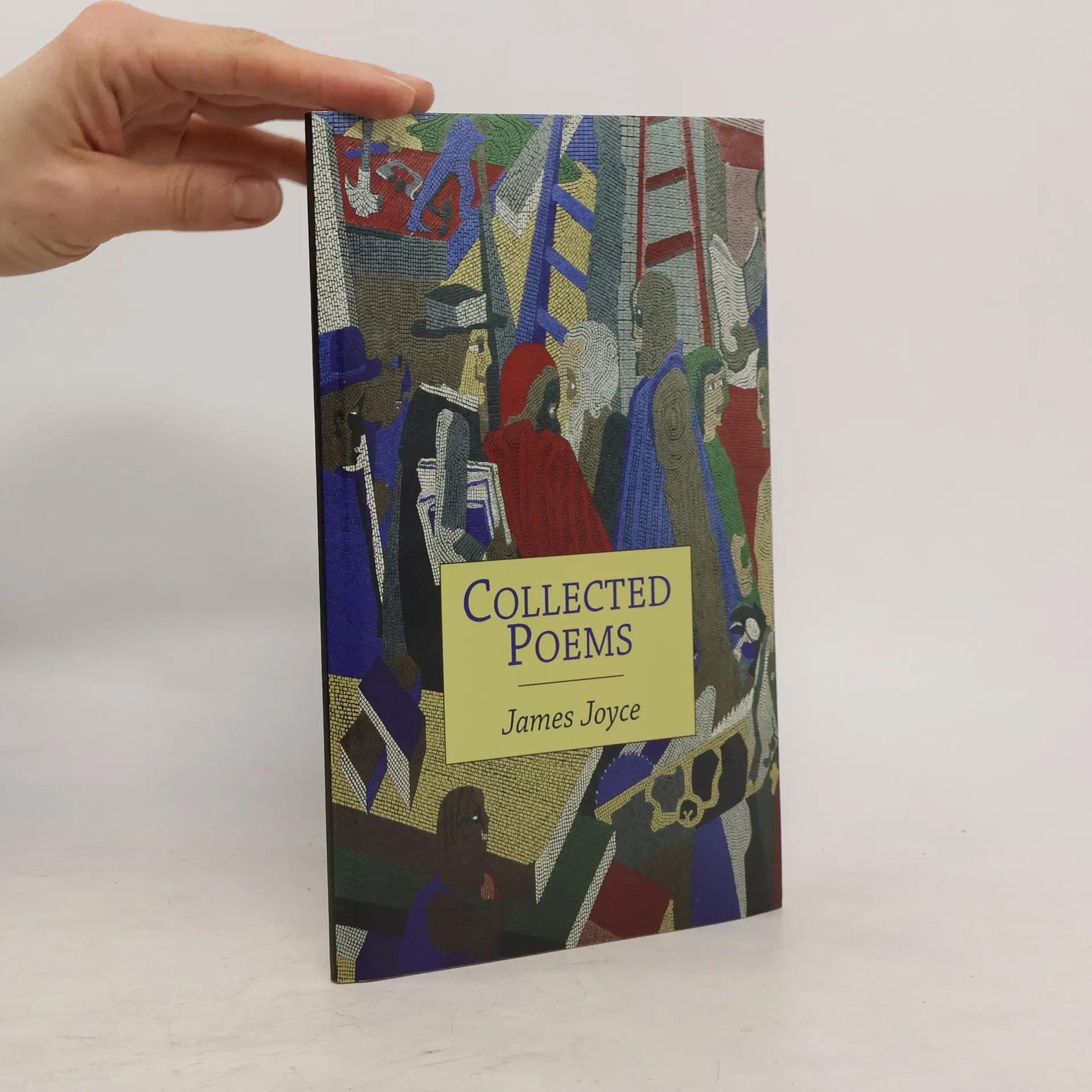
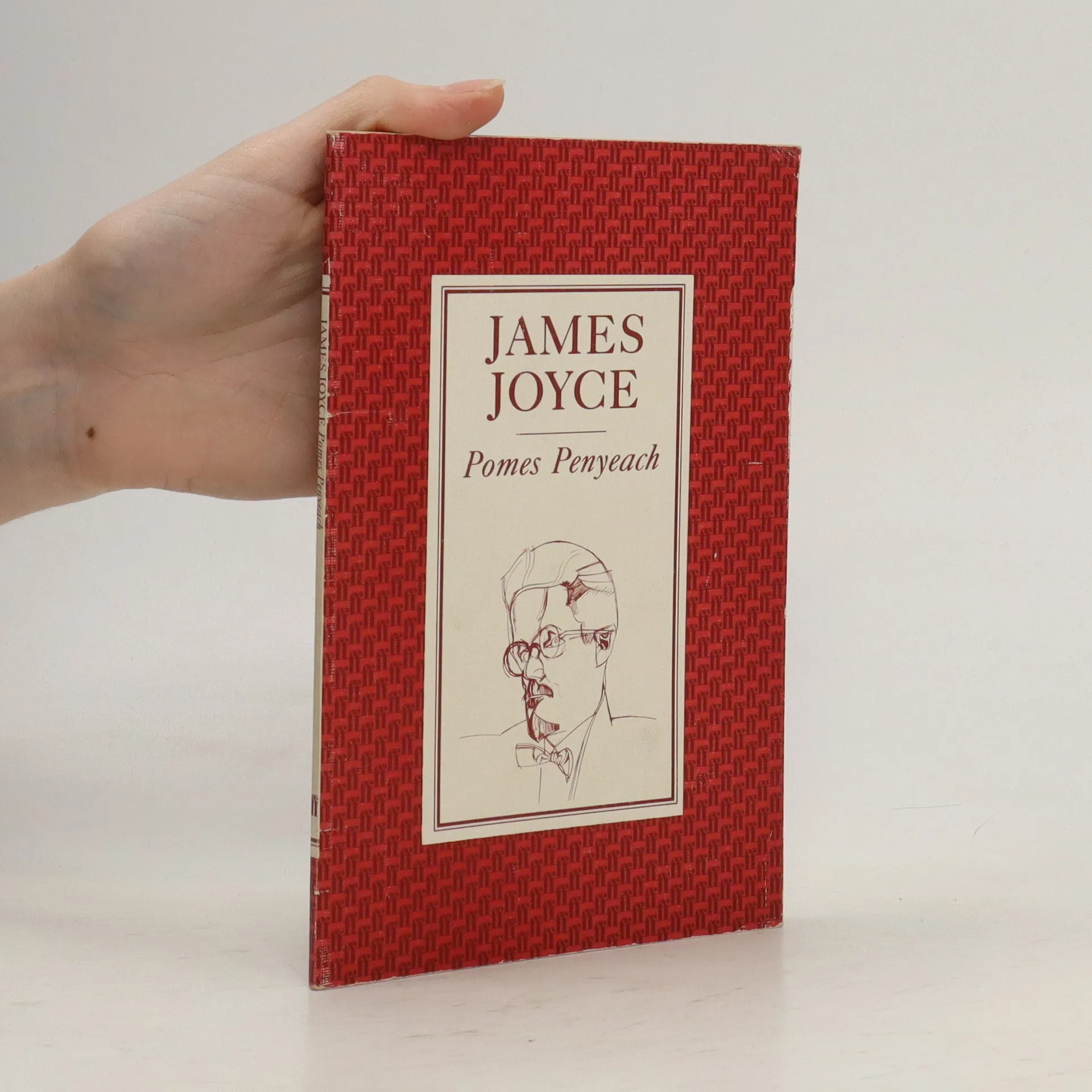
The book features three significant poems by James Joyce: "Chamber Music," "Pomes Penyeach," and "Ecce Puer." Joyce, a pivotal figure in modernist literature, is renowned for his innovative narrative techniques, particularly in "Ulysses." "Chamber Music," his first poetry collection, consists of 36 lyrical pieces exploring themes of love and life. "Ecce Puer," written to commemorate personal milestones, showcases Joyce's emotional depth. This reprint preserves the original 1957 edition, highlighting Joyce's contributions to both poetry and modern literature.
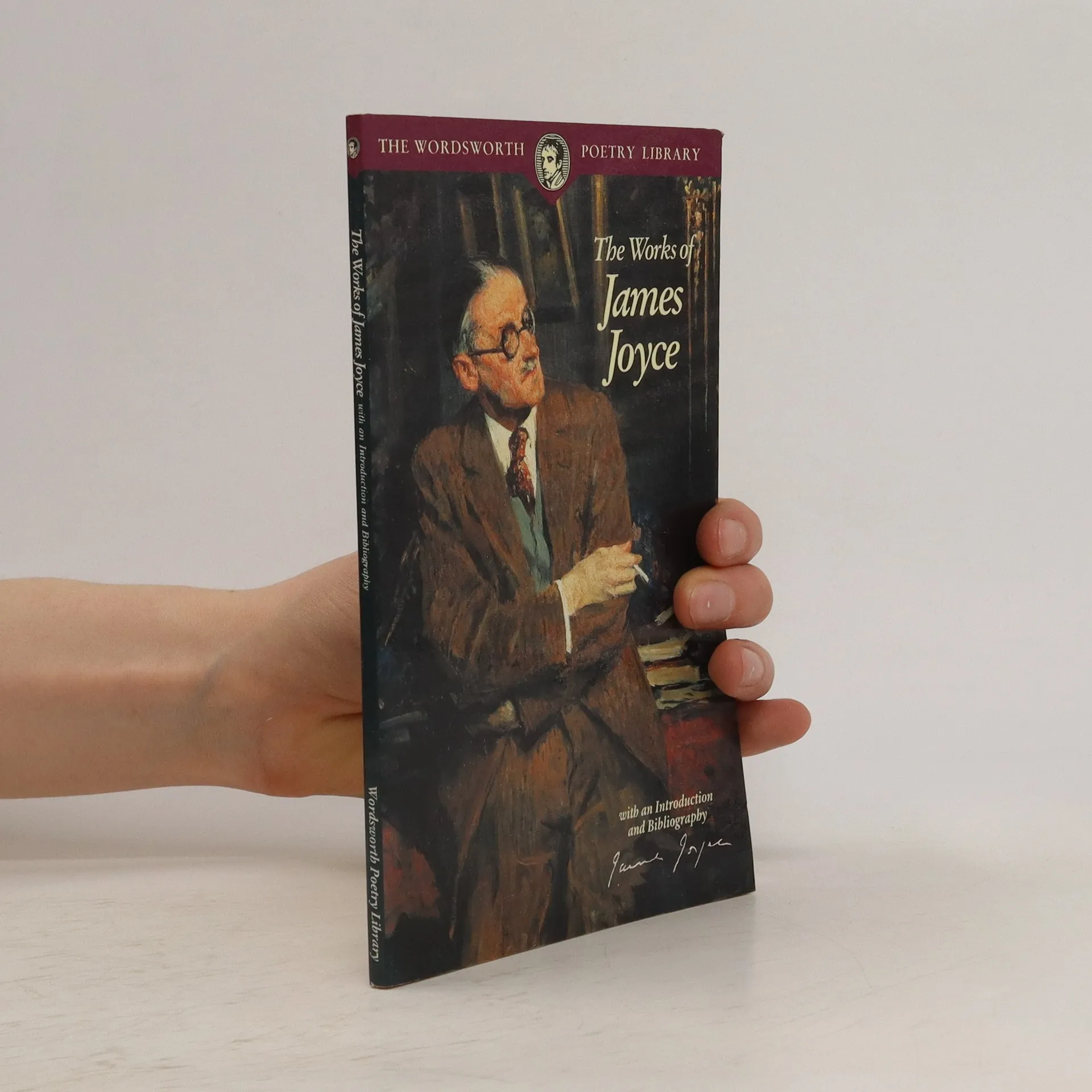
The Wordsworth Poetry Library comprises the works of the greatest English-speaking poets, as well as many lesser-known poets. Each collection has a specially commissioned introduction.
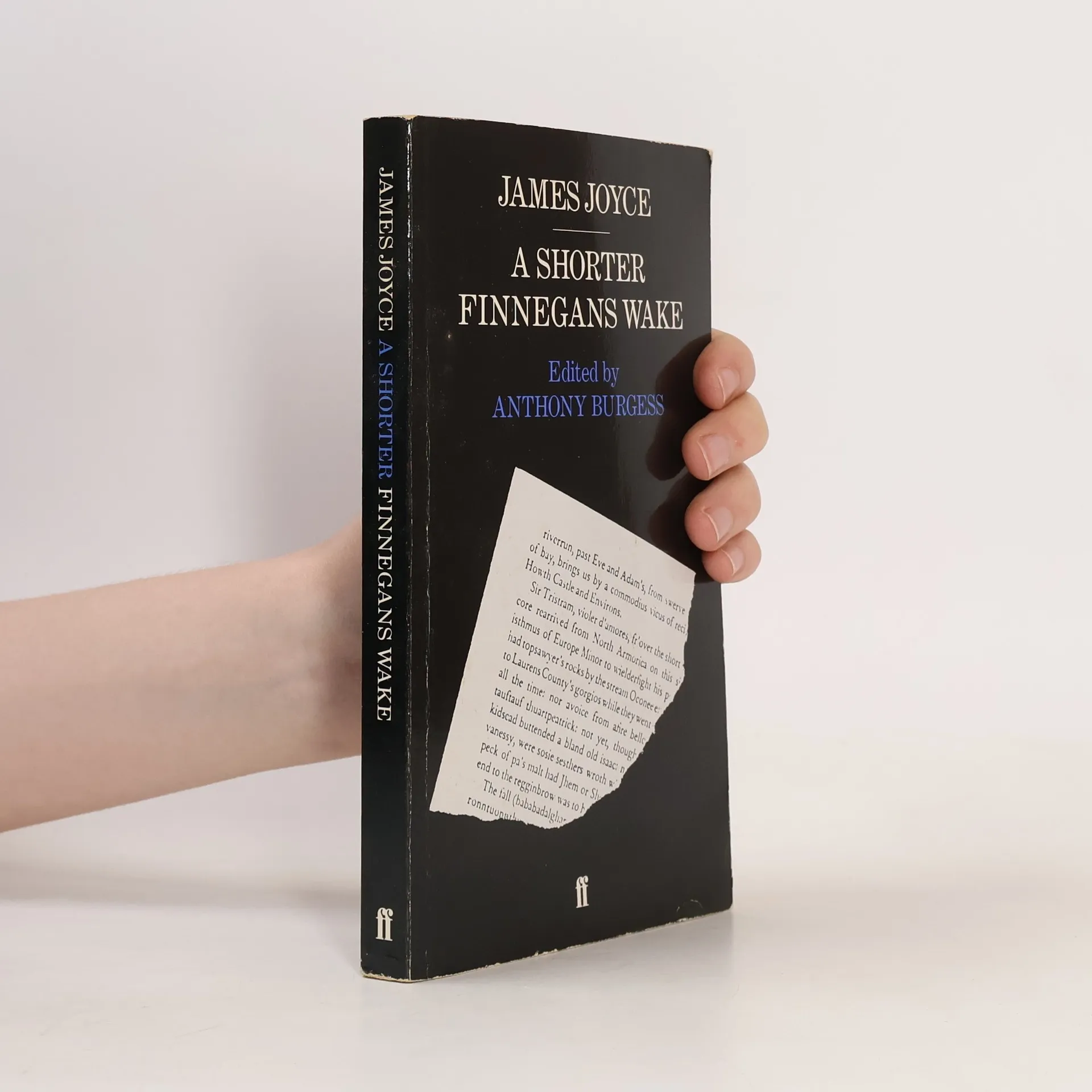
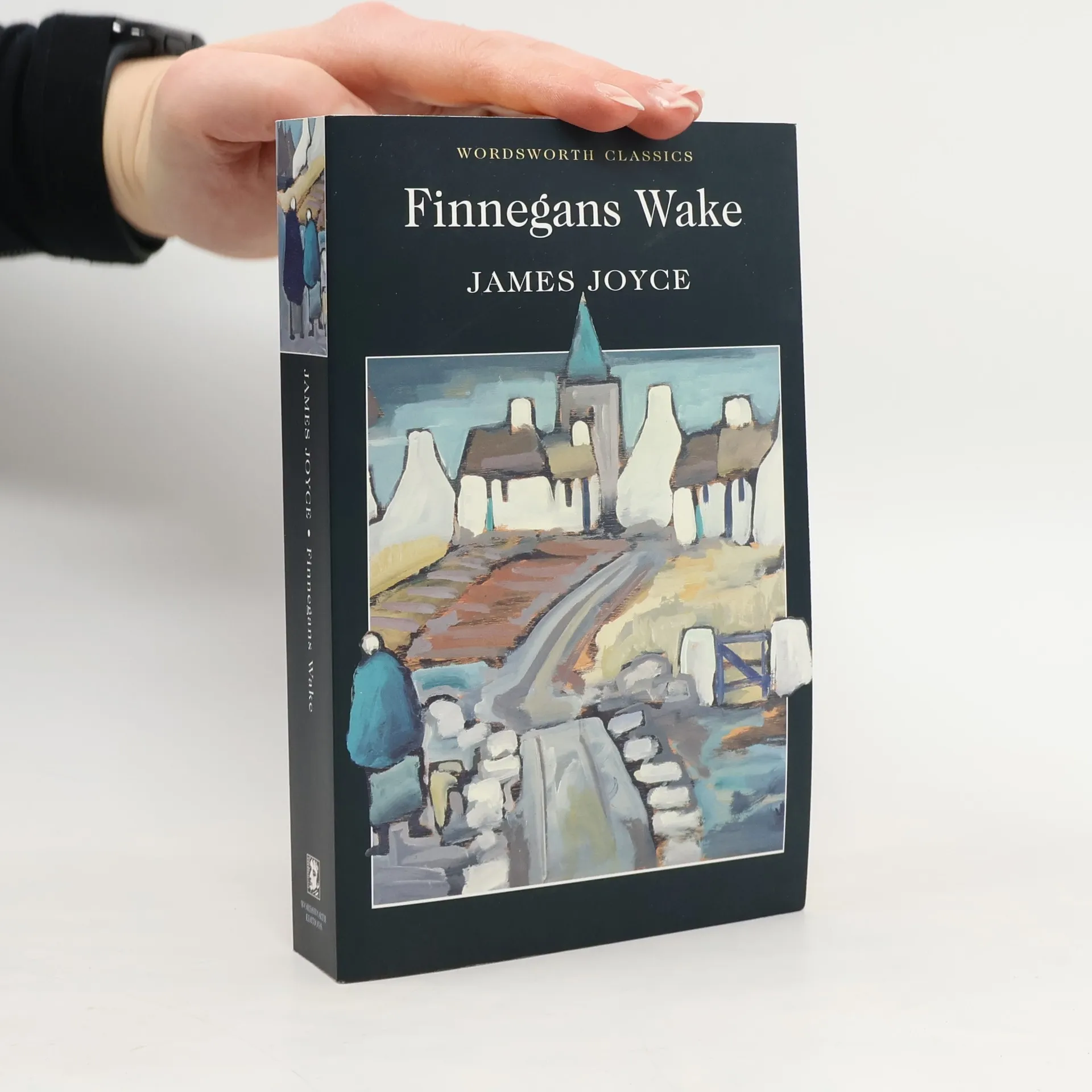
Finnegans Wakeis Joyce's last great work, and is formulated as one dense, tongue-twisting soundscape. It also remains the mosthilarious, 'obscene', book of innuendos ever to be imagined.
The collection features thirty-six love poems that explore themes of intimacy and longing, crafted with Joyce's signature lyrical style. Initially titled by his brother, Joyce later expressed dissatisfaction with "Chamber Music," seeking a title that would better reflect the work's depth. Despite its earthy connotations, the poetry is not crude but rather celebrated for its emotional resonance. Though it faced slow sales, critical reception was positive, highlighting Joyce's emerging voice in early 20th-century literature.
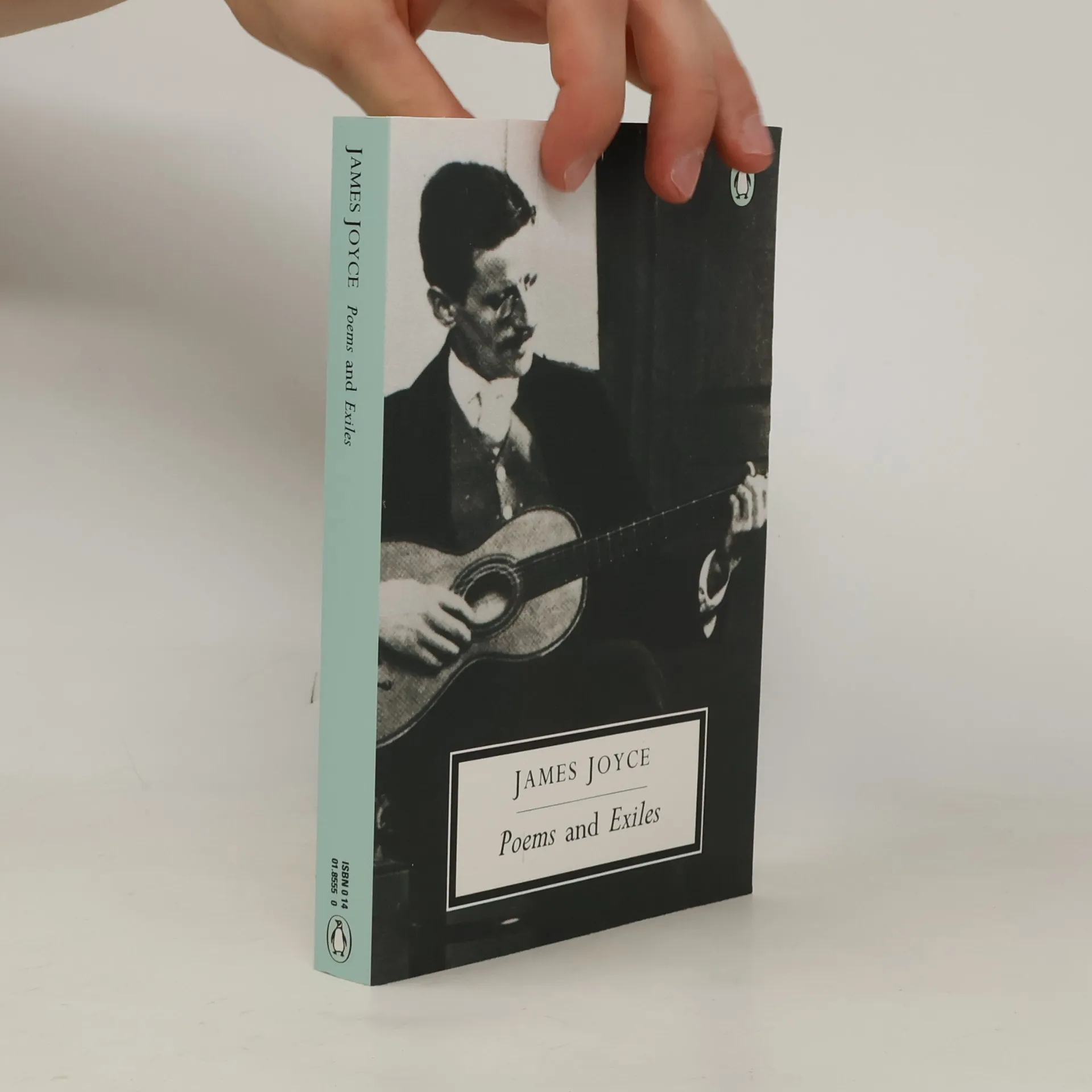
It is only James Joyce's towering genius as a novelist that has led to the
comparative neglect of his poetry and sole surviving play. And yet, argues
Mays in his stimulating and informative introduction, several of these works
not only occupy a pivotal position in Joyce's career; they are also
magnificently assured achievements in their own right. Chamber Music is 'an
extraordinary debut', fusing the styles of the nineties and the Irish Revival
with irony and characteristic verbal exuberance. Pomes Penyeach and Exiles
(highly acclaimed in Harold Pinter's 1970 staging) were written when Joyce had
published Dubliners and was completing A Portrait of the Artist as a Young
Man. Both confront painfully personal issues of adultery, jealousy and
betrayal and so pave the way for the more detached and fully realized
treatment in Ulysses. Joyce's occasional verse includes 'Ecce Puer' for his
new-born grandson, juvenilia, satires, translations, limericks and a parody of
Samuel Taylor Coleridge. All are brought together in this scholarly, fully
annotated yet accessible new edition.
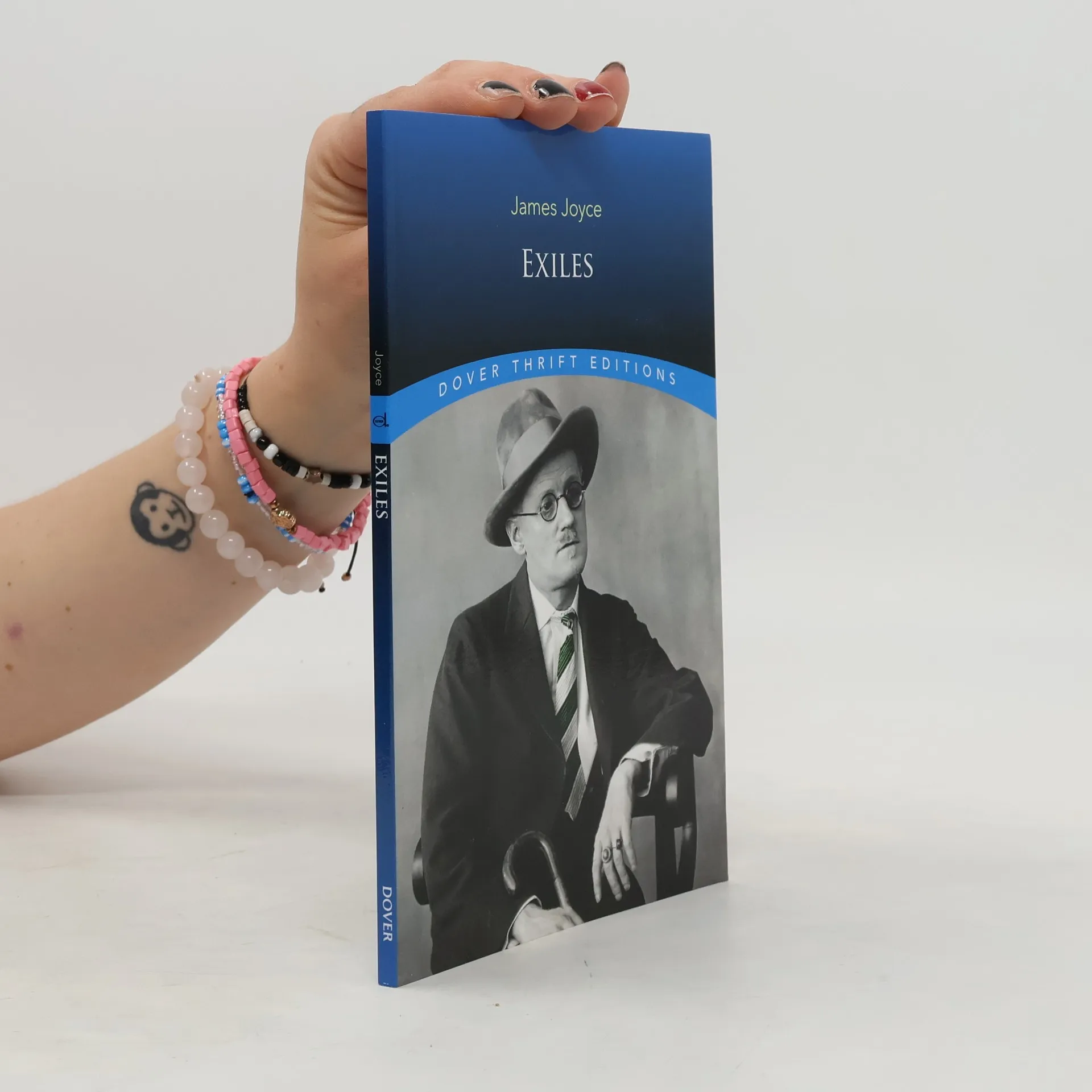
This 3-act play was first published in 1918; and like much of Joyce's other works, it is an imaginative reconstruction of his own life. In it, Richard Rowan, an Irish writer who has spent much time abroad, feels estranged from Irish society when he returns to Dublin.
"Don't you think there is a certain resemblance between the mystery of the Mass and what I am trying to do?...To give people some kind of intellectual pleasure or spiritual enjoyment by converting the bread of everyday life into something that has a permanent artistic life of its own." —James Joyce, in a letter to his brother With these fifteen stories James Joyce reinvented the art of fiction, using a scrupulous, deadpan realism to convey truths that were at once blasphemous and sacramental. Whether writing about the death of a fallen priest ("The Sisters"), the petty sexual and fiscal machinations of "Two Gallants," or of the Christmas party at which an uprooted intellectual discovers just how little he really knows about his wife ("The Dead"), Joyce takes narrative places it had never been before.
Featuring stunning illustrations by a renowned Spanish artist, this edition of Joyce's epic novel offers a fresh and accessible perspective on the classic text. The visual artistry enhances the narrative, inviting readers to experience the story in a new way while celebrating the artist's exceptional talent.
With a Sketch of Trieste, Frankfort on the Maine and the Baths of Homburg in Winter
304bladzijden
11 uur lezen
This reprint offers a historical perspective on the Salzkammergut region and its surroundings, providing insights that remain relevant and fascinating today. The guide serves as a valuable resource for tourists, showcasing the area's attractions, culture, and natural beauty, blending historical significance with contemporary interest.
The publishing house Megali focuses on making historical works accessible by producing them in large print, catering specifically to individuals with impaired vision. This approach aims to enhance the reading experience for those who may struggle with standard text sizes, ensuring that important historical literature remains available to a wider audience.
Ulysses is a novel by the Irish author James Joyce. Ulysses chronicles the passage of Leopold Bloom through Dublin during an ordinary day, 16 June 1904 (the day of Joyce's first date with his future wife, Nora Barnacle). The title alludes to Odysseus (Latinised into Ulysses), the hero of Homer's Odyssey, and establishes a series of parallels between characters and events in Homer's poem and Joyce's novel (e.g., the correspondence of Leopold Bloom to Odysseus, Molly Bloom to Penelope, and Stephen Dedalus to Telemachus). Joyce fans worldwide now celebrate 16 June as Bloomsday. Ulysses' stream-of-consciousness technique, careful structuring, and experimental prose-full of puns, parodies, and allusions, as well as its rich characterisations and broad humour, made the book a highly regarded novel in the Modernist pantheon. In 1998, the Modern Library ranked Ulysses first on its list of the 100 best English-language novels of the 20th century.
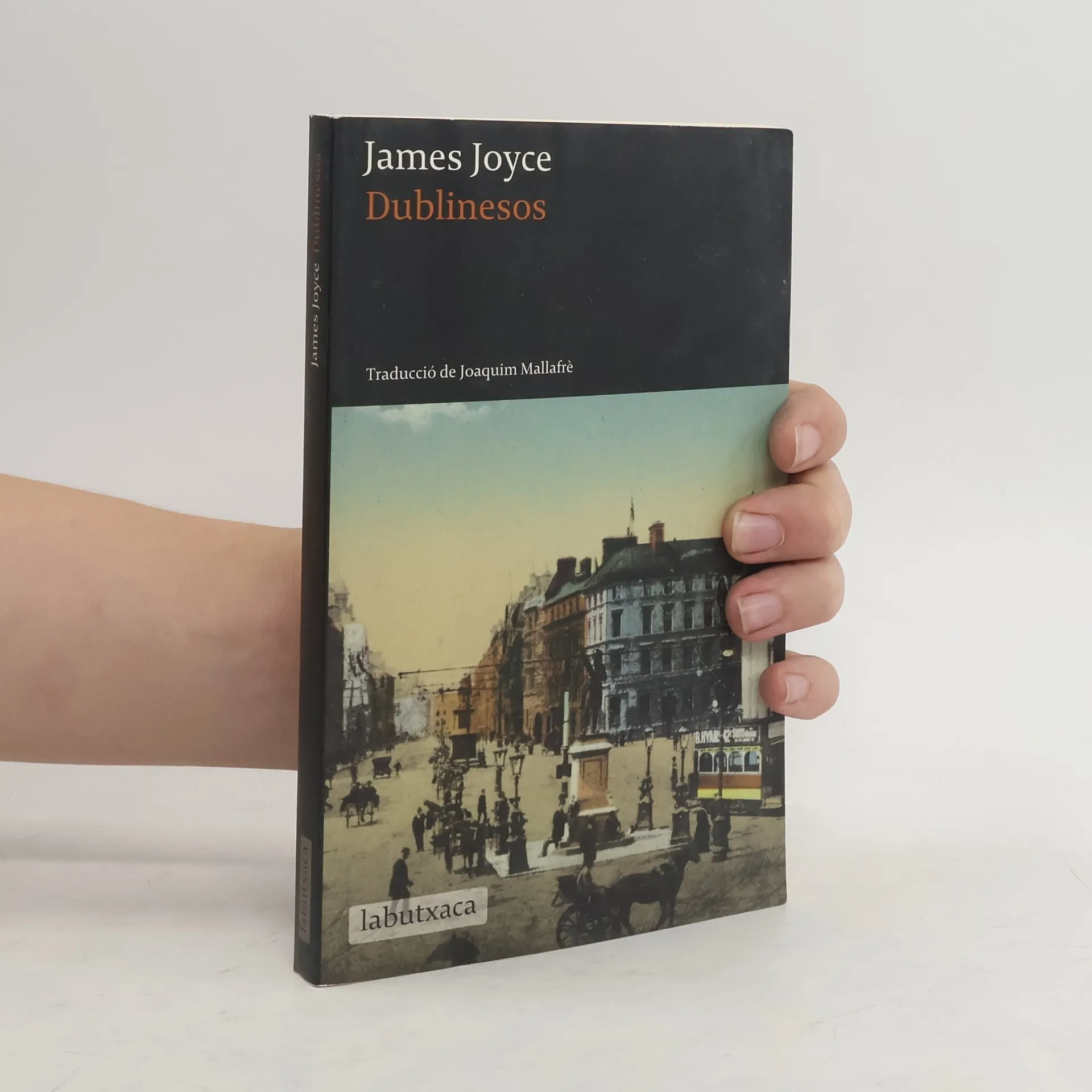
Dubliners, completed when James Joyce was only twenty-five, is the first of his works to demonstrate the unique, innovative style that would make him one of the most influential novelists of the twentieth century.
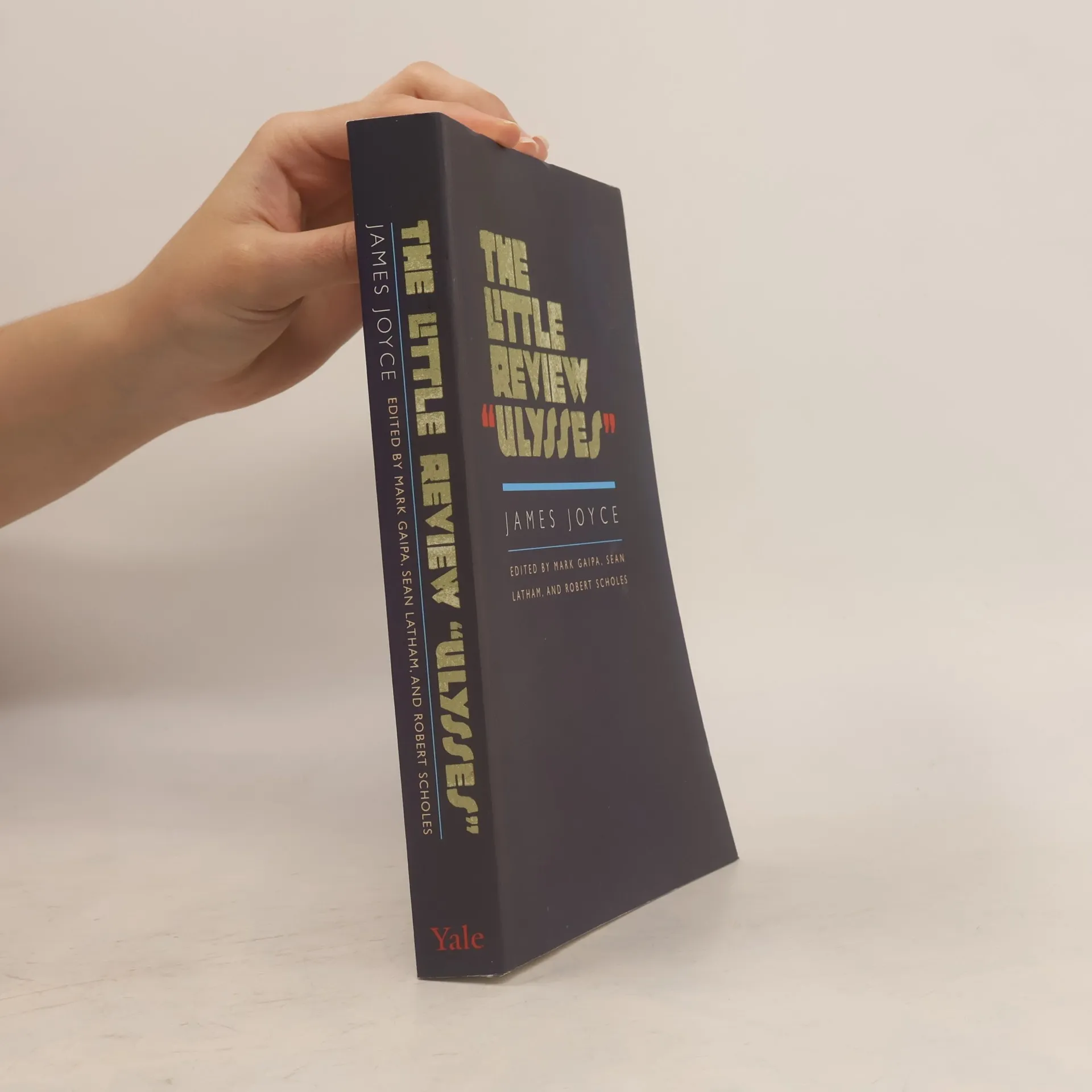
James Joyce’s Ulysses first appeared in print in the pages of an American avant-garde magazine, The Little Review , between 1918 and 1920. The novel many consider to be the most important literary work of the twentieth century was, at the time, deemed obscene and scandalous, resulting in the eventual seizure of The Little Review and the placing of a legal ban on Joyce’s masterwork that would not be lifted in the United States until 1933. For the first time, The Little Review “Ulysses” brings together the serial installments of Ulysses to create a new edition of the novel, enabling teachers, students, scholars, and general readers to see how one of the previous century’s most daring and influential prose narratives evolved, and how it was initially introduced to an audience who recognized its radical potential to transform Western literature. This unique and essential publication also includes essays and illustrations designed to help readers understand the rich contexts in which Ulysses first appeared and trace the complex changes Joyce introduced after it was banned.
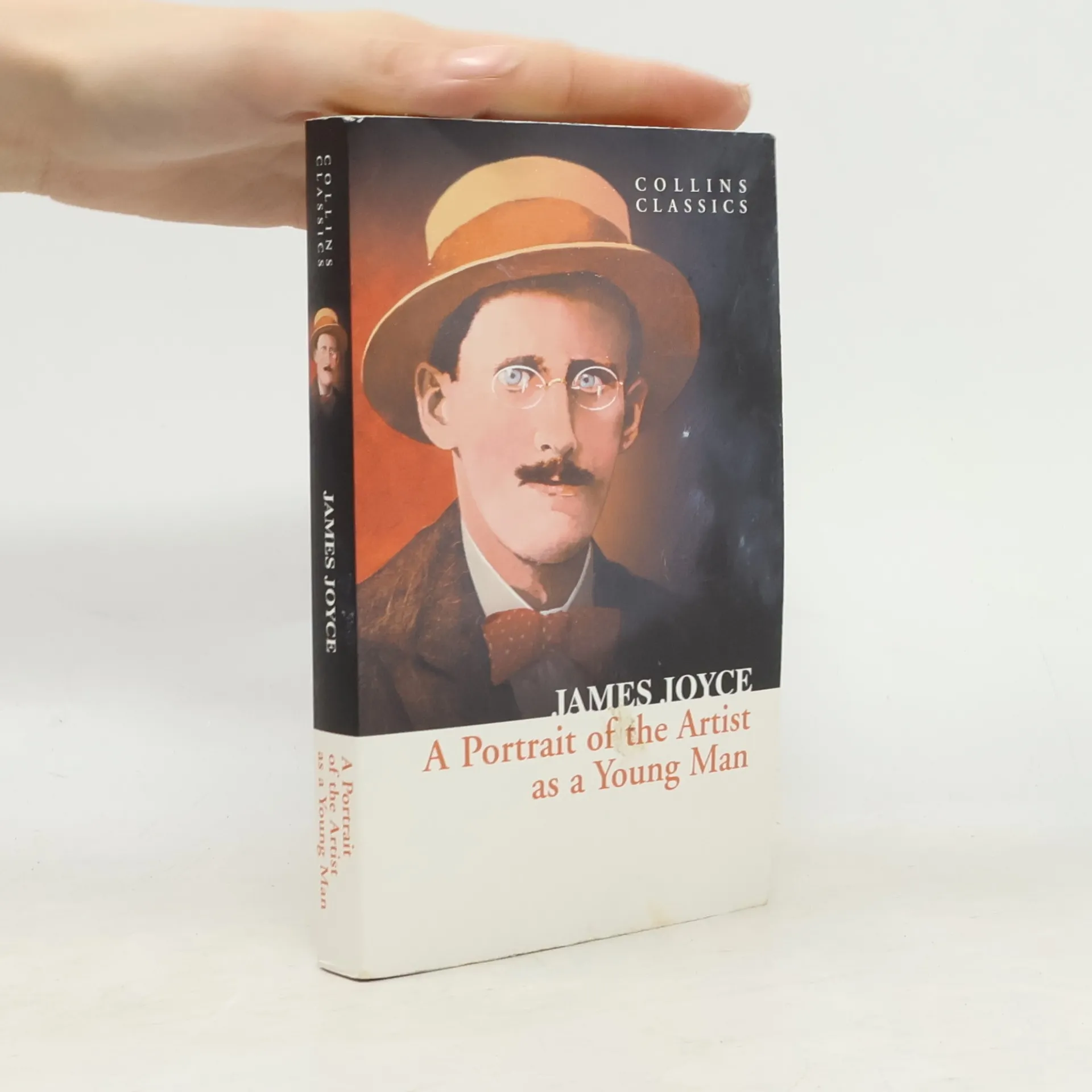
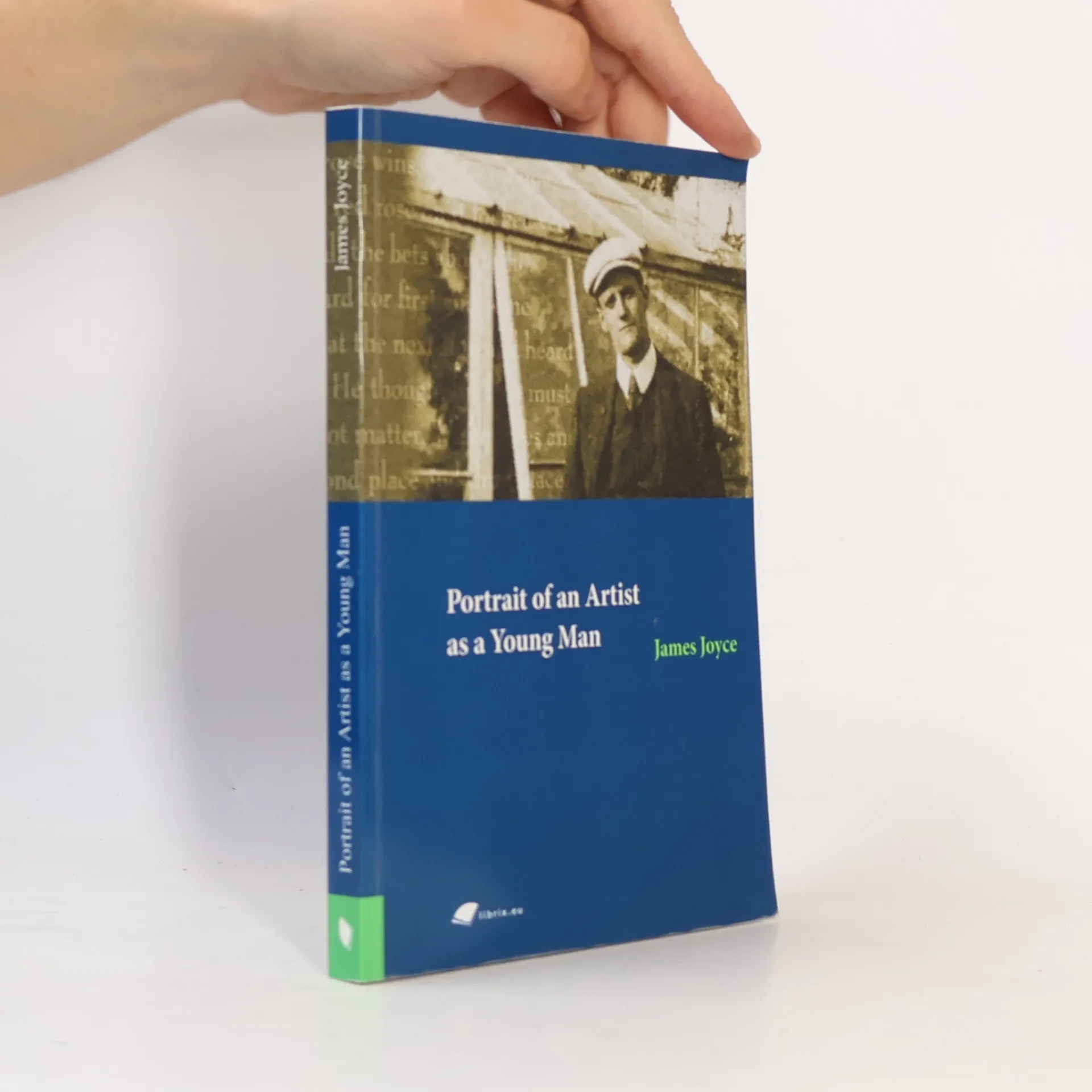
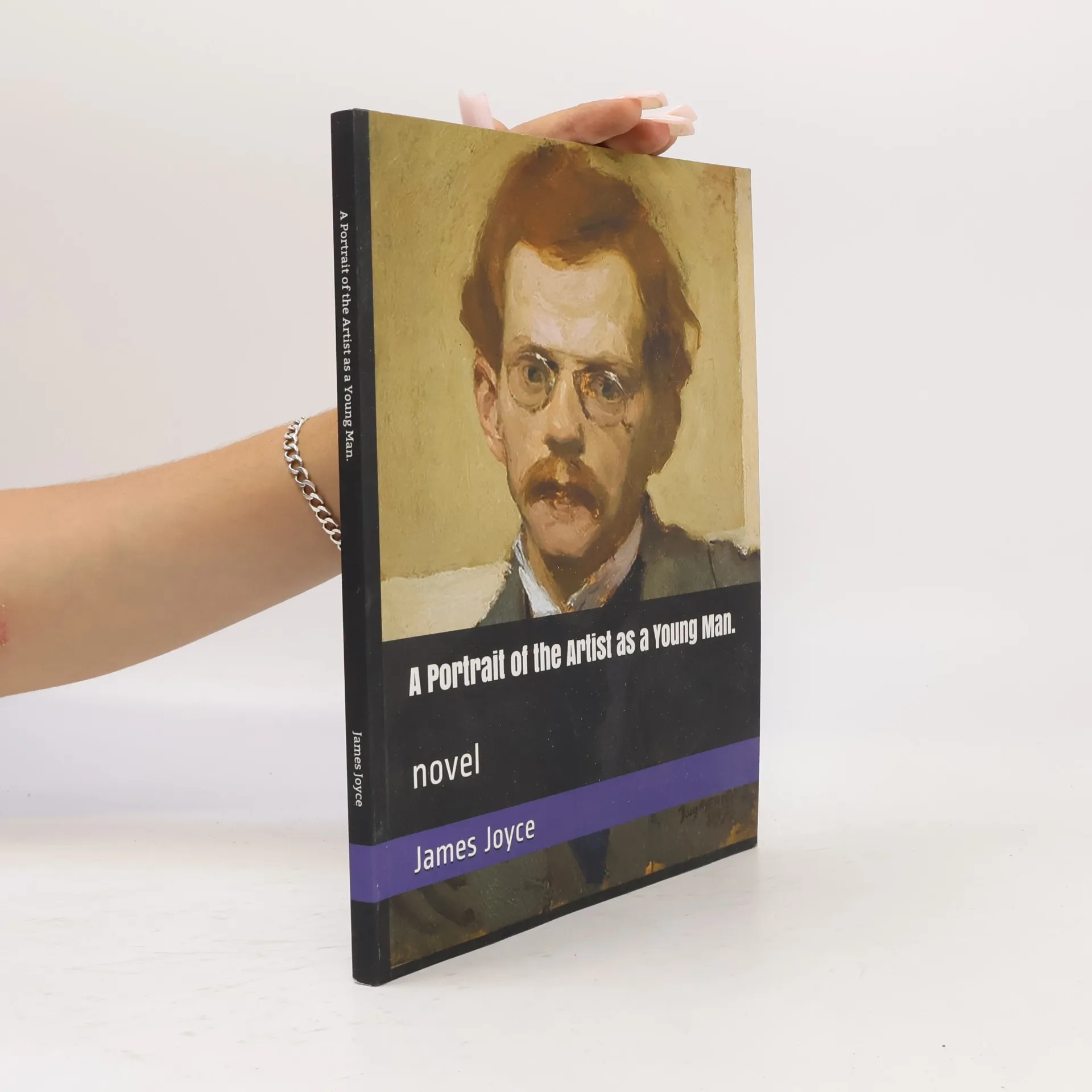
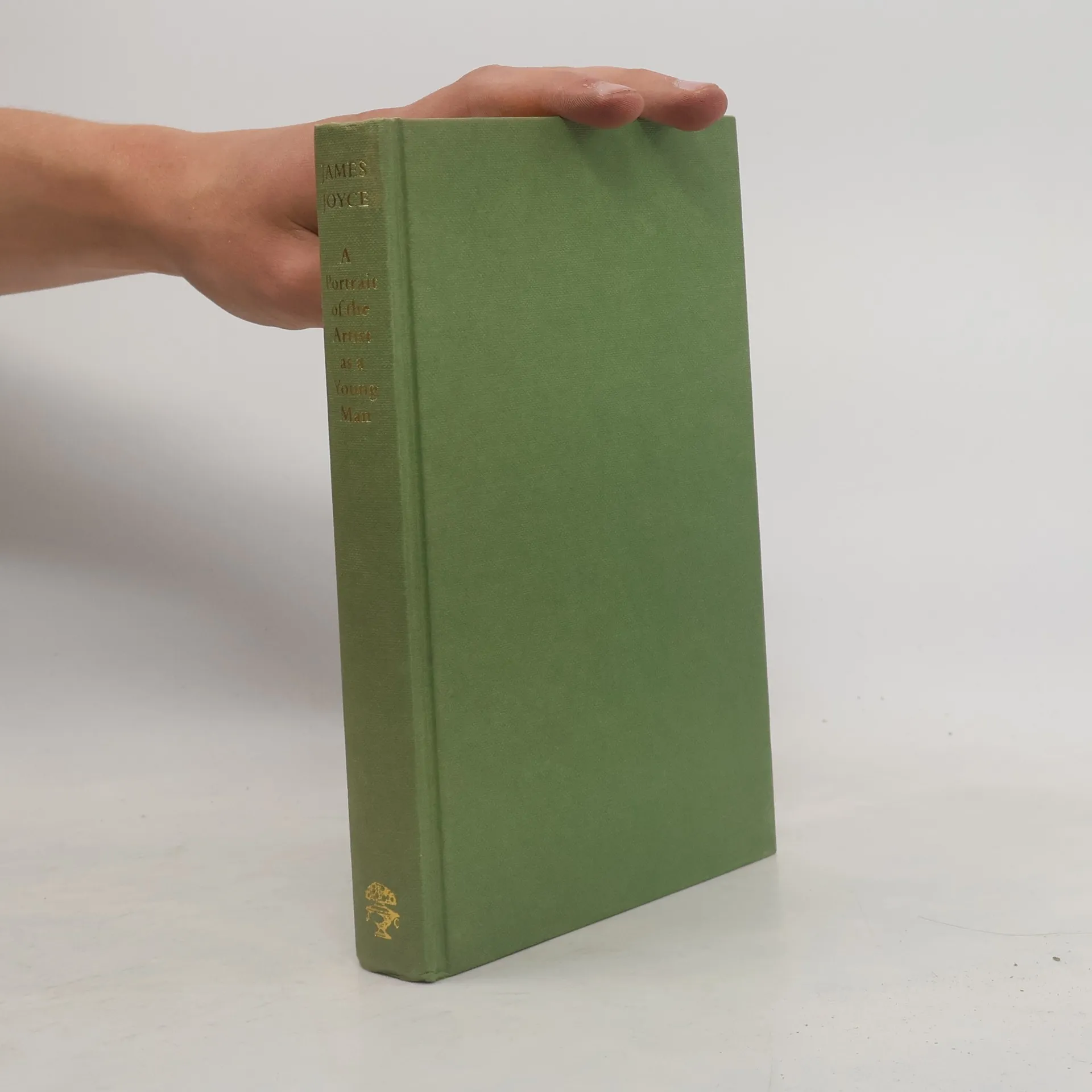
A Portrait of the Artist as a Young Man is the first novel of Irish writer James Joyce. A Künstlerroman in a modernist style, it traces the religious and intellectual awakening of young Stephen Dedalus, a fictional alter ego of Joyce and an allusion to Daedalus, the consummate craftsman of Greek mythology. Stephen questions and rebels against the Catholic and Irish conventions under which he has grown, culminating in his self-exile from Ireland to Europe. The work uses techniques that Joyce developed more fully in Ulysses (1922) and Finnegans Wake (1939).A Portrait began life in 1904 as Stephen Hero-a projected 63-chapter autobiographical novel in a realistic style. After 25 chapters, Joyce abandoned Stephen Hero in 1907 and set to reworking its themes and protagonist into a condensed five-chapter novel, dispensing with strict realism and making extensive use of free indirect speech that allows the reader to peer into Stephen's developing consciousness. American modernist poet Ezra Pound had the novel serialised in the English literary magazine The Egoist in 1914 and 1915, and published as a book in 1916 by B. W. Huebsch of New York. The publication of A Portrait and the short story collection Dubliners (1914) earned Joyce a place at the forefront of literary modernism.
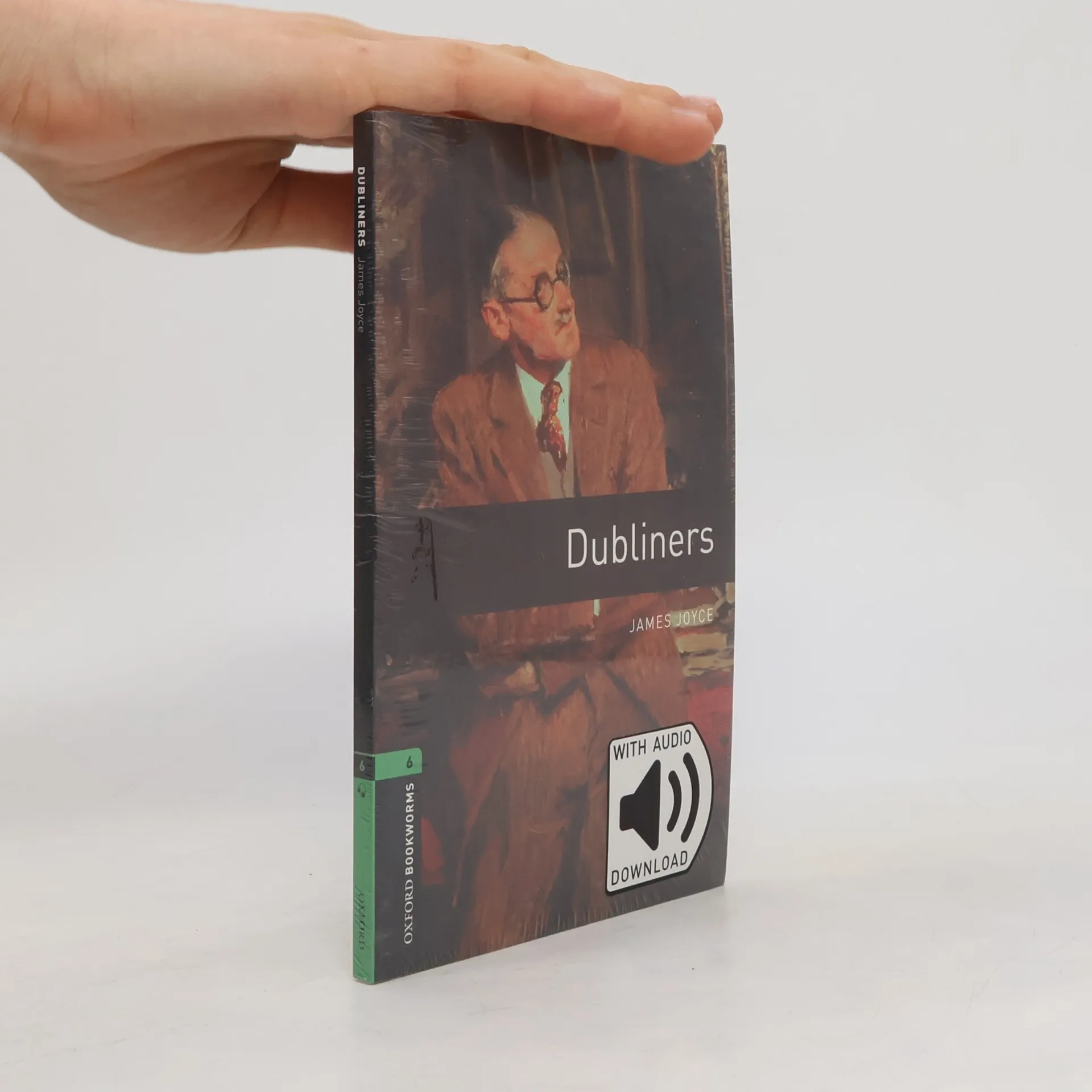
Published 2016. Upper Intermediate CEF B2 - 1800 Headwords Oxford Bookworms enjoy a world-wide reputation for high-quality storytelling and a great reading experience. Research shows reading a lot improves all your language skills. Experts recognize Oxford Bookworms as the most consistent series in terms of language control, length, and quality of story - very important for fluent reading and extensive reading. There's a wide choice of titles too - something for everyone. Dublin, Ireland, in the early years of the twentieth century. It is a poor city, and there is hard drinking, dishonesty, and violence just beneath the surface everywhere you look. Glance inside a few people's lives, and you soon find loneliness and disappointment, self-hate, and despair. The people in these stories are paralysed: locked into the circles of their everyday lives, where they are caught waiting between life and death. For some, there is a way out - but will circumstances, or their own fear, stop them from taking it?
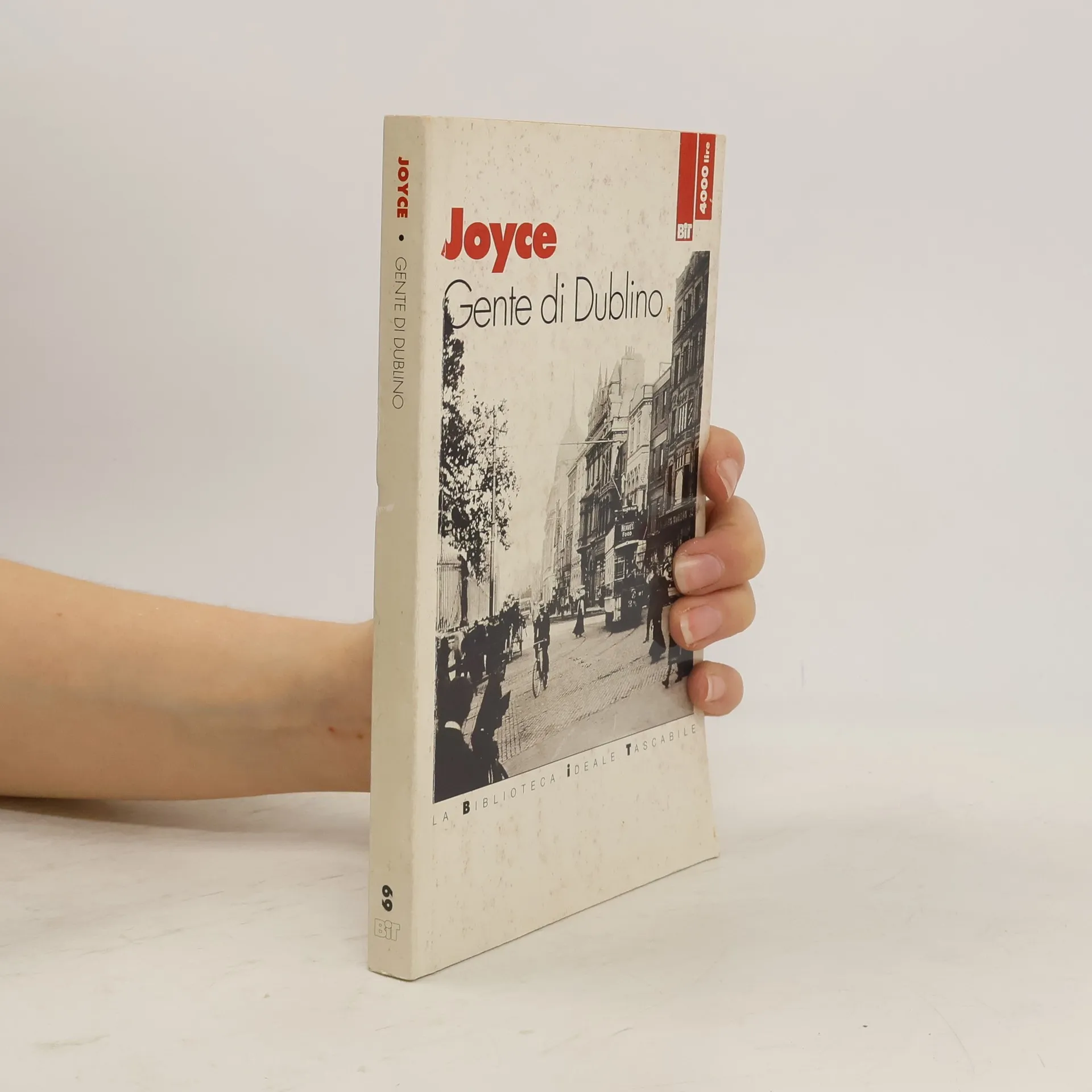
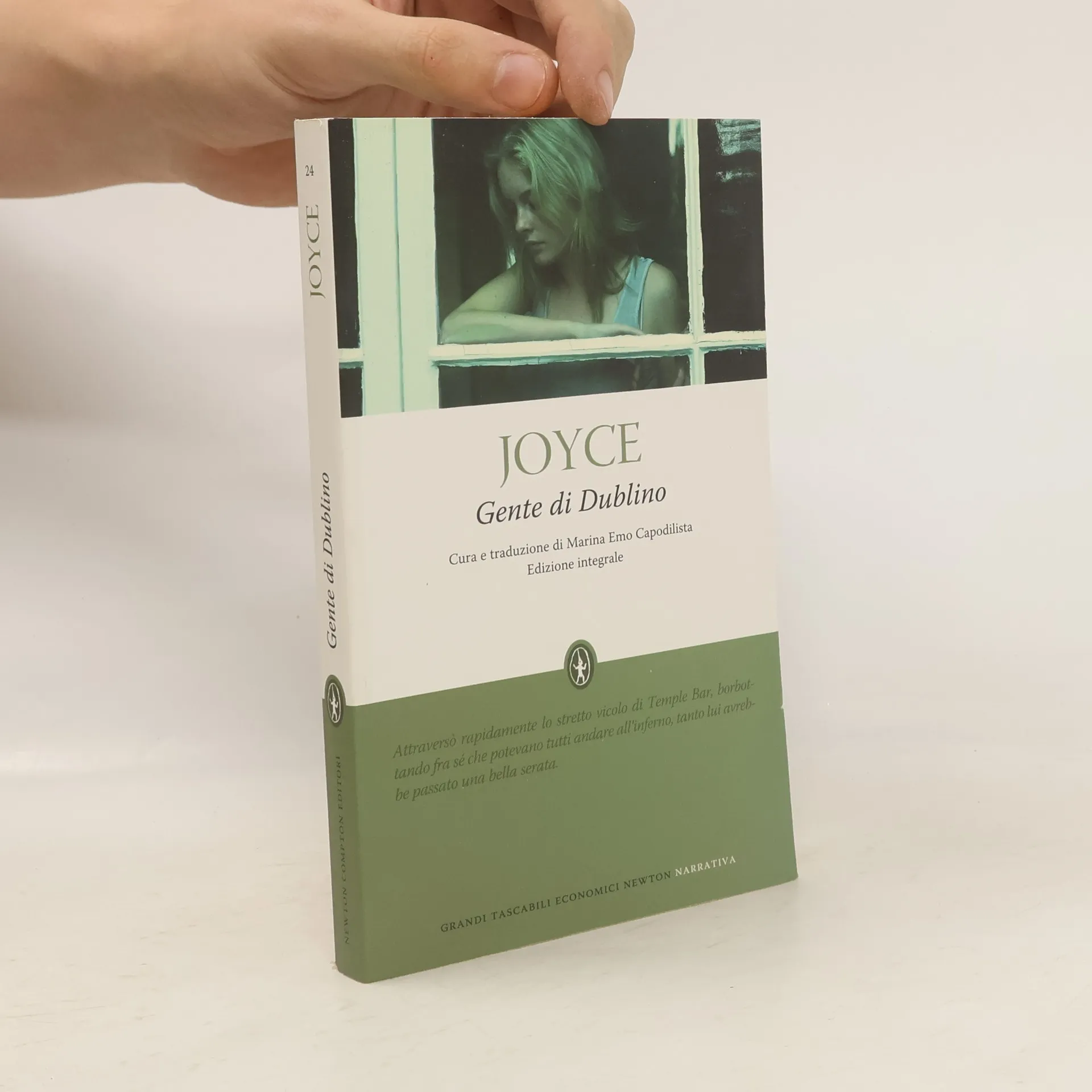
La verde e tormentata terra d’Irlanda è patria di alcuni dei più importanti scrittori della letteratura. Jonathan Swift, con la sua ironia sferzante, descrive nei Viaggi di Gulliver le assurdità dell’Europa settecentesca attraverso le immaginarie popolazioni di Lilliput e Brobdingnag. Sterne, con il suo Viaggio sentimentale, rompe le regole della narrativa tradizionale, concentrandosi sulle sensazioni interiori piuttosto che su paesaggi e personaggi. Con Le Fanu, entriamo nel filone ottocentesco che esplora gli aspetti più oscuri dell’esperienza umana, dando vita a capolavori del terrore come Carmilla e Dracula. Oscar Wilde, poeta geniale e sfortunato, narra la storia di Dorian Gray, un mostro dalla giovinezza sospetta. Al contrario, Yeats ci offre un mondo incantato, popolato da elfi e fantasmi, presentando una panoramica del folclore irlandese. Infine, James Joyce, con il suo capolavoro Ulisse, ha avuto un ruolo cruciale nella nascita della letteratura moderna. Attraverso il realismo minuzioso delle quindici storie di Gente di Dublino, Joyce ha elevato il racconto breve a un nuovo livello artistico, rendendolo il genere letterario più moderno.
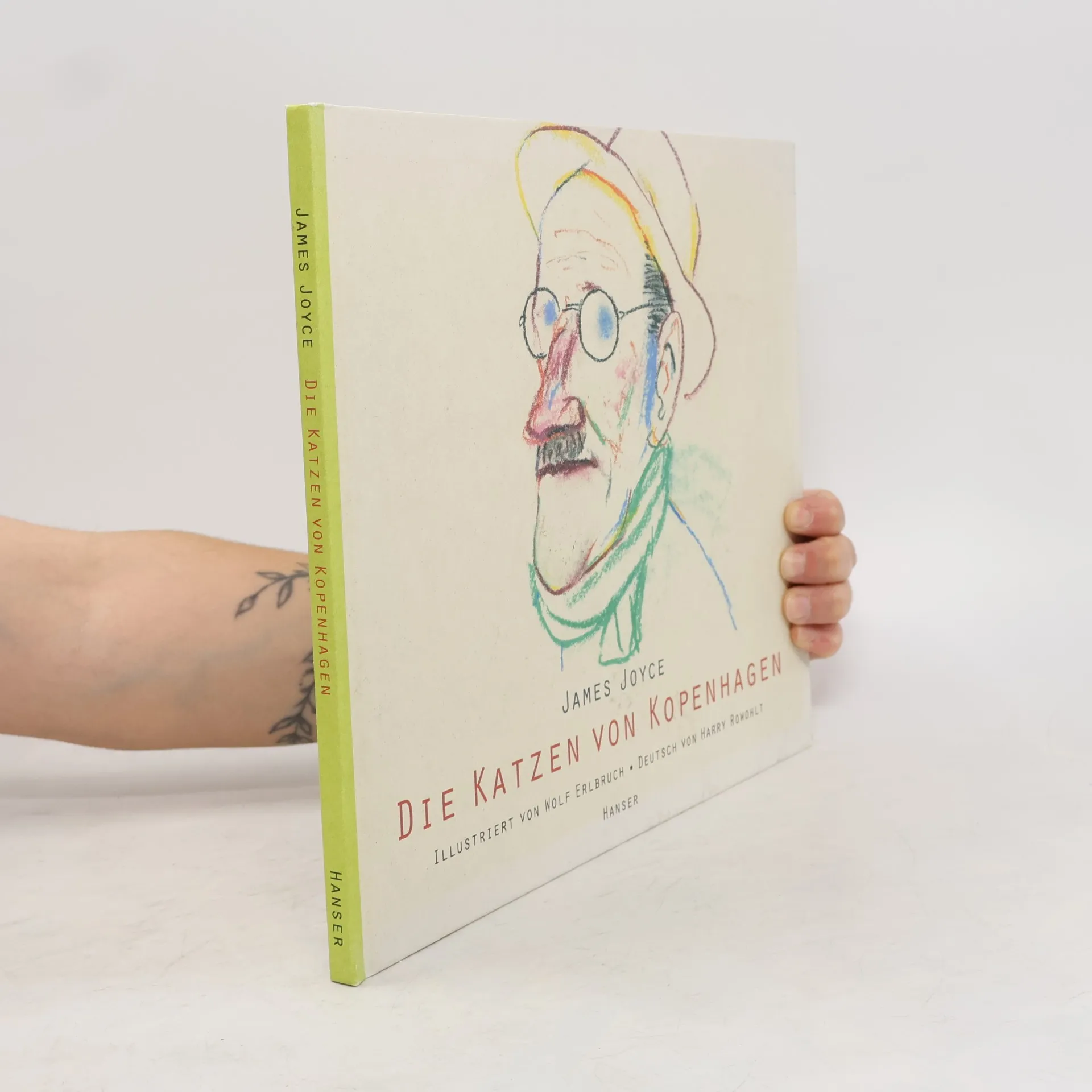
Zur Zeit von James Joyce waren mit Süßigkeiten gefüllte Katzen in Irland ein beliebtes Geschenk. Als er das aus Kopenhagen nicht mitbringen konnte, schrieb er einen fantasiesprühenden Brief an seinen vierjährigen Enkel. Darin behauptete er, in Dänemark gebe es keine einzige Katze, dafür aber Fische, Fahrräder und freundliche Polizisten. Die lägen den ganzen Tag im Bett, rauchten Zigarren und tränken Buttermilch. Die Welturausgabe von “The Cats of Copenhagen“ erschien 2012. Harry Rowohlt hat aus dem Fund einen fabelhaften deutschen Text gemacht. Wolf Erlbruchs hinreißende Illustrationen verwandeln ihn in ein Glanzstück.
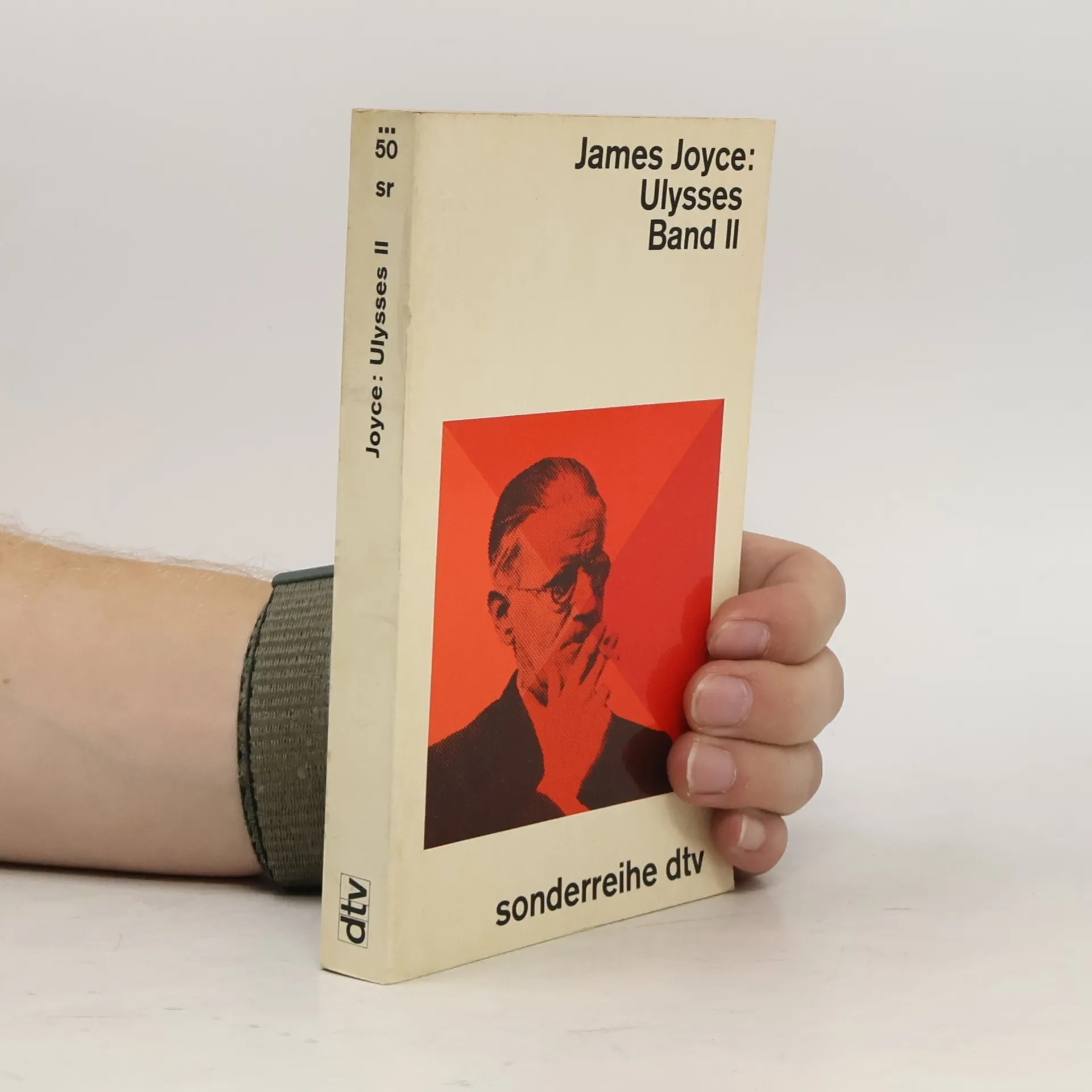
Der 2. Februar 1922 hat Literaturgeschichte geschrieben: An diesem Tag, dem 40. Geburtstag von James Joyce, erschien in einer Auflage von 1 000 nummerierten Exemplaren die Erstausgabe des Ulysses, verlegt durch Sylvia Beach, Besitzerin der Buchhandlung Shakespeare and Company, in Paris. Die Publikation des Romans war ein Skandalon: als blasphemisches und pornografisches Machwerk verdammt, wurde es bald in mehreren Ländern zensiert oder verboten. Dies hat den epochalen Erfolg des Ulysses nicht aufhalten können: Längst gilt es als einer der einflussreichsten Romane der Moderne, als ein Jahrhundertwerk. Und es ist ein Buch, das man wieder und immer wieder lesen kann und das mit jedem neuen Lesen weitere Geheimnisse preisgibt. Wer es noch nie gelesen hat oder es wiederlesen möchte, hat nun die Wahl: Anlässlich des 100. Jahrestags seiner ersten Publikation wird der Ulysses in vier schön gestalteten Ausgaben mit jeweils verschiedenfarbiger Prägung vorgelegt – zum Verschenken und Sich-selber-schenken.
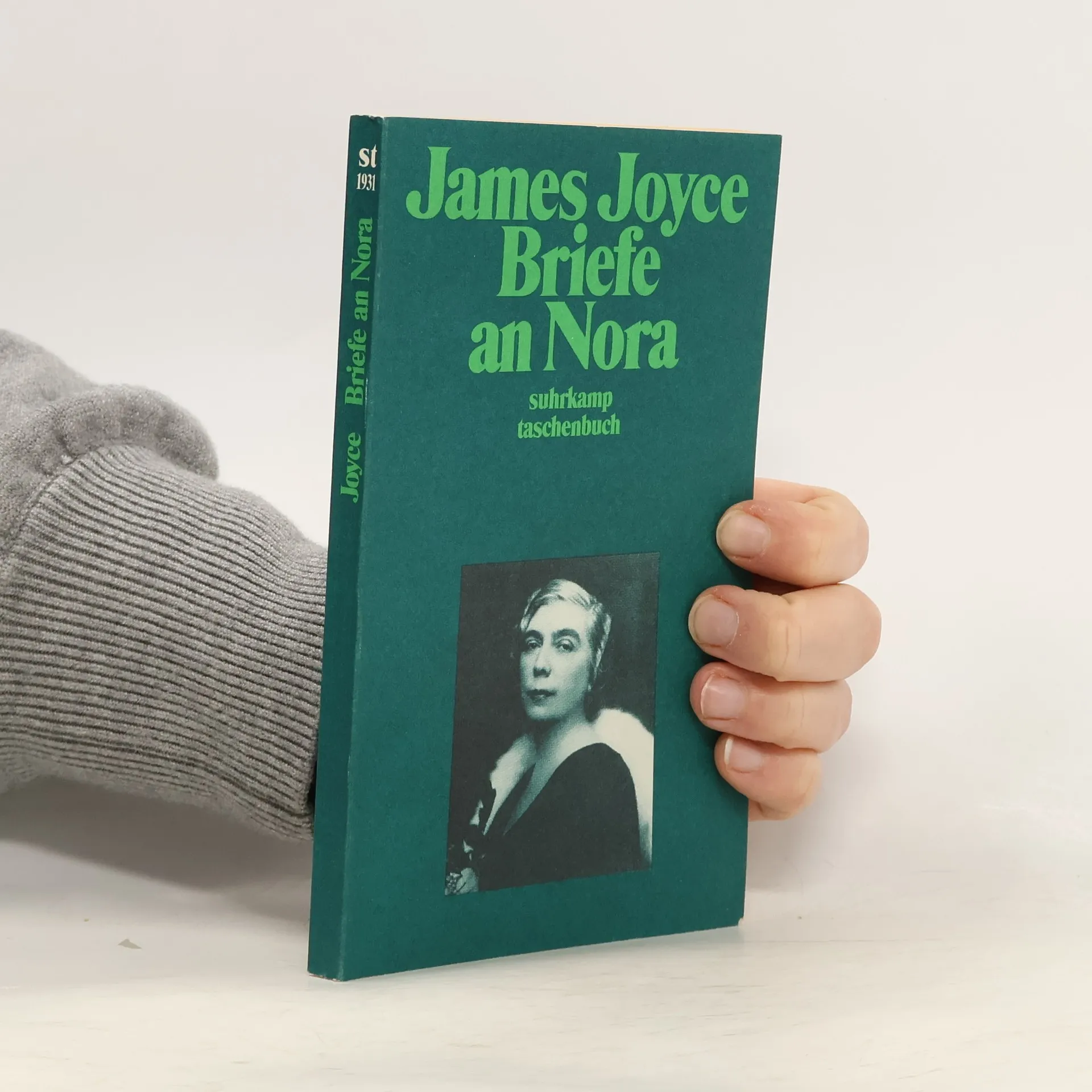
Joyce ging es darum, »die perfektesten Liebeslieder unserer Zeit« zu schreiben, was in seinen Augen nur möglich war, solange er nicht wirklich verliebt war, sondern dichtend eine ideale, überwirkliche Liebe besingen konnte.
Es ist halb sieben morgens und ich schreibe in der Kälte. Ich habe die ganze
Nacht kaum geschlafen. Ist Georgie mein Sohn? Es war am 11. Oktober in Zürich,
daß ich zum erstenmal mit Dir schlief, und er wurde am 27. Juli geboren. Das
sind 9 Monate und 16 Tage ... JIM Die etwa sechzig Briefe von Joyce an Nora,
an seine Freundin, Gefährtin und spätere Frau, und das gute Dutzend der Briefe
von Nora an ihn gehören zu den intimsten Zeugnissen, die wir von Joyce
besitzen. Die Briefe nehmen im gesamten Briefwechsel einen kleinen Platz ein
und beschränken sich zudem auf wenige kurze Zeitspannen. Das liegt daran, daß
die Voraussetzung fu r einen langen und umfangreichen Briefwechsel, die
räumliche Trennung, im Verlauf der 37 Jahre andauernden Beziehung und
Gemeinsamkeit in Dublin, Pola, Triest, Zu rich, Paris und auf vielen Reisen
selten genug vorkam. Um so wertvoller muß diese kleine Sammlung sein, Dokument
einer außergewöhnlichen Beziehung.
»Finn’s Hotel«, so hieß das Hotel, in dem Nora Barnacle, die spätere Ehefrau von James Joyce, als Zimmermädchen arbeitete. Ganz am Anfang der Überlegungen, aus denen »Finnegans Wake« hervorgehen sollte, fragte sich Joyce: Wie wäre es, wenn man Irlands Vergangenheit in den Träumen des am Ufer der Liffey schlafenden mythischen Helden Finn McCool Revue passieren ließe? Das Buch »Finn’s Hotel« besteht aus einer Folge von Fabeln, kurzen, prägnanten Prosatexten zu den entscheidenden Momenten der irischen Geschichte, beginnend mit der Ankunft St. Patricks auf der Grünen Insel im Jahr 432: des Heiligen, der Irland bekehrt? Nein, Irland bekehrt ihn – zu allem, was irisch ist. Joyce schrieb die zehn Episoden 1923, ein halbes Jahr, nachdem er sich vom »Ulysses« befreit und lange bevor er einen genaueren Plan für »Finnegans Wake« gefasst hatte. Danis Rose suchte die im Nachlaß der »Finnegans Wake«-Papiere verstreuten Geschichten zusammen. Er begründete ihre Einheit und Eigenständigkeit. 2013 erschien Finn’s Hotel: ein neues, unbekanntes, erstaunliches Werk von James Joyce.»
Znamenitý, miniaturní textík O kočkách a Kodani se silným, téměř anarchickým podtextem je trochu mladším sourozencem knížky Kočka a čert, doposud jediného známého Joyceova příběhu pro malé děti. Obě dílka, napsaná v rozmezí pouhých několika týdnů roku 1936, poslal autor původně v dopise Stephenovi, svému jedinému vnukovi. Rukopis byl objeven teprve nedávno a pro knižní vydání ho kouzelnými ilustracemi vypravil Casey Sorrow. Kniha je prvním svazkem nové edice NOS.
L'Ulisse di Joyce è un'opera fondamentale del Novecento letterario europeo. Il romanzo rovescia il canone epico della tradizione, raccontando non il destino di un eroe, ma la giornata comune di un uomo moderno nelle sue peregrinazioni quotidiane. Un'odissea dentro la realtà di ogni giorno che sa aprire, per squarci e discese nell'abisso psichico dei personaggi, porte sulla verità di ogni uomo.
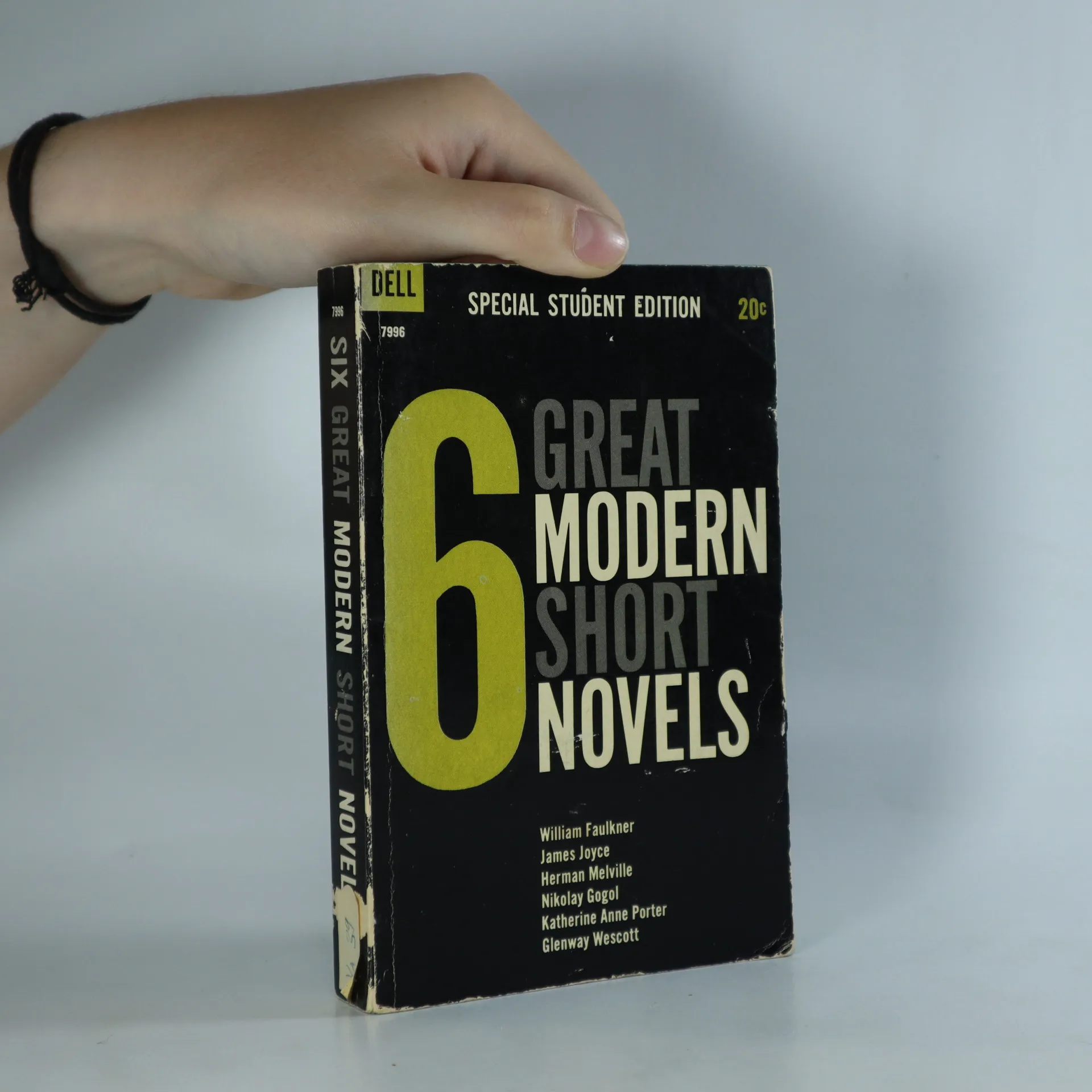
Lesebuch und Auswahl aus der Prosa des frühen und mittleren Joyce zum Ausprobieren und Angewöhnen für Anfänger und Fortschreitende, für Neugierige, Besessene und alle, die sich bisher noch nicht getraut haben.Dieser Querschnitt - in den renommierten Neuübersetzungen der Frankfurter Ausgabe von Dieter E. Zimmer, Klaus Reichert und Hans Wollschläger - bringt:- "Eine kleine Wolke", "Entsprechungen", "Gnade" (drei Kurzgeschichten) und die schönste Novelle der englischen Sprache, "Die Toten"; aus Dubliner- zwei selbständige Abschnitte und Höhepunkte aus dem Entwicklungsroman Ein Porträt des Künstlers als junger Mann- ein vollständiges Kapitel ("Hades") aus dem Ulysses, dem "Welt-Alltag der Epoche" (Hermann Broch), dem "Andachtsbuch für den objektgläubigen, objektverfluchten weißhäutigen Menschen" (C.G.Jung), dem "bedeutendsten Ausdruck, den unsere Zeit gefunden hat" (T.S.Eliot), dem "ernstesten Weltbuch der neueren Literaturen, das zugleich ihr welterschütternd-witzigstes ist" (Hans Wollschläger)- und als Dreingabe Aufzeichnungen und Gespräche mit Joyce aus dem Zürcher Jahr 1917 mit Georges Borach, ein buchstabengetreues Joyce-Porträt von Paul Flora und abgeklärte Betrachtungen von Fritz Senn.
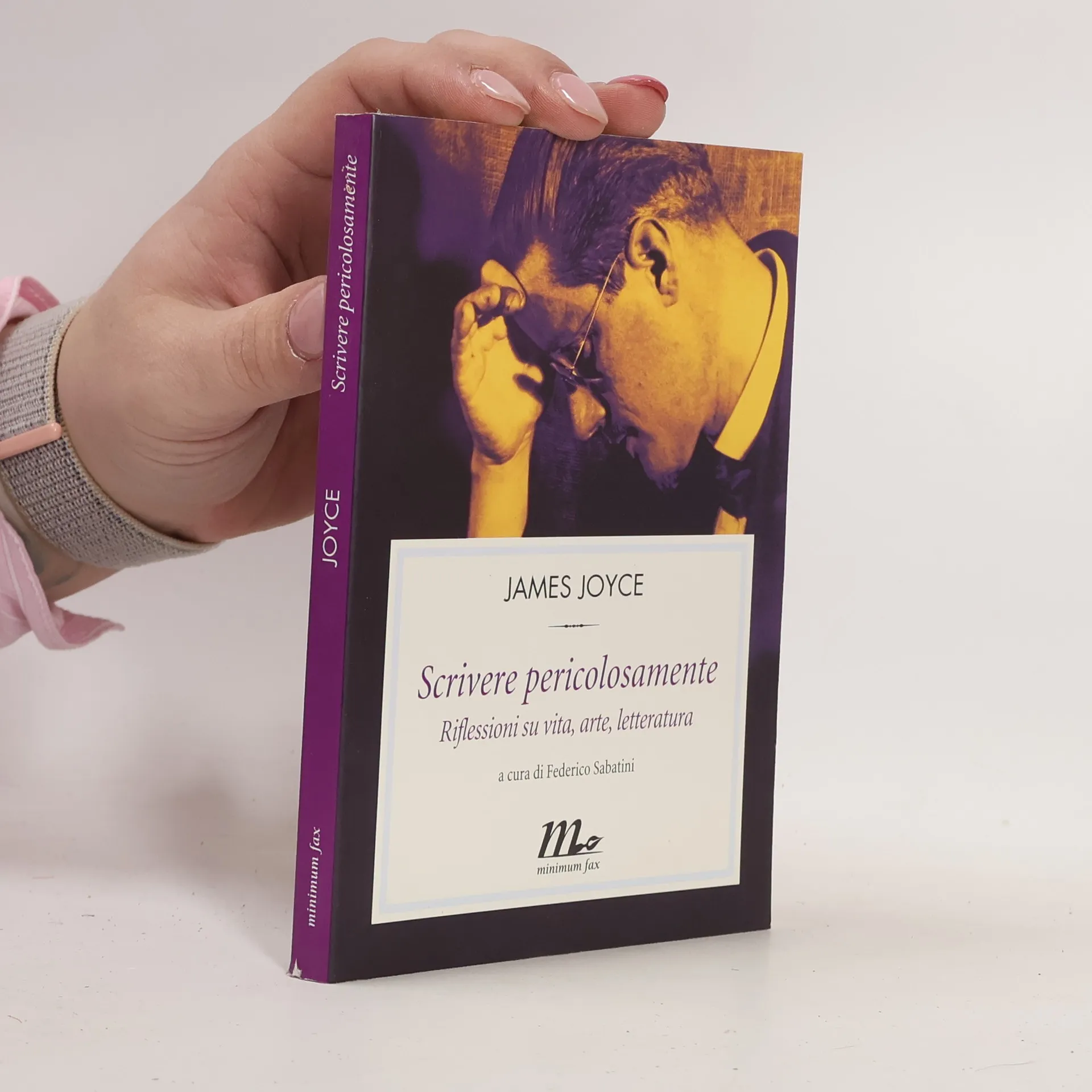
Nel 2011 ricorre il settantesimo anniversario della morte di James Joyce, ma per i lettori e gli scrittori di tutto il mondo l’autore dell’ Ulisse e di Gente di Dublino è più vivo che mai, come dimostra il successo del Bloomsday, la commemorazione che, da più di mezzo secolo a questa parte, il 16 giugno di ogni anno vede svolgersi eventi in suo onore in centinaia di città. Minimum fax ha scelto a sua volta di rendere omaggio a Joyce con una raccolta di citazioni, per la curatela di Federico Sabatini, che, spaziando dalla narrativa ai saggi alle lettere, offrono per la prima volta una panoramica completa e accessibile del suo pensiero sull’arte di scrivere: riflessioni sul processo creativo, sulle tecniche di narrazione, sul mercato editoriale, sul ruolo dello scrittore, nonché preziose osservazioni critiche sulla propria opera e quella altrui. Molto più agile da consultare rispetto a un manuale accademico, ma altrettanto ricco nei contenuti, Scrivere pericolosamente è un libro adatto al pubblico degli studenti e degli studiosi così come a quello dei semplici appassionati di letteratura e scrittura: ed è il perfetto complemento saggistico alle opere narrative di un grande classico del Novecento.
Contents:Intuición femenina / Isaac Asimov -- Traducción de Lorenzo CortinaProfesor Miseria / Truman Capote -- Traducción de Juan VilloroLa romántica / Patrica Highsmith -- Traducción de Jordi BeltránUna madre / James Joyce -- Traducción de Guillermo CabreraParece tan dulce / Rosa Montero --La ciociara / Alberto Moravia -- Traducción de Ma Esther BenítezSilba para llamar al viento / Rosamunde Pilcher -- Traducción de Margarita CavándoliPigmalión / Manuel Vázquez Montalbán --La imagen móvil / Edith Wharton -- Traducción de Rosa S. de NaveiraEl vestido nuevo / Virginia Woolf -- Traducción de Andrés Bosch
Nella vasta e varia produzione dell'autore irlandese più amato - e insieme più odiato - nell'Inghilterra vittoriana, questa vivacissima raccolta di aforismi pubblicata nel 1901, ossia un anno dopo la morte, rappresenta la quintessenza del suo stile di vita, di pensiero e di scrittura. In frasi spesso fulminanti ed efficacissime, infatti, egli sa esprimere le riflessioni e gli affetti più profondi, originali e sentiti. In verità, sotto numerose battute scintillanti e paradossali, solo in apparenza ciniche, grottesche e superficiali, s'intravede una personalità irrequieta, ipercritica e oltremodo insofferente, che in poche righe riesce genialmente a comunicare una visione severa ed amara dell'esistenza, della morale e della società.
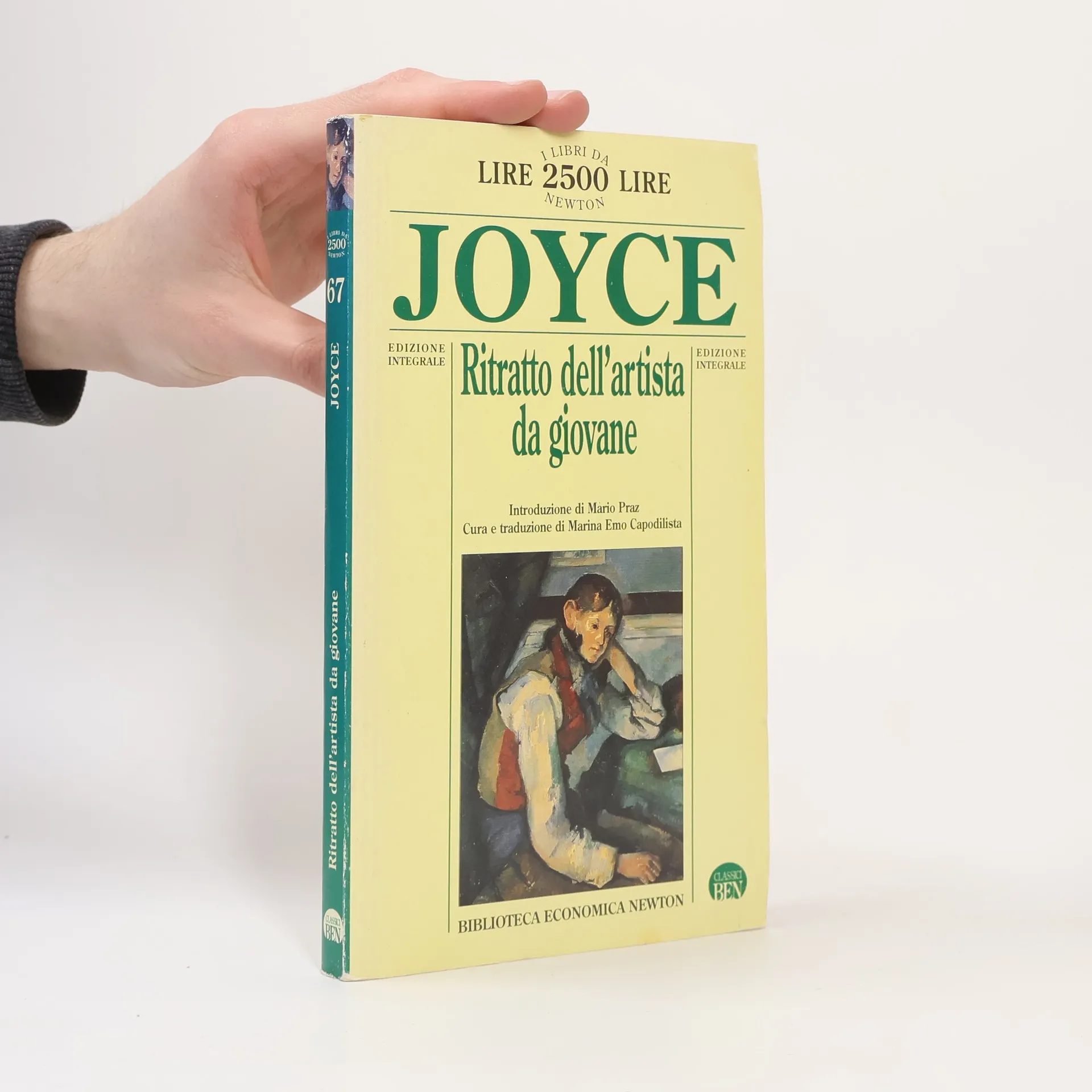
Il Ritratto dell’artista da giovane è la storia di una mente creativa: un’educazione intellettuale, insomma, piuttosto che sentimentale. Attingendo ampiamente alla propria biografia, Joyce racconta, in uno stile mirabile per inventiva e fantasia, la formazione della personalità del giovane protagonista Stephen Dedalus, il suo alter ego, dall’infanzia nel collegio gesuita alla scoperta della vocazione per l’Arte. Sembra proprio che parli Joyce per bocca di Dedalus, quando dice: «Tenterò di esprimere me stesso in qualche modo di vita o di arte, quanto più potrò liberamente e integralmente, adoperando per difendermi le sole armi che mi concedo di usare: il silenzio, l’esilio e l’astuzia ». Un capolavoro della letteratura, dall’autore dell’Ulisse.
„Giacomo Joyce“ von James Joyce (1882–1941) ist ein einzigartiges literarisches Werk, das erstmals 1968 veröffentlicht wurde. Der Text, der in Form eines Schulheftes vorliegt, trägt keinen Titel und keinen Namen des Autors; der Titel „Giacomo Joyce“ wurde von einer fremden Hand hinzugefügt. Laut Richard Ellmann, der das Manuskript für die Veröffentlichung vorbereitete, entstand der vollständige Text wahrscheinlich im Sommer 1914 in Triest, wo Joyce von 1904 bis 1915 lebte und Englischunterricht gab. Die Übersetzerin beschreibt das Werk als eine poetische Erzählung über die Beziehung eines Lehrers zu einer jungen jüdischen Schülerin, die Ähnlichkeiten mit Kierkegaards „Tagebuch des Verführers“ aufweist. Joyce schafft es, in diesem Werk die Komplexität menschlicher Beziehungen und die Herausforderungen der Kommunikation zwischen verschiedenen Kulturen und Identitäten zu erfassen.
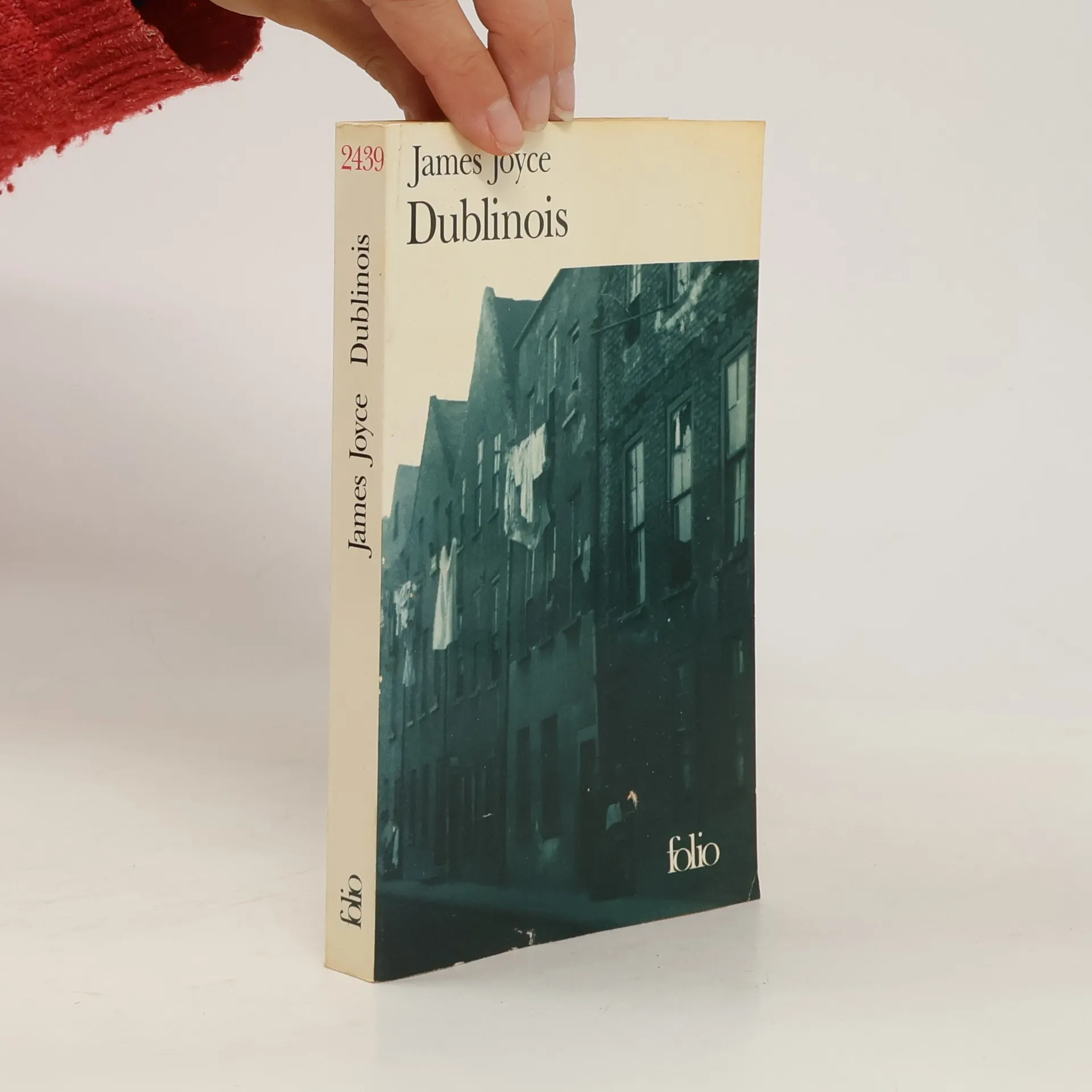
Après la publication en 1907 de poésies de jeunesse, James Joyce publie en 1914 un recueil de nouvelles commencé dès 1902. Il s'agit de Dublinois. Quelle surprise pour les lecteurs de découvrir ces quinze nouvelles, si sages, si classiques, si claires. Dans ce livre, Joyce décrit, avec un sens profond de l'observation, les mœurs de la bourgeoisie irlandaise, l'atmosphère trouble et le destin tragique de la société de l'époque. Les thèmes favoris de Joyce, l'enfance, l'adolescence, la maturité, la vie publique sont ici incarnés par divers types d'habitants de Dublin, «ce cher et malpropre Dublin» que Joyce aimait tant. --back cover