

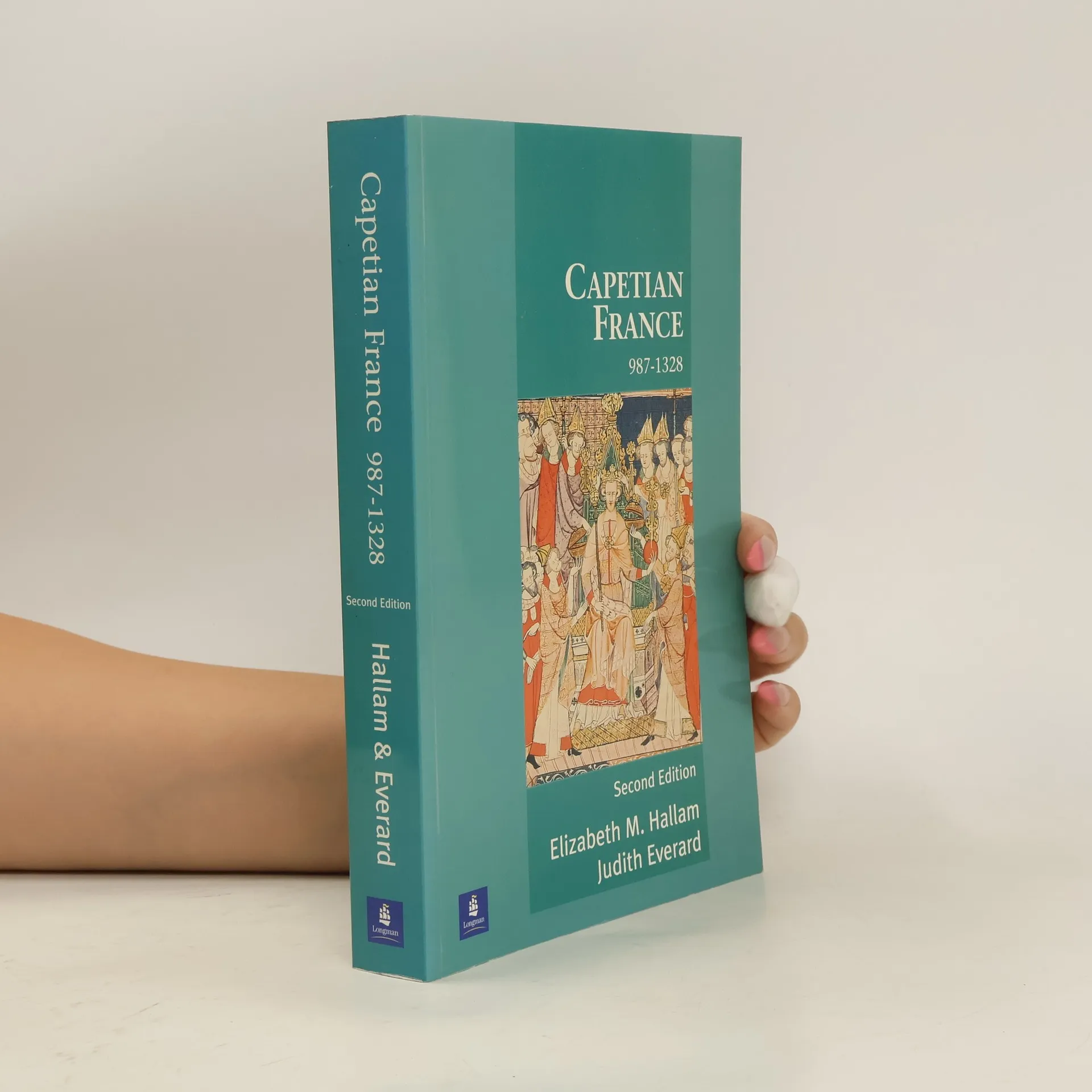
In 987, when Hugh Capet took the throne of France, founding a dynasty which was to rule for over 300 years, his kingdom was weak and insignificant. But by 1100, the kingdom of France was beginning to dominate the cultural nd religious life of western Europe. In the centuries that followed, to scholars and to poets, to reforming churchmen and monks, to crusaders and the designers of churches, France was the hub of the universe. La douce France drew people like a magnet even though its kings were, until about 1200, comparatively insignificant figures. Then, thanks to the conquests and reforms of King Philip Augustus, France became a dominant force in political and economic terms as well, producing a saint-king, Louis IX, and in Philip IV, a ruler so powerful that he could dictate to popes and emperors. Spanning France's development across four centuries, Capetian France is a definitive book. This second edition has been carefully revised to take account of the very latest work, without losing the original book's popular balance between a compelling narrative and an fascinating examination of the period's main themes.
Elizabeth Hallam Volgorde van de boeken (chronologisch)

Magical Love Romance Series: Alura's Wish
- 288bladzijden
- 11 uur lezen
Bound by her father's wishes and her honor, Alura accepts an exotic and magical bracelet from Sir Connor Warrick, a ferocious warrior and heir to a great fortune. Original.
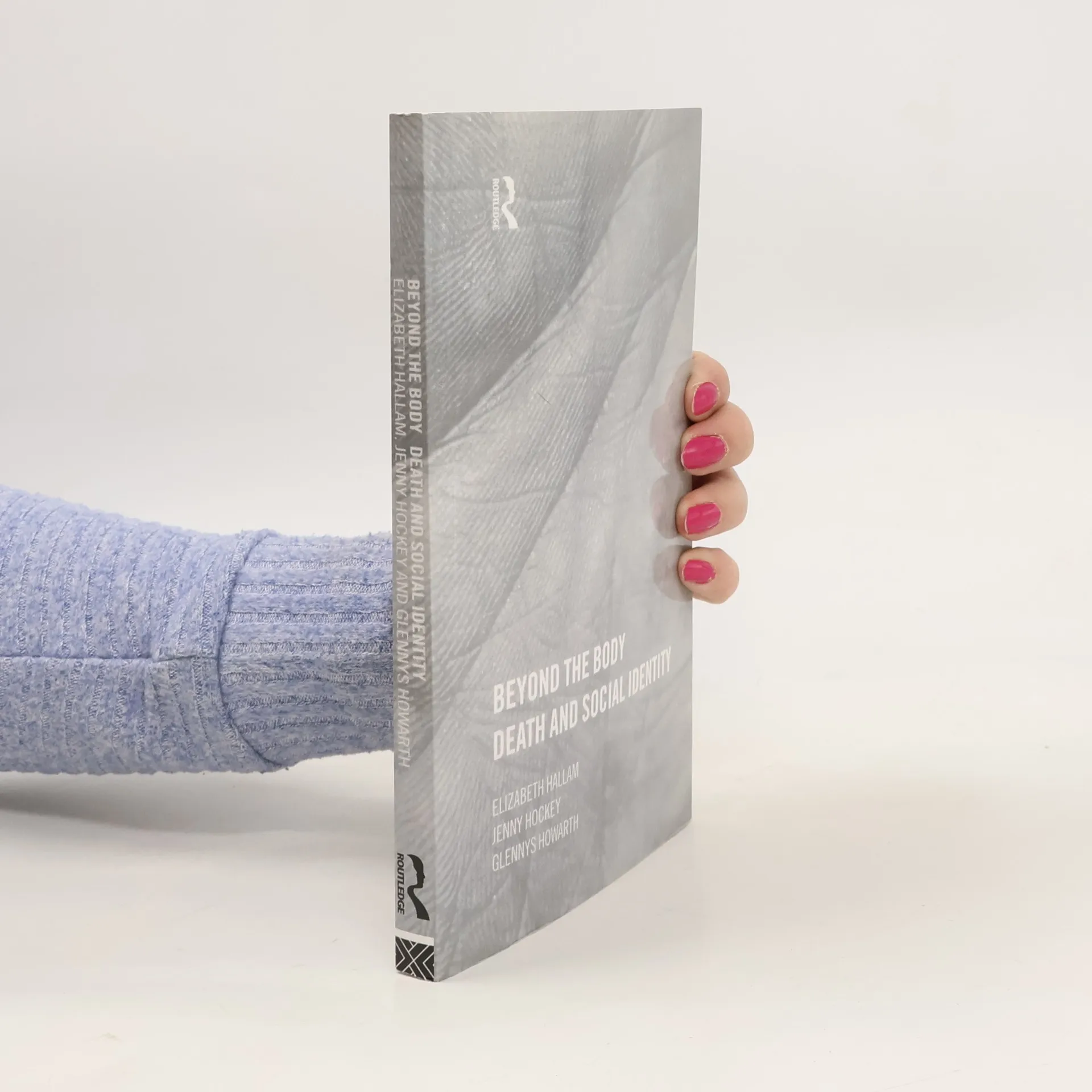
Beyond the body. Death and social identity
- 256bladzijden
- 9 uur lezen
This text provides an approach to death, dying and bereavement, and the sociology of the body. The authors challenge existing theories that put the body at the centre of identity. They go beyond the body to highlight the persistence of self-identity even when the body itself has been disposed of or is missing. Chapters draw together a wide range of empirical data, including cross-cultural case studies and fieldwork to examine both the management of the corpse and the construction of the soul or spirit by focusing on the work of: undertakers; embalmers; coroners; clergy; clairvoyants; exorcists; and bereavement counsellors.
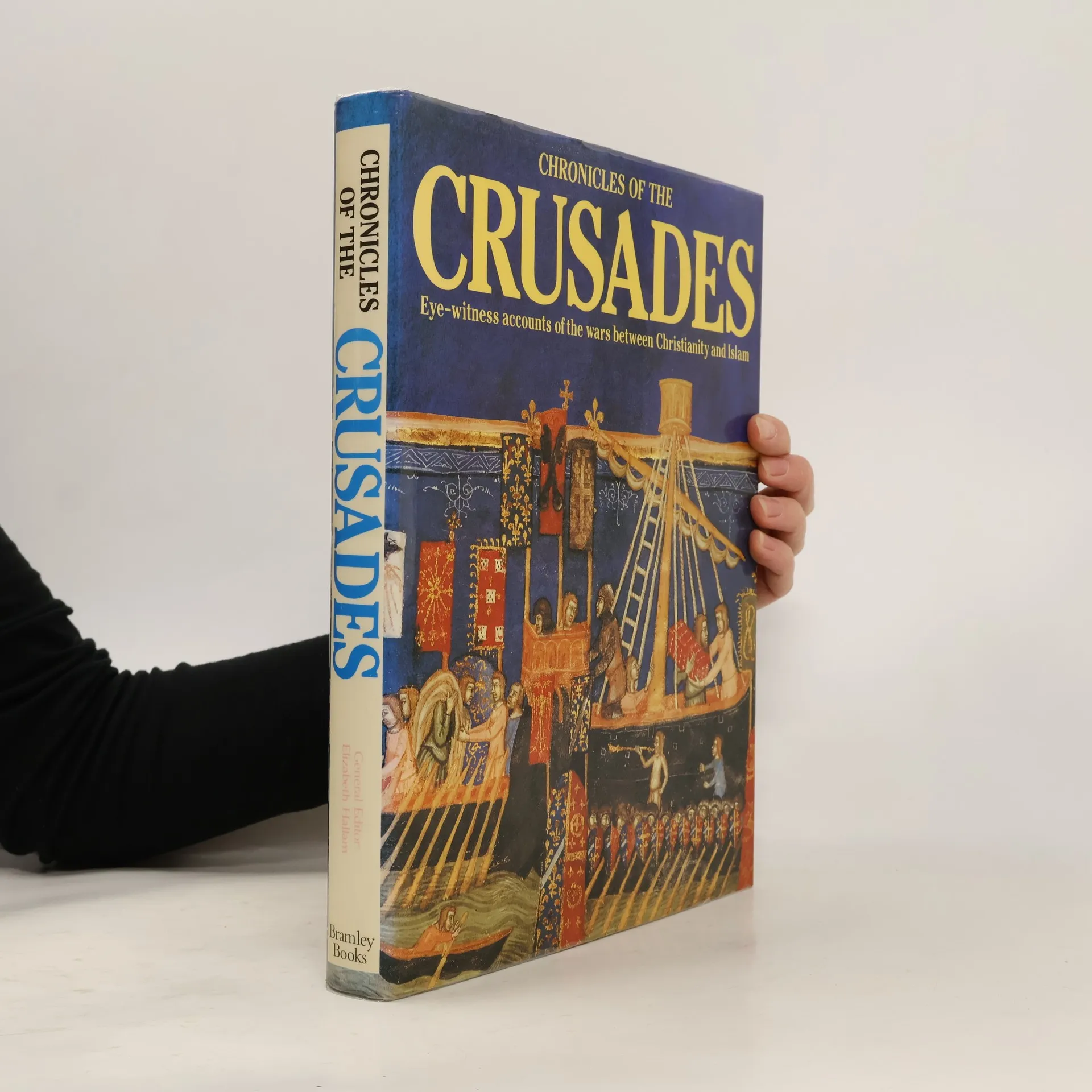
Chronicles of the Crusades
Eye-Witness Accounts of the Wars Between Christianity and Islam
- 400bladzijden
- 14 uur lezen
A history of the Crusades from both sides of the war, from the 11th century to the 16th century, focusing on the eyewitness accounts of those who took part. Illustrations.