

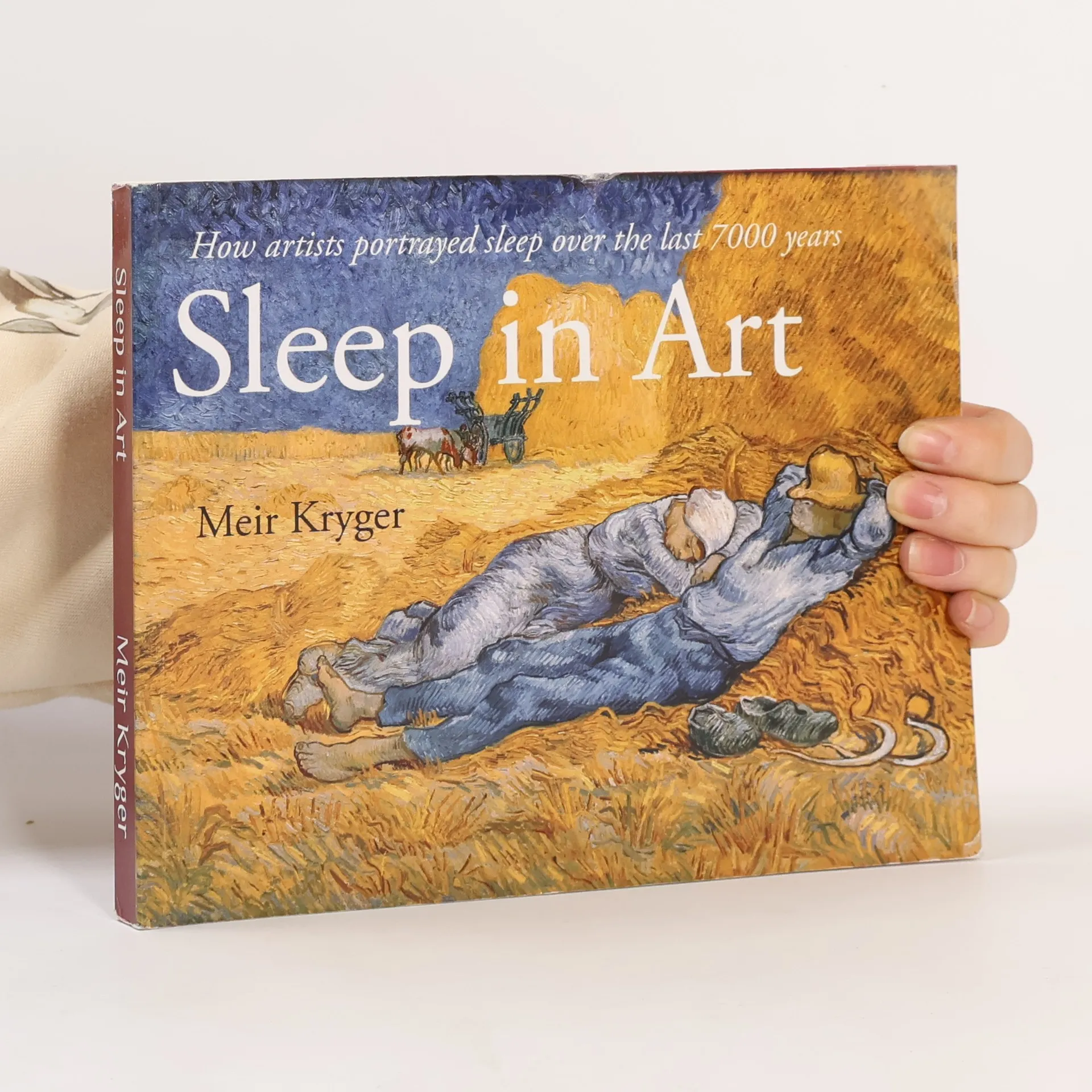
This book combines two of my favorite things - art and sleep. Together, with gorgeous images, we also learn why artists from Rubens to Picasso to Matisse to Hockney painted people sleeping in their dreams. And along the way, we also dive deep into the mysteries and science of sleep. This is a transporting journey into the creation of images of something we all cherish: SLEEP. - Arianna Huffington, author of Sleep Revolution. **** A dazzling visual record of our view of our nocturnal lives through the ages. - Professor Guy Leschnizer, author of The Nocturnal Brain. **** Sleep which takes up so much of our lives has a deep, fascinating, and relatively unexplored history in art. Art history is important as it relates to every part of human history. Sleep has significance for virtually every culture in every era of history. This book is an intersection between art and science. It contains over 300 full-color images by some of the world's greatest artists. Sleep is deeply personal. Like good art, the topic hits people at the core. The reader will enjoy relating it to sleep science and the history of sleep science as well. Sleep can be emblematic of health, rest, sex, spirituality, sloth, dreams, the subconscious, the private, and the public.
Meir H. Kryger Volgorde van de boeken (chronologisch)

This comprehensive guide to sleep medicine is now available as an e-dition and has been thoroughly revised to reflect the latest scientific and clinical advances. Drs. Kryger, Roth, and Dement, along with over 170 international experts, present the most recent data, management guidelines, and treatments for a wide range of sleep issues. Covering various specialties such as pulmonary, neurology, psychiatry, cardiology, internal medicine, otolaryngology, and primary care, this resource offers a compelling and scientifically accurate overview of sleep medicine. It includes user-friendly synopses of essential background information preceding each basic science chapter. Key topics covered include narcolepsy, movement disorders, breathing disorders, gastrointestinal issues, neurological conditions, psychiatric disturbances, and substance abuse. Additionally, it addresses contemporary issues like genetic mechanisms of circadian rhythms, obesity's impact on sleep apnea, and the relationship between sleep apnea and arterial hypertension. New sections focus on Cardiovascular Disorders, linking sleep breathing disorders to cardiovascular issues, and Women's Health, detailing hormonal effects on sleep during pregnancy and menopause. The guide features contributions from four new section editors and employs a consistent chapter organization for improved readability and navigation.