
Bookbot

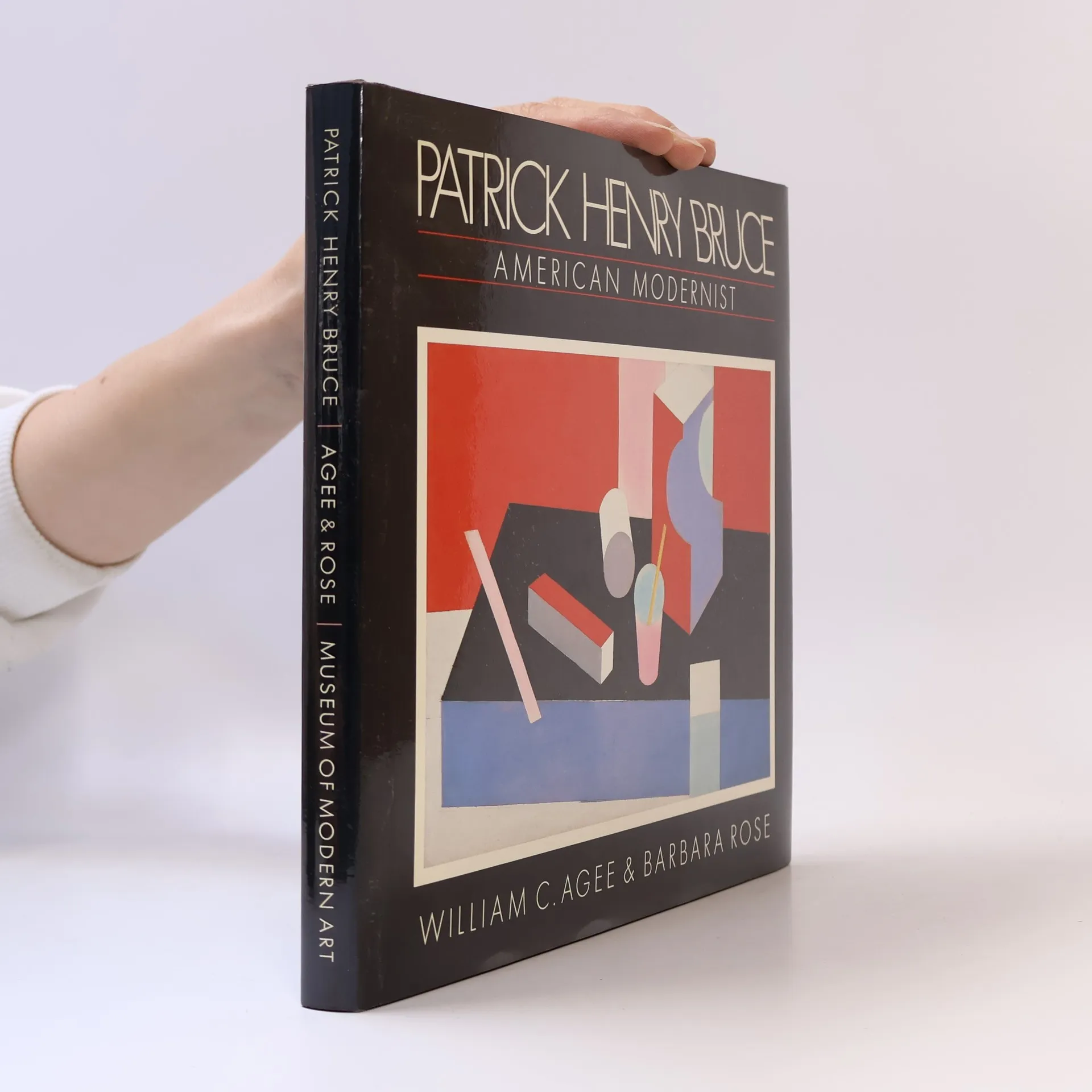
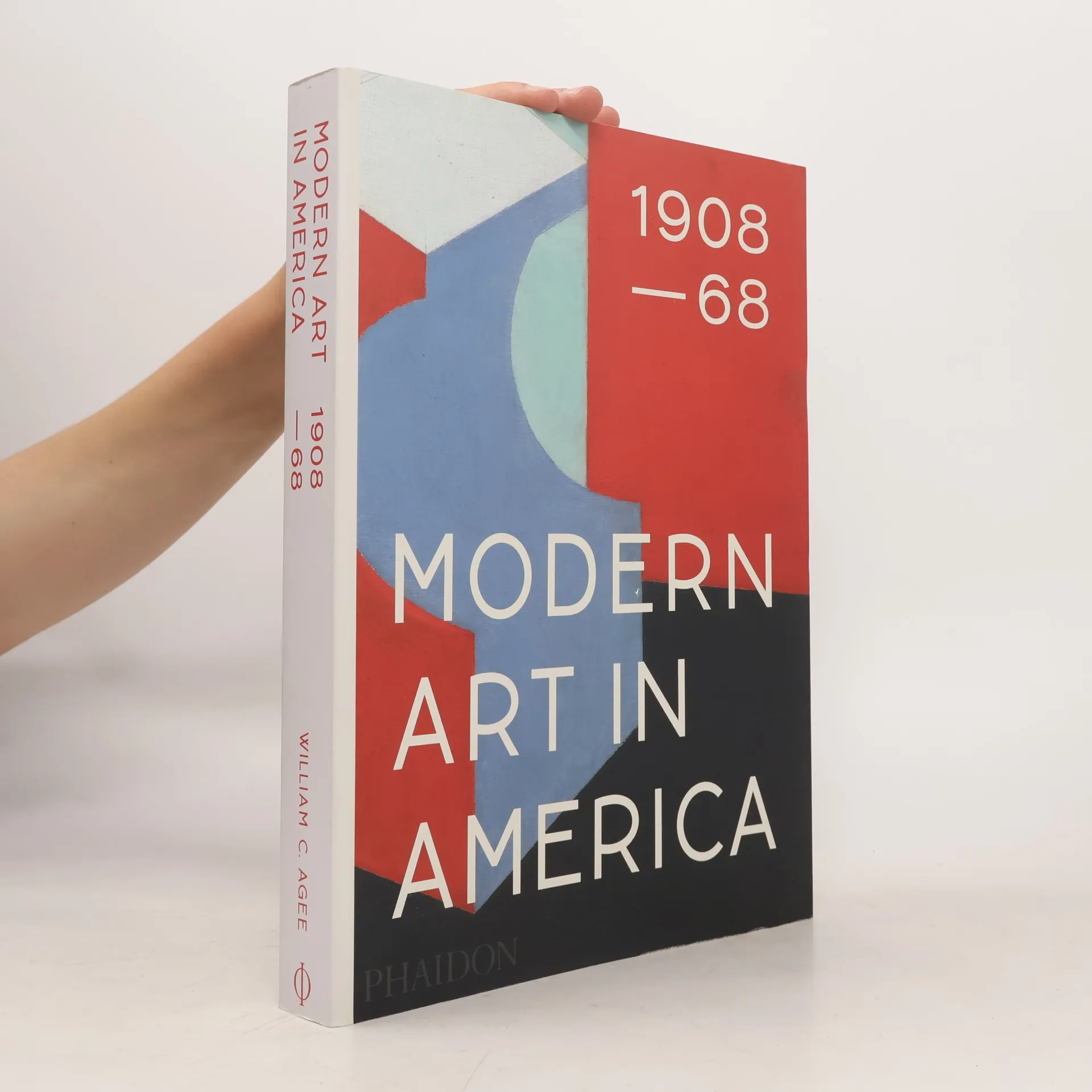
William C. Agee

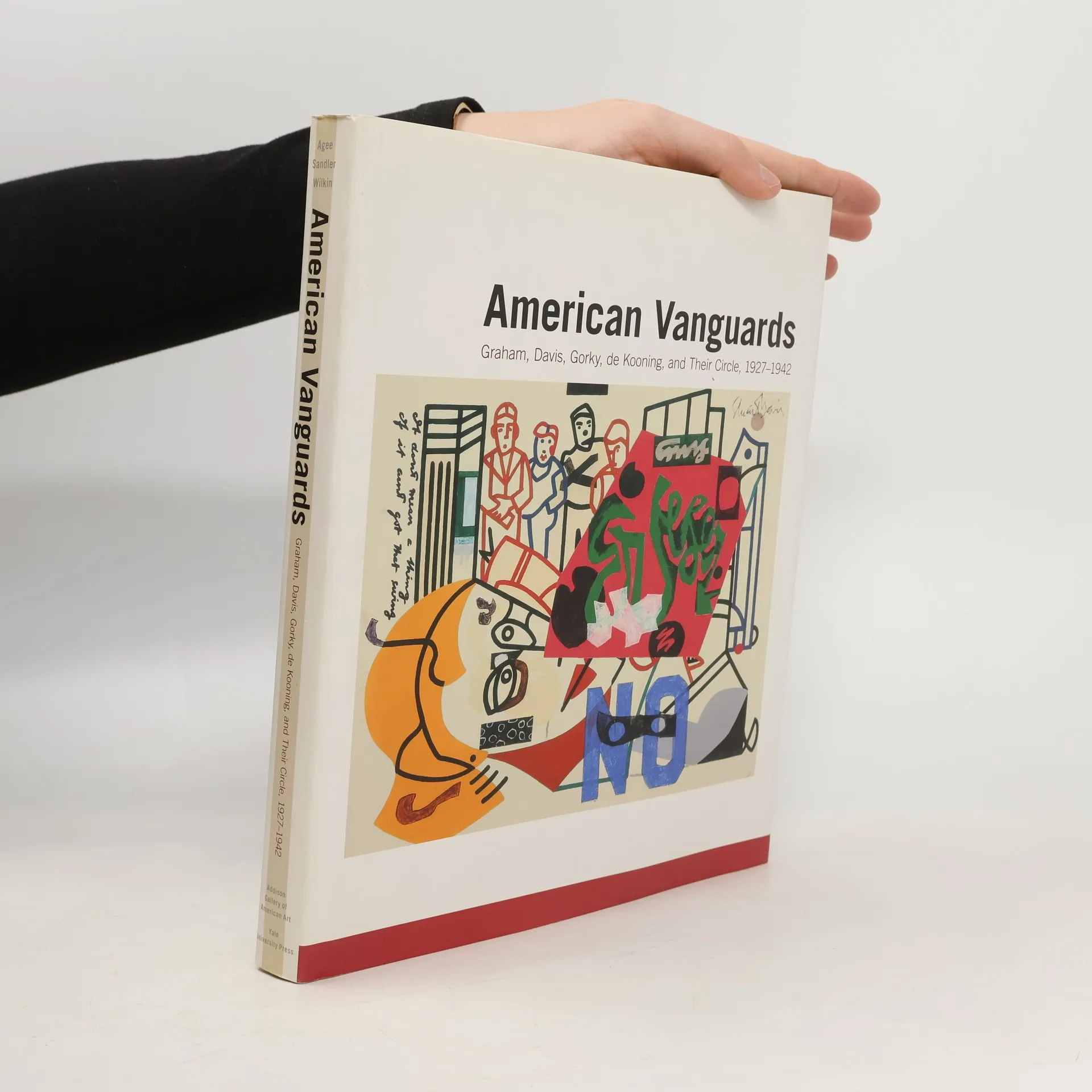
    American Vanguards
    Coming of Age
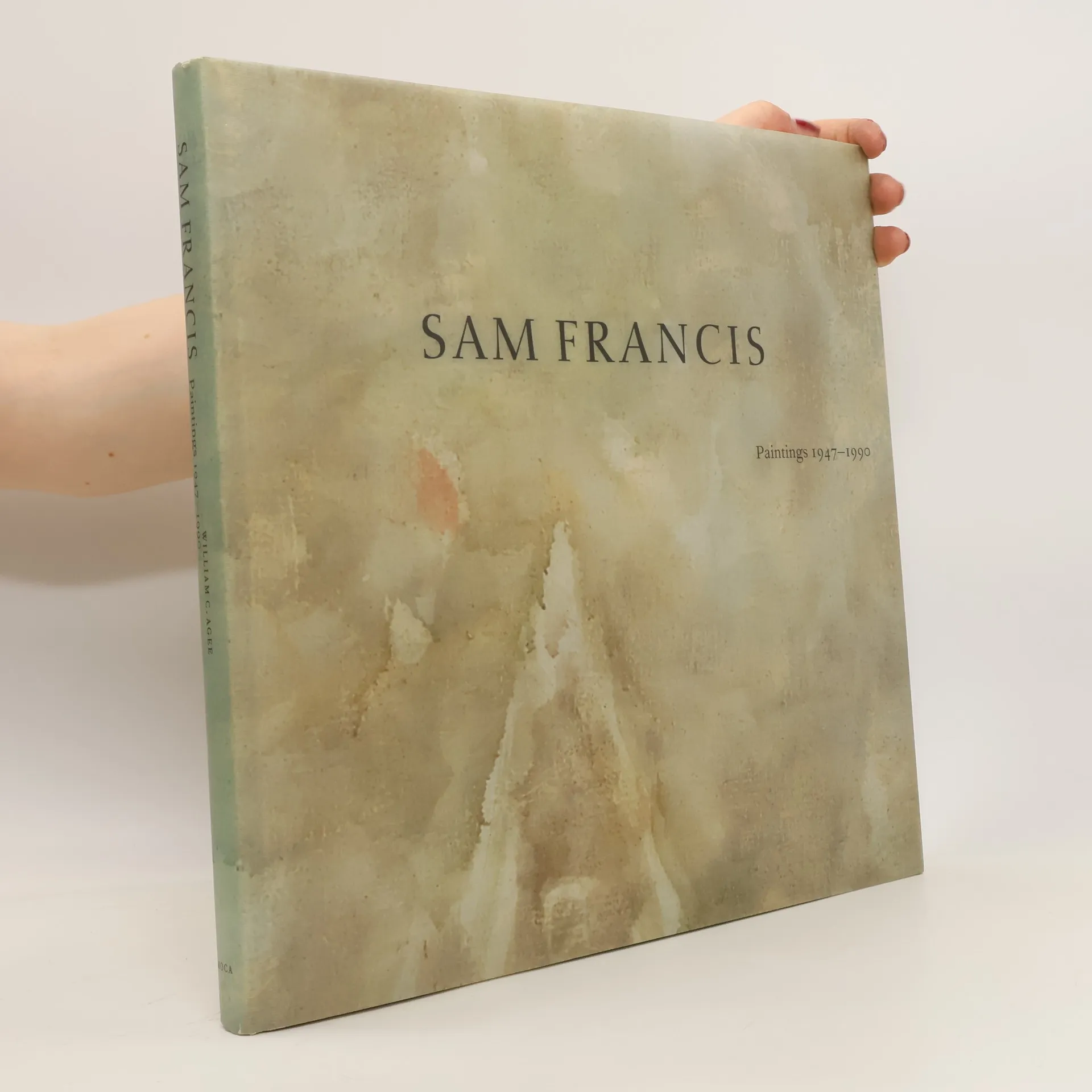
    Sam Francis
    • Sam Francis

      Paintings 1947-1990

      • 164bladzijden
      • 6 uur lezen

      A long overdue monograph on the paintings of internationally acclaimed abstract expressionist Sam Francis. Five years after the artist's death comes this critical and in-depth look by art historian William Agee centering on Francis's vision as painted on canvas and paper and bringing to light many works that have never before been reproduced. Agee brings into focus the achievements of this important American painter. A stunningly designed and produced publication and a must for followers of this great artist. 12 x 12 inches, 86 color plates, 50 color and b&w reproductions.

      Sam Francis
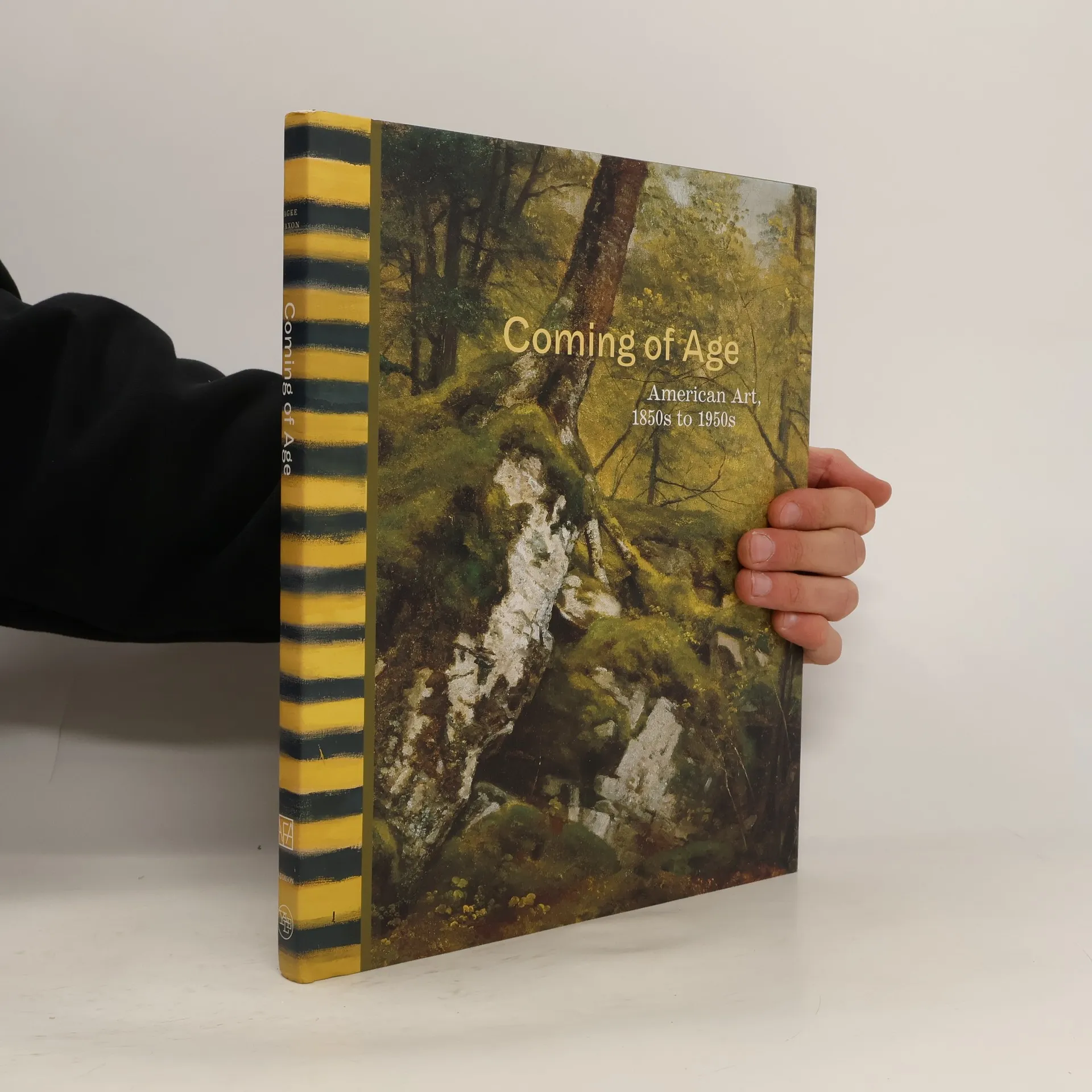
    • Coming of Age

      American Art, 1850s to 1950s

      • 136bladzijden
      • 5 uur lezen

      <b>A sumptuous catalogue that traces the evolution of a uniquely American aesthetic identity</b> From the 1850s to the 1950s, American art and culture progressed from provincial status to international prominence, and American art transitioned from figurative depictions of the particular to abstract interpretations of universal ideals. This beautiful book chronicles this complex century of maturation through a selection of paintings from the extraordinary collection of the Addison Gallery of American Art. <i>Coming of Age</i> begins with Albert Bierstadt, Frederic Church, and the Hudson River School landscapes that embody the new nationalism of mid-nineteenth-century America. Their successors, Luminists like Jasper Cropsey and Fitz H. Lane, infused their immediate surroundings with glowing light and crystalline clarity, while contemporary Barbizon-influenced tonalists, such as George Inness, sought to capture the American ethos through an emotional, atmospheric landscape language. In the later 19th century, Winslow Homer, Thomas Eakins, and Eastman Johnson depicted native subjects through the lens of realism. Childe Hassam and Maurice Prendergast brought Impressionist aesthetics to America, while expatriates including John Singer Sargent and James McNeil Whistler established themselves in European art capitals. In New York, turn-of-the-century Ashcan school painters captured the gritty cityscape that would later host champions of modernism Alfred Stieglitz, Man Ray, and Marsden Hartley. In the 1930s, European-trained artist Josef Albers introduced a generation of American painters to new theories of color and space from which emerged the breakthrough Abstract Expressionists. By the 1950s, American art had come of age, as Americans securely held the vanguard position in the international art world.

      Coming of Age
    • American Vanguards

      Graham, Davis, Gorky, de Kooning, and Their Circle, 1927-1942

      • 256bladzijden
      • 9 uur lezen

      A new examination of the art and influence of artist John Graham and his circle, whose works and ideas contributed to the advancement of American modernism in the interwar periodThe enigmatic and charismatic John Graham (1886–1961) was an important influence on his fellow New York artists in the 1920s through 1940s. Graham and his circle, which included Stuart Davis, Arshile Gorky, and Willem de Kooning, helped redefine ideas of what painting and sculpture could be. They, along with others in Graham's orbit, such as Jackson Pollock and David Smith, played a critical role in developing and defining American modernism. American Vanguards showcases about eighty-seven works of art from this vital period that demonstrate the interconnections, common sources, and shared stimuli among the members of Graham's circle. Three essays by notable scholars investigate the complex relationships among Graham and his New York artist-colleagues during this formative period. William C. Agee positions Graham and his circle within the movement of New Classicism, which drew upon classical and Renaissance examples in an attempt to overcome the devastation of World War I. Irving Sandler focuses on the social, political, and intellectual dynamics among Davis, Gorky, Graham, and de Kooning in the mid-1930s. Karen Wilkin discusses the circumstances that brought these artists together, their common commitment to modernism, and the fascinating artistic cross-fertilization evident in their work. This critical reconsideration sheds new light on the New York School, Abstract Expressionism, and the vitality of American modernism between the two world wars.Published in association with the Addison Gallery of American ArtExhibition Neuberger Museum of Art, Purchase, NY(01/29/12-04/28/12) Amon Carter Museum, Fort Worth, TX(06/09/12-08/19/12) Addison Gallery of American Art, Andover, MA(9/21/12–12/31/12) San Jose Museum of Art, San Jose, CA(02/01/13-06/02/13)

      American Vanguards