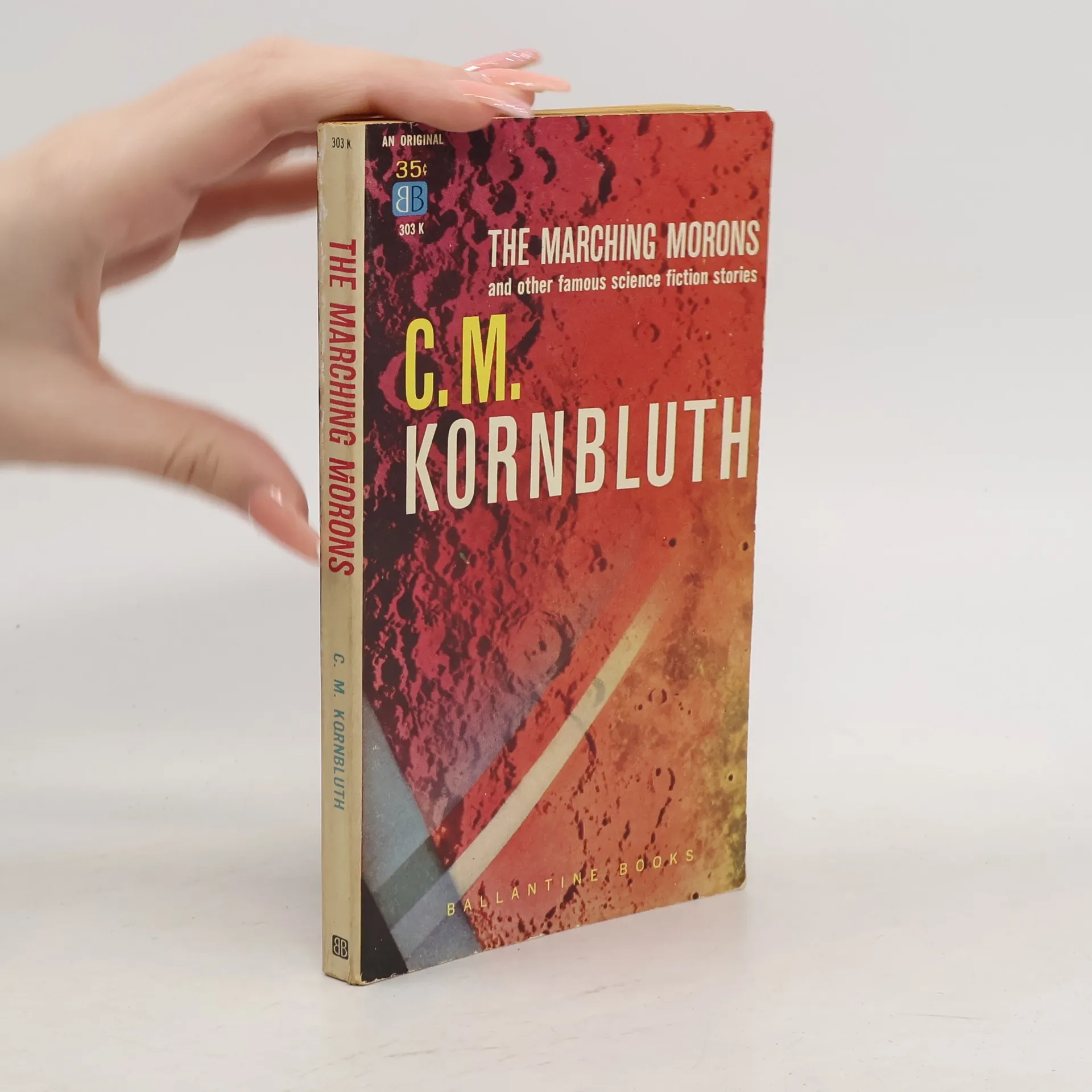
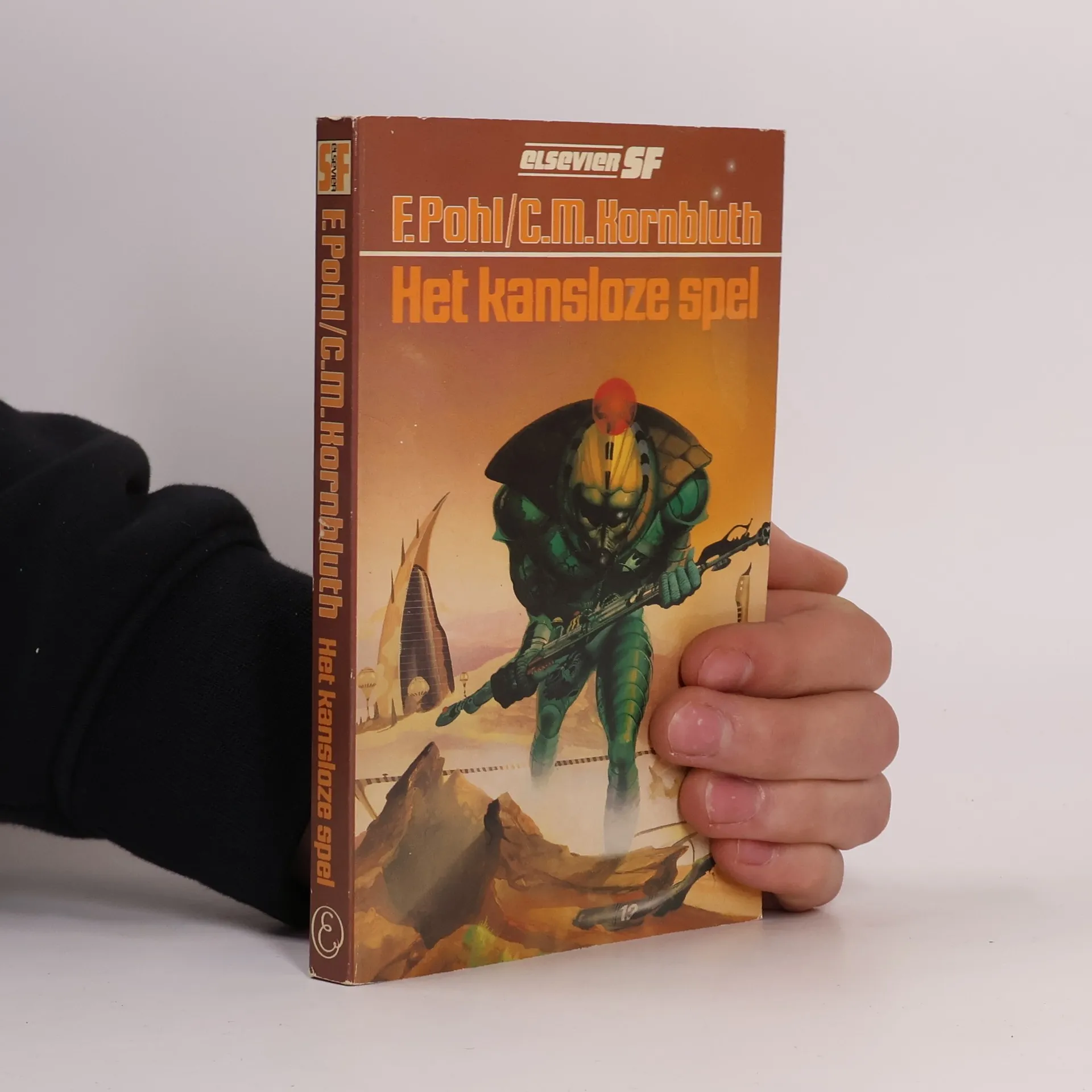
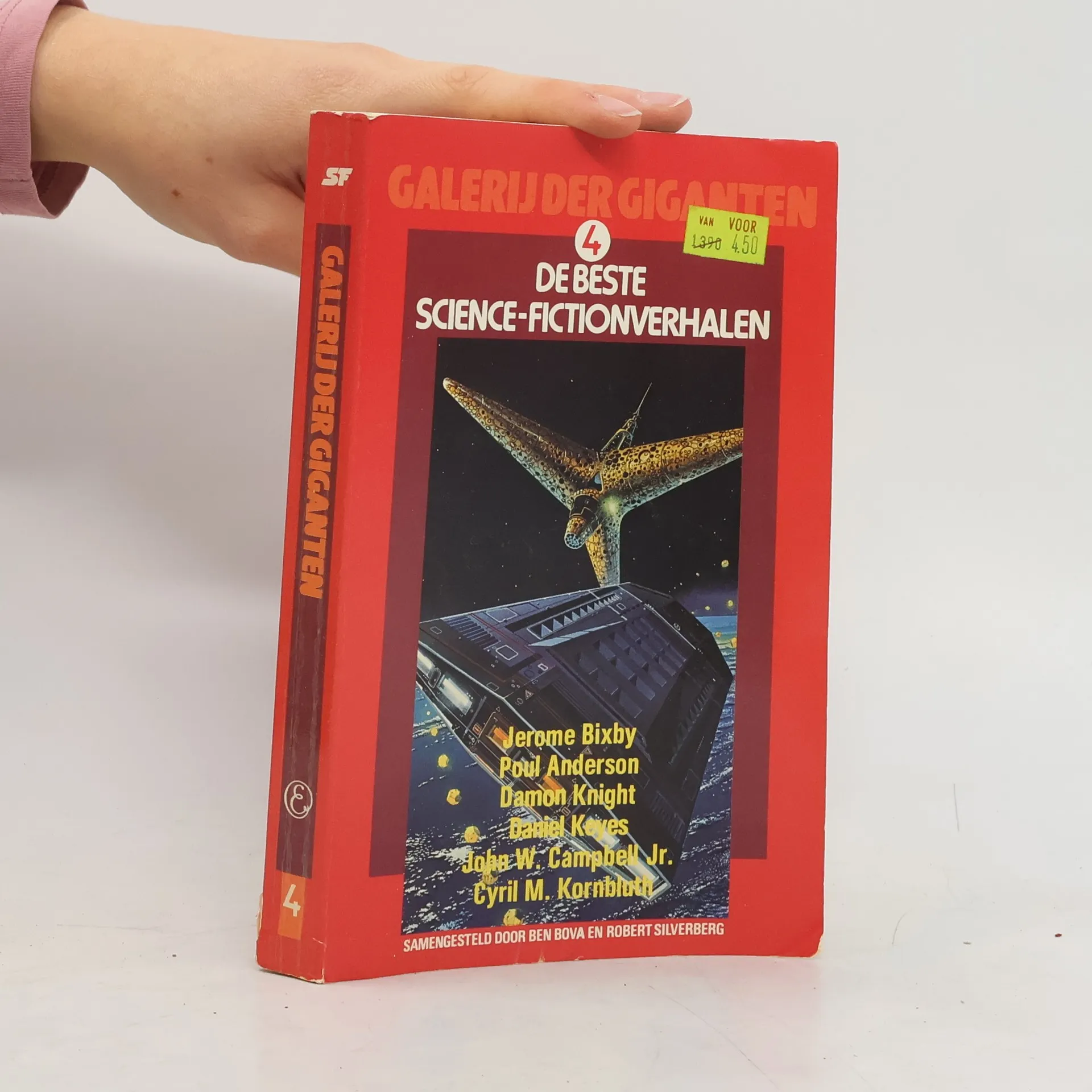
6 verhalen van beroemde SF/Fantasy-schrijvers:Jerome Bixby: Het leven is goed (It's a good life, 1953)Poul Anderson: Zeg maar Joe (Call me Joe, 1957)Damon Knight: In het land der milden (The country of the kind, 1955)Daniel Keyes: Bloemen voor Algernon (Flowers for Algernon, 1959)Don A. Stuart: Wie is dat? (Who goes there?, 1938)Cyril M. Kornbluth: De zwakzinnigen trekken voorbij (The marching morons, 1951)
C. M. Kornbluth Boeken
23 juli 1923 – 21 maart 1958
Cyril M. Kornbluth was een invloedrijke stem in de sciencefiction. Als tiener werd hij lid van de Futuristen, een sleutelgroep van fans en schrijvers die het genre vormden, waar hij vriendschappen smeedde met veel cruciale figuren. Zijn werken verkennen vaak maatschappelijke en politieke kwesties met scherpe inzichten en een kenmerkende schrijfstijl. Door samen te werken met andere opmerkelijke auteurs aan verschillende romans, liet hij een onuitwisbare indruk achter op het sciencefictionlandschap.


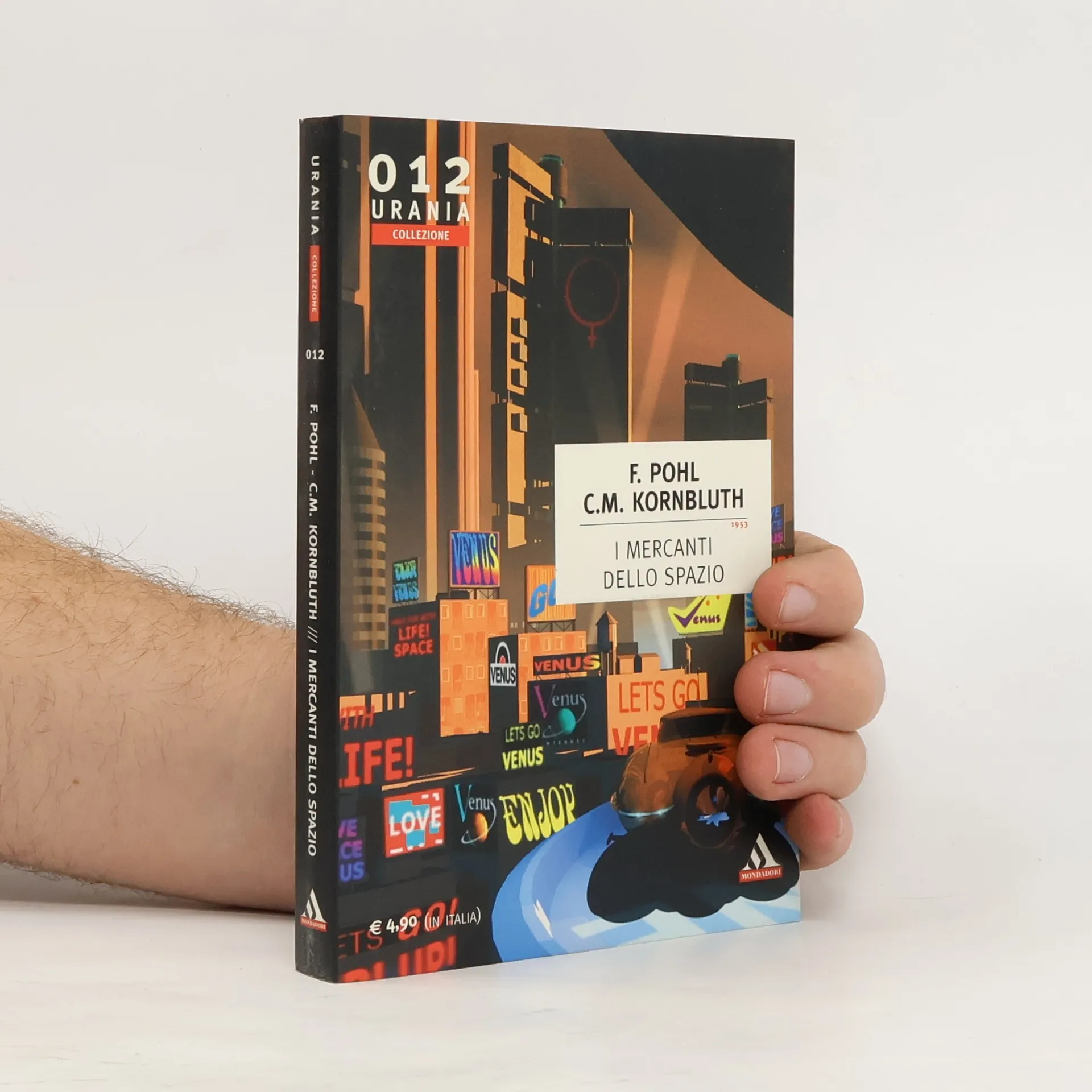
De groothandelaren van de ruimte
- 167bladzijden
- 6 uur lezen
2053. De wereld wordt overheerst door gigantische reclamebureaus die in hun felle onderlinge concurrentiestrijd niet voor wapengeweld terugschrikken. De president van de Verenigde Staten is niet meer dan een marionet, de wereldbevolking vervallen tot de status van aan drugs en reclamekreten verslaafde consumenten. Maar er leeft verzet. Een verbitterde, goedgeorganiseerde ondergrondse beweging ontketent een guerrilla tegen de reclamebaronnen, de groothandelaren van de ruimte, vooral als zij de barre, onleefbare planeet Venus aan de massa willen 'verkopen'. Centraal in deze beklemmende roman staat reclameman Mitchell Courtenay, die tot zijn verbijstering ontdekt dat hij langzaam maar onvermijdelijk inzet en doelwit wordt van een nietsontziende machtsstrijd. Maar als de vlammen van het gevaar steeds hoger oplaaien en hem dreigen in te sluiten, komt hij traag maar doelbewust in actie. En dan... De groothandelaren van de ruimte was het eerste resultaat van de samenwerking tussen de bekende auteurs. F. Pohl en C.M. Kornbluth en tevens het beroemdste. De Engelse SF-specialist Kingsley Amis omschreef de roman als 'een uitdaging'. Het is ongetwijfeld een roman die tot de hoogtepunten van de SF uit de jaren vijftig mag worden gerekend. Eerder verschenen in verkorte versie bij uitgeverij Bom onder de titel De magnaten van de ruimte.
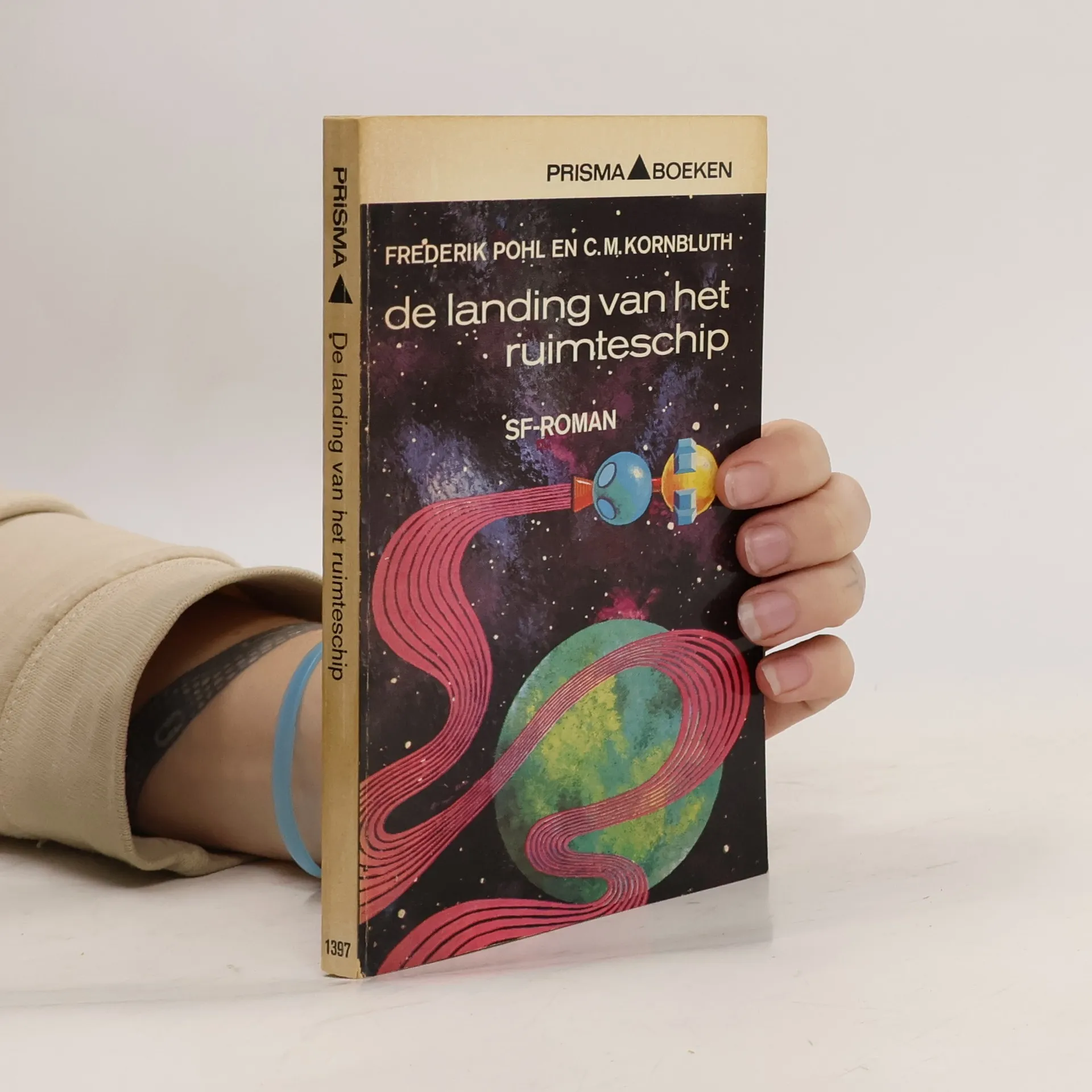
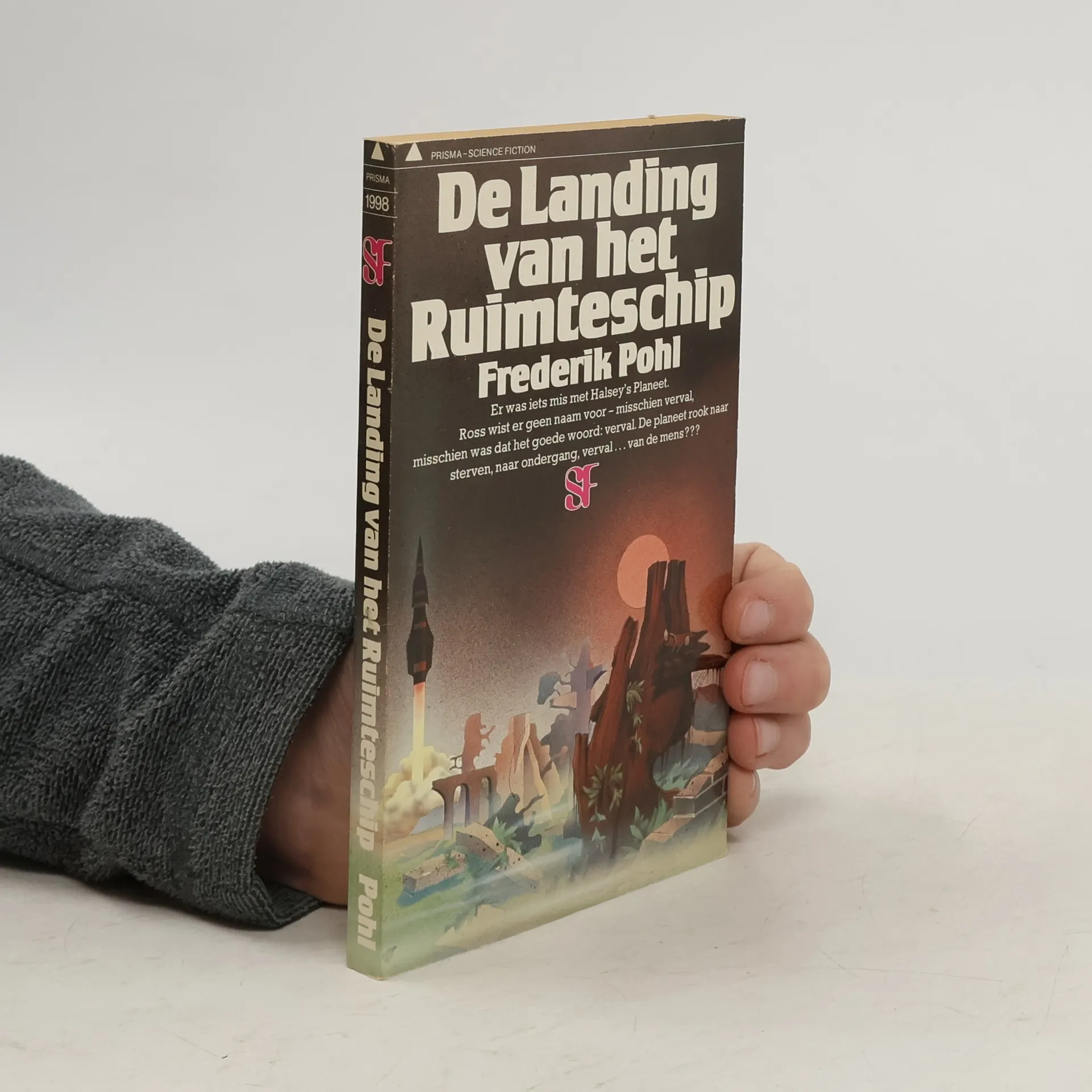
Prisma - Science Fiction: De landing van het ruimteschip
- 189bladzijden
- 7 uur lezen
Er is iets mis met Halsey's Planeet. Ross wist er geen naam voor - misschien verval, misschien was dat het goede woord: verval. De planeet rook naar sterven, naar ondergang, verval... van de mens??? Op Halsey's Planeet landt een ruimteschip, na een reis van honderden jaren, met de giechelende afstammelingen van de oorspronkelijke bemanning aan boord, die zich alleen wat flarden van het verleden kunnen herinneren, en een formule... L-sub-T is gelijk aan... Ross gaat met hun ruimteschip op zoek naar de betekenis van de formule, die misschien de redding van de mensheid kan brengen. Pohl schreef deze satirische science-fictionroman samen met C.M. Kornbluth.
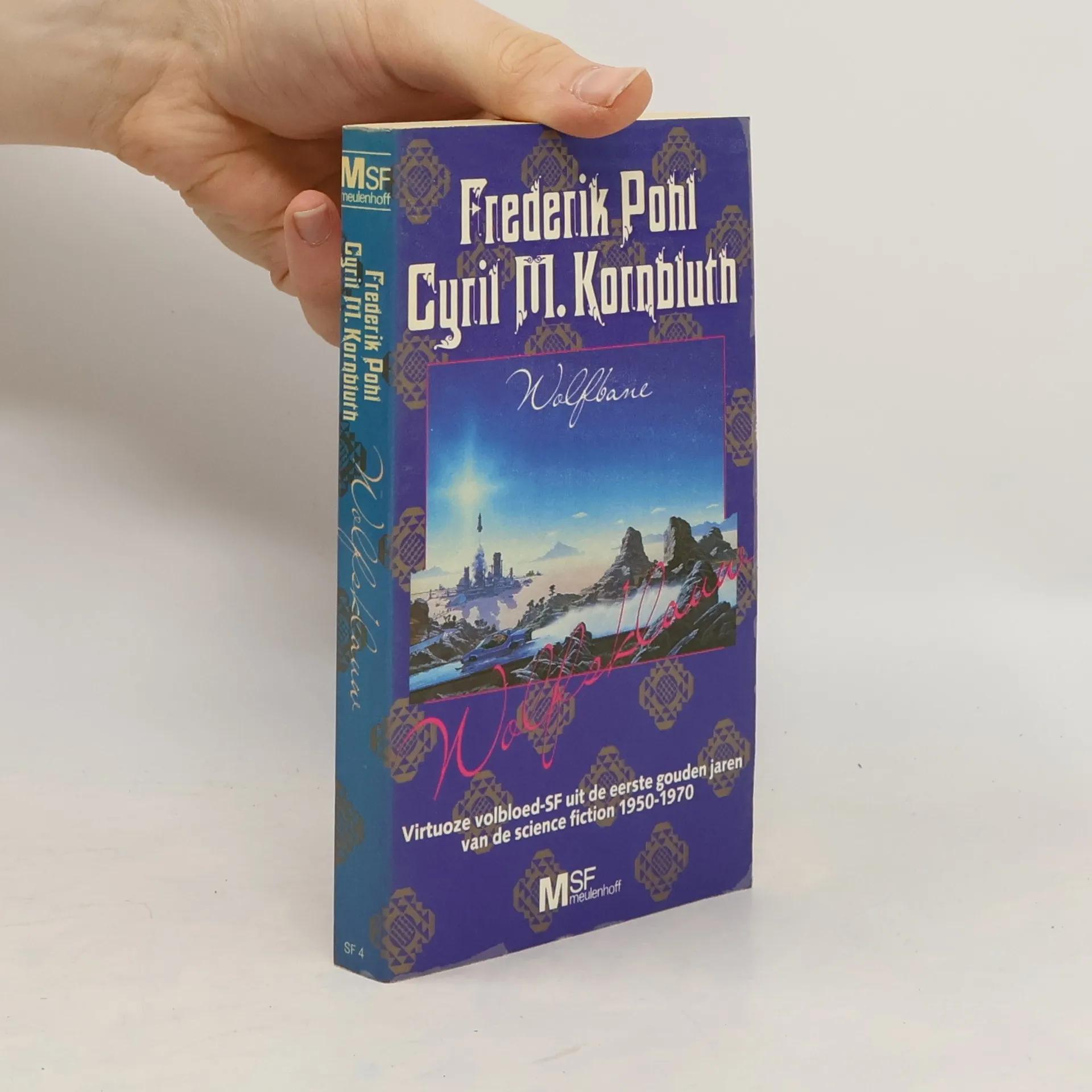
Wolfsklauw
- 191bladzijden
- 7 uur lezen
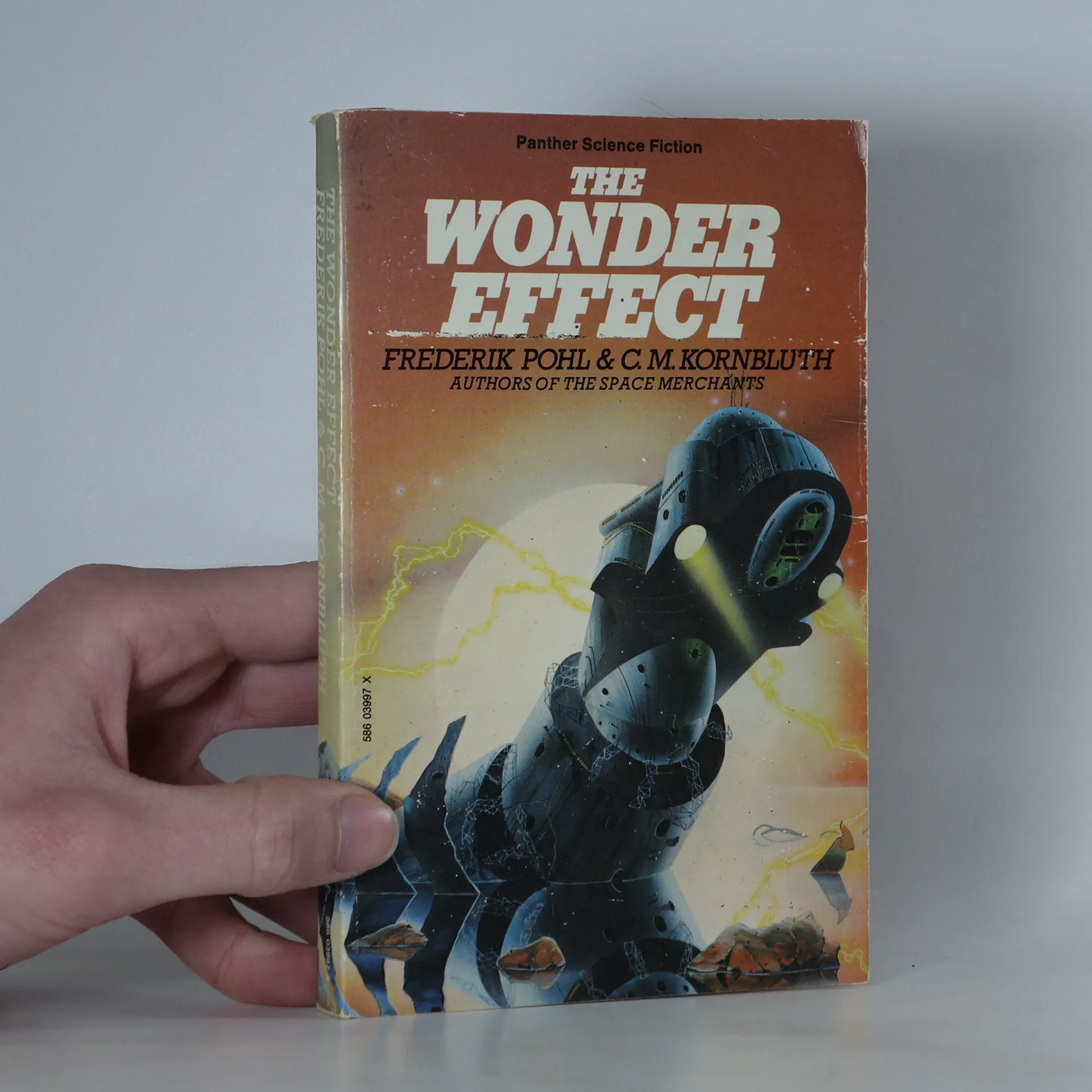
Een kleine kunstzon - die eens de maan was - in een ijskoud glitterende zwarte hemel giet een bleek schijnsel over de aarde, die op drift is in het heelal. De Piramides, onverschillige anderlingen uit de wereldruimte, hebben de aarde uit zijn baan om de zon gerukt en de planeet meegenomen naar de koude duisternis tussen de sterren. De aarde koelt snel af en het levensvuur begint te doven. De zwakke warmte van de brandende maan is net voldoende om te voorkomen dat de mensheid uitsterft. De meeste overlevenden passen zich aan en leiden een bestaan van uiterste zuinigheid. Rond de Piramides, die zich verre van de mensen houden, scheppen zij een cultus die de toorn van de anderlingen moet bezweren. Elk onregelmatig gedrag beschouwt men als verkwistend en dus onzedelijk - en strafbaar met de Schenking van het ruggenmergsvocht. Deze mensen zijn geworden tot de Schapen. Maar er zijn ook anderen, die de oude wereld niet willen vergeten en niet het hoofd in de schoot willen leggen. Zinvol lijken hun activiteiten niet, en ze zijn maar al te verkwistend. Dit zijn de Wolven. Glenn Tropile ontdekt dat hij een Wolf in Schaapsvacht is. Zijn getergde lotgenoten zullen hem zo nodig de Schenking aandoen om de Piramides gunstig te stemmen...
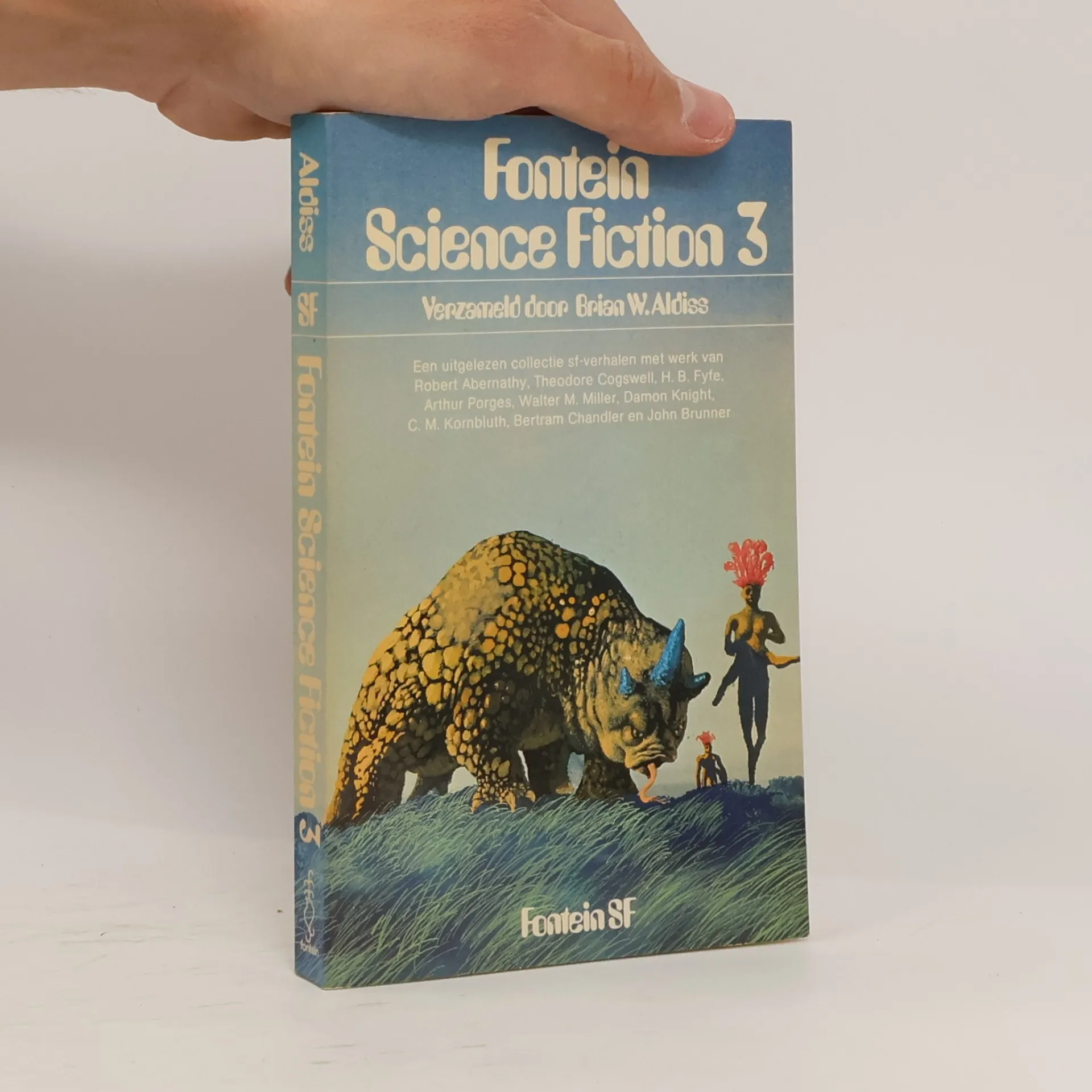
7 verhalen van beroemde SF/Fantasy-schrijvers:Murray Leinster: Eerste contact (First contact, 1945)Cordwainer Smith: Schouwers leven tevergeefs (Scanners live in vain, 1948)Ray Bradbury: Op Mars is de hemel (Mars is heaven, 1948)Cyril M. Kornbluth: Het zwarte dokterskoffertje (The little black bag, 1950)Richard Matheson: Uit man en vrouw geboren (Born of man and woman, 1950)Fritz Leiber: Binnenkort in dit theater (Coming attraction, 1950)Anthone Boucher: Op zoek naar Sint Aquinus (The quest for Saint Aquin, 1951)
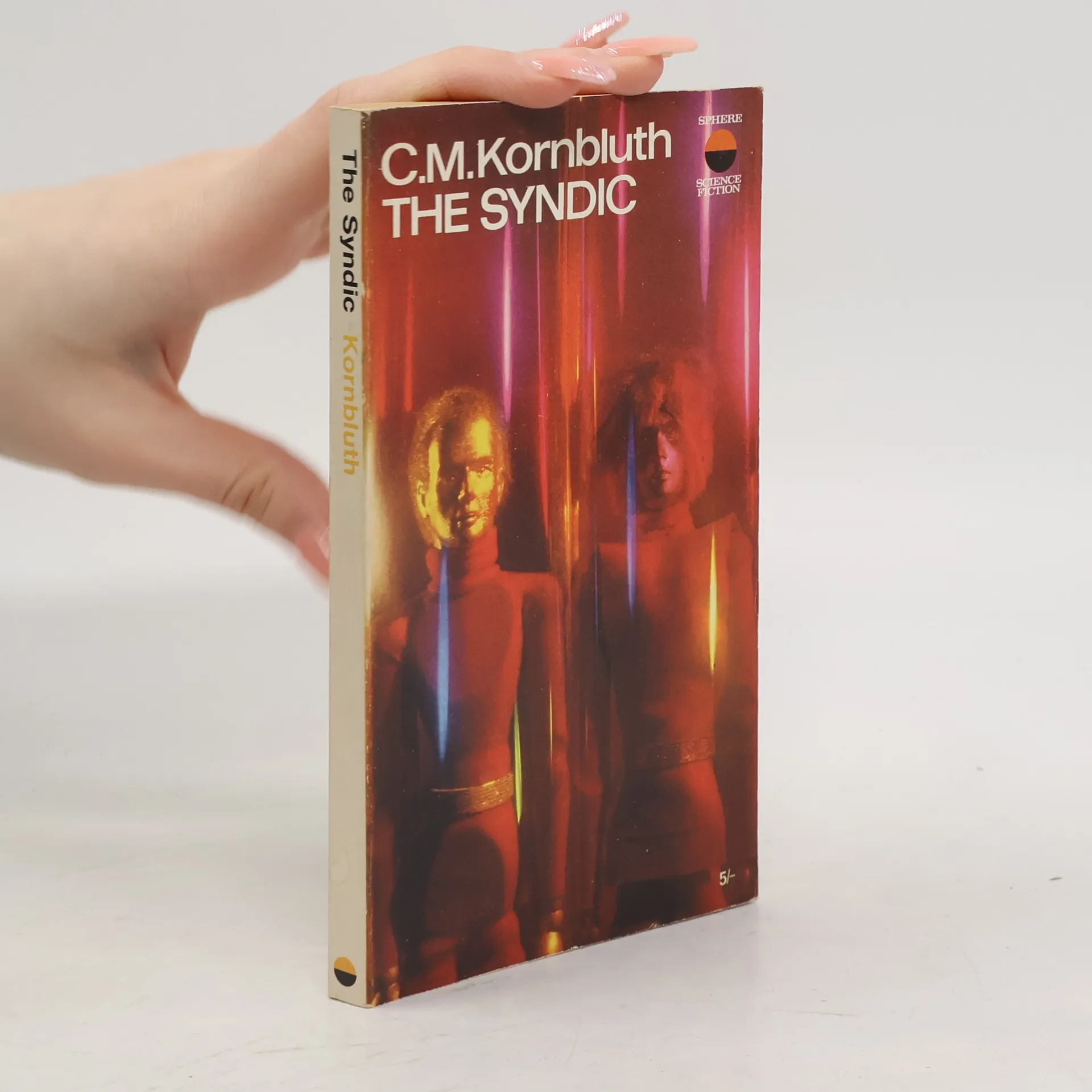
In this golden age sci-fi novel, war has rendered significant portions of Europe either uninhabitable or barbaric. The U.S. Government has failed, to be replaced by organized crime--Syndic is short for Syndicate.
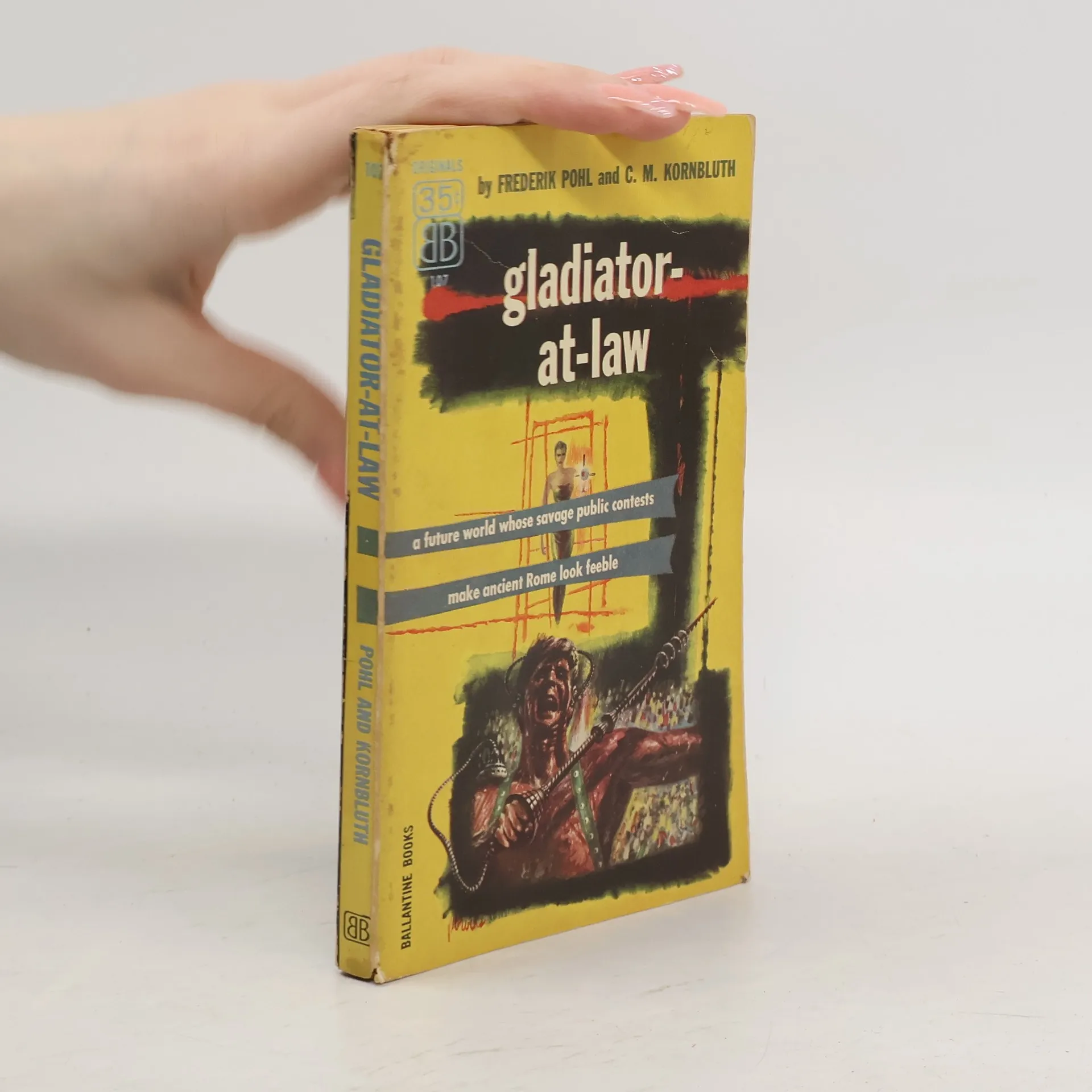
CAUTION! You are about to enter a world... where all engineering ingenuity has been employed for public spectacles of torture and death where the stock market operates with pari-mutuel machines where a court clerk transcribes testimony on punch cards, then feeds it to a jury machine where the dream real-estate development of today has become a cracked-concrete savage jungle In this world, young lawyer Charles Mundin battles a great combine of corporate interests—battles them in board meetings and in dark alleys—in a struggle that lays bare some brutal promises of the future...promises we are beginning to make right now. “...wholly admirable, in both thinking and execution.”—Galaxy “Reminiscent in vigor, bite and acumen to THE SPACE MERCHANTS”—Anthony Boucher. “...possessed of a bite and savage vigor which makes it one of the outstanding science fiction novels of the year.”—The New York Times “...a powerfully convincing story.”—New York Herald Tribune
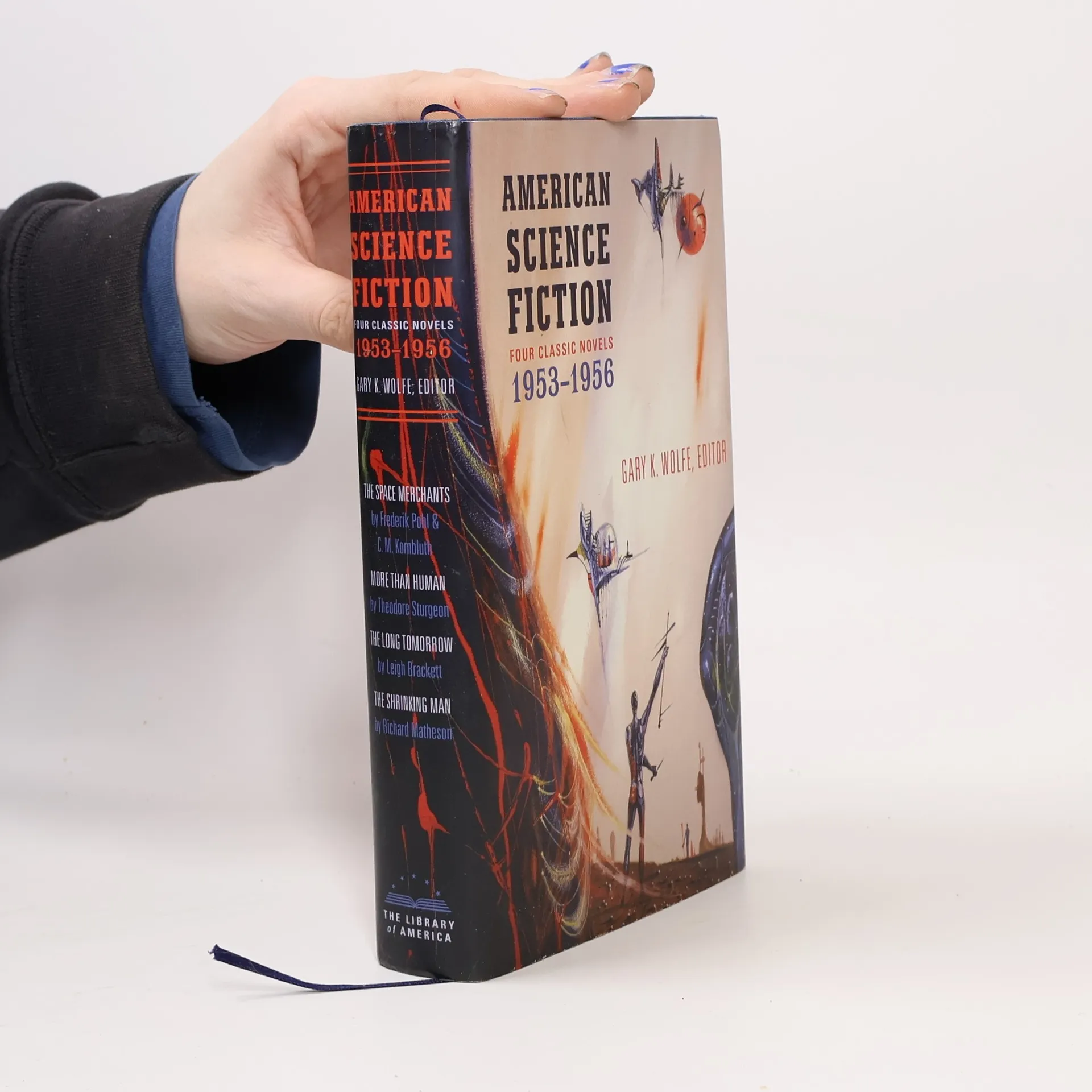
Modern science fiction emerged in the 1950s, particularly in America, where it broke free from traditional conventions. Writers began to explore their imaginations in novel-length works, marking an era of stylistic experimentation and speculative storytelling that addressed the uncertainties of a rapidly changing world. Often overlooked by the literary elite, these “outsider” novels are now celebrated as American classics. This volume presents four distinct visions of uncertain futures and evolving identities. Frederik Pohl and C. M. Kornbluth’s The Space Merchants (1953) offers a satirical take on a future dominated by multinational advertising. Theodore Sturgeon’s More Than Human (1953) explores the journey of damaged individuals toward a potential new stage of evolution. Leigh Brackett, one of the first prominent female science fiction writers, presents a post-nuclear world in The Long Tomorrow (1955), where anti-urban technophobes clash with the remnants of a destroyed civilization. Richard Matheson’s The Shrinking Man (1956) tells the tale of a man shrinking due to a mysterious cloud, facing humiliations and dangers that lead him to a surprising and transformative realization. Each novel opens new territory, reflecting the dynamic energies of an age grappling with the unknown.
MARS CHILD
- 194bladzijden
- 7 uur lezen
Set on a future Mars, the story revolves around a colony striving for independence from a failing Earth. Instead of heroes, the settlers require individuals skilled in survival, facing numerous challenges that threaten their existence. The narrative promises a gripping adventure filled with themes of resilience and defiance as the colony navigates the complexities of life on a harsh new planet.
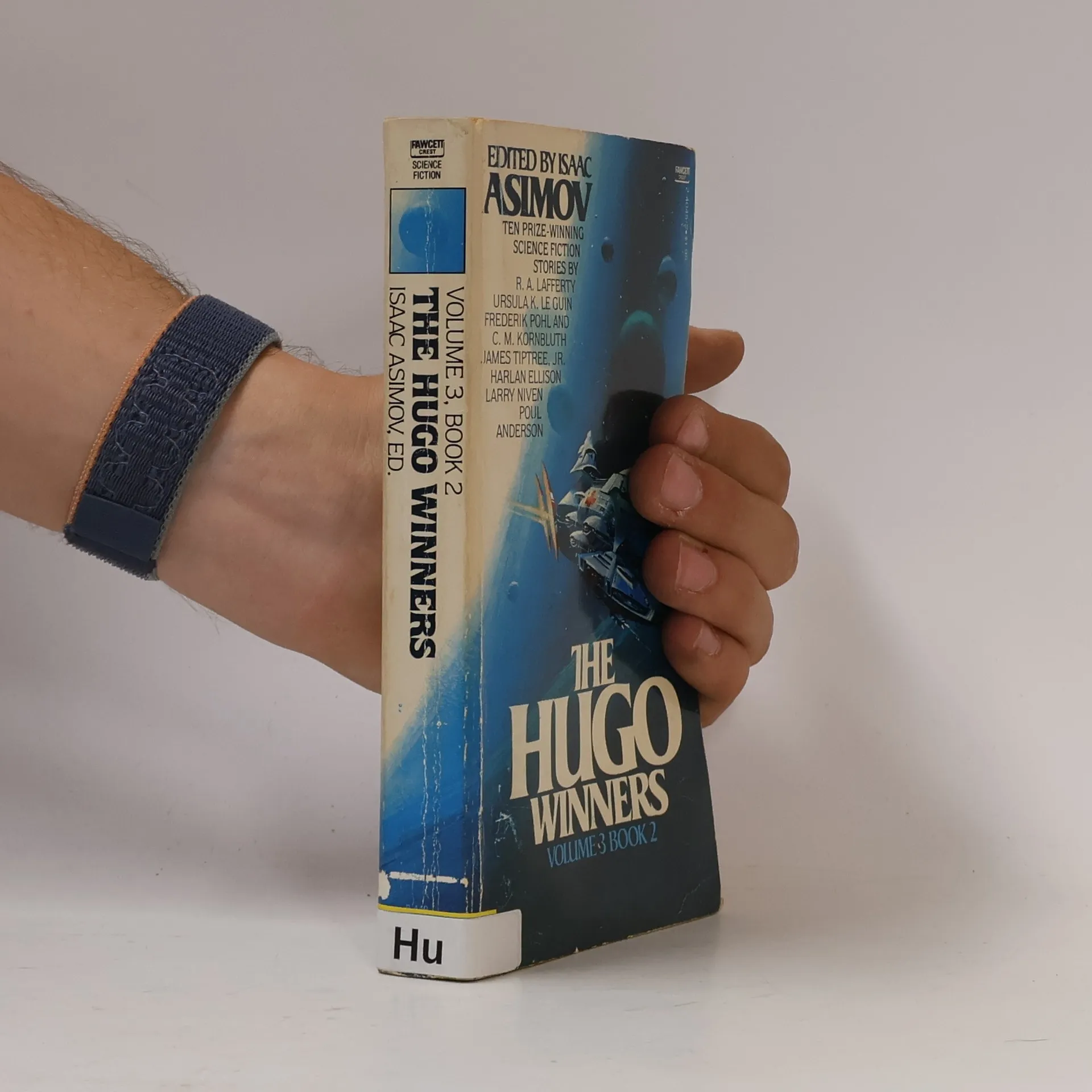
Ten prize-winning science fiction stories R. A. Lafferty, Ursula K. Leguin, Frederick Pohl, C. M. Kornbluth, James Tiptree Jr, Harlan Ellison, Larry Niven, and Poul Anderson.
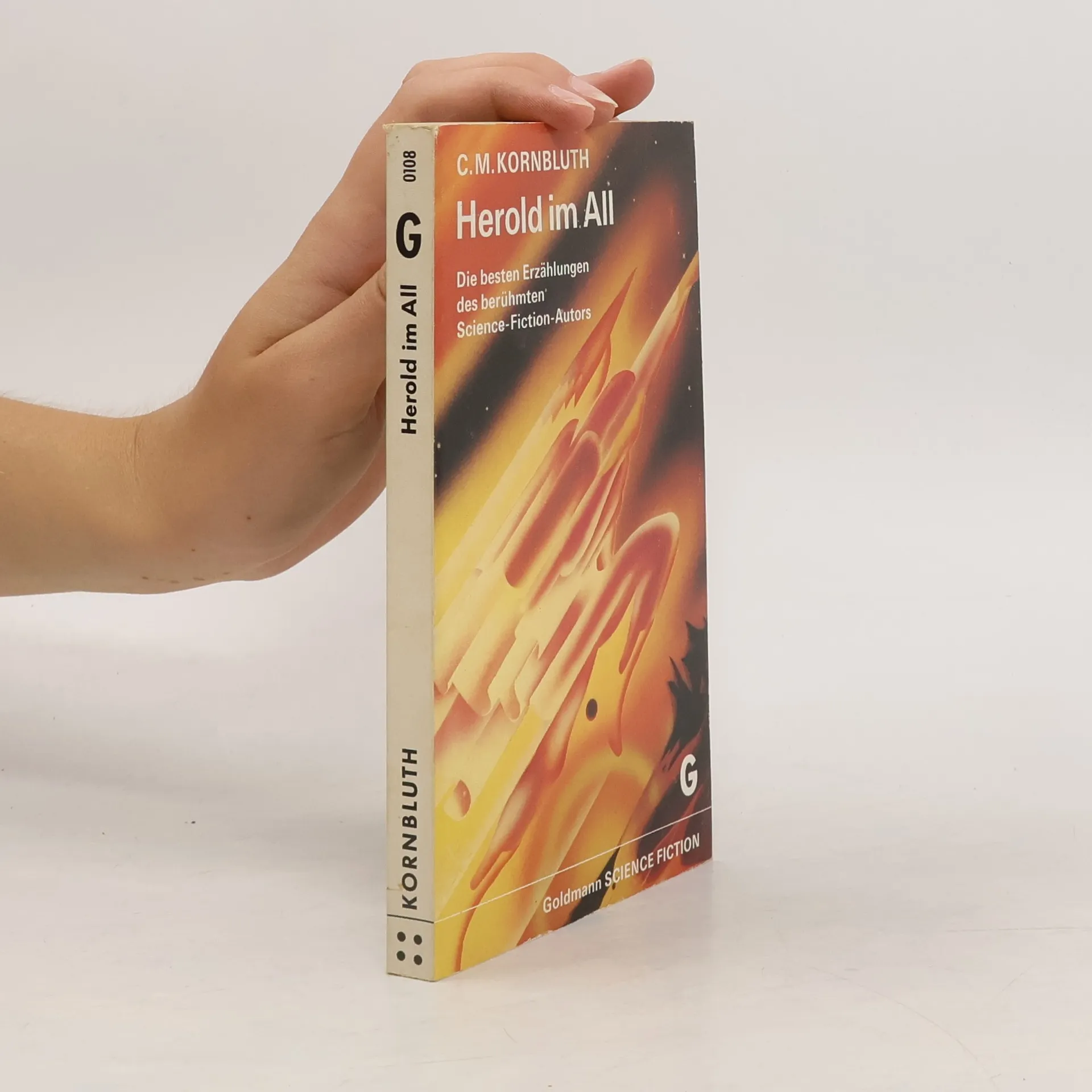
Herold im All
- 176bladzijden
- 7 uur lezen
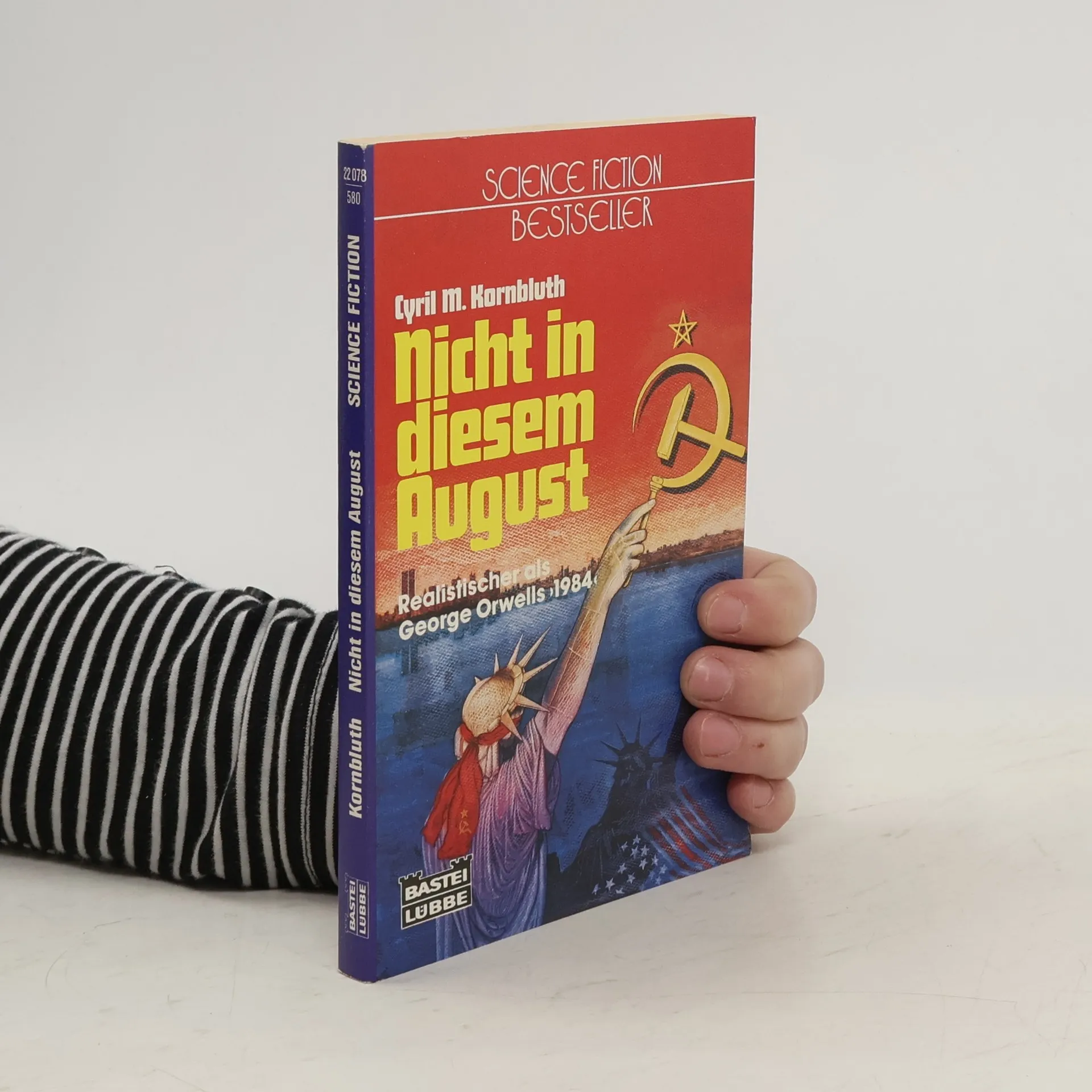
Nicht in diesem August
- 203bladzijden
- 8 uur lezen
Cyril M. Hnrnbluth : (1923-1958) erwarb sich schon früh den Ruf eines meisterhaften Satirikers der SF. Außerhalb Amerikas wurde er vor allem durch den gemeinsam mit Frederic Pohl geschriebenen Roman »Eine Handvoll Venus und ehrbare Kaufleute« bekannt. Bastei-Lübbe gibt jetzt zum ersten Mal in deutscher Sprache die Hauptwerke dieses Klassikers heraus, zu denen diese brillante Satire einer kommunistischen USA gehört. Nicht in diesem August Per Dekret werden die USA zur Amerikanischen Demokratischen Republik erklärt. Etwas anderes war nach der Besetzung durch Russen und Chinesen nicht zu erwarten gewesen. Nach und nach fallen die durch die Ereignisse der Okkupation aufgescheuchten Bürger wieder in ihren Alltagstrott zurück. Dabei erleben viele zum erstenmal, was Plansoll und Verstaatlichung bedeuten. Doch das gepriesene kommunistische System scheint mit waschechten Amerikanern nicht so glatt zu funktionieren. Oder können Sie sich sozialistische Cowboys vorstellen? »NICHT IN DIESEM AUGUST von Cyril M. Kornbluth hat auf den Leser eine weitaus nachhaltigere Wirkung als George Orwells 1984.« - New York Daily News - Deutsche Erstveröffentlichung
Malá černá brašna je povídka amerického sci-fi autora Cyrila M. Kornblutha, která získala retroaktivní cenu Hugo za nejlepší novelu v roce 2001. Po dvaceti generacích váhání se rod Homo sapiens dostal do slepé uličky. Biometrikové tvrdili, že duševně podnormální se množí mnohem rychleji než duševně normální a supernormální, což má exponenciální charakter. Existoval však i maskovací vliv technologického pokroku. Jednoduchý jedinec, vycvičený k ovládání kalkulačky, se zdál být zručnějším výpočtářem než středověký matematik, a podobné to bylo v lékařské praxi. Fetiš vysokoškolského vzdělání vedl k podivným avatarům: „střední školy“, kde studenti nedokázali přečíst tříslabičná slova, a „univerzity“, které udělovaly tituly jako „bakalář psaní na stroji“ či „doktor filozofie (kartotéční evidence)“. Hrstka supernormálů využívala technologii, aby udržela zdání společenského pořádku. Avšak jednoho dne supernormálové přejdou most, zatímco dvacátá generace váhá na jeho přístupech, zmatená tím, co se stalo. Duchové dvaceti generací biometriků se nad tím zlomyslně chechtají.
Der Altar um Mitternacht
- 213bladzijden
- 8 uur lezen
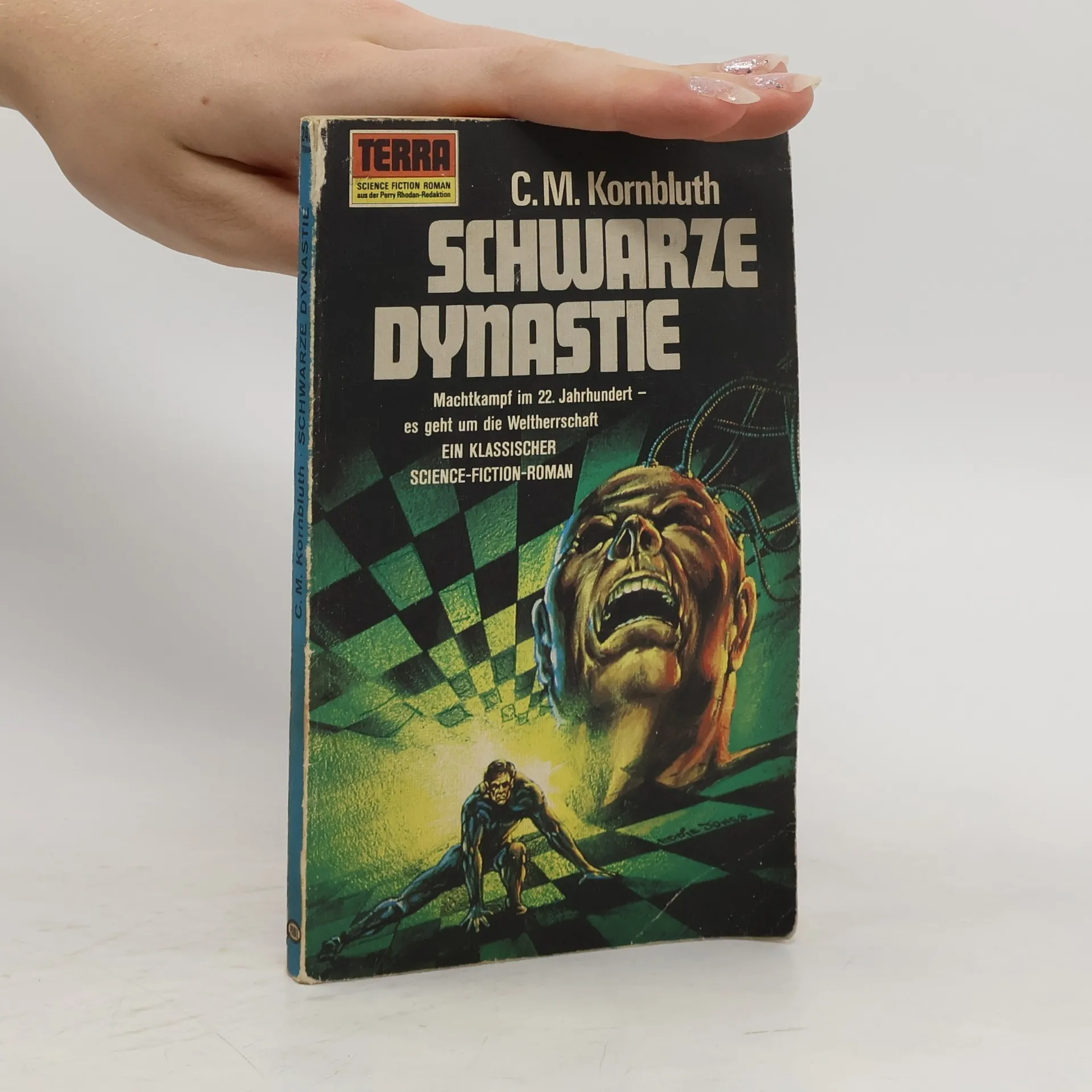
Schwarze Dynastie. Das Utopia d. Mafiosi. Science Fiction
- 222bladzijden
- 8 uur lezen
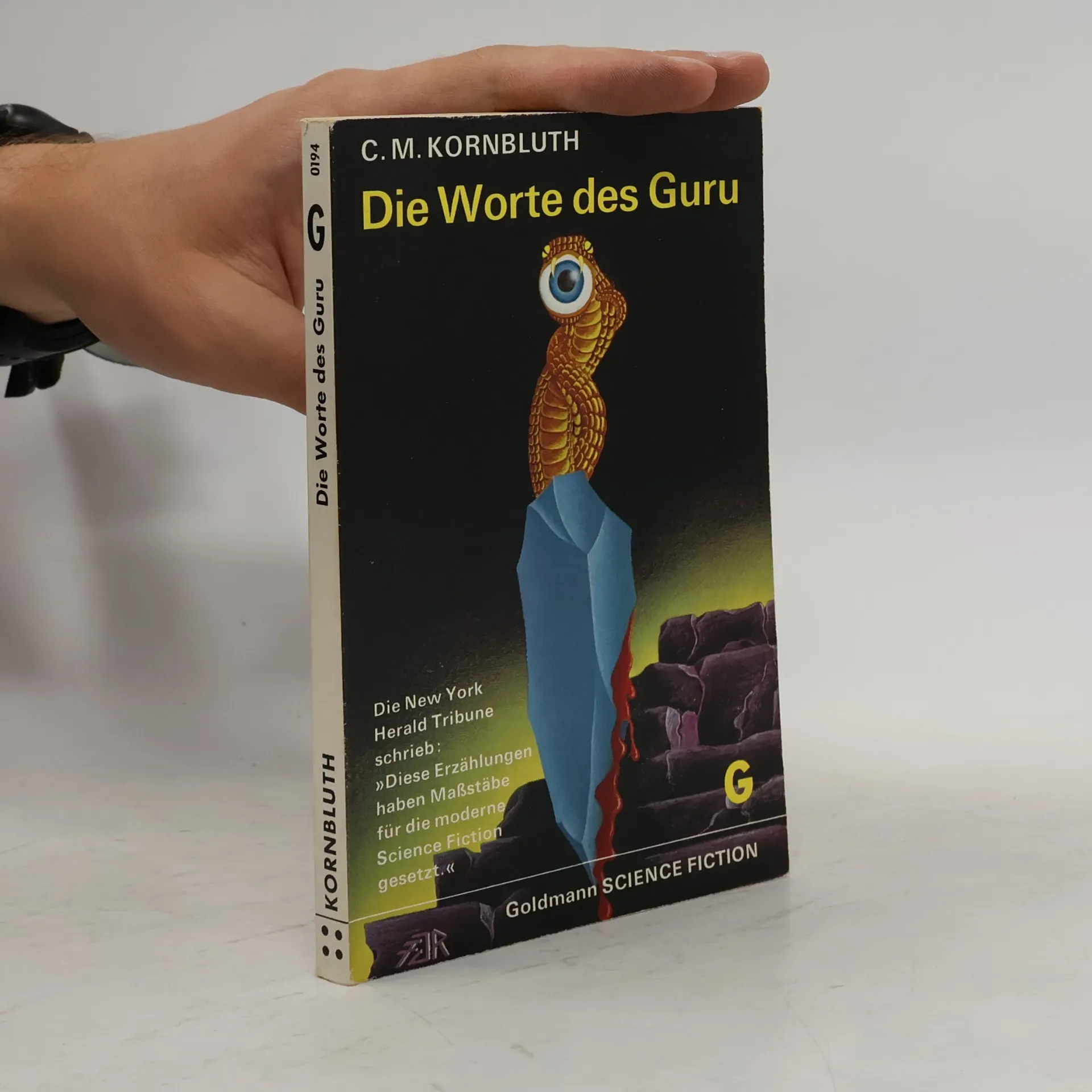
Die Worte des Guru
- 158bladzijden
- 6 uur lezen
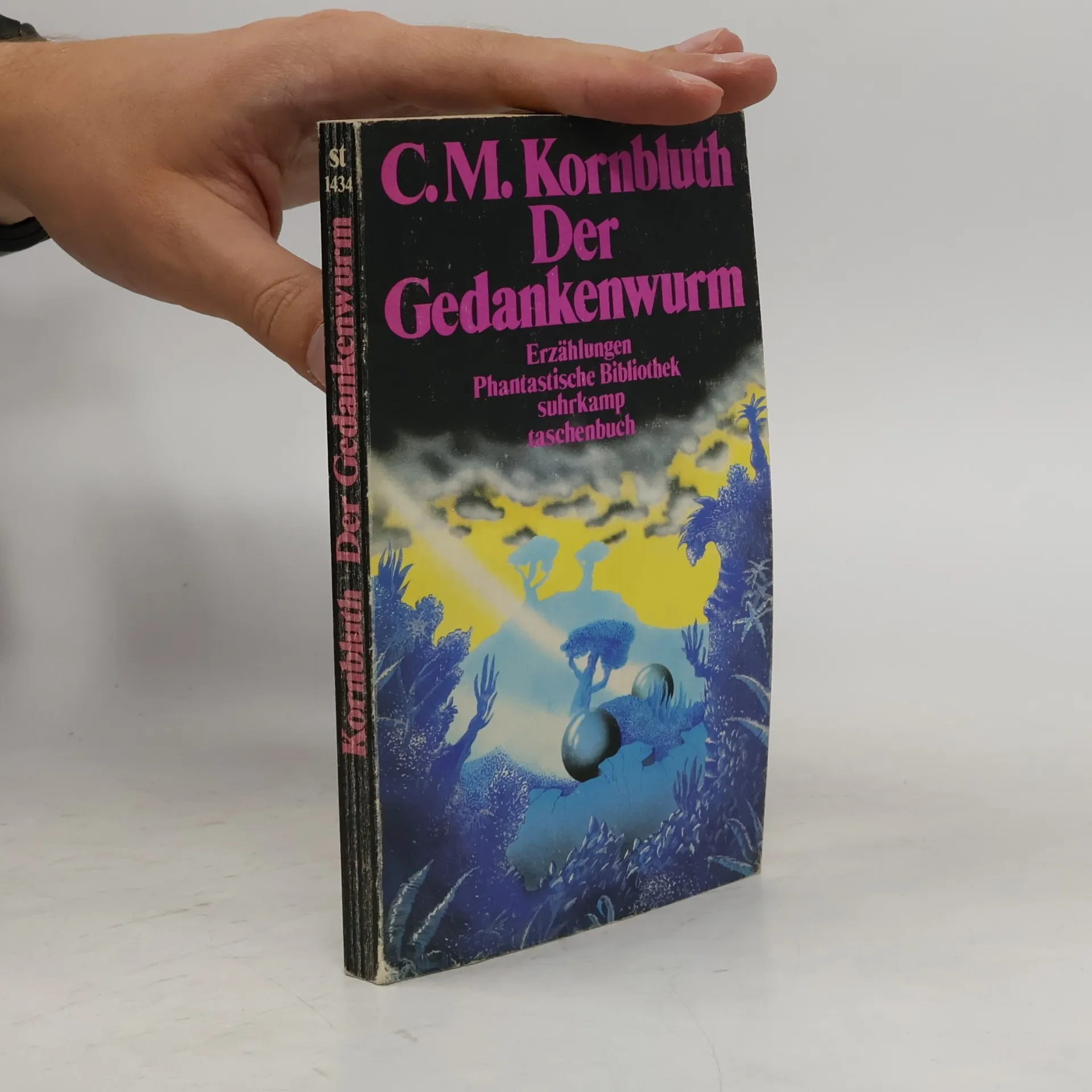
Der Gedankenwurm. Phantastische Geschichten
- 208bladzijden
- 8 uur lezen
ContentDer Gedankenwurm • short story by C. M. Kornbluth (trans. of The Mindworm 1950)Die Worte Gurus • short story by C. M. Kornbluth (trans. of The Words of Guru 1941)Kazam begleicht eine Rechnung • short story by C. M. Kornbluth (trans. of Kazam Collects 1941)Dreizehn Uhr • [Thirteen O'Clock (C. M. Kornbluth) • 1] • novelette by C. M. Kornbluth (trans. of Thirteen O'Clock 1941)Ich bitte nie um eine Gefäligkeit • short story by C. M. Kornbluth (trans. of I Never Ast No Favors 1954)Wie man auf Pump vom Kosmos lebt • novelette by C. M. Kornbluth (trans. of The Cosmic Charge Account 1956)Manuskript, gefunden in einem chinesischen Glücksplätzchen • short story by C. M. Kornbluth (trans. of MS. Found in a Chinese Fortune Cookie 1957)Sauregurkenzeit • short story by C. M. Kornbluth (trans. of The Silly Season 1950)Die herrlichen Geschöpfe • short story by C. M. Kornbluth (trans. of The Goodly Creatures 1952)Der Teil des Ruhms • novelette by C. M. Kornbluth (trans. of That Share of Glory 1952)Freund des Menschen • short story by C. M. Kornbluth (trans. of Friend to Man 1951)