

Kellie Jones traces how the artists in L.A.'s black communities during the 1960s and 70s created a vibrant, productive, and engaged activist arts scene in the face of structural racism through the production of art works that spoke to African American migration and L.A.'s racial politics.
Kellie Jones Volgorde van de boeken (chronologisch)
Kellie Jones is een vooraanstaand kunsthistorica wiens werk zich richt op Afro-Amerikaanse kunstenaars en hun cruciale rol in de kunstbewegingen van de 20e eeuw. Ze onderzoekt hoe deze kunstenaars abstracte vormen en visuele talen vormden en ermee experimenteerden, waardoor ze de grenzen van de kunst verrijkten en verlegden. Haar analyses onthullen diepgaande verbanden tussen artistieke creatie, sociale context en persoonlijke identiteit, en bieden lezers nieuwe perspectieven op de geschiedenis en het heden van de moderne kunst. Het academische werk van Jones is essentieel voor het begrijpen van de evolutie en de impact van kunstenaars die vaak aan de rand van de mainstream stonden.
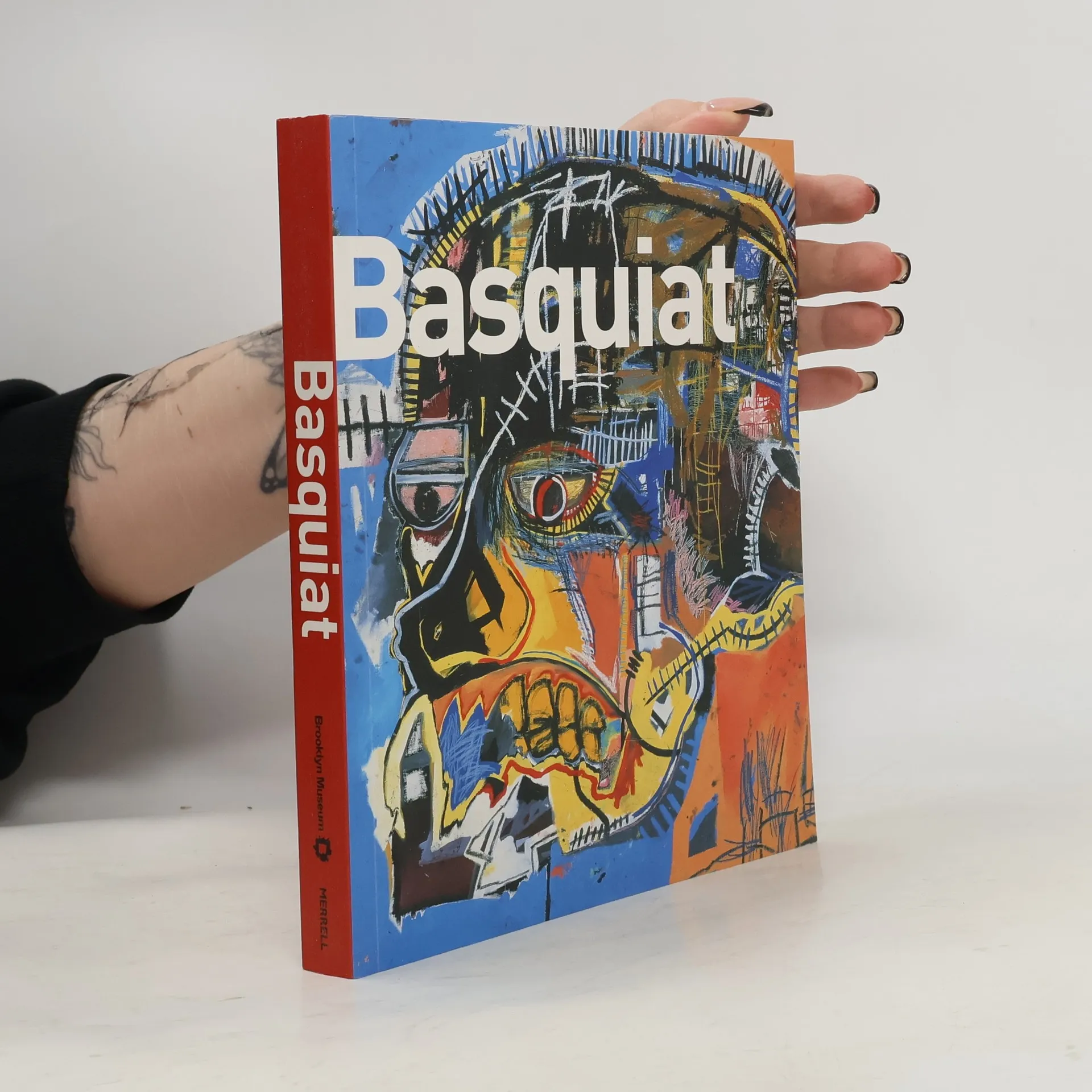

Basquiat
- 224bladzijden
- 8 uur lezen
Examines many of Basquiat's individual works in detail, with particular reference to his working methods and techniques. This unabridged compact edition of a critically acclaimed book, features spectacular reproductions of Basquiat's work.