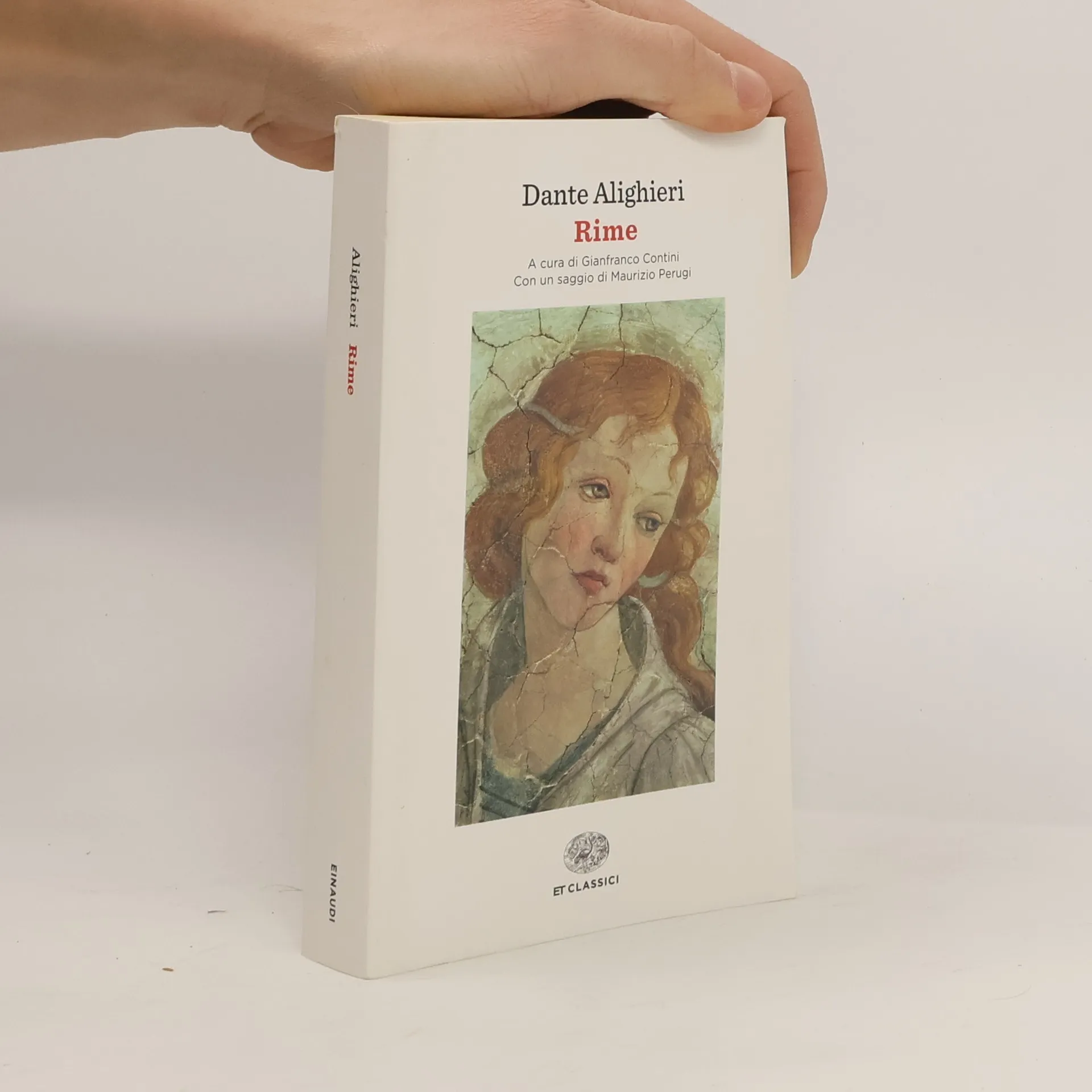
Rime: A cura di Gianfranco Contini - Con un saggio di Maurizio Perugi
- 424bladzijden
- 15 uur lezen


Deze Italiaanse filoloog en literatuurcriticus onderscheidde zich door een ongebruikelijke methodologische scherpte, die hij toepaste op zowel zijn hoofdvak als de studie van moderne en hedendaagse literatuur. Zijn bijzondere aandacht ging uit naar taalkundige en stilistische nuances, wat blijk gaf van een opmerkelijke oog voor detail. Het is wellicht als literatuurcriticus dat hij zijn intellectuele persoonlijkheid het meest volledig heeft gedefinieerd, door inzichtelijke interpretaties van belangrijke Italiaanse schrijvers te creëren. Zijn werk biedt een diepgaand perspectief om de evolutie van de Italiaanse literatuur en het kritisch denken te begrijpen.
Considerato a lungo di autore anonimo, oggi il poemetto Il Fiore venne comunemente attribuito a Dante. Il testo ci è tramandato in un unico manoscritto, custodito prima a Digione, quindi nell’abbazia di Clairvaux e poi acquisito dallo Stato francese, si trova oggi a Montpellier. Risalente agli ultimi decenni del Duecento, l’opera si compone di 232 sonetti ed è una parafrasi del Roman de la Rose, uno dei poemi più famosi di tutto il medioevo scritto da due poeti diversi nel corso del Duecento. La vicenda muove da un sogno del poeta e racconta la conquista della donna amata, della quale la rosa simboleggia il sesso. Il Detto d’Amore è un poemetto in settenari sull’amor cortese e riprende alcune parti del poema francese tralasciate dall’autore de Il Fiore.
Mit seinen Gedichten an die Geliebte, dem berühmten Canzoniere , ist Francesco Petrarca zum einflußreichsten Lyriker des Abendlandes geworden. Die einsprachige Ausgabe der Liebesgedichte an Laura umfaßt eine Auswahl von 80 Sonetten und Kanzonen aus dieser Sammlung in der übersetzung von Jürgen von Stackelberg, die, ungereimt, aber in rhythmisierter Prosa, Petrarca auch uns heutigen Lesern nahezubringen versteht.
Italian