

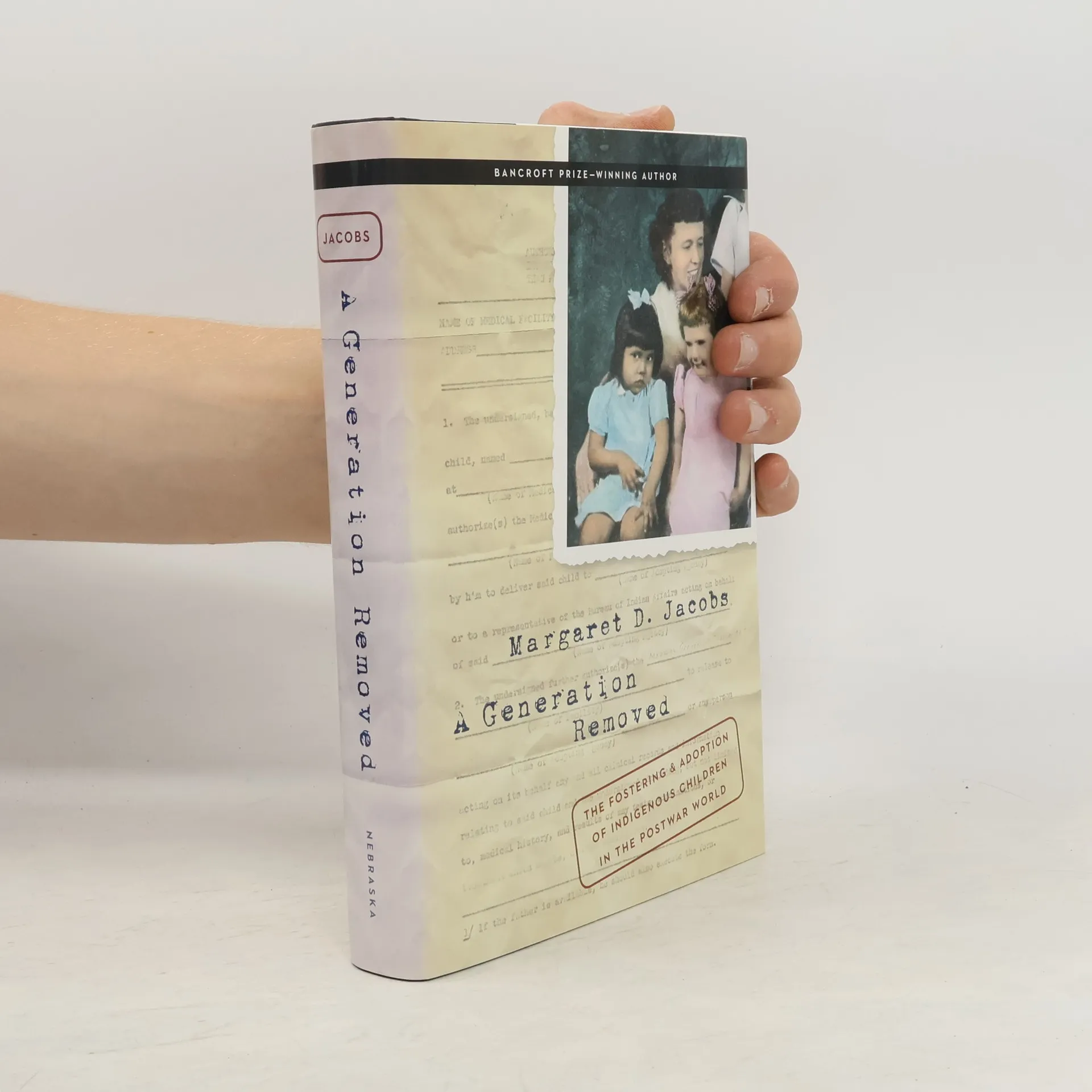
A Generation Removed
The Fostering and Adoption of Indigenous Children in the Postwar World
- 400bladzijden
- 14 uur lezen
On June 25, 2013, the U.S. Supreme Court heard the case of adoptive parents Matt and Melanie Capobianco versus baby Veronica’s biological father, Dusten Brown, a Cherokee Nation citizen. Veronica's biological mother had given her up for adoption without Brown's consent. Although Brown used the Indian Child Welfare Act (ICWA) of 1978 to regain custody, the Supreme Court ruled in favor of the Capobiancos, disregarding the ICWA's intent and the historical context of Indigenous child removals. In a compelling exploration of this issue, award-winning historian Margaret D. Jacobs delves into the post–World War II era when thousands of American Indian children were removed from their families and placed in non-Indian foster or adoptive homes. By the late 1960s, it is estimated that 25 to 35 percent of Indian children had been separated from their families. Jacobs highlights the global implications of these practices, which also affected Indigenous communities in Canada and Australia. She narrates the trauma and resilience of Indigenous families fighting to reclaim their children, leading to the establishment of the ICWA in the U.S. and prompting national inquiries, apologies, and reparations in Australia and Canada.