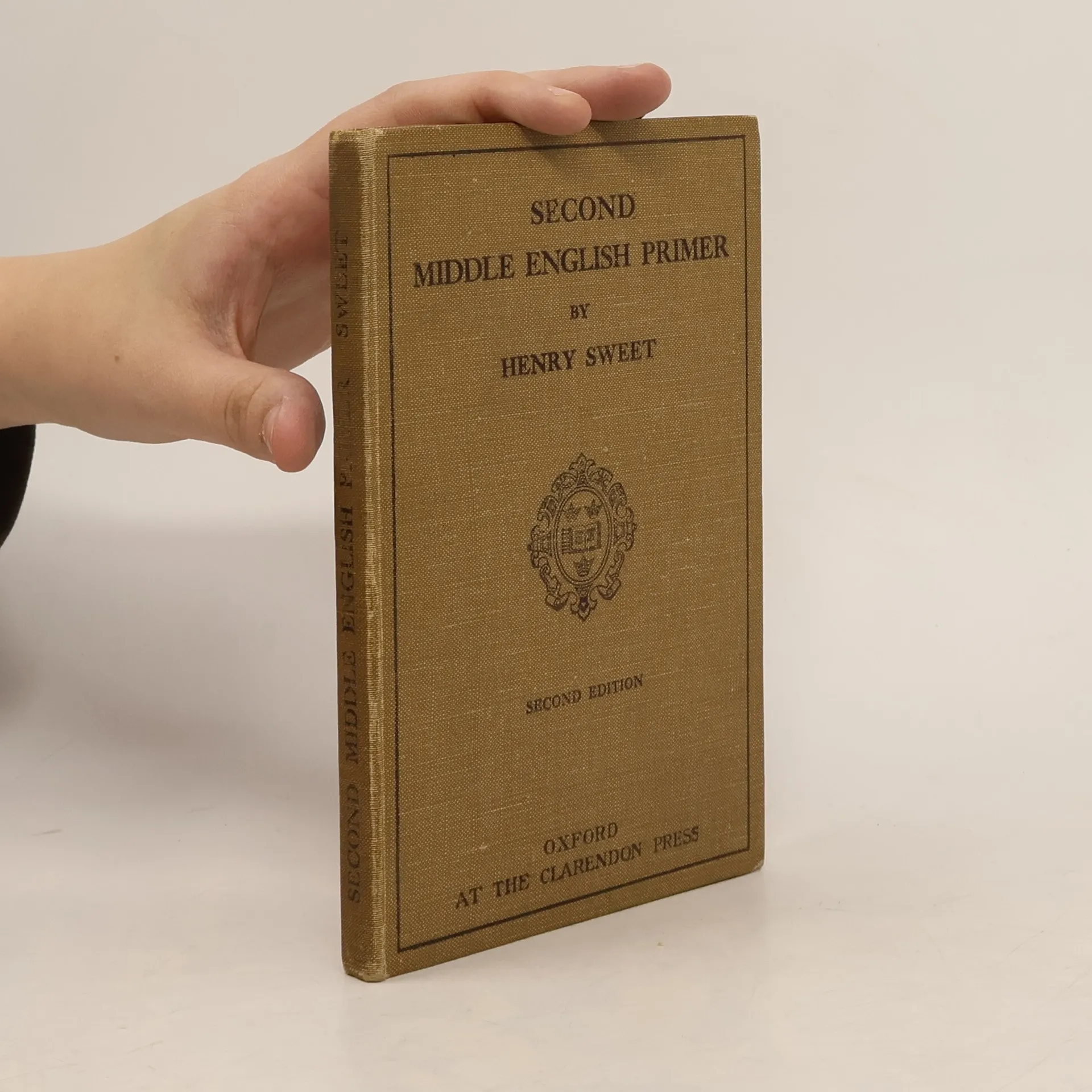
This popular reader--a standard since its first edition in 1876--helps students acquire a sound elementary knowledge Old English by studying of a rich variety of poetry and prose. Selections cover a wide range of dialects and genres, from an early Northumbrian form of Caedmon's Hymn and ninth-century Kentish charters to the complete texts of The Dream of the Rood and Wulfstan's Address to the English, with ample literary and historical notes.
Henry Sweet Boeken
Henry Sweet was een invloedrijke Engelse filoloog en phoneticus, gespecialiseerd in Germaanse talen, met name Oudengels en Oudnoors. Zijn baanbrekende werk verkende bredere vraagstukken op het gebied van fonetiek, grammatica en taalpedagogiek, waarbij veel van zijn ideeën tot op de dag van vandaag relevant zijn in academische kringen. Als pionier in het taalkundig onderwijs legde Sweet de nadruk op gesproken taal en fonetiek, en produceerde hij baanbrekende werken die de basis legden voor moderne fonetische studies en de wetenschappelijke beschrijving van spraak. Zijn bijdragen, met name aan de Oudengelse dialectologie en de studie van de uitspraak, blijven de taalkundige wetenschap voeden.

Generations of students of English have benefited from the changes that Sweet wrought in the understanding of the historical and contemporary forms of the language.' Oxford Dictionary of National Biography This clear, concise and authoritative dictionary is the ideal reference for the student of Old English literature and language. Henry Sweet (1845-1912) was educated at King's College School, London, the University of Heidelberg and Balliol College, Oxford. He was an active member of the Philological Society and served as its president from 1876 to 1878. He was a member of the Royal Danish Academy and a corresponding member the Munich and Royal Prussian Academies of Sciences. Despite his outstanding intellectual abilities and talent for teaching, it was only in 1901 that he was given a readership in Phonetics at Oxford University. The character of Professor Higgins in Shaw's Pygmalion was partly based upon Sweet.
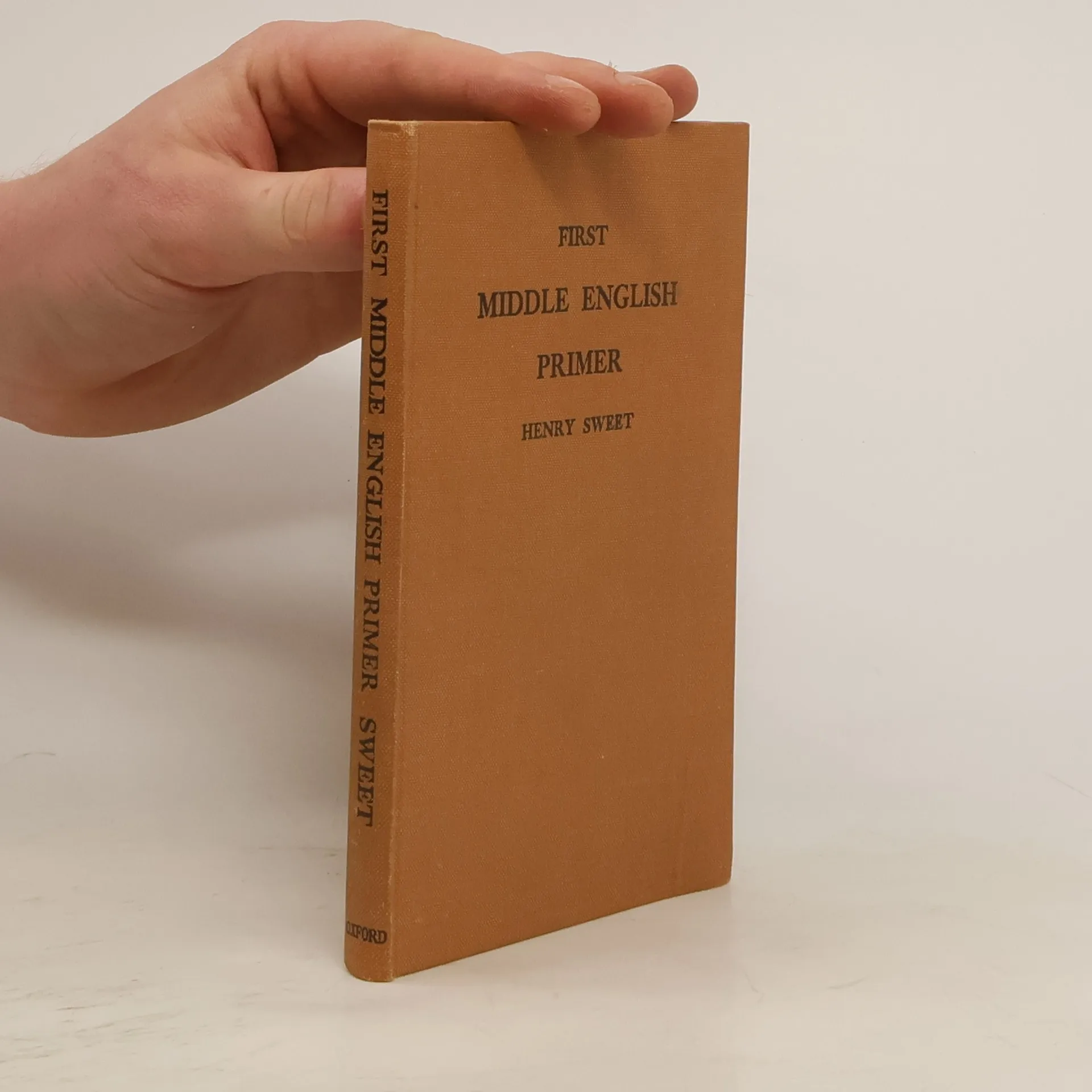
Sweet's Primer first appeared in 1882 and was revised for the eighth edition in 1905. The ninth edition, revised by Norman Davis, was intended to give readers a beginner's book before plunging into Sweet's Reader. The Primer is divided between grammar and texts, the latter taken from the Bible, history (including Bede) and even medicinal recipes.
Second Middle English Primer
Extracts from Chaucer