Snow
- 32bladzijden
- 2 uur lezen
Now grown, a rabbit reminisces about the magic and warmth of the times when he, his brother, and his mother frolicked in the first snowfall of the year.


Nancy Elizabeth Wallace's artistieke reis wordt diepgaand beïnvloed door haar achtergrond in kinderontwikkeling en haar unieke benadering van visueel vertellen. Ze vond haar roeping in illustraties van uitgesneden papier, een medium waarmee ze haar verhalen een onderscheidende tactiele en eigenzinnige kwaliteit kan geven. Wallace' werk wordt gekenmerkt door haar gevoeligheid en inzichtelijke weergave van kinderervaringen, versterkt door haar beheersing van de traditionele Scherenschnitt. Haar kenmerkende stijl combineert artistieke techniek met een diepgaand begrip van haar publiek, waardoor boeiende en memorabele verhalen voor jonge lezers ontstaan.
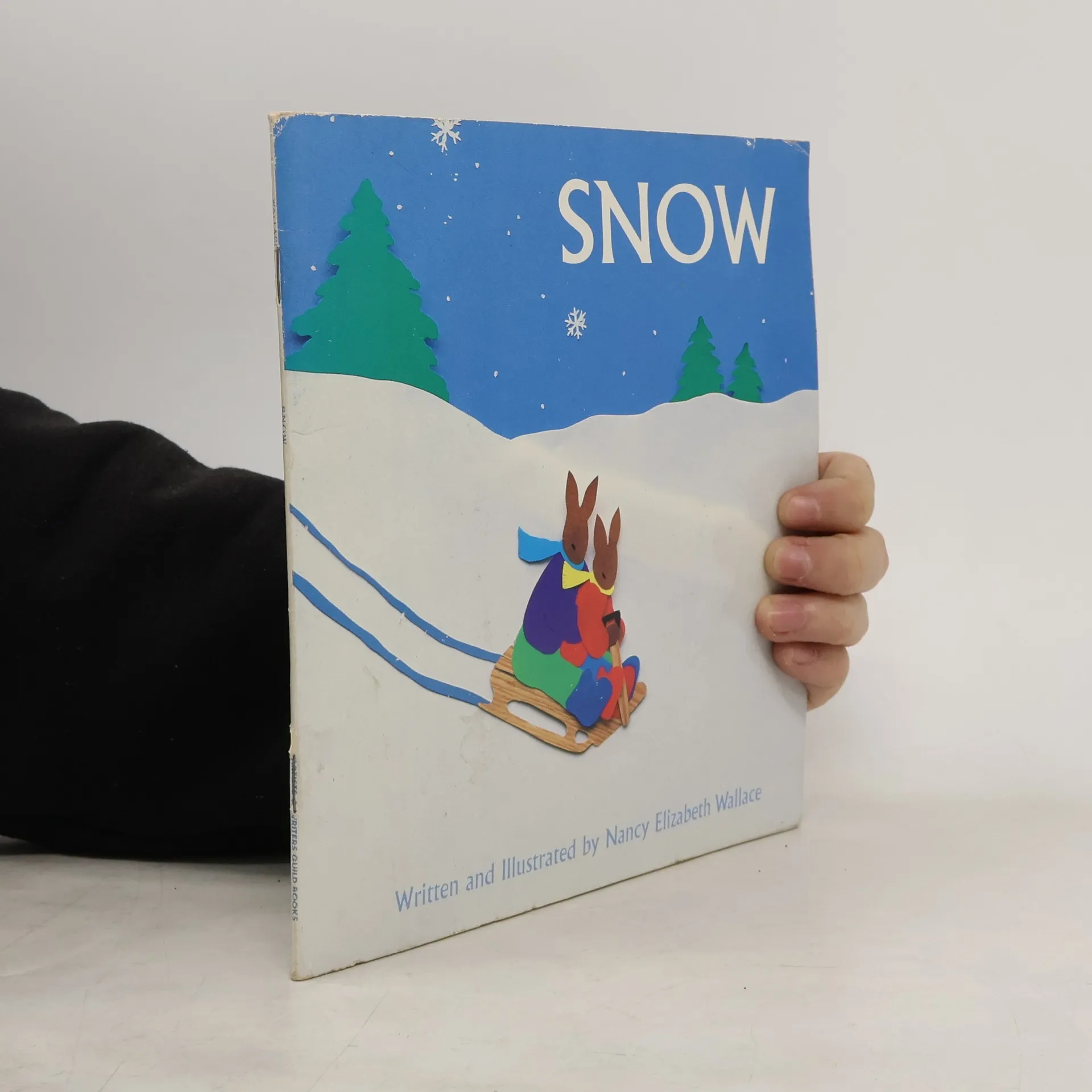
Now grown, a rabbit reminisces about the magic and warmth of the times when he, his brother, and his mother frolicked in the first snowfall of the year.