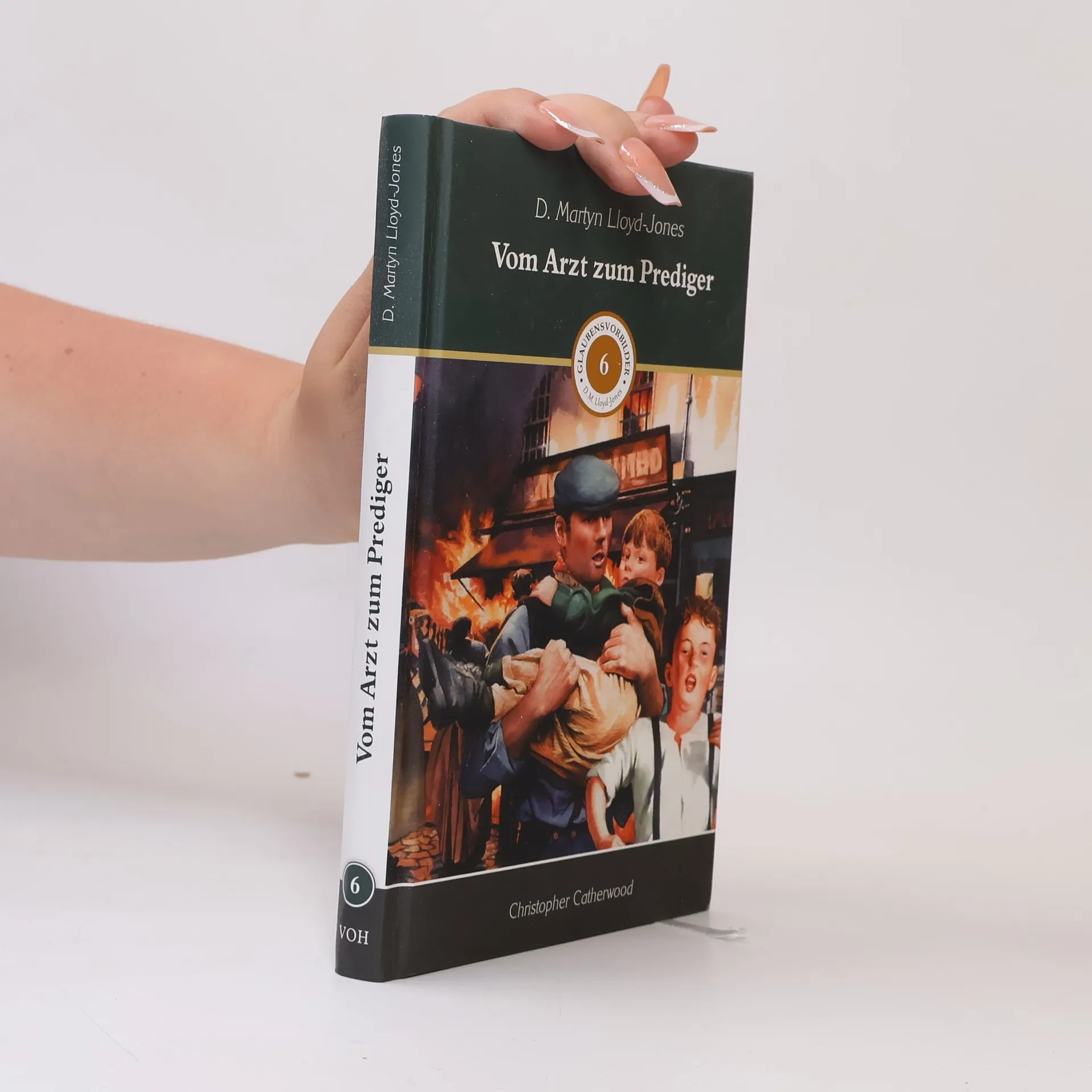
Vom Arzt zum Prediger
- 152bladzijden
- 6 uur lezen


Christopher Catherwood is een schrijver en historicus wiens werk zich verdiept in cruciale figuren en gebeurtenissen uit de moderne geschiedenis. Zijn schrijven wordt gekenmerkt door diepgaand historisch inzicht en zorgvuldig onderzoek, waardoor lezers nieuwe perspectieven op het verleden krijgen. Catherwood is gespecialiseerd in politieke geschiedenis, en zijn boeken belichten vaak de complexe motivaties en gevolgen van beslissingen die de wereld hebben gevormd. Zijn fascinatie voor historische persoonlijkheden en hun impact op het verloop van gebeurtenissen is duidelijk in zijn boeiende verhalen.
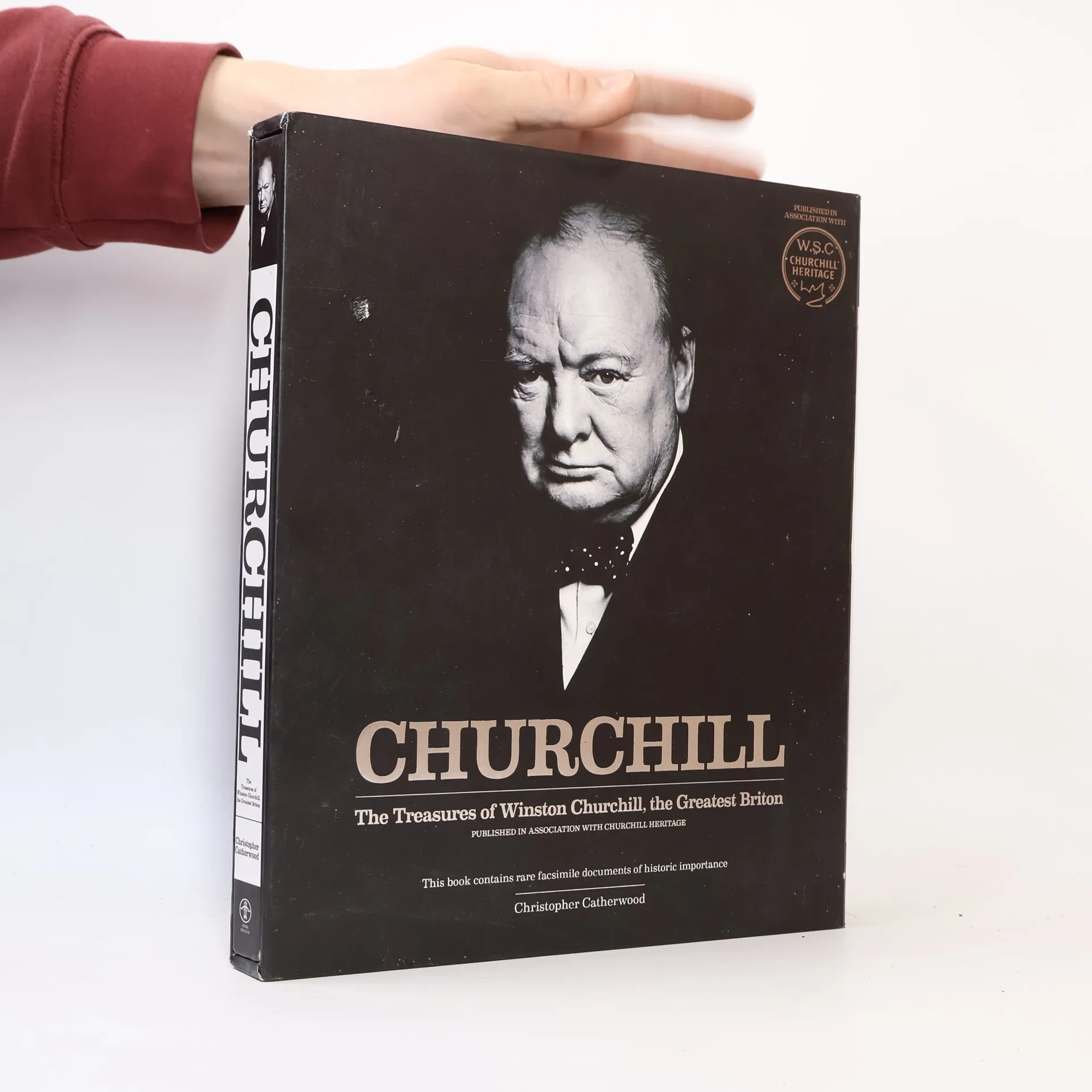
Winston Churchill has rightly been voted the greatest Briton. His nine decades spanned from the era of cavalry charges to the nuclear age, and he was active in both. He had a keen historical perspective and analytical mind, and in World War II he was quick to oppose Hitler and see the importance of US involvement, and hence played a seminal part in ensuring the survival of not only Britain but arguably Western democracy itself. That is not to say he was without fault—the disastrous Gallipoli campaign, the creation of Iraq in 1921, his blind spot over India—all these contributed to a reputation for unreliability that dogged much of his public life. But his seven decades in the public spotlight, and in politics show that Winston Churchill deserves the stature that posterity has given him. Few characters in history have written as much as Churchill, and his writings and the photographic record happily provide the opportunity to put together a unique illustrated portrait of this remarkable man, featuring revealing facsimiles of his personal letters, documents, and speeches which draw attention to the unforgettable power of his oratory, which added a heroic dimension to a leader who was undoubtedly a true statesman.
Explores the link between religion and war, focusing on the philosophies that have allowed zealous followers of the world's major religions to shed blood in the name of God since the Middle Ages.
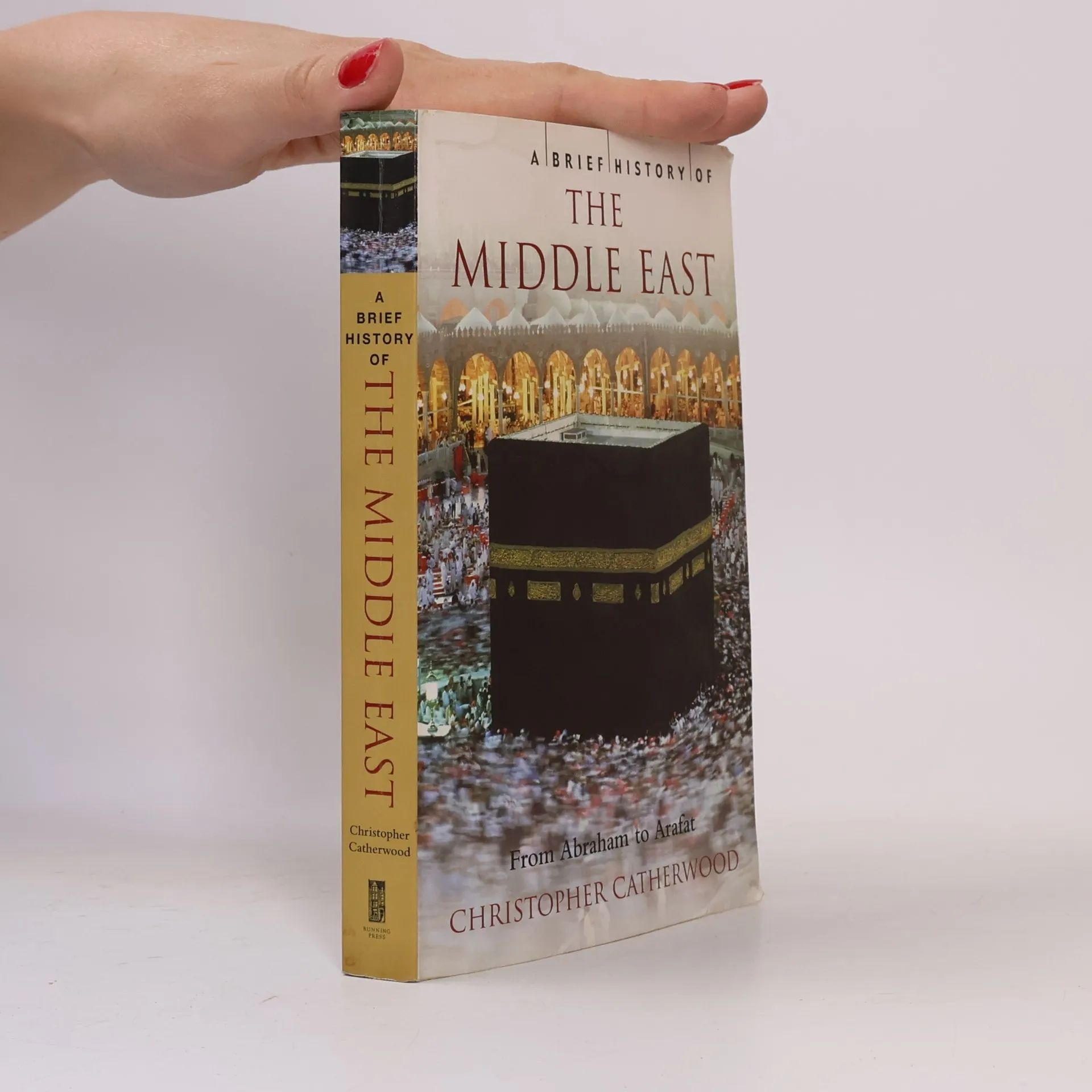
In The Brief History of the Middle East author Christopher Catherwood attempts to show how our entire world is ultimately shaped by events that have unfolded or have their origin in the Middle East. Catherwood insists that, unless we allow ignorance to blind us—which to a certain extent it already has—the Middle East must not be viewed as "some strange place over there." Three of the world's major organized religions—Judaism, Christianity, and Islam—all stem from the area, as do defining civilizations from Ancient Egypt to Babylonia. Catherwood examines this storied region through the lens of the present by asking these questions. How did the Palestinian issue arise? Why does Osama bin Laden harp on the glories of Moorish Spain? Why did Islamic extremism come to be a substitute for Arab socialist nationalism for so many? Today's headlines have clear historical explanations, and The Brief History of the Middle East will bring that concept into focus.