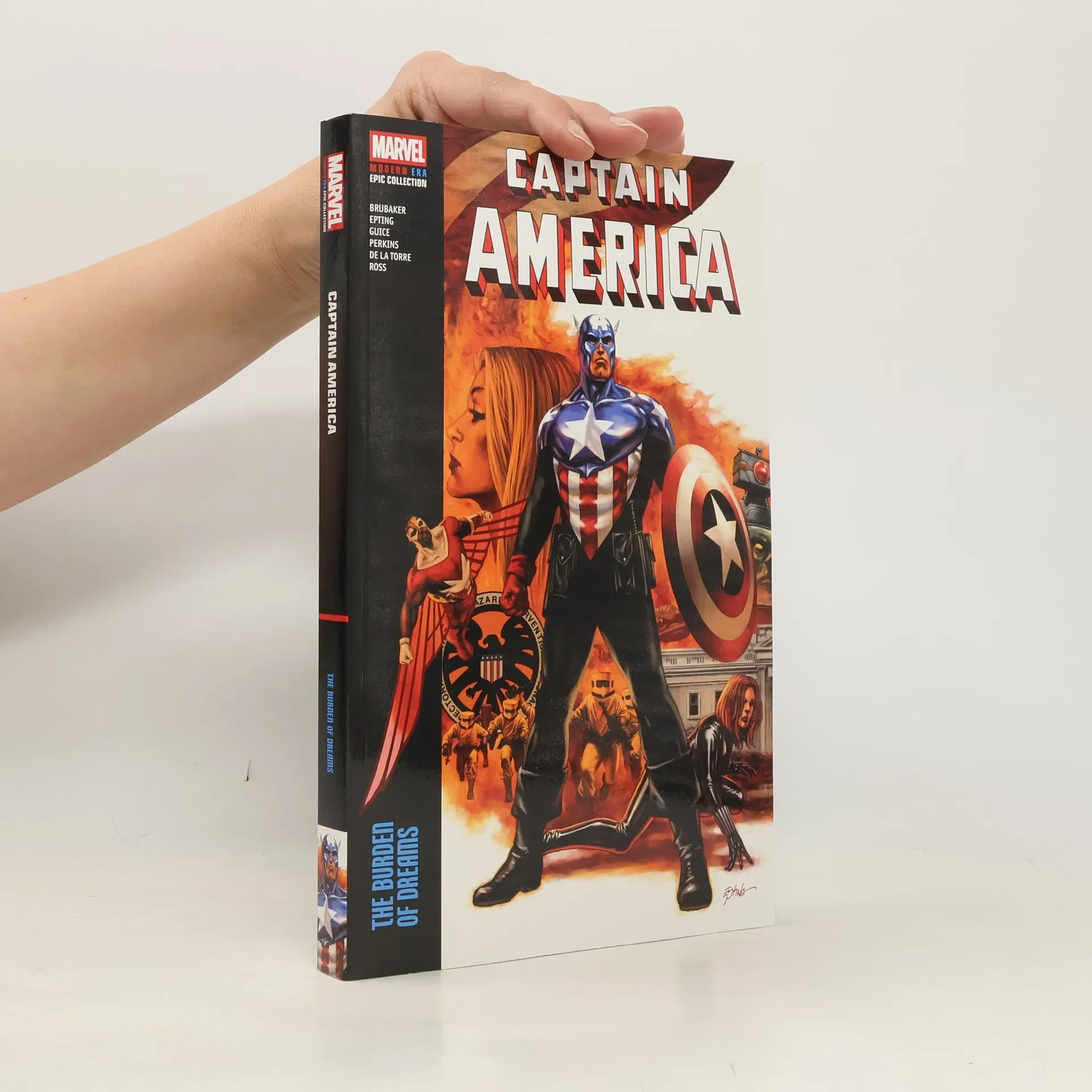
In the wake of Steve Rogers' tragic death, Bucky Barnes wields the shield and succeeds his fallen friend as Captain America! Agent 13. Bucky Barnes. The Falcon. Black Widow. Iron Man. Steve Rogers was often the glue that bound these heroes together in a common cause. Now, still mourning his loss, they come together again in a desperate attempt to keep his dream alive. But the collapse of Steve's dream was just the first step in the wicked machinations of the Red Skull, who is determined to see the death of America follow soon after the death of the Captain. As the Skull's master plan kicks into motion and chaos begins to take hold of the United States, only one man stands in its way -- but is he up to the task? In his first major trial as the new Captain America, he will be rocked by a villain from his past -- both as Bucky in WWII and as the Winter Soldier during the Cold War -- and he'll have to face his history just as he's finding his feet in the present. COLLECTING: Captain America (2004) 31-48, 34 Director's Cut
De la Torre Volgorde van de boeken (chronologisch)
Deze auteur duikt in de ethische dimensies van hedendaags Amerikaans denken en onderzoekt hoe religie zich kruist met en impact heeft op onderdrukking op basis van ras, klasse en geslacht. Zijn academische werk past een sociaalwetenschappelijke lens toe op de Latino/a-religiositeit in de Verenigde Staten, evenals op bevrijdingstheologieën in Latijns-Amerika. Via deze interdisciplinaire benadering onderzoekt hij kritisch de complexe wisselwerking tussen geloof, sociale structuren en ongelijkheid. Zijn schrijven biedt diepgaande inzichten in de huidige sociale en theologische stromingen.