Introduces the neurobiology of childhood developmental trauma and describes
mind-body and brain-based approaches to working with clients affected by it.
It focuses in particular on Pesso Boyden System Psychotherapy (PBSP), with
client stories and detailed explanations of the underlying neuropsychological
concepts.
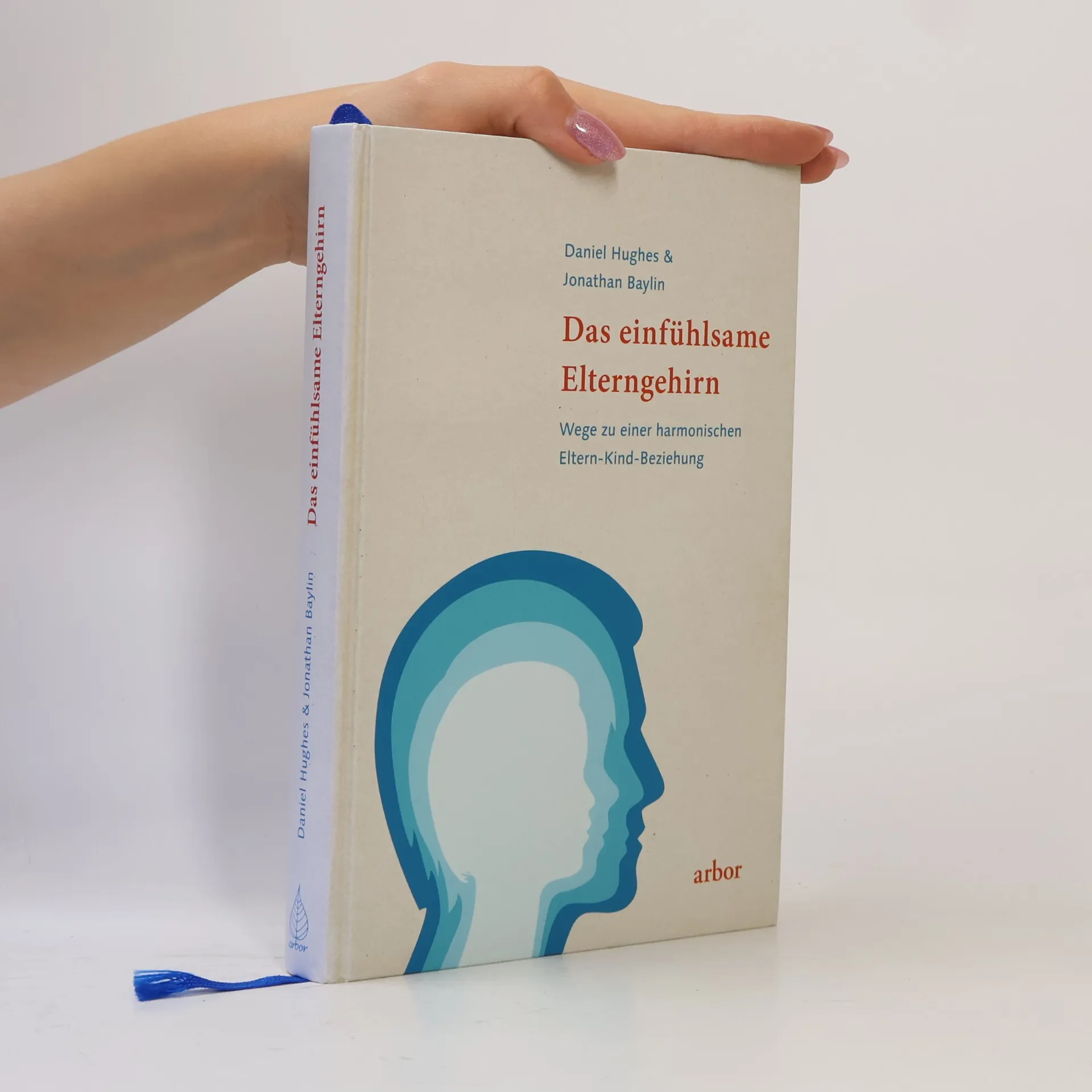
Faszinierende Ergebnisse der Hirnforschung verändern unser Verständnis der elterlichen Bindung zu Kindern und der Aufrechterhaltung harmonischer Beziehungen trotz Konflikten. In diesem Werk führen der Bindungsexperte Daniel Hughes und der klinische Psychologe Jonathan Baylin die Leser durch das komplexe Netzwerk neuronaler Prozesse, Hormone und chemischer Substanzen, die unsere Fürsorgeimpulse beeinflussen. Sie enthüllen die Geheimnisse des elterlichen Gehirns und betonen, dass die Gesundheit unserer Kinder stark von der Funktionsweise dieses oft vernachlässigten Organs abhängt. Eine liebevolle, einfühlsame Elternschaft wird durch die chemischen und emotionalen Prozesse im Gehirn ermöglicht, die ständig mit unserem Körper kommunizieren. Unsere Fähigkeit zur Selbstregulation und Flexibilität, insbesondere in stressigen Situationen mit Kindern, ist Teil einer komplexen Gehirn-Körper-Verbindung, die uns oft nicht bewusst ist. Das Buch erörtert, wie Lebenserfahrungen die Entwicklung unseres Gehirns beeinflussen und wie Eltern und Kinder die Gehirne des jeweils anderen verändern. Zudem wird die Frage behandelt, wie gestresste Eltern ihre Erziehungsfähigkeiten verbessern können, indem sie ihr Gehirn verändern. Es bietet konkrete und menschliche Antworten auf diese zentralen Fragen.