"Such a poet as Hikmet is beyond our hopes in this country. He is pure feeling. He writes our most private thoughts with a zest and love that makes us treasure them in ourselves. We learn to love ourselves through love of him, a poet who bestrides the world of man ever joyfully, even in dwelling upon his sorrows."--David Ignatow.
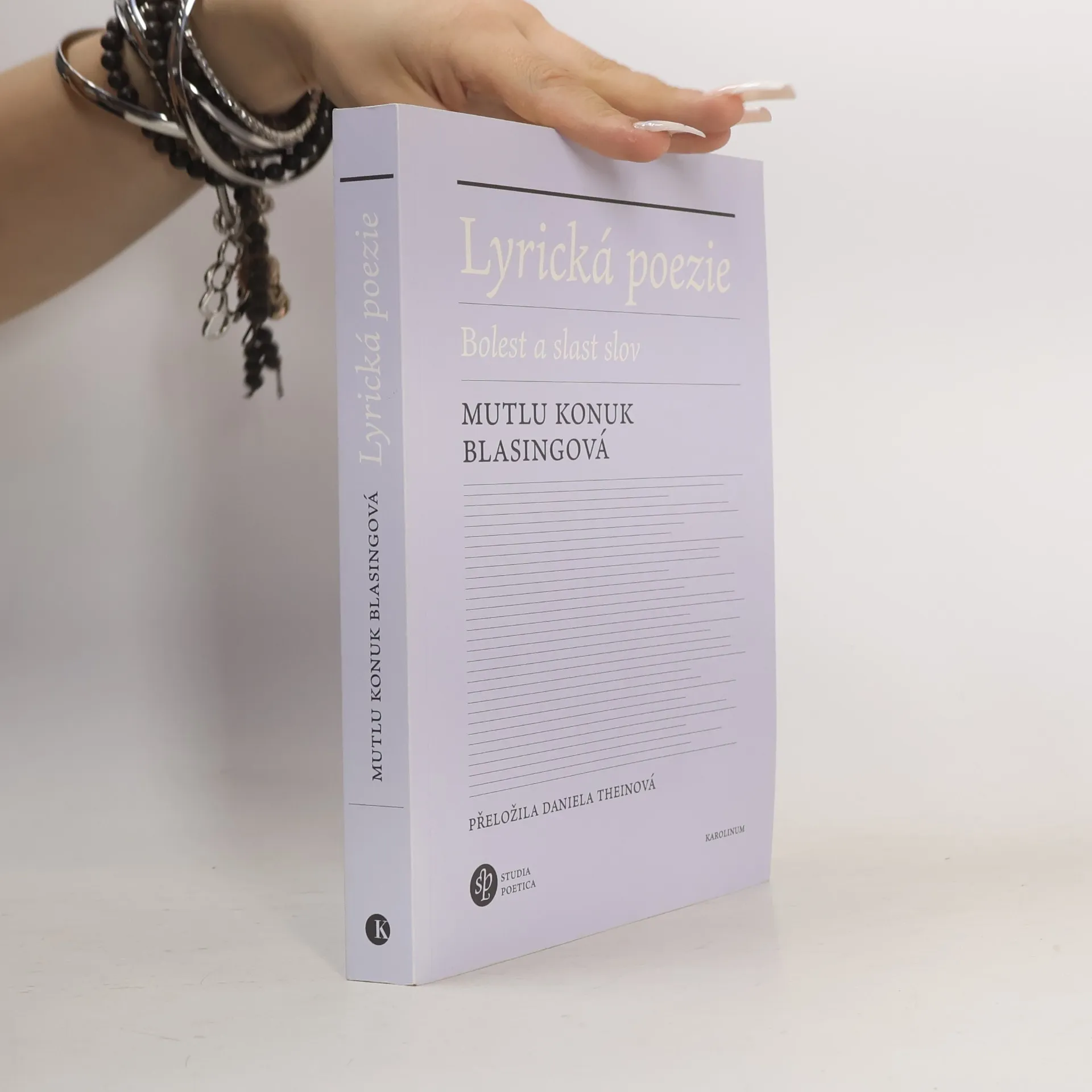
Americká badatelka tureckého původu Mutlu Konuk Blasingová se zabývá povahou
lyrického subjektu a jeho vztahem k básnickému jazyku. Zdánlivě soukromé,
individuální vědomí vyjádřené v básni je podle ní jen virtuální entitou. Oním
„já“, s nímž se v lyrickém diskursu setkáváme, totiž nejsou básníkova
stylizovaná a společensky ukotvená „já“ – jsme jím my sami. Blasingová klade
důraz na rétorickou, veřejnou a univerzální povahu básnického kódu, jenž je
hluboce zakořeněn v mateřské řeči. Podrobné čtení kanonických děl modernistů
T. S. Eliota, Wallace Stevense a Ezry Pounda či americké básnířky Anne
Sextonové opírá Blasingová o výzkum v oblasti lingvistiky, psychologie a
psychoanalýzy. Pomáhá nám tak nahlédnout složité historické procesy, jejichž
výsledkem jsou promlouvající lidské subjekty. Pochází-li účinek básnického
jazyka z emočního náboje řeči samotné, lyrický subjekt je v prvé řadě
produktem básnického kódu.