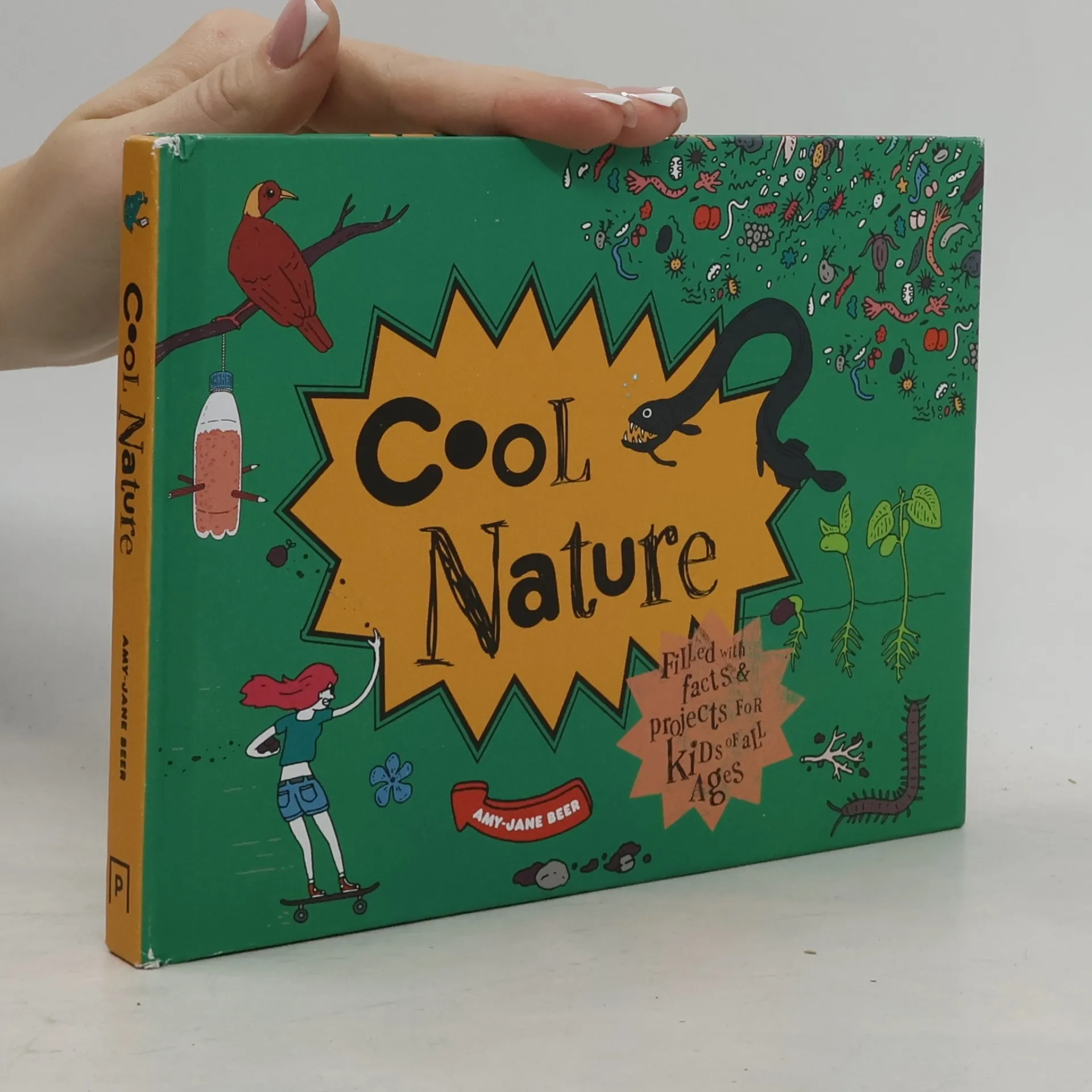
Did you know that fish can use tools, and that wombat poo is cubic? This
animal-tastic, fact-packed guide to the world of nature contains everything
the budding naturalist needs to know. Meet nature's most fearsome predators,
explore the wonders of the ocean, and marvel at the ability of animals to
survive in the harshest environments.
A visit to the rapid where she lost a cherished friend unexpectedly reignites Amy-Jane Beer’s love of rivers setting her on a journey of natural, cultural and emotional discovery.On New Year’s Day 2012, Amy-Jane Beer’s beloved friend Kate set out with a group of others to kayak the River Rawthey in Cumbria. Kate never came home, and her death left her devoted family and friends bereft and unmoored.Returning to visit the Rawthey years later, Amy realises how much she misses the connection to the natural world she always felt when on or close to rivers, and so begins a new phase of exploration.The Flow is a book about water, and, like water, it meanders, cascades and percolates through many lives, landscapes and stories. From West Country torrents to Levels and Fens, rocky Welsh canyons, the salmon highways of Scotland and the chalk rivers of the Yorkshire Wolds, Amy-Jane follows springs, streams and rivers to explore tributary themes of wildness and wonder, loss and healing, mythology and history, cyclicity and transformation.Threading together places and voices from across Britain, The Flow is a profound, immersive exploration of our personal and ecological place in nature.