
In A Legacy of Discrimination, Lee C. Bollinger and Geoffrey R. Stone trace the history of affirmative action and the legal challenges it has faced over the decades. They introduce evolving, affirmative-action case law that sought to dismantle racism and enable social, educational, and economic progress for Black people and other minority groups. They demonstrate how and why affirmative action policies stand on firm legal ground and must remain protected. A timely and robust overview of affirmative action, this book will serve as a powerful defense of a policy that has accomplished more than most people realize in making America a fairer and more inclusive country.
Geoffrey R Stone Volgorde van de boeken
Geoffrey Stone is een vooraanstaand rechtsgeleerde wiens werk zich richt op constitutioneel recht en vrijheid van meningsuiting. Zijn invloedrijke boeken onderzoeken de spanningen tussen overheidsmacht en burgerlijke vrijheden, vooral in crisistijden. Stone duikt in de historische ontwikkeling van cruciale juridische concepten en verdedigt onvermoeibaar het belang van vrij denken en vrije expressie in de hedendaagse samenleving. Zijn analyses bieden diepgaande inzichten in de fundamentele vragen rond de balans tussen veiligheid en vrijheid.
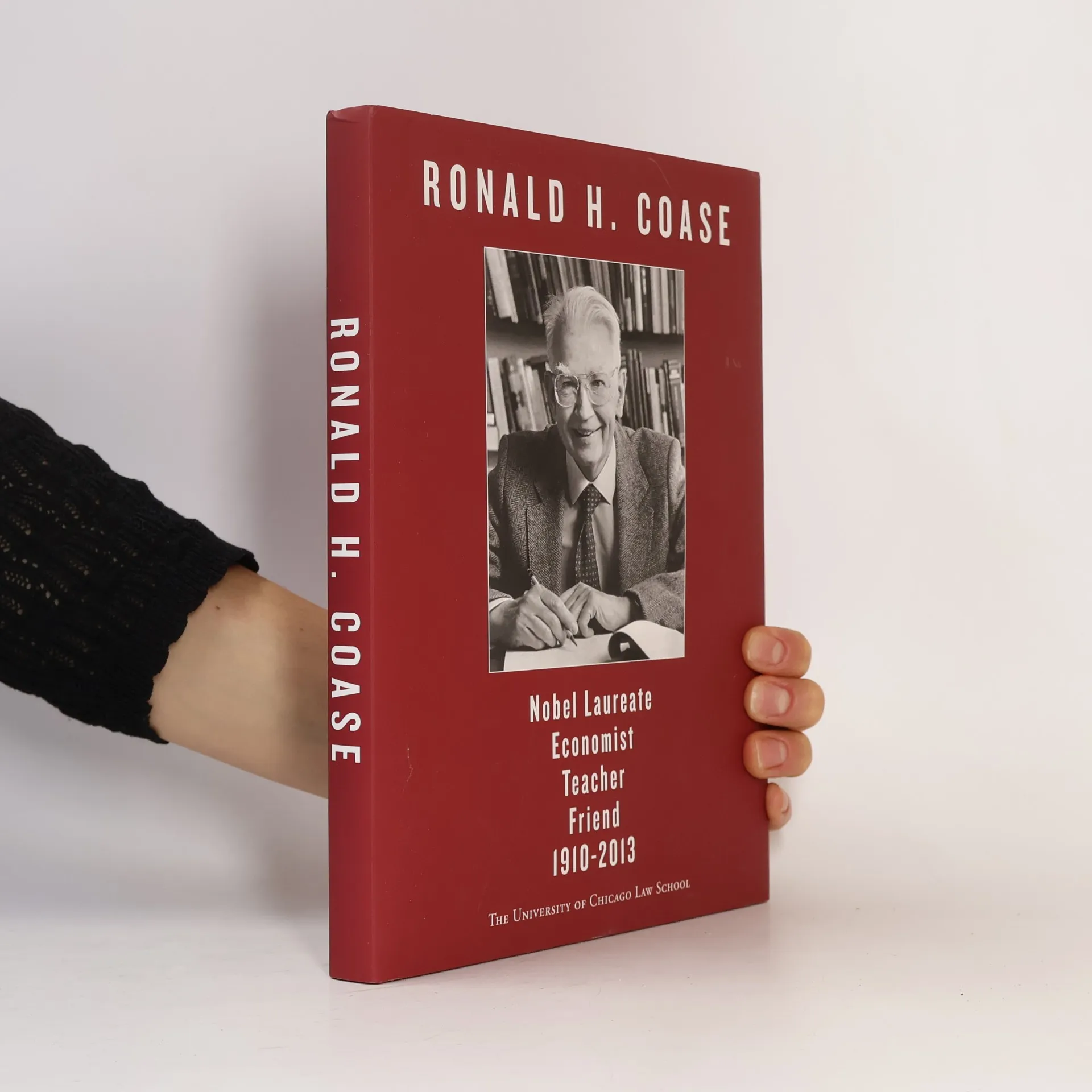

- 2023
- 2020
Democracy and Equality
- 216bladzijden
- 8 uur lezen
From 1953 to 1969, the Supreme Court under Chief Justice Earl Warren achieved significant milestones in American constitutional law, declaring racial segregation and laws against interracial marriage unconstitutional, expanding citizens' rights to criticize public officials, ruling school prayer unconstitutional, and ensuring the right to legal counsel for the accused. Despite these accomplishments, conservative critics accused the Warren Court justices of overstepping their authority by imposing personal opinions on the nation. In this evaluation, legal scholars Geoffrey R. Stone and David A. Strauss argue that the Warren Court's interpretation of the Constitution aligned with the fundamental values of democracy and equality. They explore the Court's key decisions, providing historical and legal context, detailing the reasoning behind each case, and illustrating how the justices upheld their essential responsibilities. This analysis, commemorating the 50th anniversary of the Warren Court's conclusion, defends its legacy against decades of conservative criticism. It asserts that the Warren Court's constitutional approach was not only justified but also superior to the increasingly conservative interpretations that have characterized the Supreme Court in recent years.
- 1996
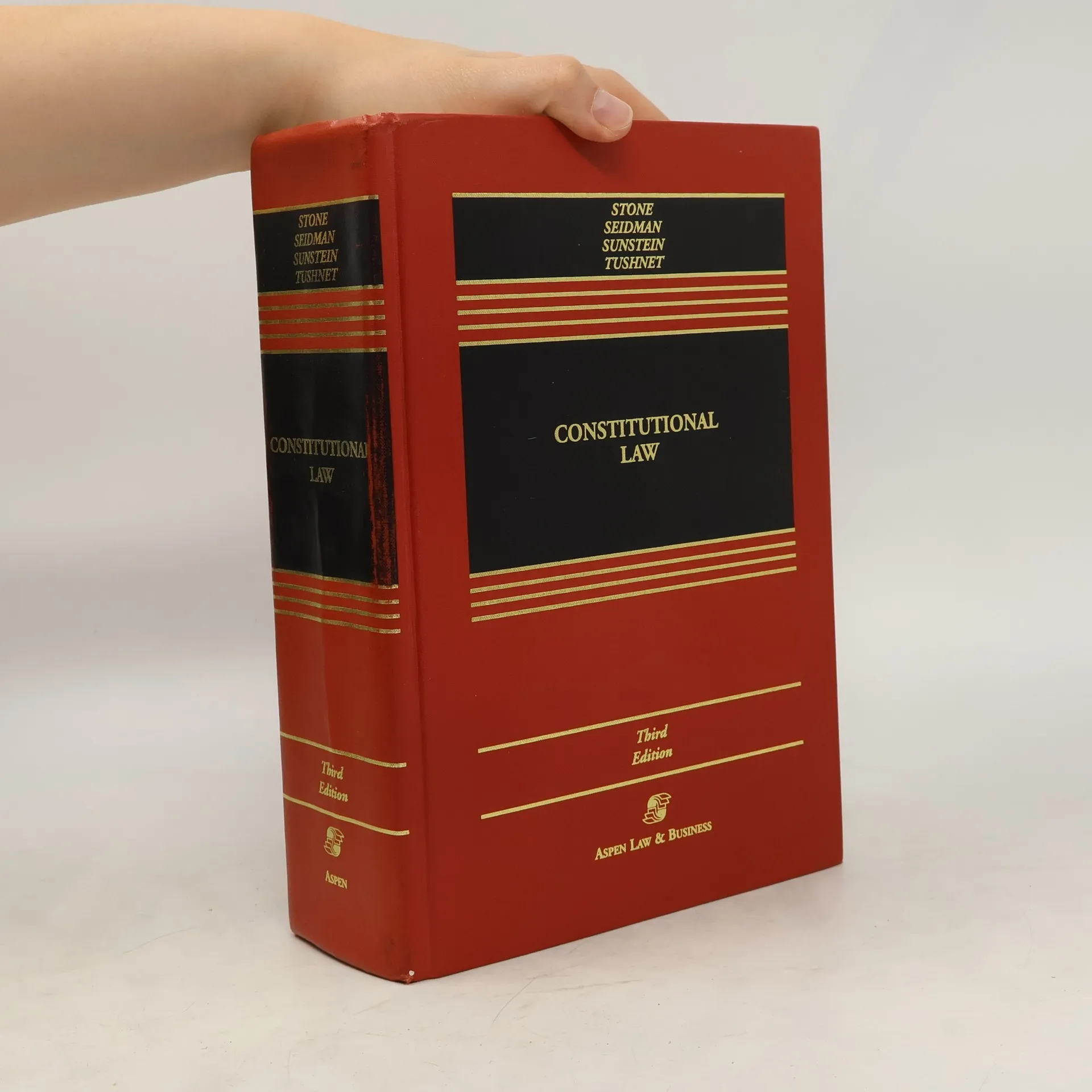
This 1996 edition of the phenomenally popular CONSTITUTIONAL LAW, by Stone, Seidman, Sunstein, and Tushnet, continues to offer the most vibrant and challenging set of teaching materials available for your course.