

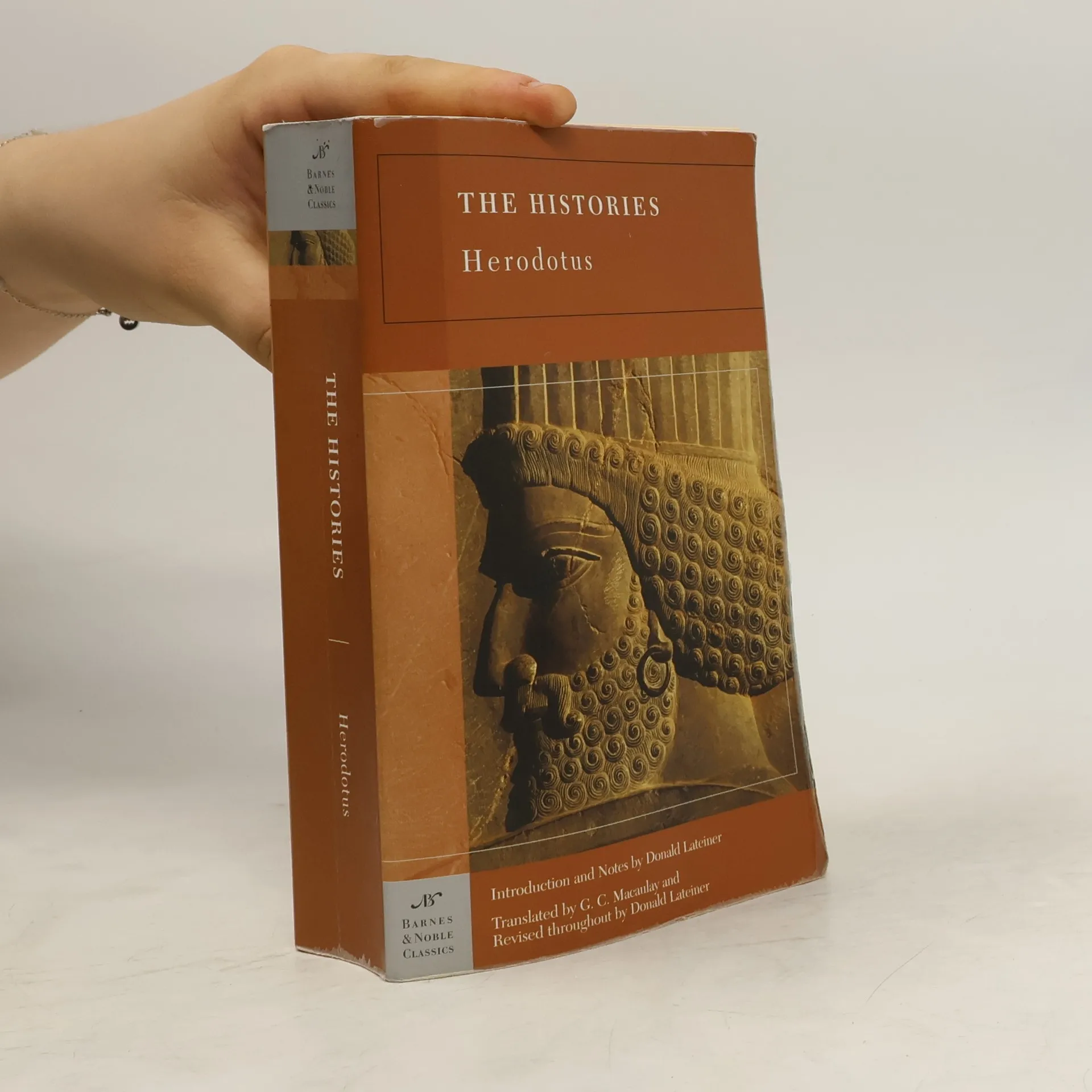
The world's first great narrative history, Herodotus's The Histories vividly describes how the Greeks—few in number, poor, and disunited—managed to repulse a massive invasion by the powerful Persian army in the 5th century b.c. This amazing upset victory changed the course of western civilization, as the cities that led the resistance—Athens and Sparta—became the two major powers on the Greek mainland. The remarkable period that followed introduced revolutionary ideas about democracy, education, philosophy, drama, and—thanks to Herodotus—the writing of history. A wonderful storyteller, Herodotus filled the Histories with amusing anecdotes and dialogue, human details about the lives of important political figures, and a kaleidoscope of viewpoints from people of many lands. Magnificent in compass and enormously entertaining, the Histories is not only the leading source of original information for Greek history during the all-important period between 550 and 479 b.c., but also an artistic masterpiece that created a new genre of literature. Features maps of several noted battles, index of proper names, and a general index.
Aubrey de Sélincourt Boeken


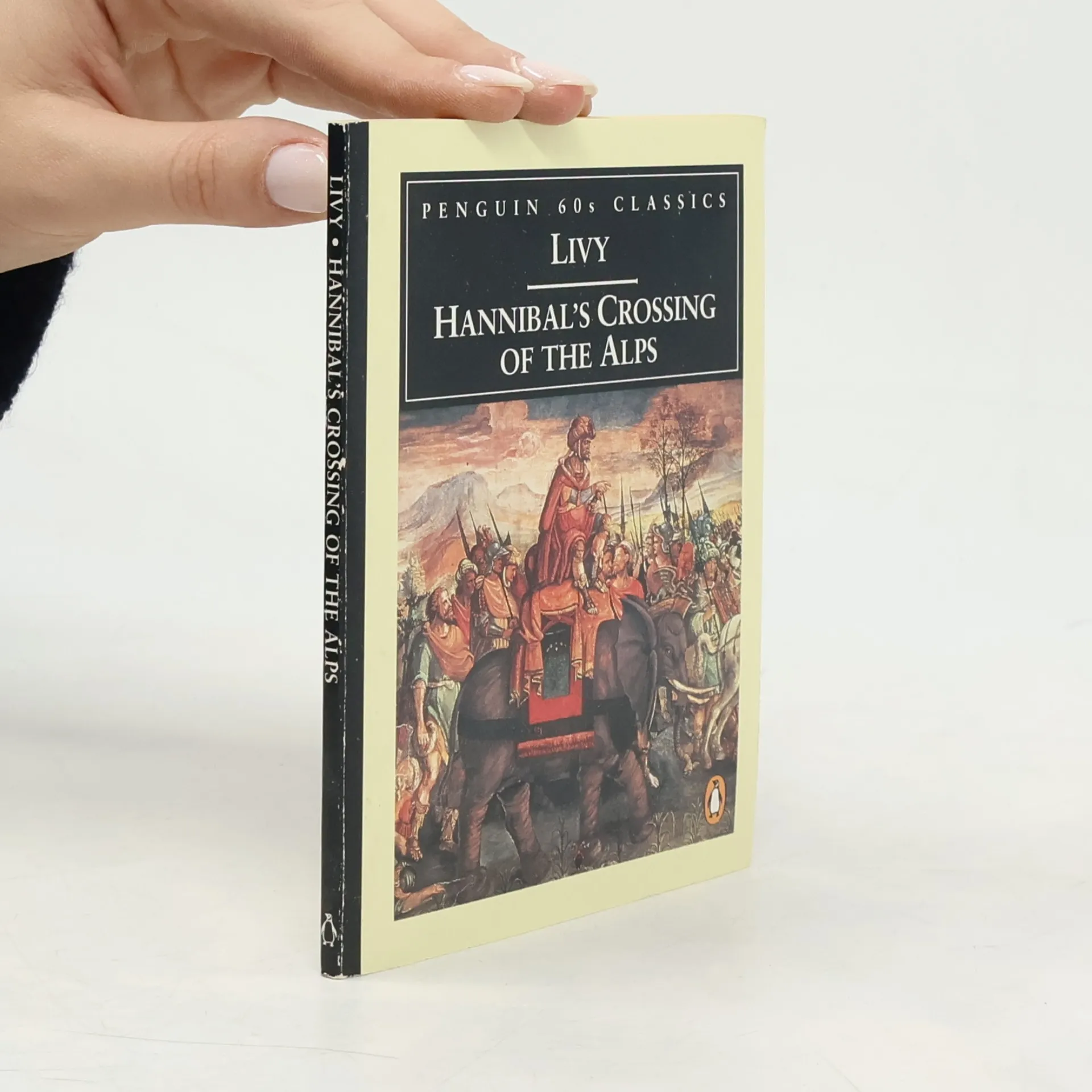
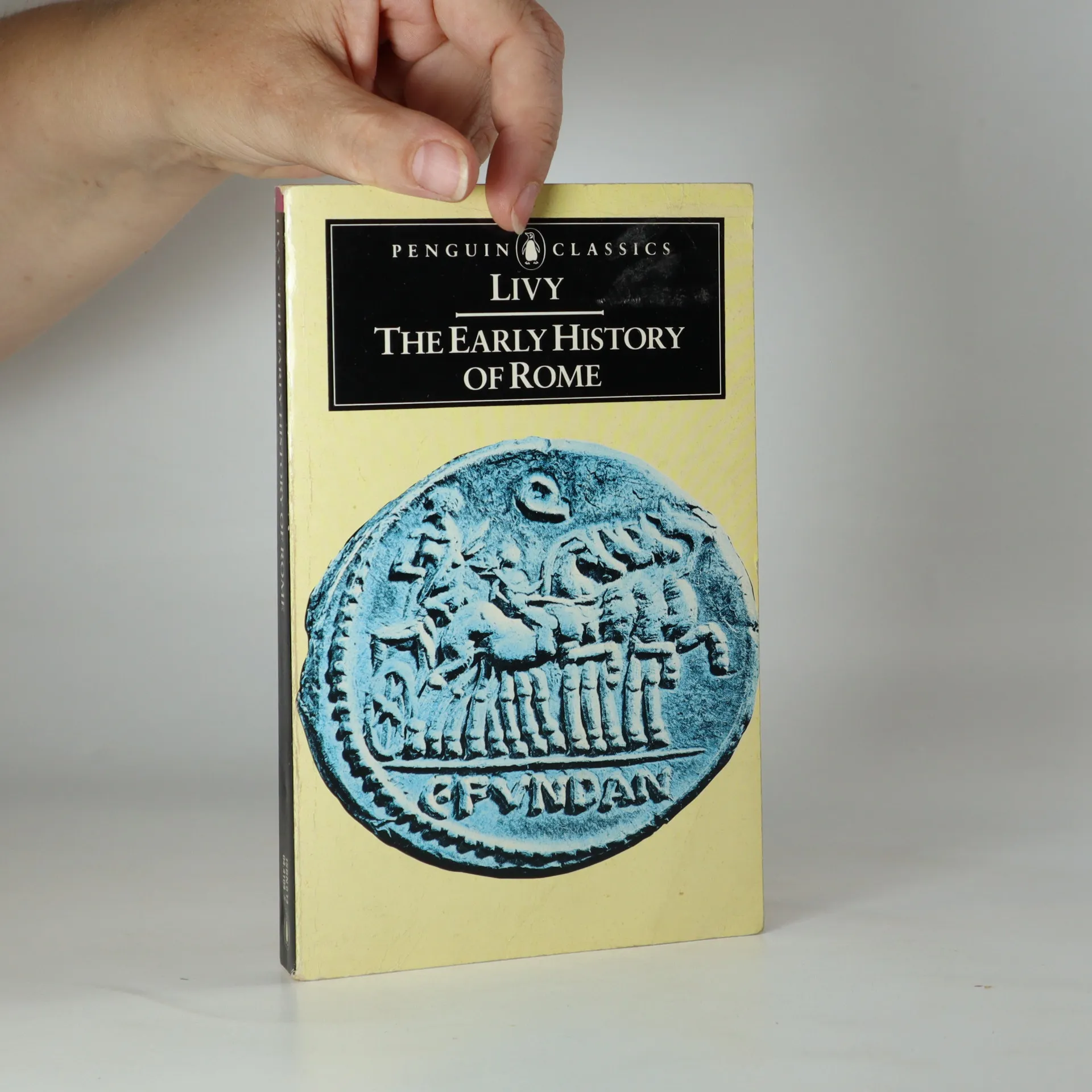
Romulus and Remus, the rape of Lucretia, Horatius at the bridge, the saga of Coriolanus, Cincinnatus called from his farm to save the state - these and many more are stories which, immortalised by Livy in his history of early Rome, have become part of our cultural heritage. The historian's huge work, written between 20 BC and AD 17, ran to 12 books, beginning with Rome's founding in 753 BC and coming down to Livy's own lifetime (9 BC). Books 1-5 cover the period from Rome's beginnings to her first great foreign conquest, the capture of the Etruscan city of Veii and,a few years later, to her first major defeat, the sack of the city by the Gauls in 390 BC
Penguin 60s Classics: Hannibal's Crossing of the Alps
- 64bladzijden
- 3 uur lezen
In 218 BC, according to Livy's account, the mighty Carthaginian commander Hannibal rallied his army to march from Spain across the Alps and into Italy. It was a hazardous journey, requiring tremendous fortitude from his soldiers, but Hannibal's tactical precision and zeal guided them successfully -- elephants and all -- over the final obstacle to Italian soil.
Xerxes Invades Greece
- 128bladzijden
- 5 uur lezen
This work talks about a king who would be worshipped as a god. When Xerxes, King of Persia, crosses the Hellespont at the head of a formidable army, it seems inevitable that Greece will be crushed beneath its might. But, the Greeks are far harder to defeat than he could ever have imagined. As storms lash the Persian ships, and sinister omens predict a cruel fate for the expedition, Xerxes strives onward, certain his enemies will accept him as their king. But as he soon discovers, the Greeks will sacrifice anything, even their lives, to keep their liberty.