
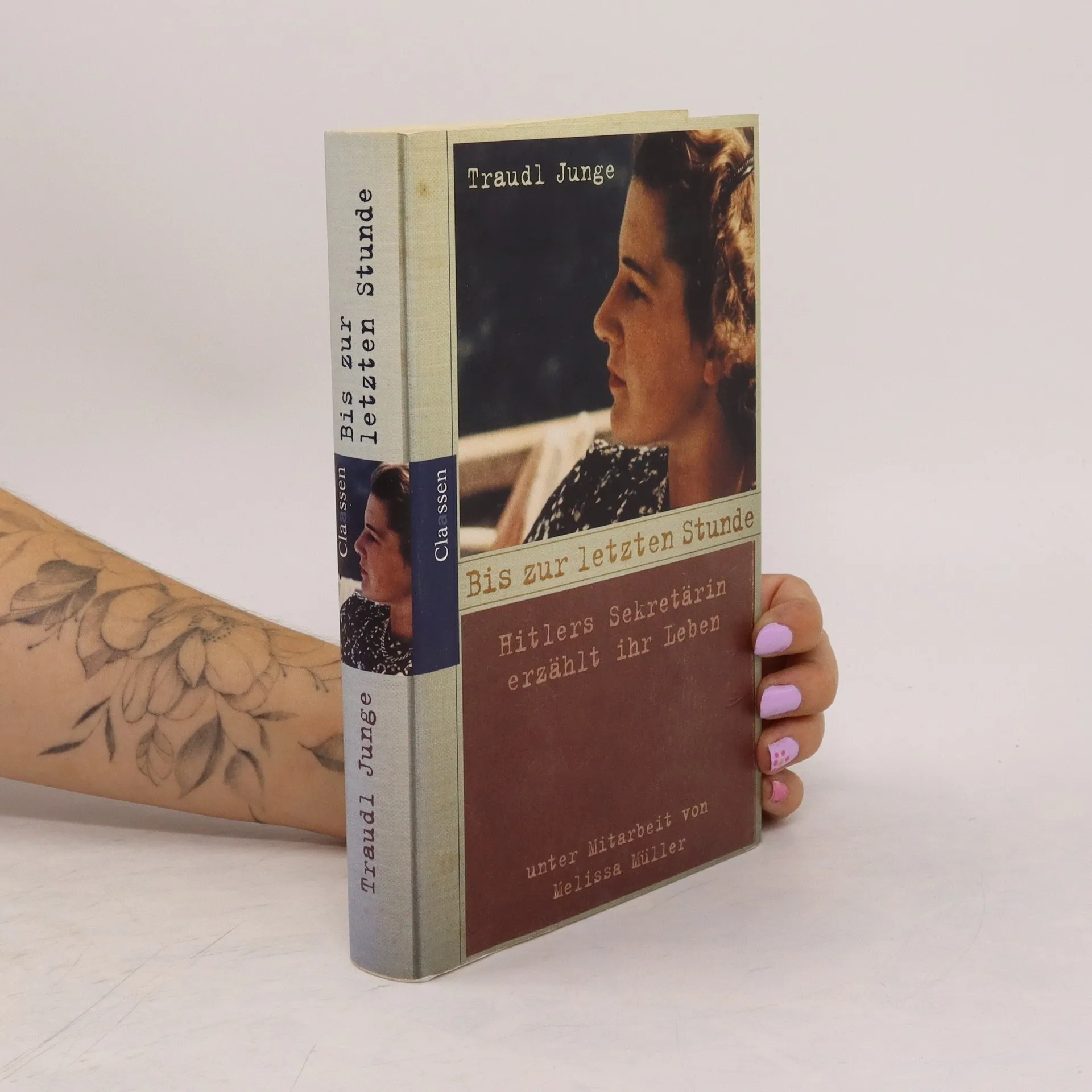
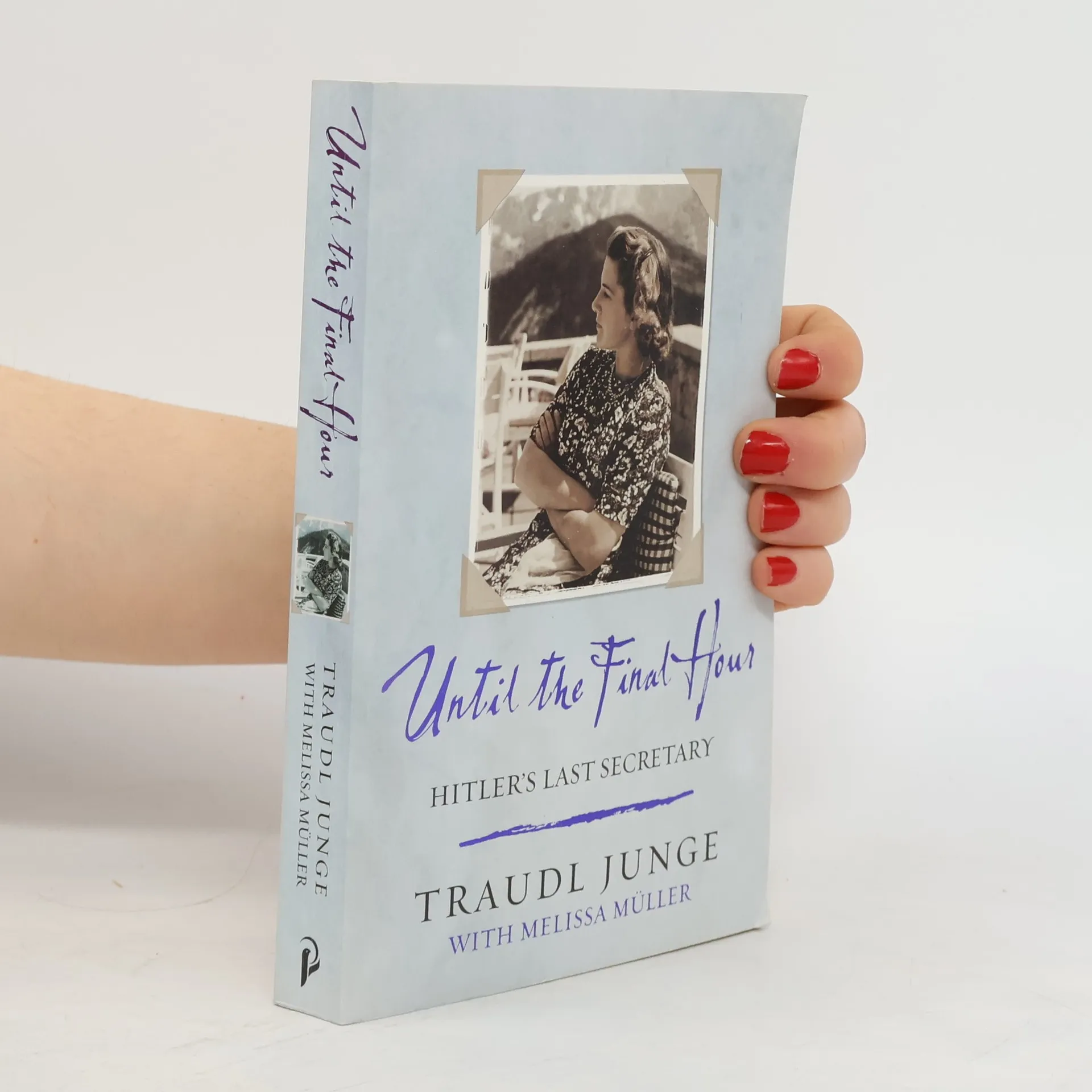
Vzpomínky Hitlerovy sekretářky Zápisky Traudl Jungeové vypovídající o jejích subjektivních vzpomínkách na dobu, kdy v letech 1942-1945 pracovala jako sekretářka Adolfa Hitlera. [Snila o kariéře tanečnice a o politiku se vůbec nezajímala, a přesto se Traudl Jungeová stala jednou z posledních a zároveň nejmladších osobních sekretářek Adolfa Hitlera. Věznění, teror, mučení, vraždy a občanské války jsou průvodními jevy všech diktátorů. Nic však dosud nepřekonalo hrůzné metody členů Hitlerovy nacistické strany. Jeho jméno bylo přes půl století skloňováno ve všech pádech. Byl nenáviděn a proklínán. Tento historický dokument je poutavým čtením pro ty, kteří se o tuto problematiku zajímají.
Traudl Junge Volgorde van de boeken
Deze auteur bevond zich als jonge vrouw in het epicentrum van historische gebeurtenissen en diende als persoonlijk secretaresse van Adolf Hitler. Haar verslag biedt een uniek perspectief op de sfeer van die tijd en de relaties met machtige figuren. Na verloop van tijd worstelde ze met haar eigen fascinatie en schuldgevoelens, en haar geschriften onthullen de complexiteit van de menselijke psyche onder extreme omstandigheden. Haar werk verkent thema's als onwetendheid, schuld en de strijd om de eigen reacties op het kwaad te begrijpen.


- 2003
- 2002
Until the Final Hour
- 320bladzijden
- 12 uur lezen
'To have such an uncomplicated, unaffected witness present at some of the key defining moments of the 20th century was fortunate for historians. Frau Junge's book has sold 100,000 copies in Germany and it is easy to see why: her testimony rings absolutely true, when other politically motivated accounts of the last days of Hitler do not' Andrew Roberts, Evening StandardTraudl Junge was 22 years old and dreamt of a career as a ballerina, until the 'opportunity of her life' beckoned and she was appointed as Adolf Hitler's secretary. From 1942 until his death she was at his side in the bunker, typing his correspondence, his speeches and even his last private and political will and testament.It was only after the war that the horrible reality of Hitler's regime began to dawn on her, and she became racked with guilt for 'liking the greatest criminal ever to have lived.' Her journal, written in 1947, is a startling eyewitness account of Hitler's court during its final years, and of the building sense of doom as the war progressed.